
Reviewed · JAPAN FARM TOURS
7 Hours Private Guided Tour Uji and Wazuka Matcha Farm
Wazuka’s rolling tea fields are the heart of this private Uji outing. You visit Byōdō-in, walk a working farm, meet a fifth-generation tea farmer, and taste several ceremonial-grade matchas. This is tea country with a human face, not just a shop stop in town.
I like two things right away: Masae leads the day in fluent English, and the tour lets you smell, taste, and whisk tea instead of merely hearing about it. The Japanese lunch in a traditional home adds another welcome layer. The main consideration is the price, $520 per person, which is a serious spend for a six-hour experience.
- Byōdō-in begins the day with Uji’s most famous temple
- Wazuka tea fields show where premium matcha starts
- A fifth-generation farmer explains the work behind the cup
- You taste at least three local teas and whisk matcha
- A Japanese lunch is served in a traditional-style home
- The private format keeps the day flexible for your group
From Uji Station to Byōdō-in
Your day starts at Uji Station, at 17 Uji Umonji, Kyoto 611-0021. The activity returns to the same meeting point, which makes the plan easy to fit into a Kyoto or Osaka visit. You do not need to work out a separate return route from the farm.
Uji is closely tied to Japanese tea, but the town is not only about tea shops. It is also home to Byōdō-in, one of Japan’s best-known Buddhist temples. The temple gives the day a strong opening because you first see the cultural setting in which Uji tea became famous.
Byōdō-in is especially useful for visitors who want more than a food tasting. The temple connects the day to Japan’s religious and artistic past, while the later farm visit shows the practical work behind a modern cup of matcha. That change of scale, from an iconic temple to leaves and soil, gives the outing a clear story.
I would allow a little breathing room before the meeting time. The tour is private, but the supplied details do not set out a precise hour-by-hour schedule, so your exact time at Byōdō-in and the farms may vary.
Uji’s Tea Town Has More Than a Famous Cup
A guide through Uji is included, and this is one of the useful parts of the experience. You get a local introduction before leaving town for the tea-growing hills. That context helps explain why Uji is such an important name on tea packaging and menus throughout Japan.
The day is not built around buying tea in a crowded retail setting. Instead, you see the place where the crop begins and speak with people connected to its production. That matters because matcha can seem simple in a bowl, yet its quality depends on farming, processing, preparation, and storage.
Masae’s own background also fits the tour. She has lived overseas for more than seven years and has traveled to more than 40 countries before returning home to share Uji’s tea culture. Her English fluency is a practical advantage, especially when you want to ask about tea ritual, grades, farming methods, or the difference between one cup and another.
One past participant wanted a close look at how the best matcha is produced and how different teas should be appreciated. That is the right way to approach this outing. You are not simply collecting another Japanese snack experience. You are learning a set of details that can change how you taste tea later.
More Guided Tours in Japan:
- Uji and Wazuka Matcha Farm Half Day Private Guided Tour
★ 5.0 · 21 reviews - Miyajima Guided Tour and Fresh Oyster Farm Tour
★ 5.0 · 20 reviews - Guided Bike Tour to a Green Tea Farm in Shizuoka (not e-bikes)
★ 5.0 · 5 reviews
Wazuka’s 800 Years of Tea Farming
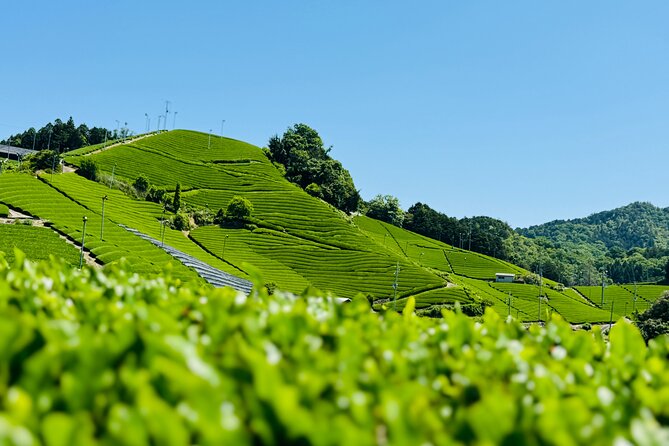
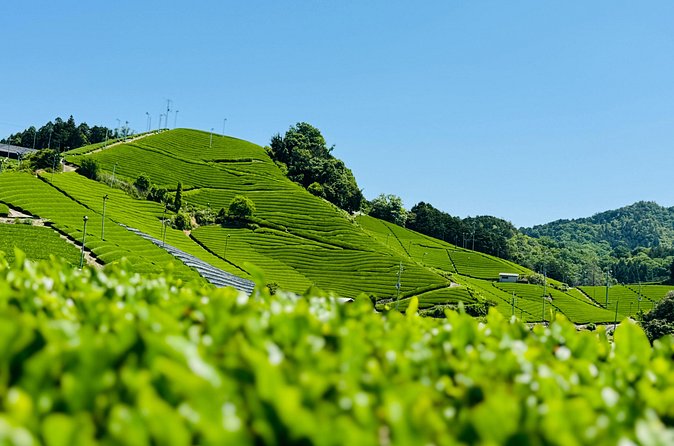
The move from Uji to Wazuka changes the mood. Wazuka is described as an 800-year tea village, with green fields spread across rolling hills. The scenery is a major reason to choose this tour instead of staying in central Uji.
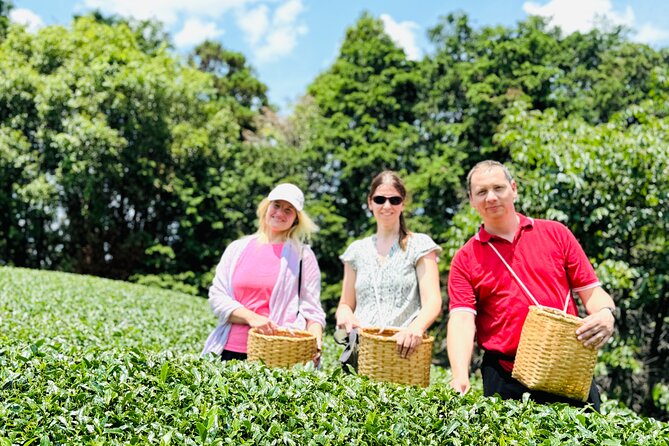
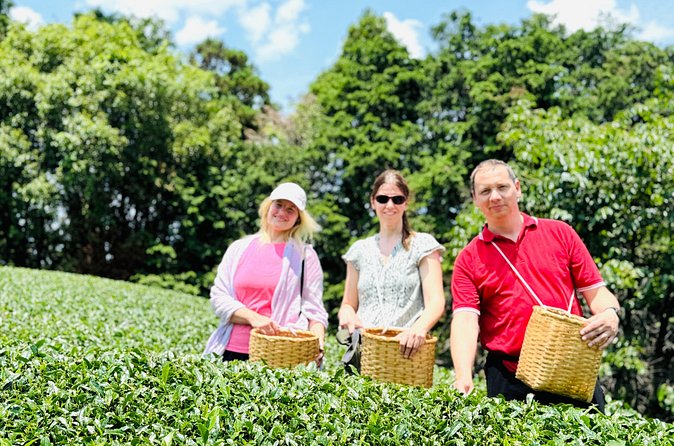
You walk through tea fields and visit a farm connected to a fifth-generation tea farmer. The family connection matters. A working farmer can explain the crop in a way that a shop assistant usually cannot, including the physical labor and seasonal care involved in producing good leaves.
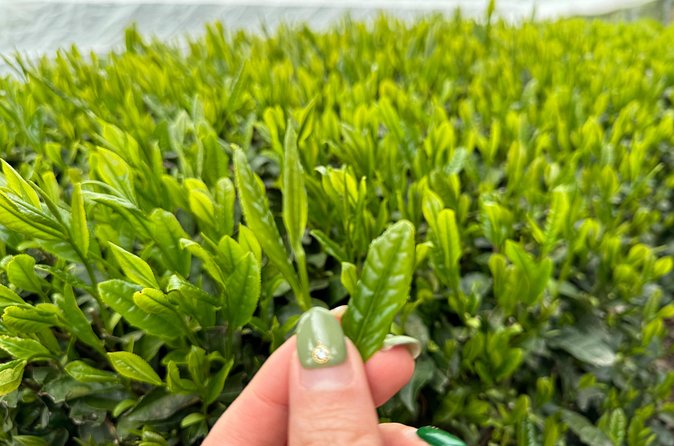
You also get to try hand-picking tea leaves. This is a small activity, but it gives you a better sense of scale. A polished cup of matcha can feel removed from the farm. Holding the leaves and seeing the rows makes the final drink less abstract.
The access road and farm ground can be bumpy and muddy. Wear shoes that you can walk in comfortably and do not mind getting dirty. The tour is not presented as a demanding hike, but it is not a polished indoor attraction either. The uneven access is part of the trade-off for reaching a real farming area.
The fields may be the most memorable visual part of the day. Still, the scenery is weather dependent, and the details provided do not promise a particular season or view on your date. You should choose this outing for the meeting with farmers and the tasting as much as for the photographs.
Learning How Matcha Becomes Matcha
The farm visit is where this experience earns its higher price. You are not only shown tea plants. You learn about matcha from a family with five generations of experience, then connect that information to the tea in your cup.
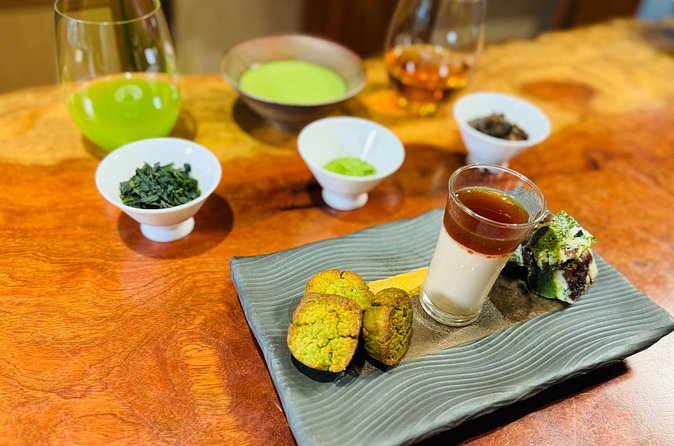
The tour includes traditional matcha whisking. This gives you a direct role in preparation and helps explain why the ritual involves more than adding powder to hot water. The motion, texture, aroma, and balance all become easier to notice once you have tried preparing the drink yourself.
You also taste multiple premium matchas, described as ceremonial grades. At least three different local teas are included in the tea tasting. The information also lists coffee and/or tea, so the precise mix of drinks may vary, but tea is the central focus.
I like this tasting format because it encourages comparison. Instead of deciding that you like or dislike matcha after one sweetened drink, you can notice differences between samples. You may find that aroma, bitterness, sweetness, and mouthfeel change from one tea to the next.
The wording about tea once reserved for the Imperial Family adds historical interest, but the more valuable lesson is practical. You get to connect the prestige of the product with the people who grow and prepare it today. Any premium tea you take home then has a place and a story behind it.
A Japanese Lunch in a Traditional Home
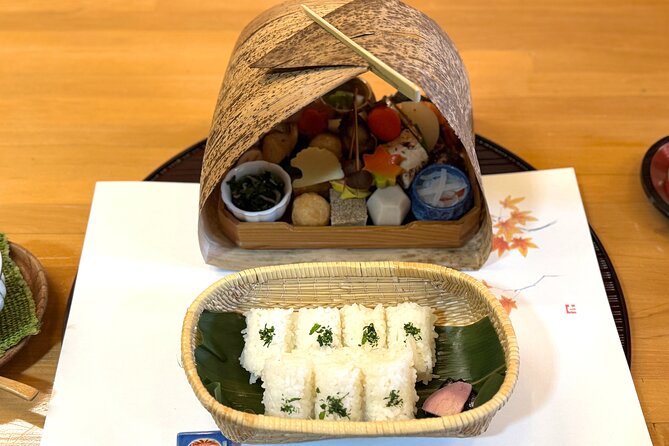
Lunch is a Japanese set meal served in a traditional-style home. It is included in the price, which is helpful in rural Wazuka, where you are not choosing among a long line of restaurants during the day.
The meal adds a cultural note that a standard tea tasting would miss. Japanese food presentation often gives attention to balance, small portions, and seasonal ingredients, although the exact dishes are not specified here. I would treat the lunch as a set local meal rather than expect a menu of choices.
Vegetarian food is available with advance notice. If you need that option, request it before the tour date. The supplied information does not list other dietary arrangements, so you should ask the provider directly about any needs beyond vegetarian food.
The lunch also gives the schedule a comfortable pause. A six-hour outing with a farm walk, temple visit, and several tastings can feel full. Sitting down for a proper meal keeps the day from becoming a string of quick stops.
More Farm Tours in Japan:
- Hokkaido Lavender farm & Furano Flower Tour from Sapporo
★ 4.5 · 28 reviews - Mt. Fuji Private Chartered Tour with Nature and Wasabi Farm
★ 5.0 · 24 reviews - Wasabi Farm Walking Tour & Lunch
★ 4.5 · 20 reviews - Hands-on Pearl Harvesting Workshop!
★ 3.3 · 11 reviews
What $520 Per Person Buys You
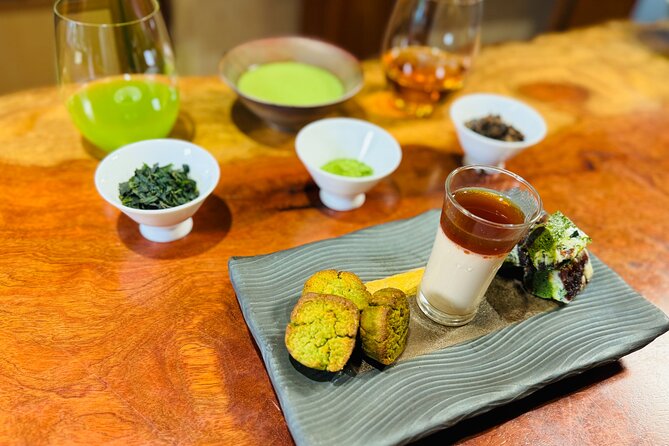
At $520 per person, this is not a budget tea tour. The value depends heavily on your group size and on how much you want personal guidance. You are paying for a private activity, a guide through Uji, access to a local farm, a farmer meeting, tastings, matcha preparation, lunch, and the convenience of returning to the starting point.
The private format is important. Only your group participates, so you can ask questions without a larger crowd waiting for the next stop. It may also make the outing a better fit for families, couples, or solo visitors who want a more personal pace.
Group discounts are available, though the exact discount is not given. Ask for the current group price before booking, since the per-person cost may make more sense when shared by several people.
I would compare this with a short shop-based tea ceremony or a basic Uji tasting before deciding. Those options may cost less, but they will not necessarily include Wazuka’s fields, a fifth-generation farmer, hand-picking, lunch in a traditional home, and at least three local teas.
The price is easiest to justify if tea is a central interest on your Japan trip. If you only want a quick introduction to matcha, this may be more time and money than you need. If you want to understand production, taste carefully, and meet local people, the private design gives the day real value.
Timing, Comfort, and Practical Limits
The title refers to seven hours, while the listed duration is approximately six hours. Plan for roughly six hours, but confirm the exact timing when you book. The meeting and return point is Uji Station, and the tour uses mobile tickets.
The activity is close to public transportation at the start. Farm access can be muddy and uneven, so comfortable walking shoes are important. The supplied details do not give a specific accessibility rating, and the rough farm route may be difficult for anyone who needs smooth, level ground.
Service animals are allowed. No separate transportation cost is listed in the included or excluded details, so confirm how the group reaches Wazuka if that affects your planning.
Extra snacks and drinks bought on the street are not included. Bring that small expense into your day, especially if you like to browse Uji before or after the tour.
Free cancellation is available if you cancel at least 24 hours before the local start time. Changes or cancellations inside that window are not accepted for a refund. The experience is often booked about 28 days ahead, so reserve early if your Kyoto schedule is tight.
Who Will Get the Most From This Day
I would recommend this outing to matcha lovers who want to understand what they are drinking. It also suits culture-focused visitors who like pairing a major temple with a smaller local community and a meal in a traditional home.
Families can benefit from the hands-on parts, especially leaf-picking and whisking. The private format lets your group ask questions at its own pace, although the muddy farm access may not suit every child or anyone who dislikes uneven ground.
Solo visitors can also make good use of the experience. A private guide provides company and interpretation throughout the day, which can be valuable when the subject is specialized.
I would think twice if you have only a few hours in Uji, dislike tea, or mainly want a formal temple tour. Byōdō-in is only one part of the schedule. The real purpose is to connect Uji’s history and tea reputation with Wazuka farming.
Should You Book the Uji and Wazuka Matcha Tour?
Book it if you want a full tea day rather than a quick ceremonial cup. The strongest reasons are the private guide, the fifth-generation farmer, and the chance to compare at least three teas after seeing the fields where they begin.
The main caution is cost. At $520 per person, this is a premium outing, and the six-hour timing can be a large part of a Kyoto itinerary. Confirm the actual duration, ask about the group discount, request a vegetarian lunch in advance if needed, and wear shoes suitable for mud.
For a serious matcha enthusiast or a visitor who values direct contact with local producers, I think the farm access and personal instruction make the splurge easier to defend. For a casual tea drinker, a less expensive Uji tasting may be the wiser choice.
FAQ
Where does the tour start?
The tour starts at Uji Station in Uji, Japan. The listed meeting address is 17 Uji Umonji, Kyoto 611-0021.
Where does the tour end?
The activity ends back at the meeting point at Uji Station.
How long does the experience last?
The listed duration is approximately six hours, although the tour title refers to seven hours. Confirm the exact timing when booking.
Is this a private tour?
Yes. Only your group participates in the activity.
What is included?
The experience includes a viewpoint visit, a tea farm walk, local coffee and/or tea tasting with at least three different kinds, a Japanese lunch set, and a guided tour through Uji.
Is a vegetarian lunch available?
Yes. A vegetarian option is available if you make the request in advance.
Are extra snacks and drinks included?
No. Snacks and additional drinks purchased on the street are not included, but they are available to buy.
Can service animals join the tour?
Yes. Service animals are allowed.
What happens if I need to cancel?
You can receive a full refund if you cancel at least 24 hours before the experience starts. Cancellations and changes made less than 24 hours before the local start time are not accepted for a refund.
Just added around Japan
- Wasabi Farm Walking Tour with Lunch★ 4.4 · 2 reviews
- From Tokyo Mt.Fuji, Lake Kawaguchi, Makaino Farm day tour★ 5.0 · 8 reviews
- Hida Private E-Bike Tour with Premium Lunch and Farm Experience★ 5.0 · 7 reviews
- Guided Bike Tour to a Green Tea Farm in Shizuoka (not e-bikes)★ 5.0 · 5 reviews
- Hokkaido Farm Tomita Shikisai Hill Waterfall& Blue Pond Day Tour★ 3.5 · 6 reviews
- Wasabi Farm Walking Tour & Lunch★ 4.5 · 20 reviews
- 7hr Private Wazuka True Hidden Kyoto Matcha Farm Experience★ 5.0 · 3 reviews
- Aso Caldera and Farm Experience Tour★ 5.0 · 5 reviews
Japan Farm Tours, compared.

Hokkaido Lavender farm & Furano Flower Tour from Sapporo
Read our review →
Mt. Fuji Private Chartered Tour with Nature and Wasabi Farm
Read our review →
Uji and Wazuka Matcha Farm Half Day Private Guided Tour
Read our review →


From Tokyo Mt.Fuji, Lake Kawaguchi, Makaino Farm day tour
Read our review →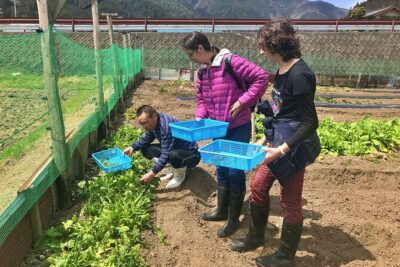
Hida Private E-Bike Tour with Premium Lunch and Farm Experience
Read our review →Lists this farm appears in