
Reviewed · ITALY FARM TOURS
Slowlife Family Farm: From Garden to Table
Sicily’s Slowlife Family Farm is part cooking class, part farm visit, and part archaeological walk. You’ll gather vegetables and edible plants, turn wheat into pasta, taste local oil and wine, and see a sacred site with remains linked to Greek and Roman use.
I like the hands-on food work, especially the step from milling wheat to making pasta. I also like the farm’s unusual setting beside a river, with an old water mill and a lagoon where you may swim. The main drawback is that this is not a polished, easy-access attraction: paths may be uneven, transport is not included, and the calendar must be confirmed with the farm before booking.
Key points to know
- A working organic farm: Learn how local vegetables are grown and gather ingredients for lunch.
- Wheat becomes pasta: Use the farm’s modern tools to follow the process from grain to dough.
- Ancient ground: Walk among archaeological remains tied to Greek and Roman activity.
- River and old mill: Rest under large trees, see the water mill under repair, and swim if conditions allow.
- Small, personal group: The experience is limited to 10 people, with English and Italian available.
- Plan ahead: Contact the farm about the start time and meeting point before you reserve.
A farm where lunch starts in the soil
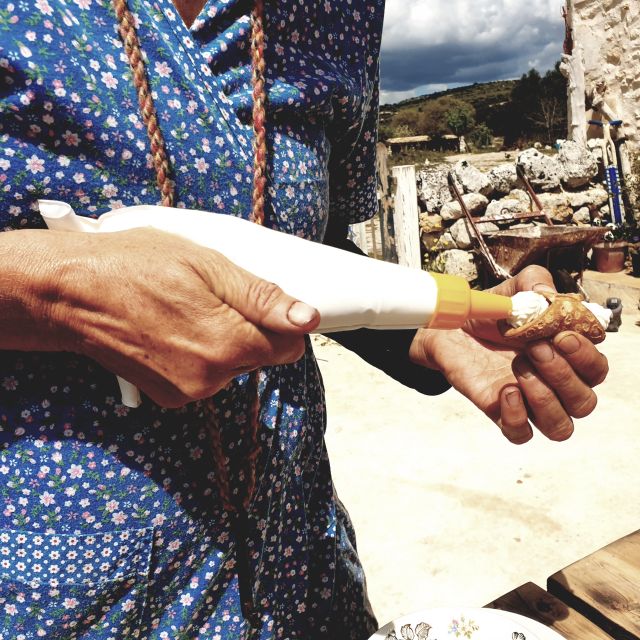
This experience takes place at a 16-year-old off-grid family farm in Sicily. Its slow-food approach is practical rather than decorative. The farm grows organic produce, protects local plant varieties, and works with nearby wheat, olive oil, and wine producers.
That matters because you are not simply watching someone prepare a finished dish. You help collect some of the ingredients, learn how they are grown, and take part in the cooking. The meal becomes a lesson in place and season.
The farm also researches old Sicilian vegetable varieties. If your visit falls at the right time, you may see and taste unusual plants in the garden. One example is the Giant Onion of Giarratana, an endemic variety that can weigh more than 2 kilograms and is traditionally baked over an open fire.
The exact garden harvest will depend on the season. You should not expect every named vegetable to be available on every visit. That uncertainty is part of a working farm, but it is worth keeping in mind if you are hoping to taste one particular crop.
More Farm Tours in Italy:
- Florence Pizza or Pasta Class with Gelato Making at a Tuscan Farm
★ 5.0 · 6,801 reviews - Cooking Class and Lunch at a Tuscan Farmhouse with Local Market Tour from Florence
★ 5.0 · 4,831 reviews - Sorrento Farm and Food Experience including Olive Oil, Limoncello, Wine tasting
★ 5.0 · 2,524 reviews
Walking through 2,500 years of sacred ground
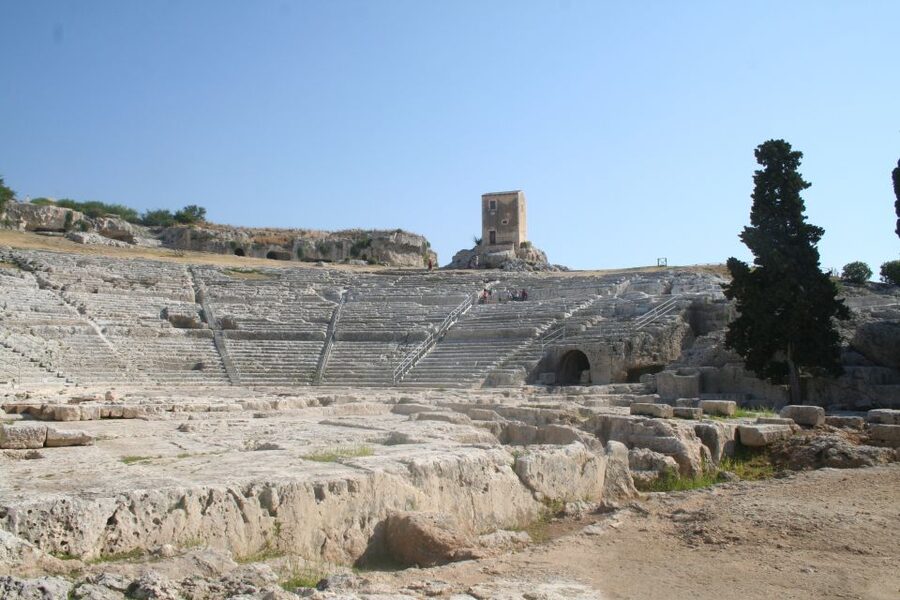
Before the food work begins, or as part of the farm visit, you tour archaeological remains on the property. Archaeologists found altars used by Greek and Roman communities, giving this rural setting an unusual historical layer.
A licensed historical guide leads the archaeological portion. The value here is scale. You are not moving through a crowded museum with objects separated from their original setting. You are seeing traces of past activity on the same land now used for gardens, food production, and family life.
The remains are not presented as a separate blockbuster attraction. They are part of the farm itself, so the tour works best if you enjoy connections between food, land, and history. If you want a long, formal archaeological lecture, this may feel light. If you like seeing ancient remains folded into daily life, it should be a strong part of the morning or afternoon.
No entrance tickets are included in the price, so ask the farm for clarification before you go if your route includes any area requiring a separate admission.
The river, lagoon, and old water mill
The farm sits inside one of Sicily’s notable canyons, beside a river. Large trees provide shade, which is welcome in the Sicilian sun, especially during the outdoor garden and archaeological portions.
You may have the chance to swim in the river and its old lagoon. The supplied details do not promise a fixed swimming stop or describe water conditions, so treat this as a possible bonus rather than the main reason to book. Bring water, comfortable shoes, and a sun hat. If you hope to swim, ask about conditions and timing in advance.
An ancient water mill on the property is being restored. It adds another useful link to the food story. Grain, water, milling, flour, and pasta are not abstract ideas here. They belong to the same setting, even though the pasta class uses modern tools rather than relying on the old mill.
The natural setting is a strength, but it also means this is not ideal for anyone with mobility impairments. You may need to walk on uneven ground, move between outdoor areas, and cope with sun or heat. Wear sturdy footwear instead of sandals with thin soles.
From wheat to pasta with modern tools
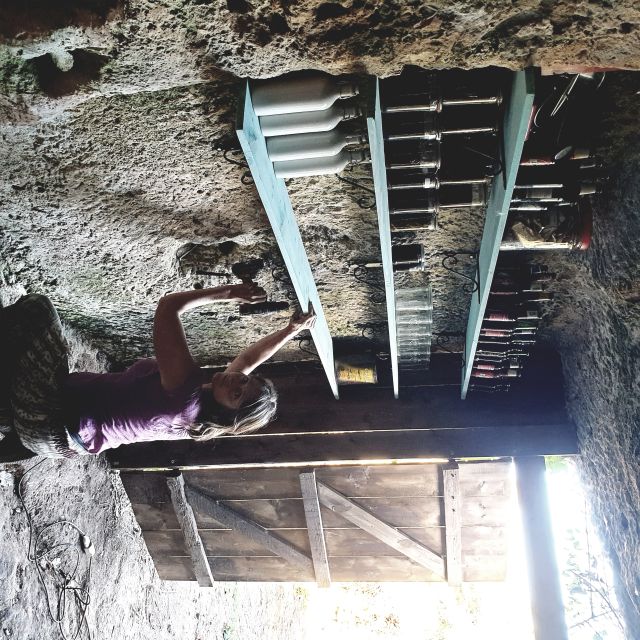
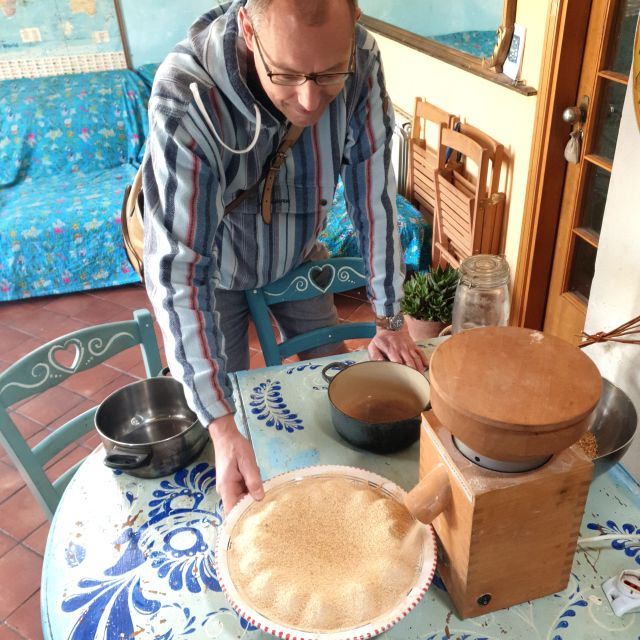
The cooking class follows the grain-to-pasta chain. You learn about milling wheat, then use modern equipment to make pasta with the group.
This is one of the most useful parts of the experience for anyone who wants to understand Sicilian food beyond the plate. Pasta-making classes often begin with flour already measured in a bowl. Here, the process starts earlier, with attention to the grain and the local wheat supply.
The class is designed as a shared activity, not a private lesson with a chef working while you watch. You should expect to handle ingredients and help with preparation. The exact pasta shape and recipe are not specified, so do not book this expecting a particular format.
The small group limit of 10 people helps. It should be easier to see the tools, ask questions, and take a turn than in a large cooking school. English and Italian are offered, but confirm your preferred language when arranging the visit.
Same fields, a different sort of morning:
- Sorrento: Pizza Lesson, Wine, and Limoncello at a Local Farm
★ 5.0 · 1,513 reviews - Florence: Pizza or Pasta Class with Gelato at a Tuscan Farm
★ 4.9 · 1,181 reviews - Hands-On Cooking Class & Farmhouse Tour on the Amalfi Coast
★ 5.0 · 956 reviews - Pizza School with Wine and Limoncello Tasting in a Local Farm
★ 5.0 · 845 reviews
Gathering the ingredients for a Sicilian lunch
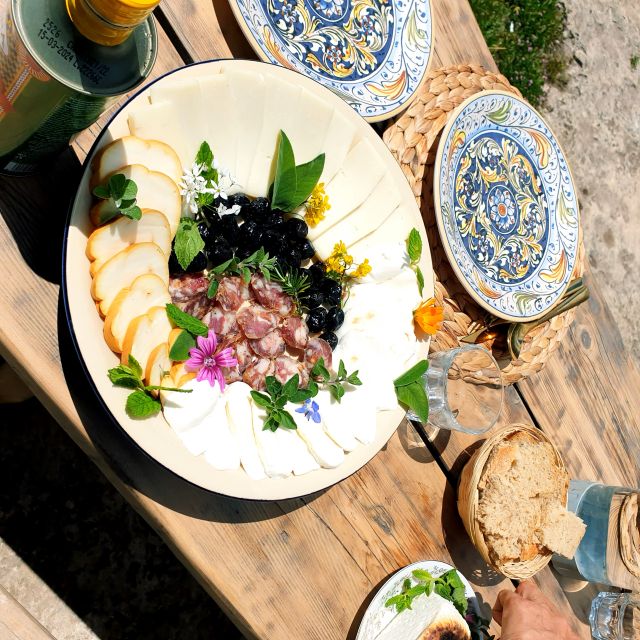
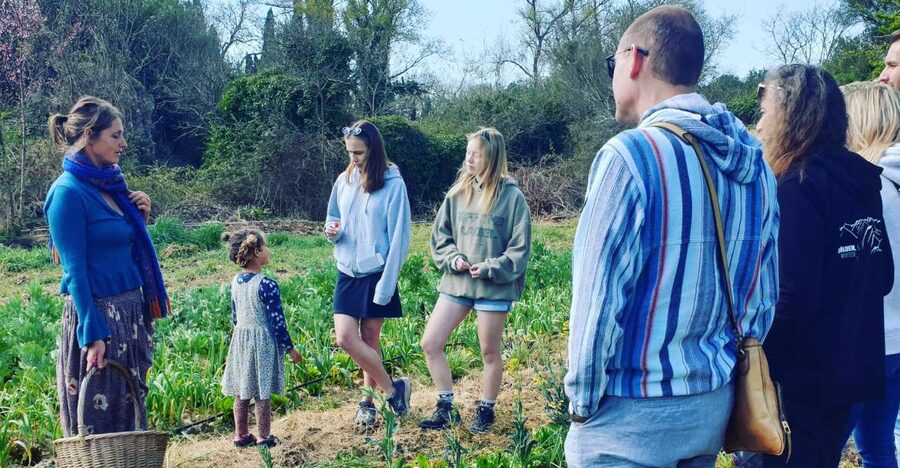
You collect produce from the organic vegetable garden and identify edible wild plants with a qualified nature guide. This is an important safety point. Wild foods should never be gathered casually, and the guide provides the recognition skills needed for the activity.
The garden visit also shows the farm’s priorities. You learn the growing methods used to protect local varieties and see how an off-grid family operation manages its food supply. The experience is less about a perfect display and more about understanding the work behind a meal.
The final lunch is prepared together. That shared preparation gives the meal a clear sense of place, since some ingredients come directly from the garden and local products fill in the rest. The available information does not give a fixed menu, so expect the meal to follow the season rather than a guaranteed list of dishes.
If you have allergies, dietary restrictions, or strong dislikes, contact the farm before booking. The supplied details do not confirm special menus or substitutions.
Olive oil, wine, and the pantry
The farm includes a visit to its historical food and wine pantry, followed by tastings of local wine and olive oil. These tastings are included, and they help round out the farm-to-table theme.
Olive oil tasting is more useful when you pay attention to small differences in aroma, texture, and finish rather than treating it as a quick pour before lunch. The same goes for the wine. Local products can make more sense after you have seen the garden, the old food spaces, and the work involved in producing a meal.
The experience does not list the exact producers, vintages, or number of samples. You will taste local wine and oil, but you should not expect a formal winery or olive estate tour. The focus is on how these products fit into a Sicilian table.
For me, this combination gives the $164.26 price more weight than a basic cooking class. You are paying for food preparation, a farm visit, archaeological guiding, nature guidance, and tastings. Still, the price is not a bargain if you only want to learn one pasta recipe. It makes better sense for someone who values the full setting and several connected activities.
What the four-hour schedule feels like
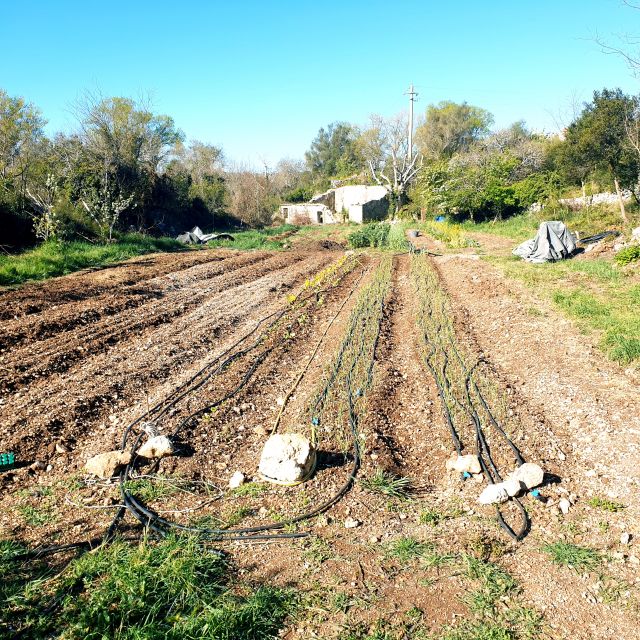
The experience lasts four hours, with starting times arranged through availability. The published calendar may not be current, so you must contact the local partner before booking. Start times and even the meeting point can be adjusted by agreement.
The listed starting point is Via Malta, 7, 96100 Siracusa, with the activity ending back there. An alternate meeting point may be set according to your accommodation. Transport, including taxi service and pick-up or drop-off, is not included.
That meeting arrangement is important if you are staying outside central Syracuse or traveling without a car. Build in time for your own transport and confirm the exact location before the day of the visit. A flexible meeting point can help, but it should not be assumed until the farm confirms it.
Four hours is enough for a taste of each part without making this an all-day outing. The tradeoff is that no single section can be extremely long. The archaeological walk, garden work, pasta class, lunch preparation, and tastings all share the same window.
Who will enjoy this farm experience
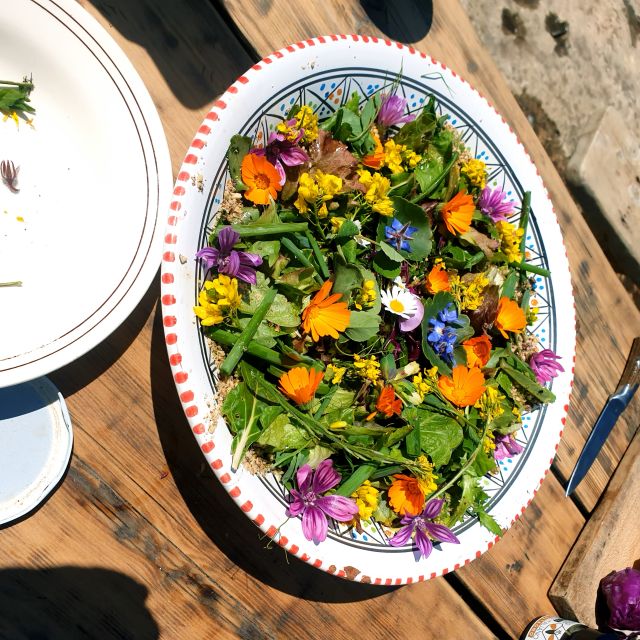
I would choose this for you if you like food with a story behind it, small groups, rural settings, and active participation. It suits couples, families with older children, and curious eaters who want more than a standard restaurant meal.
It is also a good fit if you care about local crop varieties and traditional food methods. The Giant Onion of Giarratana, the wheat-to-pasta lesson, the garden harvest, and the old water mill give the visit plenty of material beyond the usual market tour.
You should think twice if you want a highly structured class with a fixed menu and a guaranteed recipe. The seasonal garden, customized timing, and working-farm setting suggest a more flexible experience.
It is not suitable for people with mobility impairments. The outdoor setting, archaeological areas, garden paths, and river surroundings may require walking on uneven surfaces. Comfortable shoes are essential.
Practical advice before you reserve
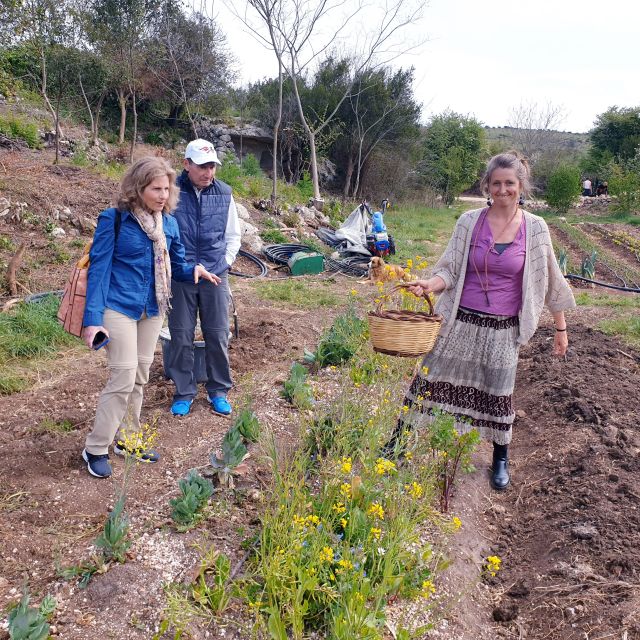
Contact the farm first. This is the most important instruction in the entire booking information because the calendar is not updated, and times and meeting points can be customized.
Bring:
- Comfortable shoes
- A sun hat
- Water
If swimming interests you, ask whether the river and lagoon will be available during your visit and bring suitable items only after confirming. The published details do not guarantee swimming, so keep your expectations flexible.
The tour is offered in English and Italian and is limited to 10 participants. Free cancellation is available up to 24 hours before the experience for a full refund. You can also reserve and pay later, which is useful while your Syracuse plans are still moving.
Should you book Slowlife Family Farm?
Book it if you want a personal Sicilian food experience tied to farming, archaeology, and nature. The strongest reasons are the hands-on wheat-to-pasta class, the chance to gather garden produce, and the unusual setting beside a river with ancient remains and a restored mill.
Skip it if you want easy transport, guaranteed swimming, or a polished cooking studio in town. The farm requires advance contact, the access may be difficult for some people, and the seasonal format means the exact food experience can change.
At $164.26 per person, this is best viewed as a four-hour cultural outing with lunch preparation, tastings, guiding, and a farm visit, not simply a pasta lesson. For the right visitor, the connection between old land, local food, and family-led conservation makes the price reasonable.
FAQ
Where does the experience start?
The listed meeting point is Via Malta, 7, 96100 Siracusa. An alternate meeting point may be arranged based on your accommodation.
Where does the experience end?
The activity ends back at the meeting point.
How long does the experience last?
The experience lasts four hours.
Are the starting times fixed?
No. Start times can be customized, so contact the local partner before booking. The calendar may not be updated.
What languages are available?
The experience is offered in English and Italian.
How many people can join the group?
The group is limited to 10 participants.
Is transportation included?
No. Taxi service and pick-up or drop-off are not included.
What food activities are included?
You gather produce from the organic garden and wild edible plants, learn about milling wheat, and take part in a pasta-making class.
Are wine and olive oil tastings included?
Yes. Local wine tasting and local olive oil tasting are included.
Are entrance tickets included?
No. Entrance tickets are not included in the cost of the tour.
Is the experience suitable for people with mobility impairments?
No. The activity is not suitable for people with mobility impairments.
What should I bring?
Bring comfortable shoes, a sun hat, and water.
Just added around Italy
- Volterra: Fresh Pasta Cooking Class at a Tuscan Farmhouse★ 5.0 · 33 reviews
- Volterra: Pizza Cooking Class in a tuscan farmhouse★ 4.6 · 11 reviews
- Visit Siena and San Gimignano with lunch at a family farm★ 5.0 · 8 reviews
- Turin: Meet the Monviso Alpacas at the Educational Farm with a Guide★ 5.0 · 5 reviews
- Bardolino: Garda Lake Pasta Cooking Class at the Agritourism★ 5.0 · 32 reviews
- Rialto Farmers & Fish Market Food Tour in Venice with Wine Tasting & Sightseeing★ 5.0 · 3 reviews
- Traditional Farmhouse Cooking Experience in Lucca with Lunch or Dinner★ 5.0 · 34 reviews
- La Maliosa Farm Experience & Wine Tasting★ 4.5 · 29 reviews
Italy Farm Tours, compared.
Florence Pizza or Pasta Class with Gelato Making at a Tuscan Farm
Read our review →
Cooking Class and Lunch at a Tuscan Farmhouse with Local Market Tour from Florence
Read our review →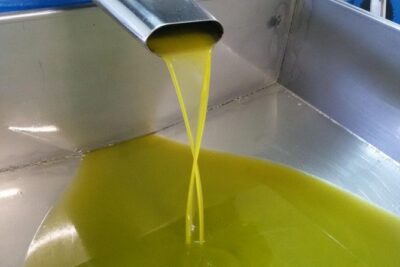
Sorrento Farm and Food Experience including Olive Oil, Limoncello, Wine tasting
Read our review →
Pizza Lesson, Wine, and Limoncello at a Local Farm
Read our review →
Pizza or Pasta Class with Gelato at a Tuscan Farm
Read our review →
Hands-On Cooking Class & Farmhouse Tour on the Amalfi Coast
Read our review →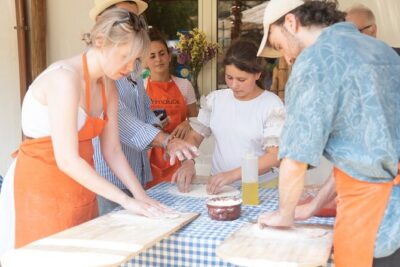
Pizza School with Wine and Limoncello Tasting in a Local Farm
Read our review →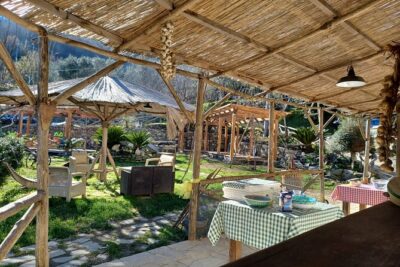
Authentic Farm Tour with Pizza, Cheese, Wine & Limoncello Tasting
Read our review →Lists this farm appears in