
Reviewed · ITALY FARM TOURS
Cagliari Olive Oil Farm & Tasting (Since 1600, 20 Min Away)
The most unusual part of this Cagliari outing is not simply tasting olive oil. It is stepping into a family mill with four centuries of olive-growing history, then going underground to see an old cistern lined with oil lamps and storage vessels. Francesco Locci leads the visit with an easy, personal style that turns a pantry staple into a piece of Sardinian culture.
I like the hands-on tasting lesson, which helps you tell good extra virgin olive oil from flat or faulty oil. I also like the combination of a working mill and the private museum, since you get modern production alongside old presses, tools, and storage methods. The main thing to consider is timing: although some booking information lists one hour, the detailed program is built for about 90 minutes, so allow the longer window.
Key points to know before you go
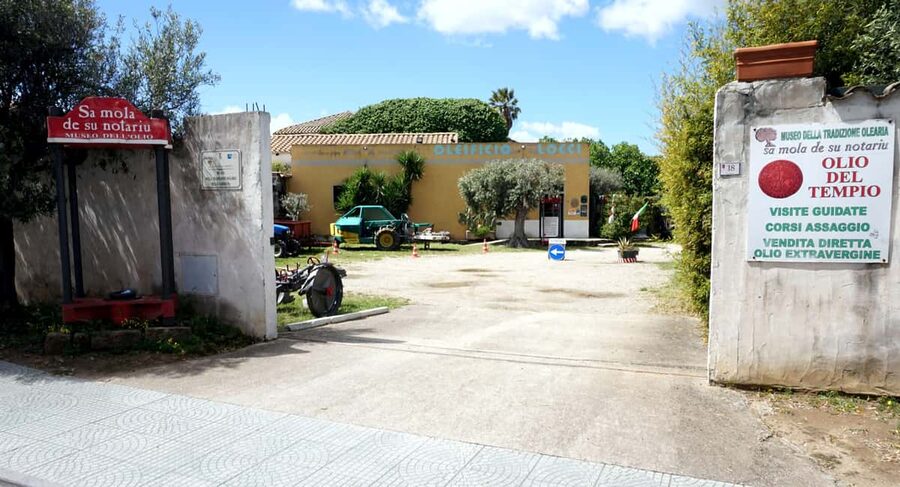
- A 400-year family mill: Sa Mola de Su Notariu links present-day production with old presses, tools, and oil storage traditions.
- Three distinct products: Taste classic extra virgin olive oil, lemon-infused Limolio, and the spicy nine-herb Rogo del Tempio.
- A rare underground stop: The old cistern contains oil lamps, amphorae, and objects connected to Sardinia’s oil-making past.
- A useful food lesson: You learn how to assess premium extra virgin oil, then test the ideas with bread, olives, sausage, wine, and other local foods.
- An easy half-day from Cagliari: Dolianova is about 20 minutes away by car, with free parking at the museum.
- Good value for food lovers: The $64 price includes the tour, lesson, tasting platter, wine, and museum visit, not just a few drops in a glass.
Why this olive oil visit is different from a standard tasting
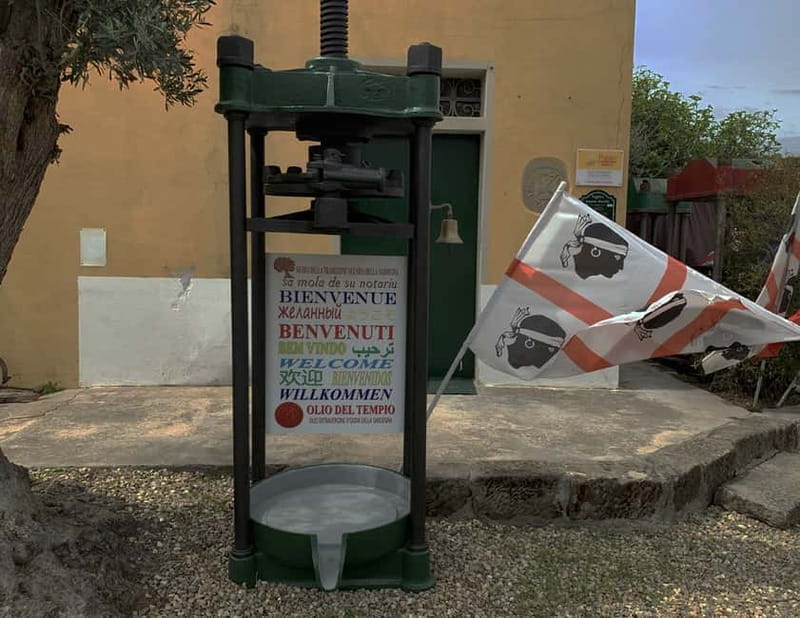
Many olive oil tastings give you a glass, a slice of bread, and a quick explanation. This one gives you a setting with real working roots. The family has been connected with the mill since 1600, and the property includes about 6,000 olive trees across 20 hectares.
That scale matters. You are not tasting an anonymous product in a shop. You are learning how oil moves from orchard to mill to bottle, with the family’s own production at the center of the visit.
The experience also connects two time periods. The modern mill shows how the oil is produced today, while the museum preserves the tools and machines used by earlier generations. The old underground cistern adds another layer. Oil was valuable enough to store carefully, protect from light, and keep in durable vessels. Seeing the lamps and amphorae helps explain why olive oil was such an important household and commercial product.
I would not book this as a substitute for a full archaeological tour of Sardinia. It is a focused food and family-history visit. But if you want one local activity near Cagliari that feels tied to daily Sardinian life, it makes good sense.
More Farm Tours in Italy:
- Florence Pizza or Pasta Class with Gelato Making at a Tuscan Farm
★ 5.0 · 6,801 reviews - Cooking Class and Lunch at a Tuscan Farmhouse with Local Market Tour from Florence
★ 5.0 · 4,831 reviews - Sorrento Farm and Food Experience including Olive Oil, Limoncello, Wine tasting
★ 5.0 · 2,524 reviews
Reaching Dolianova from Cagliari
The mill is in Dolianova, about 20 minutes from Cagliari by car. Free parking is available in the museum lot, a useful perk if you have a rental car and are building a day around the surrounding area.
You can also arrive by bus line 108 from central Cagliari. The ride takes about 54 minutes, so check the schedule carefully and allow extra time around the fixed start time. Private transfers from Cagliari and southern Sardinia are available as an optional extra, but they are not included in the $64 price.
The location works best as a half-day plan. You could schedule the visit before or after another stop in the area, but avoid squeezing it between tight airport, ferry, or cruise arrangements. The program includes a tour, food tasting, wine, and shopping, and the detailed schedule runs about 90 minutes.
The modern mill tour and the olive-to-bottle process
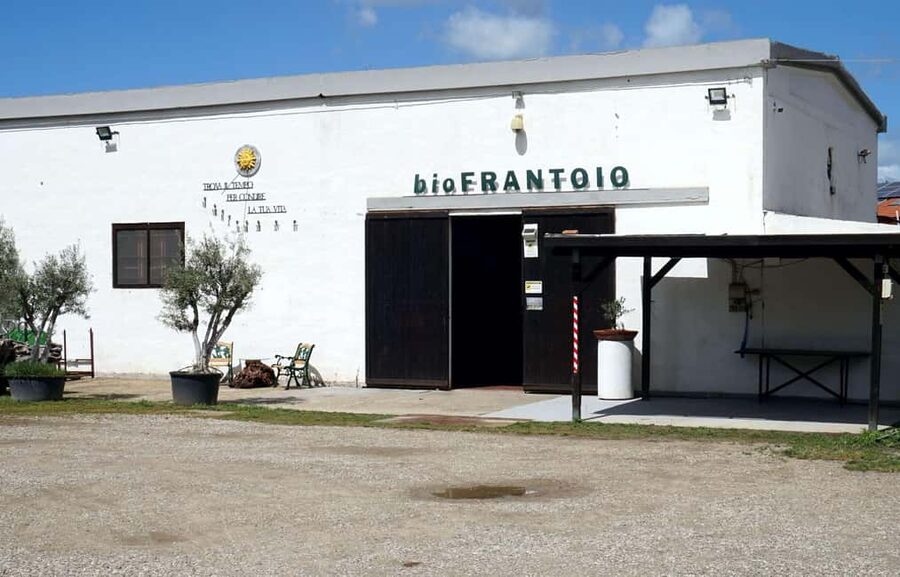
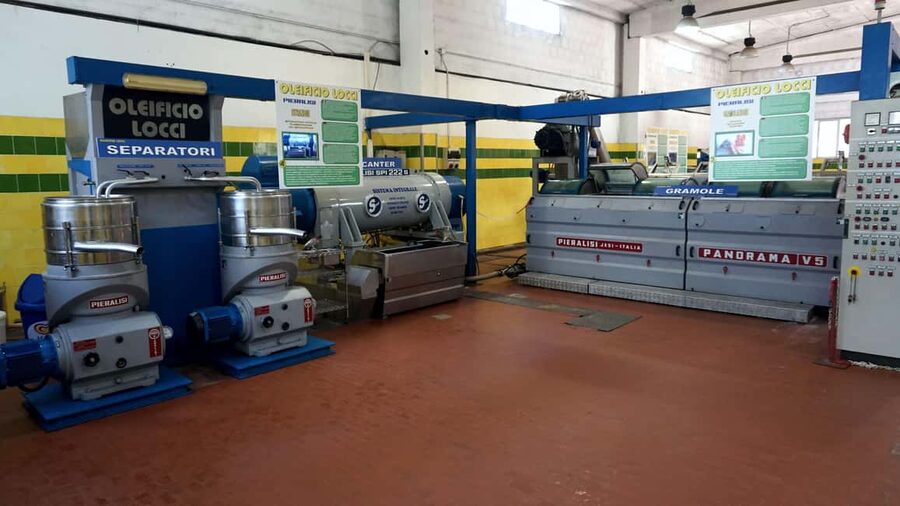
The first part is a guided look at the current oil operation. You see how the family turns olives from its estate into extra virgin olive oil, with video presentations explaining the full route from harvest to bottling.
This is the practical heart of the experience. If you have ever wondered what the label extra virgin actually means, this gives you a framework. You learn that quality depends on the condition of the olives, the production method, and how the finished oil is handled. The lesson is aimed at ordinary shoppers, not food scientists, so you can use the information later in a supermarket or specialty shop.
The tour is listed as a 10-minute guided visit, which is brief but sensible. The real learning continues during the tasting class. Some people may want more time among the olive trees themselves. One useful improvement would be extra information about the olive tree and its growing cycle, a point raised by a German visitor. Still, the focus here is clearly the oil-making process rather than a long agricultural walk.
The estate’s 6,000 organic olive trees give the production story some weight. You are not only hearing a general lecture about oil. You are seeing how one family operation manages its own crop and finished products.
The Sa Mola de Su Notariu museum
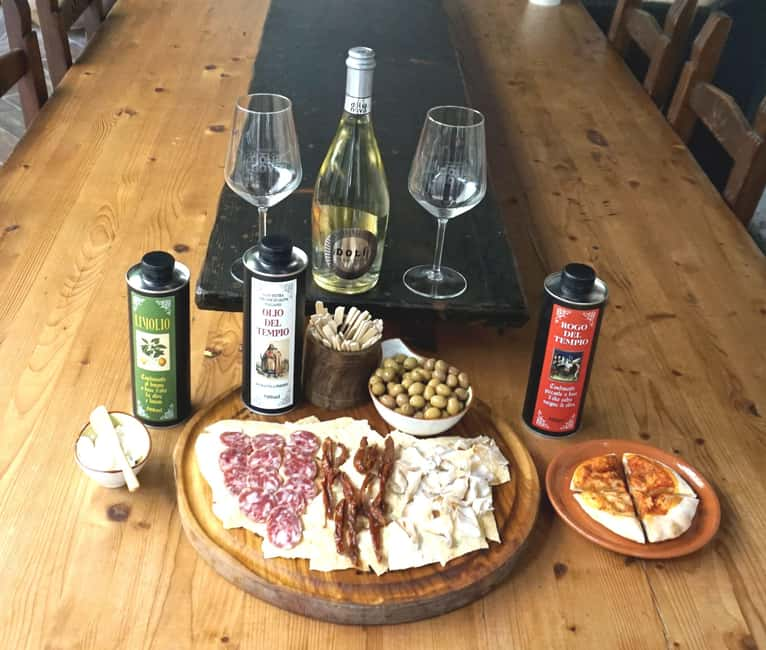
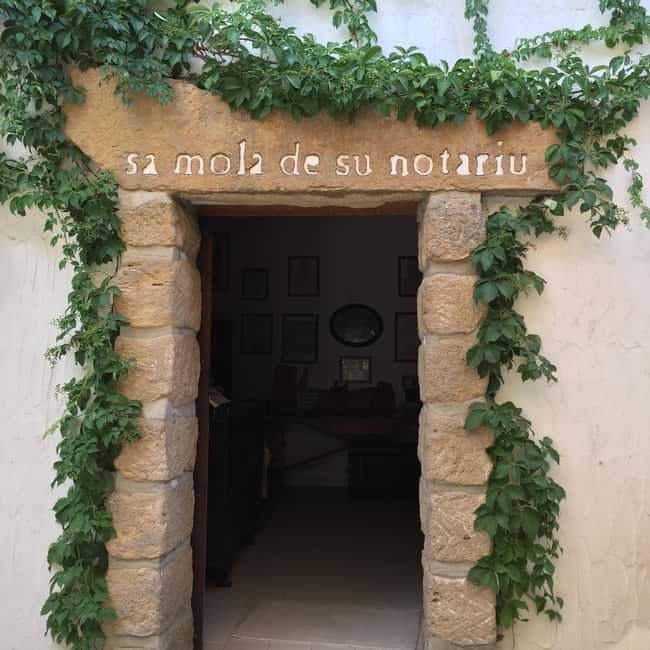
The private museum is called Sa Mola de Su Notariu, and it presents the family’s oil-making past through old equipment and household objects. The collection includes an old stone mill, ancient presses, and tools used to produce and store oil.
The museum is described as Sardinia’s only olive oil museum, which makes it a distinctive stop even if you are not normally a museum person. It is small in subject but broad in context. Instead of looking at isolated objects behind glass, you can connect the machinery to the food placed on your table later.
This is also where the family story comes through most clearly. The mill’s 400-year history is not treated as a decorative label. It explains why the owners can talk about changing methods, old storage systems, and the role of oil in Sardinian households.
Allow about 10 minutes for the guided mill and museum portion, with more time built into the food lesson. The visit is accessible to wheelchair users, though the underground portion may be worth confirming in advance if you have specific mobility needs. The activity is also pet-friendly, with water bowls available for dogs.
Same fields, a different sort of morning:
- Sorrento: Pizza Lesson, Wine, and Limoncello at a Local Farm
★ 5.0 · 1,513 reviews - Florence: Pizza or Pasta Class with Gelato at a Tuscan Farm
★ 4.9 · 1,181 reviews - Hands-On Cooking Class & Farmhouse Tour on the Amalfi Coast
★ 5.0 · 956 reviews - Pizza School with Wine and Limoncello Tasting in a Local Farm
★ 5.0 · 845 reviews
Going below ground to see the old cistern
The underground cistern is the most memorable visual feature. You descend into an old storage space filled with oil lamps, amphorae, and artifacts linked to the way Sardinians protected and stored oil.
Light and storage are not minor details in olive oil production. Excess heat and light can damage oil, so a dark storage area made practical sense long before modern packaging. The lamps also show how earlier generations worked below ground and made use of the space available to them.
This part is not a long archaeological excavation or a dramatic cavern visit. It is a short historical stop within a food tour. Still, it gives the experience a strong sense of place. You are not simply hearing about old Sardinian methods in a classroom. You are seeing the kind of room where valuable oil was once kept.
The three-oil tasting lesson
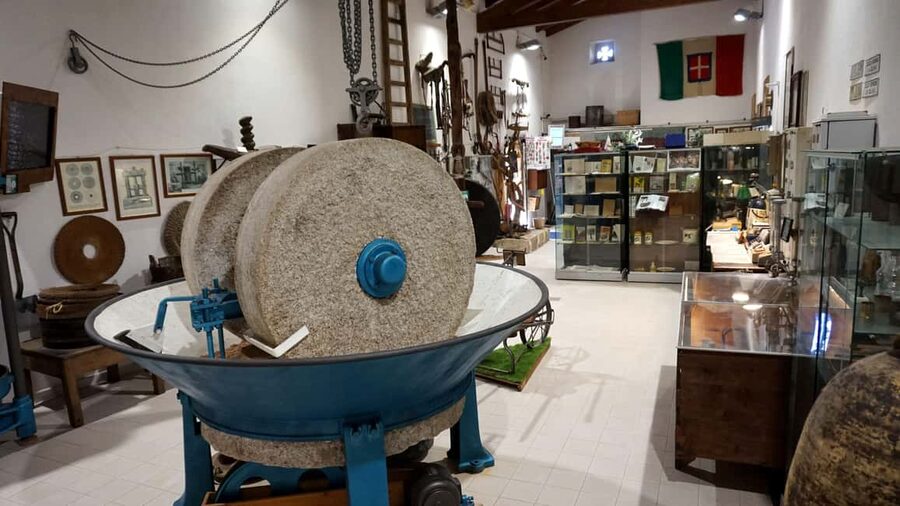
The tasting is organized around three products, each with a different use.
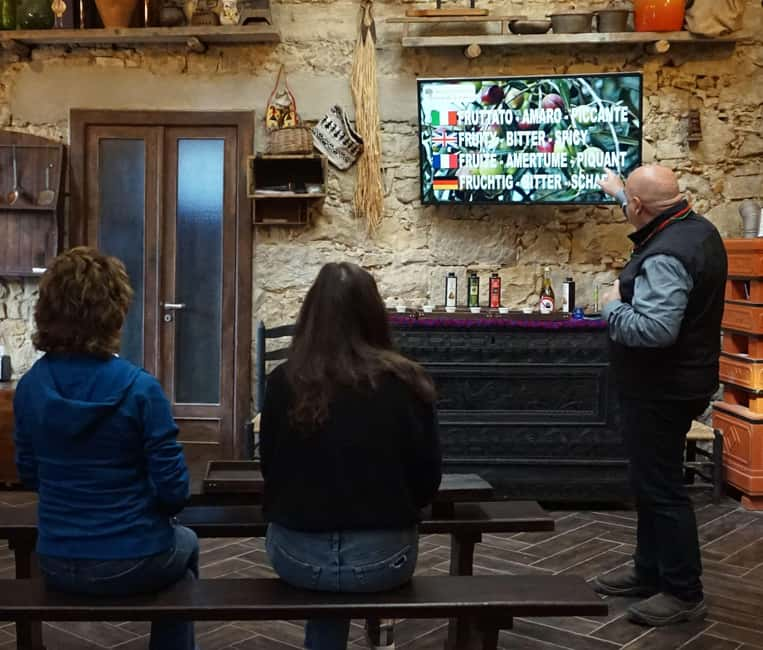
Olio del Tempio EVO is the classic extra virgin olive oil. Expect a balance of fruitiness, bitterness, and peppery heat. It is presented as an all-purpose oil for dipping, drizzling, and cooking. This is the one to compare against the oils you already use at home.
Limolio combines olive oil with lemon zest. Its bright citrus character suits seafood carpaccio, raw fish, salads, caprese, and grilled vegetables. If you cook fish often, this is likely the most immediately useful bottle. A British visitor specifically found the lemon oil changed how she approached fish, and that makes sense: the citrus note gives a simple dish a sharper finish without needing a separate dressing.
Rogo del Tempio blends nine Sardinian herbs with controlled heat. It is designed for grilled meat, pizza, pecorino, and roasted potatoes. This is less of a daily cooking oil and more of a finishing condiment. Use it when you want herbs and spice to be noticeable.
The tasting class teaches you to pay attention to aroma, fruitiness, bitterness, and pungency. Do not expect each oil to suit every dish. The point is to notice how a change in flavor changes the food beside it.
The Sardinian food platter and sparkling wine
The food pairing makes the lesson more enjoyable and more practical. You taste the oils with carasau bread, natural olives, cured Sardinian sausage, local snacks, and regional foods. Some tastings also include cheese and a small pizza sample, depending on the serving arrangement.
Carasau is especially useful here. This very thin, crisp Sardinian bread gives you a clean surface for tasting oil, and its crunch works well with the peppery EVO. The cured salsiccia sarda brings salt and fat, while olives reinforce the central ingredient without overpowering it.
A chilled sparkling wine is served to refresh your palate. It is described as local prosecco, and it adds a social, celebratory touch rather than turning the outing into a formal wine tasting. You are not paying for a full meal, so arrive with realistic expectations. The platter is generous enough to support the tasting, but you may still want a separate lunch if you have a large appetite.
This part was praised for its relaxed, family-style atmosphere. That mood seems to be one of the experience’s strongest features. Francesco’s approach is warm and informal, with humor and clear explanations instead of a stiff lecture.
Shopping at the mill and the value of $64
The final portion leaves time for shopping directly at the mill. You receive a 20 percent discount compared with the online price, so this is a useful chance to buy the oils you actually preferred rather than choosing from a label alone.
At $64 per person, the experience is not the cheapest way to sample olive oil. The value depends on what you want from the outing. You are paying for a guided production visit, a private museum, the underground cistern, a lesson, three products, food pairings, sparkling wine, parking, and direct access to the producer.
For a short food activity near Cagliari, that package is fair. It is especially good value if you plan to take oil home, since the mill discount offsets part of the tour price. It is less compelling if you only want a quick snack or a basic shop tasting.
The minimum booking is two people. Private tours are available, but the price and arrangements for those extras are not included in the standard cost.
Who will enjoy this most
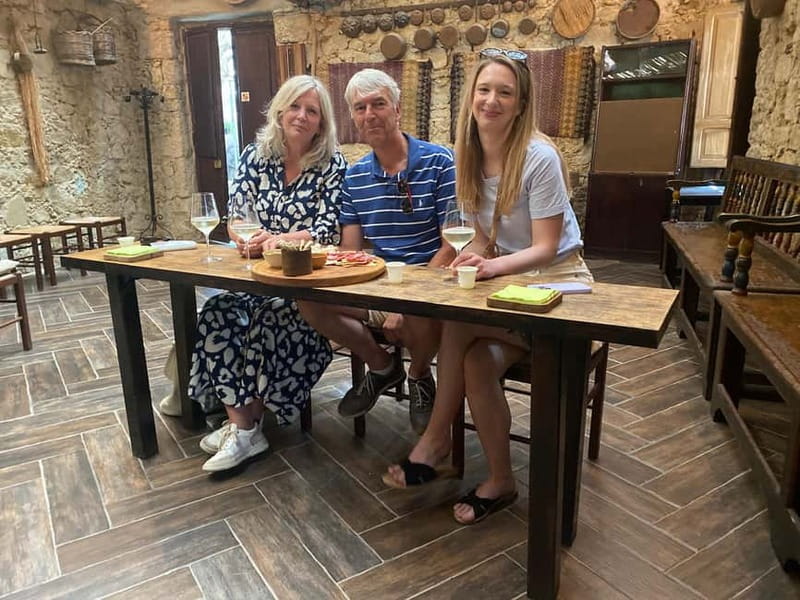
I would recommend the visit to food-focused couples, families, and anyone curious about how everyday Italian ingredients are made. It also suits cruise passengers or people with only two or three hours free from Cagliari, provided transport and timing work for you.
The visit is a good fit if you like small family businesses, local products, and practical lessons you can use at home. You do not need prior knowledge of olive oil. The explanations are designed to help you taste with more confidence.
It may not suit you if you want a long countryside walk, a full meal, or a broad tour of Sardinian agriculture. The museum and cistern are compact, and the itinerary stays focused on oil. Also, if you are traveling alone, note the minimum of two people.
English, French, and Italian tours are available. Free Wi-Fi, parking, and dog-friendly facilities are useful extras, but the main reason to come is the mix of old machinery, family storytelling, and tasting.
Should you book this olive oil experience?
Book it if you want a practical Sardinian food experience close to Cagliari, especially if you enjoy learning how a product is made before tasting it. The old cistern, oil lamp collection, three contrasting oils, and direct shopping option give it more substance than a quick sample at a store.
I would skip it only if your schedule cannot spare about 90 minutes, you want a full lunch rather than a tasting platter, or you are looking for a large archaeological site. For most food lovers with an open slot and a way to reach Dolianova, this is a sensible, personal outing with a clear local connection.
FAQ
How far is the olive oil mill from Cagliari?
The mill in Dolianova is about 20 minutes from Cagliari by car. Bus line 108 from central Cagliari takes about 54 minutes.
How long does the experience last?
The detailed program is scheduled for about 90 minutes. Some booking information displays a one-hour duration, so allow 90 minutes to avoid rushing.
What is included in the $64 price?
The price includes the mill tour, olive oil lesson, museum visit, underground cistern experience, three-product tasting, food platter, sparkling wine, and access to free parking.
Which oils will I taste?
You will taste Olio del Tempio extra virgin olive oil, Limolio with lemon zest, and Rogo del Tempio, a spicy blend made with nine Sardinian herbs.
What food is served?
The tasting includes Sardinian cured sausage, olives, carasau bread, and regional snacks. Cheese and a small pizza may also be included in the tasting selection.
Is transportation from Cagliari included?
Transportation is not included in the standard price. Private transfers from Cagliari and southern Sardinia are available as optional extras.
Can I buy oil at the end of the visit?
Yes. You can buy the mill’s products directly, with a stated 20 percent discount compared with online prices.
What languages are available?
The live tour is available in English, French, and Italian.
Is the experience wheelchair accessible and pet-friendly?
The activity is listed as wheelchair accessible, and dogs are welcome. Water bowls are provided for pets.
Just added around Italy
- Volterra: Fresh Pasta Cooking Class at a Tuscan Farmhouse★ 5.0 · 33 reviews
- Volterra: Pizza Cooking Class in a tuscan farmhouse★ 4.6 · 11 reviews
- Visit Siena and San Gimignano with lunch at a family farm★ 5.0 · 8 reviews
- Turin: Meet the Monviso Alpacas at the Educational Farm with a Guide★ 5.0 · 5 reviews
- Bardolino: Garda Lake Pasta Cooking Class at the Agritourism★ 5.0 · 32 reviews
- Rialto Farmers & Fish Market Food Tour in Venice with Wine Tasting & Sightseeing★ 5.0 · 3 reviews
- La Maliosa Farm Experience & Wine Tasting★ 4.5 · 29 reviews
- Traditional Farmhouse Cooking Experience in Lucca with Lunch or Dinner★ 5.0 · 34 reviews
Italy Farm Tours, compared.
Florence Pizza or Pasta Class with Gelato Making at a Tuscan Farm
Read our review →
Cooking Class and Lunch at a Tuscan Farmhouse with Local Market Tour from Florence
Read our review →
Sorrento Farm and Food Experience including Olive Oil, Limoncello, Wine tasting
Read our review →
Pizza Lesson, Wine, and Limoncello at a Local Farm
Read our review →
Pizza or Pasta Class with Gelato at a Tuscan Farm
Read our review →
Hands-On Cooking Class & Farmhouse Tour on the Amalfi Coast
Read our review →
Pizza School with Wine and Limoncello Tasting in a Local Farm
Read our review →
Authentic Farm Tour with Pizza, Cheese, Wine & Limoncello Tasting
Read our review →Lists this farm appears in