
Reviewed · ITALY FARM TOURS
Montespertoli: Poggio Capponi Farm Chianti Wine Tour
The most unusual part of this two-hour visit is not the tasting room. It is the chance to see Poggio Capponi’s Vinsantaia, where Vin Santo del Chianti ages slowly, alongside a wine museum with vintages dating to 1950 and old Impruneta terracotta vessels. You get a look at the working and historic sides of a Tuscan farm in one compact visit.
I like the mix of cellar access and museum pieces, since you are not simply handed a glass and sent toward a view. I also like the food pairing: salami, ham, pecorino, honey, and bruschetta make the tasting feel more like a small Tuscan meal than a quick sip.
The main consideration is transport. Hotel pickup and drop-off are not included, so you must arrange your own way to Fattoria Poggio Capponi. The tour lasts only two hours, which is convenient, but it leaves little room for a long, unhurried farm visit.
Key points to know before booking
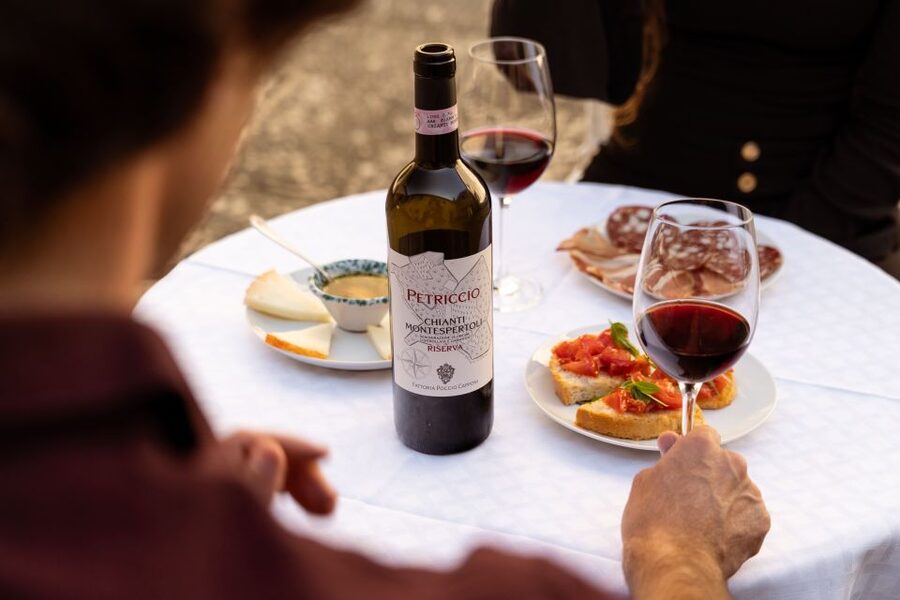
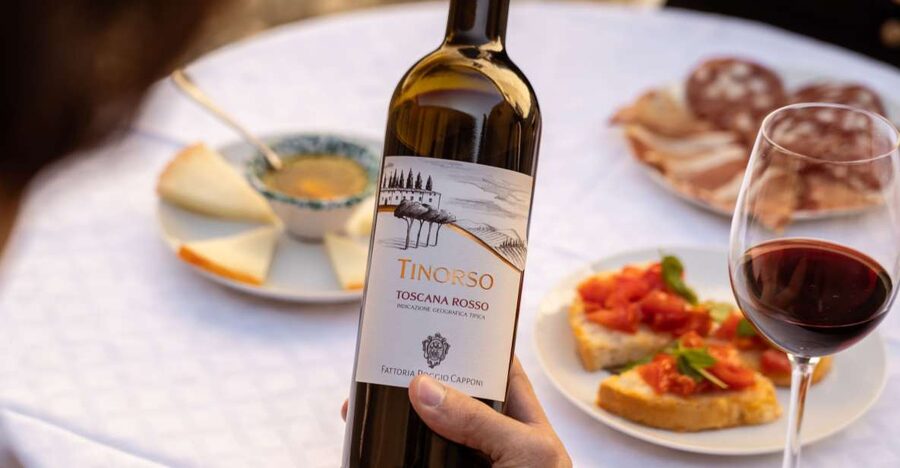
- See five distinct wines: Taste Chardonnay Sovente, Chianti Riserva Poggio Capponi, Chianti Montespertoli Riserva Petriccio, Tuscan red Tinorso, and Vin Santo del Chianti.
- Visit the Vinsantaia: This special room is used for the slow aging of Vin Santo, one of the best-known traditional wines of the Chianti area.
- Explore the wine museum: Historical bottles include vintages dating back to 1950.
- Look for old Impruneta pottery: The oil room contains ancient terracotta vessels dating to 1800 and earlier.
- Plan your own transport: The meeting point is the Fattoria Poggio Capponi ticket counter, with the guide waiting on the terrace.
- Expect a short, focused visit: The two-hour format suits a half-day stop in the Montespertoli area rather than a full-day winery outing.
A terrace welcome at Poggio Capponi Farm
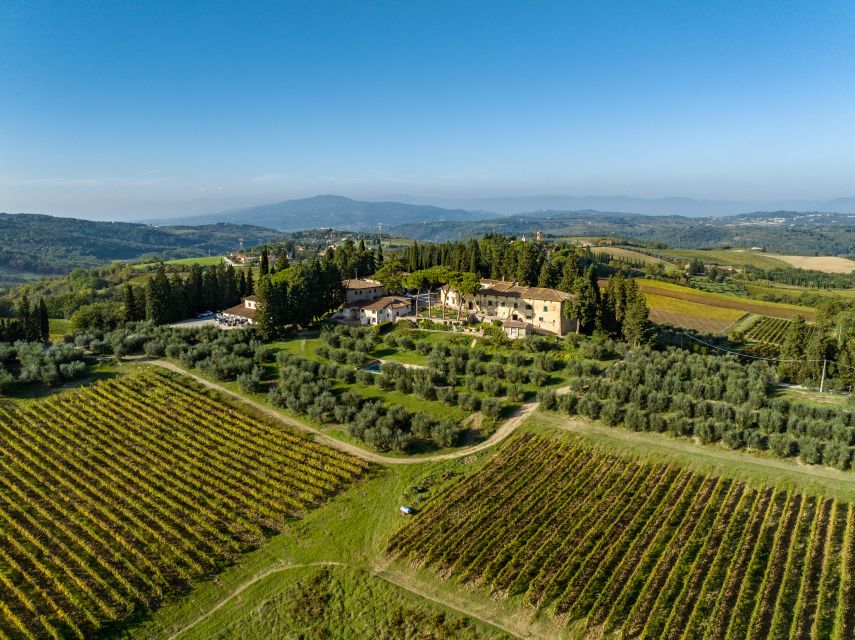
Your visit begins at the Fattoria Poggio Capponi ticket counter. Exchange your voucher there before the tour starts, then meet your guide on the terrace. The terrace is the natural starting point, giving you time to settle in before moving into the production areas.
The setting matters here. You are visiting a farm where wine and olive oil are part of the place itself, not just products brought in for a tasting room. The tour is designed to show you the setting, the old equipment and storage spaces, and the way the wines are treated before you taste them.
The experience is offered with a live guide in English or Spanish. No individual guide names are provided, so you should not expect a named host in advance. You can, however, expect a guided walk rather than a self-guided museum visit.
The terrace portion should be easygoing, but remember that the schedule is fixed at about two hours. If you like to linger over scenery, take photos, or ask many questions about each bottle, you may find the pace fairly tight.
More Farm Tours in Italy:
- Florence Pizza or Pasta Class with Gelato Making at a Tuscan Farm
★ 5.0 · 6,801 reviews - Cooking Class and Lunch at a Tuscan Farmhouse with Local Market Tour from Florence
★ 5.0 · 4,831 reviews - Sorrento Farm and Food Experience including Olive Oil, Limoncello, Wine tasting
★ 5.0 · 2,524 reviews
Inside the cellar with tonneaux and barriques
From the terrace, you move into the historic cellar. This is where the tour becomes more useful than a simple tasting. You see the tonneaux and barriques used to age the wines, and the guide connects those wooden vessels with the bottles placed in front of you later.
The distinction between these barrels can matter to wine drinkers. Tonneaux are larger wooden casks, while barriques are smaller barrels. The tour does not promise a technical lesson on barrel sizes or wood types, but seeing both gives you a better sense of the production process than a tasting alone.
I like this part because it gives the wines a physical setting. When you taste a Chianti Riserva afterward, you have already seen the cellar where the wine matures. That connection is modest but valuable, especially if you are curious about how Tuscan wine moves from farm to bottle.
You should also keep your expectations sensible. This is a short introduction to the cellar, not a full winemaking course. The supplied information does not specify the size of the group, the exact cellar route, or how much time is spent at each barrel, so the depth of the explanation may depend on the guide and the group.
The Vinsantaia and the tradition of Vin Santo
The Vinsantaia is one of the most distinctive stops. Here, Vin Santo del Chianti ages slowly. Vin Santo is a traditional sweet wine associated with Tuscany, and the visit lets you see the room where this particular wine rests over time.
This stop is especially worthwhile if you have tasted Vin Santo before or want to understand why it is treated differently from the other wines. The wine is not simply another bottle on the tasting list. It has its own aging space and a strong link to local wine tradition.
The information provided does not state the exact aging period or the method used at Poggio Capponi, so do not expect a detailed technical account of every stage. Still, the room itself helps explain why Vin Santo has a separate place in the farm’s wine program.
For me, this is likely to be the most memorable production stop. Modern tasting rooms can feel interchangeable. A dedicated Vinsantaia gives this visit a specific identity and makes the final Vin Santo taste more meaningful.
Historical bottles in the wine museum
Next comes the wine museum, a room filled with historical vintages. The oldest bottles date to 1950. That detail gives the museum real interest, since you can see how long the farm has preserved its own wine record.
The museum is not described as a large institution, and you should not expect a major public collection. Its appeal is more personal and local. You are seeing bottles connected with the estate and its wine-making past rather than a broad survey of Italian wine.
Old bottles also raise useful questions. You can ask how the wine was stored, which vintages are still intact, and how the estate’s labels or production have changed. The tour information does not confirm that every bottle is available for close inspection or tasting, so think of this as a viewing stop, not an aged-wine tasting.
I appreciate this kind of small museum because it adds context without requiring a long detour. A bottle from 1950 is not just an old object. It shows that the farm has kept a record of its wine across decades, and it gives you something concrete to remember after the visit.
Same fields, a different sort of morning:
- Sorrento: Pizza Lesson, Wine, and Limoncello at a Local Farm
★ 5.0 · 1,513 reviews - Florence: Pizza or Pasta Class with Gelato at a Tuscan Farm
★ 4.9 · 1,181 reviews - Hands-On Cooking Class & Farmhouse Tour on the Amalfi Coast
★ 5.0 · 956 reviews - Pizza School with Wine and Limoncello Tasting in a Local Farm
★ 5.0 · 845 reviews
Ancient Impruneta terracotta in the oil room
The final collection stop is the oil room. Here you can see ancient terracotta vases from Impruneta, a Tuscan town known for its traditional clay work. The vessels date to 1800 and earlier.
This is a nice change of subject after the wine cellar and museum. It reminds you that farms in Tuscany have long stored and produced more than wine. Olive oil is part of the agricultural picture, and the old vessels show how storage once worked before modern tanks and bottles.
The information does not say that olive oil is included in the tasting, so do not count on an oil sample unless the farm provides one on the day. The oil room is presented as a viewing stop, with the terracotta vessels as its main feature.
If you enjoy old tools, storage methods, and everyday farm objects, you may find this room as interesting as the wine museum. If your only goal is to taste wine, it may feel like a brief side visit. The two-hour schedule keeps it from becoming a major time commitment either way.
Five wines and a generous Tuscan pairing
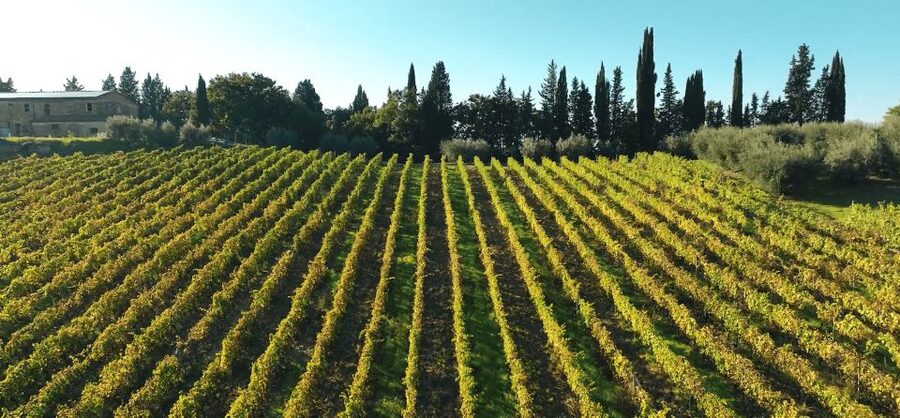
The tasting includes one glass of each listed wine:
- Chardonnay Sovente
- DOCG Chianti Riserva Poggio Capponi
- DOCG Chianti Montespertoli Riserva Petriccio
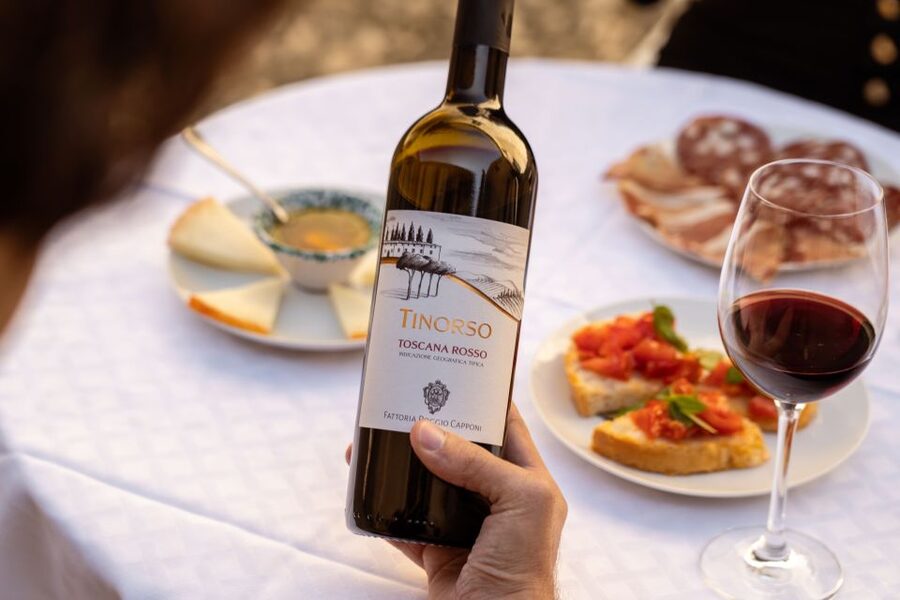
- IGT Tuscan red Tinorso
- Poggio Capponi Vin Santo del Chianti
This lineup gives you a useful range. The Chardonnay offers a white wine at the start, while the two Chianti Riserva wines let you compare two red expressions from the area. The IGT Tuscan red adds another style, and Vin Santo closes the tasting with a traditional sweet wine.
The tasting is paired with platters of Tuscan products. Expect salami and ham, pecorino with honey, and several bruschettas. This is an important part of the value. Five glasses alone might feel like a narrow activity, but the food turns the tasting into a more filling break in your day.
The portions are not specified, so you should not assume that the platter replaces lunch. Still, the combination of savory meats, cheese, honey, and bread gives you the basic flavors needed to understand how Tuscan food works with local wine.
I would pay attention to the comparison between the two Chianti wines. The names suggest that one is the estate’s Chianti Riserva and the other is a Chianti Montespertoli Riserva. The tour description does not provide tasting notes, so the guide will be the best source for differences in grapes, aging, and style.
The Vin Santo and pecorino with honey should make a natural final pairing. Even if you are not a serious wine enthusiast, this is a pleasant way to finish because the sweet wine and salty cheese create a clear contrast.
How the $56.94 price works for you
At $56.94 per person, this is not the cheapest way to sample one Tuscan wine. It is also not just a glass of wine with a view. The price covers a guided two-hour visit, access to several distinct historic spaces, five wine samples, and a platter of regional food.
I see the strongest value in the range of the visit. You get production areas, the Vinsantaia, the wine museum, the oil room, and the tasting in one booking. If you were planning to visit a winery anyway, combining those elements saves you from having to choose between a cellar tour and a food-focused tasting.
The value is less clear if you want a long, technical winery visit. No group size, detailed tasting notes, or full production demonstration is provided. The activity is best understood as a compact introduction to Poggio Capponi, not as a full-day wine education program.
The price also needs to be judged alongside transport. Since pickup and drop-off are not included, your total cost will be higher if you need a taxi or private transfer. The tour is a better fit for someone already arranging a visit to Montespertoli or driving through the Chianti area.
Timing, meeting point, and practical planning
The visit lasts two hours, with starting times available according to the date you select. You begin at the Fattoria Poggio Capponi ticket counter, where you exchange your voucher. The guide waits on the terrace, and the activity finishes back at the same meeting point.
That return to the starting point makes it easier to combine the experience with other plans in the area. You do not need to arrange a separate endpoint, but you do need to allow time to arrive at the farm before the scheduled start.
Hotel pickup and drop-off are not included. This is the most important practical limitation. Confirm your route to the farm before booking, especially if you are not using your own car.
The experience is listed as wheelchair accessible. The tour includes a terrace, cellar, museum, and oil room, but the supplied details do not explain the exact access arrangements between each space. If you use a wheelchair, it is sensible to confirm the route and any specific access needs directly with the provider before you go.
Free cancellation is available up to 24 hours before the activity for a full refund. You can also reserve now and pay later, which helps if your wider Tuscany schedule is still changing.
Who will enjoy this visit most
I would recommend Poggio Capponi to you if you want a short and varied winery stop. It suits people who enjoy wine but also want to see old bottles, traditional storage rooms, and farm objects. The English and Spanish guide options make it practical for many international visitors.
It is also a good choice for couples or small groups who want food with the wine. The Tuscan platter adds substance and gives you a chance to try local combinations rather than tasting in isolation.
You may want a different experience if you are seeking a full lunch, a long vineyard walk, or detailed instruction in wine production. None of those are promised here. The focus is the cellar, Vinsantaia, museum, oil room, and guided tasting.
Families should also consider the wine-centered nature of the activity. The farm’s historic objects may interest adults and older children, but the core of the visit is five wine samples, so it is not designed as a child-focused outing.
Should you book Poggio Capponi?
Book this tour if you want a two-hour introduction to a working Tuscan wine farm with more substance than a basic tasting. The Vinsantaia, 1950 wine bottles, and old Impruneta vessels give the visit a sense of place, while the five-wine tasting and Tuscan platter keep it enjoyable and practical.
Think twice if transport to Montespertoli is difficult, or if you want a large estate tour with extensive vineyard time. For the right visitor, $56.94 is fair because it combines history, production spaces, wine, and food in one compact stop.
FAQ
How long does the Poggio Capponi wine tour last?
The activity lasts two hours. Starting times vary, so check availability for your chosen date.
Where does the tour begin?
You begin at the Fattoria Poggio Capponi ticket counter, where you exchange your voucher. The guide waits for you on the terrace.
Where does the activity finish?
The tour ends back at the original meeting point at Fattoria Poggio Capponi.
Which languages are available?
The live tour guide is available in English or Spanish.
What wines are included in the tasting?
You taste Chardonnay Sovente, DOCG Chianti Riserva Poggio Capponi, DOCG Chianti Montespertoli Riserva Petriccio, IGT Tuscan red Tinorso, and Poggio Capponi Vin Santo del Chianti.
Is food included with the wine tasting?
Yes. The tasting includes platters of Tuscan products, including salami and ham, pecorino with honey, and various bruschettas.
Is hotel pickup and drop-off included?
No. Hotel pickup and drop-off are not included, so you must arrange your own transport to and from the farm.
Just added around Italy
- Volterra: Fresh Pasta Cooking Class at a Tuscan Farmhouse★ 5.0 · 33 reviews
- Volterra: Pizza Cooking Class in a tuscan farmhouse★ 4.6 · 11 reviews
- Visit Siena and San Gimignano with lunch at a family farm★ 5.0 · 8 reviews
- Turin: Meet the Monviso Alpacas at the Educational Farm with a Guide★ 5.0 · 5 reviews
- Bardolino: Garda Lake Pasta Cooking Class at the Agritourism★ 5.0 · 32 reviews
- Rialto Farmers & Fish Market Food Tour in Venice with Wine Tasting & Sightseeing★ 5.0 · 3 reviews
- La Maliosa Farm Experience & Wine Tasting★ 4.5 · 29 reviews
- Traditional Farmhouse Cooking Experience in Lucca with Lunch or Dinner★ 5.0 · 34 reviews
Italy Farm Tours, compared.
Florence Pizza or Pasta Class with Gelato Making at a Tuscan Farm
Read our review →
Cooking Class and Lunch at a Tuscan Farmhouse with Local Market Tour from Florence
Read our review →
Sorrento Farm and Food Experience including Olive Oil, Limoncello, Wine tasting
Read our review →
Pizza Lesson, Wine, and Limoncello at a Local Farm
Read our review →
Pizza or Pasta Class with Gelato at a Tuscan Farm
Read our review →
Hands-On Cooking Class & Farmhouse Tour on the Amalfi Coast
Read our review →
Pizza School with Wine and Limoncello Tasting in a Local Farm
Read our review →
Authentic Farm Tour with Pizza, Cheese, Wine & Limoncello Tasting
Read our review →Lists this farm appears in