
Reviewed · ITALY FARM TOURS
Visit to the Cinta Senese farm in Montepulciano
The most unusual part of this Montepulciano outing is not the wine tasting. It is the chance to meet Cinta Senese pigs, an old Siena-area breed with a black coat and a clear white belt. They live in semi-wild conditions, which gives the farm visit a more genuine feel than a quick cellar stop.
I like the mix of working farm and generous meal, and I like that Roberto explains how the pigs, vineyards, olive grove, garden, and cellar fit together. The one drawback is timing: the visit lasts about 90 minutes, and the only listed operating window is noon to 3 p.m., so it may not fit neatly between other Montepulciano plans.
Key points to know
- Cinta Senese pigs: See this distinctive Tuscan breed living in semi-wild conditions.
- Farm-to-table meal: Expect cured pork, Pienza pecorino, Tuscan dishes, garden produce when available, and dessert.
- Roberto as host: The experience centers on his family farm, wine, food, and practical farming stories.
- Vineyard and olive grove: The walk connects the farm’s crops with the food on your plate.
- Private setting: Only your own group participates, making this a quieter choice than a large tasting.
- $54.31 value: The price covers the farm walk and a substantial lunch or dinner, not just a sample of wine.
Meeting the Cinta Senese pigs near Montepulciano
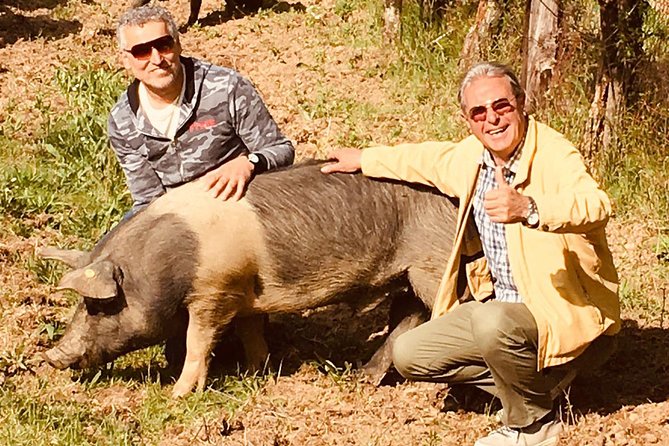
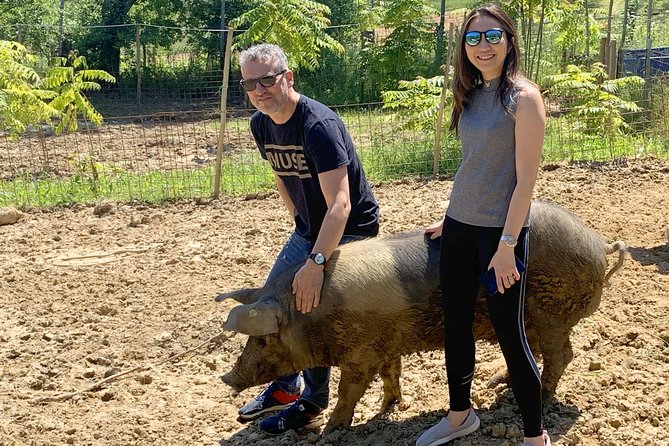
Cinta Senese pigs are the star here. The breed comes from the Siena area and is easy to recognize by its dark coat and white band around the middle. At Fattoria Madonna della Querce, the pigs live in a semi-wild setting rather than in tight indoor pens.
That matters because you are seeing the animals in the setting that helps define the farm’s food. The visit is not simply a walk past livestock before a meal. You see the source of the ham, salami, capocollo, bacon, lard, loin, and other cured products served later.
You should expect an outdoor visit, so sensible shoes are useful. The information provided does not give a detailed accessibility plan, though most people can take part and service animals are allowed. Since the experience depends on good weather, the farm may offer another date or a full refund if conditions make the visit impractical.
The pigs can also be a hit with children. Roberto has spent extra time with young people during family visits, and children have been fascinated by the animals and piglets. That makes this a good break from churches, museums, and formal wine rooms if you are exploring Tuscany with a mixed-age group.
More Farm Tours in Italy:
- Florence Pizza or Pasta Class with Gelato Making at a Tuscan Farm
★ 5.0 · 6,801 reviews - Cooking Class and Lunch at a Tuscan Farmhouse with Local Market Tour from Florence
★ 5.0 · 4,831 reviews - Sorrento Farm and Food Experience including Olive Oil, Limoncello, Wine tasting
★ 5.0 · 2,524 reviews
Walking the vineyard, olive grove, and garden
The visit begins at Via Madonna della Querce, 6/A, outside Montepulciano. You walk through the vineyard and olive grove before seeing the pig farm. Depending on the season, you may also see vegetables and fruit growing in the garden, with produce later appearing at the table.
The value of this short walk is the connection between place and food. You are not just told that the wine is local or that the olive oil is homemade. You see the vines and olive trees, then sit down to taste products made from them.
The farm’s setting also gives the visit a welcome change of pace. One account describes walking about 3.5 kilometers from Montepulciano and back, but that should not be treated as the official meeting arrangement. The stated meeting point is the farm itself, so plan to reach Via Madonna della Querce, 6/A unless your booking instructions say otherwise.
The walk is not presented as a strenuous hike. It is a farm tour, with the emphasis on seeing the property and understanding how it operates. Still, if you dislike uneven outdoor ground or need a fully step-free visit, ask for details before booking.
Inside the small cellar
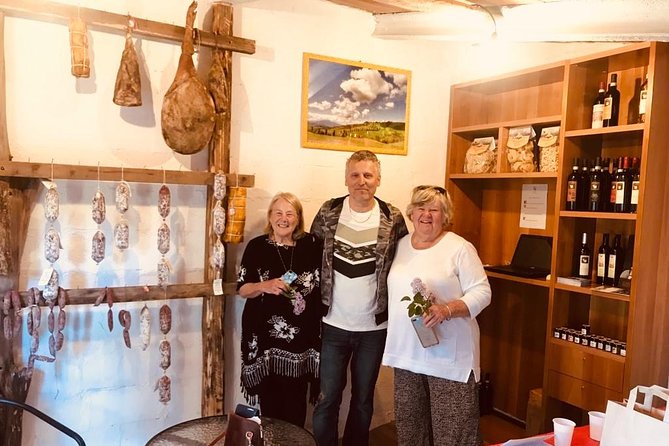
After the outdoor portion, you visit the farm’s small cellar and see where products are aged and cured. This part helps explain the difference between a farm meal and a standard restaurant lunch. The food is tied to the work of the property, from raising pigs to making wine and preserving meat.
The wine is made by Roberto, and it may be served in plain, unlabeled bottles. That can make the tasting feel informal and personal rather than polished or commercial. It also means you should not expect a formal winery presentation with elaborate labels, branded tasting sheets, or a broad selection of bottles.
I like this approach for its honesty, but it will not suit everyone. If you want detailed information about grape varieties, vintages, or professional wine production, the experience may feel light on technical tasting notes. If you want to drink wine made by the person showing you around, it fits much better.
The farm also brings in some local products. The Pienza pecorino comes from the nearby area, and other food may come from neighboring farms. That gives the meal a broader Tuscan character while keeping it rooted in the local food network.
What arrives at the farm table
The meal is the main reason to allow enough time for this experience. The sample menu begins with a selection of croutons, including toasted bread with garlic sauce and a Tuscan-style crouton. Homemade bread and the farm’s olive oil may also appear, along with chicken liver pâté from another local farm.
A traditional first course follows. Depending on the day, this may be ribollita or panzanella. Ribollita is a thick Tuscan bread and vegetable soup, while panzanella is a bread salad, usually especially welcome in warm weather. Garden vegetables may be included when the season allows.
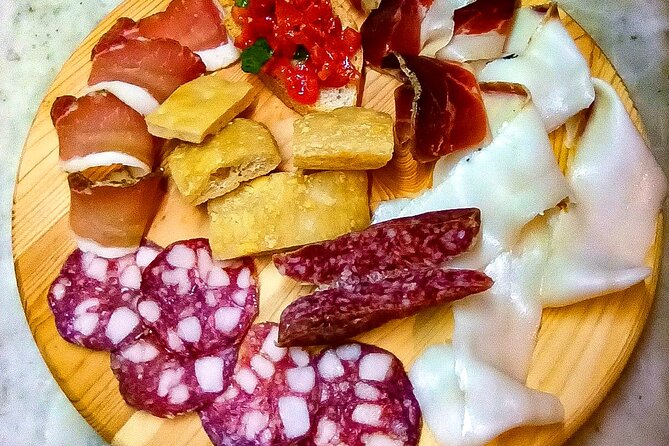
Then comes the Cinta Senese pork platter. The listed selection includes ham, salami, crook, lard, loin, capocollo, bacon, and dry sausage. Some of those cuts are familiar to anyone who enjoys Italian cured meat, while others may be less familiar, making this a useful introduction to Tuscan pork traditions.
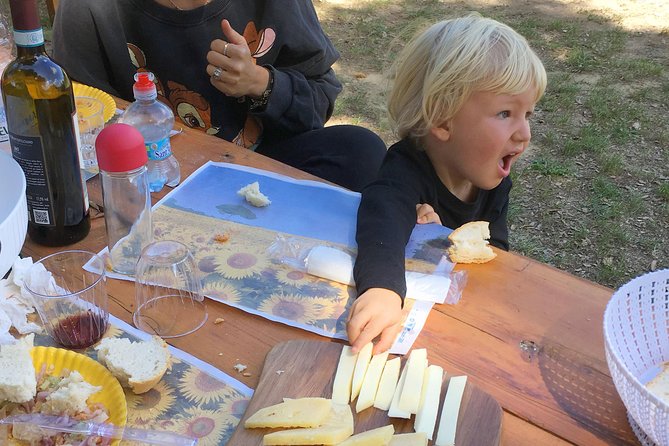
The meal also includes a Pienza pecorino board with compotes and three styles of cheese: fresh, semi-seasoned, and Morchiato Riserva. This is more than a token cheese sample. The different ages let you compare soft, young cheese with firmer, more developed flavors.
Dessert is simple and fitting: cantucci with vinsanto. These crisp almond biscuits are traditionally dipped into the sweet dessert wine. It is a small ending, but after the soup, bread, cured meat, cheese, and wine, you are unlikely to leave hungry.
Same fields, a different sort of morning:
- Sorrento: Pizza Lesson, Wine, and Limoncello at a Local Farm
★ 5.0 · 1,513 reviews - Florence: Pizza or Pasta Class with Gelato at a Tuscan Farm
★ 4.9 · 1,181 reviews - Hands-On Cooking Class & Farmhouse Tour on the Amalfi Coast
★ 5.0 · 956 reviews - Pizza School with Wine and Limoncello Tasting in a Local Farm
★ 5.0 · 845 reviews
Why the $54.31 price can be good value
At $54.31 per person, this is priced above a basic cellar tasting but below what a long restaurant meal with multiple local courses and wine can easily cost. The price includes the farm walk, the animal visit, the cellar stop, and a substantial meal.
The value depends on what you want from a food experience. If you only want to sample wine for half an hour, this is more than you need. If you want a meal, a farm visit, and a chance to understand where the food comes from, the package makes more sense.
The private format is another part of the value. Only your group takes part, so you are not placed in a large bus group or a crowded tasting room. That can make it easier to ask Roberto about the pigs, farming, weather, wine, or food.
The meal also helps justify the cost. You are not paying for a few thin slices of salami and a single glass of wine. The planned spread includes several cured meats, three cheeses, a traditional Tuscan dish, croutons, dessert, and wine. Actual dishes can vary with the season, especially garden produce and the first course.
Roberto and the tone of the visit
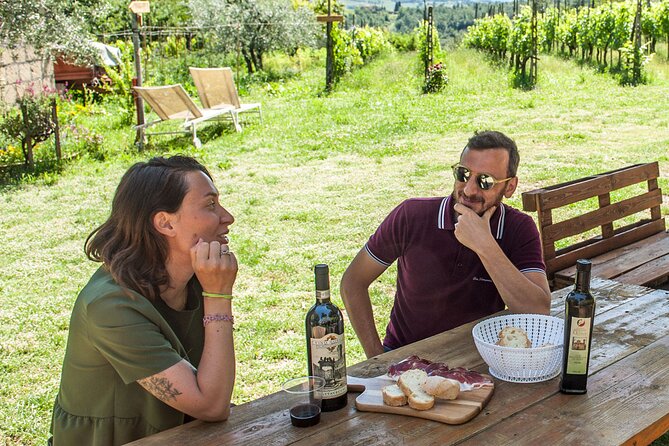
Roberto is central to the experience. He hosts the farm walk, explains the operation, and serves food and wine connected to the property. The tone is personal and conversational, with plenty of room for questions about rural life, climate, crops, animals, and food production.
That personal element can be a major strength. The visit is not built around a memorized speech or a large tour schedule. It is more like being shown around a working family farm by the person who cares for it.
The trade-off is that the experience may vary with the season and the day. A small farm does not offer the polished consistency of a major winery. You may find the conversation more valuable than formal presentation, but you should not expect a scripted tour with technical detail at every stop.
The listed language is English. Confirmation is provided at booking, and the activity is offered as a private tour. Most people can participate, though the outdoor nature of the farm means you should consider your own comfort with walking and rural surfaces.
Best for families, food lovers, and a slower afternoon
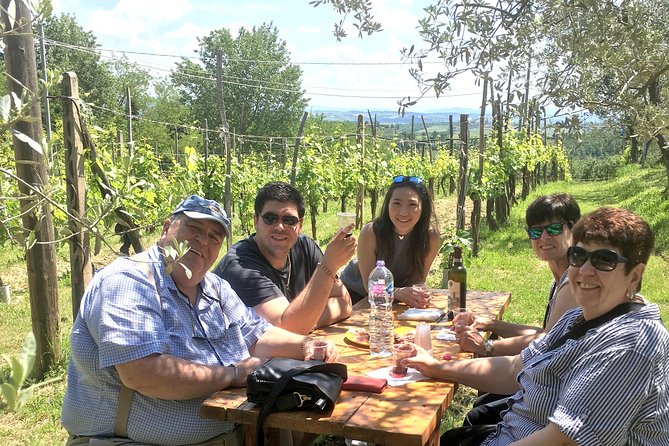
Families are a strong match. The pigs give children something immediate to see, while the meal gives adults a serious taste of local food. The age range that has worked well here has included children as young as eight and older adults into their seventies.
Food lovers will get the most from the cured-meat and cheese presentation. You can compare several pork preparations in one sitting, then taste young and aged pecorino with compotes. This is much more useful than ordering one generic salumi plate and moving on.
It also suits anyone who wants a break from crowded towns and formal wine estates. The farm offers a quieter setting, a view across the property from the enclosed porch, and time to sit over lunch rather than rush between stops.
I would be less likely to recommend it to someone seeking a long vineyard tour, a technical wine seminar, or a full-day cooking class. The visit is short, the farm walk is gentle, and the focus is split between animals, crops, cellar, and meal.
Timing, access, and practical planning
The listed hours are Monday through Sunday from noon to 3 p.m. The stated duration is approximately one hour and 30 minutes. That makes it easiest to plan as a dedicated midday activity rather than a flexible stop between morning and evening plans.
The meeting point is Via Madonna della Querce, 6/A, 53045 Montepulciano SI, Italy. The activity ends back at the same meeting point. Arrange your transport carefully because no pickup or drop-off service is specified.
This experience is often reserved well ahead, with an average booking lead time of about 27 days. If you want a particular date during a busy Tuscan season, booking early is sensible.
Free cancellation is available until 24 hours before the start time for a full refund. Changes or cancellations inside that window are not accepted for a refund. Bad weather or failure to reach the required minimum number may lead to a new date, another option, or a full refund.
Should you book the Fattoria Madonna della Querce visit?
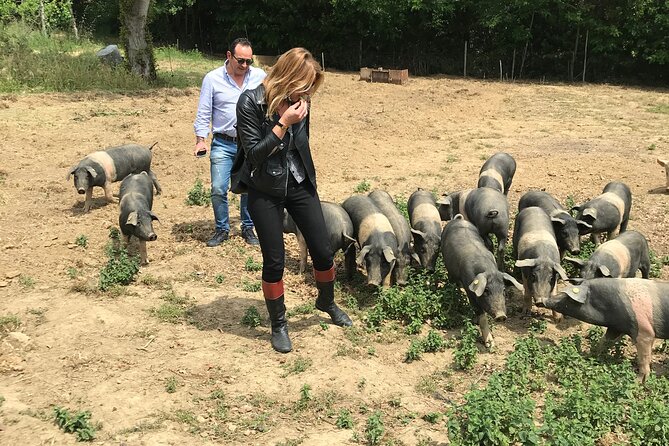
Book it if you want to connect a Tuscan meal with the farm that produces much of it. The pigs are memorable, the food is substantial, and Roberto gives the visit a personal face. At $54.31, the combination of a private farm tour and full local meal is a sound deal.
Think twice if your schedule cannot spare the noon to 3 p.m. window, if you need a highly polished winery presentation, or if outdoor walking is difficult. For families, food-focused visitors, and anyone tired of hurried sightseeing, this is one of the more distinctive ways to spend an afternoon near Montepulciano.
FAQ
Where does the Cinta Senese farm experience begin?
It begins at Via Madonna della Querce, 6/A, 53045 Montepulciano SI, Italy.
Where does the activity end?
The activity ends back at the meeting point.
How long does the experience last?
The experience lasts approximately one hour and 30 minutes.
What are the listed operating hours?
It is offered Monday through Sunday from 12 p.m. to 3 p.m.
What food is included?
The meal may include croutons, ribollita or panzanella, a Cinta Senese cured-meat platter, Pienza pecorino with compotes, and cantucci with vinsanto. Fruit and vegetables from the garden may be served when the season allows.
Is wine included?
Yes. The experience includes wine made by the farm, as described in the available information.
Is this a private activity?
Yes. Only your group participates.
What is the cancellation policy?
You can cancel at least 24 hours before the start time for a full refund. Poor weather or failure to meet the minimum number may result in another date, another experience, or a full refund.
Just added around Italy
- Paestum and Buffalo Farm Day Tour from Sorrento★ 5.0 · 3 reviews
- Slowlife Family Farm- Cook with us From Garden to Table Syracuse★ 5.0 · 10 reviews
- Siena: Small-group Cooking Class in a Chianti Farm★ 4.9 · 21 reviews
- Small Group E-Bike Chianti Tour with farm lunch from Siena★ 5.0 · 34 reviews
- Guided tour of the Marsala Salt Pans and salt harvesting★ 4.7 · 60 reviews
- Visit to the olive grove, oil tasting and lunch at the farm★ 5.0 · 31 reviews
- Alcamo Farm Animals and Aromatic Garden★ 4.0 · 45 reviews
- Food Experience at our Farm in Noto Hills★ 5.0 · 17 reviews
Italy Farm Tours, compared.
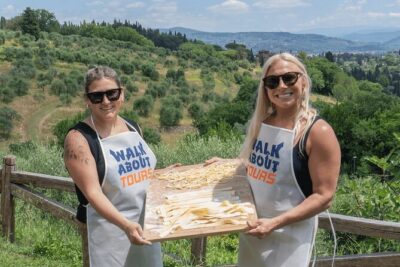
Florence Pizza or Pasta Class with Gelato Making at a Tuscan Farm
Read our review →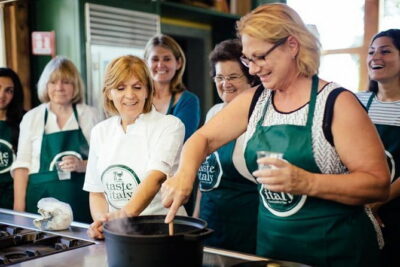
Cooking Class and Lunch at a Tuscan Farmhouse with Local Market Tour from Florence
Read our review →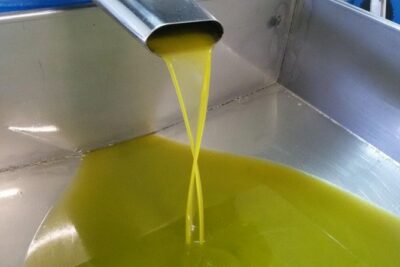
Sorrento Farm and Food Experience including Olive Oil, Limoncello, Wine tasting
Read our review →
Pizza Lesson, Wine, and Limoncello at a Local Farm
Read our review →
Pizza or Pasta Class with Gelato at a Tuscan Farm
Read our review →
Hands-On Cooking Class & Farmhouse Tour on the Amalfi Coast
Read our review →
Pizza School with Wine and Limoncello Tasting in a Local Farm
Read our review →
Authentic Farm Tour with Pizza, Cheese, Wine & Limoncello Tasting
Read our review →Lists this farm appears in