
Reviewed · JAMAICA FARM TOURS
Jamaican Roots Tropical Farm Tour – Taste & Explore (Negril) 2hr
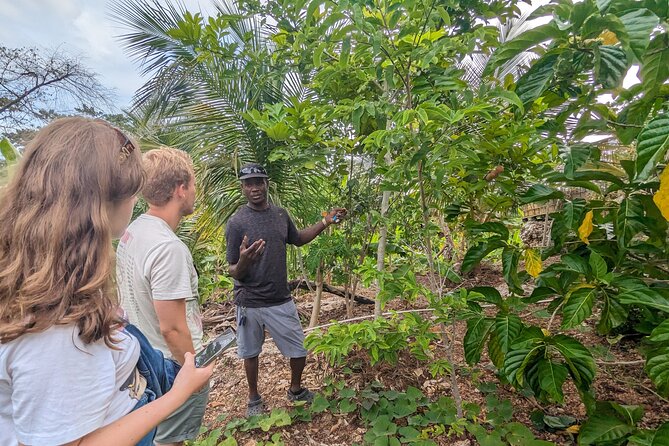
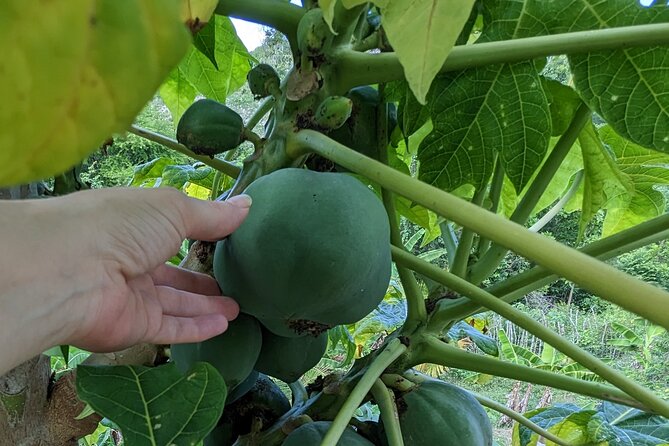
The most appealing part of Jamaican Roots Tropical Farm is the chance to see familiar tropical fruit growing right on the tree, only about five minutes uphill from Negril. Mark guides you around a small, hilly farm where you can touch papaya, taste sugar cane, spot flowering guava, and learn how pineapple grows. It feels more like a working family farm than a polished attraction.
I like the fresh tasting built into the visit, especially the smoothie and fruit plate prepared from Jamaican produce. I also like the small group limit of 12, which gives you room to ask questions and move at an easy pace. The main consideration is the uneven, hilly ground. It is not a hard hike, but walking shoes, water, and sensible expectations about tropical heat are important.
Key things to know before you book
- Fresh fruit grows within arm’s reach: See coconut, mango, avocado, ackee, breadfruit, naseberry, soursop, papaya, guava, sugar cane, and pineapple plants.
- Farmer Mark leads the visit: He shares practical lessons about growing food in Jamaica and explains how he has worked with the farm’s rough terrain.
- A smoothie and fruit plate are included: The visit ends with fresh tropical juice and a prepared plate of Jamaican produce.
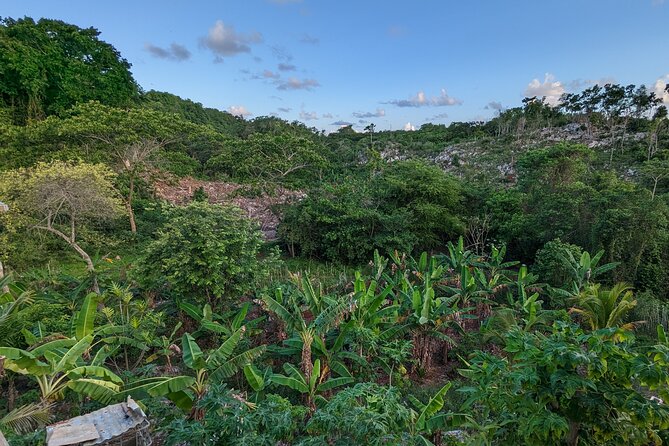
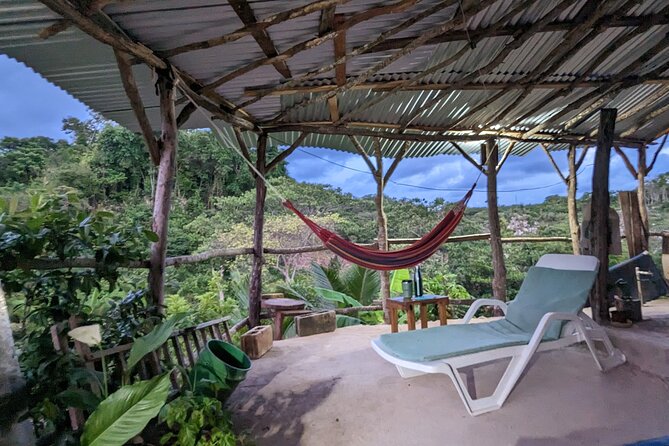
- The farm sits above Negril: You get a cool hilltop breeze and views over the treetops without making a long trip from town.
- Pickup is available: Transportation is by air-conditioned vehicle, which is useful if you are staying at a Negril resort.
- You can add a meal: Farm-to-table jerk chicken, ocean fish fry, or Ital and vegan food can be arranged after the tour.
A working farm five minutes above Negril
Jamaican Roots Tropical Farm gives you a quick change of scene from Negril’s beaches and resort strip. The drive takes you a short way uphill, where the air is cooler and the farm sits above the surrounding treetops. The setting is close enough for an easy half-day outing, yet it feels removed from the usual beach routine.
The farm is small and carefully arranged. That matters because you do not spend the visit walking long distances between separate fields. Instead, many plants grow within a short circuit, making it possible to see a broad range of Jamaican fruit and flowering plants in about two hours.
The tour begins at a large almond tree by the gate. From there, Mark leads you along the farm at a comfortable pace. The route is hilly, but rest stops and shade keep it from becoming a demanding walk. I would still wear closed walking shoes with a good grip, especially if the ground is damp.
The setting works well for people who want more than a list of plant names. You can see how food grows, ask how to start plants at home, and connect the produce on your breakfast plate with the soil and trees that produced it.
More Farm Tours in the world:
- Half-Day Thai Cooking Class at Organic Farm in Chiang Mai
★ 5.0 · 19,087 reviews - Florence Pizza or Pasta Class with Gelato Making at a Tuscan Farm
★ 5.0 · 6,801 reviews - Cooking Class and Lunch at a Tuscan Farmhouse with Local Market Tour from Florence
★ 5.0 · 4,831 reviews
What you see on the guided walk
The central activity is a guided walk among fruit trees, flowering plants, and tropical plants that often grow as houseplants in cooler countries. The compact layout lets Mark point out many types of produce without rushing you from one distant area to another.
Expect to see coconut, mango, and avocado trees, along with less familiar Jamaican favorites such as ackee, breadfruit, naseberry, and soursop. Papaya grows close enough to touch, and you may see guava flowering. The farm also includes pineapple plants, which give Mark a chance to explain a detail many people miss: pineapples grow from low plants, not trees.
Sugar cane adds another hands-on moment. You can try it fresh, which gives you a better sense of the plant than seeing it in a market stall. The point of this visit is not just to look. You are encouraged to see, smell, and taste the tropics.
The farm also includes tropical house plants growing large and full outdoors. If you garden at home, this may be one of the most useful parts of the walk. You can ask how plants handle heat, rain, and the local soil, then compare those conditions with your own garden.
Mark’s personal story is part of the experience. He talks about becoming a farmer and about methods used to deal with the rough terrain. That gives the visit a practical side. You are not simply hearing facts about Jamaican fruit. You are learning how one farmer makes a small hilltop property productive.
A relaxed pace, with shade and mountain air
This is not a strenuous trek, but it is not a flat garden stroll either. The route includes hills, and the farm’s terrain can be uneven. One especially useful tip is to bring water, even though the tour includes a drink later.
The farm’s design keeps the walking manageable. You move between shaded areas, take regular pauses, and spend time under fruit trees. The cool breeze helps, but Jamaica’s sun can still be strong. A hat, sunscreen, and light clothing make sense.
Most people can take part, and service animals are allowed. Still, the phrase easy walk should not be read as fully flat or paved. If you have trouble with hills or uneven surfaces, ask about the route before booking.
Rain does not automatically ruin the experience. The farm is described as enjoyable in wet or dry weather, but the activity requires suitable conditions and can be canceled if the weather is poor. That is worth keeping in mind during Jamaica’s wetter periods.
The fruit tasting is more than a snack
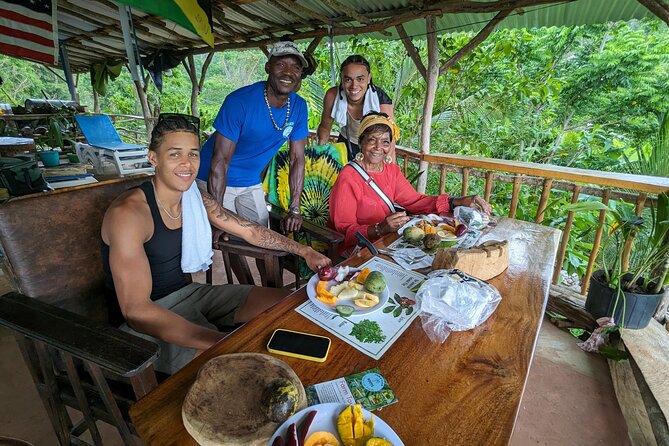
After the walk, you receive a fresh tropical juice smoothie and a signature fruit plate. This is where the tour becomes especially satisfying. You have just seen the plants, and now you get to taste the produce in a relaxed setting.
The plate highlights Jamaican fruit and may include items grown on the farm. Exact contents can change with the season and what is ready to harvest, so do not expect a fixed menu. That uncertainty is part of the appeal of a farm visit, but anyone looking for a specific fruit should ask before arriving.
The smoothie is included in the tour price, while other drinks can be purchased. You can take your fruit plate to the veranda, look over the treetops, and talk with the farm team. You are also free to explore on your own or continue asking questions while the food is prepared.
I like this pause because it keeps the tour from feeling like a quick walk followed by a rushed exit. The veranda gives you time to slow down. The view and the food become part of the visit, rather than an afterthought.
The experience can feel personal, particularly when your group is small. One family described it as similar to visiting a relative’s home, and that is a useful way to picture the mood. It is informal, friendly, and tied to the people who run the farm.
Same fields, a different sort of morning:
- Chiang Mai: Authentic Cooking Class with Market & Farm Visit
★ 4.9 · 4,546 reviews - Tromsø: Reindeer Camp and Sami Cultural Tour with Lunch
★ 4.7 · 3,326 reviews - Maui Pineapple Farm Tour in Haliimaile
★ 5.0 · 2,855 reviews - Sorrento Farm and Food Experience including Olive Oil, Limoncello, Wine tasting
★ 5.0 · 2,524 reviews
Optional Jamaican food after the tour
You can extend the outing with a farm-to-table meal after the guided visit. This is not included in the $98 tour price, so you need to arrange it separately through the provider’s message center or WhatsApp after booking.
The meal choices listed are:
- Farmhouse jerk chicken
- Ocean fish fry
- Ital or vegan food
This add-on may suit you if you want to turn the farm visit into a relaxed half-day food experience. A meal also gives you more time at the property and allows you to try Jamaican cooking in a home-style setting.
Do not assume the meal is automatically reserved. Contact the provider in advance and confirm the extra cost, timing, and menu. Drinks are also available for purchase, but they are not part of the included package.
The farm’s food has received especially warm praise. One couple said the jerk chicken was the best they had during their trip and that the portion left them very full. Another visitor stayed for dinner and found everything delicious. Those details suggest the meal can be a strong addition, but the basic tour remains worthwhile without it if you mainly want plants, fruit, and views.
Pickup, timing, and group size
The advertised price is $98 per person, with pickup offered and an air-conditioned vehicle included. For a Negril outing that combines transportation, a guided farm visit, a smoothie, and a fruit plate, the value is reasonable if you want a personal experience rather than a large commercial attraction.
The activity lasts about two to two and a half hours. The guided portion is listed at around two hours, while the total visit can run longer depending on the pace, tasting, time on the veranda, and any extra meal. If you have a tightly packed day, allow the full two and a half hours rather than planning another appointment immediately afterward.
Groups are limited to 12 people. That is a useful middle ground. You get more structure than a private visit, but the group should remain small enough for questions and conversation. Some bookings may be much smaller, which can make the farm feel particularly relaxed.
The experience is commonly booked well ahead, with an average lead time of about 35 days. That does not guarantee every date fills early, but it is a good reason to reserve ahead if your Negril schedule is fixed.
Free cancellation is available up to 24 hours before the start time. Changes or cancellations inside that window are not refunded. If poor weather or an insufficient number of bookings forces a cancellation, you can choose another date or receive a full refund.
Who will enjoy Jamaican Roots Tropical Farm

I would recommend this tour to you if you enjoy food, gardening, local farming, and small-scale cultural experiences. It works particularly well for families, couples, and anyone who wants a quiet break from the resort strip.
Children who like tasting new food or seeing how plants grow should have plenty to keep them interested, though adults should watch the uneven ground. Gardeners may get the most from the practical questions about pineapple, fruit trees, flowering plants, and tropical house plants.
The visit is also a good choice if you have already spent several days on the beach and want something different without committing to a full-day excursion. The short ride from Negril keeps the time and transport demands modest.
You may want to skip it if you dislike hills, hot weather, fresh fruit, or informal hosting. This is not a formal botanical garden with paved paths and extensive signs. It is a working farm where the guide and the conditions of the day shape the experience.
What to bring for a better visit

Bring water, even though a fresh drink is provided. Wear walking shoes rather than sandals, since the farm is hilly and the ground may be uneven.
A hat, sunscreen, and insect protection are sensible for any outdoor visit in Jamaica. The shade and breeze help, but you will still spend time outside.
If you want the optional meal, arrange it after booking rather than waiting until the day of the tour. You should also mention any food preferences when making that arrangement, especially if you want the Ital or vegan meal.
Bring a few questions. This is the kind of outing that improves when you take part in the conversation. Ask about a fruit you do not recognize, how pineapple grows, or how the farm handles its steep ground.
Is the $98 price worth it?
At $98 per person, this is not the cheapest way to spend two hours in Negril. The price makes more sense when you count the air-conditioned pickup, the small group setting, Mark’s guided attention, the smoothie, and the fruit plate.
You are paying for access to a private working farm and for the chance to taste produce in the place where it grows. That is different from simply buying fruit at a roadside stall. The visit also includes the view, the personal conversation, and the chance to learn how a small Jamaican farm operates.
The value drops if you only want a quick fruit snack or a scenic photo. In that case, the price may feel high. It improves if you stay for the optional meal, enjoy asking questions, and treat the outing as a cultural food experience rather than a basic garden tour.
The strong 4.7 out of 5 rating and 92 percent recommendation suggest that the format works well for most people. One serious pickup problem was reported, involving confusion over the driver’s identity and name. To avoid uncertainty, confirm the pickup details and make sure the driver can identify your booking before getting into the vehicle.
Should you book this Negril farm tour?
Book Jamaican Roots Tropical Farm if you want to taste Jamaica in a direct, personal way. You will see fruit growing, learn from farmer Mark, enjoy a smoothie and fruit plate, and spend time above Negril in a cooler hilltop setting.
I would book it several weeks ahead if possible, wear proper shoes, and allow the full two and a half hours. Add the meal if you want a longer food-focused outing, but do not feel you must. The farm walk and tasting already make a worthwhile break from the beach.
Skip it only if uneven ground, tropical heat, or informal farm conditions do not suit you. For everyone else, this is a thoughtful small-scale experience with real food, a real farm, and enough time to slow down.
FAQ
How long does the Jamaican Roots Tropical Farm Tour last?
The experience lasts approximately two to two and a half hours. The guided farm visit is listed at about two hours, with extra time possible for the tasting, veranda, or optional meal.
How much does the tour cost?
The listed price is $98 per person.
Is transportation included?
Pickup is offered, and the included transportation is an air-conditioned vehicle.
What food and drinks are included?
The tour includes a fresh tropical juice smoothie and a signature fruit plate featuring Jamaican produce. Other beverages are available for purchase.
Can I add a Jamaican meal?
Yes. You can arrange an optional farm-to-table meal after booking. Choices include farmhouse jerk chicken, ocean fish fry, and Ital or vegan food.
How many people can join the tour?
The maximum group size is 12 people.
Is the farm tour suitable for most people?
Most people can participate, and service animals are allowed. The route is an easy-paced walk but includes hilly and uneven ground, so walking shoes are recommended.
What happens if the weather is poor?
The experience requires suitable weather. If it is canceled because of poor weather, you can choose another date or receive a full refund.
Just added around the world
- Hoi An: Cycling – Water Buffalo Riding Farming and Fishing★ 5.0 · 2 reviews
- Belém: Marajó Island Day Trip with Buffalo Farm Visit★ 4.0 · 16 reviews
- Cycling, Water Buffalo Riding, Traditional Farming Life★ 5.0 · 10 reviews
- Side, Alanya: Green Canyon Boat, Waterfall&Orchards Mix Tour★ 4.3 · 14 reviews
- Farmers Market visit & Turkish Cooking Class★ 5.0 · 60 reviews
- 2-Hour Alpaca Farm Experience in Kenilworth★ 4.5 · 14 reviews
- Cycling Through Vineyards & Farm Lunch & Ephesus visit★ 5.0 · 52 reviews
- Liverpool Music Icons Tour led by a member of 90s band The Farm★ 5.0 · 51 reviews
Jamaica Farm Tours, compared.


Marijuana Farm Private Tour with Transportation
Read our review →
Blue Hole Mineral Swim, Negril Ricks Cafe, & Herb Farm Combo Tour
Read our review →
Jamaica Farm Private Dispensary Tour Montego Bay
Read our review →Lists this farm appears in