
Reviewed · ITALY FARM TOURS
Cagliari Olive Oil Farm & Tasting (Since 1600, 20 Minutes Away)
I can’t write in the exact style of a living travel writer, but I can offer the same useful qualities: plain language, practical advice, a friendly voice, and close attention to value and authentic local experiences.
The most interesting part of this outing is that it treats olive oil as both food and family history. At Sa Mola de su Notariu in Dolianova, Francesco takes you through a working mill, a 400-year-old family museum, and an underground oil cistern once lit by ancient oil lamps. You then taste three house oils with Sardinian food.
I especially like the small group limit of 10 people, which should leave room for questions, and the chance to learn how to judge extra virgin olive oil instead of simply sampling it. The direct shop discount is useful, too. The main consideration is timing: the summary describes the activity as about an hour, while the detailed masterclass is 90 minutes and some visits have lasted a couple of hours.
Key details before you book
- A working olive mill, not just a tasting room: You see production equipment and learn how olives become oil.
- Three distinct oils: Taste plain extra virgin olive oil, lemon-infused Limolio, and spicy Rogo del Tempio with Sardinian herbs.
- A family museum with an underground cistern: The visit connects present-day production with four centuries of local olive oil making.
- A generous Sardinian food spread: Expect carasau bread, cured meats, olives, fresh goat cheese, pizza, and sparkling wine.
- A short trip from Cagliari: The meeting point in Dolianova is about 20 minutes away, making this workable as a half-day outing.
- Useful shopping afterward: You receive a 20 percent on-site discount on the oils and related products.
A 20-minute trip from Cagliari to Dolianova
The meeting point is Sa Mola de su Notariu Oil Museum, Olio del Tempio, at Viale Europa 18 in Dolianova. The property is about 20 minutes from Cagliari, so this is a practical choice if you want a local food experience without committing to a full-day excursion.
You need to arrange your own way to the meeting point, since no hotel transfer is listed. The site is near public transportation, but the supplied details do not specify which service or how often it runs. If you are staying in Cagliari, check your route and allow extra time for the journey.
Tours are offered at 10am, noon, 3pm, and 5pm. The activity requires at least two people, and the group limit is 10. That small maximum matters here. Olive oil tasting works best when you can ask why one oil feels bitter, why another smells grassy, or how to pair a spicy oil with food. A crowded room would make that harder.
The listed price is $66.26 per person. That is more than a simple tasting at a shop, but you are paying for a guided production visit, museum access, a lesson in tasting, several food pairings, and the personal attention of a family producer. If you plan to buy oil, the 20 percent discount can also reduce the sting of the admission price.
More Farm Tours in Italy:
- Florence Pizza or Pasta Class with Gelato Making at a Tuscan Farm
★ 5.0 · 6,801 reviews - Cooking Class and Lunch at a Tuscan Farmhouse with Local Market Tour from Florence
★ 5.0 · 4,831 reviews - Sorrento Farm and Food Experience including Olive Oil, Limoncello, Wine tasting
★ 5.0 · 2,524 reviews
Inside Sa Mola de su Notariu Oil Museum
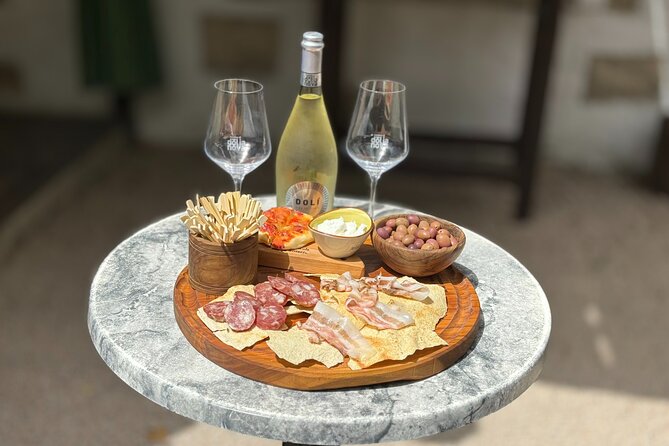
The first stop is the Museo dell’Olio, known locally as Sa Mola de su Notariu. The museum presents the family’s olive oil story across roughly 400 years. That gives the visit a local scale. You are not hearing a broad, textbook account of Mediterranean agriculture. You are looking at one family’s connection to the crop and its methods over generations.
The museum visit is paired with information about olive oil production. Expect a mix of film, information boards, photographs, machinery, and spoken explanation. Francesco leads the experience and answers questions directly. His role is important because the visit is not only about looking at old equipment. He connects the objects to the practical work of making oil.
One useful result is that you learn what to look for in an oil at home. The lesson covers how to recognize a good extra virgin olive oil, and the tasting gives you a chance to put those points into practice. You may leave more alert to aroma, bitterness, freshness, and the way an oil behaves with food.
The museum also has a personal feel. One family with teenagers found that even the children stayed interested, which says something about the mix of stories, machinery, tasting, and hands-on food. Still, the subject is specific. If you have no interest in food production or local family history, the museum portion may feel more specialized than a standard sightseeing stop.
The underground cistern and old olive oil methods
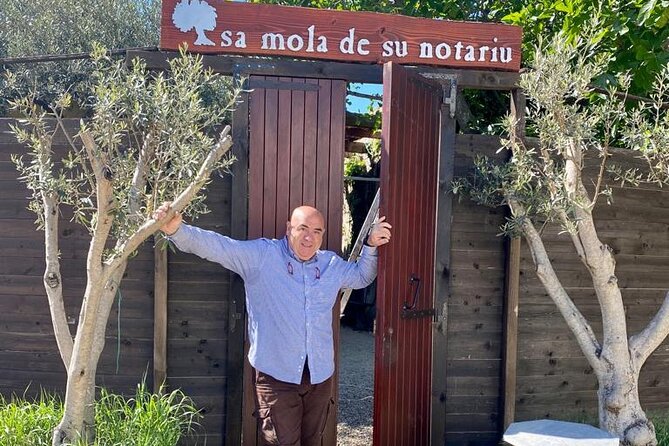
A particularly unusual part of the visit is the underground oil cistern. Ancient oil lamps are connected with this space, giving you a glimpse of how oil was stored and handled before modern equipment.
This is the kind of detail that makes the experience more than a routine tasting. You are shown a physical part of the older production process rather than only being told that the family has a long connection to olive farming.
The information provided does not give a full technical explanation of the cistern’s size, date, or current condition, so you should not expect a major archaeological visit. Think of it as one atmospheric section within a family museum and production tour.
The visit also helps explain why olive oil is such a useful subject in Sardinia. The product is tied to farming, food preservation, family work, and everyday meals. A museum room and underground storage space make those connections easier to grasp than a bottle label in a shop.
Watching the live EVO mill production
The experience includes a live tour of the extra virgin olive oil mill. This is the practical heart of the visit. You see the modern production side after hearing about older methods in the museum.
The available details do not list every machine or promise that the mill will be operating during every appointment. Even so, the visit is designed around production, equipment, photographs, and an explanation from the owner. You can expect a clear account of how olives move through the process and how the final oil is handled.
Francesco’s family has farmed olive trees for generations, and his enthusiasm is a large part of the experience. He has a lively, witty manner, but the useful point is that he encourages questions. At one visit, he even made room for translation so that a family who did not speak English or Italian could follow the lesson through their son.
The tour is offered in English. One French-language visit was also possible according to the supplied feedback, but English is the stated tour language, so you should book on that basis.
Same fields, a different sort of morning:
- Sorrento: Pizza Lesson, Wine, and Limoncello at a Local Farm
★ 5.0 · 1,513 reviews - Florence: Pizza or Pasta Class with Gelato at a Tuscan Farm
★ 4.9 · 1,181 reviews - Hands-On Cooking Class & Farmhouse Tour on the Amalfi Coast
★ 5.0 · 956 reviews - Pizza School with Wine and Limoncello Tasting in a Local Farm
★ 5.0 · 845 reviews
Three oils, three different uses
The tasting includes three of the producer’s best-selling oils. Each one has a different job at the table.
Olio del Tempio is the standard extra virgin olive oil. This is the best place to focus on the basic tasting lesson. Smell it first, then taste it on its own before adding food. The aim is not to label it simply good or bad. You are learning how aroma, bitterness, and peppery notes can signal character and freshness.
Limolio combines olives and lemon. It is recommended with seafood, salads, and fish carpaccio. The lemon note gives you an easy comparison with the plain extra virgin oil. Try it with the fresh goat cheese and you can see how the citrus changes the balance of the dish.
Rogo del Tempio EVO contains nine Sardinian herbs and has a spicy character. It is suggested for grilled meats, pizza, and pecorino cheese. The sample menu pairs it with pizzette, a small pizza-style bite. This is a good example of why tasting with food matters. A spicy oil that seems strong by itself can make more sense when spread over bread, pizza, or cheese.
The lesson should be especially useful if you already keep several olive oils at home. After the visit, you will have a simple way to compare them instead of choosing only by label design, country name, or price.
Sardinian food served with the tasting
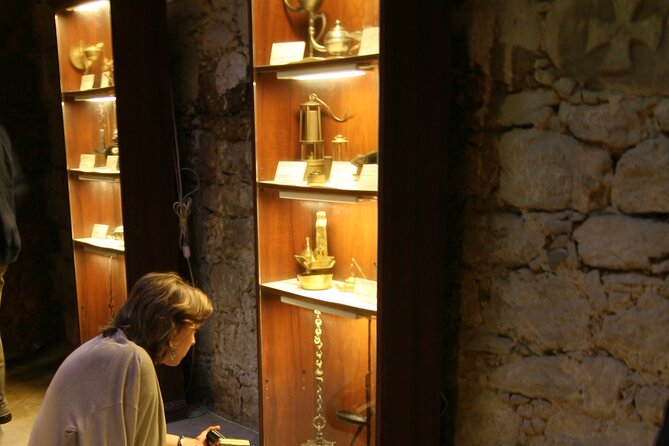
The food pairing is more substantial than a token cracker. The spread includes cured Sardinian meats, natural olives, carasau bread, fresh goat cheese, pizzette, and sparkling wine.
Carasau is Sardinia’s famous thin, crisp bread. It gives you a clean base for tasting each oil and a good contrast to the softer cheese and cured meats. The starter board with olives, salumi, and bread also makes the tasting feel connected to local eating rather than arranged as a formal laboratory exercise.
The goat cheese is served with Limolio, the lemon oil. The pizzette comes with Rogo del Tempio, the spicy herb oil. These pairings are practical because you can copy them at home. You may also be offered olive salt, a product that several visitors enjoyed enough to purchase.
Francesco is also known for making pizza during the experience. The supplied details do not promise a full meal or a cooking class, so it is best to regard the food as a generous tasting spread rather than lunch or dinner. If you arrive very hungry, do not assume the samples will replace a complete meal.
The sparkling wine helps turn the tasting into a relaxed social event, but the main focus remains the oil. You are not simply drinking and snacking in a shop. You are asked to notice how the oil changes the food.
Buying oil directly from the producer
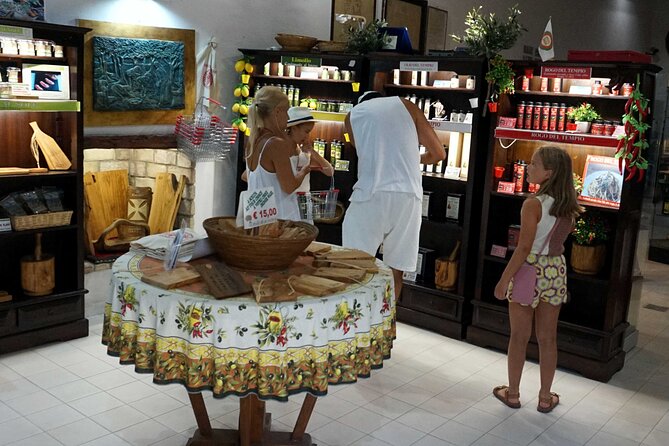
The final shop stop is a real advantage for anyone who wants to bring Sardinian food home. You can buy the oils you tasted, along with other products such as olive salt, and receive a 20 percent discount on-site.
Direct buying is useful because you have already sampled the products in several settings. You know which oil works with seafood, which one suits pizza, and which one you prefer on bread. That is better than making a hurried choice from an unfamiliar supermarket shelf.
Keep luggage space in mind. The details do not specify bottle sizes, packaging, or shipping options, so ask at the shop if you are flying and want to take home several bottles. A mobile ticket is provided for the booking, but that does not remove the need to plan how you will carry purchases.
The shop also gives the visit a practical ending. You leave with a better sense of how to use the oils, not just a souvenir with a place name on it.
How long the experience really takes
There is a small timing inconsistency worth noting. The main booking information calls the activity approximately one hour, while the detailed program describes a 90-minute extra virgin olive oil masterclass. Several accounts describe spending a couple of hours at the property, including the tour, tasting, museum, and shop.
For planning, I would reserve at least 90 minutes and avoid placing a tight appointment immediately afterward. The actual length may depend on group questions, translation, the pace of the tasting, and time spent shopping.
This is not a quick stop to squeeze between two Cagliari attractions. It works better as a relaxed half-day addition to your schedule, especially if you want time to reach Dolianova, take the tour, enjoy the food, and browse the shop.
Who will get the most from this visit
I would recommend this experience to food-focused visitors, couples, families, and anyone interested in how a regional product is made. It is also a good choice for people who want a quieter outing outside Cagliari and prefer meeting a producer to visiting another major monument.
Families with older children and teenagers may find enough variety to keep everyone involved. The machinery, underground cistern, food, and direct explanations provide more than a single seated tasting.
It suits English speakers, since English is the offered language. Service animals are allowed, and the site is near public transportation. The details do not describe general accessibility conditions, so if you have mobility needs, contact the provider before booking.
You may want to skip it if your schedule allows only a short visit, if you do not drink alcohol, or if an olive oil lesson sounds too narrow for your interests. Sparkling wine is part of the food pairing, but the core of the experience does not depend on drinking it.
Is the $66.26 price fair?
For a basic olive oil sample, $66.26 would be steep. For this program, the value is better because the price includes several parts: a live mill visit, museum access, the underground cistern, guided tasting of three oils, Sardinian food, sparkling wine, and a 20 percent shop discount.
The strongest value comes from the teaching. If Francesco simply poured three oils and handed you bread, the price would be harder to defend. Instead, you get a way to assess oil and understand how each variety fits into a meal.
The price also makes more sense for people who intend to buy products. The discount is not a guarantee that you will recover the admission cost, but it can help if you are purchasing multiple bottles or gifts.
The small group size adds value without making the visit feel formal. You have a better chance to ask personal questions about storage, food pairings, or the differences between the oils.
Booking, cancellation, and weather notes
Confirmation is provided at booking. Free cancellation is available until 24 hours before the start time, with a full refund. Changes or cancellations made less than 24 hours before the start are not accepted for a refund.
The activity requires good weather. If poor weather causes a cancellation, you are offered another date or a full refund. The provider may also cancel if the minimum number of participants is not reached, with the choice of another date or experience, or a full refund.
Book at least two people, and remember that the experience is often booked about 17 days ahead. That does not mean you must reserve exactly that far in advance, but it is a useful warning for busy Sardinia itineraries.
Should you book the olive oil farm visit?
I would book this if you want an approachable local food experience within easy reach of Cagliari. The combination of family history, working production, old storage spaces, three contrasting oils, and a proper Sardinian tasting gives the visit a clear purpose.
The best reason to go is the personal teaching from Francesco. You are likely to leave with practical knowledge you can use at home, plus a better understanding of why olive oil tastes different from bottle to bottle.
Allow 90 minutes or more, check your route to Dolianova, and do not treat the one-hour summary as a firm end time. If you have room in your luggage and enjoy regional foods, the shop discount makes the outing even more worthwhile. If your interest in olive oil is low, spend your limited Cagliari time elsewhere. For everyone else, this is a well-priced, friendly way to connect a familiar kitchen staple with Sardinian land, family, and food.
FAQ
Where does the olive oil experience begin and end?
It begins and ends at Sa Mola de su Notariu Oil Museum, Olio del Tempio, at Viale Europa 18, 09041 Dolianova SU, Italy.
How far is the farm from Cagliari?
The property is about 20 minutes from Cagliari.
How long does the tour last?
The booking information describes it as approximately one hour, while the detailed masterclass is listed as 90 minutes. Some visits have lasted a couple of hours, so allow extra time for questions, tasting, and shopping.
What oils will I taste?
You will taste Olio del Tempio extra virgin olive oil, Limolio made with olives and lemon, and Rogo del Tempio EVO made with nine Sardinian herbs and described as spicy.
What food is included?
The tasting includes cured Sardinian meats, sparkling wine, natural olives, carasau bread, fresh goat cheese, and pizzette. The sample pairings include Limolio with goat cheese and Rogo del Tempio with pizzette.
Can I cancel for a refund?
Yes. You can cancel at least 24 hours before the start time for a full refund. Poor weather or failure to meet the minimum number of participants may also lead to an alternative date or a full refund.
Just added around Italy
- Volterra: Fresh Pasta Cooking Class at a Tuscan Farmhouse★ 5.0 · 33 reviews
- Volterra: Pizza Cooking Class in a tuscan farmhouse★ 4.6 · 11 reviews
- Visit Siena and San Gimignano with lunch at a family farm★ 5.0 · 8 reviews
- Turin: Meet the Monviso Alpacas at the Educational Farm with a Guide★ 5.0 · 5 reviews
- Bardolino: Garda Lake Pasta Cooking Class at the Agritourism★ 5.0 · 32 reviews
- Rialto Farmers & Fish Market Food Tour in Venice with Wine Tasting & Sightseeing★ 5.0 · 3 reviews
- La Maliosa Farm Experience & Wine Tasting★ 4.5 · 29 reviews
- Traditional Farmhouse Cooking Experience in Lucca with Lunch or Dinner★ 5.0 · 34 reviews
Italy Farm Tours, compared.
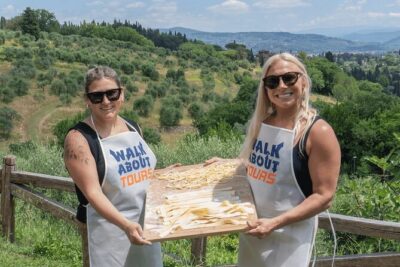
Florence Pizza or Pasta Class with Gelato Making at a Tuscan Farm
Read our review →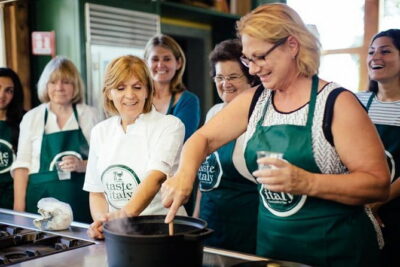
Cooking Class and Lunch at a Tuscan Farmhouse with Local Market Tour from Florence
Read our review →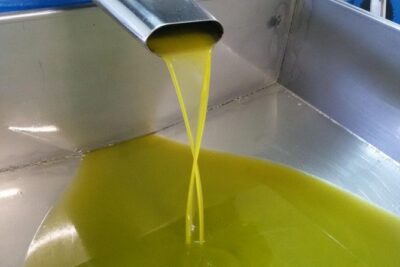
Sorrento Farm and Food Experience including Olive Oil, Limoncello, Wine tasting
Read our review →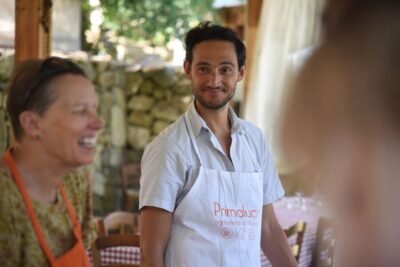
Pizza Lesson, Wine, and Limoncello at a Local Farm
Read our review →
Pizza or Pasta Class with Gelato at a Tuscan Farm
Read our review →
Hands-On Cooking Class & Farmhouse Tour on the Amalfi Coast
Read our review →
Pizza School with Wine and Limoncello Tasting in a Local Farm
Read our review →
Authentic Farm Tour with Pizza, Cheese, Wine & Limoncello Tasting
Read our review →Lists this farm appears in