
Reviewed · PEARL FARM TOURS
La Paz: Pearl Farm Experience and shop
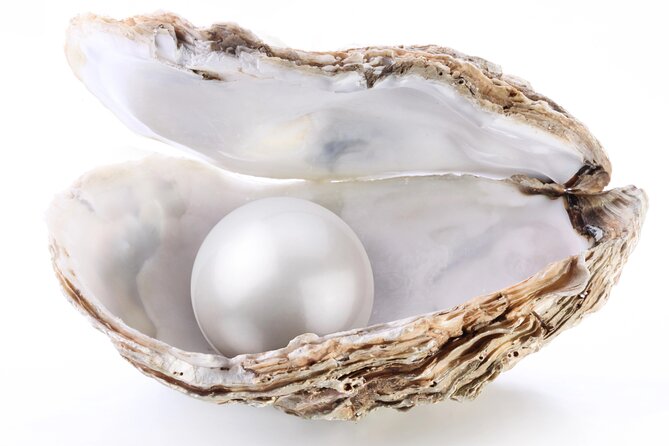
La Paz pearls have a story that reaches from ancient civilizations to the present day, and this two-hour visit lets you see how that story continues in a working pearl farm. I like the hands-on look at oyster cultivation, especially the chance to see the small marble implanted into an oyster to begin pearl formation. I also like the live marine organisms, including starfish, urchins, crabs, fish, and pearl oysters.
The main drawback is simple: $68 is a fair but not bargain-priced fee for a two-hour experience, and food is not included. You should also know that jewelry and souvenirs cost extra, so this tour works best if you are interested in the process and history, not only in shopping.
Key points about the La Paz pearl farm
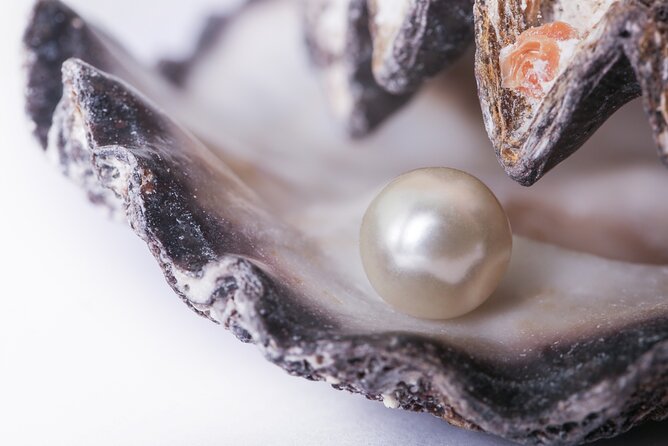
- Watch the pearl-making process up close, from oyster growth to surgical implantation.
- Learn why La Paz pearls matter, including the local connection to a pearl in Queen Elizabeth’s crown.
- Handle live sea life, such as oysters, starfish, crabs, urchins, and fish.
- Visit the laboratory to see the technical side of modern pearl cultivation.
- Browse pearl jewelry afterward, with purchases separate from the $68 tour price.
- Choose an English or Spanish guide, with Ivan leading the presentation described in the available details.
Why pearls matter in La Paz
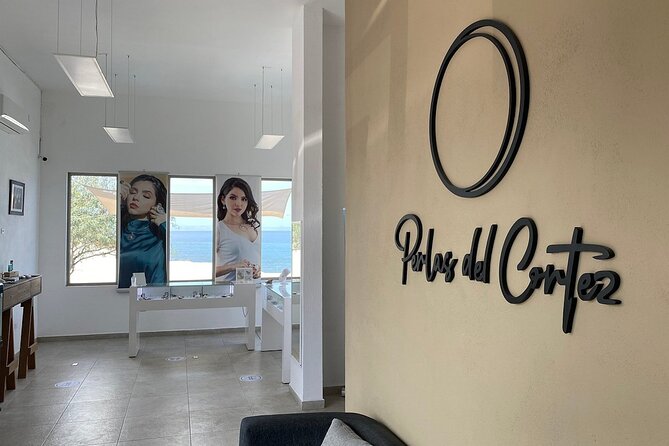
A pearl can look quiet and simple in a jewelry case. Its making is anything but simple. At this farm, you get the background first, then see the living process that turns an oyster and a carefully placed object into a finished pearl.
The presentation connects pearls with ancient civilizations and regional history. That context gives the visit more weight than a standard shop stop. You are not just looking at a polished stone. You are learning why pearls held such value in the past and why La Paz remains linked to pearl production today.
One especially striking detail is the connection to Queen Elizabeth’s crown. The tour explains that a pearl from La Paz is set in the crown, a detail that helps show the international reach of the region’s pearls. It is the sort of small historical fact that makes the rest of the visit easier to remember.
The experience also explains modern pearl culturing. This matters because many people know the finished product but not the careful work behind it. You see how an oyster develops through its life cycle and how people guide the process without simply manufacturing a pearl from scratch.
More Pearl Farm Tours in Mexico:
- La Paz: Pearl Farm Experience and shop
★ 5.0 · 3 reviews - Broken Bay Pearl & Oyster Farm Tours
★ 5.0 · 150 reviews - Incredible Islands Tour – Horizontal Falls & Cygnet Bay Pearl Farm
★ 5.0 · 96 reviews
Starting at Avenida Pichilingue
The stated meeting point is on Avenida Pichilingue in La Paz, Mexico. The activity lasts about two hours, so it fits neatly into a morning or afternoon plan.
The schedule is focused. There is no long transfer or full-day commitment described. You arrive, take part in the class and farm visit, see the laboratory, and finish with the jewelry shop. That makes it a practical choice if you have limited time in La Paz but want an activity tied closely to the sea and local culture.
Because the tour is built around a presentation and demonstrations, arriving ready to listen will improve the experience. The language options are English and Spanish. Ivan is identified as one of the owners and leads the history and cultivation presentation, along with his partners.
The exact group size is not provided, so I would not book this expecting a private lesson unless the operator confirms that directly. The format is interactive, but the amount of personal attention may depend on the number of people attending.
The opening lesson: from ancient pearls to modern farming
The first part explains the importance of pearls across several thousand years. This is useful background, not filler. It shows why pearls were treated as precious objects long before modern jewelry stores and farm laboratories existed.
I like this order. If you see the technical process first, you may understand how pearls form but miss why they mattered to people. Starting with history gives the living oysters and finished jewelry a wider setting.
The regional connection is central. La Paz is not presented simply as a place where pearls happen to be sold. The lesson ties pearls to the area’s past and to the modern art of pearl culturing. For you, that means the visit has a cultural side as well as a science lesson.
The presentation also helps explain the difference between admiring a pearl and understanding its value. Shape, color, cultivation, and care all matter. The tour promises an appreciation of different types of pearls and the full process used to obtain them, though the supplied details do not specify every variety on display.
Meeting the oysters and other marine life
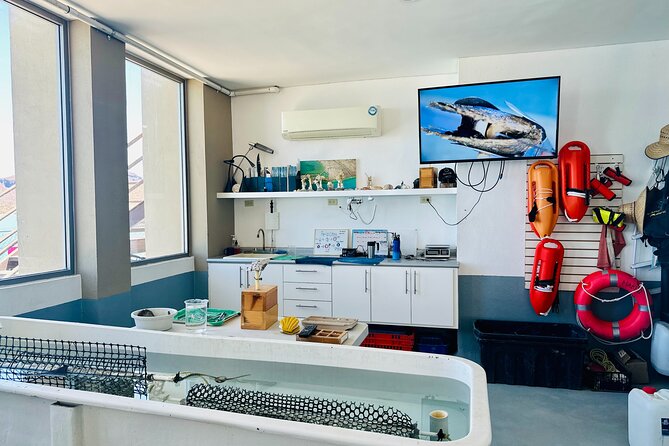
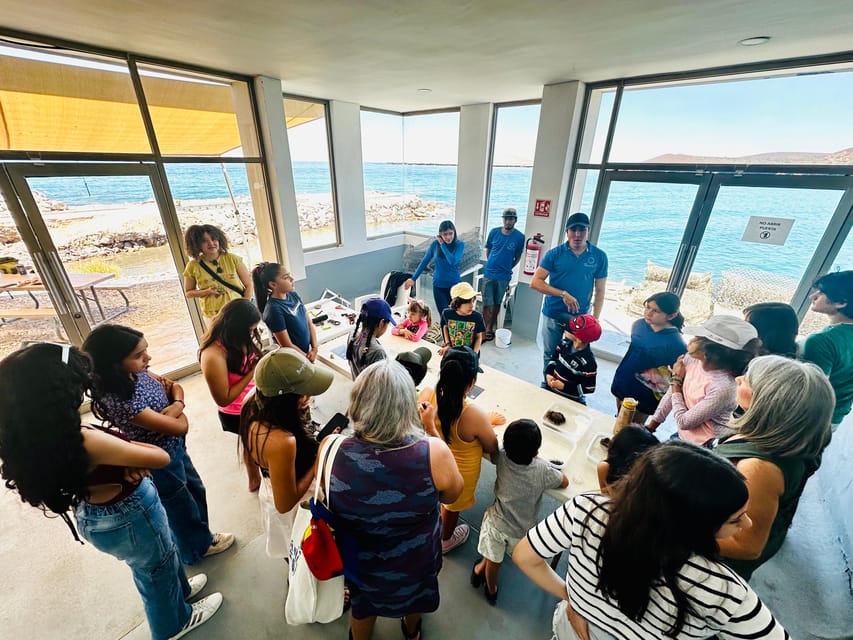
The farm visit includes contact with live marine organisms. You may see and interact with pearl oysters, crabs, sea urchins, starfish, fish, and other sea life.
This is one of the strongest parts for families and anyone who learns best by looking and touching. A lecture about oysters can feel abstract. Handling or observing living specimens makes the process easier to understand and gives the visit a more direct connection to the sea.
The marine life also keeps the experience from becoming only a jewelry lesson. You get a look at the wider environment that supports pearl farming. The focus remains on the oysters, but the crabs, fish, urchins, and starfish help show that a pearl farm is part of a living marine setting.
The exact rules for handling each animal are not given. Follow the guide’s instructions carefully and treat the animals as living creatures, not props. That is especially important during a hands-on activity.
More Farm Tours in Mexico:
- Magical Todos Santos Tour, Camel Ranch, Lunch and Tequila
★ 5.0 · 672 reviews - Chapala Lake & Ajijic Tour with “Tres Potrillos Ranch”
★ 4.5 · 85 reviews - 3 Palos Lagoon AfroMex Village Turtle Release & Croc Farm Visit
★ 4.5 · 22 reviews - Full-Day Ranch Adventure and Horseback Riding Tour
★ 5.0 · 19 reviews
Inside the laboratory
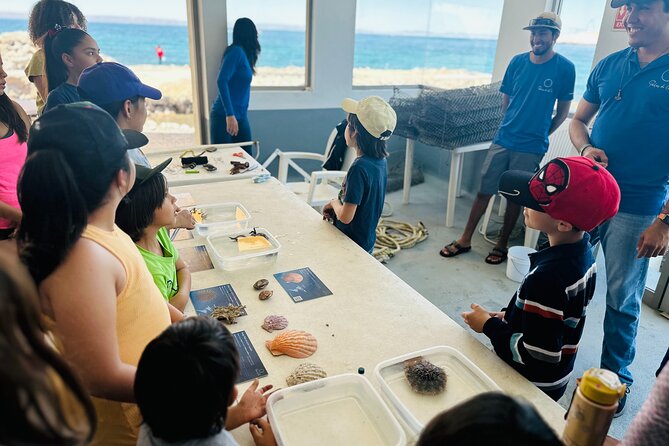
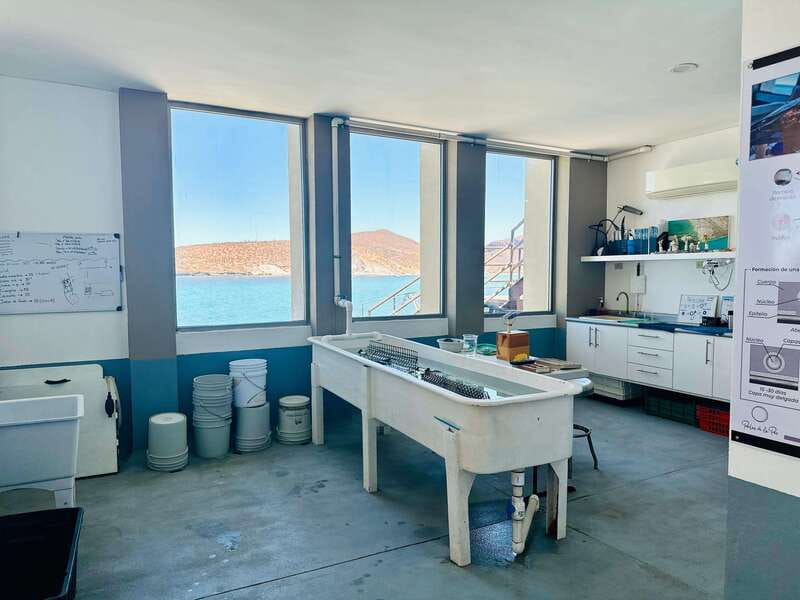
The laboratory visit is where the tour becomes most technical. This is the place to see how traditional interest in pearls connects with modern cultivation methods.
The most memorable demonstration described is the surgical implantation of a marble into an oyster. That small object starts the process that can result in a pearl. Seeing the procedure helps correct a common misunderstanding: pearls do not simply appear because an oyster is placed in water.
The operation requires skill and care. Ivan explains the process while showing the oysters at different stages of their life cycle. You can expect the demonstration to be more interesting than a display case because you are seeing the beginning of the process rather than only its final result.
This part may not suit everyone. A surgical procedure on a living oyster could make some people uncomfortable. The available information does not say how long the demonstration lasts or whether you can opt out, so anyone sensitive to that sort of presentation should ask before booking.
What the hands-on element adds
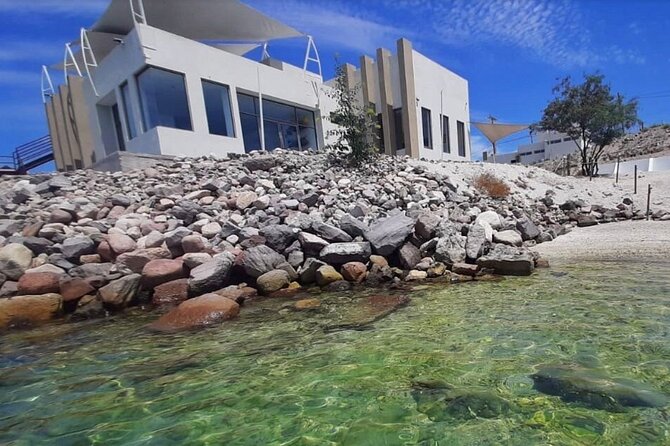
The tour includes a hands-on experience, but the details do not define every activity you will perform yourself. It is safest to expect guided interaction with marine life and close observation of the cultivation process rather than a chance to carry out the implantation procedure.
That distinction matters. You are there to learn from the farm team, not to work as a pearl technician. The value comes from access to the process and from being able to ask questions during the demonstration.
I like this format because it gives you something concrete to remember. You may forget a general talk about aquaculture, but you are less likely to forget seeing an oyster, learning how a marble is implanted, and then viewing pearls in the shop afterward.
The experience also works well for different ages. Children may respond to the live animals, while adults may be more interested in the history, business, and craft of pearl production. Since the tour is available in English and Spanish, language should not be a barrier for those who select the right option.
The jewelry shop and the real cost of the visit
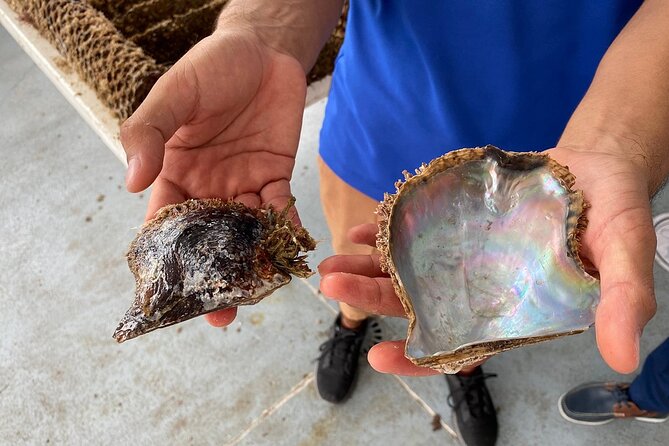
The final stop is the exclusive jewelry shop, where you can examine and purchase pearl jewelry. This is a useful ending because you have just learned how pearls are made, so you can look at finished pieces with more understanding.
Jewelry is not included in the $68 price. Souvenirs are also separate, and food is not served. Food and beverages are available for purchase, according to the tour information, but you should not count on a meal during the two-hour visit.
The shopping portion may appeal to you if you are looking for a meaningful La Paz purchase. It may feel less important if you have no interest in buying jewelry. The good news is that the educational visit comes before the shop, so the activity does not appear to depend only on sales.
I would set a spending limit before you arrive. The farm presents the pearls as valuable marine jewels, and seeing the cultivation process may make the pieces feel more personal. That can be part of the fun, but it can also make impulse buying easier.
At $68 per person, the value depends on what you want. If you only want to browse jewelry, the price is harder to justify. If you want a guided history lesson, a laboratory visit, live marine contact, and a close look at pearl farming, the fee is more reasonable than a simple retail stop.
Who should book this two-hour experience
I would recommend this tour to you if you enjoy local production, marine science, history, or unusual shopping experiences. It is also a good option for anyone who wants a break from beach time without leaving La Paz’s connection to the sea behind.
Families may appreciate the short duration and live animals. Jewelry buyers can learn how the pieces are made before visiting the shop. Curious adults may enjoy the mix of history and biology, especially the oyster implantation demonstration.
You may want to skip it if you dislike formal presentations, have no interest in pearls, or want a food-focused excursion. The tour is not a boat trip, a snorkeling outing, or a meal. It is a focused class and farm visit.
Wheelchair access is listed, which makes this a practical choice for many visitors with mobility needs. Still, because the specific route through the farm and laboratory is not described, confirm any personal access requirements in advance.
Booking, timing, and cancellation
The tour lasts about two hours, with starting times available according to the date you select. You can reserve now and pay later, which helps if you are still arranging your La Paz schedule.
Free cancellation is available up to 24 hours before the activity for a full refund. That gives you some flexibility if your plans change.
The meeting point is Avenida Pichilingue. Transportation from elsewhere in La Paz is not listed, so check how you will reach the starting point before booking. Do not assume that hotel pickup is included.
Should you book the La Paz pearl farm visit?
Book it if you want to understand the work behind a pearl rather than simply see one in a display case. The strongest reasons are the regional history, the laboratory visit, the live marine organisms, and the chance to watch the implantation process explained by Ivan and his partners.
At $68, this is not the cheapest two-hour activity in La Paz. But it offers a specialized experience that is difficult to reproduce by browsing a jewelry shop alone. I would especially choose it for a free afternoon, a family outing, or a thoughtful purchase tied to the place you are visiting.
Skip it if you want a longer outdoor adventure or a meal. For everyone else, the pearl farm offers a clear look at one of La Paz’s most unusual traditions, with enough science and history to make the jewelry shop feel like the final chapter rather than the whole point.
FAQ
Where does the La Paz pearl farm experience begin?
The stated starting location is Avenida Pichilingue in La Paz, Mexico.
How long does the pearl farm tour last?
The experience lasts approximately two hours.
How much does the experience cost?
The listed price is $68 per person.
Is the tour offered in English?
Yes. The tour is available in English and Spanish.
Who leads the presentation?
Ivan, identified as one of the owners, leads the presentation with his partners.
Can I see how pearls are cultivated?
Yes. The experience covers the pearl cultivation process, includes a laboratory visit, and may show the surgical implantation of a marble into an oyster.
Are food and drinks included?
No food is served as part of the tour. Food and beverages are available for purchase.
Is jewelry included in the ticket price?
No. Pearl jewelry and souvenirs are available separately for purchase.
Is the experience wheelchair accessible?
Yes. The activity is listed as wheelchair accessible.
Can I cancel for a full refund?
Yes. You can cancel up to 24 hours in advance for a full refund.
Just added around Mexico
- *Turtle Hatching + 3 Palos Lagoon Boat Ride & Crocs Farm★ 4.8 · 6 reviews
- The Colors of Coffee in the Farms of Coatepec★ 5.0 · 3 reviews
- Full-Day Ranch Adventure and Horseback Riding Tour★ 5.0 · 19 reviews
- Farm to Table Cooking Experience in San Miguel★ 5.0 · 4 reviews
- Hands-on Mexican Farm Experience: from Cow to Cheese★ 5.0 · 9 reviews
- Urban Orchard in Desierto de los Leones in Mexico City★ 5.0 · 9 reviews
- La Paz: Pearl Farm Experience and shop★ 5.0 · 3 reviews
- La Paz: Coral Farm Snorkel Tour★ 5.0 · 3 reviews
Pearl Farm Tours, compared.
Incredible Islands Tour – Horizontal Falls & Cygnet Bay Pearl Farm
Read our review →
Cygnet Bay Pearl Farm Behind-the-Scenes Tour & Live Harvest
Read our review →
Harvest Your Own Pearl Private Experience – Perth
Read our review →
Cygnet Bay Sea Safari & Pearl Farm Tour Scenic Flight
Read our review →
Broome: Helicopter Flight and Willie Creek Pearl Farm Tour
Read our review →
Lists this farm appears in