
Reviewed · MEXICO FARM TOURS
La Paz: Coral Farm Snorkel Tour
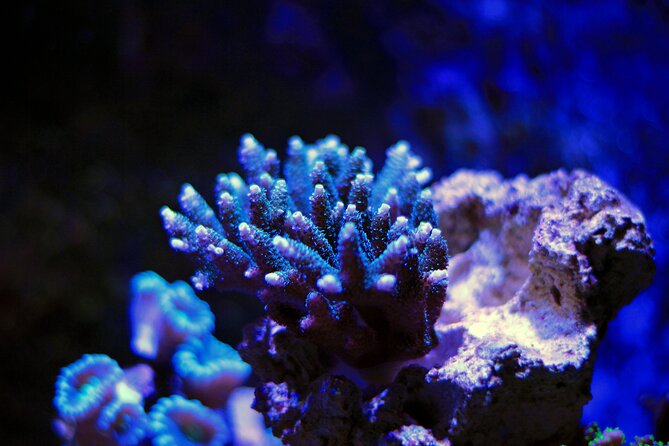
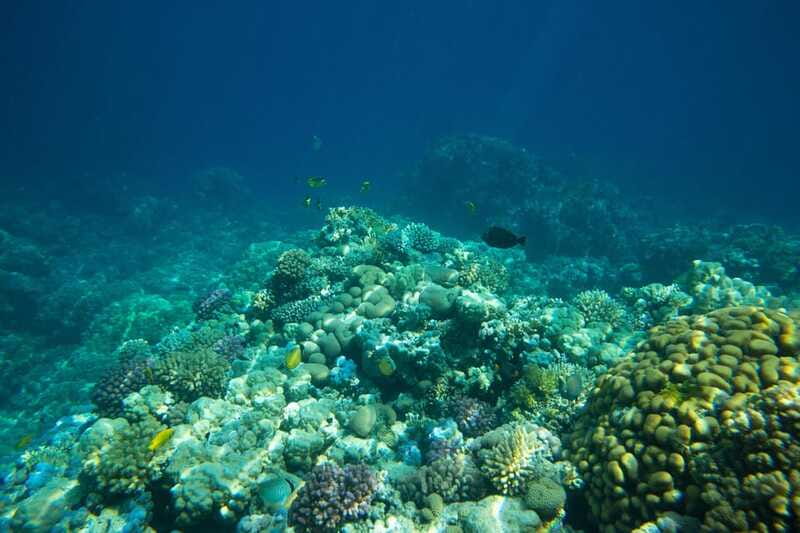
The most unusual part of this La Paz outing is that you snorkel through a working coral restoration nursery, not just a pretty patch of reef. You first learn why corals matter, then see incubation and growth beds before swimming over a natural reef at Pichilingue. I like the hands-on conservation focus, and I like that the tour connects a human-led repair project with the living reef nearby. The clear drawback is simple: you must be able to swim, and the two-hour format leaves no room for a long beach stop or meal.
I also appreciate the personal feel of the project. The guides include a father and daughter who care deeply about the ocean and use education as part of their work. Food and souvenirs are not included, so bring your own plan for before or after the tour.
Key points
- Coral nursery access: Snorkel among the incubation and growth beds of a coral restoration project.
- Two-part water experience: See the working nursery, then compare it with a natural reef at Pichilingue.
- Useful conservation lesson: Learn how corals support marine life and why restoration matters.
- Equipment included: A mask, snorkel, fins, and wetsuit are supplied.
- English and Spanish guides: You can join the tour with live instruction in either language.
- Good value for ocean-minded visitors: At $68, the price covers a focused two-hour activity with equipment and guiding.
Seeing Coral Restoration Near La Paz
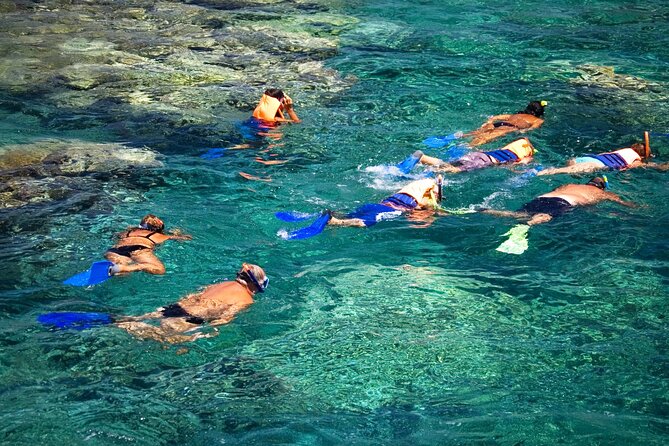
Many snorkeling trips put you in front of fish and coral, then send you home with a few photographs. This one gives you a look at the work behind reef protection. You visit the nurseries of a major coral restoration project in the Mexican Pacific and see how coral is cared for while it grows.
That changes the way you look at the water. Instead of treating the reef as scenery alone, you learn that coral is part of the structure that supports an entire marine community. Small changes in coral health can affect the fish and other life that depend on it.
The tour is connected with Efecto Arena, a conservation group focused on coral restoration and public education. The personal approach matters here. The father and daughter who guide the experience are described as warm, engaged, and ready to answer questions, which should make the lesson feel more like a conversation than a classroom talk.
You should not expect a large-scale aquarium or a technical research briefing. The value comes from seeing a real restoration effort at close range and then viewing a natural reef with that information in mind.
More Farm Tours in Mexico:
- Magical Todos Santos Tour, Camel Ranch, Lunch and Tequila
★ 5.0 · 672 reviews - Chapala Lake & Ajijic Tour with “Tres Potrillos Ranch”
★ 4.5 · 85 reviews - 3 Palos Lagoon AfroMex Village Turtle Release & Croc Farm Visit
★ 4.5 · 22 reviews
The Opening Talk: Why Corals Matter
The experience begins with an informative talk about corals and their role in nature. This is not filler before the snorkeling. It gives you the basic context needed to understand what you are looking at in the water.
You learn why coral ecosystems need protection and why restoration projects exist. The discussion also explains the role of conservation in keeping marine habitats healthy. If you have snorkeled before without knowing much about reef biology, this introduction can make the rest of the outing more meaningful.
I like this order. The guides do not simply point at coral and fish and expect you to guess what matters. You receive the story first, then see the practical side of the work. Families, first-time eco-tour participants, and anyone curious about marine science should get a lot from this part.
The exact length of the talk is not stated, so you should expect the schedule to depend on the guide and the group. Since the full experience lasts two hours, the presentation is likely meant to be focused rather than lengthy.
Getting Ready With Mask, Fins, and Wetsuit
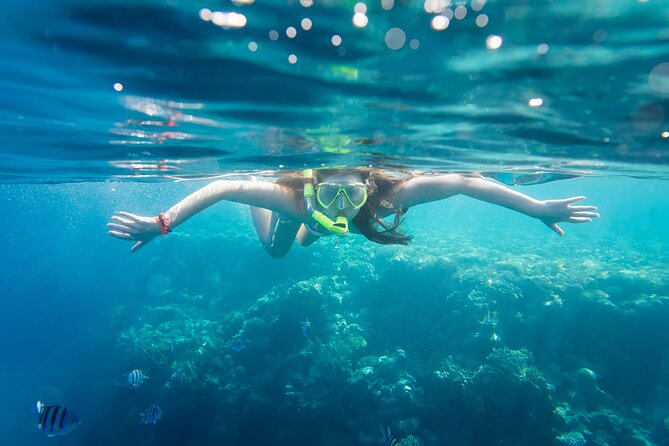
The tour provides the main snorkeling equipment: mask, snorkel, fins, and wetsuit. That saves you from packing bulky gear or renting separate pieces elsewhere.
A wetsuit can also make the water time more comfortable, especially if you tend to get cold while snorkeling. The equipment list covers the basics, but you should not assume that food, souvenirs, or personal extras are included. Plan to handle those on your own.
The requirement that you be a swimmer is important. This is not presented as a shallow-water orientation for people who cannot manage themselves in the sea. You should feel comfortable using snorkeling equipment and moving through the water before booking.
The tour description does not provide details about flotation aids, changing facilities, transportation, or group size. If any of those points affect your comfort, ask the operator before you pay. The listed languages are English and Spanish, so you can also confirm which language will be used for your scheduled departure.
Inside the Coral Incubation and Growth Beds
After the talk and equipment fitting, the guided water portion takes you through the coral incubation and growth beds. This is the heart of the experience. You are not simply looking at a finished reef. You are seeing part of the process used to restore one.
The nursery setting helps explain how damaged or threatened coral can receive support while it grows. The guide can connect what you see underwater with the conservation ideas covered on land. That link between explanation and observation is what gives the tour its educational edge.
You may find the nursery less visually dramatic than a broad natural reef. That is a fair trade. The point is not only to collect the biggest fish sighting or the most colorful photograph. You are there to see a working restoration site and understand why it exists.
Follow the guide closely and avoid touching the coral or equipment in the nursery. The supplied information does not list detailed rules, but careful behavior is essential around any restoration project. Your best contribution is to stay controlled in the water and let the guide set the pace.
Same fields, a different sort of morning:
- Full-Day Ranch Adventure and Horseback Riding Tour
★ 5.0 · 19 reviews - Hands-on Mexican Farm Experience: from Cow to Cheese
★ 5.0 · 9 reviews - Urban Orchard in Desierto de los Leones in Mexico City
★ 5.0 · 9 reviews - Cabo: Todo Santos Tour with Camel Ranch, Tequila and Lunch
★ 5.0 · 9 reviews
Comparing the Nursery With Pichilingue’s Natural Reef
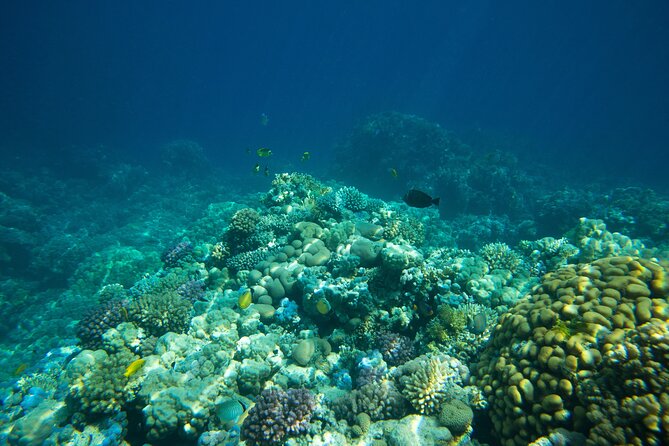
The tour then continues to a natural reef in Pichilingue. This second setting gives you a useful comparison. At the nursery, you see human-supported coral growth. At the natural reef, you see how a functioning ecosystem appears in its own setting.
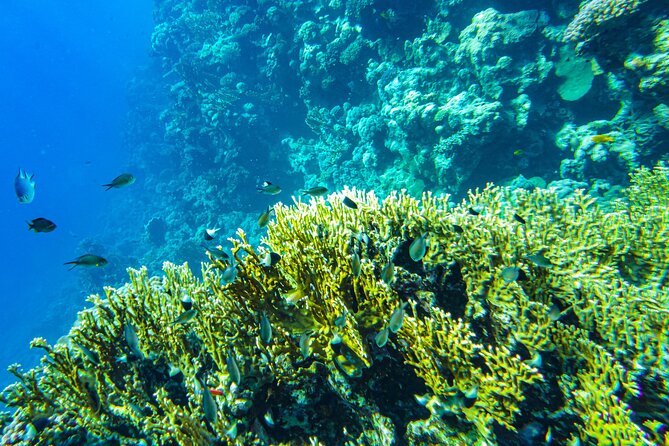
The contrast should help you notice more than color. Look for the way coral creates shelter and structure for other marine life. The guides can point out the biodiversity that makes these ecosystems valuable, though the specific species you see will depend on conditions on the day.
Pichilingue adds variety to a short itinerary. You are not spending the full two hours in one controlled area. You get the restoration project, then a natural site where the broader role of coral becomes easier to grasp.
Still, keep your expectations realistic. Marine life is never guaranteed, and the supplied details do not promise particular fish, visibility, or coral colors. The strongest reason to book is the combination of conservation education and snorkeling, not a guarantee of a particular underwater sighting.
What $68 Buys You in Two Hours
The price is $68 per person. I consider that reasonable if you want more than basic equipment rental, since the fee includes the coral talk, a guided visit through the coral beds, the natural reef portion, and the full snorkeling kit.
The tour is also short enough to fit around other plans in La Paz. Two hours will not consume your entire day, which makes it useful if you want an activity before lunch or alongside other sightseeing. At the same time, the brief format means you are paying for a concentrated experience rather than a full-day boat trip.
No food is included. That is not a major problem for a two-hour outing, but it affects how you plan your day. Bring water and arrange your meal separately if you need one. Souvenirs are also not part of the cost.
For me, the price makes the most sense when you value the conservation element. If you only want the cheapest way to get wet and see a reef, a standard snorkeling option might appeal more. If you want a guided look at reef restoration and a natural reef in the same outing, the fee is easier to justify.
The Personal Side of Efecto Arena
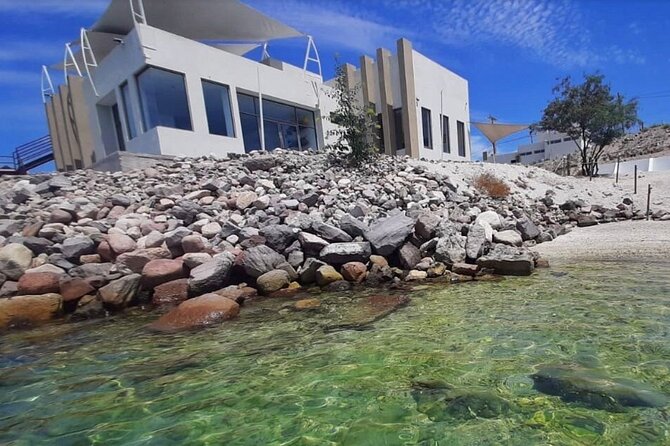
The human story adds weight to the visit. Efecto Arena is not presented as a distant institution. The tour connects you with people who care about the ocean and want education to support conservation in the local community.
A father and daughter guide the experience, creating a family-run feel that can be more direct than a large commercial operation. They are ready to answer questions, so use the talk to ask about coral health, restoration, and the local reef.
That personal contact is one of the tour’s strongest features. The snorkeling gives you the visual part, but the people explain why the project deserves attention. You leave with a clearer sense of how local education and hands-on work can support the ocean.
I would still keep the description modest. The activity does not promise a formal research demonstration, volunteer work, or a chance to handle coral. You are visiting, learning, and snorkeling under guidance.
Who Will Enjoy This La Paz Eco-Tour
This tour suits you if you can swim, enjoy guided activities, and want a conservation story along with your time in the water. It is especially fitting for:
- First-time visitors who want an introduction to La Paz’s marine life
- Families with confident swimmers
- Couples or friends looking for a short outdoor activity
- People interested in coral restoration and sustainable tourism
- Snorkelers who want context, not just a quick look at fish
It may not suit you if you cannot swim or if you want a relaxed shore excursion with no educational component. The talk is a central part of the outing, not an optional extra.
You should also think about your expectations. This is a focused two-hour snorkeling experience, not a full day on the water. There is no stated food service, souvenir package, or promise of particular wildlife.
Practical Details Before You Book
The tour is offered in English and Spanish with a live guide. Check the available starting times because the schedule can vary by date.
The activity includes a mask, snorkel, fins, and wetsuit. You do not need to arrange those basics separately. The supplied information does not state if transportation to Pichilingue is included, so confirm that point before booking if you are not already arranging your own way there.
You can reserve now and pay later, which helps if your La Paz plans are still shifting. Cancellation is free up to 24 hours before the activity for a full refund. Those terms are useful, but I would still read the final booking details carefully for the meeting point and timing.
Bring only what you need for the water portion and plan separately for food. Most important, be honest about your swimming ability. The operator lists non-swimmers as unsuitable, and that restriction should guide your decision.
Should You Book the Coral Farm Snorkel Tour?
I would book this if you want a short, thoughtful water activity with a clear conservation purpose. The strongest combination is the working coral nursery, the natural reef at Pichilingue, and the chance to learn directly from guides connected with Efecto Arena.
At $68, it offers solid value for the equipment, instruction, and two-part snorkeling program. I would choose something else if you want a full-day outing, a meal included, guaranteed wildlife sightings, or a beginner session for non-swimmers.
For a confident swimmer who wants to understand what reef restoration looks like in practice, this is an easy recommendation. You get into the water, see the work, and come away with a better reason to care for the reefs you visit.
FAQ
Where does the Coral Farm Snorkel Tour take place?
The experience is in Baja California Sur near La Paz. The snorkeling includes the coral restoration nursery and a natural reef in Pichilingue.
How long does the tour last?
The tour lasts two hours.
How much does the tour cost?
The listed price is $68 per person.
Is snorkeling equipment included?
Yes. The tour provides a mask, snorkel, fins, and wetsuit.
Do I need to know how to swim?
Yes. Non-swimmers are not suitable for this activity.
What languages are available?
The live tour guide service is available in English and Spanish.
Is food included?
No. Food is not included in the tour price.
Can I cancel for a full refund?
Yes. You can cancel up to 24 hours in advance for a full refund.
Can I reserve now and pay later?
Yes. The booking option lets you reserve your place and pay later.
Just added around Mexico
- *Turtle Hatching + 3 Palos Lagoon Boat Ride & Crocs Farm★ 4.8 · 6 reviews
- The Colors of Coffee in the Farms of Coatepec★ 5.0 · 3 reviews
- Full-Day Ranch Adventure and Horseback Riding Tour★ 5.0 · 19 reviews
- Farm to Table Cooking Experience in San Miguel★ 5.0 · 4 reviews
- Hands-on Mexican Farm Experience: from Cow to Cheese★ 5.0 · 9 reviews
- Urban Orchard in Desierto de los Leones in Mexico City★ 5.0 · 9 reviews
- La Paz: Pearl Farm Experience and shop★ 5.0 · 3 reviews
- La Paz: Coral Farm Snorkel Tour★ 5.0 · 3 reviews
Mexico Farm Tours, compared.

Magical Todos Santos Tour, Camel Ranch, Lunch and Tequila
Read our review →
Chapala Lake & Ajijic Tour with “Tres Potrillos Ranch”
Read our review →
3 Palos Lagoon AfroMex Village Turtle Release & Croc Farm Visit
Read our review →
Full-Day Ranch Adventure and Horseback Riding Tour
Read our review →
Los Cabos: Azteca Cactus Taco Farm to Table Cooking Class
Read our review →
Cabo: Todo Santos Tour with Camel Ranch, Tequila and Lunch
Read our review →
Urban Orchard in Desierto de los Leones in Mexico City
Read our review →Lists this farm appears in