
Reviewed · ITALY FARM TOURS
Lazise: Biodynamic Farm Tour and Natural Wine Tasting
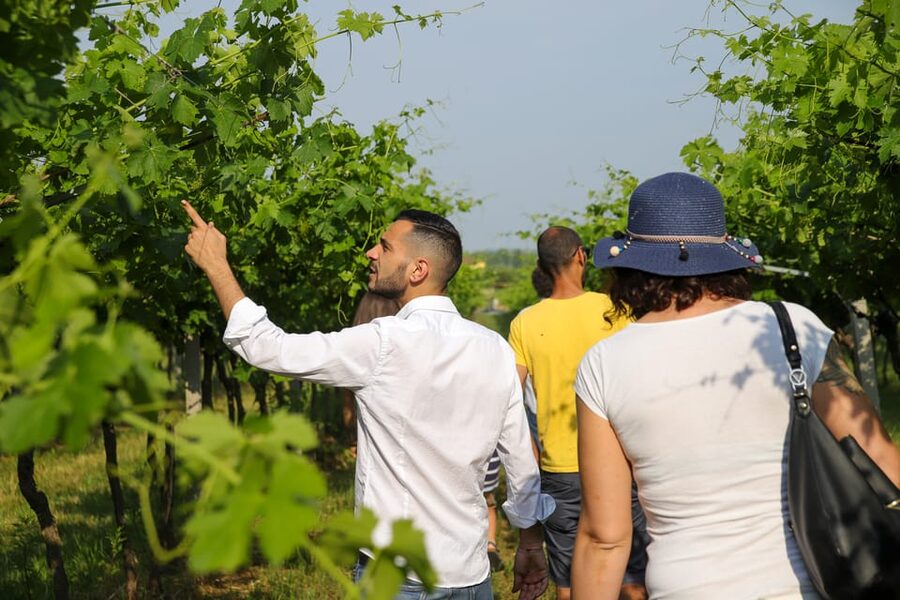
The most interesting part of this Lazise outing is that the wine tasting begins long before you sit at the table. You walk through a working biodynamic farm, seeing vineyards, vegetable gardens, beehives, and animals raised as part of the farm system. I like the direct connection between the land and the glass, and I like that the tour includes a real cellar visit rather than only a polished tasting room.
I also like the warm, personal style associated with Gianni, who welcomes visitors and explains the farm’s methods with clear enthusiasm. The main consideration is the food policy: this tasting cannot accommodate vegans, people with celiac disease or gluten intolerance, or certain medical dietary needs. Bad weather can also cancel the outdoor portion or the whole tasting.
Key points at a glance
- A working farm, not just a winery: See vineyards, vegetable gardens, beehives, and animals during the visit.
- Four or more wines: The tasting includes at least four natural wines, with some sessions offering five wines and grappa.
- Gianni’s personal welcome: The host guides you through farming, grapes, winemaking, and the cellar in Italian, German, or English.
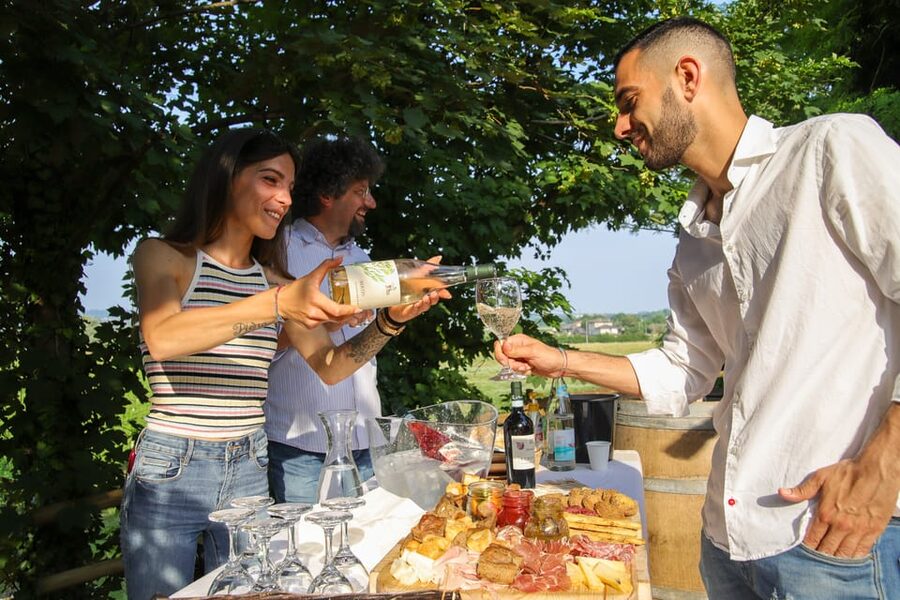
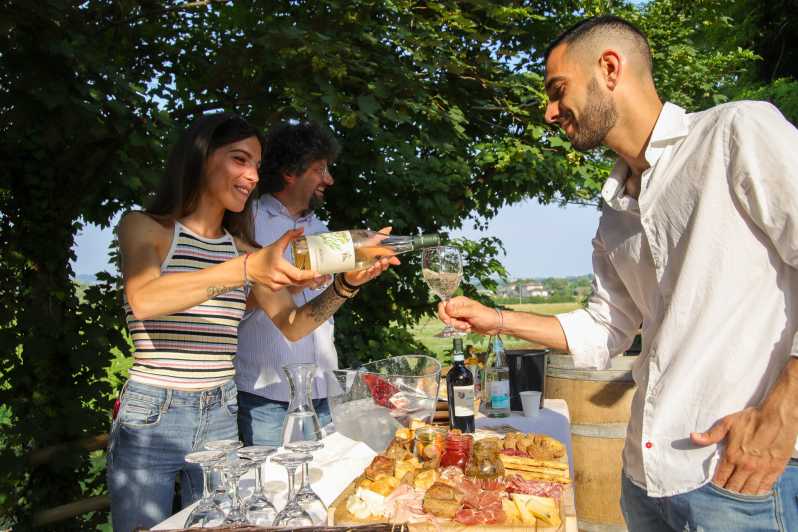
- Local food pairing: Veronese cold cuts, cheeses, and bread give the tasting a satisfying regional focus.
- A terrace finish: The final tasting takes place with views over the vineyards.
- Easy planning: The two-hour experience costs $50 per person, includes farm and cellar tours, and allows free cancellation up to 24 hours before the start.
Why this farm visit feels different from a standard wine tasting
Many winery visits begin and end with bottles lined up on a table. This one starts with the wider farm. You see how the vineyard fits beside the gardens, animals, and beehives, then hear how the farm avoids aggressive intervention, chemical treatments, and toxic additives.
That approach gives the tasting more meaning. You are not simply asked to identify a wine’s aroma or choose a favorite color. You first hear the ideas behind biodynamic agriculture and natural winemaking, then taste the result. I find that useful even if you know little about wine, because the process becomes easier to understand when you can see the land around you.
The setting also has an old-fashioned feel. The farm’s purpose is not only to produce bottles, but to work with natural cycles and keep the entire place connected. You might see animals moving around the property, and one session included Sophie, a Labrador, accompanying the group. That sort of detail gives the visit a friendly, lived-in quality.
The experience is still a wine tasting, so the food and drink remain the main event. But the farm walk helps you understand what makes these wines different before you take your first sip.
More Farm Tours in Italy:
- Florence Pizza or Pasta Class with Gelato Making at a Tuscan Farm
★ 5.0 · 6,801 reviews - Cooking Class and Lunch at a Tuscan Farmhouse with Local Market Tour from Florence
★ 5.0 · 4,831 reviews - Sorrento Farm and Food Experience including Olive Oil, Limoncello, Wine tasting
★ 5.0 · 2,524 reviews
Arriving at Colà di Lazise
The farm is in Colà di Lazise, near Lake Garda. The meeting point is on a country road, and you can park near the vineyards as soon as you enter it. Since the exact arrival directions are not fully detailed, I would contact the provider before setting out, especially if you are unfamiliar with the local roads.
This is not a city-center activity. You are heading into a rural part of the Lazise area, so allow time to find the country road and park without rushing. Transfers are not included, but they can be arranged for an extra charge. That option may matter if you are staying near Lake Garda and do not have a car.
The two-hour length fits neatly into a day around Lazise. You can place it between a morning visit and an afternoon by the lake, though the tasting itself may run longer than the stated time. One session lasted about two and a half hours, and the generous pace included extra pours, food, and time at the table.
Walking through vineyards, gardens, and farm life
The tour begins with a welcome and an introduction to the biodynamic approach. Your guide explains how the farm grows without aggressive intervention, chemical products, or artificial additives. The goal is to help you understand the theory, not merely show you a few rows of vines.
You then walk through the vineyard and hear about the grapes, their growth, and the harvest process. This is one of the most useful sections for anyone who wants more than a quick tasting. You can connect the work in the field to the wine later served in the cellar or on the terrace.
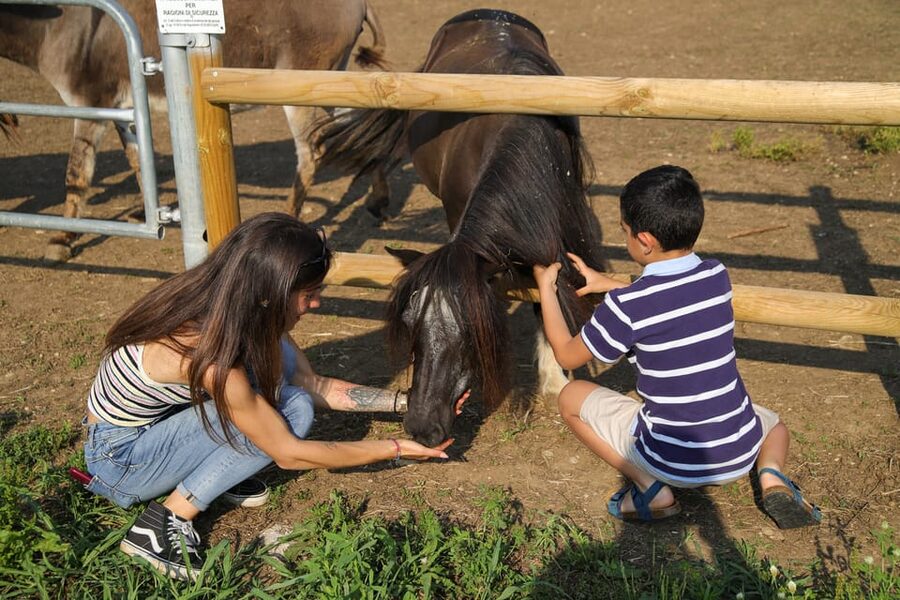
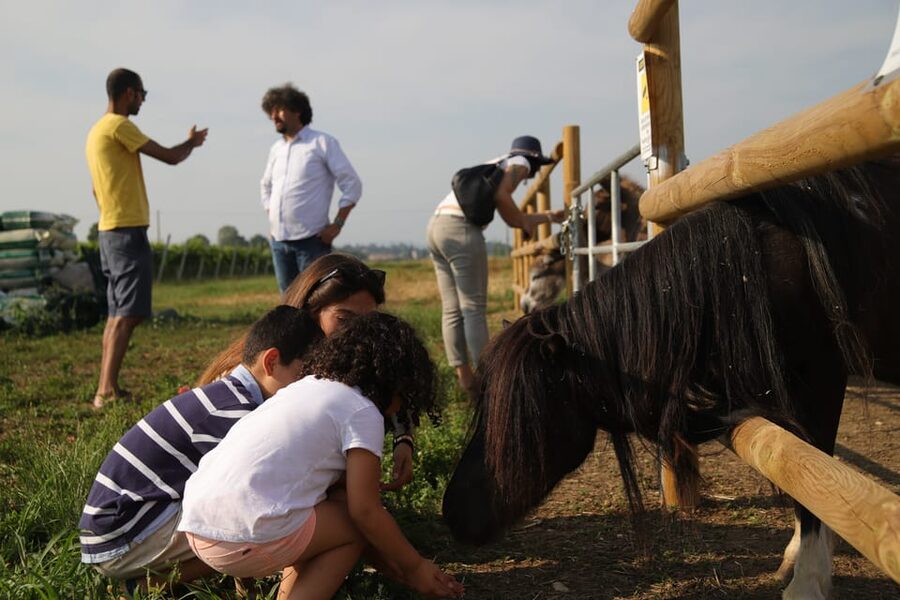
The farm also includes vegetable gardens, beehives, and animals. These details matter because they show the operation as a living system rather than a vineyard surrounded by empty land. The animals are allowed to move through parts of the farm, helping maintain the natural character of the place. You may also meet Sophie, the resident Labrador, depending on the day.
The animal portion is likely to be a highlight for families and anyone who enjoys rural life. It is not a separate animal encounter with a formal program, so you should think of it as part of the farm walk. The focus remains farming and wine.
Understanding biodynamic farming without a lecture hall
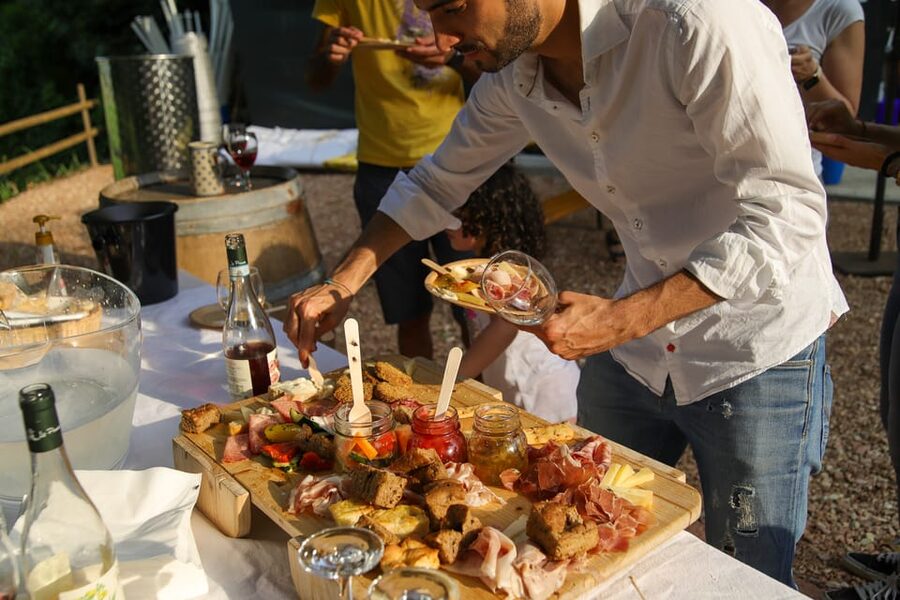
Biodynamic farming can sound technical, but the setting makes the basic ideas more approachable. You learn how the farm seeks to limit chemical and artificial intervention, and how the soil, plants, animals, and surrounding environment relate to one another.
I like this part because it gives you a way to judge the wines on their own terms. You do not need to agree with every farming theory to appreciate the effort involved. You can listen, ask questions, and then decide how the methods affect the taste and character of the wine.
The tour also explains the path from grape to bottle. You hear about the growth and picking of the grapes, then visit the wine cellar to see where the process continues. The cellar visit is guided rather than a quick glance through a doorway, so it adds useful context before the tasting begins.
Expect the explanation to be personal and informal. Gianni is known for a warm welcome and a passionate presentation, and the tone appears better suited to conversation than to a formal academic talk. If you want a highly technical seminar about fermentation, ask questions early. If you prefer a relaxed introduction to farm-based winemaking, the format should suit you well.
Same fields, a different sort of morning:
- Sorrento: Pizza Lesson, Wine, and Limoncello at a Local Farm
★ 5.0 · 1,513 reviews - Florence: Pizza or Pasta Class with Gelato at a Tuscan Farm
★ 4.9 · 1,181 reviews - Hands-On Cooking Class & Farmhouse Tour on the Amalfi Coast
★ 5.0 · 956 reviews - Pizza School with Wine and Limoncello Tasting in a Local Farm
★ 5.0 · 845 reviews
The cellar visit and the move to the terrace
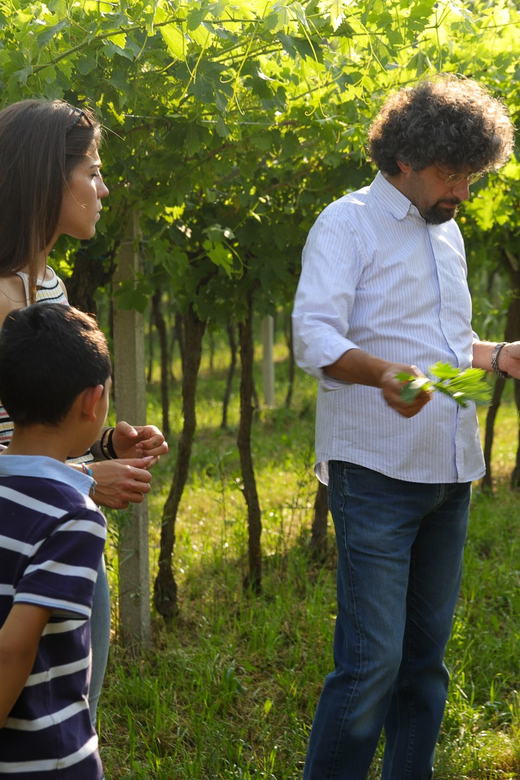
The cellar is an important stop because it links the vineyard walk to the bottles on the table. You can see where the wine is handled and hear more about the choices behind natural production. The exact cellar details are not specified, so do not expect a museum-style display or a large commercial facility.
After the farm and cellar visits, the group settles on the terrace overlooking the vineyards. This is where the experience slows down. You can take in the setting, taste the wines, and compare the different styles without being hurried from one station to the next.
The terrace view is part of the value. You are tasting in the same place where the grapes grow, with the vineyard in front of you instead of a generic indoor room. The setting also gives you time to talk with the host and decide which wines you prefer.
The outdoor setting creates one practical risk. The tasting can be canceled because of bad weather. Ask about the forecast and keep a little flexibility in your schedule, particularly if this is one of the main activities in your Lake Garda plans.
Four natural wines with Veronese food
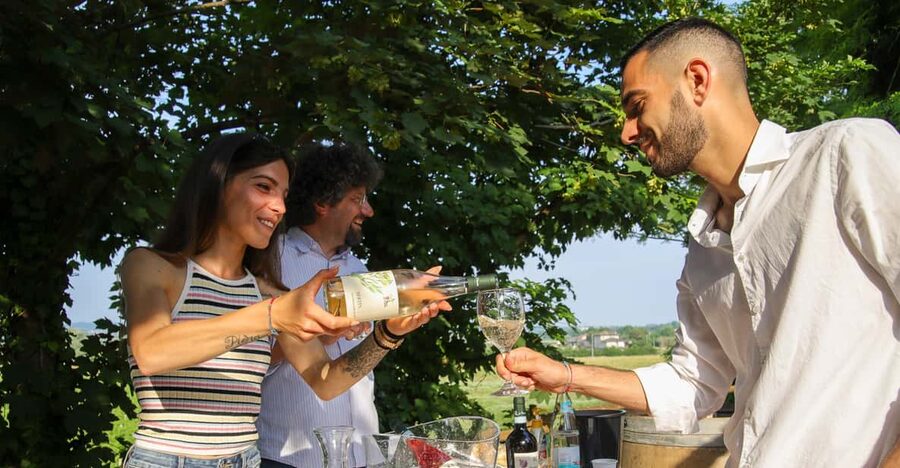
The standard tasting includes at least four natural wines. You might taste white, rosé, and red wines, and one session included five different wines plus two kinds of grappa. The exact selection can vary, so treat the four-wine promise as the firm baseline rather than expecting a fixed menu.
The wines are paired with quality cold cuts and cheeses from the Verona area. Bread is also served. This is not a token plate placed beside the glasses. The food gives you something substantial to eat during the tasting and helps balance the alcohol.
The local pairing is one of the strongest reasons to choose this experience instead of a simple wine flight. You get a sense of how the wines work with familiar regional foods, and you can focus on flavor rather than technical tasting notes. If you find a favorite bottle, you may also have the chance to buy extra bottles directly from the farm. Open bottles have been allowed to go home with visitors in some sessions, though that should not be assumed as a guaranteed inclusion.
Some visitors felt the tasting could have included more time focused on the wines. That is a fair point to keep in mind. The activity spreads its two hours across farming, animals, the cellar, and food, so it is not designed as a long professional tasting class. If wine sampling is your only priority, a dedicated winery tasting may offer more detailed comparison.
What $50 per person gets you
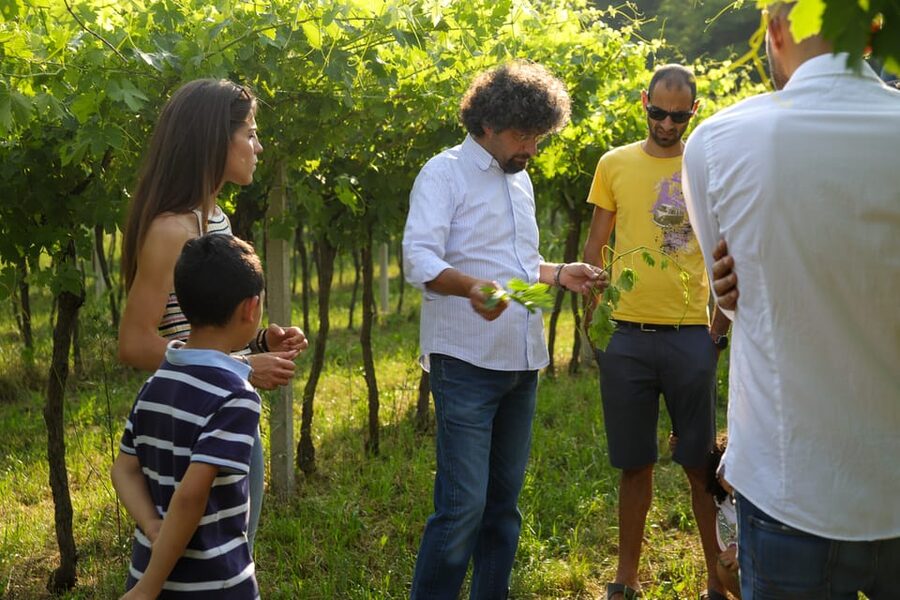
At $50 per person, the price is reasonable if you value the full farm visit. You receive a guided tour of the property and cellar, at least four natural wines, and a plate of local cold cuts and cheeses. The outdoor setting and personal introduction add value that is difficult to measure but important to the experience.
The price is less compelling if you want only a few glasses of wine. In that case, part of what you are paying for is the walk through the vineyard, the explanation of biodynamic methods, the animals, and the time spent understanding the farm. I see that as a fair exchange for visitors who enjoy food, agriculture, and place-based experiences.
Transportation is separate. If you need a transfer, the extra cost changes the calculation, especially for solo visitors. For two or more people sharing the ride, the activity may still make sense as a relaxed Lake Garda outing.
The tasting can be booked with payment later, which helps if your plans are still shifting. Free cancellation is available up to 24 hours before the start time. Those terms are useful because weather may affect the farm visit.
Who will enjoy this experience most
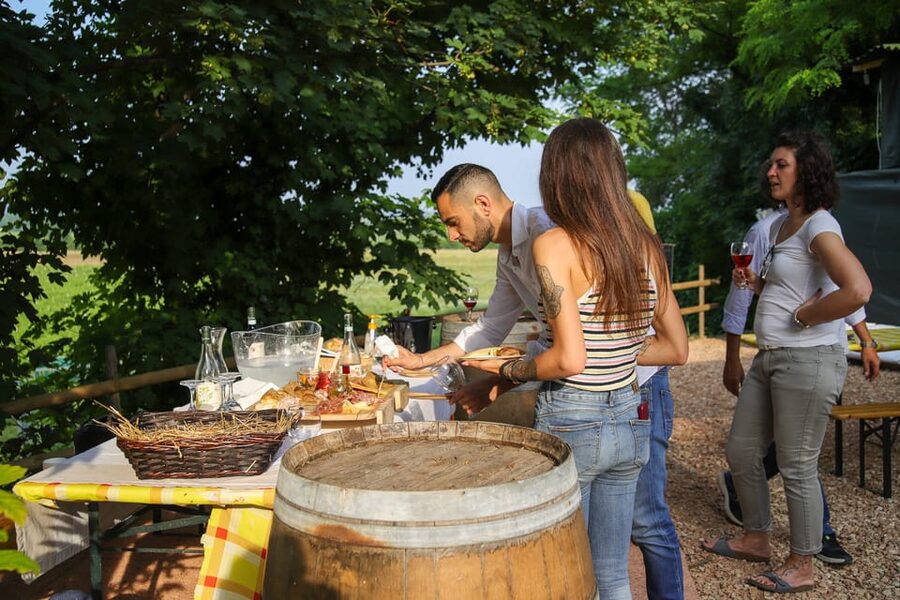
I would choose this tour if you want to understand where a wine comes from, not just taste it. It suits couples, small groups, food-focused visitors, and anyone interested in organic or biodynamic farming. The animals and open farm setting also make it more approachable than a formal winery tour.
It is a good fit for visitors staying around Lazise, especially if you have a car or can arrange a transfer. The location outside the town means you get a rural break from the busier parts of Lake Garda.
The tour is wheelchair accessible, but the experience includes a farm and vineyard visit. If you use a wheelchair or have mobility concerns, contact the provider in advance to confirm the practical route for your date.
This is not the right choice for vegans, people with celiac disease, or anyone with gluten intolerance. The food pairing cannot accommodate those restrictions. It is also listed as unsuitable for people with pre-existing medical conditions, so check with the provider if health concerns could affect wine tasting, farm conditions, or food consumption.
Languages, timing, and practical planning
The live guide speaks Italian, German, and English. Confirm your preferred language when booking, particularly during busy periods. The tour lasts about two hours, though a relaxed tasting can take longer.
Wear something comfortable for walking around a farm and vineyard. The supplied information does not specify a dress code or footwear requirements, but practical clothes make sense for a country road, outdoor paths, and an agricultural setting.
Plan to eat lightly beforehand, but do not arrive expecting only a small snack. The cold cuts, cheeses, and bread make the tasting more like a generous aperitivo than a few isolated samples. If you plan to drive afterward, keep the wine quantities in mind and arrange a transfer if needed.
The meeting point is the farm in Colà di Lazise. Since parking is near the vineyards on the country road, arrive with enough time to stop safely and get oriented. Contacting the provider before the day is the simplest way to avoid confusion.
Should you book the Lazise biodynamic farm tour?
Book it if you want a personal, rural Lake Garda experience that combines animals, farming, wine, and regional food. The best parts are the connection between the vineyard and the glass, Gianni’s warm hosting, the terrace setting, and the chance to taste several wines with Veronese products.
Skip it if you need vegan or gluten-free food, want a strictly technical wine course, or have no flexibility if weather changes the plan. The tasting is not built around a large number of wines or a formal lesson.
For most wine-curious visitors, $50 is a fair price for the two-hour farm visit and tasting. You are paying for the setting and the story of the farm as much as for the four glasses. That broader experience is the reason to choose it.
FAQ
Where is the biodynamic farm tour located?
The farm is in Colà di Lazise, in the Lake Garda area. Parking is available near the vineyards after entering the country road.
How long does the experience last?
The scheduled duration is two hours. A tasting may take longer, with one session lasting about two and a half hours.
How many wines are included?
The experience includes at least four natural wines. The selection can include white, rosé, and red wines, and some tastings may also include grappa.
What food is served with the wine?
The tasting includes quality local cold cuts and cheeses, with bread also provided during the food pairing.
Is the tour available in English?
Yes. The live guide can lead the experience in Italian, German, or English.
Can dietary restrictions be accommodated?
No. The tasting cannot accommodate vegan diets, celiac disease, or gluten intolerance. It is also listed as unsuitable for people with pre-existing medical conditions.
Just added around Italy
- Volterra: Fresh Pasta Cooking Class at a Tuscan Farmhouse★ 5.0 · 33 reviews
- Volterra: Pizza Cooking Class in a tuscan farmhouse★ 4.6 · 11 reviews
- Visit Siena and San Gimignano with lunch at a family farm★ 5.0 · 8 reviews
- Turin: Meet the Monviso Alpacas at the Educational Farm with a Guide★ 5.0 · 5 reviews
- Bardolino: Garda Lake Pasta Cooking Class at the Agritourism★ 5.0 · 32 reviews
- Rialto Farmers & Fish Market Food Tour in Venice with Wine Tasting & Sightseeing★ 5.0 · 3 reviews
- Traditional Farmhouse Cooking Experience in Lucca with Lunch or Dinner★ 5.0 · 34 reviews
- La Maliosa Farm Experience & Wine Tasting★ 4.5 · 29 reviews
Italy Farm Tours, compared.
Florence Pizza or Pasta Class with Gelato Making at a Tuscan Farm
Read our review →
Cooking Class and Lunch at a Tuscan Farmhouse with Local Market Tour from Florence
Read our review →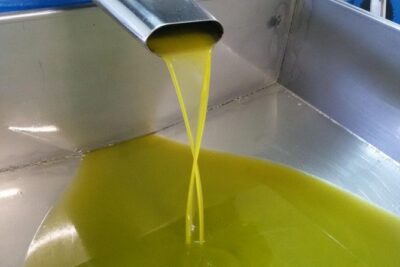
Sorrento Farm and Food Experience including Olive Oil, Limoncello, Wine tasting
Read our review →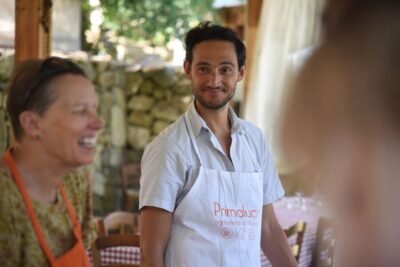
Pizza Lesson, Wine, and Limoncello at a Local Farm
Read our review →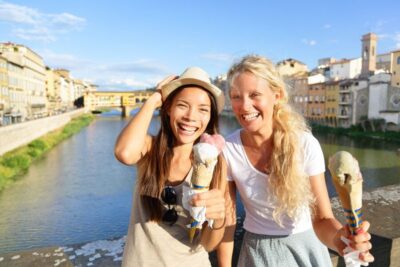
Pizza or Pasta Class with Gelato at a Tuscan Farm
Read our review →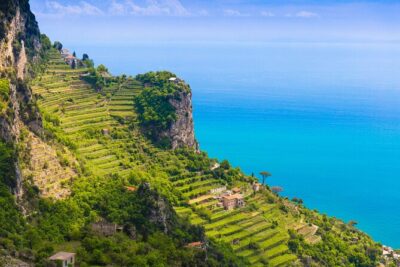
Hands-On Cooking Class & Farmhouse Tour on the Amalfi Coast
Read our review →
Pizza School with Wine and Limoncello Tasting in a Local Farm
Read our review →
Authentic Farm Tour with Pizza, Cheese, Wine & Limoncello Tasting
Read our review →Lists this farm appears in