
Reviewed · HORSE AND STUD FARMS
Lexington: Thoroughbred Horse Farm Tour and Scenic Bluegrass
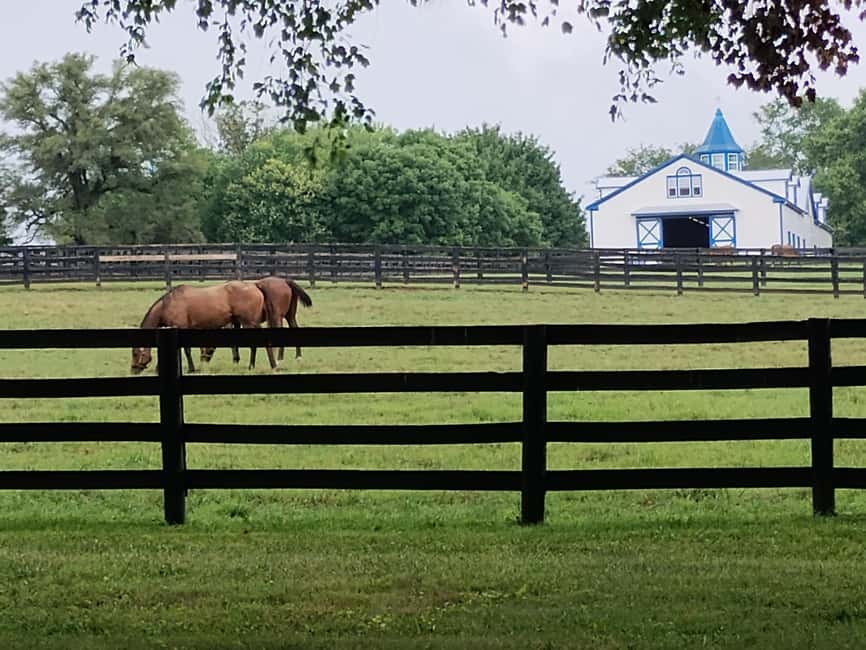
Lexington’s horse country makes its biggest impression beside the fences, where thoroughbreds graze in bluegrass pastures and foals stay close to their mares. This 3.5-hour tour connects that working world with Keeneland Race Course, the movie locations tied to Secretariat, Seabiscuit, and Dreamer, and the wider story of Kentucky racing.
I like the chance to see horses up close, sometimes with an opportunity to pet them, and I like the local guides’ practical view of the trade. Several guides, including Vicky, John, Tim, Nicholas, and former jockeys, bring hands-on experience rather than a script read from a bus. The main consideration is that the farms and Keeneland are not guaranteed, so the exact route can change on the day.
Key points at a glance
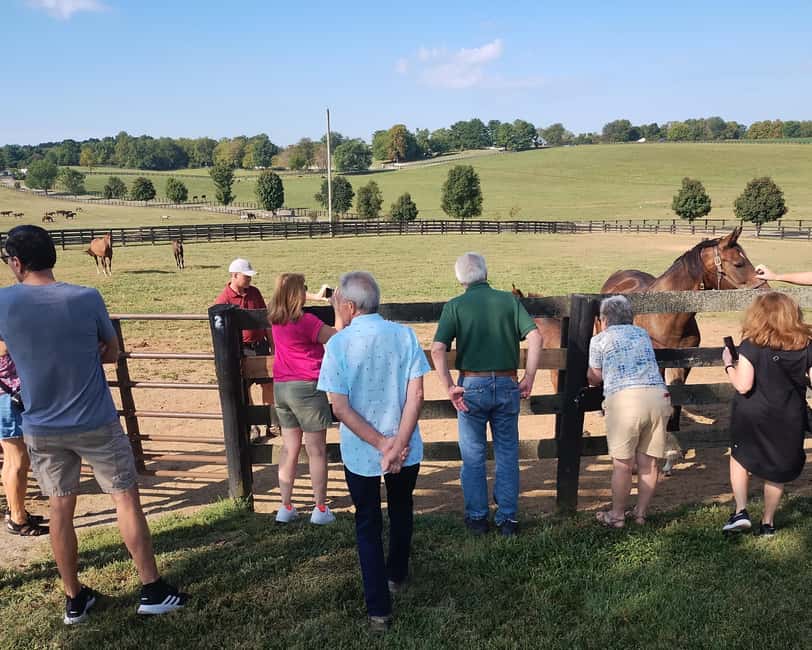
- Working horse farms: Visit one or more Thoroughbred farms, with possible views of mares, foals, stallions, and horses in training.
- Keeneland when available: See the famous track and filming locations connected with Secretariat, Seabiscuit, and Dreamer.
- Guides with real experience: Guides such as Vicky, John, Tim, and Nicholas explain breeding, training, racing, and local history.
- Small-group transport: Travel in a comfortable 14-person passenger van from a central Lexington meeting point.
- Flexible daily route: Farms can change because of weather, construction, animal health needs, or farm scheduling.
- Good value at $45: Transportation, narration, Keeneland when available, and farm visits are included, but food and drinks are not.
Why Lexington horse country is worth your morning
Lexington is not simply a place with a few attractive barns for tourists to photograph. Thoroughbred breeding and racing are part of the region’s working economy, and the farms around the city show how much land, care, money, and patience go into producing a racehorse.
This tour gives you a useful introduction without requiring a full day. In 210 minutes, you ride through the countryside, hear how the industry developed, and make stops where horses are kept and trained. I like that balance. You get the broad view from the van, then enough time outside it to understand what the farms look and feel like.
The guides also connect the horses to Kentucky bourbon production, local families, famous races, and the development of Lexington itself. That wider context matters. Without it, a farm visit can become a string of pretty fences and handsome animals. With it, you begin to understand why a foal, a breeding decision, or a mile of well-kept pasture can carry serious value.
The strongest part of the experience is its access to the working side of the industry. This is not a horseback riding trip, and it is not designed as a play area for children. You are there to watch, listen, ask questions, and respect the routines of the farms.
More Horse and Stud Farms in the USA
- Unique Horse Farm Tours with Insider Access to Private Farms
★ 5.0 · 1,192 reviews - Gypsy Gold Horse Farm Tour
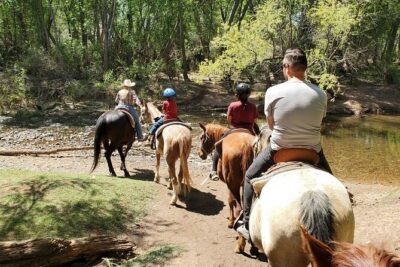
★ 5.0 · 438 reviews - Sedona Horseback Rides At Dead Horse Ranch with River Crossing
★ 4.5 · 160 reviews
Starting at Waller Avenue
The tour leaves from the Thoroughbred Heritage Visitors Center at 366 Waller Ave., Suite 119, Lexington. Departure times are 8:30 a.m. and 12:30 p.m., with the morning session returning around noon and the afternoon session ending around 4 p.m.
Arrive 10 to 15 minutes early. The center is only about 2.5 miles from downtown Lexington, so it is fairly easy to reach from hotels near Rupp Arena and the central business district. Free parking is available at the main address, with additional free spaces at 386 Waller Ave. and 354 Waller Ave. when needed.
Nearby lodging includes Candlewood Suites and Tru by Hilton, both about 0.3 miles away, along with Campbell House and Elwood Hotel. Downtown options include the Hilton Lexington, 21c Museum Hotel, Marriott, and Hyatt Regency.
The van carries up to 14 people. That keeps the group smaller than a full-size coach, which helps when the guide is explaining details or answering questions. It also means space is limited. Walking sticks and canes can fit, but room for larger mobility aids is not guaranteed. If you use a wheelchair, walker, or other substantial aid, confirm arrangements before booking.
The narrated ride through Bluegrass country
The ride between stops is part of the tour, not dead time. Your guide explains how Kentucky’s Thoroughbred industry developed, how horses are bred and trained, and how the farms fit into the local economy.
Expect plenty of stories. Guides have included Vicky, John, Tim, Nicholas, Richard, Nick, and former jockeys such as Ernie. Their backgrounds vary, but the strongest theme is direct experience with horses. You can ask about breeding, training, racehorses, farm work, and the practical side of caring for animals that can be worth enormous sums.
The countryside provides the visual lesson. You will pass broad fields, farm entrances, handsome barns, and long stretches of bluegrass. The scenery is especially rewarding in spring and summer, though the tour operates in rain or shine. Dress for the forecast and wear shoes suitable for walking on farm grounds.
One small transport issue is worth noting. A few people have found the van cramped or had trouble hearing the guide from the back, especially when other passengers were talking. Most of the praise goes to the drivers and narration, but if you are hard of hearing, sitting nearer the front may help.
Visiting the Thoroughbred farms
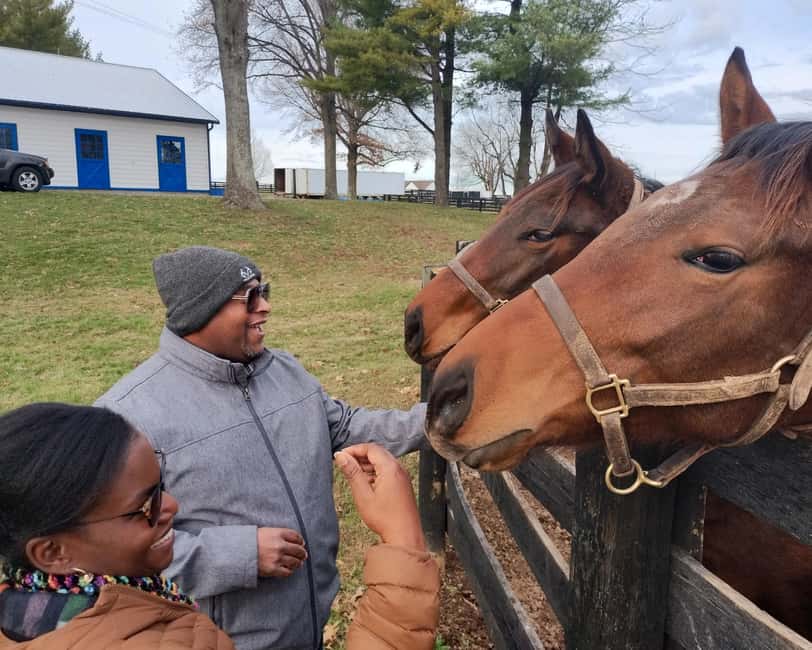
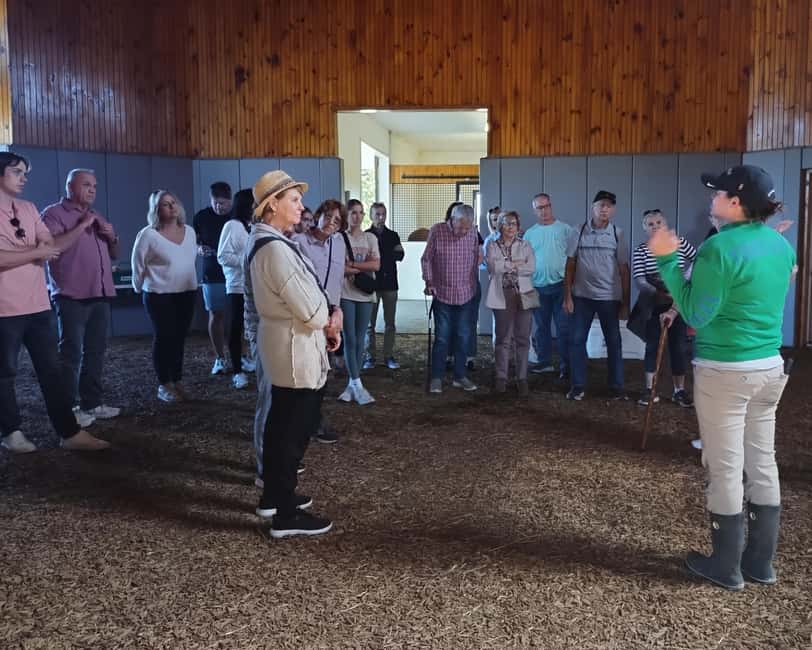
The farm stop is usually the emotional center of the experience. You may visit one farm or several, depending on availability. The exact property can change because of weather, construction, animal health programs, or events taking place on a working farm.
That uncertainty is important to understand before you book. You are not buying a guaranteed visit to a named farm every day. You are buying access to a changing set of Thoroughbred properties selected for that day’s conditions.
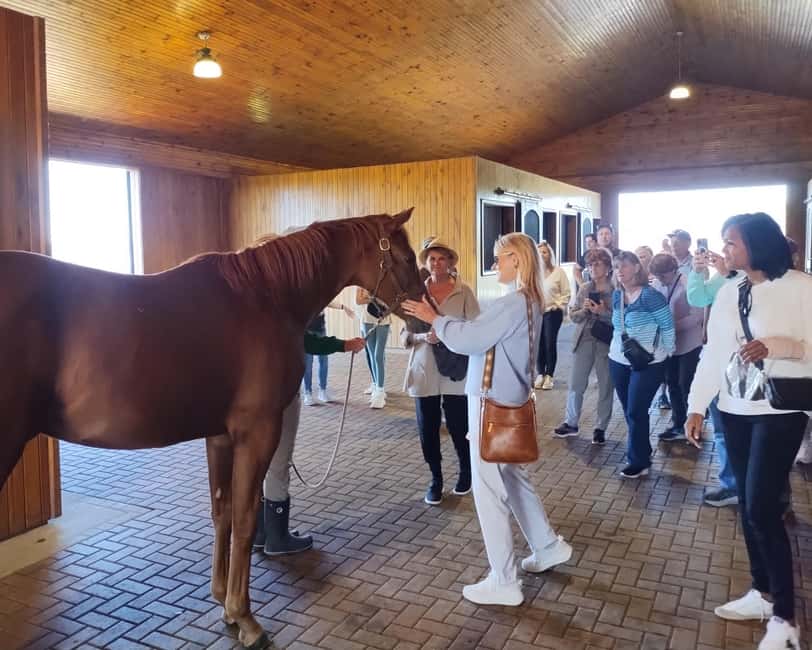
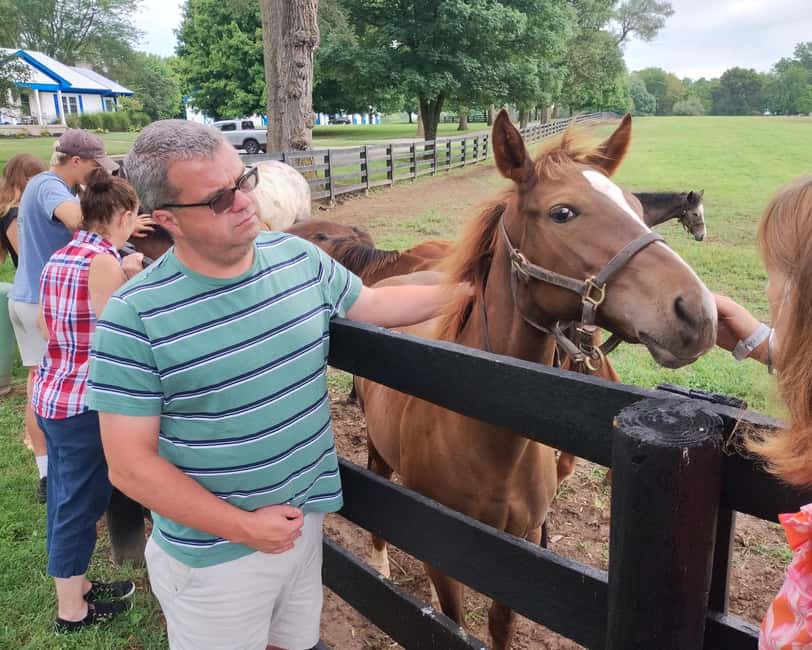
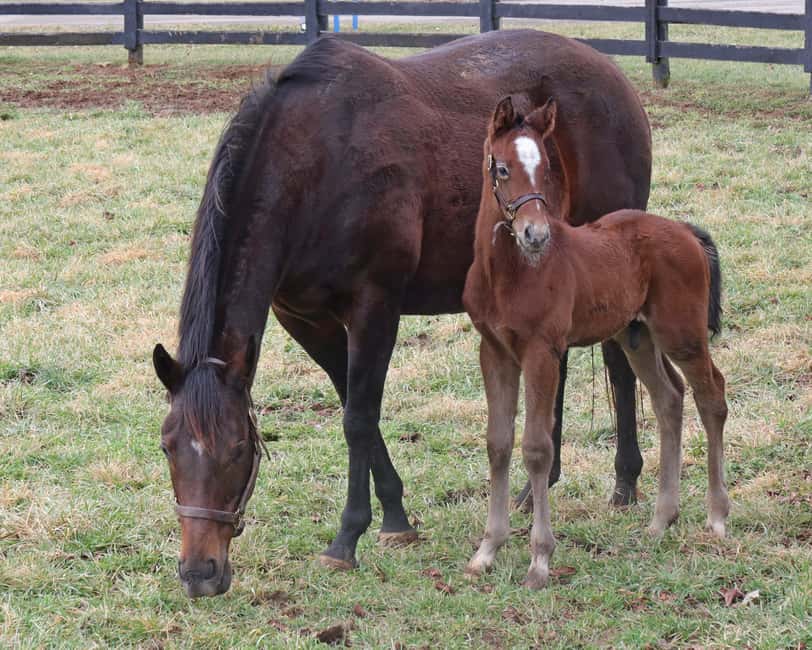
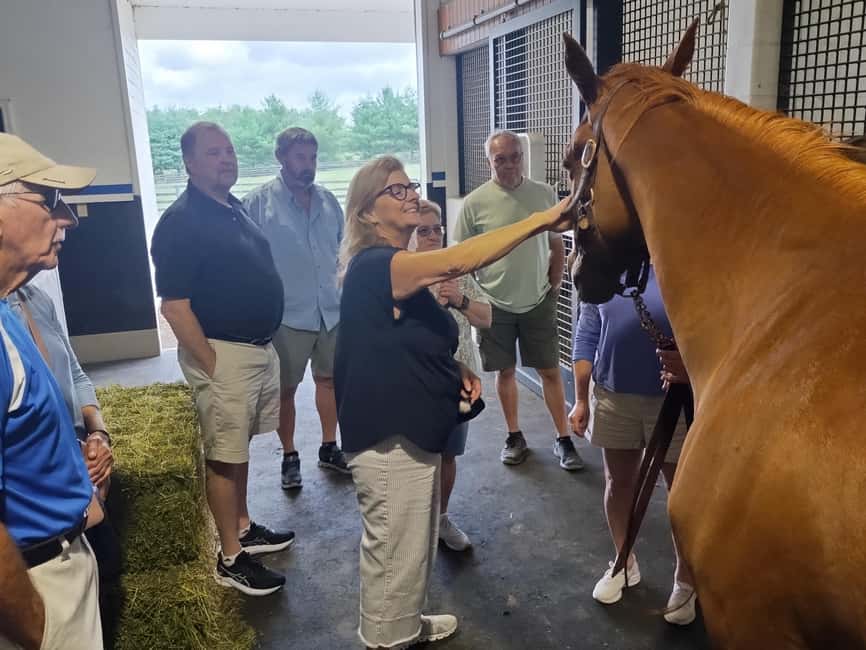
What you might see includes mares with foals, stallions, young horses, and horses being prepared for racing. Several tours have included the chance to see horses at close range and, when appropriate, pet them. The animals decide how much interaction is possible, so do not expect every horse to come over for a photograph.
I appreciate that this arrangement can produce a more genuine visit. Farms are not museum exhibits. Their schedules follow the animals, not the tour timetable. If a farm is unavailable, the operator substitutes another destination rather than treating the working property as a fixed attraction.
Listen closely to the guide’s explanation of breeding and care. A good guide will help you understand the difference between a mare, a stallion, a foal, and a horse in training, while also explaining how a horse’s future in racing is shaped. This is where the tour moves beyond scenery.
You should also expect some outdoor walking and standing. Comfortable shoes are the one item specifically recommended, and that advice is worth following. The tour is not strenuous, but it is not entirely a seated van ride either.
Same fields, a different sort of morning:
- Maui Pineapple Farm Tour in Haliimaile
★ 5.0 · 2,855 reviews - Premium Amish Country Tour including Amish Farm and House
★ 4.5 · 1,306 reviews - Lahaina: Maui Ku’ia Estate Guided Cacao Farm Tour and Tasting
★ 5.0 · 1,103 reviews - Maui: Road to Hana Adventure with Farm to Table Lunch
★ 5.0 · 877 reviews
Keeneland Race Course and its movie connections
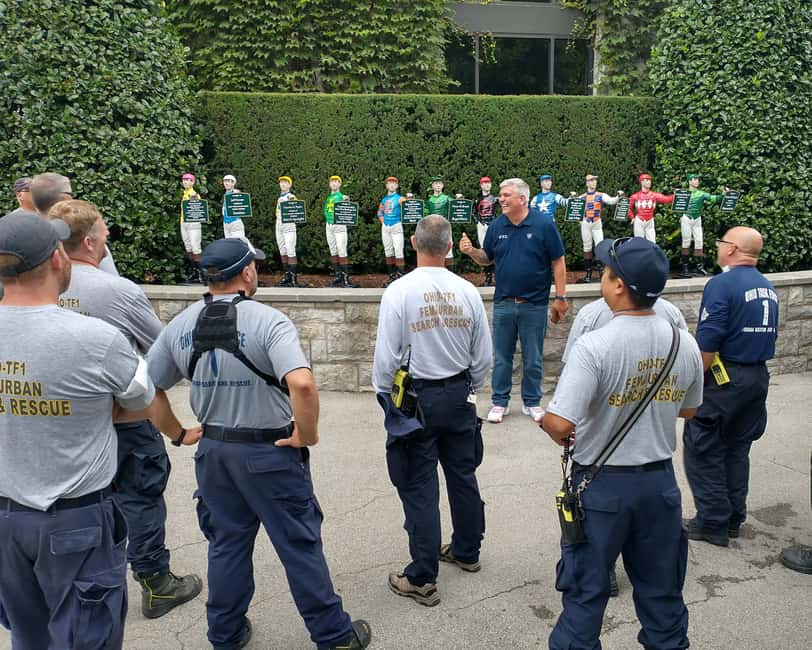
Keeneland is generally available in both the morning and afternoon, but access depends on the race course. The tour does not visit Keeneland on live racing days, which occur on roughly 17 dates in April and 17 dates in October. Keeneland also controls its own availability, so a visit is never absolute.
When the stop is available, you get more than a look at a famous racetrack. The guide points out places associated with Secretariat, Seabiscuit, and Dreamer. For anyone who knows those films, this gives the track an extra layer of interest. For everyone else, the stop still helps explain how a major racing venue functions.
On some visits, you might see horses and jockeys working on the track. That can be more revealing than a race-day crowd. Training shows the routine behind the spectacle: horses exercising, riders preparing, and staff managing the daily work that leads to a race.
The timing of your visit can affect the mood. A quiet track offers room to look around and hear the guide. A training session brings more action and a stronger sense of the sport. On live racing dates, the substitution may mean you miss Keeneland entirely, so check the expected route if the track is your main reason for booking.
The stories behind Secretariat, Seabiscuit, and Dreamer
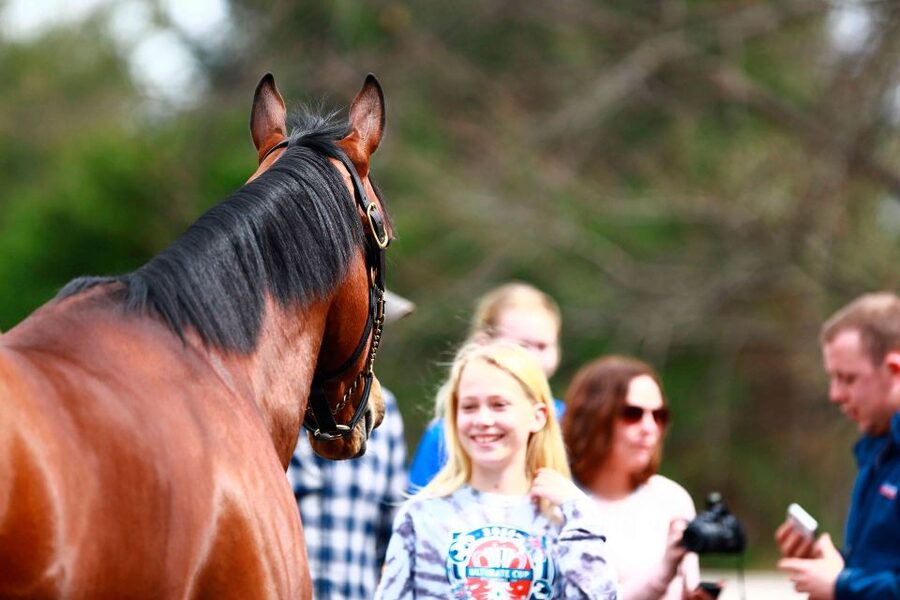
The film connection is a smart addition because it gives casual visitors a familiar entry point. Secretariat, Seabiscuit, and Dreamer each helped bring horse racing to a wider audience, and seeing associated locations adds a physical connection to those stories.
Still, this is not a dedicated film tour. The movies are part of the Keeneland visit, not the entire focus of the day. The main subject remains Kentucky’s horse industry, with film sites as a bonus for people who enjoy those movies.
I would book this feature as part of the package, not as the sole reason to go. If Keeneland is unavailable, another stop replaces it, but the farm visits and local narration still carry the tour.
How the guides shape the experience
The guide can make or break a tour like this, and the company’s lineup has a strong practical feel. Vicky is known for clear explanations, personal stories, and a warm sense of humor. John has been praised for explaining the industry in a way that works for people who know little about horses. Tim is another guide who combines instruction with an easy style.
Nicholas, the owner, has also led tours and answered detailed questions about Thoroughbreds. Richard has a long career connected with the horses and is especially good for visitors who want a more precise account of the industry. Former jockeys add a different view, since they can explain racing from the saddle rather than only from the farm gate.
The guides also help non-horse people feel included. You do not need to know racing terms before you arrive. Ask basic questions. The tour is designed to teach you how the system works, not test what you already know.
A guide’s personal style will vary. Some are chatty and funny, while others focus more tightly on facts. That is normal on a small-group tour. The consistent strength is the amount of local and horse-related information packed into a half day.
Is $45 a good value?
At $45 per person, this is a strong value for a 3.5-hour outing. Transportation, a live English-speaking guide, the narrated drive, one or more farm visits, and Keeneland when available are included.
The price works especially well if you do not have a car or do not want to arrange separate visits to farms. Working farms are not generally casual drop-in attractions, so the transportation and access are the real value here. You also avoid spending time planning a route through the countryside.
Food and drinks are not included. Bring water, especially in summer, and eat before departure if you choose the morning session. Pets are not allowed, and food is not permitted in the tour setting.
The free cancellation window is 24 hours before departure, and you can reserve now and pay later. Those terms help if your Lexington plans are still moving around, though the main decision should be the variable itinerary rather than the booking policy.
Who will enjoy this most?
This tour suits adults and seniors who want a guided introduction to Lexington’s Thoroughbred culture. It is also a good choice for couples, visiting family, and people who want a scenic half day without committing to a full day of sightseeing.
You do not need to be a racing fan. The farms, scenery, and local stories appeal to anyone interested in animals, agriculture, Kentucky history, or film locations.
Children under six are not permitted. Older children are welcome, but the operator warns that the tour is not an active children’s outing. There are no open spaces for play and no horseback riding. A young horse enthusiast who enjoys listening and asking questions may have a fine time, but a child expecting a ride or a hands-on animal park will likely be disappointed.
The experience also works well for horse owners and experienced riders. They can ask more detailed questions about training and care, while beginners can focus on the basic story of breeding and racing.
Practical advice before you book
If Keeneland matters most, avoid the approximate live-racing dates in April and October, and check availability before you commit. The track may also be unavailable for other reasons, so keep your expectations flexible.
Choose the morning if you want to start early and leave your afternoon open. Choose the afternoon if you prefer a slower morning in Lexington. Both sessions are listed as 3.5 hours.
Wear comfortable shoes and weather-appropriate clothing. The tour runs in rain or shine, and some stops require walking outdoors. In hot weather, bring water and use sun protection.
Arrive early at Waller Avenue rather than treating the departure time as an arrival time. Free parking is convenient, but the van cannot wait indefinitely for late arrivals.
Finally, sit near the front if hearing the narration is important to you. The van is compact, and one past issue involved sound carrying poorly to the back when passengers were talking.
Should you book it?
Book this tour if you want a clear, affordable introduction to Lexington’s horse country, especially if you value personal stories over a polished theme-park presentation. The strongest reasons are the farm access, the chance to see horses close up, and guides who understand the industry from years of direct contact.
Skip it if you need a fixed itinerary, guaranteed access to a particular farm, or a vigorous family activity. The route changes, Keeneland is not always available, and the experience is built around listening and observing.
For most adults visiting Lexington, I think $45 buys a useful half day and a much better sense of why this region matters to American horse racing. Keep your expectations flexible, and the changing farm schedule becomes part of the appeal rather than a problem.
FAQ
How long is the Lexington horse farm tour?
The tour lasts 210 minutes, or about 3.5 hours. The morning session runs from 8:30 a.m. to noon, and the afternoon session runs from 12:30 p.m. to 4 p.m.
Where does the tour depart from?
All tours depart from the Thoroughbred Heritage Visitors Center at 366 Waller Ave., Suite 119, Lexington, Kentucky 40504. Free parking is available at the main address, with additional spaces next door when needed.
Is Keeneland Race Course included on every tour?
No. Keeneland is included when available and at the race course’s discretion. It is not available on live racing days, which occur on approximately 17 dates in April and 17 dates in October. Another destination is substituted when necessary.
Will I visit a horse farm?
Yes, the tour includes a visit to one or more Thoroughbred horse farms, but the specific farm or farms can change. Weather, construction, animal health programs, and other working-farm needs can affect the route.
Can I ride a horse during the tour?
No. Horseback riding is not included. The tour focuses on learning about breeding, training, racing, and farm life, with possible opportunities to see horses up close or interact with them when conditions allow.
Is the tour suitable for children and people with mobility aids?
Children under six are not permitted. Older children are welcome but should enjoy a learning-focused activity rather than active play. Space for mobility aids on the vans is limited and not guaranteed, though walking sticks and canes can fit.
More Horse Riding Trips in the USA
- Maui Horseback Adventure at Circle M Ranch With Real Cowboys
★ 5.0 · 761 reviews - Horseback Riding on Scenic Texas Ranch near Waco
★ 5.0 · 720 reviews - Waipi’o on Horseback: Mountain Ocean Views Working Cattle Ranch
★ 5.0 · 252 reviews - Bourbon Distillery & Horse Farm Tours
★ 5.0 · 156 reviews
Just added around the USA
- Las Vegas: Grand Canyon Ranch Tour with Horseback/Wagon Ride★ 4.7 · 38 reviews
- Combination Southfork Ranch and Dallas/JFK Highlights Tour★ 4.5 · 66 reviews
- Dallas and Southfork Ranch Small-Group Combo Tour★ 4.6 · 61 reviews
- Guided Lilymoore Alpaca Farm Tour★ 5.0 · 38 reviews
- Alpaca Ranch and Fiber Processing Mill Tour★ 5.0 · 24 reviews
- Grand Canyon West Skywalk Western Ranch Joshua Forest★ 5.0 · 67 reviews
- Lancaster: Amish Film, House, and Farmland Experience★ 4.6 · 72 reviews
- Bee Farm Ecotour and Honey Tasting in Waialua, North Shore Oahu★ 5.0 · 72 reviews
Horse and Stud Farms, compared.
Unique Horse Farm Tours with Insider Access to Private Farms
Read our review →
Sedona Horseback Rides At Dead Horse Ranch with River Crossing
Read our review →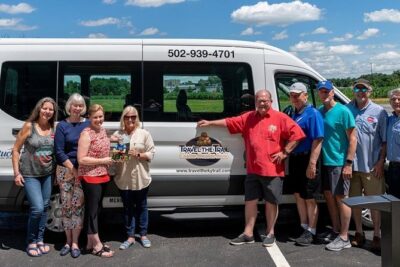
From Ljubljana: Lipica Stud Farm and Piran Full-Day Tour
Read our review →Traditional Egyptian Breakfast at the AlHabib Arabian Horse Farm
Read our review →Lists this farm appears in