
Reviewed · OYSTER FARM TOURS
Loupian: Tour guide of our oyster farm and tasting
The best part of this Loupian outing is that you see oysters as working food, not just a plate at lunch. At Sanchez Huîtres, a family business on the Thau Basin, you follow the crop through fining, detroquing, and shipping before tasting the finished oysters. I like the rope-suspension method and the chance to see the hard, careful work behind it. I also like the price: $11 includes the tour, oyster tasting, wine, and parking.
The main thing to weigh is the setting and timing. This is a working farm rather than a polished museum, and the tour is seasonal, running from April through the end of October. The meeting information gives both 838 Rte de la Coquille and Le Port de Loupian, Le Bourbou, so check the exact meeting pin before driving.
Key points at a glance
- See oyster farming in stages: Learn about fining, detroquing, shipping, and rope suspension in the Thau Basin.
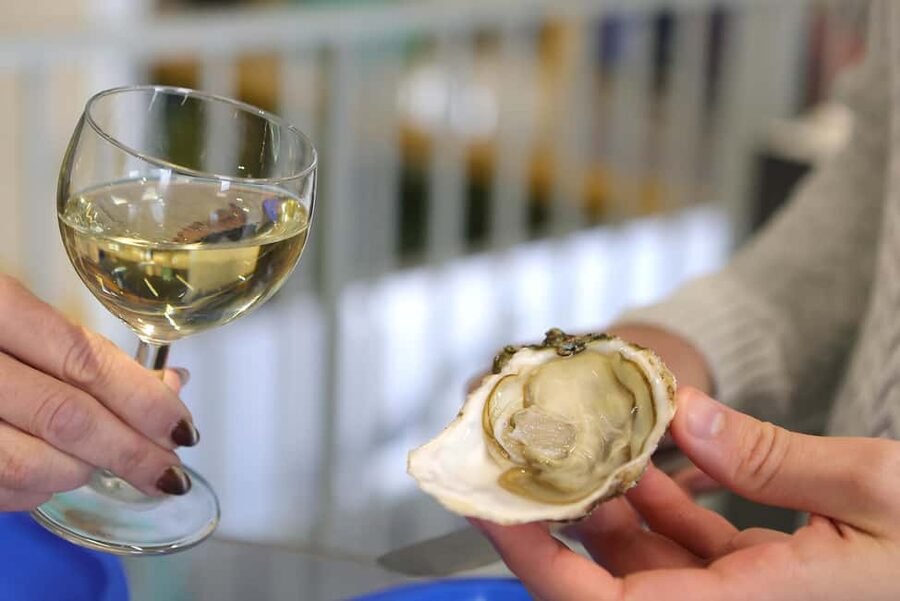
- Taste several oyster varieties: The visit finishes with a tasting designed to show differences between types.
- A glass of white wine is included: It gives you the classic local pairing without an extra charge.
- Short, focused timing: The 1.5-hour format gives you plenty of information without taking over your day.
- English and French guides: You can book the tour in either language.
- Good practical value: Parking, the tour, oysters, and wine are included for $11 per person.
Why this small farm visit is worth your time
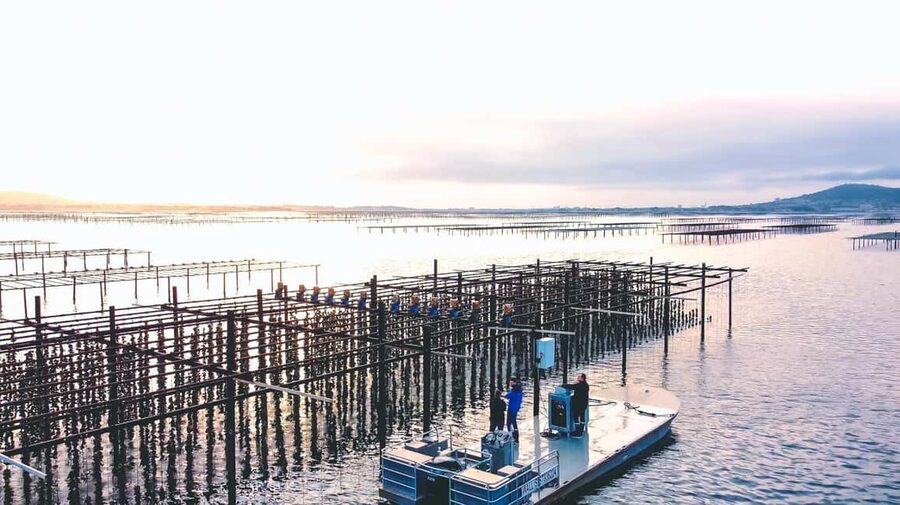
The Thau Basin is one of the best places in southern France to connect a local meal with the water that produced it. This broad lagoon area near Sète supports oyster farming, and the shellfish you taste here are tied to a particular place and method.
I like this kind of visit because it answers the questions that a restaurant menu cannot. How are the oysters kept? Why are they moved? What happens before they reach a fish market or a plate? The guide explains the process in practical terms, with the farm itself providing the setting.
The family-run nature of Sanchez Huîtres matters too. The stated goal is to pass on the traditions of the profession and explain what makes the Thau Basin suitable for oysters. That gives the visit more purpose than a simple tasting stop. You are not just eating shellfish. You are learning why the product tastes the way it does and why producing it takes such steady work.
The tour has a very strong overall rating of 4.9 from 86 ratings, and the praise is consistent on the points that count most. The guide is described as dynamic, friendly, passionate, and clear in English. One visitor called the length perfect for staying interested from start to finish. That is useful information for planning: this is a compact activity, not an all-day farm visit.
More Oyster Farm Tours in the world:
- Experience Coffin Bay Oyster Farm and Bay Tour
★ 5.0 · 161 reviews - Broken Bay Pearl & Oyster Farm Tours
★ 5.0 · 150 reviews - Coffin Bay Oyster Farm Wading Tour & Tasting Experience
★ 5.0 · 142 reviews
Starting at the Loupian oyster farm
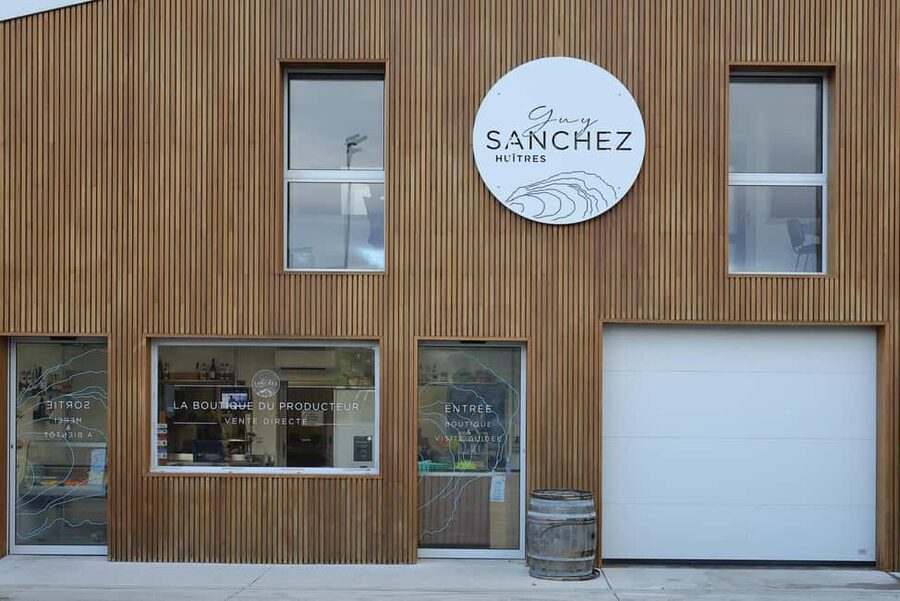
You begin in the parking area at the oyster farm. The directions describe a large parking area and a big brown building, which should make the meeting place easier to identify once you are close.
The published meeting details use two location references: 838 Rte de la Coquille and Le Port de Loupian, Le Bourbou, 34140 Loupian. Since those details do not match perfectly on paper, I would check the booking confirmation and map pin before setting out. This is especially important if you are driving from Sète, Montpellier, or another nearby town and do not want to lose time along the waterfront.
Parking is included, which is a real help in a rural working area. You do not need to add a separate parking fee to the $11 price, and you can arrive by car without arranging a transfer.
The farm is not presented as a formal visitor center. Expect a practical working environment. Wear proper shoes because slippers and bare feet are not allowed, and pets are not permitted. Those rules make sense around a working shellfish operation, where stable footwear and basic hygiene matter.
Following rope suspension from water to plate
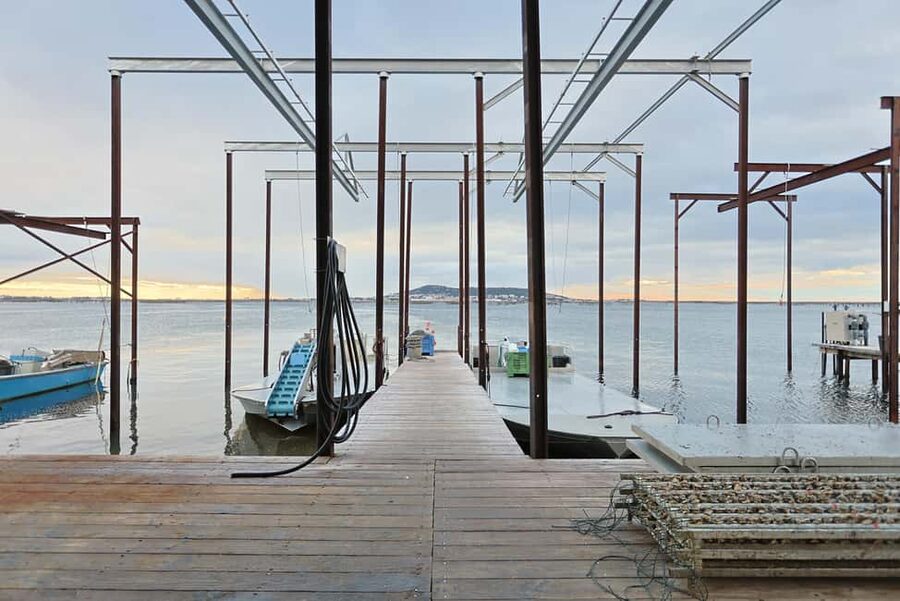
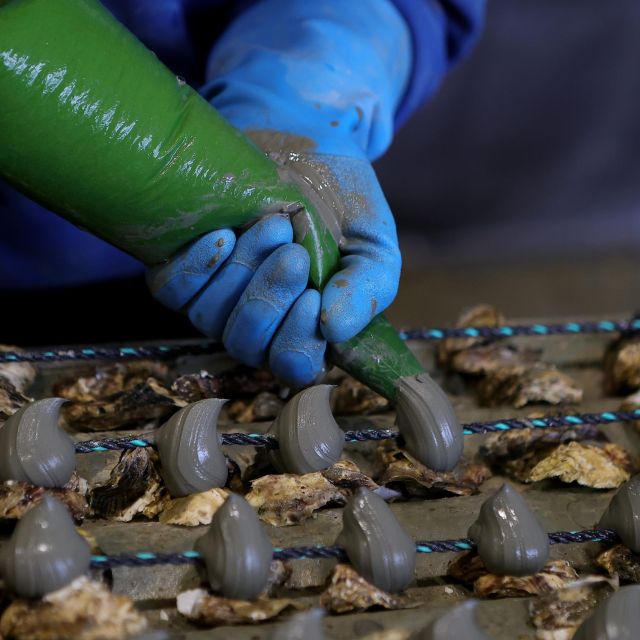
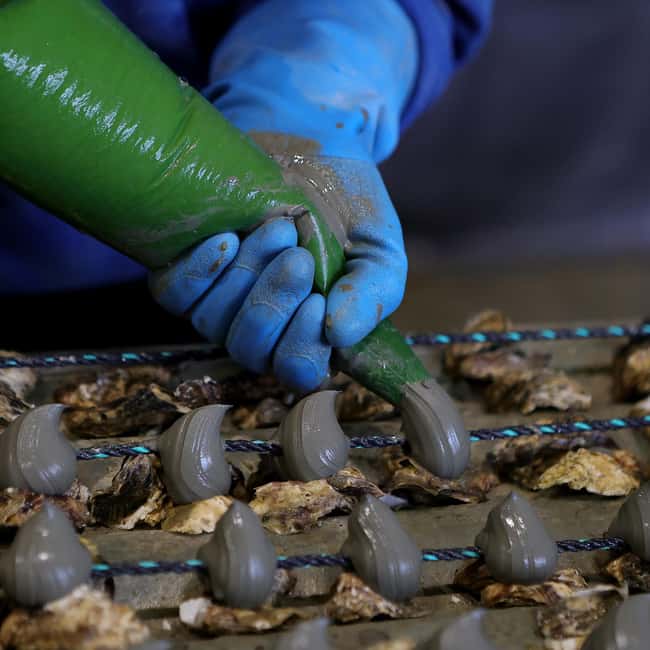
One of the most interesting technical details is the rope-suspension method. Before the oysters reach your plate, they are aged and cared for using this technique.
The tour uses that method to show that oyster farming is not simply a matter of putting shellfish in the water and waiting. The oysters need attention at different stages, and the farm’s handling method affects how they develop. You will hear how the shellfish are managed in the lagoon and why the farm treats them with such care.
The farm’s explanation centers on the full chain of work. That makes the visit useful even if you already enjoy oysters. You can connect the equipment and procedures you see on-site with the food served at the end.
You should not expect a technical lecture filled with specialist terms. The information is meant to be accessible, and the guide keeps the explanation lively and interactive. The strongest feedback focuses on the guide’s energy and realism, along with clear English. That is a good sign for anyone who wants facts without a dry classroom-style talk.
Fining, detroquing, and shipping explained
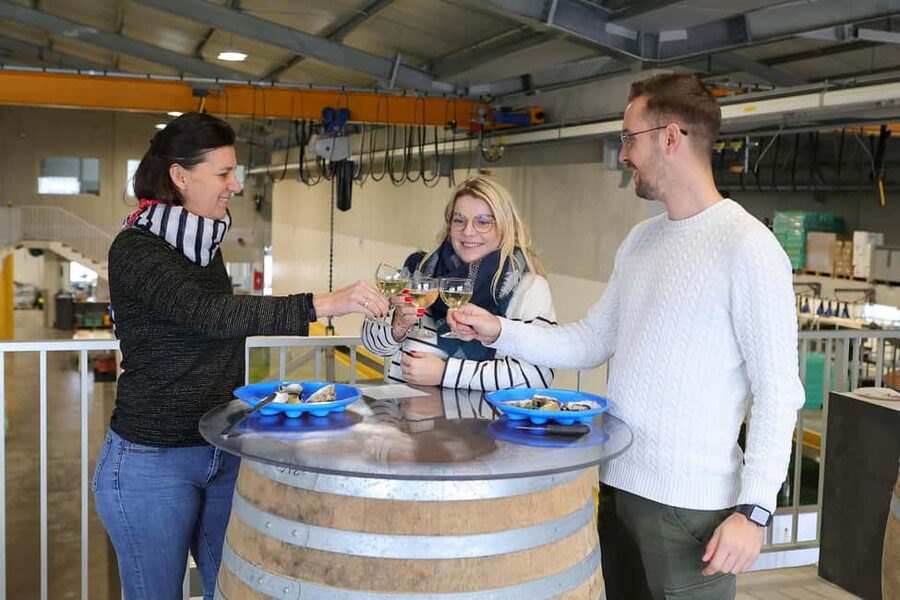
The tour covers several stages of oyster farming in the Thau Basin, including fining, detroquing, and shipping. These terms may be unfamiliar, but seeing them in sequence helps you understand the farm’s work.
Fining is part of the process used to prepare and care for the oysters. Detroquing refers to removing oysters from their growing supports or attachments, getting them ready for the next step. Shipping is the point at which the farm’s product is prepared to leave for customers.
The names of the stages are less important than the pattern they reveal. Oyster farming involves repeated handling, sorting, cleaning, and preparation. The tour gives you a clearer idea of why the work is physically demanding and why the final product costs more than the shell alone might suggest.
I especially like that the visit does not pretend this is easy work. The guide explains the profession with enthusiasm but also realism. You come away with a better respect for the people who keep the farm running, including the less glamorous parts of the job.
The information is delivered by a live guide in English or French. No individual guide name is provided, so you should not book expecting a particular person. What you can count on is a guide-led visit rather than a self-guided walk through the farm.
More Guided Tours in the world:
- Mykonos: Farm, Ano Mera Village, and Beaches Guided Tour
★ 4.4 · 1,283 reviews - Lahaina: Maui Ku’ia Estate Guided Cacao Farm Tour and Tasting
★ 5.0 · 1,103 reviews - Kaneohe: Kualoa Ranch Guided UTV Tour
★ 4.8 · 335 reviews - Guided Tour to the only coffee farm in Europe
★ 5.0 · 174 reviews
The tasting: several oysters and a white wine
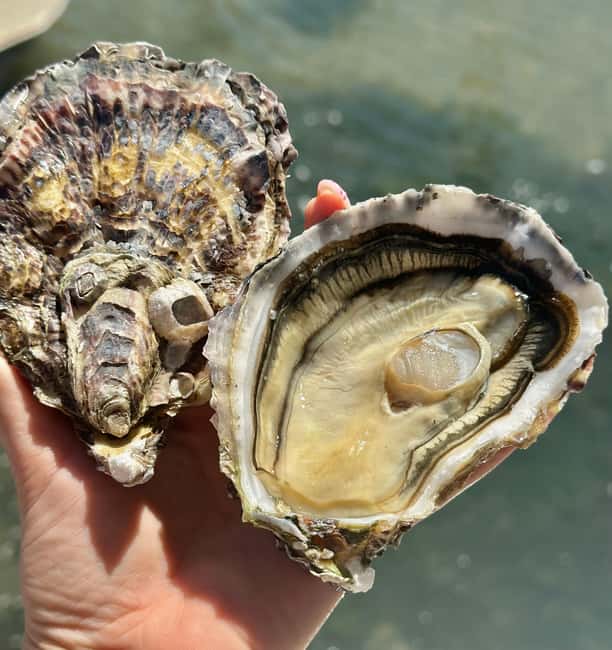
The tour ends with the part many people will be waiting for: a tasting of the farm’s oysters. You taste different sorts of oysters, which lets you compare them instead of treating every oyster as identical.
That comparison is one of the best reasons to take the tour rather than simply ordering oysters at a restaurant. You can pay attention to subtle differences in taste and texture while the farming process is still fresh in your mind. The activity is designed to introduce your palate to those differences, not just provide a quick snack.
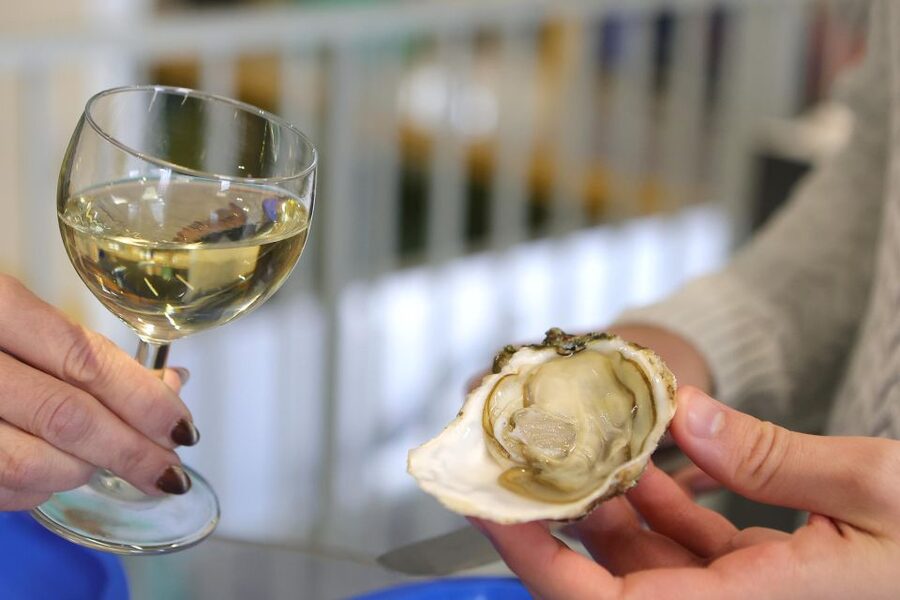
One glass of white wine is included. It is a sensible local match for the oysters and adds value to an already low-cost activity. You do not need to arrange a separate drink, and the tasting has a clear finish rather than ending abruptly after the farm explanation.
The tasting is described as a fun part of the visit, but it remains a modest tasting rather than a full meal. If you are hungry, plan another lunch or dinner afterward. The farm visit gives you oysters and one glass of wine, not a broad seafood spread.
The tasting may also suit people who are uncertain about oysters. You can learn about the product first, then try it in the place where it was raised. That context can make the experience less intimidating than ordering an unfamiliar plate without explanation.
A 1.5-hour stop that fits a Sète-area day
The total duration is 1.5 hours, including the guided tour and tasting. I see that as a strong middle ground. It is long enough to explain the work and give you time to taste, but short enough to fit beside other plans around Loupian, Sète, or the Thau Basin.
The timing also makes the tour suitable for families and mixed-interest groups, at least for anyone comfortable around a working farm and seafood tasting. The activity does not require you to commit an entire morning or afternoon. One visitor specifically praised the length for keeping interest from beginning to end.
You return to the starting point at the farm, so there is no separate finish location to find. The published route lists Sanchez Guy Expédition as the guided visit, with the return to 838 Rte de la Coquille.
Because the tour operates from April 1 through the end of October, it works best as a warm-season addition to a southern France itinerary. Outside those months, you should not assume the farm visit is available.
Who will get the most from this tour
I would recommend this tour to anyone who enjoys learning how local food is produced. It is particularly good for people who want a short, place-specific activity instead of another general sightseeing walk.
It also suits oyster lovers who want to compare different types and understand the work behind the taste. The tasting is not an afterthought. It is the natural payoff after the explanation of rope suspension, handling, and preparation.
The tour is a good match for English-speaking visitors because English is offered, and the clear explanations receive specific praise. French speakers can also book comfortably. The guide’s style appears energetic and interactive, which helps if you prefer conversation and demonstration to a long formal talk.
Wheelchair access is listed, making the activity possible for visitors who need an accessible option. Still, the available details do not describe every surface or facility at the farm, so you may want to confirm any particular access needs in advance.
I would be more cautious if you dislike seafood, have no interest in working agriculture, or expect a polished indoor attraction. The farm is valuable because it is practical and genuine. That also means it may be less comfortable than a purpose-built visitor center.
The $11 price and what it really covers
At $11 per person, this is one of the easier activities to justify financially. The price covers the 1.5-hour guided visit, oyster tasting, one glass of white wine, and parking.
The value comes from the combination. A short food tasting can feel expensive if it includes no explanation, while a farm tour can feel incomplete without a chance to try the product. Here, you get both parts in one stop.
I would still treat the tasting as an introduction, not a replacement for a full seafood meal. The amount of food is not specified, so do not plan on this being lunch. Its strength is the chance to sample and compare oysters after seeing how they are handled.
Free cancellation is available up to 24 hours before the start time, and you can reserve now and pay later. Those terms are useful if your route around the Thau Basin is still shifting. Check the available start times when booking, since the exact departure schedule is not stated here.
Practical details before you go
Book during the operating season, from April 1 to the end of October. The tour is offered in English and French, and it is wheelchair accessible.
Use the large parking area by the big brown building as your visual clue. Because the address information includes both 838 Rte de la Coquille and Le Port de Loupian, Le Bourbou, I would verify the exact location in your confirmation rather than relying on a typed street search alone.
Wear closed, secure footwear. Slippers and bare feet are not allowed, and pets cannot join the tour.
Allow 1.5 hours for the activity itself, plus driving time. The visit returns to its starting point, so it is easy to combine with other plans if you leave enough room for arrival and departure.
The tour has no named guide listed. You book a live English or French guide, but you should not expect to select a particular person.
Should you book the Loupian oyster farm tour?
Book it if you want an inexpensive, local experience that links the Thau Basin, family farming, and a plate of oysters. For $11, the inclusion of the tour, several oysters, white wine, and parking is unusually strong value.
I would choose this over a standard tasting if you want to understand the work before you eat. I would skip it only if you dislike oysters, need a full meal, or prefer a polished attraction over a working farm. For most food-focused visitors spending time near Loupian or Sète, the short format and low price make this an easy addition.
FAQ
Where does the oyster farm tour take place?
The tour takes place in Loupian in southern France, at the Thau Basin oyster farm operated by Sanchez Huîtres.
What is the meeting address?
The information gives 838 Rte de la Coquille and also lists Le Port de Loupian, Le Bourbou, 34140 Loupian. Check your booking confirmation for the exact meeting pin.
Is parking included?
Yes. You can park in the large parking area by the big brown building at the farm.
How long does the tour last?
The guided visit and tasting take about 1.5 hours.
What does the tour include?
The price includes the guided tour, oyster tasting, one glass of white wine, and parking.
Which languages are available?
The live tour guide is available in English and French.
Is the tour wheelchair accessible?
Yes, the activity is listed as wheelchair accessible.
When does the tour operate?
The farm tour is open from April 1 through the end of October.
Are pets allowed?
No. Pets are not allowed on the tour.
What should I wear?
Slippers and bare feet are not allowed. Wear secure footwear suitable for a working oyster farm.
Just added around the world
- Hoi An: Cycling – Water Buffalo Riding Farming and Fishing★ 5.0 · 2 reviews
- Belém: Marajó Island Day Trip with Buffalo Farm Visit★ 4.0 · 16 reviews
- Cycling, Water Buffalo Riding, Traditional Farming Life★ 5.0 · 10 reviews
- Side, Alanya: Green Canyon Boat, Waterfall&Orchards Mix Tour★ 4.3 · 14 reviews
- Farmers Market visit & Turkish Cooking Class★ 5.0 · 60 reviews
- 2-Hour Alpaca Farm Experience in Kenilworth★ 4.5 · 14 reviews
- Cycling Through Vineyards & Farm Lunch & Ephesus visit★ 5.0 · 52 reviews
- Liverpool Music Icons Tour led by a member of 90s band The Farm★ 5.0 · 51 reviews
Oyster Farm Tours, compared.
Experience Coffin Bay Oyster Farm and Bay Tour
Read our review →
Coffin Bay Oyster Farm Wading Tour & Tasting Experience
Read our review →
Experience Coffin Bay Short and Sweet Oyster Farm Tour
Read our review →
Lists this farm appears in