
Reviewed · USA FARM TOURS
San Luis Obispo: Margarita Ranch Foraging Tour
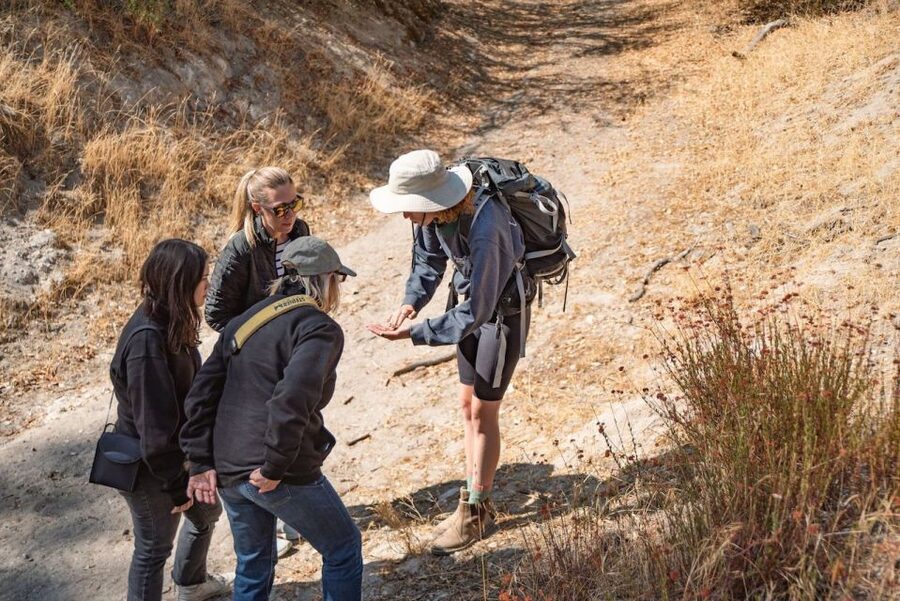
The most interesting part of this Santa Margarita Ranch foraging tour is its connection between plants, place, and Native Californian traditions. You are not simply learning to identify wild greenery. You are looking at how people used plants for food, drinks, healing, health, and survival over thousands of years.
I like the small group of no more than eight people, since that gives you a better chance to hear the guide and ask questions. I also like the practical focus on both useful plants and plants to avoid. The main consideration is that this is an educational walking experience, not a meal or a hands-on cooking class, so come for the lessons and time outdoors rather than a large tasting session.
Key points at a glance
- Native Californian context: Learn how foraging has supported health, wellbeing, and survival across generations.
- Food and drink uses: Find plants that may be used for nutrition and different beverages.
- Safety lessons: Learn appropriate uses and what you should avoid while foraging.
- Mindful time outdoors: The tour connects plant knowledge with paying attention to your surroundings.
- Small-group format: The group is limited to eight participants, making questions easier.
- Simple preparation: Bring comfortable, closed-toe shoes and arrive at Santa Margarita Ranch 30 minutes before the start.
Why this ranch tour is more than plant identification
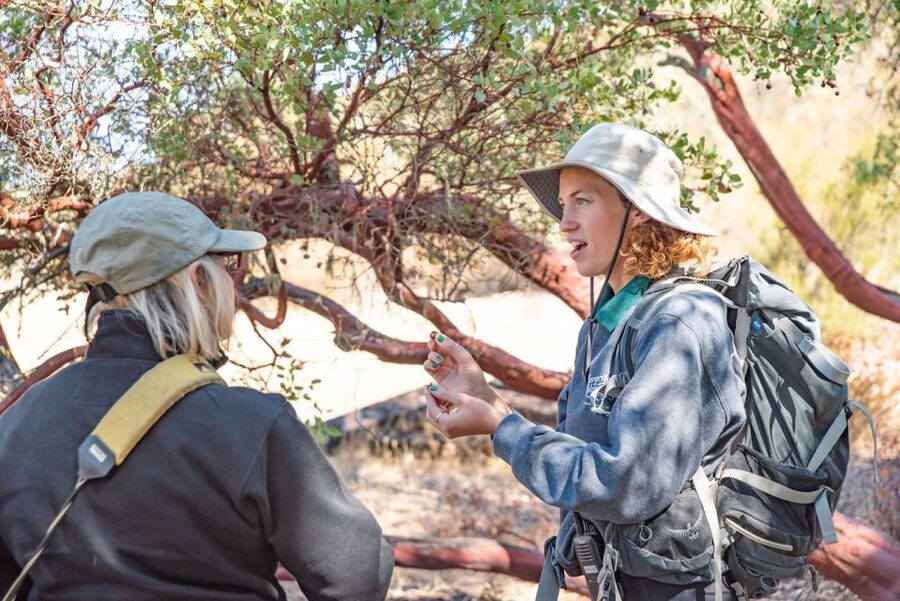
Many nature walks teach you to name a plant and then move on. This experience takes a broader view. You learn why certain plants mattered, how they fit into daily life, and how foraging became part of Native Californian approaches to health and wellbeing.
That cultural setting gives the walk more meaning. A plant is not presented as an isolated object. It is connected to food, beverages, healing purposes, survival, and a careful relationship with the natural world. I like that the experience also brings those ideas into the present. You are encouraged to practice awareness outdoors wherever you are, not only on the ranch.
The tour lasts 150 minutes, or two and a half hours. That is enough time for a thoughtful introduction, time among the plants, and discussion without turning the outing into a full-day commitment. You should still expect to spend much of that time outside and on your feet, so comfortable shoes matter.
More Farm Tours in the USA:
- Maui Pineapple Farm Tour in Haliimaile
★ 5.0 · 2,855 reviews - Half-Day Thoroughbred Horse Farm Tour in Kentucky
★ 5.0 · 1,924 reviews - Premium Amish Country Tour including Amish Farm and House
★ 4.5 · 1,306 reviews
Arriving at Santa Margarita Ranch
Plan to reach Santa Margarita Ranch 30 minutes before the activity begins. That extra time is useful for finding the meeting point, settling in, and making sure you are ready when the group starts. Starting calmly matters on a nature tour. You do not want to arrive rushed and then miss the opening explanation.
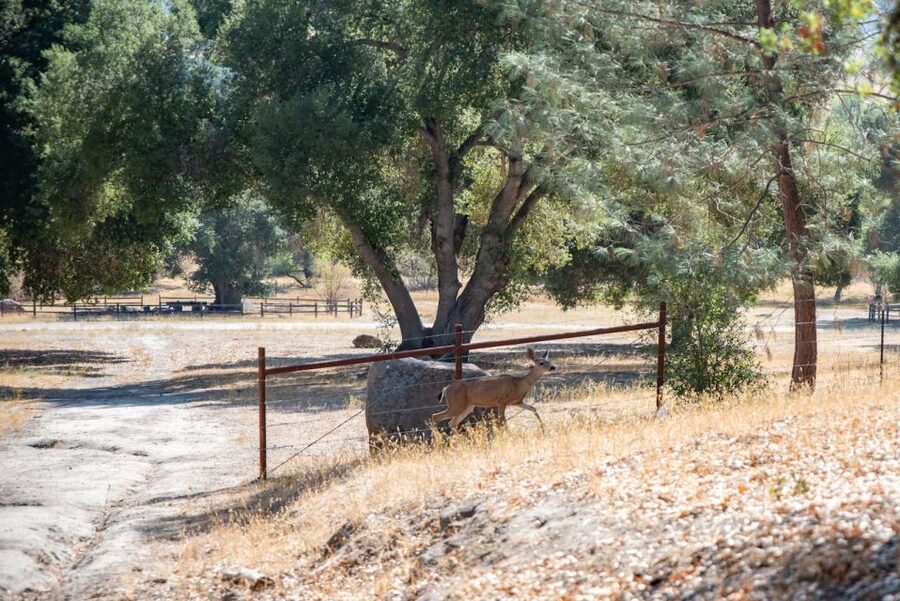
The ranch provides the setting for the entire educational experience. The focus is on plants found on the grounds and the historical reasons they were important. Since the activity information does not promise transportation, meals, or a separate transfer, you should plan to make your own way to the meeting point.
Wear shoes that are both comfortable and closed at the toe. This is a firm practical tip, not just a packing suggestion. Open sandals are a poor match for walking around plant-filled grounds, and comfortable footwear will make the two-and-a-half-hour outing easier.
The opening lesson: foraging as a living practice
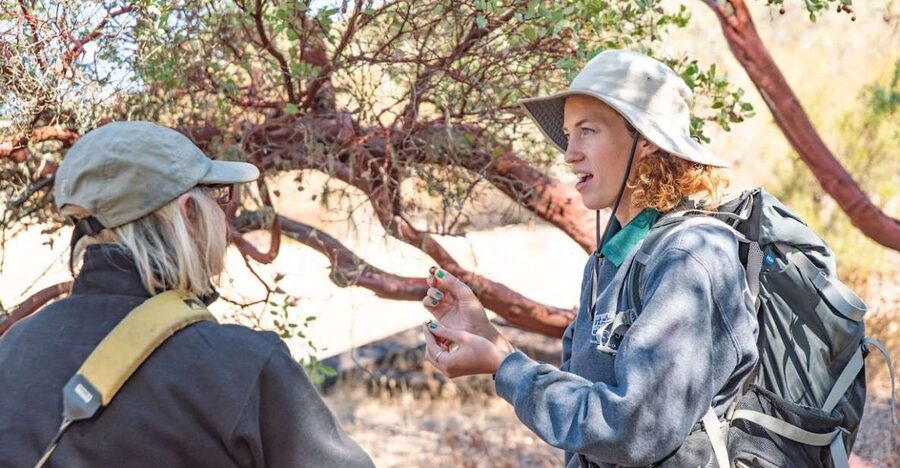
The tour begins by placing foraging in a wider historical and cultural setting. You learn that Native Californian peoples used local plants for thousands of years as part of health, wellbeing, and survival.
That framing helps you understand why the tour does not treat foraging as a passing trend. The practice is presented as a cultural tradition with modern relevance. You are encouraged to look at the natural world with more care and to think about how people developed detailed knowledge of the plants around them.
I find this one of the strongest reasons to choose the tour. If you only want a list of edible plants, a short identification walk might be enough. If you want to understand why plant knowledge mattered and how it shaped daily life, the historical context adds real value.
The experience also promotes mindfulness. That does not mean the tour turns into a formal meditation session. Instead, it asks you to pay attention to the place around you and to carry that habit into other natural settings.
Walking the grounds and finding useful plants
As you move through the ranch, the guide introduces a variety of plants that may be used for nutrition and beverages. The exact plants covered can vary, and the supplied details do not name individual species, so you should not arrive expecting a fixed checklist.
That open-ended format can be a benefit. You are learning from what is growing on the ranch rather than following a rigid indoor presentation. The plants become examples of how people observed, gathered, prepared, and used what was available to them.
The food angle is practical. You learn which plants have nutritional uses and how plant knowledge can support daily life. The beverage angle adds another layer, since some plants can be used in drinks rather than eaten as food.
The tour also discusses other healing purposes. This is best understood as historical and cultural education, not personal medical advice. You should not treat a plant as a cure or consume anything based only on a quick identification. The useful lesson is to understand the traditional role of plants while respecting the limits of your own knowledge.
Same fields, a different sort of morning:
- Unique Horse Farm Tours with Insider Access to Private Farms
★ 5.0 · 1,192 reviews - Lahaina: Maui Ku’ia Estate Guided Cacao Farm Tour and Tasting
★ 5.0 · 1,103 reviews - Maui: Road to Hana Adventure with Farm to Table Lunch
★ 5.0 · 877 reviews - Hawaiian Salt Farm Tour in Kona
★ 5.0 · 767 reviews
Learning what to avoid
One of the most valuable parts of the outing is the warning side of foraging. You learn not only what may be useful, but also what to avoid.
That distinction matters. Foraging is not simply a matter of picking anything that looks familiar. Correct identification, appropriate use, and respect for the environment are central to safe practice. A plant can resemble another plant, have a use in one context but not another, or be unsuitable for consumption.
The tour gives you a chance to ask questions about best uses and cautions while the subject is directly in front of you. In a group limited to eight, you should have a better opportunity to follow the explanation than you would on a crowded public walk.
Still, keep your expectations sensible. This short experience can introduce principles, examples, and cultural knowledge, but it cannot make you an expert forager in one afternoon. I would treat the tour as a foundation for careful observation, not as permission to collect and eat plants on your own.
Mindfulness and the modern value of the walk
The tour repeatedly connects plant knowledge with mindful enjoyment of the environment. That idea gives the experience a useful purpose beyond the ranch itself.
You are encouraged to notice what is around you, learn how people have relied on local plants, and think about your own relationship with nature. The lesson can apply in many settings, from a rural walk to a city park, even though the plants and rules will change.
I like this approach because it avoids making foraging purely transactional. The goal is not simply to find something edible. It is to pay attention, understand the place, and behave responsibly within it.
The mindful element may appeal most to people who enjoy slow, observational activities. If you prefer fast sightseeing, constant movement, or a long list of attractions, two and a half hours focused on plants may feel deliberate. That is part of the design, not a flaw, but it is worth knowing before you book.
What the two-and-a-half-hour format means
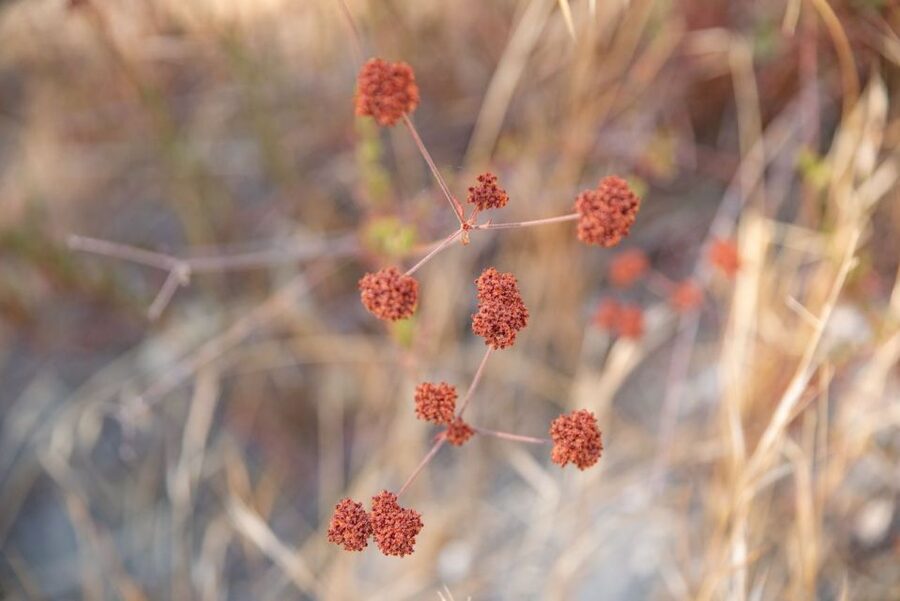
At 150 minutes, the tour sits between a quick introduction and a full-day field course. You get enough time for historical explanation, plant observation, questions, and discussion of uses and cautions.
The length also keeps the commitment manageable. You can fit it into a day of exploring the San Luis Obispo area without giving up an entire morning or afternoon. The exact starting times depend on availability, so check the schedule when choosing your date.
The small group is a clear advantage. With a maximum of eight participants, the guide can keep the walk more personal than a large coach-style activity. You can listen closely and raise questions about nutrition, beverages, healing uses, or plants that should be avoided.
No specific guide name is provided, so you should not book this expecting a particular instructor. The activity is offered in English, and the live guide leads the educational portion of the walk.
Is $45 a fair price?
The cost is $45 per person. For a 150-minute guided experience, that is a reasonable price if you value cultural context, nature education, and direct access to a small group guide.
You are paying for more than time on the ranch. The price includes a structured educational foraging tour, explanations of plant uses, discussion of what to avoid, and the chance to learn about Native Californian approaches to health and survival. The small group improves the value because your questions are less likely to disappear in a crowd.
The price may feel less attractive if you want a substantial meal, take-home plants, or a formal tasting. None of those are included in the activity details. Think of the $45 as the cost of guided interpretation and cultural education, not a food excursion.
There is also some useful booking flexibility. You can reserve now and pay later, which helps if you are still arranging your San Luis Obispo plans. You can cancel up to 24 hours before the start for a full refund. Those terms reduce the risk of committing too early, though you should still check the current availability and conditions at booking.
Who will enjoy this experience most?
I would recommend the tour to adults and older children who are curious about plants, Native Californian traditions, outdoor learning, and mindful time in nature. It suits people who like asking questions and taking time to observe rather than rushing from one sight to the next.
It is also a good fit if you want a local activity with a clear educational purpose. You do not need to be an experienced forager. The tour is designed to introduce the subject, including both possible uses and important cautions.
Children under seven are not permitted. Older children may enjoy the activity if they can stay engaged during a two-and-a-half-hour educational walk. Since the group is small, respectful attention helps everyone get more from the guide.
You may want to skip it if you need a highly active hike, a food-focused tasting, or a detailed list of plants guaranteed to appear. The supplied information does not promise a strenuous route, specific tastings, or named species. Its strength is the combination of history, plant use, safety, and awareness.
Practical preparation for the ranch
Pack light, but prepare for time outdoors. Comfortable shoes are required, and closed-toe shoes are specifically advised. Wear something that allows you to walk and stand comfortably for the full 150 minutes.
Arrive 30 minutes early at Santa Margarita Ranch. The activity is conducted in English, so you should be comfortable following spoken instruction in English and asking questions in that language.
You do not need to plan around a meal supplied by the tour. The listed inclusion is the two-and-a-half-hour educational foraging tour. If you need food or drinks during the day, make your own arrangements before or after the activity.
Most important, bring a careful attitude. Do not assume that identifying a plant during the tour means you should gather or consume it elsewhere. The guide’s discussion of what to avoid is one of the reasons the experience is useful, and responsible foraging begins with knowing your limits.
My call: book it for the lesson, not the harvest
I would book the Margarita Ranch Foraging Tour if you want a small, focused introduction to Native Californian plant knowledge and mindful outdoor observation. The strongest features are the eight-person maximum, the attention to both useful and unsafe plants, and the link between foraging and long-term health, wellbeing, and survival.
At $45, it offers fair value for two and a half hours of guided education. Go in expecting a thoughtful nature lesson rather than a meal, a strenuous hike, or a guaranteed list of edible species. With comfortable closed-toe shoes, an early arrival, and a willingness to pay attention, this is a practical way to see the ranch through a cultural and natural lens.
FAQ
How long is the Margarita Ranch Foraging Tour?
The tour lasts 150 minutes, or two and a half hours.
How much does the tour cost?
The price is $45 per person.
Where does the tour meet?
The meeting point is Santa Margarita Ranch. You should arrive 30 minutes before the activity starts.
What language is the tour conducted in?
The live tour guide conducts the experience in English.
How many people can join the group?
The tour is limited to eight participants.
What should I wear or bring?
Bring comfortable shoes and closed-toe shoes. Closed-toe footwear is specifically required for the activity.
Are children allowed to join?
Children under seven are not permitted to participate.
Can I cancel the booking?
You can cancel up to 24 hours in advance for a full refund. You can also reserve now and pay later, which keeps your plans flexible.
Just added around the USA
- Yolo: Vineyards, Farms & Cultural Gems – Audio Driving Tour★ 4.3 · 5 reviews
- Ventura: Rail Bike Guided Tour with Farm Stand Stop★ 4.1 · 18 reviews
- Small-Group Vineyard and Orchard Tour with Wine Tasting in Muscoda★ 5.0 · 2 reviews
- Connect with Rescue Animals on a Private Farm Tour in Catskills★ 5.0 · 27 reviews
- Cozy Farm Experience with Wagon Wheels and Acoustic Meal★ 5.0 · 2 reviews
- Farm Tour at Clover Brooke Llama/Alpaca/Goat Farm★ 4.5 · 6 reviews
- Gourmet Mushroom Farm Tour in Tennessee★ 5.0 · 5 reviews
- Farms, Flights: Finger Lakes Brewery Tour★ 4.5 · 25 reviews
USA Farm Tours, compared.
Half-Day Thoroughbred Horse Farm Tour in Kentucky
Read our review →
Premium Amish Country Tour including Amish Farm and House
Read our review →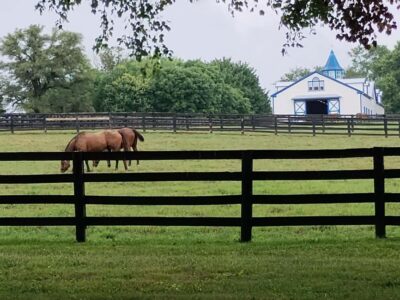
Unique Horse Farm Tours with Insider Access to Private Farms
Read our review →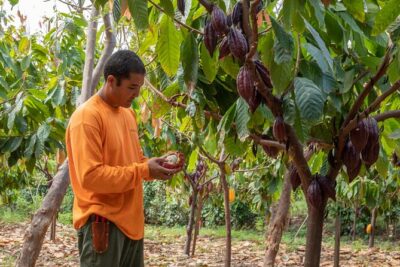
Maui Ku’ia Estate Guided Cacao Farm Tour and Tasting
Read our review →
Road to Hana Adventure with Farm to Table Lunch
Read our review →
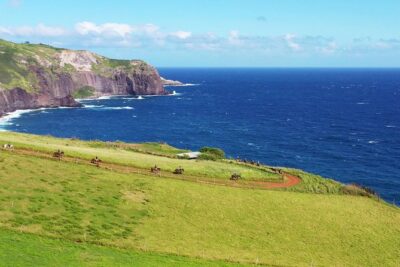
Maui Horseback Adventure at Circle M Ranch With Real Cowboys
Read our review →Lists this farm appears in