
Reviewed · ITALY FARM TOURS
Amalfi: Vertical Lemon Farm Tour, Tastings, and Rural Museum
Amalfi’s lemon farms are built up the hills in narrow terraces, where every tree depends on stone walls, handwork, and plenty of patience. This 90-minute walk takes you into that working world, with the family story, farming methods, rural tools, and a tasting of lemonade, lemon cake, and limoncello.
I like the six-generation family connection, which makes the visit feel tied to real local work rather than a quick photo stop. I also like the range of tastings, especially the chance to compare fresh lemon products with the finished liqueur made on site.
The catch is the terrain. Expect steep stairs and an uphill walk, so this is not a good choice if you have heart or respiratory problems, use a wheelchair, or need a mobility scooter. Good shoes are essential.
Key points to know before you book
- The farm is genuinely vertical: You walk terraces carved into the hills above Amalfi, with steep sections and stairs.
- Sfusato Amalfitano is the star: Learn why this local lemon is prized for limoncello and protected by European geographical status.
- The family story gives the tour meaning: The farm has been worked by the same family for six generations.
- The tasting is more than a lemon slice: Expect lemonade, lemon cake, lemons, and limoncello, with other products available to buy.
- The rural museum adds useful context: Tools, equipment, and documents show how lemon farming shaped daily life.
- It is easy to reach on foot: From Amalfi’s port, one visitor found it took about 18 minutes to walk to the meeting point.
Walking into Amalfi’s six-generation lemon farm
Check in at the Amalfi Lemon Experience shop on Via delle Cartiere, 59. From there, your English-speaking guide leads you toward the hillside terraces. Use walking directions in Google Maps. The driving route can send you to the wrong place, and cars and scooters are not allowed inside Amalfi’s city center.
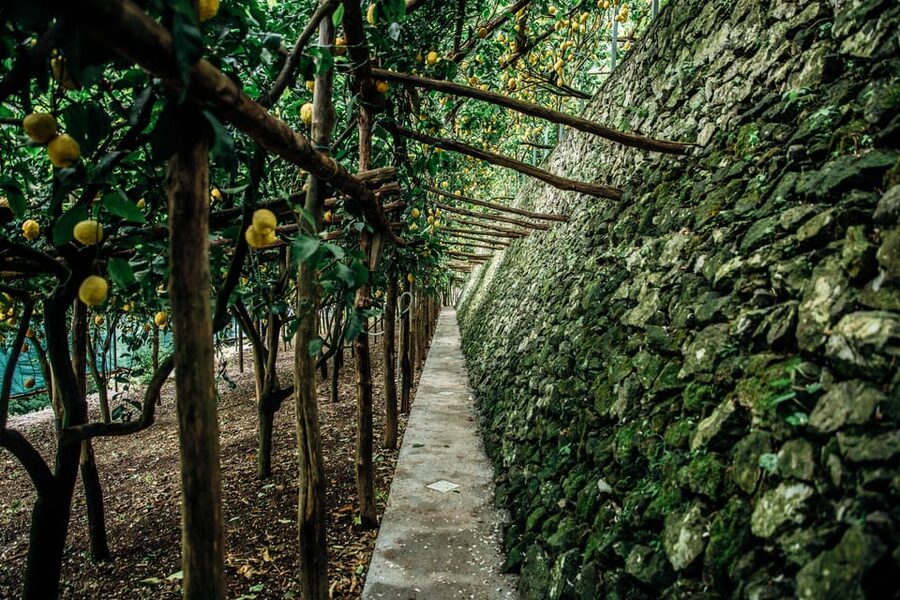
The first thing to understand is the farm’s shape. This is not a flat orchard where you stroll between rows on an even path. The lemon trees grow on terraces cut into the hills, supported by old walls and connected by stairs. That vertical design is one of the most interesting parts of the visit, but it is also the main physical challenge.
You will see the lower part of the farm during the standard route. One person wished the walk continued higher up the hillside, so set your expectations accordingly. This is a focused introduction to lemon farming, not a long mountain hike or an all-day agricultural tour.
The pace includes stops for explanations and photographs. You can look closely at the trees, see how farm workers care for them, and get a sense of the effort required to move through this steep terrain with tools and harvest in hand.
More Museum Visits in Italy:
- Lancaster County: Amish Farmlands, Museum Tour, Farm Visit
★ 4.3 · 322 reviews - Rovaniemi Santa Claus Village Husky Reindeer Farm Arctic Museum
★ 4.5 · 84 reviews
Why the Sfusato Amalfitano lemon matters
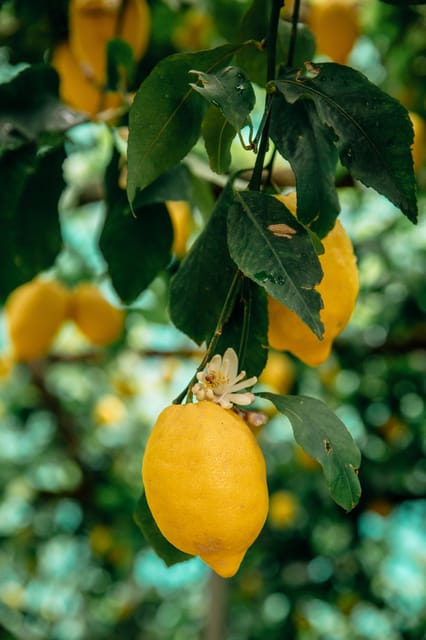
The farm centers on the Sfusato Amalfitano, the long, fragrant lemon associated with the Amalfi Coast. Your guide explains how lemons arrived in Amalfi, how local cultivation developed, and why this variety is valued for limoncello.
You will also hear about its European Protected Geographical Indication. That designation connects the product to its place of origin and to established production standards. It helps explain why an Amalfi lemon is not simply interchangeable with any lemon from a supermarket.
The tour is useful because it connects the fruit to the people and the work behind it. You learn about pruning, care, harvesting, and the problems facing lemon growers today. The farming is described as organic, and the family’s approach is presented as careful, hands-on work rather than large-scale production.
I especially like this part for visitors who want more than a pretty orchard photograph. The lemon trees are attractive, but the more lasting lesson is how difficult it is to farm on Amalfi’s steep hills. Every terrace, wall, and stairway reflects labor that is easy to miss from the town below.
Meeting the family behind the terraces

The farm has been in the same family for six generations. That history gives the walk a personal thread, as your guide explains how the land has been cared for and how the business has changed.
The family’s connection to the farm is not treated as a decorative story. You hear about the modern pressures facing lemon growers and the difficulty of keeping this kind of agriculture going. That honest side of the visit is important. It keeps the experience from becoming a simple sales pitch for lemon products.
Depending on the day, you may meet members of the family in person. One visit included a meeting with the 90-year-old founder, described as a special part of the experience. You should not book on the promise that this meeting will happen, but it shows how closely the tour is tied to the people who built the farm.
The guides also seem to be a strong part of the experience. Elvira is specifically praised for explaining the farm and its story in a clear, engaging way. Other visitors singled out friendly, well-prepared guides, so you can expect the walking commentary to be a central part of the tour, not an afterthought.
The tasting: lemonade, cake, and limoncello
The tasting usually comes after part of the walk, in the farm’s eating area. You can expect lemonade, lemon cake, fresh lemons, and limoncello. Some tastings have also included lemon sorbet, though the listed inclusions specifically name the first four items.
The lemon cake gets especially strong attention. It is homemade, moist, and a welcome break after the uphill sections. The lemonade gives you a direct taste of the fruit without sugar or alcohol doing all the work. You may also try lemon slices and notice how different a fresh, fragrant Amalfi lemon can be from an ordinary cooking lemon.
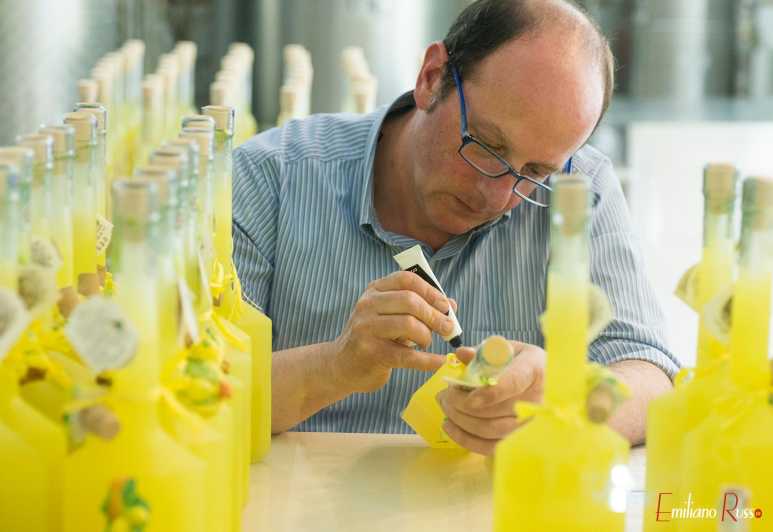
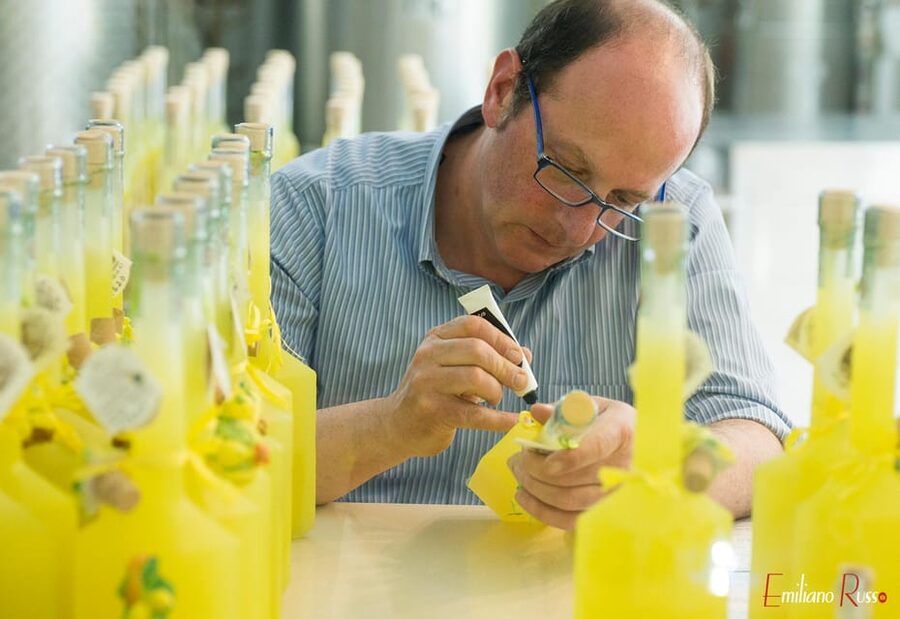
Limoncello is the adult highlight. The guide explains how the lemon peel is used and how the finished drink is prepared. The point is not just to take a shot and move on. You see how the fruit moves from grove to laboratory to bottle.
The tasting is generous in variety, but do not expect a full meal. At $41 per person, the food adds value, yet you are mainly paying for the guided farm visit, family story, museum, and production area. Plan to eat lunch separately.
More Farm Tours in Italy:
- Florence Pizza or Pasta Class with Gelato Making at a Tuscan Farm
★ 5.0 · 6,801 reviews - Cooking Class and Lunch at a Tuscan Farmhouse with Local Market Tour from Florence
★ 5.0 · 4,831 reviews - Sorrento Farm and Food Experience including Olive Oil, Limoncello, Wine tasting
★ 5.0 · 2,524 reviews - Sorrento: Pizza Lesson, Wine, and Limoncello at a Local Farm
★ 5.0 · 1,513 reviews
Inside the limoncello laboratory
The laboratory visit shows the practical side of the farm’s business. You can learn how the family prepares limoncello and other products such as lemon jam and honey.
This stop matters because it completes the story. In the grove, you see the raw ingredient. In the laboratory, you learn how it becomes something you can drink, spread on bread, or take home. The products are made from the farm’s agricultural work, so the shop feels connected to the visit rather than tacked on at the end.
You have the chance to buy limoncello, lemon honey, jam, fresh lemons, and other farm products. One visitor noted that there were several types of limoncello to choose from. Fresh lemons and products can also be shipped, which is useful if you are traveling with only a small bag or do not want to carry liquids through the rest of your trip.
Prices for individual products are not provided, so I would treat the purchase as optional. The tour does not require you to buy anything. The tasting itself is included.
The rural museum and the older Amalfi workday
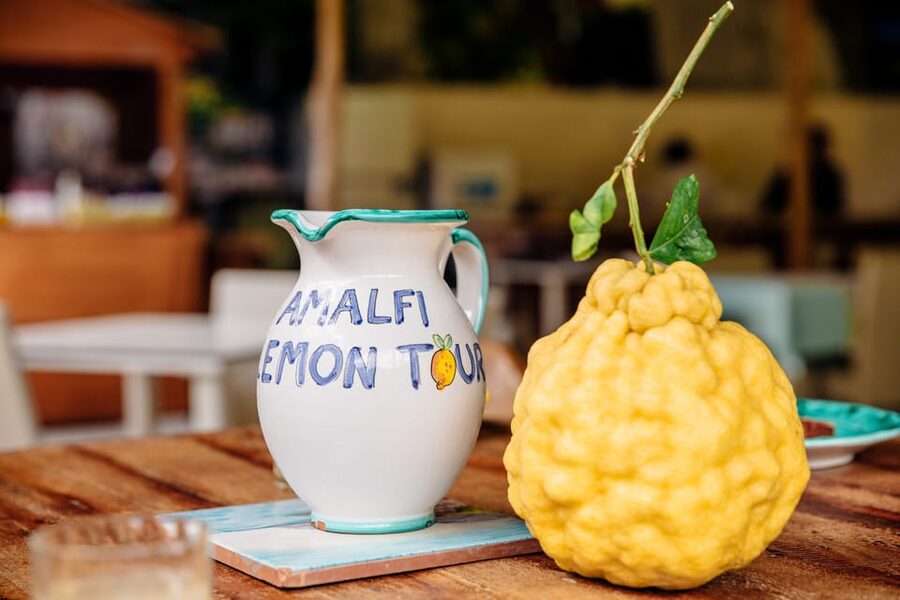
The Museum of Rural Culture, Arts and Crafts adds a historical layer to the farm. It contains tools, equipment, and documents connected with lemon production and rural life.
This small museum is valuable because the terraces can otherwise look timeless and picturesque without revealing how people worked them. The objects show the practical side of farming: the equipment, tools, and records needed to grow, harvest, process, and sell lemons.
Do not expect a major museum with many galleries. The attraction is the connection between the collection and the working farm outside. You see the trees, then the tools used to care for them, then the products made from the harvest. That compact chain makes the visit easy to understand, even if you know little about agriculture.
For me, this is one of the best reasons to choose the tour over a simple tasting stop. You leave with a clearer sense of how lemon farming fits into Amalfi’s rural culture.
The route, timing, and physical effort
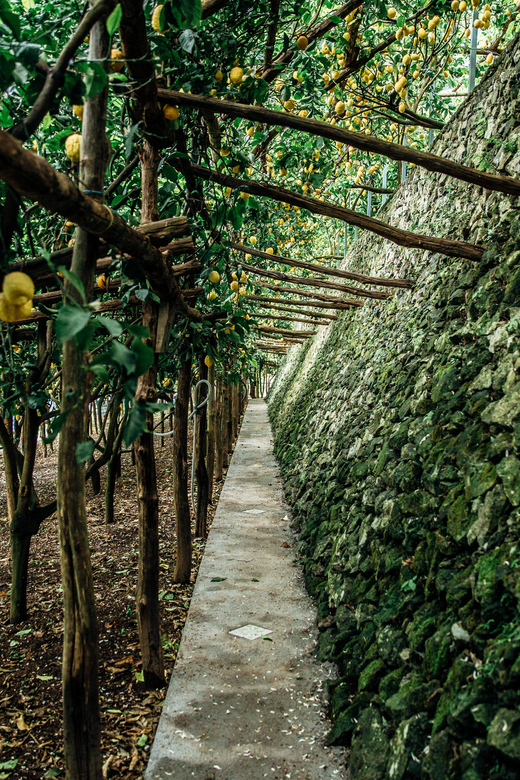
The complete activity lasts about 1.5 hours, including the guided walk, tastings, museum, and limoncello laboratory. It is short enough to fit into a morning or afternoon in Amalfi, but active enough that you should not treat it as a seated food experience.
Wear hiking shoes or other comfortable shoes with a firm grip. High heels, slippery soles, and unsuitable footwear can prevent you from joining for safety reasons. Sunglasses, weather-appropriate clothes, and sportswear are sensible choices.
The steep stairs are the main concern. The tour is not suitable for wheelchair users, mobility scooter users, people with heart problems, people with respiratory issues, or children under two. It is also not recommended for people over 80. Large bags and luggage are not allowed, and pets cannot come because dogs roam freely on the property.
You will want to keep your hands to yourself around the plants. Touching the trees is not allowed, which protects the crops and keeps visitors from damaging the farm.
Getting there from Amalfi without a car
The meeting point is at the Amalfi Lemon Experience shop on Via delle Cartiere, 59. There is no parking at the activity venue, and parking in Amalfi is very limited, especially during high season.
I would strongly avoid driving into Amalfi for this activity. The city’s narrow streets and restricted access make a car more trouble than it is worth. One visitor arrived by ferry from Positano and found the walk from the port took about 18 minutes, which gives you a useful planning estimate.
Allow extra time to find the shop on foot. Check the map before leaving your hotel, and select walking directions rather than driving directions. The wrong route can lead somewhere completely different.
Because the tour returns to the same shop, you can combine it with time in Amalfi’s center. Just remember that the walk back may include more hills and stairs, so do not schedule a demanding hike immediately afterward.
Is $41 a fair price?
At $41, this is not the cheapest way to spend 90 minutes in Amalfi. You could buy a bottle of limoncello or a lemon dessert for much less. The better question is what you receive beyond the food.
The price covers a guided walk through a working vertical grove, explanations of a protected local lemon, access to the rural museum, a look at the production laboratory, and several tastings. You also support a family farm that has kept this work going for six generations.
I consider it good value if you care about local food, traditional work, and the story behind Amalfi’s famous lemons. It is less compelling if you want a long hike, a large meal, or a broad tour of the entire coast.
The tasting helps, but the strongest value is the connection between the terraces and the family business. You can see where the fruit grows and how it becomes something sold in the laboratory. That makes the price easier to justify than a stand-alone tasting.
Who will enjoy this tour most?
I would choose this experience if you want a break from Amalfi’s busy waterfront and narrow central streets. The farm offers views, quiet terraces, and a slower look at local life.
It suits couples, families with older children who can manage stairs, and anyone interested in food production. It is also a good choice for a first visit because the guide covers both the local lemon and the history of farming in the area.
You may prefer another activity if you have limited mobility, dislike steep paths, or want a relaxed indoor tasting. The route is not extreme for a reasonably fit person, but it is not flat. Comfortable shoes are a requirement, not a suggestion.
The English tour is also a useful fit for visitors who want a clear explanation without arranging a private guide. The pace allows time for questions and photographs, based on the way the tour is structured.
Should you book the Amalfi lemon farm tour?
Book it if you want to understand why lemons are such a strong part of Amalfi’s identity. The best parts are the vertical terraces, the six-generation family story, the honest talk about farming challenges, and the tasting of lemonade, cake, and limoncello.
Skip it if you are looking for a major hike, a substantial meal, or an easy-access activity with no stairs. For everyone else, this is a practical 90-minute addition to an Amalfi itinerary, especially if you arrive by ferry and can walk from the port.
Bring proper shoes, arrive on foot, and leave room in your day for a bottle of limoncello or lemon honey if you find something you like.
FAQ
How long does the Amalfi lemon farm tour last?
The experience lasts 1.5 hours, including the guided walk, tastings, museum visit, and limoncello laboratory visit.
Where does the tour meet?
Check in at the Amalfi Lemon Experience shop at Via delle Cartiere, 59, in Amalfi.
What food and drinks are included?
The tasting includes lemons, lemon cake, lemonade, and limoncello. Some visits have also included lemon sorbet.
Is the tour conducted in English?
Yes. The activity includes a live English-speaking guide.
Do I need hiking shoes?
You need comfortable shoes with good grip. Hiking shoes are recommended because the tour includes steep stairs and uphill sections. High heels and slippery soles are not suitable.
Can I drive or park at the farm?
The venue does not have parking, and driving directions may take you to the wrong place. Walking directions are recommended, and visitors are strongly advised to avoid bringing a car to Amalfi during high season.
Is the tour suitable for wheelchair users?
No. The tour is not suitable for wheelchair users, mobility scooter users, or electric wheelchair users because of the steep stairs and walking sections.
Just added around Italy
- Paestum and Buffalo Farm Day Tour from Sorrento★ 5.0 · 3 reviews
- Slowlife Family Farm- Cook with us From Garden to Table Syracuse★ 5.0 · 10 reviews
- Siena: Small-group Cooking Class in a Chianti Farm★ 4.9 · 21 reviews
- Small Group E-Bike Chianti Tour with farm lunch from Siena★ 5.0 · 34 reviews
- Guided tour of the Marsala Salt Pans and salt harvesting★ 4.7 · 60 reviews
- Visit to the olive grove, oil tasting and lunch at the farm★ 5.0 · 31 reviews
- Alcamo Farm Animals and Aromatic Garden★ 4.0 · 45 reviews
- Food Experience at our Farm in Noto Hills★ 5.0 · 17 reviews
Italy Farm Tours, compared.
Florence Pizza or Pasta Class with Gelato Making at a Tuscan Farm
Read our review →
Cooking Class and Lunch at a Tuscan Farmhouse with Local Market Tour from Florence
Read our review →
Sorrento Farm and Food Experience including Olive Oil, Limoncello, Wine tasting
Read our review →
Pizza Lesson, Wine, and Limoncello at a Local Farm
Read our review →
Pizza or Pasta Class with Gelato at a Tuscan Farm
Read our review →
Hands-On Cooking Class & Farmhouse Tour on the Amalfi Coast
Read our review →
Pizza School with Wine and Limoncello Tasting in a Local Farm
Read our review →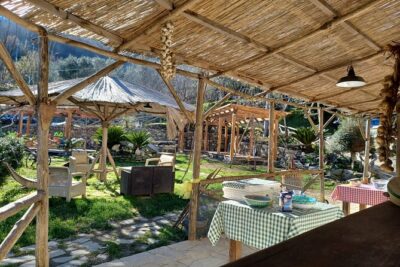
Authentic Farm Tour with Pizza, Cheese, Wine & Limoncello Tasting
Read our review →Lists this farm appears in