
Reviewed · GUIDED
Catania: Pozzo di Gaspare Farm Guided Tour with Tastings
The most unusual part of this farm visit is an old well that still works. Dug by hand at the end of the 18th century, it reaches about 20 meters underground and includes galleries cut through lava stone. It gives the farm a story that goes far beyond rows of fruit trees. Giuseppe Mazzone, who leads the visit, also explains how his family has worked this land since 1943.
I like two things here: you see the crops in the ground instead of only hearing about them, and the tasting turns the lesson into a proper Sicilian food break. Fresh bread with olive oil, local cheese, cured meat, olives, and blood orange salad can make the final part feel more like lunch than a sample. The main consideration is transport: you must reach the farm entrance yourself, and the best flower displays come between March and May.
Key points to know before you book
- The ancient well is the farm’s centerpiece: See the 20-meter hand-dug well and its lava-stone galleries.
- Three important Sicilian crops share the tour: Learn about Etna extra virgin olive oil, blood oranges, and almonds.
- Giuseppe leads the visit in English: His explanations cover farming, family history, irrigation, and harvesting.
- The tasting is substantial for a two-hour outing: Expect farm olive oil with bread, plus local cheeses and cured meats, with seasonal additions such as olives and orange salad.
- March to May brings the most flowers: Orange blossom, olive flowers, and almond flowers are the seasonal draw.
- You arrange your own transport: The farm is a few kilometers from Catania and the airport, with the meeting point at the entrance gate.
A working farm near Catania, not a staged attraction
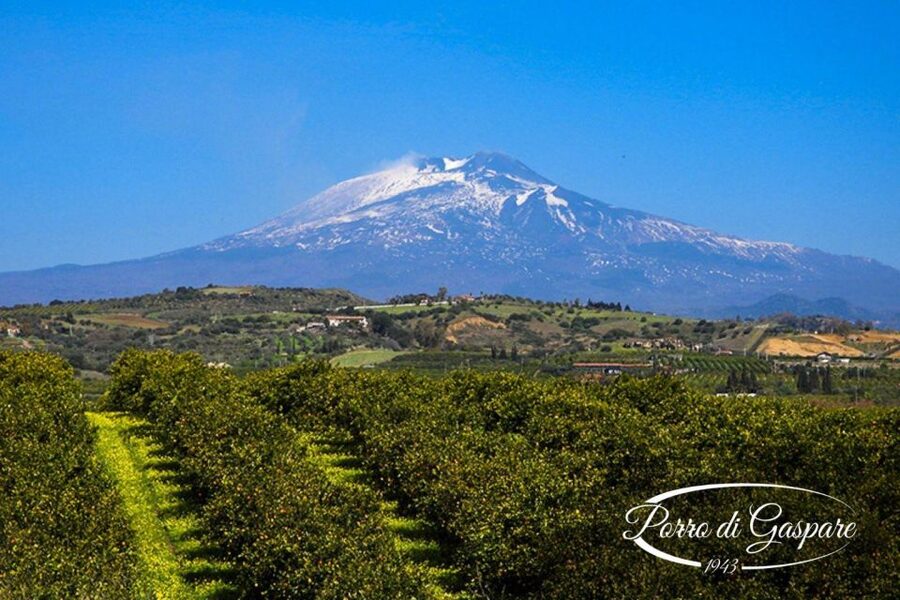
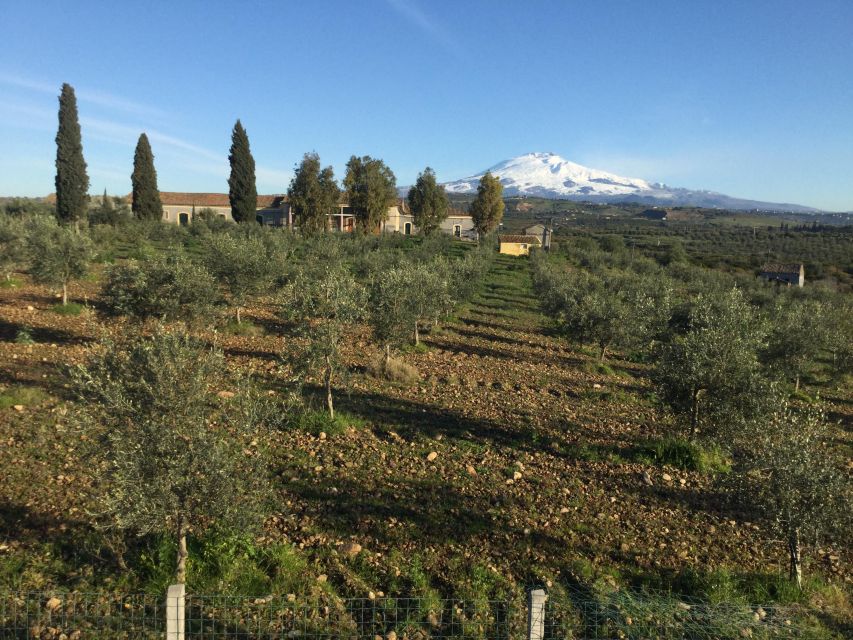
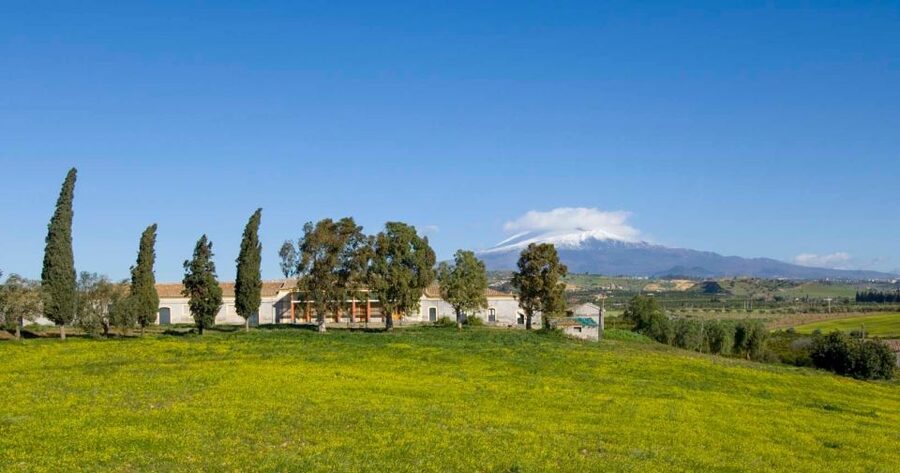
Pozzo di Gaspare lies in the Catania plain, in the territory of Motta S. Anastasia. The nearby village developed on a high basaltic cliff, and the farm itself has a distinctly volcanic setting. From the property, you may have views toward the countryside and Mount Etna, depending on conditions.
This is a working agricultural company spread over 42 hectares. Its main products are extra virgin olive oil from Etna, blood oranges, and almonds. The family has operated the farm since 1943, so the tour connects present-day production with several generations of local work.
That matters because you are not simply walking through a decorative orchard. You see land that has to be watered, pruned, harvested, and managed through changing seasons. Giuseppe explains the plants, the farming cycle, and the practical problems of keeping quality high while following family traditions.
The visit suits anyone who wants more than a quick food sample. You get a better sense of where Sicilian ingredients begin, why the seasons matter, and how much work lies behind a bottle of olive oil or a crate of oranges.
More Guided Tours in Italy:
- Guided tour of the Marsala Salt Pans and salt harvesting
★ 4.7 · 60 reviews - Alberobello: Guided e-bike tour + mill & donkey farm
★ 5.0 · 32 reviews - Catania: Guided Tour of Etna with Farm Visit & Food Tasting
★ 4.6 · 30 reviews
The 18th-century well and farmhouse
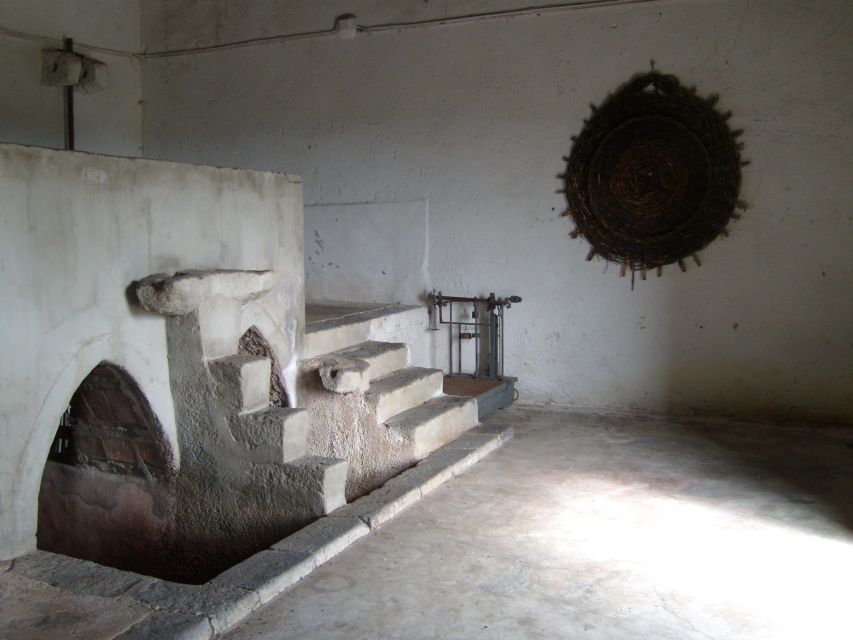
The name Pozzo di Gaspare comes from the historic well on the property. A master builder named Gaspare dug it by hand at the end of the 18th century to supply water to the nearby farmhouse, which also dates from that period.
The well is about 20 meters deep. Inside, lava-stone galleries add to its interest and show how people once worked with the volcanic material beneath their feet. It is not a grand monument, but it is an unusual piece of farm engineering. It also explains why water has always been central to the property.
You see the well and the old farmhouse as part of the guided visit. The historic structures help put modern irrigation and agricultural methods into context. You can picture the property as a place where water, stone, crops, and family labor have been tied together for centuries.
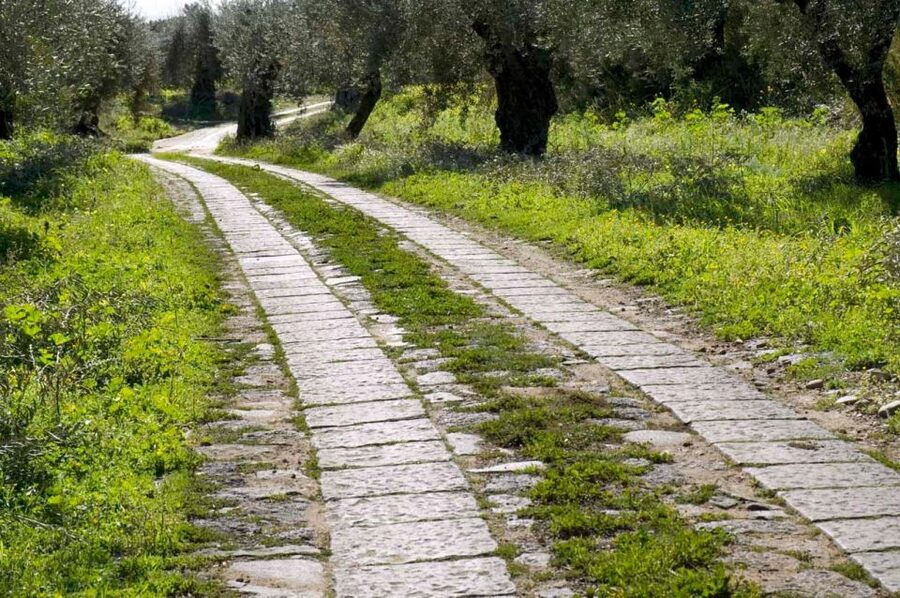
Bring sensible shoes. The farm visit involves walking outdoors, and the property includes handcrafted volcanic stone underfoot. A hat, sunscreen, and a camera are also sensible choices, particularly in warmer months.
Walking among oranges, olives, and almonds
The main walk explains the farm from blossom to harvest. Rather than treating each crop as a separate display, Giuseppe shows how the trees change through the year and what farmers must do at each stage.
Blood oranges are the most distinctive crop for many visitors. Sicily is closely associated with these oranges, and seeing the trees in their growing environment gives you a clearer idea of the product before it reaches a market or restaurant. The tour also covers harvesting and the characteristics of the fruit.
Olive trees bring the discussion toward oil production. You learn how the olives are grown and how the farm produces its own EVO oil. The emphasis is not just on tasting a pleasant condiment. Giuseppe explains the work behind the bottle, including plant care, water use, and the steps that affect the final flavor.
Almond trees complete the trio. In the right season, their white flowers are especially attractive, and the tour explains how the trees move from flowering to fruit. This is useful context if you have only encountered almonds as a finished ingredient in pastries, sauces, or snacks.
The walk is strongest in spring. From March through May, you can see the white and fragrant flowers of the orange trees, known as zagara, along with olive and almond blossoms. Flowering depends on the season, of course, but this period gives you the best chance to see the farm at its most colorful and aromatic.
Outside spring, the tour still has value. You can focus more on the fruit, the trees, irrigation, and harvesting cycle. Summer can be hot, so an early starting time and sun protection matter. In winter, the orchards offer a quieter view of the farm, with the food tasting providing a welcome indoor or sheltered finish.
Giuseppe’s practical view of Sicilian agriculture
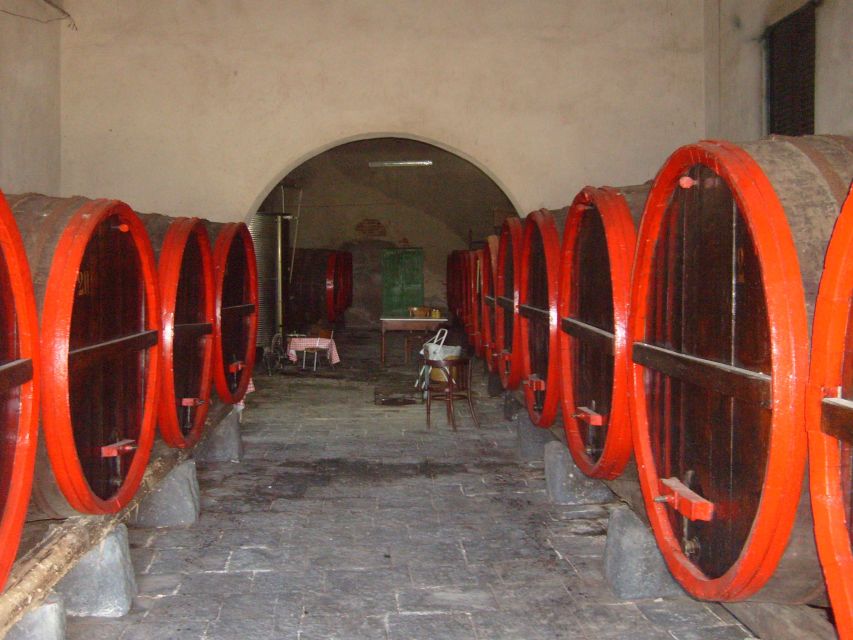
Giuseppe is more than a person who points out trees. His explanations cover family history, crop management, irrigation, and the pressures of running a farm while maintaining product quality.
One useful part of the visit is the contrast between older and newer methods. The historic well and old irrigation systems show how the farm once handled water. Giuseppe also explains newer efforts to reduce water loss and plans connected with solar power. These details give you a grounded look at sustainability rather than a vague promise that the farm is environmentally friendly.
The farm’s scale also adds perspective. Forty-two hectares is large enough for serious production, but the family connection remains visible in the way the property and products are presented. You hear about the challenges of preserving established methods while adapting to modern needs.
The tour is offered in English. That makes it a practical choice for international visitors who want a technical explanation of farming without relying only on signs or a translated handout. The pace is described as a walk packed with information, so allow time to stop, look closely, and ask questions.
More Farm Tours in Italy:
- Florence Pizza or Pasta Class with Gelato Making at a Tuscan Farm
★ 5.0 · 6,801 reviews - Cooking Class and Lunch at a Tuscan Farmhouse with Local Market Tour from Florence
★ 5.0 · 4,831 reviews - Sorrento Farm and Food Experience including Olive Oil, Limoncello, Wine tasting
★ 5.0 · 2,524 reviews - Sorrento: Pizza Lesson, Wine, and Limoncello at a Local Farm
★ 5.0 · 1,513 reviews
The tasting: olive oil first, then a Sicilian table
The tasting is the reward at the end, and it is a substantial part of the experience. You sample EVO oil made on the farm, usually with fresh bread. The simplest tasting can be the most revealing: bread, good olive oil, a little salt, pepper, or dried oregano lets you notice the oil’s character without other strong flavors getting in the way.
Local cheeses and cured meats are included, along with olives. Seasonal and farm-connected dishes can include blood orange salad, a classic Sicilian combination that balances the fruit’s sweetness and bitterness with savory ingredients.
Some visits have included a light meal or even a generous lunch rather than a tiny tasting plate. You should think of the food as a hearty tasting experience, but the exact amount can vary. The stated inclusions are EVO oil, local cheeses, and cured meats, while bread, olives, and orange salad have also been served during visits.
The blood orange salad is worth paying attention to. It shows how the farm’s products can work together on the same table, rather than treating the orange as a sweet snack and the oil as a separate souvenir. The setting also matters. When weather permits, the meal can take place outdoors near the farm buildings and orchards.
You may have the chance to buy olive oil to take home. The oil can be dispensed into cans, including liter containers. If you plan to purchase some, pack with luggage space in mind and check current transport rules for liquids before flying.
Is $41 a fair price for two hours?
At $41 per person, this is not the cheapest way to spend two hours near Catania. It is also more than a basic olive oil sampling. The price includes a guided farm walk, access to the historic well and farmhouse, an English-language explanation of three crops, and a tasting of the farm’s EVO oil with local food.
The value improves if you would otherwise pay for a separate meal. The tasting can include enough bread, cheese, cured meat, olives, and seasonal dishes to feel like a light lunch. That is not guaranteed as a fixed menu, so I would book it for the combination of farm visit and tasting, not solely for a full meal.
You also save time compared with trying to find a producer, arrange a visit, and locate a food tasting independently. The farm is a few kilometers from central Catania and the airport, which can make it a useful stop at the start or end of a Sicily trip if your transport plans fit.
The weak point is that transportation is not included. You need to reach the entrance gate yourself. If you do not have a car, check the route and local transport options before booking. The activity does not include a transfer service in the stated price.
Free cancellation up to 24 hours before the visit and reserve-now, pay-later terms make the booking less rigid. Starting times vary, so check availability for the date you want.
Who will enjoy this farm visit most?
I would choose this tour for food-focused visitors, families, couples, and anyone who wants a break from city streets. It gives children something concrete to see, including trees, fruit, old stonework, and the well, though younger children should be watched around historic structures and uneven ground.
It is also a good fit for visitors curious about Sicily beyond famous churches and archaeological sites. You learn how the island’s food is produced and how volcanic soil, seasonal weather, water, and family labor shape the result.
The tour is less suitable if you want a fast photo stop with little explanation. Giuseppe gives detailed information about the farm and its methods, so the experience works best when you are willing to walk and listen.
The two-hour length is manageable for most itineraries. Still, allow extra time if you expect a relaxed tasting, questions, or a purchase of olive oil. The official duration covers the activity, not your travel to and from the farm.
Practical advice for planning your visit
Choose March through May if flowers are important to you. Zagara, olive, and almond blossoms are the seasonal highlight, and spring also offers comfortable conditions for walking.
In hot weather, wear light clothing, a hat, and sunscreen. Comfortable shoes are essential year-round. The property is agricultural rather than a polished urban venue, so dress for outdoor walking.
Bring a camera, especially in spring or when Mount Etna is visible. The old well, lava-stone details, orchard rows, and farmhouse provide more interesting subjects than a standard food shop.
If you are visiting from Catania airport, the farm’s location a few kilometers away may be convenient. But do not assume that nearby means walkable or simple by public transport. Plan your own arrival at the entrance gate.
For the best experience, treat the tasting as part of the lesson. Taste the oil on bread, compare it with the other foods, and ask how the products move from the farm to the table. That is where the visit becomes more than a pleasant snack.
Should you book Pozzo di Gaspare?
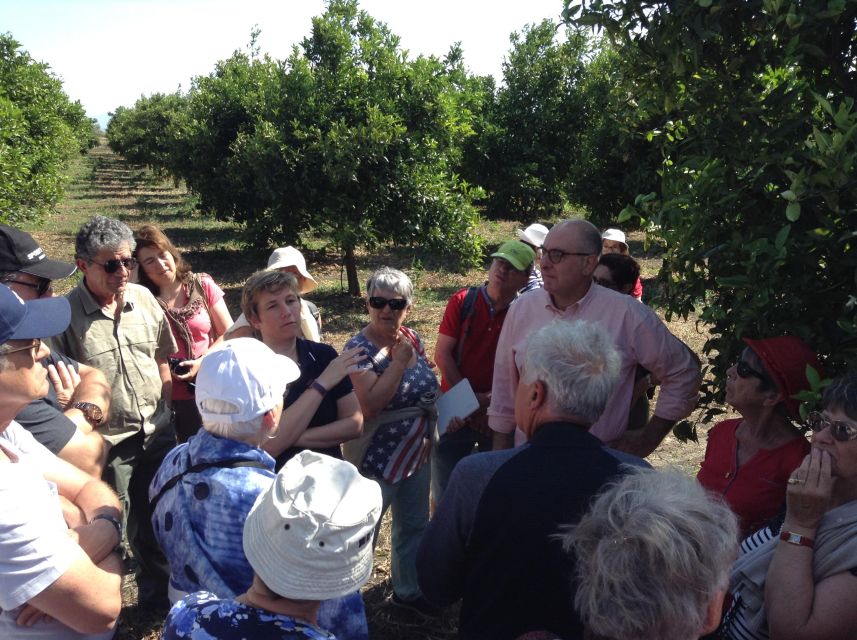
Book it if you want local food with a clear sense of place. The old well, volcanic stone, family history, orchard walk, and generous tasting give the experience several layers. You are not only sampling olive oil. You are seeing the land, the water systems, the crops, and the people who keep the farm working.
I would be especially keen to visit between March and May for the blossoms. Outside that window, I would still recommend it for the farm explanation and food, provided you arrange transportation and are comfortable walking outdoors.
Skip it if you have only a short stop in Catania and want a central activity with no transport planning. For everyone else, $41 is a reasonable price for a two-hour visit that can also cover a light meal and introduce you to three important Sicilian products.
FAQ
Where is Pozzo di Gaspare Farm?
The farm is in the Catania plain, in the territory of Motta S. Anastasia. It is located a few kilometers from central Catania and the airport.
How long does the farm tour last?
The activity lasts two hours. Starting times depend on availability for your chosen date.
What language is the tour offered in?
The live guided tour is offered in English. Giuseppe Mazzone leads the visit.
What products are made at the farm?
The family farm produces extra virgin olive oil from Etna, blood oranges, and almonds. The property has operated since 1943.
What will I see during the visit?
You will walk through the farm, see the orchards, learn about flowering and harvesting, and view the historic farmhouse and hand-dug well. The well is about 20 meters deep and contains lava-stone galleries.
What food is included in the tasting?
The stated tasting includes EVO oil produced at the farm, local cheeses, and cured meats. Bread, olives, and blood orange salad have also been served during the food portion.
When is the best time to see the flowers?
March through May is the best period for seeing the fragrant white orange blossoms, olive flowers, and almond flowers.
Is transportation included?
No. Transportation to and from the farm is not included. The meeting point is at the farm entrance gate, so you must arrange your own arrival.
Just added around Italy
- Volterra: Fresh Pasta Cooking Class at a Tuscan Farmhouse★ 5.0 · 33 reviews
- Volterra: Pizza Cooking Class in a tuscan farmhouse★ 4.6 · 11 reviews
- Visit Siena and San Gimignano with lunch at a family farm★ 5.0 · 8 reviews
- Turin: Meet the Monviso Alpacas at the Educational Farm with a Guide★ 5.0 · 5 reviews
- Bardolino: Garda Lake Pasta Cooking Class at the Agritourism★ 5.0 · 32 reviews
- Rialto Farmers & Fish Market Food Tour in Venice with Wine Tasting & Sightseeing★ 5.0 · 3 reviews
- La Maliosa Farm Experience & Wine Tasting★ 4.5 · 29 reviews
- Traditional Farmhouse Cooking Experience in Lucca with Lunch or Dinner★ 5.0 · 34 reviews
Guided, compared.
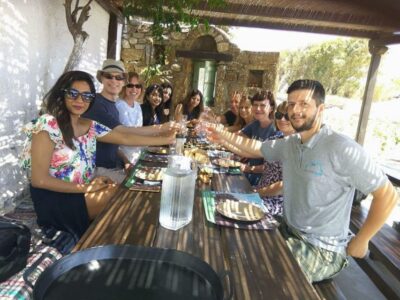
Farm, Ano Mera Village, and Beaches Guided Tour
Read our review →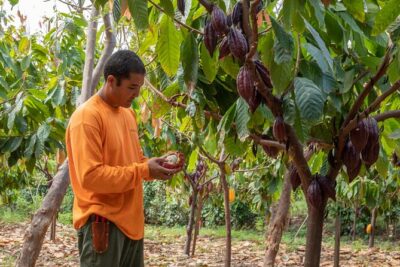
Maui Ku’ia Estate Guided Cacao Farm Tour and Tasting
Read our review →
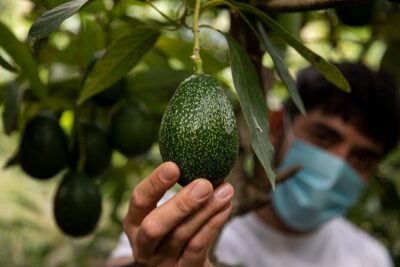
Maui Ku’ia Estate Guided Cacao Farm Tour & Tasting
Read our review →
Rockhampton: Koorana Crocodile Farm Guided Tour
Read our review →
Nelson: Guided Quad Biking Tour Through Forest and Farmland
Read our review →
Hawaii Kipu Ranch PowerLine Zipline with Guide
Read our review →Lists this farm appears in