
Reviewed · LUNCH EXPERIENCES
Évora: Cork Factory and Cork Farm Lunch included
Cork is not just a souvenir from Portugal. It is a living part of Alentejo’s economy, countryside, and daily life, and this full-day outing shows you why. You’ll visit a working cork factory, eat lunch at a family-run restaurant, and walk through the montado, the oak country that gives the region its character.
I like the personal touch from guides such as Telma and Pedro, who explain the work through local experience rather than a stack of dry facts. I also like the mix of industry, food, farming, and ancient sites. The main caution is the afternoon farm and Neolithic village visit, which may feel more educational and youth-oriented than the morning program.
Key points to know before booking
- Cork from tree to finished product: See how harvested cork is processed and turned into many useful goods.
- A family restaurant lunch: Enjoy traditional Alentejo food in a local setting, with drinks paid separately.
- The working montado: Learn how cork and holm oaks support farming, wildlife, and rural life.
- Ancient stones on the farm: Visit a prehistoric cromlech and a reconstruction of a Neolithic village.
- Pickup and drop-off included: The tour is designed to work well for visitors staying in Évora.
- Best for curious walkers: Comfortable shoes, water, and sun protection matter on this eight-hour day.
Why cork tells the story of Alentejo
The most interesting part of this excursion is that cork becomes a doorway into the whole region. You are not simply touring a factory and then looking at a few trees. You are following one material through local industry, rural work, food, and long human history.
Alentejo is one of the places where cork feels like more than a product on a shop shelf. The cork oak and holm oak shape the scenery and support local activity. The tour gives you a chance to see that connection in practical terms, from factory production to the open farm country where cork is harvested.
I like this approach because it gives context to souvenirs you may already have seen in Lisbon or Évora. A cork wallet or coaster can seem like a clever Portuguese gift. After this visit, you will understand the trees, labor, and processing behind it.
The day lasts eight hours, so this is not a quick side trip. It works best when you want to give a full day to the countryside around Évora rather than fit in another city attraction. Transportation from your accommodation makes the day easier, especially if you are arriving from Lisbon or do not have a car.
More Lunch Experiences in Portugal:
- From Porto: 2 Wine Regions, Farm Lunch, and Boat Ride
★ 4.8 · 233 reviews - Traditional Cooking Class, Farm Tour & Lunch in the Douro Valley
★ 5.0 · 46 reviews - Douro Valley: Traditional Cooking Class, Farm Tour and Lunch
★ 5.0 · 28 reviews
Inside the cork factory
The factory visit is the practical heart of the morning. You will learn about the full process of transforming cork into finished products, not just hear a short explanation before being sent to a shop.
That matters because cork production is easy to misunderstand. The factory lets you see the material as an industrial product, with hundreds of items showing how widely cork can be used. The range of goods helps explain why this light, flexible material has such a strong place in Portuguese commerce.
Your guide provides the local connection. Pedro has been praised for explaining cork production, farming, and the traditions he grew up with in the region. Telma is also described as energetic, clear, and comfortable handling the day. The exact guide may vary, but the experience is designed around English and Portuguese explanations.
I would pay close attention here and ask questions. The factory is not merely a place to buy something. It is where the tour makes the link between the cork oak outside and the finished object in your hand.
This stop is especially useful if you enjoy seeing how local goods are made. It is less suited to someone who wants only scenic viewpoints or ancient monuments. The factory adds working life to a day that could otherwise become a simple countryside drive.
Lunch at a family-run Alentejo restaurant
Lunch is one of the strongest reasons to choose this experience. You eat a traditional Alentejo meal at a typical restaurant, and the setting has a personal connection to the guides. In some departures, the meal takes place at Telma’s family restaurant, where her father helps host the table.
That changes the tone. You are not being moved through a standard tourist buffet. You are spending time in a family business tied to the area, with the kind of welcome that makes lunch feel like part of the cultural visit rather than a scheduled fuel stop.
The meal is described as delicious and leisurely, though the exact dishes are not specified. You should expect local flavors, but do not book this on the assumption that a particular menu item will be served. Drinks are not included, so budget for them separately.
I like the pause in the middle of the day. A full morning at the factory can be information-heavy, and lunch gives you time to sit, eat, and talk with your guide. It also gives the day a human scale. The tour is not only about cork as a business. It is about the people and families who live around that business.
If you have dietary needs, the supplied details do not explain how they are handled. Ask the provider before booking if food is a concern.
Walking through the Alentejo montado
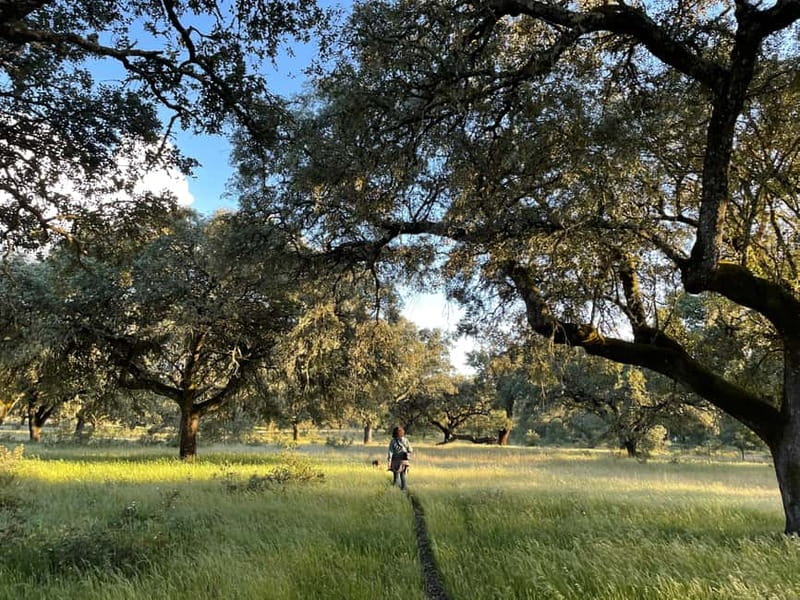
After lunch, the tour continues at an Alentejo farm. Here you see the montado, the region’s familiar oak country, and learn how cork harvesting works.
The key point is that this is not just a pretty stand of trees. It is a working system where nature and agriculture share the same space. You will see cork oaks and holm oaks, hear about their role in local farming, and gain a clearer sense of how people use the land without reducing it to a single crop.
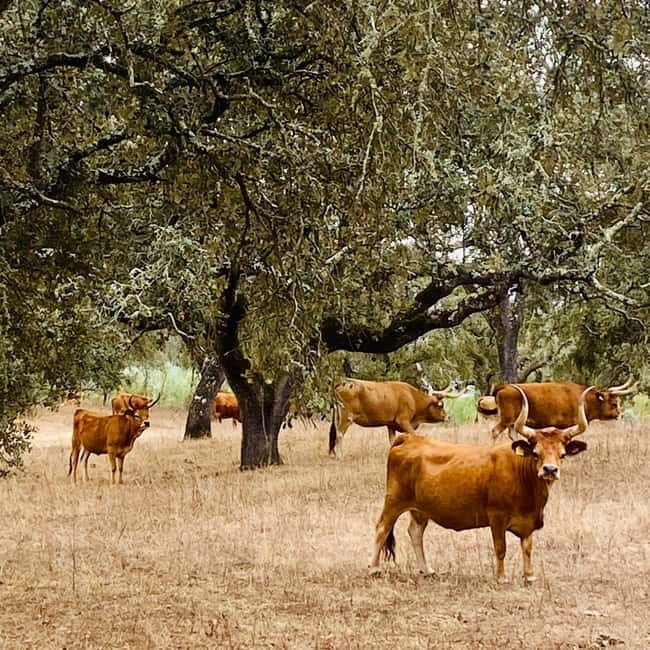
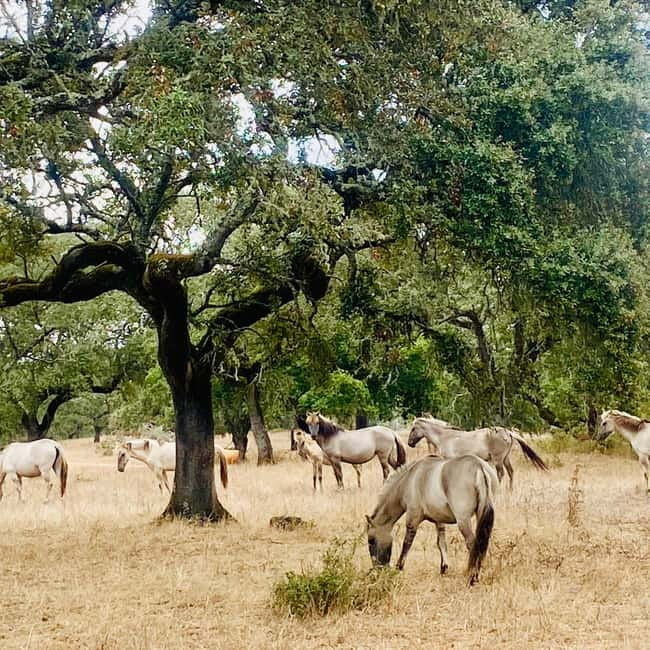
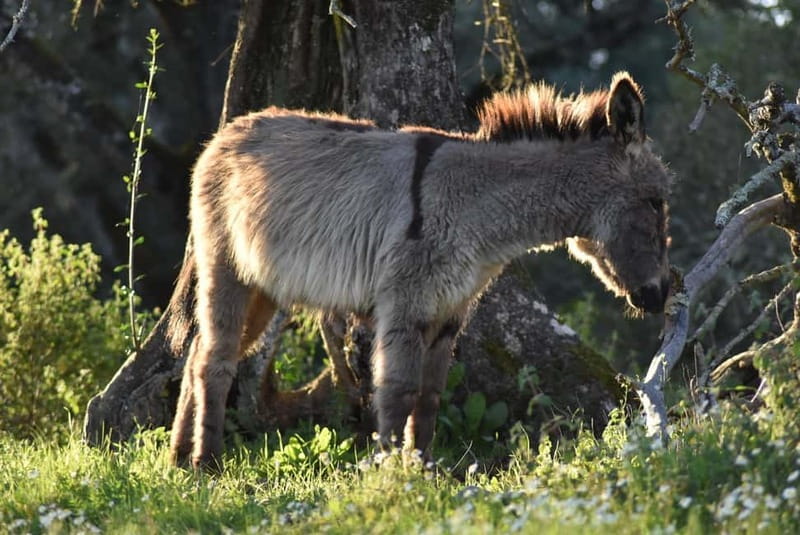
The farm also has animals, giving the afternoon a more grounded feel. You are not visiting a staged display of rural life. You are seeing an estate where agricultural activity and the natural setting exist side by side.
The amount of walking may vary with the day’s conditions, but the instructions clearly call for comfortable shoes and clothing suitable for walking. Bring water and a sun hat. Alentejo can feel exposed, and the tour operators specifically advise protection from the sun.
This section will appeal to you if you like rural places, traditional work, and environmental questions. You will come away with a better idea of why cork is often described as a sustainable material, while also seeing that sustainability depends on careful land use and local knowledge.
One useful point from the experience is its flexibility. Bad weather has led the guides to adapt the afternoon program while keeping the day worthwhile. That is reassuring in a region where outdoor visits can be affected by heat or rain.
More Farm Tours in Portugal:
- “Re-Canto” Farm-to-Table with Stunning Views at Madeira
★ 5.0 · 87 reviews - Join In On Our Farmers Table
★ 4.5 · 65 reviews - Alpaca Farm MamaAdama Meet & Feed
★ 5.0 · 39 reviews - Madeira : Santo de Serra Local Farmers’ Market half day trip
★ 4.3 · 26 reviews
The cromlech and Neolithic village reconstruction
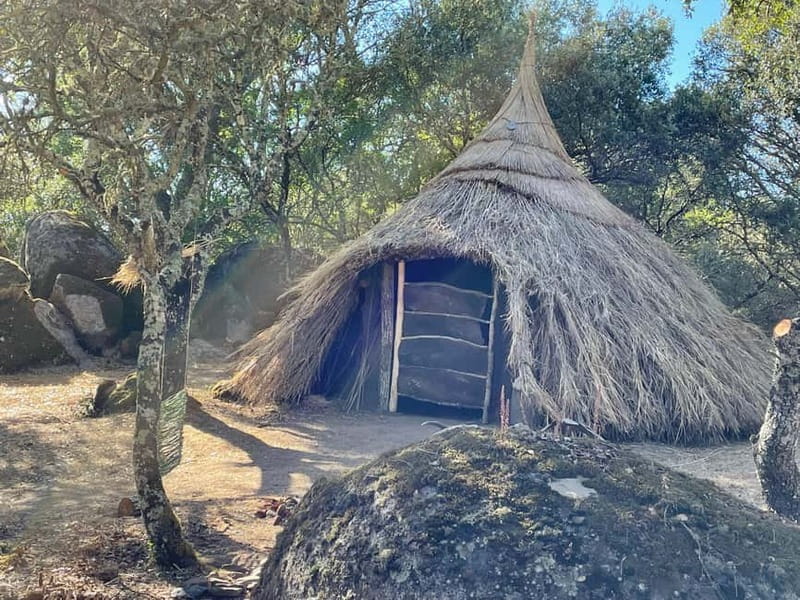
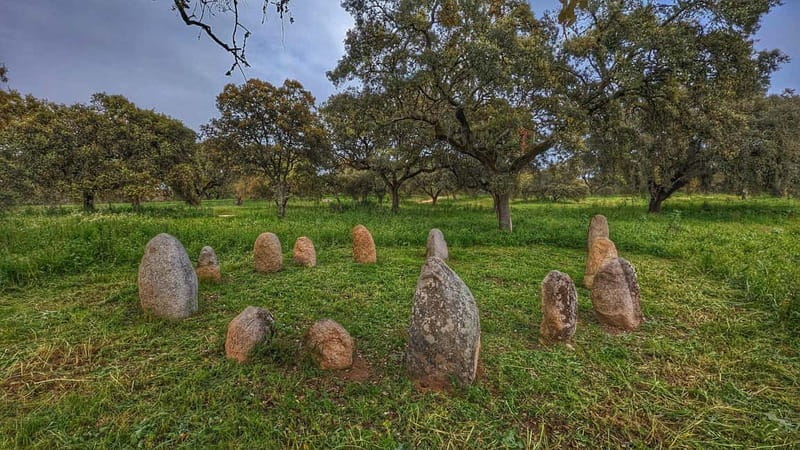
The farm visit also includes a recreation of a prehistoric cromlech and a reconstruction of a Neolithic village. These stops connect the present-day farm to the people who lived in Alentejo thousands of years ago.
A cromlech is a prehistoric stone arrangement. Seeing one on the property adds another layer to the day: cork production belongs to the present, while the standing stones point toward a much older relationship between people and this region.
The Neolithic village reconstruction is more interpretive. It is intended to help you picture how early communities may have lived, worked, and processed food. The site can be useful for families and anyone who enjoys hands-on history.
Here is the honest caveat: adults looking for major archaeological ruins may find the reconstruction fairly basic. It can feel aimed at a younger school audience, especially after the more distinctive factory visit and family lunch. Some people may feel ready to finish after lunch, while others will enjoy the extra context.
I would treat this section as an educational add-on rather than the main reason to book. The standing stones have a stronger sense of place. The reconstructed village is valuable because it makes otherwise distant prehistory easier to picture, but it is not the same as visiting a large, untouched archaeological site.
The visit may also include an explanation of acorn processing, another small but useful detail that shows how older food practices connect with the oak country.
How the guides shape the day
The quality of this experience depends heavily on the guide, and the named hosts receive unusually warm praise. Telma is described as energetic, personable, and easy to understand. Pedro brings strong local knowledge of cork, farming, and community life. Zé has also guided the day.
That local connection matters because several stops are ordinary working places rather than famous monuments. A factory can feel flat without explanation. A farm can look like a field of trees without someone showing you how harvesting works. A family restaurant can become just another lunch unless the people and place are connected.
The guides also help with changes. One departure faced heavy rain in the forecast, and the itinerary was adjusted while still including local producers and rural life. You should not expect every stop to follow a rigid script. The order or amount of time outdoors may change when conditions require it.
There is one practical concern with the vehicle. One person found it difficult to hear the guide from the third row because of van noise. If you have hearing difficulties, ask about seating when possible, and try to sit closer to the front. This is a small issue, but it can affect how much you take from the explanations.
The guide language is English and Portuguese. If you want a day built around conversation and questions, this is a better fit than an outing with only brief commentary.
Is the $117 price a good value?
At $117 per person, the price is reasonable if you value variety and included transportation. You are paying for an eight-hour experience that combines a factory visit, a meal, a farm visit, guiding, and prehistoric sites.
The value is strongest for visitors without a car. Pickup and drop-off from your accommodation in Évora remove the hassle of finding the factory and farm yourself. The same is true if you are arranging the outing while coming from Lisbon, since the provider has helped coordinate transfers around Évora.
The lunch also adds real value, especially because it can take place at a family-owned restaurant connected to the guide. Remember that drinks are extra, so the final cost will be slightly higher than the advertised amount.
This is not the cheapest way to see countryside near Évora, nor is it meant to be. A self-drive day might cost less for a group, but you would need to arrange the route, find the factory, understand the cork process, and locate the farm sites. You would also miss the personal explanations from Telma, Pedro, or another local guide.
For me, the price makes the most sense when you want one well-organized day with several different experiences. It is less compelling if your main goal is a long, quiet walk or a serious archaeological visit.
Who should book this Évora day trip?
I would recommend it to you if you want to understand Alentejo through its working life. The tour suits couples, families, first-time visitors to the region, and anyone curious about Portuguese products beyond wine and food.
It is particularly good for:
- People who enjoy seeing how things are made
- Visitors who want a local lunch rather than a generic restaurant stop
- Anyone interested in cork, farming, sustainability, or rural economies
- Families who will enjoy the Neolithic village reconstruction
- Visitors without a rental car
- People who want English-language guiding and hotel pickup
You should think twice if you dislike long touring days, outdoor walking, or educational reconstructions. The afternoon may feel slow if your interests stop at food and factory work. People with animal allergies should also note that the experience is not suitable for them.
Wheelchair users should not book this activity, since it is listed as unsuitable for wheelchair access. Comfortable shoes are important, and water, a camera, and a sun hat belong in your day bag.
Should you book it?
Book this tour if you want a personal look at how cork, farming, food, and ancient history meet in Alentejo. The factory, family restaurant, and farm make a well-rounded day, while Telma and Pedro add the local voice that turns separate stops into a connected story.
Skip it if you want a short excursion focused only on Évora’s monuments or if the idea of a reconstructed Neolithic village sounds unappealing. The strongest parts are the cork factory, the family lunch, and the working montado. The afternoon archaeology is worthwhile, but it is more educational than grand.
With free cancellation up to 24 hours ahead and the option to reserve now and pay later, the booking terms are flexible. For most visitors who have a full day available and want to see a more rural side of Portugal, this is a thoughtful and useful choice.
FAQ
How long does the cork and farm experience last?
The experience lasts eight hours. Starting times depend on availability.
What is included in the price?
The price includes transportation from your accommodation, a cork factory visit, a traditional Alentejo lunch, an Alentejo estate visit, and visits to a prehistoric cromlech and Neolithic village reconstruction.
Are drinks included with lunch?
No. Drinks at lunch are not included and must be paid for separately.
Where does transportation come from?
Transportation from your accommodation is included. Pickup and drop-off arrangements can be made around Évora.
Which languages are available?
The host or greeter languages are English and Portuguese.
What should I bring?
Bring comfortable shoes, suitable walking clothes, water, a sun hat, and a camera.
Is the tour suitable for wheelchair users?
No. The experience is listed as not suitable for wheelchair users.
Can I cancel the booking?
Yes. You can cancel up to 24 hours in advance for a full refund. You can also reserve now and pay later.
Just added around Portugal
- Half-Day Farm Visit and Cow Milking Experience★ 5.0 · 16 reviews
- Alpaca Farm MamaAdama Meet & Feed★ 5.0 · 39 reviews
- Ecotourism: Organic Farm & Animal Tour near Serra da Estrela★ 5.0 · 8 reviews
- Meditation Experience at a Lovely Farm in Porto★ 5.0 · 19 reviews
- Braga/Guimarães: 1 Day with Lunch + farm and wine tasting★ 5.0 · 3 reviews
- Douro Valley Private Tour: 2 Farms, Lunch & Boat Trip★ 4.5 · 13 reviews
- Algarve wine tour and farmer’s lunch at wine estate★ 5.0 · 14 reviews
- Wine Class Portugal wines in a small farm with a visit to the winery★ 5.0 · 2 reviews
Lunch Experiences, compared.
Cooking Class and Lunch at a Tuscan Farmhouse with Local Market Tour from Florence
Read our review →
Reindeer Camp and Sami Cultural Tour with Lunch
Read our review →
Montserrat Lunch & Wine at Farmhouse Small Group from Barcelona
Read our review →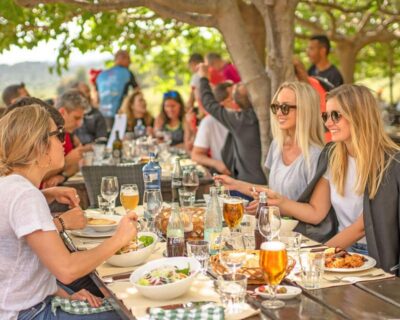
Montserrat Visit & Lunch at Farmhouse Small Group
Read our review →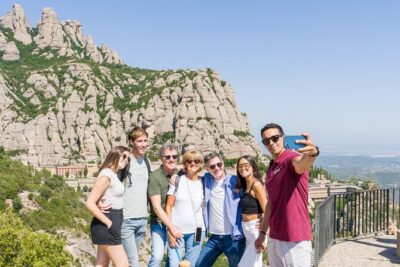
Montserrat Full Day Tour with Farmhouse Lunch and Winery Visit
Read our review →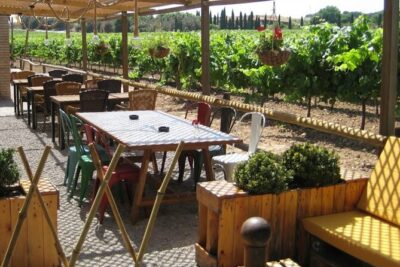
Montserrat & Winery Visit Tour with Traditional Farmhouse Lunch
Read our review →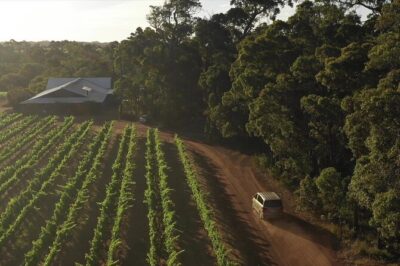
Hidden Gems: Boutique Full-Day Wine, Farm & Lunch Tour
Read our review →
Road to Hana Adventure with Farm to Table Lunch
Read our review →Lists this farm appears in