
Reviewed · ORGANIC FARM VISITS
From Ubud: Authentic Bali Farm Cooking School & Organic Farm
The best part of this Ubud cooking class is that the meal begins long before you reach the stove. In the morning, you can visit a traditional market, then head north to an 8,000-square-meter organic farm in Taro Village to pick ingredients and cook with them. I like the farm-to-table rhythm, and I like that you prepare a full meal rather than one token dish. The main consideration is time: five and a half hours is a generous stretch, and some of it involves repeated chopping.
This is a community-run cooking school, not a polished restaurant demonstration. The instructors guide you through six or more Balinese dishes, adjust for different diets, and serve everything you make for lunch. Bring an appetite. One useful detail from the practical side: the activity begins and ends at Ubud Central Parking, though shuttle transport may be available from there.
At a glance
- Morning market visit: See local produce, spices, fruit, and unfamiliar ingredients before cooking. The market portion applies to the morning experience.
- Organic farm setting: Walk through the gardens, learn about sustainable growing, and pick vegetables for your meal.
- Six or more dishes: Prepare appetizers, main dishes, and dessert, then eat the food you have made.
- Recipe book included: Take home printed and PDF recipes with substitutions, cooking advice, and links to technique videos.
- Small-group format: The maximum group size is 20 people, with English instruction throughout.
- Good value at $38: The price covers transport in an air-conditioned vehicle, ingredients, lunch, drinks, utensils, apron, and the class itself.
From Ubud market stalls to Taro Village gardens
The morning version starts at a traditional market. This is one of the strongest parts of the outing because it gives the food some context before you begin cooking. Instead of meeting a prearranged basket of ingredients at the farm, you first see the raw materials in their everyday setting.
Expect unfamiliar fruit, fragrant spices, vegetables, and local delicacies. The market visit is educational rather than a major shopping trip, so think of it as a guided introduction to Balinese ingredients. You may also get to try fruit you have never seen before, which adds a pleasant tasting element to the walk.
The market is available with the morning session, not every departure. If this part matters to you, check the exact time when booking. One important practical point is that not everyone has received the same information about the market visit, so confirm that your chosen departure includes it rather than assuming every class does.
After the market, transport takes you north of Ubud to Taro Village. The drive adds a countryside component to the day, and the setting changes from town streets to a quieter farm environment. An air-conditioned vehicle is included, a real comfort in Bali’s heat, although one piece of feedback pointed to a bus that needed better cleaning. That sounds like a maintenance issue rather than a problem with the class itself, but it is fair to keep in mind.
More Organic Farm Visits in the world:
- Half-Day Thai Cooking Class at Organic Farm in Chiang Mai
★ 5.0 · 19,087 reviews - Ubud: Balinese Cooking Class at an Organic Farm
★ 5.0 · 1,786 reviews - Chiang Mai: Cooking Class with Organic Farm at Mama Noi
★ 4.9 · 1,151 reviews
Picking vegetables on an 8,000-square-meter organic farm
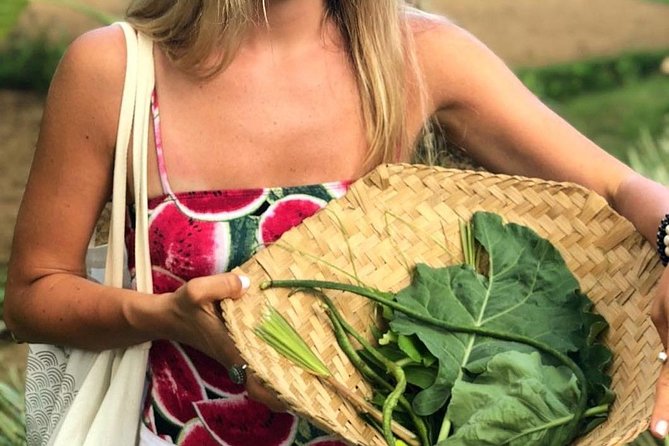
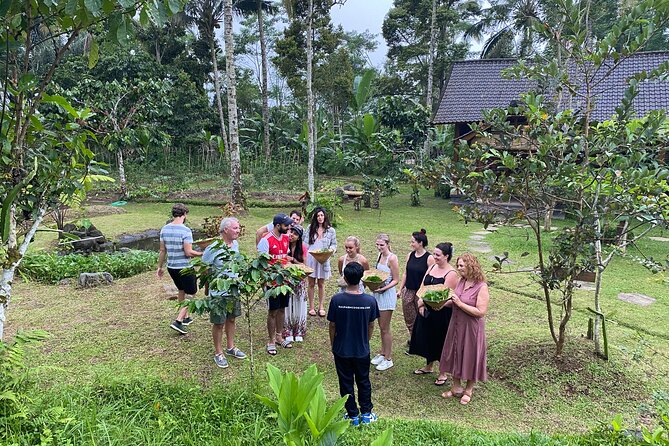
At Taman Dukuh, the garden is not just scenery. You walk through the growing areas, hear about organic farming and local plant life, and harvest some of the ingredients used in the class. This simple step changes how you think about the meal. You are not just following instructions from a recipe card. You are seeing where part of the meal begins.
The farm is described as family-run and community-based, with clean facilities and carefully maintained gardens. It is set in a quiet rural area, and the shady cooking space gives you a break from the sun. The gardens are a major reason to choose this class over a standard indoor cooking lesson in central Ubud.
The farm portion also helps explain Balinese cooking. Fresh herbs, chilies, vegetables, and spices are not decorative extras here. They form the base of the food. Picking them yourself makes the ingredients feel less anonymous, especially if you are encountering several of them for the first time.
You should wear practical clothes and shoes suitable for walking around a garden, though the provided apron helps protect your clothing during cooking. Bottled water, coffee, and tea are included. Alcohol and soda cost extra.
Preparing a full Balinese meal, not just a demonstration
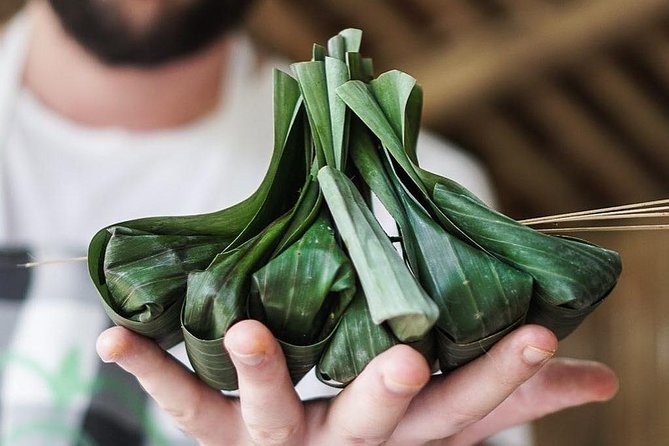
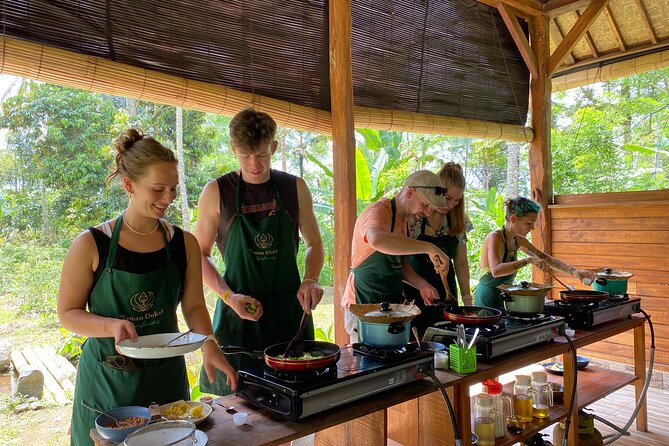
The class includes at least six dishes, with appetizers, main courses, and dessert. The exact menu can vary, but the format is hands-on. You chop, mix, season, cook, and assemble the dishes with guidance from the instructors.
That matters because many cooking classes look active but leave most of the real work to the chef. Here, the food you make becomes your lunch. You learn by doing, and the instructors step in when a technique or seasoning needs attention.
The English instruction is clear, and the class is designed for different cooking levels. You do not need advanced kitchen skills. The recipes are intended to be manageable at home, which is good news if you want to repeat the meal rather than admire it once and forget it.
There is one tradeoff. A large menu means a lot of preparation. One participant found the repeated chopping of onions and chilies tiring and wished the instructors had prepared more of the basic cutting so the class could spend more time on unfamiliar ingredients and techniques. That is a sensible criticism. If you enjoy the physical work of cooking, you will probably like the full participation. If you prefer a shorter, more technique-focused lesson, the five-and-a-half-hour format may feel long.
The maximum group size is 20. That is not an intimate private lesson, but the instructors are expected to guide everyone through the steps. A group can also be part of the fun, especially if you like meeting people from different countries over a shared meal.
The food and the final lunch
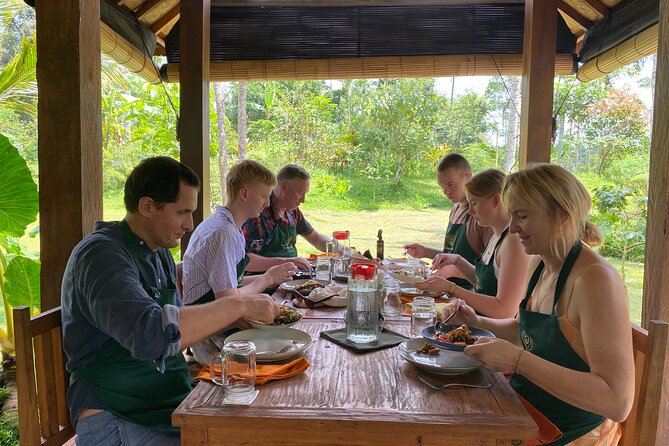
Once the dishes are ready, you eat what you prepared. This is not a tasting menu with tiny portions. The class is built around a substantial meal, so arriving hungry is practical advice.
The food has received especially strong praise, along with the recipes being easy to repeat at home. That combination is important. A dish can taste wonderful in Bali and still be hard to recreate because the ingredients, equipment, or instructions are unclear. Here, the recipe book includes ingredient substitutes, cooking tips, and links to technique videos.
You receive the recipes in print and PDF form. The PDF is useful if you want to save it on your phone or share it with family. Ingredient substitutions are also valuable outside Bali, where some fresh herbs and spices may be difficult to find.
Dietary needs can be accommodated, but tell the provider in advance. The class successfully handled a child’s nut allergy, which is encouraging, though you should still state allergies clearly before the cooking begins. Do not assume that every dietary concern will be handled automatically.
Coffee and tea are included, along with bottled water. Alcohol and soft drinks are available for purchase but are not part of the price.
More Cooking Classes in the world:
- Cooking Class and Lunch at a Tuscan Farmhouse with Local Market Tour from Florence
★ 5.0 · 4,831 reviews - Chiang Mai: Authentic Cooking Class with Market & Farm Visit
★ 4.9 · 4,546 reviews - Full Day Thai Cooking at Farm (Chiang Mai)
★ 5.0 · 1,127 reviews - Hands-On Cooking Class & Farmhouse Tour on the Amalfi Coast
★ 5.0 · 956 reviews
Why the community setting matters
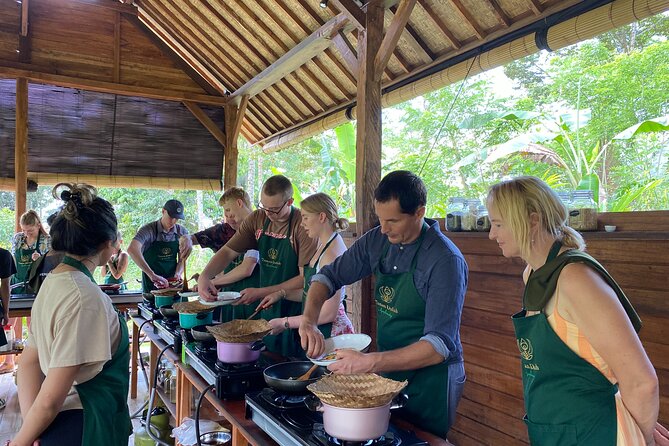
The cooking school presents food as part of village life rather than as a hotel activity. The farm, market, ingredients, and shared meal all connect. You see produce in the market, find some of it growing in the garden, then use it in the kitchen.
That connection is the real value of the outing. You are learning about Balinese food, but you are also getting a look at small-scale farming and local produce. The community-run setting gives the day a more personal feel than a classroom with stainless-steel workstations.
The instructors are a major part of the experience. Their role is not only to explain recipes. They answer questions, help correct technique, keep the pace moving, and add humor to what could otherwise become a long session of chopping. The strongest feedback focuses on their friendliness, patience, and ability to make beginners feel comfortable.
The cooking school is also part of a wider village experience provider. Additional activities, such as firefly watching and visits connected with traditional Balinese life, appear to be offered separately. They are not included in this cooking tour, so do not expect them as part of the five-and-a-half-hour schedule.
Is $38 a fair price for this Ubud cooking class?
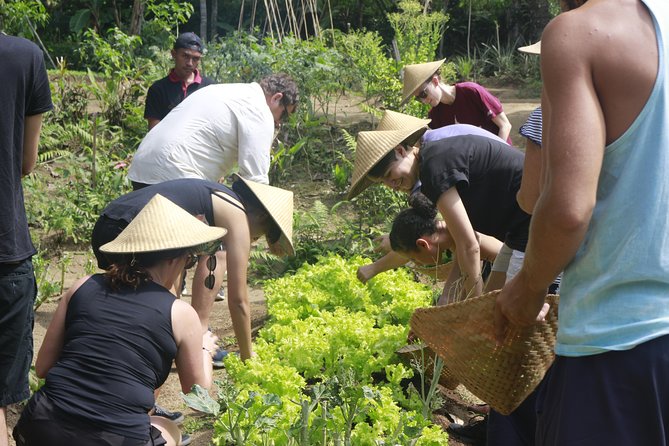
At $38 per person, this is good value if you want more than a short cooking lesson. The price covers the market component on the morning schedule, farm access, ingredients, the complete meal, cooking equipment, apron, bottled water, coffee or tea, and transport in an air-conditioned vehicle.
You are also paying for about five and a half hours of activity. That makes the price particularly reasonable for anyone who would otherwise pay separately for a meal, a farm visit, and a cooking class. The recipe book adds value after the holiday because it gives you a way to repeat the dishes.
The value is less clear if you dislike group activities or already have a full schedule of food tours in Bali. You will spend a large part of the day on one organized outing, and not all of that time is spent learning new techniques. Some of it is basic preparation.
Still, the combination of market, farm, cooking, and lunch is difficult to match at this price. It is a strong choice for couples, families, solo visitors who enjoy meeting people, and anyone who wants a cultural activity with a clear practical result.
Timing, meeting point, and what to bring
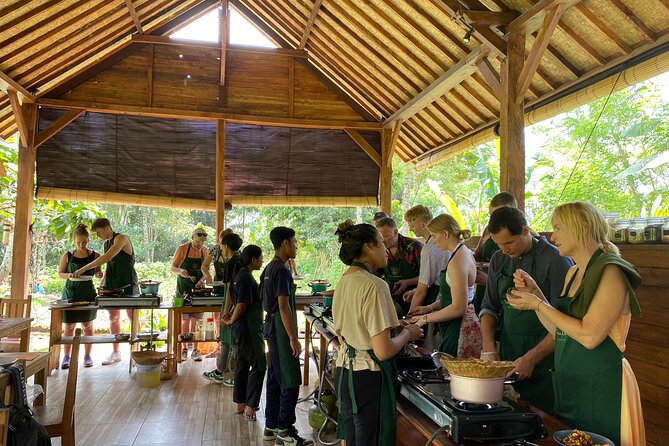
The listed meeting point is Ubud Central Parking, at Jl. Suweta No. 18. The activity ends back at the same meeting point. Shuttle transport is available from Ubud Central Parking, and some bookings may include pickup arrangements, but confirm the exact transport details for your reservation.
The experience lasts approximately five hours and 30 minutes. Morning departures offer the market visit, while the market is not part of every session. If you want the most complete version of the day, choose the morning option and verify the market inclusion.
You should bring:
- Comfortable clothing and shoes for the garden
- A water bottle if you prefer carrying your own, though bottled water is included
- Any allergy or dietary information
- A camera or phone for the farm and market
- An appetite for a large cooked meal
The activity requires good weather. If poor weather causes cancellation, you can choose another date or receive a full refund. The provider also requires a minimum number of participants, so a cancellation for that reason comes with the same choice of another date, another experience, or a refund.
Free cancellation is available up to 24 hours before the start time. Changes or cancellations inside that window are not accepted for a refund.
Who should book it?
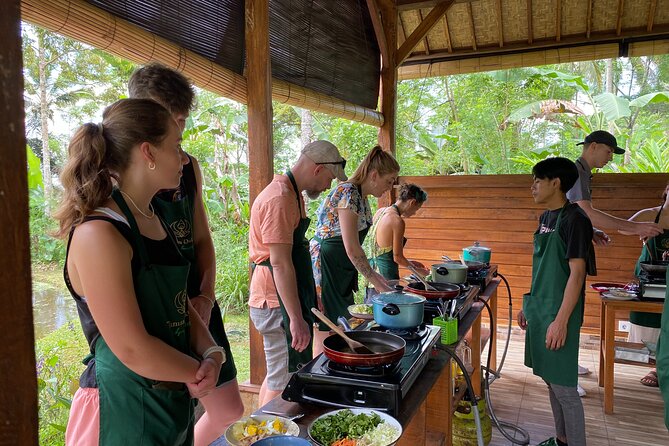
I would choose this class if you want to connect food with place. The farm makes the lesson feel grounded, and the market helps you recognize the ingredients before you handle them. It is especially suitable for first-time visitors to Bali who want one activity that combines food, countryside, and local agriculture.
Families can enjoy it, particularly if children like picking vegetables and working with their hands. Tell the school about allergies in advance. Couples and solo visitors should also find the shared table and group kitchen easy places to meet people.
You may want another option if your main goal is advanced culinary training. This class focuses on an enjoyable, accessible introduction to Balinese cooking. One advanced class is mentioned as a separate offering, but it is not part of this booking.
The same applies if you dislike long organized outings or repetitive preparation. Six or more dishes take time, and the chopping is part of the work. The reward is a large meal and a broad introduction to local flavors, not a quick one-hour lesson.
Should you book the Bali farm cooking class?
Yes, if you want a practical and friendly introduction to Balinese food, especially with the morning market visit. The strongest reasons to book are the organic farm setting, the chance to pick ingredients, the full lunch, and the useful recipe book you can take home.
Choose the morning departure, confirm the market visit, and tell the provider about allergies before you go. Expect a group class rather than private instruction, a fair amount of chopping, and a full five-and-a-half-hour schedule.
For $38, this is one of the more rounded food activities around Ubud. It gives you something to eat, something to learn, and something you can continue using after Bali.
FAQ
Where does the cooking class begin and end?
The activity begins at Ubud Central Parking, Jl. Suweta No. 18, Ubud. It ends back at the same meeting point.
How long does the experience last?
The cooking experience lasts approximately five hours and 30 minutes.
Does every session include a market visit?
No. The traditional market visit is included with the morning experience. Check your selected departure before booking if the market is important to you.
How many dishes will I prepare?
You will prepare six or more Indonesian dishes, including dessert, then eat the food you cook.
Is lunch included?
Yes. Lunch consists of the food prepared during the class. Coffee, tea, and bottled water are also included.
Are cooking tools and an apron provided?
Yes. Cooking utensils and an apron are included.
Can dietary needs or allergies be accommodated?
The school caters to various diets and has accommodated a nut allergy. You should provide allergy and dietary information before the class.
What is the cancellation policy?
You can cancel up to 24 hours before the experience for a full refund. Poor weather or failure to meet the minimum number of participants may lead to a choice of another date or a full refund.
Just added around the world
- Hoi An: Cycling – Water Buffalo Riding Farming and Fishing★ 5.0 · 2 reviews
- Paestum and Buffalo Farm Day Tour from Sorrento★ 5.0 · 3 reviews
- Balinese Cooking Class at Organic Farm★ 5.0 · 51 reviews
- Belém: Marajó Island Day Trip with Buffalo Farm Visit★ 4.0 · 16 reviews
- Cycling, Water Buffalo Riding, Traditional Farming Life★ 5.0 · 10 reviews
- Side, Alanya: Green Canyon Boat, Waterfall&Orchards Mix Tour★ 4.3 · 14 reviews
- Farmers Market visit & Turkish Cooking Class★ 5.0 · 60 reviews
- 2-Hour Alpaca Farm Experience in Kenilworth★ 4.5 · 14 reviews
Organic Farm Visits, compared.
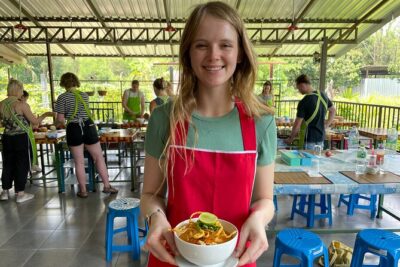
Half-Day Thai Cooking Class at Organic Farm in Chiang Mai
Read our review →
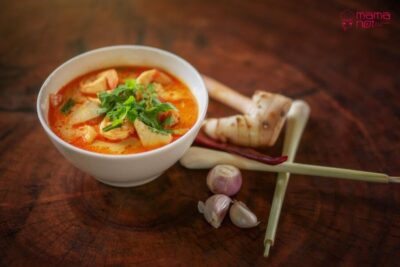
Cooking Class with Organic Farm in Chiang Mai at Mama Noi
Read our review →
Evening Cooking Class in Organic Farm with Local Market Tour
Read our review →
ATV to Macao Beach and Water Cave with Organic Farm
Read our review →
Morning Cooking Class in Organic Farm with Local Market Tour
Read our review →
Buggy Tour with Organic Farm, Macao Beach Visit from Punta Cana
Read our review →Lists this farm appears in