
Reviewed · SALT FARM TOURS
Kona: Hawaiian Salt Farm Tour
The unusual fact comes first: Kona Salt Farm draws deep ocean water and turns it into hand-harvested Hawaiian salt. It is Hawaii Island’s only working salt farm, and the farm describes itself as the only place in the world harvesting salt from this kind of deep ocean source. That gives this short tour more substance than a quick tasting stop.
I like the clear link between place and product, and I like the way the tasting comes after you see how the salt is made. Guides such as Ipo and Ipalani have been praised for bringing in Hawaiian culture, geography, ecology, and local stories. The main consideration is time: at 45 minutes, this is a compact introduction, not a long farm visit, and the open site can feel hot.
Key points to know before you go
- Deep ocean water is the star: Learn why Kona’s volcanic shoreline allows access to mineral-rich water below the surface.
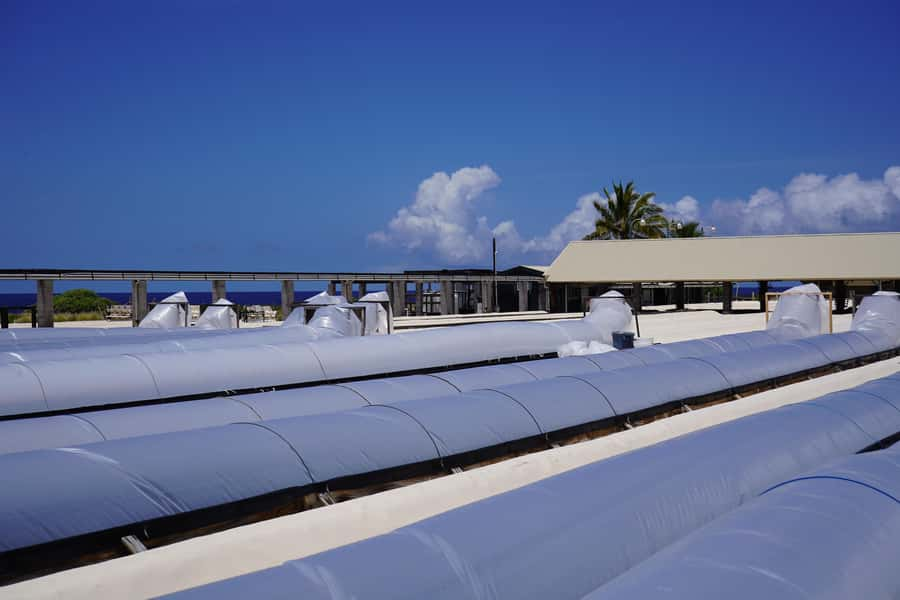
- The farm covers seven oceanfront acres: Expect coastal views, salt tunnels, hot houses, and drying areas rather than a polished indoor museum.
- The tasting is part of the visit: Sample flavored and smoked salts, then try the farm’s deep ocean magnesium mineral water.
- Guides add local context: Ipo and Ipalani have led visits that connect salt production with Hawaiian culture, Pele, science, and the island’s geography.
- The tour is short and gentle: The 45-minute pace suits a quick Kona stop, and one guide was specifically praised for making the walk manageable for someone using a cane.
- A foot soak may be available: It is not listed among the included items, but some visitors have added one after the tour.
Why a salt farm belongs on your Kona schedule
Kona is famous for beaches, coffee, volcanoes, and ocean activities. A salt farm gives you a different view of the island: not a grand natural sight, but a working operation shaped by sunlight, seawater, volcanic rock, and careful hand labor.
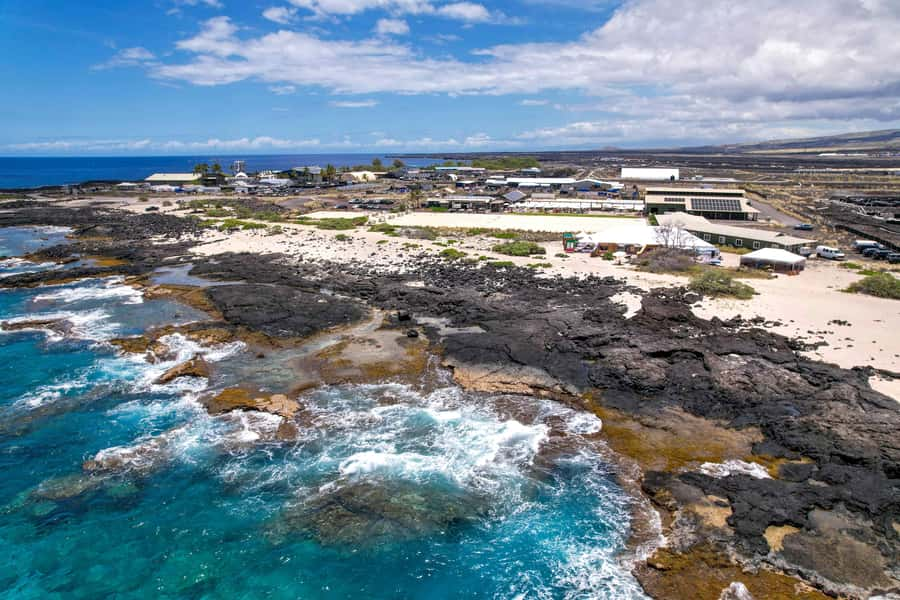
The farm sits on a seven-acre oceanfront property. You check in at the office after entering the Kona Sea Salt Farm driveway. From there, an English-speaking Salt Farm Manager guides you through the site and explains how the water moves through the operation.
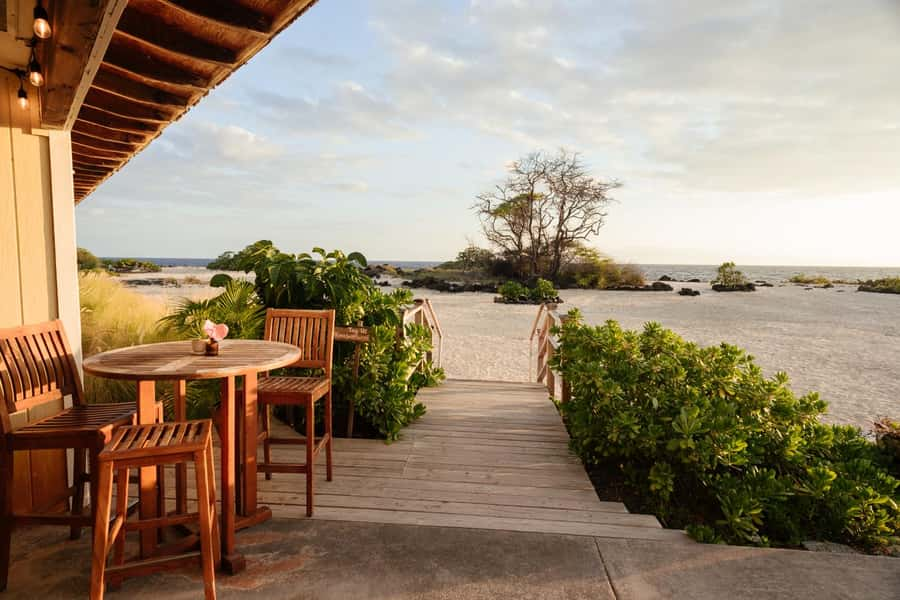
The setting matters. You are not learning about salt in a generic classroom. You are looking at the Pacific while hearing why this particular stretch of Hawaii Island is suited to the work. The turquoise water makes a fine backdrop, but the real value is the connection between the coastline and what ends up in the jar.
At $25 per person, I consider this a good-value stop for anyone who enjoys food, small-scale production, or local culture. The price is modest enough to fit into a larger Kona day, and the tasting gives you something immediate to enjoy. You are also paying for a live explanation of a process that most people only encounter at the grocery store.
More Salt Farm Tours in the USA:
- Hawaiian Salt Farm Tour in Kona
★ 5.0 · 767 reviews - Sunset Kona Salt Farm Tour
★ 5.0 · 55 reviews - Kona Salt Farm: Deep Ocean Cold Water Mineral Foot Soak
★ 4.7 · 23 reviews
Starting at the Kona Salt Farm office
The meeting point is simple: enter the farm driveway and check in at the office. If you use map directions, the listed coordinates are 19.7262318, -156.0586245.
The farm does not present itself as a large theme park attraction. That is part of its appeal. The visit begins at a working property, and the guide’s explanation carries much of the structure. I would arrive ready to listen, look around, and ask questions rather than expect a long list of formal exhibits.
The 45-minute length is useful if you are fitting this between other Kona plans. You can add it to a morning or afternoon without giving up half a day. At the same time, the short schedule means the guide has to keep things moving. If you want to linger over every salt variety or spend a long time taking photographs, you may wish the visit lasted longer.
The property is oceanfront, so bring practical sun protection. The supplied information does not specify shade, seating, or weather arrangements, so you should be prepared for an outdoor setting and warm conditions.
Following the water from the ocean to the salt
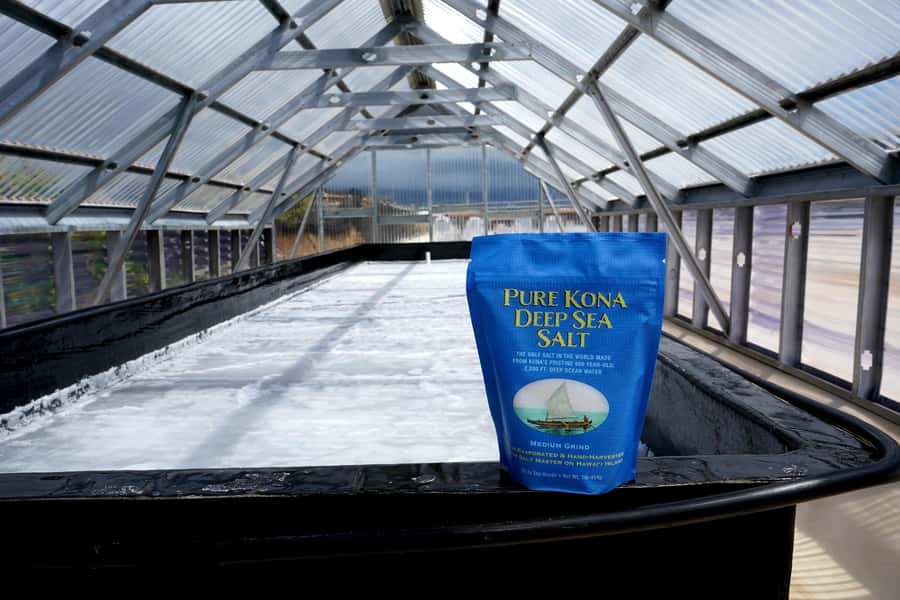
The most interesting part of the tour is the water source. The farm uses deep ocean water rather than simply scooping surface seawater from the shoreline. That distinction gives the guide a chance to explain ocean currents, mineral content, and the way Hawaii Island’s volcanic shelf helps provide access to deeper water.
You will learn how the water moves through the salt-making system and how evaporation concentrates what remains. The exact pace can vary with the guide, but the visit includes an explanation of the harvesting process rather than just a look at finished products.
This is where the farm’s location becomes part of the lesson. Kona’s geography is not just scenery behind the operation. The volcanic shelf and access to deeper ocean water help explain why the farm can produce a salt with a distinct story and mineral character.
The process also has a practical side. The operation uses solar power and drying or evaporation houses, and the production system has been described as largely self-sustaining. I appreciate that this gives you something more to think about than flavor alone. You see how a local business uses sun, water, and site conditions instead of treating the farm as a standard factory.
Do not expect heavy machinery or a huge industrial plant. The appeal is the small-scale, hands-on method and the chance to see how a basic ingredient takes shape through time and careful handling.
Salt tunnels, hot houses, and the working property
The walk can include salt tunnels and hot houses, two details that help make the operation easier to picture. These areas show the practical stages between the water source and the finished salt.
The hot houses are especially important to the story because evaporation does the basic work. Sun and heat remove water, leaving salt and other mineral products behind. The guide can explain how the farm manages that process and how the salt is gathered.
The walk has been described as slow and easy enough for someone using a cane. That does not mean every part will suit every mobility need, since the supplied information does not give a formal accessibility statement. Still, the relaxed pace is useful for anyone who dislikes rushed sightseeing.
I would wear comfortable shoes and expect an outdoor walk over a working farm surface. The information provided does not specify the exact ground conditions, so do not assume a fully paved route. If you have mobility concerns, ask the operator before booking.
The farm’s setting also gives you a chance to pause for views. One visit included a photograph with waves crashing behind the group, and whale sightings have occasionally added a bonus in season. Those moments are not guaranteed, but they show why the oceanfront position is more than a backdrop.
More Farm Tours in the USA:
- Maui Pineapple Farm Tour in Haliimaile
★ 5.0 · 2,855 reviews - Half-Day Thoroughbred Horse Farm Tour in Kentucky
★ 5.0 · 1,924 reviews - Premium Amish Country Tour including Amish Farm and House
★ 4.5 · 1,306 reviews - Unique Horse Farm Tours with Insider Access to Private Farms
★ 5.0 · 1,192 reviews
Learning Hawaiian culture alongside salt science
A strong guide can turn a basic production tour into a better understanding of place. That has been one of the farm’s greatest strengths.
Ipo has been praised for weaving Hawaiian cultural history, including stories connected with Pele, into explanations of geography, science, and ecology. Ipalani has also been praised for a warm, personal style and for sharing detailed information about the farm and local culture. Guides can change, so you should not book on the assumption that a particular person will lead your visit, but these names give you a sense of the kind of interpretation offered.
The cultural material matters because salt is not presented as just a souvenir seasoning. You get a picture of how natural resources, island conditions, and Hawaiian identity connect. A good guide helps you see that the farm is part of a living community and working economy.
I also like the personal touch reported by visitors who said the guide took time to learn everyone’s names. That small gesture changes the tone from a basic sales presentation to a more personal local visit. The quality of the guide matters here, perhaps more than the size of the property.
The salt tasting at the end

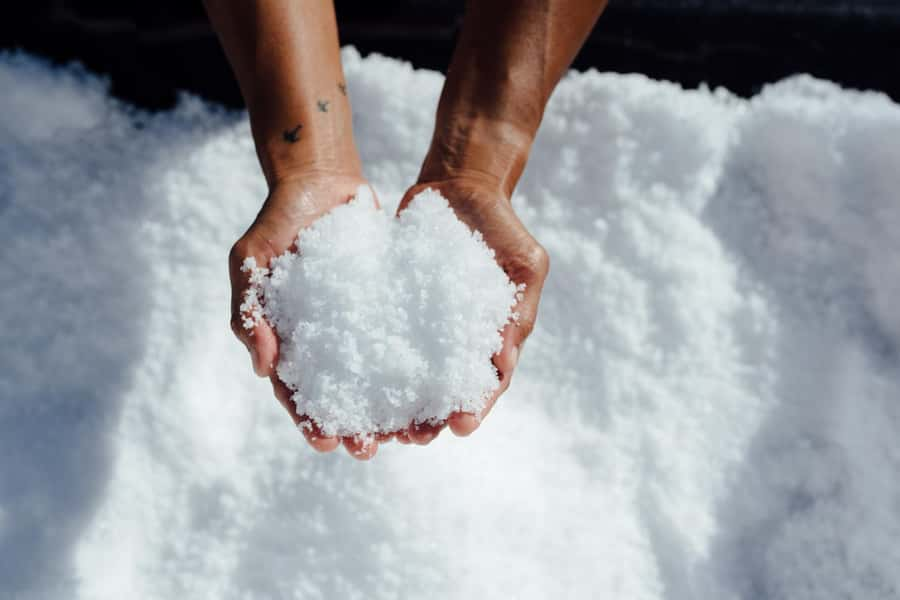
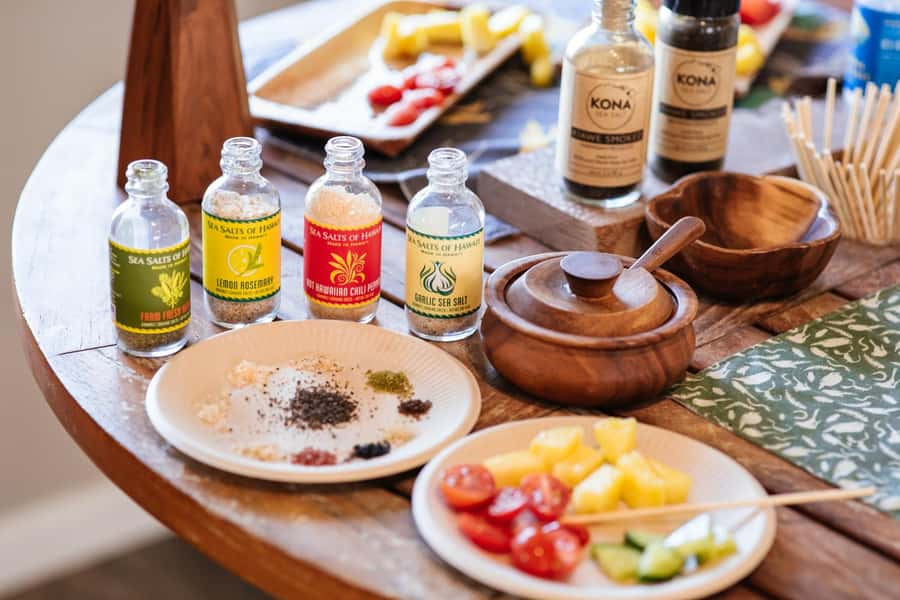
The tasting is the payoff. You sample the farm’s flavored and smoked salt varieties after hearing how the product is made. That order is smart: once you understand the process, you can pay more attention to differences in flavor, smoke, and texture.
The included tasting covers all the flavored and smoked salt varieties. This is not one tiny pinch of plain salt followed by a sales pitch. You get a chance to compare several products and work out which flavors make sense for your own kitchen.
The tasting can also help you decide if the price of a jar is justified. Salt is easy to buy anywhere, but a locally produced variety tied to a deep ocean source makes a more meaningful food souvenir. Several visitors have arrived without planning to buy anything and left with multiple flavors. If you enjoy cooking, this is the point where the visit can become useful long after your Hawaii trip ends.
The shop is part of the appeal, though purchases are not included in the $25 admission. You can treat the tasting as the end of the tour without buying, but the samples give you enough information to make a sensible choice instead of guessing from a label.
The farm also serves its deep ocean magnesium mineral water. It is included with the tour and provides a refreshing break in the heat. The supplied information does not give a full ingredient or health claim statement, so enjoy it as a farm product and do not treat the tour as a medical consultation.
The optional foot soak and extra time
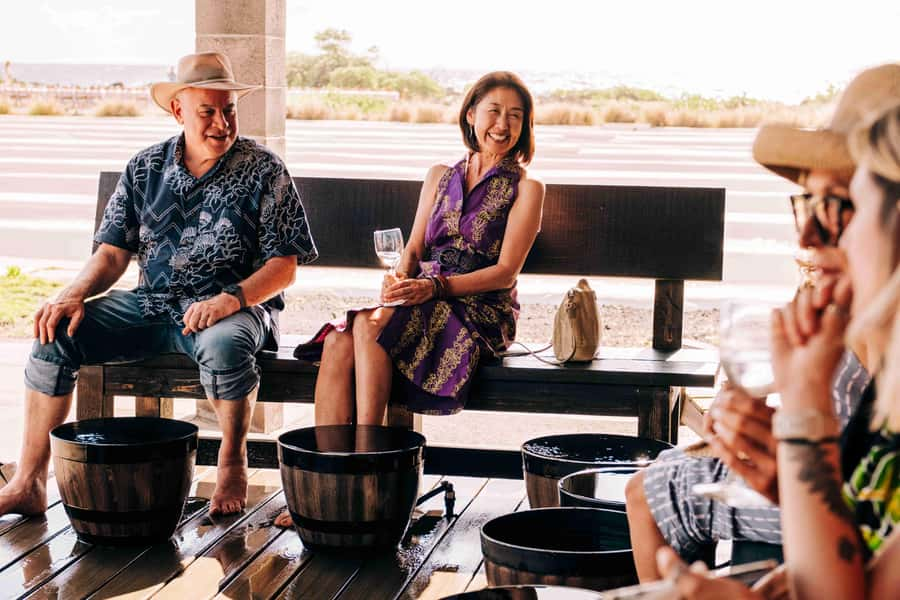
A foot soak has been mentioned as an add-on, and it may appeal after a hot walk. It is not part of the listed inclusions, so confirm availability and cost when you book or arrive.
I would see the foot soak as an optional extra, not a reason to choose the farm by itself. The core visit is the salt-making explanation and tasting. If you have extra time and want a slower, more relaxing end to the stop, the add-on could make sense.
Because the main tour lasts only 45 minutes, ask how the foot soak fits into the schedule. The activity information does not state its duration or operating hours.
Who will get the most from this $25 visit
This tour suits food lovers who want to understand an ingredient rather than simply buy it. It also works for families, curious adults, and anyone who has already seen the major Kona sights and wants something less familiar.
You do not need to be a serious cook. The guide covers history, science, ecology, and local geography, so the visit has enough variety for people who are interested in Hawaii itself. The short format also makes it practical for a mixed group where some people do not want a long hike or a full-day excursion.
I would especially recommend it to:
- Food-minded visitors: The tasting gives you a direct reason to care about the process.
- First-time Kona visitors: You get a local business, ocean setting, and Hawaiian context in one short stop.
- Repeat Hawaii visitors: The farm offers a different angle from beaches and standard sightseeing.
- Older visitors or slower walkers: The gentle pace may be helpful, though you should confirm current access needs.
- Small groups: A personal guide who learns names can make the visit feel more connected.
It may be less satisfying if you want a long farm tour, a substantial meal, or a full afternoon activity. Food and drinks beyond the included mineral water are not provided. The property is a salt farm, not a restaurant or a major visitor center.
Timing, cancellation, and practical value

The listed price is $25 per person, with a 45-minute duration. That makes the cost easy to weigh: you are paying roughly for a compact guided lesson, a tasting of all flavored and smoked varieties, the mineral water, and access to the working site.
I think the value is strongest when you combine it with another Kona plan nearby. The tour is too short to justify an entire day on its own, but that is also why it fits so well into a flexible itinerary. You can learn something specific, taste the product, and continue on without feeling committed to a major excursion.
Starting times vary, so check availability when choosing a date. The tour is conducted in English. You can cancel up to 24 hours ahead for a full refund, and the reserve-now, pay-later option lets you hold a spot without paying immediately.
The supplied information does not state group size, transportation, parking details, or exact accessibility arrangements. Plan to reach the farm on your own and use the listed coordinates if the driveway is difficult to spot. For mobility questions, contact the operator before booking rather than relying on general assumptions.
Should you book the Kona Hawaiian Salt Farm Tour?
I would book it if you want a short, affordable activity with a real connection to Kona’s coastline and local production. The deep ocean water, solar-powered process, salt tunnels, and tasting give the visit enough substance to justify the $25.
The best reason to go is the combination of clear science and local culture. A guide such as Ipo or Ipalani can make the story much more than a demonstration of evaporation. The strongest added pleasure is tasting the finished salts while looking out toward the water that began the process.
Skip it if you want a long outing, a meal, or a guaranteed whale sighting or foot soak. Those are not the core offering. For everyone else, especially anyone who likes food souvenirs and compact educational stops, this is one of the more distinctive ways to spend 45 minutes in Kona.
FAQ
Where is the Hawaiian Salt Farm Tour located?
The farm is in Kona, Hawaii, at the Kona Sea Salt Farm driveway. Check in at the office after entering the driveway. The listed coordinates are 19.7262318, -156.0586245.
How long does the tour last?
The guided tour lasts 45 minutes.
How much does the tour cost?
The listed price is $25 per person.
What language is the tour conducted in?
The live guided tour is conducted in English.
What will I learn during the tour?
You will learn about the farm’s deep ocean water source, the salt-making and harvesting process, and the history of the area. Guides may also discuss Hawaiian culture, geography, science, and ecology.
What is included in the tour?
The tour includes tastings of the flavored and smoked salt varieties and the farm’s deep ocean magnesium mineral water.
Is food included?
No. Food and additional drinks are not included. The deep ocean magnesium mineral water is included.
Can I buy salt at the farm?
The farm has salt varieties available for purchase, including flavored and smoked salts. Purchases are separate from the tour price.
Can I cancel my booking?
Yes. You can cancel up to 24 hours in advance for a full refund. A reserve-now, pay-later option is also available.
Just added around the USA
- Yolo: Vineyards, Farms & Cultural Gems – Audio Driving Tour★ 4.3 · 5 reviews
- Ventura: Rail Bike Guided Tour with Farm Stand Stop★ 4.1 · 18 reviews
- Small-Group Vineyard and Orchard Tour with Wine Tasting in Muscoda★ 5.0 · 2 reviews
- Connect with Rescue Animals on a Private Farm Tour in Catskills★ 5.0 · 27 reviews
- Cozy Farm Experience with Wagon Wheels and Acoustic Meal★ 5.0 · 2 reviews
- Farm Tour at Clover Brooke Llama/Alpaca/Goat Farm★ 4.5 · 6 reviews
- Gourmet Mushroom Farm Tour in Tennessee★ 5.0 · 5 reviews
- Farms, Flights: Finger Lakes Brewery Tour★ 4.5 · 25 reviews
Salt Farm Tours, compared.
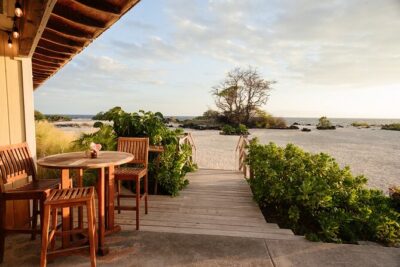
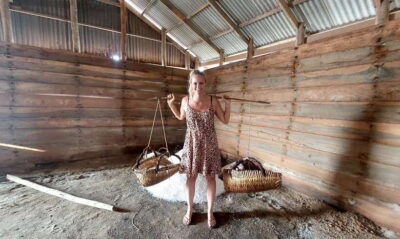
Pepper Farm Tour, Salt Field, Cave & Secret Lake
Read our review →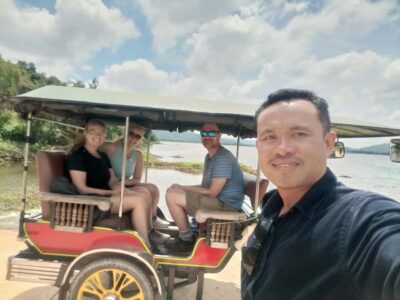
Kampot Countryside include Pepper farm, Salt field & Lake
Read our review →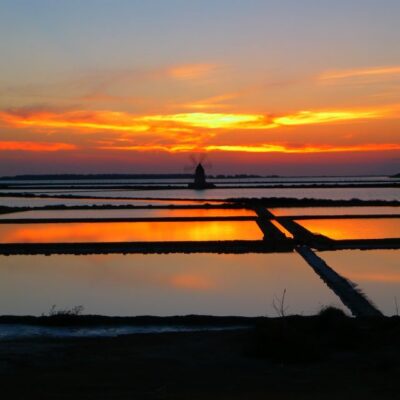
Guided tour of the Marsala Salt Pans and salt harvesting
Read our review →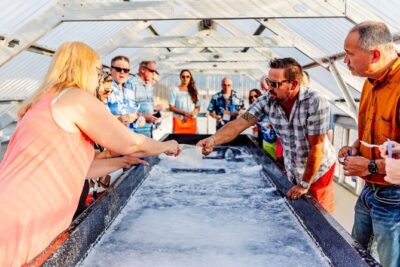
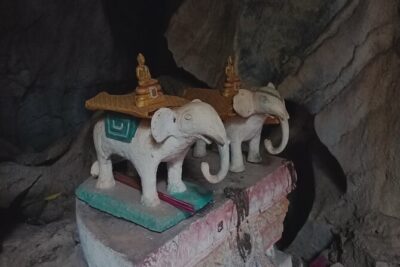
Kampot Countryside include Pepper farm,Salt field and Secret lake
Read our review →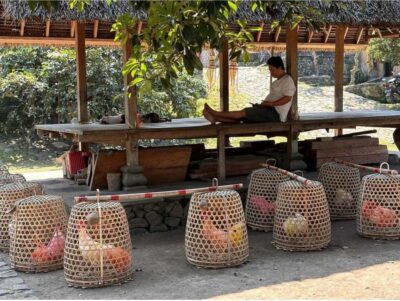
Traditional Villages, Salt Farm & Tirta Gangga Tour
Read our review →
Kampot Private Tour: Pepper Farm, Salt Field & Secret Lake
Read our review →Lists this farm appears in