
Reviewed · NEW ZEALAND FARM TOURS
Merino Farm Experience
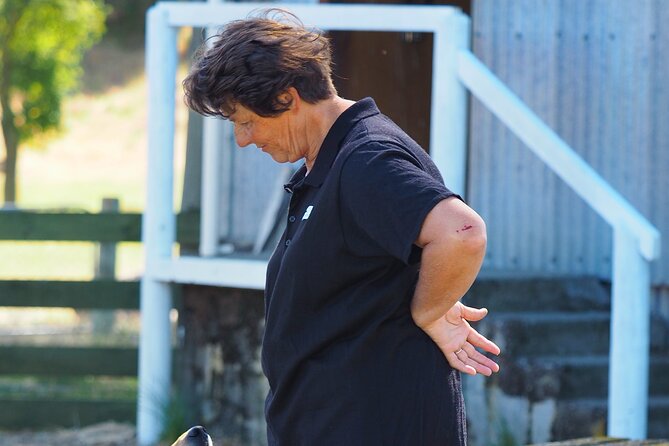
The best part of this experience is its family-farm setting. Scotty, Terry, or Maria lead you around a working property that has been in the same family since 1884, showing you the woolshed, animals, gardens, and hilltop views in a relaxed 90-minute visit.
I like the hands-on wool lesson, where you can touch the fine fleece and see what it becomes. I also like the small group size, capped at eight, which gives the tour a personal feel. The main consideration is that this is a short farm visit, not a full-day rural program, so you’ll get a friendly introduction rather than a long, technical look at every part of farm work.
Key Points
- Family-run since 1884: Meet the people who live and work on the property.
- Real Merino wool: Visit the woolshed, handle the fleece, and learn about its uses.
- Southern Alps views: Travel to the top of the farm for wide views of the Alps and nearby rivers.
- Hands-on animal time: Feed friendly sheep, touch their wool, and take photos.
- Working farm setting: See sheep and sometimes cattle in the fields, then meet the working dogs.
- Small-group format: The tour accepts no more than eight people, with private tours available by request.
A Family Farm With More Than a Photo Stop
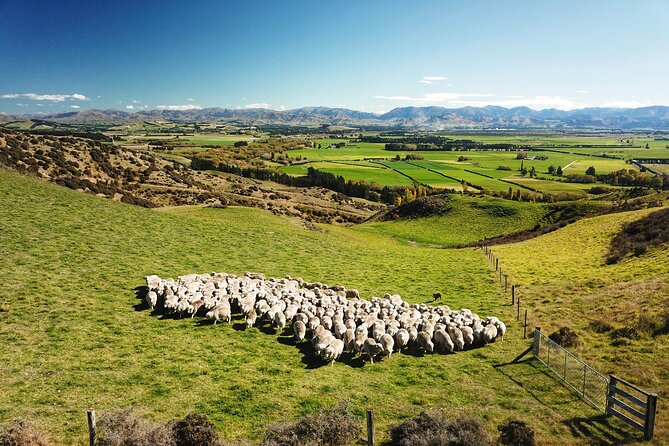
The Merino Farm Experience takes place at 1038 Karaka Road in Hurunui, Canterbury. This is not a staged rural attraction built around a single photo opportunity. It is a working sheep and cattle property, and the family operating it has been there since 1884.
That long connection matters because the visit links the animals, the wool, the woolshed, the gardens, and the land into one story. You are not simply looking at sheep in a field. You are seeing how a rural property functions and meeting the people who care for it.
Scotty, Terry, or Maria meets you at the farm and guides the visit. The tone is personal rather than formal. With a maximum of eight people, you should have a good chance to ask questions and hear explanations without feeling lost in a crowd.
The small size is one of the strongest reasons to choose this experience over a large coach stop. It also means the tour may feel quite different depending on the group. A party of two can expect a particularly relaxed visit, while a full group of eight will have more people sharing the animal feeding and photo moments.
More Farm Tours in New Zealand:
- Queenstown: Queenstown Lake Cruise and Walter Peak Farm Tour
★ 4.8 · 950 reviews - Dinner at Walter Peak High Country Farm and Cruise from Queenstown
★ 4.5 · 576 reviews - Queenstown Lake Cruise and Walter Peak Farm Adventure
★ 4.5 · 439 reviews
Meeting Sheep and Cattle in the Fields
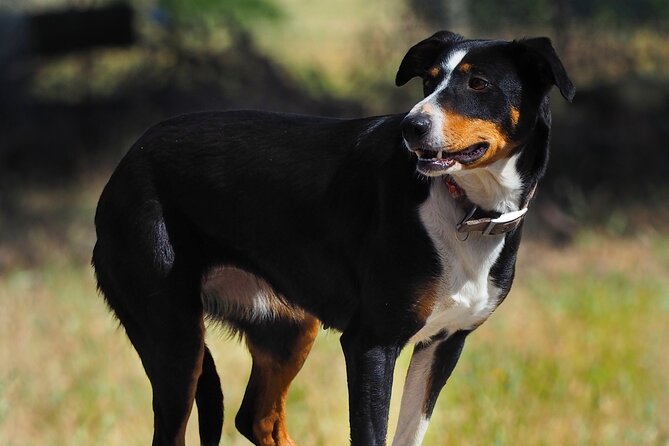
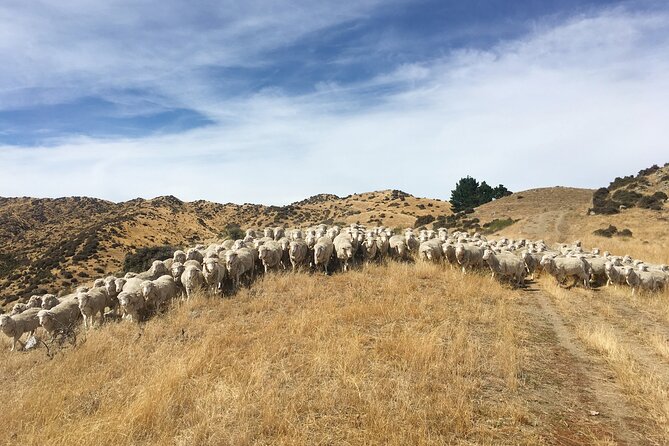
The tour begins with views across the farm, where you can see sheep and, at times, cattle roaming the fields. This opening gives you a sense of the property before the more focused stops begin.
The phrase at times is worth noting. Cattle are not promised on every visit, but sheep are central to the experience. You may see them moving across the fields as you learn how the farm is used.
This part is simple, but it helps you understand the setting. The farm is not only a wool display room. The animals are part of an active property, and the first look sets up the rest of the visit.
You should wear clothing suitable for a rural property and be ready to walk between several areas. The supplied information does not promise specific ground conditions, weather arrangements, or transport between stops, so anyone needing particular mobility support should check details with the operator before booking.
Inside the Woolshed With Merino Fleece
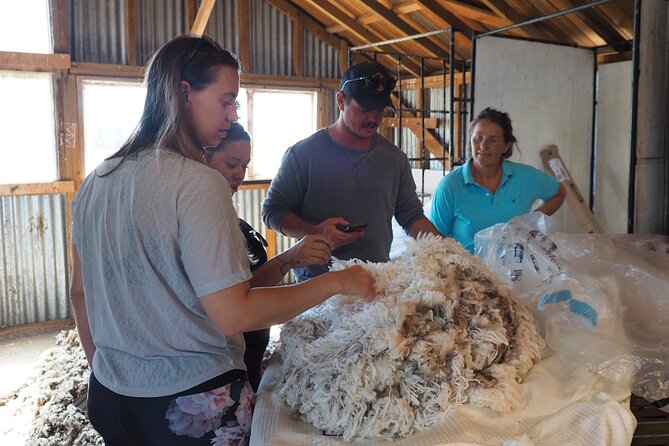
The woolshed is the heart of the tour. Here you learn how the sheep are sheared and get to touch the super fine Merino wool itself. That physical contact makes the material easier to understand than simply seeing a finished garment in a shop.
You also learn what the wool becomes. The tour connects the fleece to its end products, giving you a clearer idea of why Merino wool is valued and how the work on the farm relates to something you might wear or use at home.
This stop should appeal to anyone interested in New Zealand farming, textiles, or local products. It also works well for families, since touching wool offers an easy way for children to connect a natural material with the finished goods made from it.
The woolshed visit is educational without needing to be a technical lecture. You can expect an introduction to shearing and wool rather than a full demonstration of the shearing process. If watching a live sheep-shearing performance is your main reason for booking, keep your expectations in check. The experience is about learning how shearing works and handling the wool.
Hilltop Views of the Southern Alps
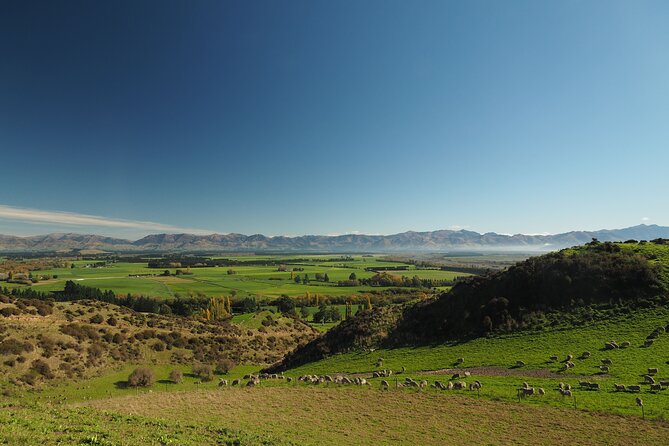
After the woolshed, you travel to the top of the farm for panoramic views of the Southern Alps and nearby rivers. This is the broadest scenic part of the visit and gives you a chance to see the farm in relation to the wider Canterbury area.
The hilltop stop adds variety. You begin at ground level with animals and farm buildings, then gain a wider view of the surrounding country. It is a good place for photographs, especially if the weather is clear.
Views are always weather-dependent, so the scenery may not look the same on every visit. The information does not promise a particular mountain range visibility or a set viewing platform. Still, the location is clearly chosen to show the surrounding area from above.
I like this stop because it prevents the experience from becoming only an animal encounter. You get both the close-up details of wool and sheep and a sense of the open country where the farm operates.
Same fields, a different sort of morning:
- Rotorua: Authentic Kiwi Farm Experience at the Agrodome
★ 4.8 · 270 reviews - Agrodome Farm Experience including Farm Show and Farm Tour – Rotorua
★ 4.5 · 197 reviews - Shamarra Alpaca Farm Tours
★ 5.0 · 117 reviews - Nelson: Guided Quad Biking Tour Through Forest and Farmland
★ 4.8 · 106 reviews
Working Dogs and the Quiet Work of Farming
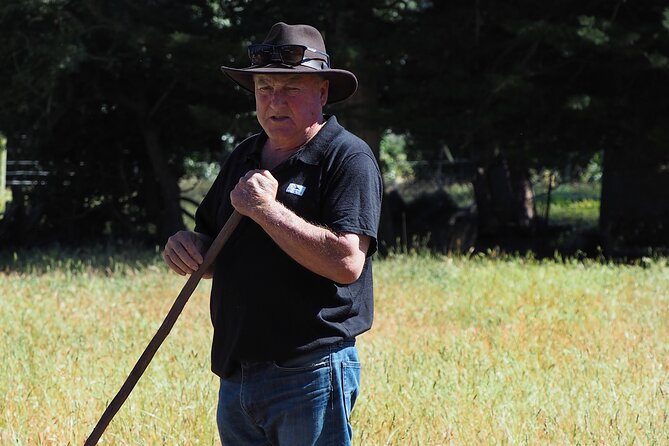
The tour includes a meeting with the farm’s working dogs. These are not simply companion animals brought out for a quick picture. They are part of the property’s daily work and help show another side of sheep farming.
The working dogs provide a useful contrast with the pet sheep later in the visit. One group is connected with managing the farm, while the other is there for a gentle, hands-on encounter. That difference helps you see that a working farm has many kinds of animal relationships.
The details of the dogs’ work, breeds, ages, and training are not specified, so you should not expect a particular breed or set demonstration. The advertised experience is meeting them, not watching a formal sheepdog trial.
For many people, this will be a highlight, especially if you enjoy seeing animals in a genuine working setting. You can also ask the guide about their role while you are there. With a small group, this question-and-answer time should be easier than on a large commercial tour.
Gardens With Flowers and Vegetables
The garden walk brings a domestic side to the farm visit. You see both flower gardens and vegetable gardens, giving you a look at the family’s home surroundings as well as the working parts of the property.
This stop adds a pleasant change of pace after the open fields, hilltop views, and woolshed. It also helps explain the character of the property. The visit is not limited to production and livestock. It includes the house gardens and the everyday spaces connected with family life.
The garden section may appeal most to you if you enjoy small details: flowers, vegetables, and the way a rural home is arranged. It is not presented as a formal horticultural tour, so the focus is on walking through the gardens rather than learning a specialist plant collection.
Feeding Pet Sheep and Taking Photos
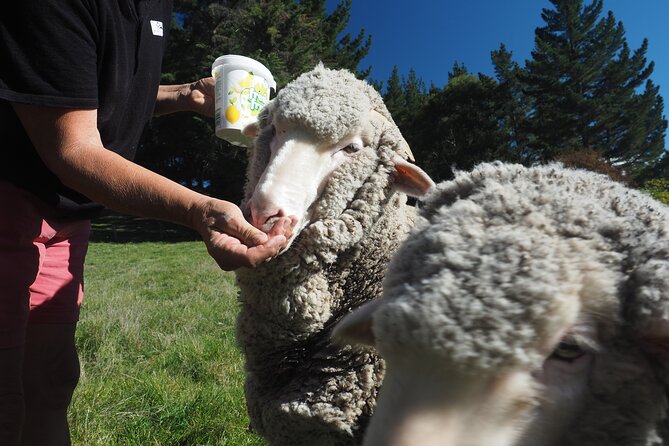
The final animal encounter is with the farm’s pet sheep. You can feed them, touch their wool, and take pictures, including a farm selfie.
This is the most direct and playful part of the experience. Instead of watching animals from a distance, you get to interact with them under the guide’s direction. The pet sheep are likely to be the easiest part of the tour for children to remember, while adults may enjoy the chance to feel the fleece after learning about it in the woolshed.
Animal behavior can never be guaranteed. Friendly sheep may still be lively, hungry, or uninterested at a particular moment. The important point is that feeding and petting are included, not merely suggested as possible extras.
Bring a camera or phone if you want pictures, but keep your attention on the animals as well. The setting offers more memorable images than a standard posed stop: wool, sheep, farm buildings, gardens, and open views all form part of the visit.
What $58.95 Buys You
The listed price is $58.95 per person. For that amount, you receive about 1 hour and 30 minutes with admission included, plus access to several parts of the property and direct contact with the family-run farm.
The value depends on what you want from a rural experience. If you are looking for a quick, personal introduction to New Zealand sheep farming, the price is reasonable because it combines several distinct elements: field views, the woolshed, wool handling, hilltop scenery, working dogs, gardens, and pet sheep.
It offers less value if you want a long farm day, a meal, a full shearing demonstration, or extensive time in the countryside. None of those are included in the stated program.
The small group limit improves the value for people who dislike large organized outings. You are paying for access to a personal family tour rather than a broad sightseeing product. Private tours can also be arranged by request, though the supplied details do not give a separate private-tour price.
Who Will Enjoy This Most
I would recommend this experience to you if you want a short, local activity between larger Canterbury sightseeing plans. It suits people interested in sheep, wool, family farms, and everyday New Zealand life.
Families should find plenty to hold their attention. Children can see animals in the fields, touch wool, meet dogs, walk through gardens, and feed sheep. Adults get the added context of the farm’s long family connection and the wool-making process.
It also suits visitors who prefer small groups and direct contact with local hosts. The maximum of eight people keeps the format personal, and the three named guides, Scotty, Terry, and Maria, are family owners and operators of the property.
You may want to choose another activity if you need a fully structured cultural presentation, guaranteed cattle sightings, or a long, strenuous walk. The visit is an introduction to farm life, not an all-day working-farm course.
Timing, Location, and Practical Details
The experience starts and ends at 1038 Karaka Road, Hurunui 7385, New Zealand. Since no transport from Christchurch or another town is included in the supplied details, you should plan your own way to the meeting point.
The duration is approximately 1 hour and 30 minutes. That makes it easy to fit into a wider Canterbury day, but you should leave enough extra time around the scheduled start for reaching the rural property and getting settled.
A mobile ticket is available, and confirmation is provided when you book. Service animals are allowed, and most people can participate. If you have specific mobility needs, contact Scotty B Tours before booking, since the visit includes fields, a hilltop stop, a woolshed, gardens, and animal areas.
Cancellation is free if you cancel at least 24 hours before the local start time. Cancellations or changes made less than 24 hours ahead are not accepted for a refund.
Is the Merino Farm Experience Worth Booking?
I would book this if you want an easy, personal look at New Zealand farm life with real contact with wool and sheep. The strongest features are the family connection dating to 1884, the small group size, the hilltop views, and the chance to move between working farm spaces, gardens, dogs, and pet sheep in one short visit.
You should skip it if you are seeking a long farm stay, a guaranteed shearing demonstration, or a detailed agricultural course. For most people, though, 90 minutes is a useful length: long enough to see several sides of the property, short enough to fit neatly into a Canterbury itinerary.
FAQ
Where does the Merino Farm Experience begin and end?
The tour begins at 1038 Karaka Road, Hurunui 7385, New Zealand, and ends back at the same meeting point.
How long does the farm experience last?
The experience lasts approximately 1 hour and 30 minutes.
Who leads the tour?
Scotty, Terry, or Maria meets you and leads the visit. They are the family owners and operators of the property.
What animals can I see?
You can see sheep and sometimes cattle in the fields. The tour also includes meeting the farm’s working dogs and pet sheep.
Can I touch and feed the sheep?
Yes. You can feed the friendly pet sheep, touch their wool, and take pictures with them.
How many people can join the tour?
The activity accepts a maximum of eight people. Private tours can be arranged by request.
Just added around New Zealand
- Private, via beaches, Kiwi farm to Rotorua 8 lakes & Geothermal★ 5.0 · 20 reviews
- Boutique tour , Mt Maunganui, NZ farm, Rotorua lakes/geothermal★ 4.5 · 50 reviews
- Queenstown Lake Cruise to Walter Peak Farm with BBQ Buffet★ 4.5 · 25 reviews
- Queenstown: Walter Peak Farm Tour and Lake Cruise★ 5.0 · 5 reviews
- Wool Sheep Farm Experience with Handmade Wool Hat in New Zealand★ 5.0 · 9 reviews
- Bullswool Heritage Farm General Entry Ticket★ 5.0 · 6 reviews
- Mt. Hay Farm Experience Genuine Country Farming(Carbon Positive)★ 4.0 · 2 reviews
- Christchurch Sheep Farm Visit★ 4.0 · 10 reviews
New Zealand Farm Tours, compared.

Queenstown Lake Cruise and Walter Peak Farm Tour
Read our review →
Dinner at Walter Peak High Country Farm and Cruise from Queenstown
Read our review →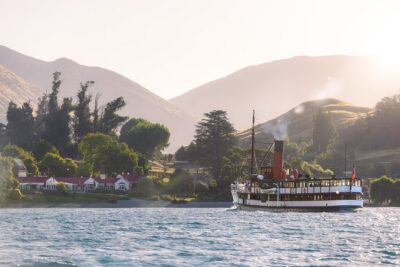
Queenstown Lake Cruise and Walter Peak Farm Adventure
Read our review →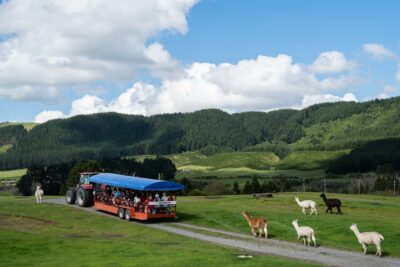
Rotorua: Authentic Kiwi Farm Experience at the Agrodome
Read our review →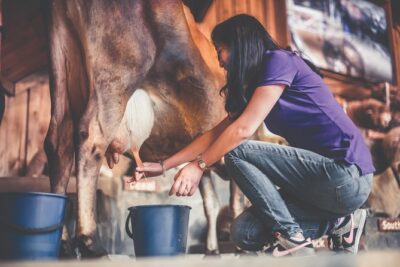
Agrodome Farm Experience including Farm Show and Farm Tour – Rotorua
Read our review →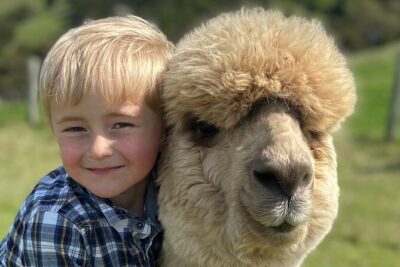
Nelson: Guided Quad Biking Tour Through Forest and Farmland
Read our review →
Lists this farm appears in