
Reviewed · ITALY FARM TOURS
Oristano: visit a farm with oil tasting
At a farm in Massama, just outside Oristano, you can trace Sardinian olive oil from tree to table in about 90 minutes. Anna and Antonella, fifth-generation oil and wine sommeliers, lead you among ancient olive trees before explaining the family’s oils in a historic manor house.
I like the clear link between local cultivars and food, and I like that this is a real working organic farm rather than a tasting room built only for visitors. The main drawback is the short schedule: you get a focused introduction, not a long farm day, and the site is not suitable for people with mobility impairments.
Key points to know before you book
- Five generations of farming: The family farm dates to 1857 and remains a certified organic producer.
- Four Sardinian olive cultivars: Learn about Bosana, Nera di Villacidro, Sa Manna, and Oristano-area Semidiana.
- Anna and Antonella lead the tasting: Their lessons cover harvesting, pressing, storage, and oil tasting.
- Food is part of the lesson: Taste oils with country crostone, seasonal vegetables, legume hummus, a chef’s surprise, and local wine.
- A compact 1.5-hour visit: The program suits a free morning or afternoon, but it does not provide a full farm-day outing.
- Plan ahead for dietary needs: Vegetarian, vegan, allergy, and intolerance accommodations are available if you give notice at least two days ahead.
Why this small farm visit matters near Oristano
Olive oil can look simple on a plate, but the differences between bottles come from olive variety, harvest timing, processing, storage, and the condition of the fruit. This visit gives you a useful way to connect those details instead of treating oil as a generic drizzle.
The farm in Massama was founded in 1857 and is recognized as a historic enterprise by Unioncamere. That does not mean you are walking through a museum. The appeal is that the old family story is tied to current production, including certified organic extra virgin olive oil that has won awards in Italy and abroad.
I would choose this visit if you are staying in Oristano and want something rooted in the local countryside. It is also a good fit for anyone who cooks at home. You leave with practical ideas about which oils work with mild vegetables, hearty legumes, or foods that can handle a more bitter and peppery finish.
The wording sometimes describes this as a half-day farm experience, but the scheduled duration is 1.5 hours. Set your expectations accordingly. It is a compact tasting and lesson, not an all-day agricultural tour with a long meal.
More Farm Tours in Italy:
- Florence Pizza or Pasta Class with Gelato Making at a Tuscan Farm
★ 5.0 · 6,801 reviews - Cooking Class and Lunch at a Tuscan Farmhouse with Local Market Tour from Florence
★ 5.0 · 4,831 reviews - Sorrento Farm and Food Experience including Olive Oil, Limoncello, Wine tasting
★ 5.0 · 2,524 reviews
Meeting Sardinia’s olive varieties under old trees
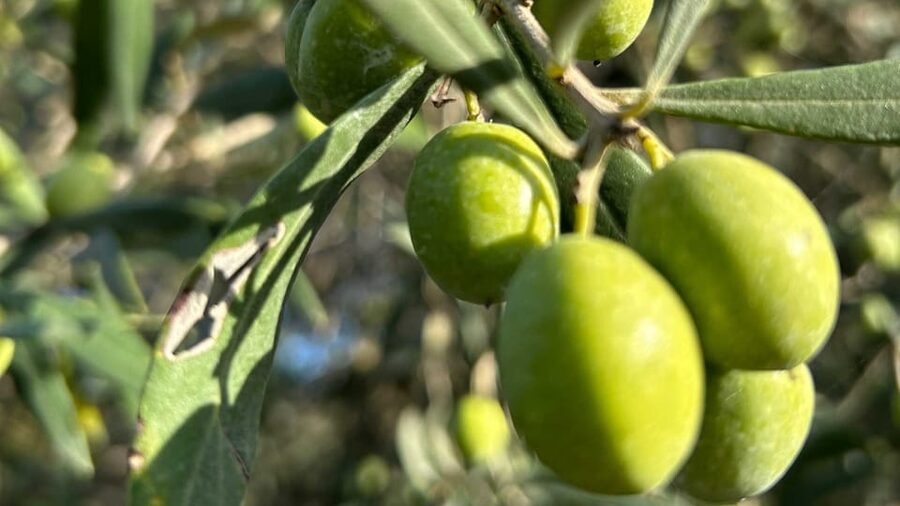
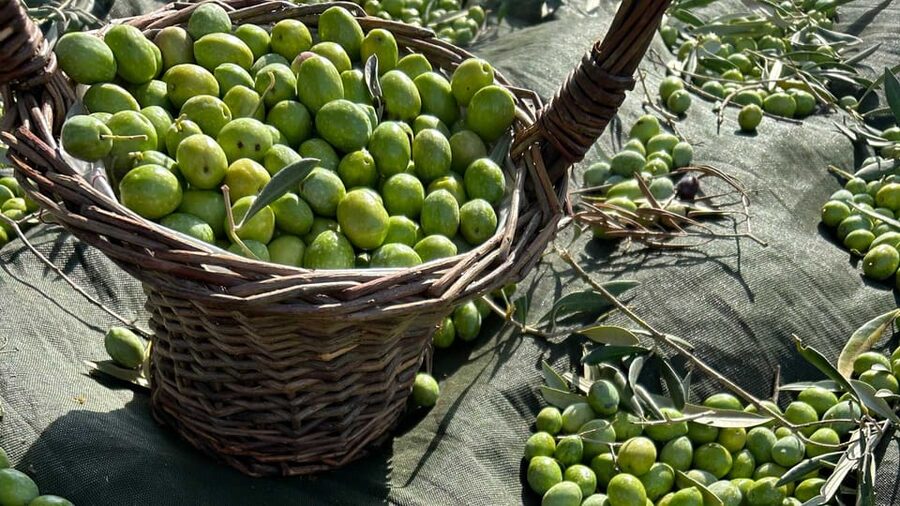
The program begins in the olive grove. This is a useful choice because you first see the raw material before discussing the finished oil. Anna and Antonella explain the different Sardinian cultivars, including Bosana, Nera di Villacidro, Sa Manna, and Semidiana.
Semidiana is especially tied to the Oristano area, so this is not just a broad lesson about Italian olive oil. You are learning about varieties connected to the place you are visiting. Bosana and the other local cultivars give the tasting a wider range of flavors and aromas to compare.
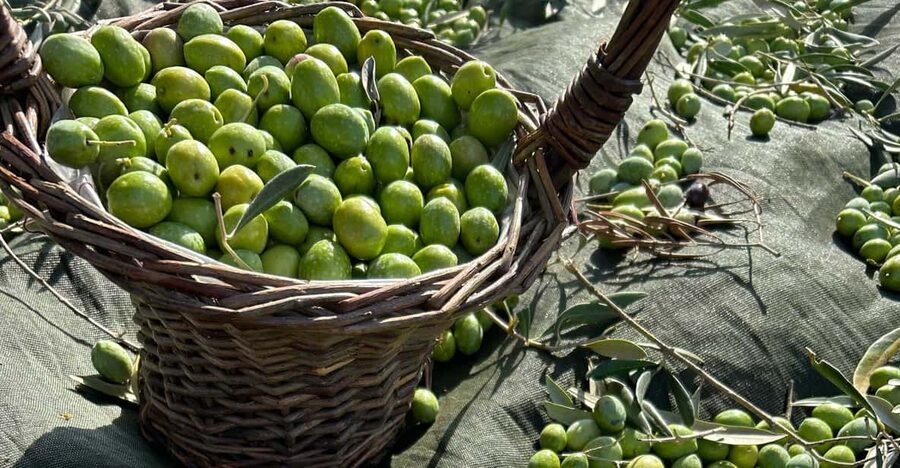
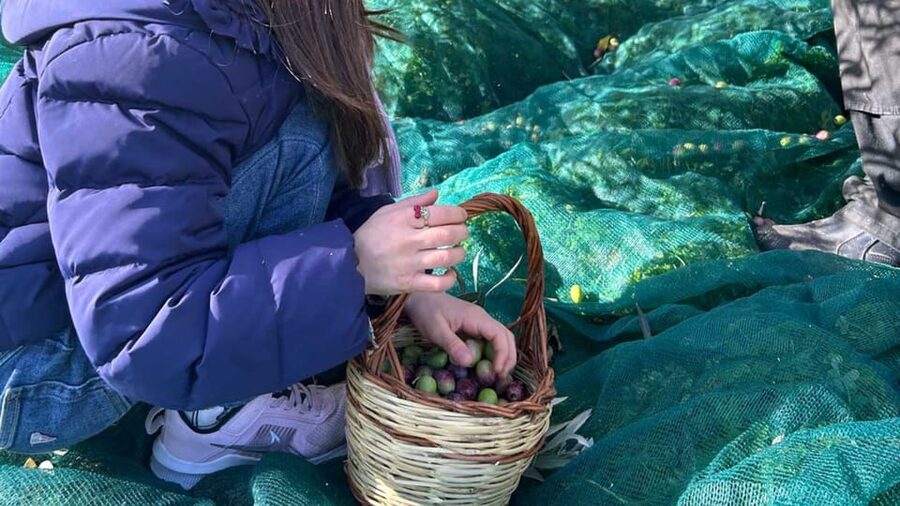
You also hear how the olives are harvested, transported, and pressed. These steps matter because good oil depends on getting healthy fruit to the mill and processing it well. The lesson helps explain why extra virgin oil is not simply a matter of pressing any olives and pouring the result into a bottle.
The grove setting adds something that a supermarket tasting cannot. You can place the discussion in a real agricultural setting, with the trees and family farm around you. Comfortable clothes are the sensible choice, and you should not book this if walking or moving around a farm is difficult for you.
From fruit to bottle: how excellent oil is made
After discussing the trees, the guides explain the route from harvest to finished oil. You learn about transport to the press, the pressing process, and methods for preserving extra virgin olive oil.
Storage is easy to overlook, but it has a direct effect on what you taste at home. Oil needs sensible protection after production, and this part of the lesson gives you a better basis for judging how to keep a bottle in your own kitchen. The exact storage advice is one reason I would bring a small notebook, especially if you enjoy cooking.
The farm’s certified organic status is also relevant here. Organic certification does not automatically tell you which oil you will prefer, but it gives useful context about how the farm operates. The family’s long connection to the land and its current production methods come together in one short presentation.
The tour does not promise a full technical course in milling. Instead, it gives you the key stages in plain terms, then moves to the part most people remember: tasting the finished oils.
Learning to tell extra virgin oil from lower grades
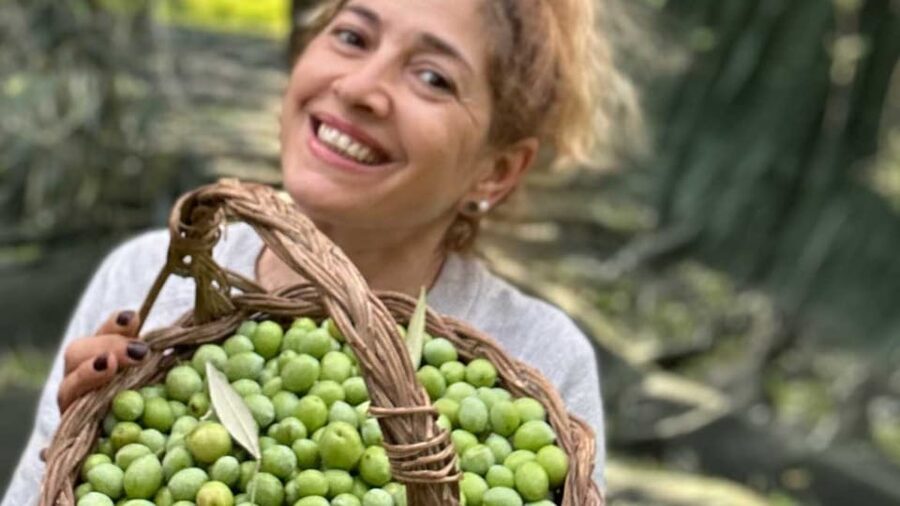
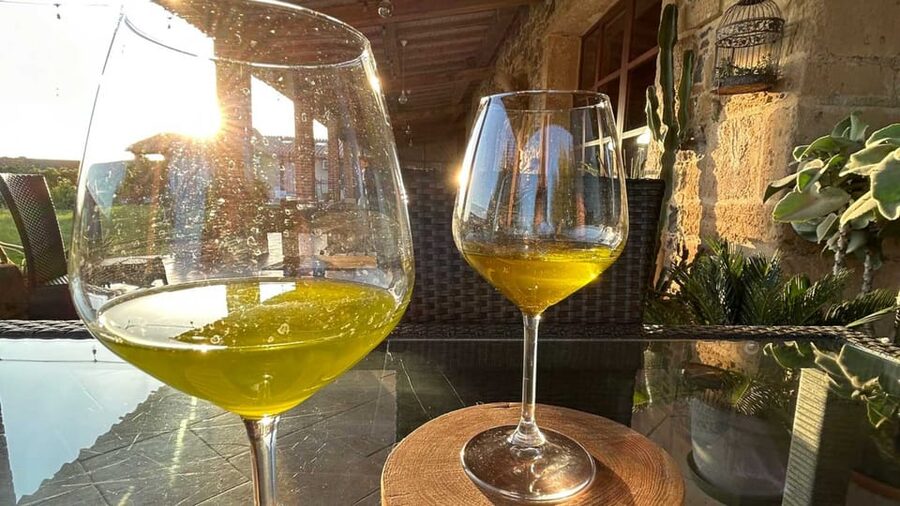
The tasting is not just a series of samples placed on a table. Anna and Antonella guide you through organoleptic analysis, using your senses to examine the oils. You learn how to distinguish extra virgin olive oil from ordinary olive oil and from lampante oil.
That distinction is valuable because labels alone can be confusing. The lesson gives you a practical vocabulary for noticing qualities such as bitterness, peppery heat, and fruitiness. You can then compare the oils rather than judging them only by color or bottle design.
Bitterness and spice are not necessarily faults. In a well-made extra virgin oil, they can be signs of character and can work well with the right food. The goal is not to declare one oil best for every dish. It is to show you that different oils have different jobs.
This is where the experience earns its place on an Oristano itinerary. You are not only tasting a regional product. You are learning how to make a better choice when buying or using it later. The verified booking feedback available for this activity praises the visit as both beautiful and very informative, with the explanations easy to follow. That matches the structure of the program, which moves from trees to production and then to tasting.
Same fields, a different sort of morning:
- Sorrento: Pizza Lesson, Wine, and Limoncello at a Local Farm
★ 5.0 · 1,513 reviews - Florence: Pizza or Pasta Class with Gelato at a Tuscan Farm
★ 4.9 · 1,181 reviews - Hands-On Cooking Class & Farmhouse Tour on the Amalfi Coast
★ 5.0 · 956 reviews - Pizza School with Wine and Limoncello Tasting in a Local Farm
★ 5.0 · 845 reviews
Pairing Sardinian oils with a proper snack
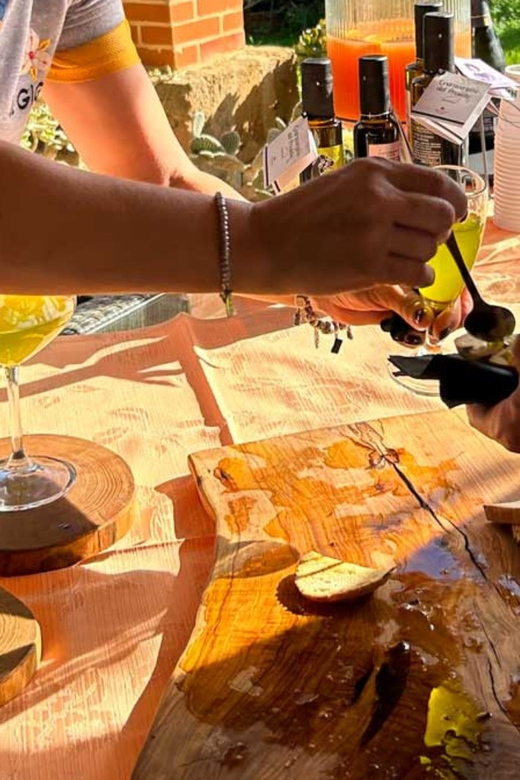
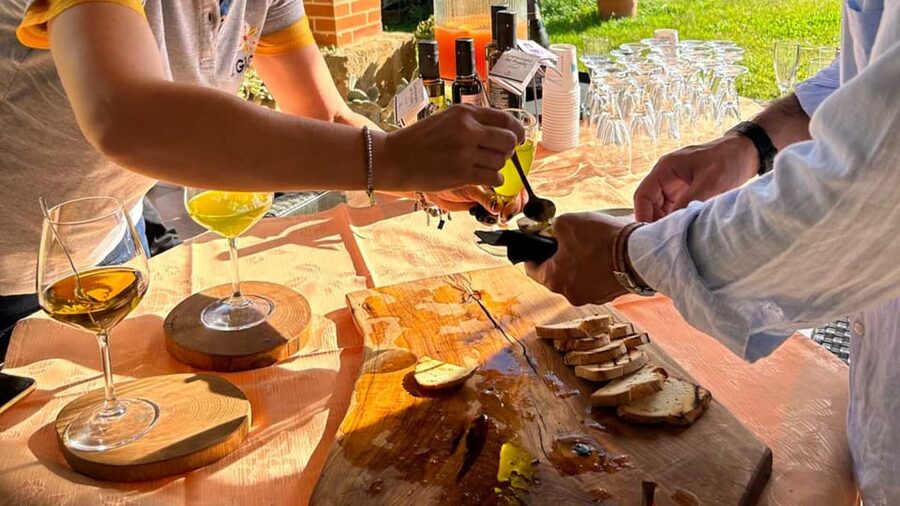
The food served during the tasting gives you a chance to test the lesson. You receive country crostone, seasonal vegetables, legume hummus, a chef’s surprise, water, and a glass of local wine.
Crostone is a natural partner for olive oil because the plain bread lets the oil take the lead. Try to pay attention to what changes when you use a gentler oil and then a more bitter or spicy one. The contrast can be more useful than tasting the oils alone.
Seasonal vegetables bring another comparison. A strong oil may suit sturdy vegetables or a dish that needs extra punch, while a milder oil may be better when you want the main ingredient to stay in front. The legume hummus adds creaminess and earthy flavor, giving you another setting in which to think about balance.
The chef’s surprise keeps the food portion from feeling completely fixed. Since the exact item is not specified, you should treat it as an additional seasonal or house-prepared bite rather than plan your meal around it. This is a tasting, not a replacement for lunch.
The included glass of local wine is a pleasant regional touch, though the main subject remains olive oil. If you are hoping for a large meal or a full wine tasting, this is not the right format. If you want enough food to make the pairings clear, the selection is well chosen.
What the 1.5-hour schedule feels like
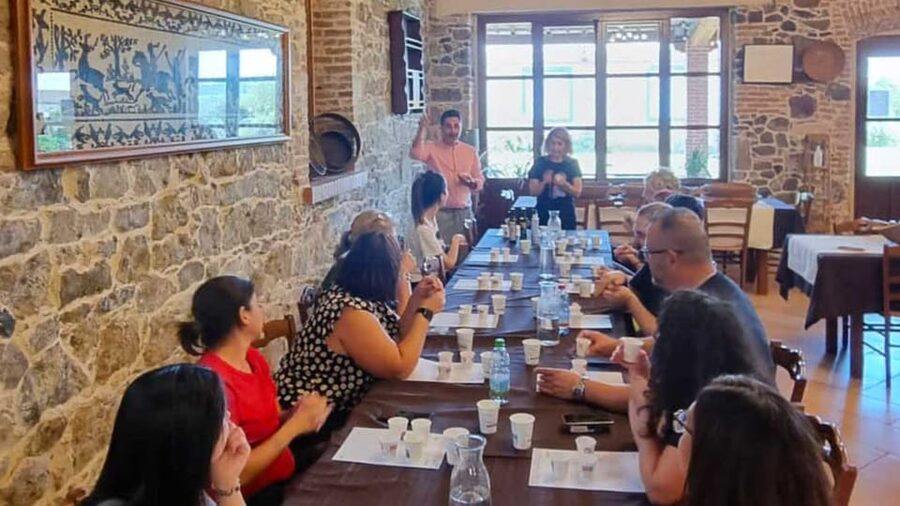
The short length is both a strength and a limitation. It fits neatly into a day built around Oristano, nearby archaeological sites, beaches, or another food activity. You do not need to give up an entire day to learn something substantial about Sardinian oil.
At the same time, you should expect a brisk program. The grove visit, production lesson, sensory tasting, food pairings, and questions all take place within 90 minutes. If you prefer slow meals and long conversations, you may wish the schedule were longer.
I see this as a focused introduction. You get the main information without a great deal of padding, and the strong feedback on the clarity of the explanations suggests that the guides make good use of the time. For a first visit to an olive farm, that is a fair trade.
The activity is offered in Italian and English. You should confirm your preferred language when booking, especially if the oil vocabulary is important to you. Sensory descriptions can be harder to follow than ordinary sightseeing commentary, so language matters here.
Who will enjoy this farm experience most
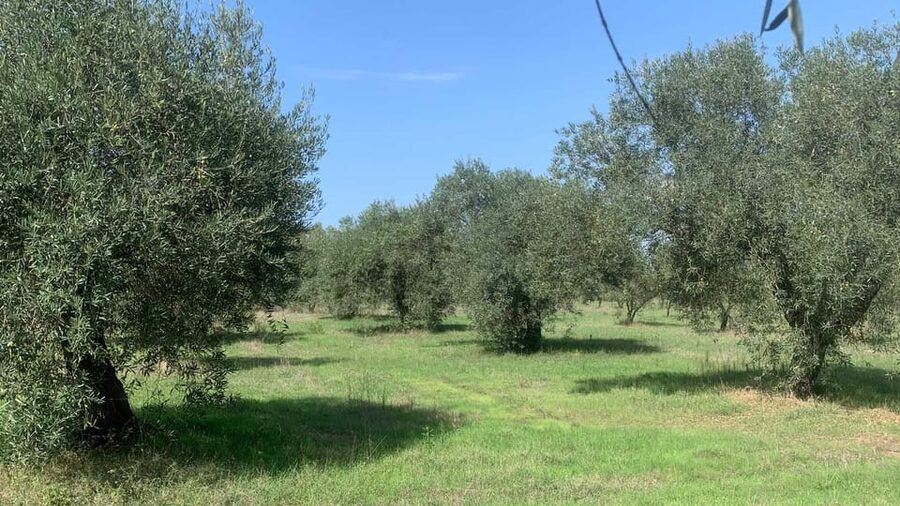
I would recommend it to food-focused visitors, home cooks, couples, and anyone looking for a quiet break from town sightseeing. It also suits people who want a local product with a direct connection to the Oristano area rather than a general Italian food demonstration.
Families may enjoy the farm setting, but the tasting is built around careful observation and discussion. Children who are curious about food may follow along, while very young children could find the sensory lesson less engaging. The available information does not specify a child age range, so check the booking conditions if that is important to you.
The activity welcomes pets on leashes both outside and inside the facility, except in processing rooms or places where food is handled. Dogs must be docile. That is helpful if your pet is part of your Sardinia plans, but you will still need to respect the food production areas.
This is not suitable for people with mobility impairments. The program begins in the olive grove and takes place partly at a farm, so it is wise to consider the walking and surface conditions before reserving.
Value, planning, and dietary requests
No price is provided here, so I cannot judge the exact cost against other Oristano activities. The value comes from combining a farm visit, a guided oil lesson, several tastings, food pairings, wine, and access to a family operation with more than a century of production behind it.
A cheaper bottle tasting in a shop may give you samples, but it will not necessarily explain Sardinian cultivars or show how harvest and pressing affect the final oil. A long meal may give you more food, but less instruction. This visit sits between those two options.
If you have allergies, food intolerances, or follow a vegetarian or vegan diet, contact the number on your reservation voucher at least two days before the visit. The farm can make accommodations when notified in advance. Do not assume that a request made on arrival can be handled in the same way.
Wear comfortable clothes. The farm allows leashed pets in most areas, but food handling and processing rooms are exceptions. Free cancellation is available up to 24 hours before the activity, and you can reserve now and pay later, which helps if your Sardinia schedule is still changing.
Should you book the Massama olive oil visit?
Book this if you want a short, local, food-centered activity near Oristano and care about learning how to use olive oil, not just sampling it. The old family farm, organic production, local cultivars, and guided pairings give the visit a clear sense of place.
Skip it if you want a long countryside outing, a full meal, or an activity designed for limited mobility. The 1.5-hour format is efficient but not leisurely, and the walking involved makes accessibility an important consideration.
For most visitors who enjoy regional food, I think it is a smart addition to an Oristano itinerary. Anna and Antonella’s clear explanations, the farm-to-bottle structure, and the chance to taste oils with actual food make this more useful than a quick spoonful at a shop. You may return home looking at your own olive oil bottle with a sharper eye, which is a fine souvenir in itself.
FAQ
Where is the olive oil experience held?
It takes place at an olive farm in Massama, a village near Oristano in Sardinia, Italy.
How long does the activity last?
The scheduled duration is 1.5 hours.
Who leads the visit?
Anna and Antonella lead the visit. They are fifth-generation oil and wine sommeliers from the farming family.
Which languages are available?
The activity is offered in Italian and English.
Which olive varieties will I learn about?
The program covers Bosana, Nera di Villacidro, Sa Manna, and Semidiana, which is typical of the Oristano area.
What food and drink are included?
The tasting includes country crostone, seasonal vegetables, legume hummus, a chef’s surprise, water, and a glass of local wine.
Can dietary requirements be accommodated?
Allergies, intolerances, and vegetarian or vegan alternatives can be accommodated with prior notice. Contact the number on the reservation voucher at least two days before the activity.
Are pets allowed?
Pets are allowed on leashes outside and inside the facility, except in processing rooms or areas where food is handled. Pets must have a docile disposition.
Is the activity suitable for people with mobility impairments?
No. The activity is not suitable for people with mobility impairments.
Just added around Italy
- Volterra: Fresh Pasta Cooking Class at a Tuscan Farmhouse★ 5.0 · 33 reviews
- Volterra: Pizza Cooking Class in a tuscan farmhouse★ 4.6 · 11 reviews
- Visit Siena and San Gimignano with lunch at a family farm★ 5.0 · 8 reviews
- Turin: Meet the Monviso Alpacas at the Educational Farm with a Guide★ 5.0 · 5 reviews
- Bardolino: Garda Lake Pasta Cooking Class at the Agritourism★ 5.0 · 32 reviews
- Rialto Farmers & Fish Market Food Tour in Venice with Wine Tasting & Sightseeing★ 5.0 · 3 reviews
- La Maliosa Farm Experience & Wine Tasting★ 4.5 · 29 reviews
- Traditional Farmhouse Cooking Experience in Lucca with Lunch or Dinner★ 5.0 · 34 reviews
Italy Farm Tours, compared.
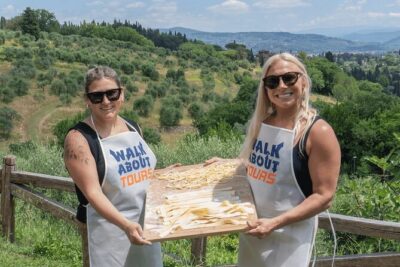
Florence Pizza or Pasta Class with Gelato Making at a Tuscan Farm
Read our review →
Cooking Class and Lunch at a Tuscan Farmhouse with Local Market Tour from Florence
Read our review →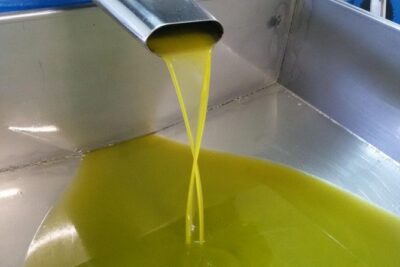
Sorrento Farm and Food Experience including Olive Oil, Limoncello, Wine tasting
Read our review →
Pizza Lesson, Wine, and Limoncello at a Local Farm
Read our review →
Pizza or Pasta Class with Gelato at a Tuscan Farm
Read our review →
Hands-On Cooking Class & Farmhouse Tour on the Amalfi Coast
Read our review →
Pizza School with Wine and Limoncello Tasting in a Local Farm
Read our review →
Authentic Farm Tour with Pizza, Cheese, Wine & Limoncello Tasting
Read our review →Lists this farm appears in