
Reviewed · OLIVE GROVE TOURS
Provence Olive Harvest
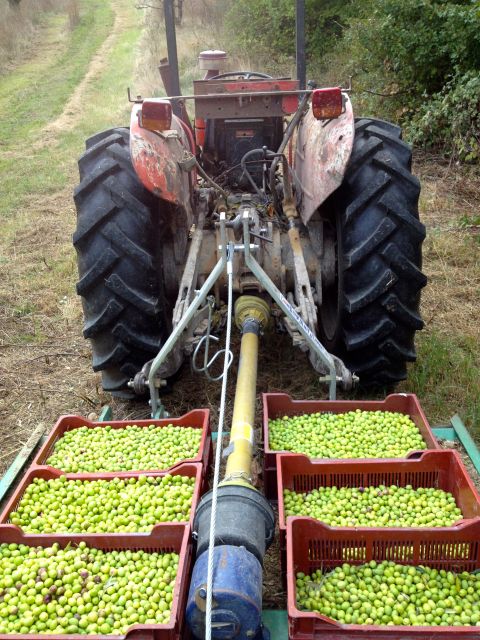
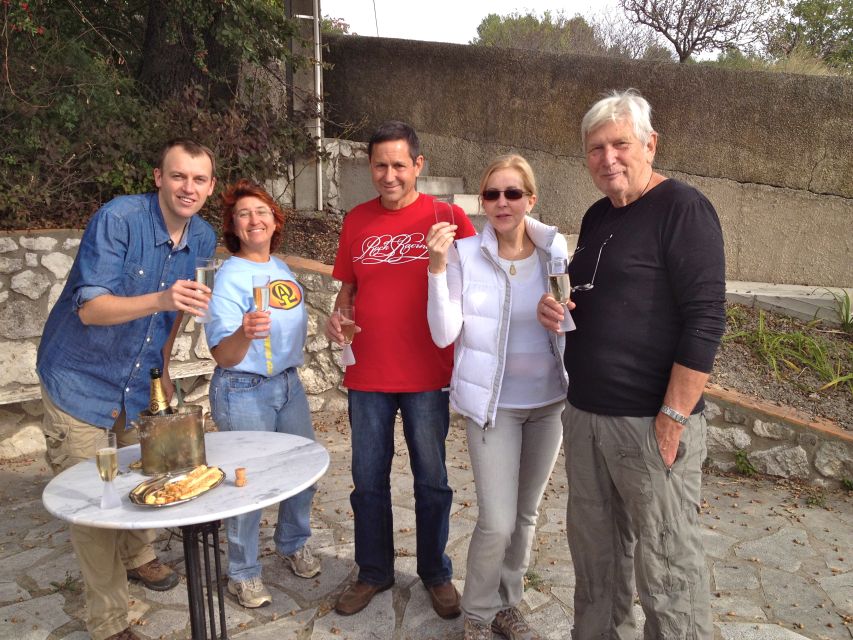
Olive picking at Les Pastras turns a simple farm visit into a hands-on lesson in Provençal food. You walk among olive trees, vineyards, beehives, herbs, and truffle trees, then pick olives by hand in the autumn sun while guide Johann explains how trees are planted, pruned, harvested, and pressed into oil.
I like the mix of real farm work and clear instruction, and I like the generous finish with wine, cheese, bread, olives, grapes, and truffle products. The main consideration is transport: you must make your own way to the property near Cadenet, and the published schedule suggests about two and a half hours even though the activity is sold as three hours.
Key points
- Hand-pick olives in autumn: You take part in the harvest instead of only looking at the trees.
- Johann leads the visit: Expect detailed explanations about olives, truffles, farming, pruning, planting, and oil production.
- Several Provençal crops in one walk: The property includes fruit trees, vineyards, beehives, herbs, and truffle trees.
- A generous food and wine finish: The apéritif includes property red wine, cheese, bread, grapes, olives, and homemade oils.
- Truffle products are part of the tasting: You sample truffle oil and truffle salt as well as olive oil.
- Easy booking terms: The activity is offered in English, is wheelchair accessible, and allows cancellation up to 24 hours ahead for a full refund.
Picking olives under the Provençal sun
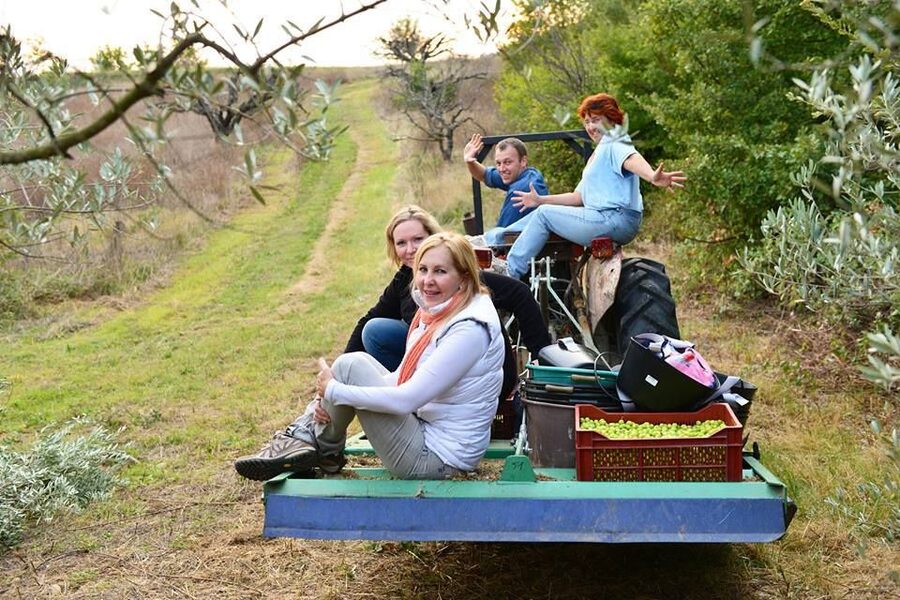
The heart of this experience is not a museum display or a polished tasting room. You go into the grove and pick olives by hand. That small task gives the rest of the visit a useful purpose: once your hands are involved, the tree, fruit, harvest, and bottle of oil make more sense.
The harvest takes place in autumn, when the light can still be warm and pleasant in Provence. Dress for the season rather than assuming the South of France will always be hot. You will be outside during the farm walk and olive picking, so comfortable clothing and shoes are the sensible choice.
Johann leads the tour in English. His explanations cover the practical side of olive growing, including planting, pruning, harvesting, and making olive oil. The information is aimed at curious visitors, not only food specialists, so you can ask questions and follow the process from tree to table.
You are also given olive-picking equipment. That matters because this is intended as participation, not a quick photo stop. The work is gentle and approachable, but it is still farm work, so the appeal is strongest if you enjoy doing something with your hands.
More Olive Grove Tours in France:
- Heraklion: Olive Farm Tour with Tasting of Local Delicacies
★ 4.9 · 411 reviews - Traditional Olive Grove and Dragon Fruit Farm Tour
★ 4.8 · 118 reviews - Kleanthi Olive Farm: Guided Tour with Local Delicacies Tasting
★ 5.0 · 51 reviews
A farm tour with more than olive trees
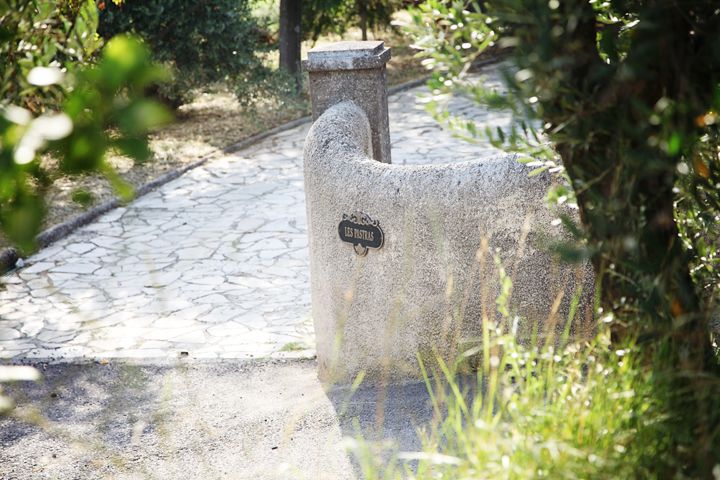
The property gives you a broader picture of Provençal agriculture. The walk includes fruit trees, vineyards, beehives, Provençal herbs, and truffle trees. Each adds another piece to the story of how food is grown and produced in the region.
I like this variety because it prevents the visit from becoming a single-note olive lesson. You can connect the olive grove with wine production, herbs, honey, and truffles, all within the same property. The tour does not present Provence as a backdrop only. It shows you some of the work and products that give local meals their character.
The truffle trees are especially useful context for the tasting later. You do not simply encounter truffle oil and truffle salt as expensive extras at the table. You have already seen that truffles are part of the farm’s agricultural world, which gives the tasting more meaning.
The property also has a poolside setting with a view of the olive groves. That is where the food and drink portion takes place. The setting sounds relaxed, but the value is not just the view. You have a chance to sit down after the walk, taste products from the property, and talk through what you have seen.
What happens from 10:30 or 14:00
You can begin at 10:30 or 14:00, depending on availability. The morning start leads into lunch, while the afternoon option gives you a later visit. Check the available time before booking, since the exact starting choice affects the rhythm of your day.
The scheduled farm portion runs from 10:30 to 12:00. During that time, you walk through the property, see the different crops and farm features, and learn about olive trees before taking part in the harvest. The walk is the educational core of the experience, while hand-picking gives it a physical, memorable element.
From 12:00 to 13:00, you settle in for a hearty Provençal apéritif. The food includes wine, cheese, truffles, bread, grapes, olives, and oil. The description also specifies all you care to drink of the property’s red wine, so this is not a token sip before you leave.
One practical detail deserves attention. The experience is advertised as three hours, but the supplied schedule shows two hours and thirty minutes from 10:30 to 13:00. That may simply allow for flexibility at the property, but you should not plan a tight connection afterward. Give yourself extra time, especially if you need to drive back to another town.
The tasting is a proper part of the visit
Many farm tours finish with a small sample and a sales pitch. Here, the food portion is described as a hearty apéritif, which makes the $37 price easier to assess. You receive lunch and drinks, not just a guided walk.
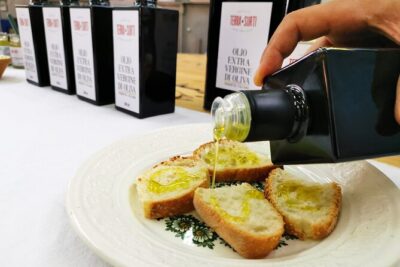
The tasting includes homemade olive oil, truffle oil, and truffle salt. Try them side by side if possible. Olive oil gives you the main product of the farm, while the truffle items show how the property’s different crops and specialties reach the table.
The food list is simple and Provençal: cheese, bread, grapes, olives, and truffles. That simplicity suits the visit. The purpose is to taste local products in a relaxed setting, not to attend a formal restaurant meal with a long menu.
The red wine is produced on the property, and the tasting takes place poolside overlooking the olive groves. If you are looking for a quiet rural meal with a local angle, this is one of the strongest parts of the experience. If you do not drink alcohol, the value may feel lower because the wine is a major feature. The supplied information does not specify alternative drinks, so ask ahead if that matters to you.
More Farm Tours in France:
- Versailles Bike Tour with Palace & Queen Farm Entrance
★ 4.9 · 492 reviews - Loupian: Tour guide of our oyster farm and tasting
★ 4.9 · 86 reviews - Sturgeon Fish-Farm Visit and Caviar Discovery Tasting in Neuvic
★ 4.5 · 81 reviews - Lavender Harvesting and Distillation Workshop in Bellegarde
★ 5.0 · 20 reviews
Is $37 a fair price?
At $37 per person, this is a good value if you want more than a short farm walk. The fee covers the guide, olive-picking equipment, food, wine, and tastings of olive oil, truffle oil, and truffle salt. You are paying for both the activity and the meal that follows.
The price looks especially reasonable for visitors who would otherwise book separate food and farm experiences. You get an English-language tour, hands-on harvesting, a look at several types of agriculture, and a substantial apéritif in one three-hour booking.
The value is less compelling if your main goal is a full olive oil production tour. The information confirms that Johann explains how olive oil is made, but it does not say that you visit a working mill or watch pressing machinery. You learn about the process rather than being promised a complete production facility tour.
Transportation is not included. The meeting point is 549 chemin Les Pastras, 84160 Cadenet, so you must arrange your own route to the property. Add fuel, taxi, or other transport costs when comparing the total price with a standard sightseeing tour from a larger Provençal town.
The food, wine, and farming lesson
The best part of Johann’s guiding style is the amount of practical information packed into the visit. He covers olive trees in detail but also talks about truffles and farming in France more broadly. That gives you a clearer picture of the effort behind familiar items on a Provençal table.
You learn about pruning and planting, not only harvesting. Those details help explain why olive trees look the way they do and why producing good oil takes time. You also hear about harvesting and oil making, which connects the fruit in your hand with the oil you taste later.
The experience also makes a useful distinction between seeing a rural property and understanding it. A walk past vineyards and herbs can be pleasant, but the guide’s explanations give those details a practical role. The beehives, truffle trees, fruit trees, and olive groves become part of one working farm story.
The lunch portion reinforces the lesson without turning formal. You can taste the olive oil after learning where olives come from, then try truffle oil and salt after seeing the truffle trees. That sequence is more satisfying than tasting products with no connection to the place that makes them.
Who will enjoy Les Pastras most
This is a strong choice for food-minded visitors, couples, families, and anyone who prefers a small agricultural experience to a standard city tour. It works well for people who like to ask questions, sample local products, and take part in a simple seasonal task.
You will get the most from it if you enjoy both learning and eating. The harvest alone is fairly modest, but the combination of farm walk, olive picking, instruction, wine, and apéritif gives the visit its full value.
It may suit children if they are interested in being outdoors and helping with the harvest, though the supplied information does not give a minimum age or a specific children’s program. Families should confirm those details before booking.
The activity is listed as wheelchair accessible. That is useful, but the description does not explain the exact condition of every path or the equipment used for olive picking. If you need detailed mobility information, contact Les Pastras before you reserve.
This is less suited to anyone seeking a fast, highly structured attraction with many formal exhibits. The appeal comes from the property, the guide, the season, and the chance to spend time at the table afterward.
Timing, clothing, and practical planning
You can choose a morning or afternoon start, with times listed at 10:30 and 14:00. The morning session is the natural choice if you want the apéritif around midday. The afternoon option may work better if you have a late morning commitment, but confirm how the meal timing is handled for that departure.
Wear clothing suited to the season. Autumn days can change, and the visit combines walking, farm work, and sitting outdoors. Comfortable shoes are sensible, and you may want a light layer even on a sunny day.
The meeting point is outside central Cadenet at 549 chemin Les Pastras, 84160 Cadenet. Since transportation is not included, plan this part before booking. Do not assume that a town transfer or pickup is built into the $37 price.
Cancellation is flexible up to 24 hours before the activity for a full refund. You can also reserve and pay later, which helps if your Provence schedule is still shifting. The tour is offered in English, so English-speaking visitors can follow the farming explanations without needing translation.
My take on the strongest moments
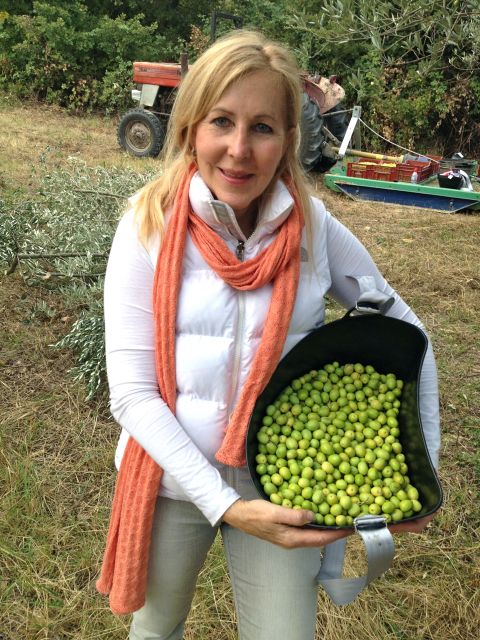
I would focus on three parts when deciding if this belongs in your itinerary. First, the hand-picking makes the visit active and seasonal. You are not only being told about olives; you are handling the fruit during the harvest.
Second, Johann’s detailed explanations give the tour substance. The information reaches beyond basic olive facts into pruning, planting, oil making, truffles, and French farming. That is the part that can turn a pleasant outing into something you remember when you see olive oil on a shop shelf.
Third, the apéritif is generous enough to function as a real meal. Property red wine, cheese, bread, grapes, olives, olive oil, truffle oil, and truffle salt make the finish feel like part of the experience rather than an afterthought.
There are limits. You must arrange transport, the visit is outdoors, and the published schedule is not perfectly clear about the full three-hour duration. You also should not book it expecting a complete mill demonstration unless Les Pastras confirms that separately.
Should you book the Provence Olive Harvest?
Book it if you want a friendly, food-centered farm visit with hands-on olive picking and a substantial Provençal apéritif. At $37, the combination of guide, equipment, tastings, lunch, and wine is strong value, especially for visitors already exploring the Cadenet area.
Skip it if you need included transportation, dislike outdoor farm work, or want a formal olive mill tour with a full pressing demonstration. For everyone else, Les Pastras offers a useful look at how Provence grows and serves its food, with Johann’s detailed guidance and a generous table to finish the day.
FAQ
Where does the Provence Olive Harvest take place?
It takes place at Les Pastras, 549 chemin Les Pastras, 84160 Cadenet, in the South of France.
How long does the experience last?
The activity is listed as three hours. The scheduled program runs from 10:30 to 13:00 for the morning option, so allow extra time around the stated schedule.
What starting times are available?
The experience begins at your convenience at either 10:30 or 14:00, subject to availability.
What activities are included?
You walk through the property, see fruit trees, vineyards, beehives, Provençal herbs, and truffle trees, then pick olives by hand and learn about olive trees and olive oil production.
What food and drinks are included?
The experience includes a hearty Provençal apéritif, property red wine, cheese, bread, grapes, olives, homemade olive oil, truffle oil, and truffle salt.
Is transportation included?
No. Transportation to and from the meeting point is not included.
Is the activity offered in English and accessible by wheelchair?
Yes. The activity has a live English-speaking guide and is listed as wheelchair accessible.
Just added around France
- Valensole : Visit of a winery and lavender farm★ 5.0 · 5 reviews
- Versailles: Farmers Market & Royal Vegetable Garden Food Tour★ 5.0 · 11 reviews
- Award winning “From Farm to Table, A Culinary Day in Lyon”★ 5.0 · 10 reviews
- Half Day Grape Harvest Experience with Tasting in Epernay★ 5.0 · 2 reviews
- Sturgeon Fish-Farm Visit and Caviar Master Class Tasting in Neuvic★ 5.0 · 8 reviews
- English Tour into the Sturgeon Farm With a Discovery Tasting★ 5.0 · 6 reviews
- English Tour into the Sturgeon Farm With a Initiation Tasting★ 3.5 · 2 reviews
- Provençal Farmers market tour★ 5.0 · 15 reviews
Olive Grove Tours, compared.
Olive Farm Tour with Tasting of Local Delicacies
Read our review →
Traditional Olive Grove and Dragon Fruit Farm Tour
Read our review →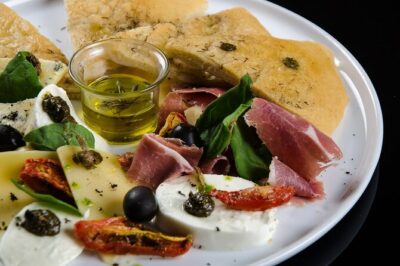
Kleanthi Olive Farm: Guided Tour with Local Delicacies Tasting
Read our review →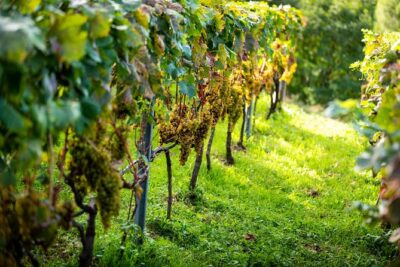
Visit to the olive grove, oil tasting and lunch at the farm
Read our review →
Private Traditional Olive Grove and Dragon Fruit Farm Tour
Read our review →
Snail and olive farm tour with table olives & homemade sweet
Read our review →
Olive harvest, visit to the oil mill and typical lunch
Read our review →Lists this farm appears in