
Reviewed · TEA PLANTATION TOURS
Purple Tea Farm Tour from Nairobi City – Specialty Tea Tasting
The rare treat here is getting your hands on purple tea, a specialty crop you do not simply watch from behind a fence. Family members welcome you at the Gatanga farmhouse, then guide you through picking, carrying, and processing the leaves.
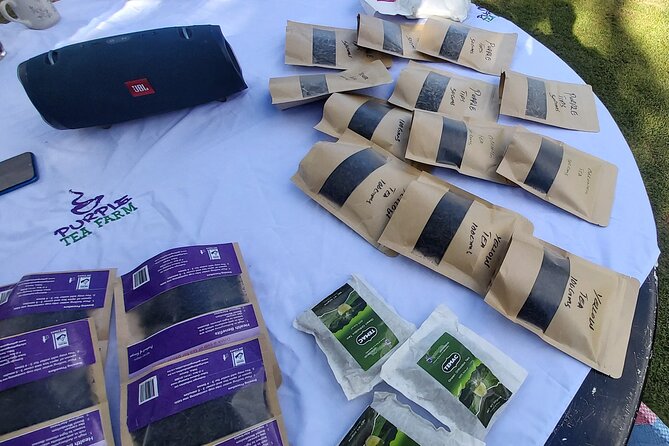
I especially like the hands-on farm work and the wide tea tasting, which includes purple, green, oolong, hibiscus, yellow tea, silver tips, and golden tips. The three-course lunch and waterfall walk give the day more shape than a quick factory visit.
The main drawback is the long day from Nairobi, and pickup communication needs care. One highly positive account praised the farm program, lunch, and waterfall walk but reported problems before arrival, so confirm the pickup details clearly.
Key things to know before booking
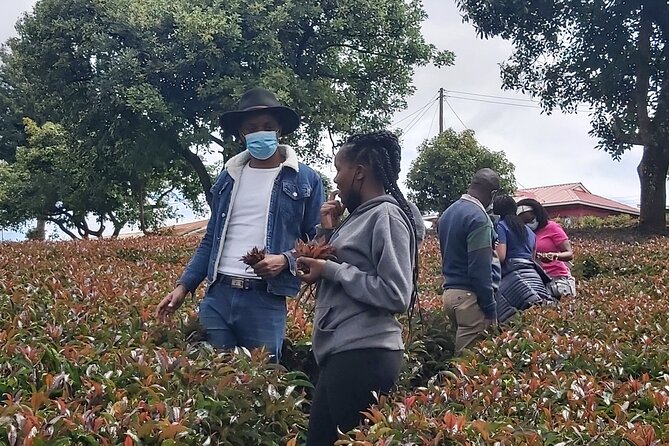
- You pick and carry purple tea leaves: This is an active farm visit, not just a talk and photo stop.
- Eight specialty teas are served: Expect purple, green, black orthodox, oolong, hibiscus, yellow, silver tip, and golden tip teas.
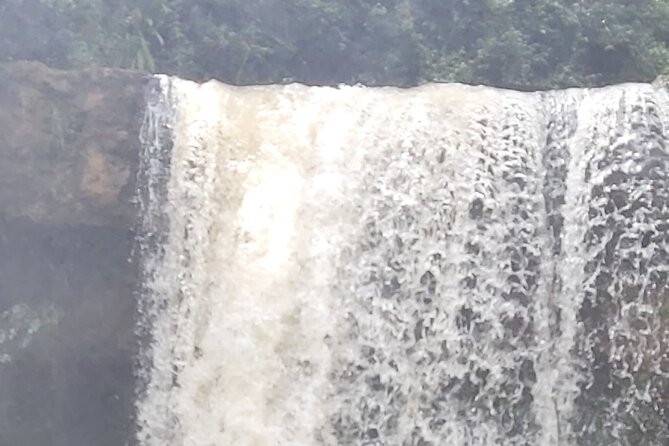
- A waterfall walk breaks up the food and tea: The nature trail ends at a waterfall, with the possibility of a dip for those comfortable with it.
- Lunch is part of the experience: A three-course meal is included, along with tea and coffee.
- The group is limited to 12 people: That keeps the farm work and tasting more personal.
- Nairobi transfers are included: You meet at Uniafric House at 8:00 a.m. and return to the same agreed meeting point.
Why purple tea makes this farm visit different
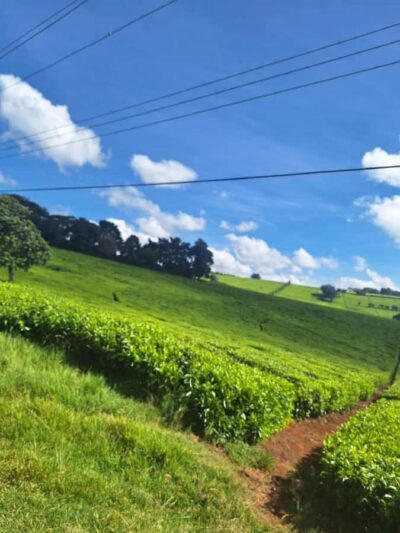
Kenya is well known for tea, but this outing focuses on specialty production rather than a standard plantation photo stop. Purple tea is the hook, and you get to see it at several stages: growing, picking, carrying, processing, and tasting.
That sequence matters. When you taste the finished cup later, you have already handled the leaves. You have seen that tea is not simply poured from a packet or produced by an anonymous factory. You get a basic but useful sense of how careful handling affects the final drink.
The farm visit takes place in Gatanga, outside Nairobi, and the full day lasts about nine hours including the return journey. The farm portion is listed at roughly six hours, so plan for most of your day to be occupied. This is a good choice if you want an outing with a clear subject rather than a rushed collection of unrelated stops.
The setting is family-run. Family members welcome you at the farmhouse, which gives the opening a personal feel. Do not expect the polished staging of a large commercial attraction. The appeal is direct contact with the farm, the leaves, the food, and the people who introduce the process.
More Tea Plantation Tours in Nairobi:
- Nairobi to Kiambethu Tea Farm Tour
★ 5.0 · 51 reviews - Private Day Trip to Kiambethu Tea Farm in Limuru from Nairobi
★ 5.0 · 31 reviews - Day Tour To Kiambethu Tea Farm in Limuru
★ 5.0 · 22 reviews
Leaving Nairobi at 8:00 a.m.
Your meeting point is Uniafric House at 25 Nairobi, and departure is scheduled for 8:00 a.m. Return transport from Nairobi is included, which is important because Gatanga is not a city-center activity. You do not need to arrange a separate taxi or work out a public transport connection to the farm.
Still, treat the morning meeting as a practical detail, not an afterthought. One account praised the farm experience but described poor communication and difficulty with pickup. The provider responded with an apology regarding communication and safety concerns. I would confirm the exact pickup point, timing, and contact details before the morning of departure.
The group limit is 12 people. That is small enough for the hand-picking session to feel personal, and it should make it easier to hear explanations and ask questions. The price is $102 per person, including transport, lunch, and tea. For a full day outside Nairobi with food, tastings, and a guided farm program, the price is reasonable if you value participation more than sightseeing from a vehicle.
Meeting the family at the Gatanga farmhouse
The first farm stop is a welcome and short explanation of tea growing in Kenya. Family members receive you at the farmhouse and introduce the setting before the practical work begins.
This opening is useful because it places specialty tea in a local context. You are not walking straight into a tasting room without knowing where the leaves came from. The farm welcome also sets the tone for the day: informal, family-based, and centered on how tea is grown and handled.
The experience does not promise a formal lecture with technical detail at every step. Instead, you learn through the work itself. If your interest is in agriculture, food production, or Kenyan specialty products, that approach should suit you. If you want a long historical or scientific presentation, the description does not promise one.
Picking purple tea by hand
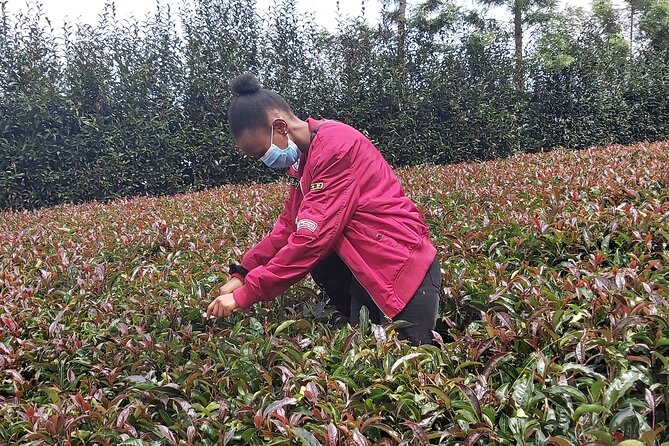
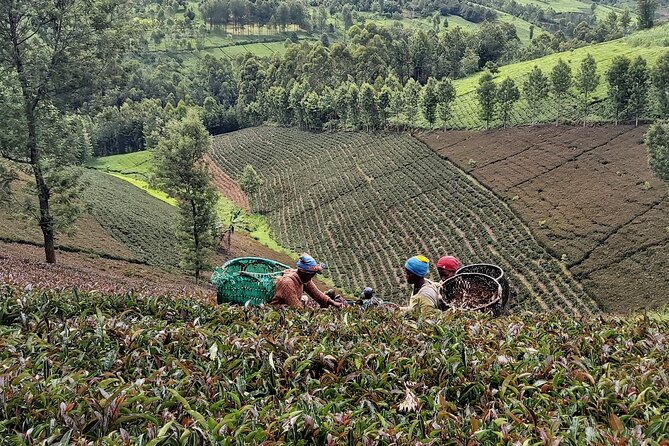
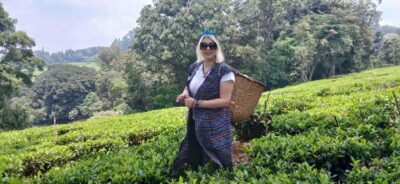
The most memorable part is the picking session. You try your hand at collecting purple tea leaves and then carry what you picked for processing.
That small detail changes the visit. You are not only photographing tea bushes. You take part in the first step and then follow the leaves onward. The work also gives you a better feel for the care involved in hand-picked tea, even if you are new to farming.
Wear clothing and shoes that are suitable for walking and outdoor work. The supplied information does not specify the ground conditions or provide a recommended dress code, so practical footwear is the sensible choice. You should also allow room in your day for a hands-on activity rather than expecting a quick stop.
The phrase traditional orthodox processing refers to a method that differs from the most basic industrial tea production. Here, the focus is on learning the traditional procedure used for specialty tea. You get to see how the leaves move from the farm toward a finished product, then taste several styles later.
More Farm Tours in Nairobi:
- Nairobi Coffee Farm and Factory Tour
★ 5.0 · 87 reviews - Nairobi: Coffee Factory and Farm Tour with Transfer
★ 4.5 · 60 reviews - Coffee Farm Village & Factory Half Day Tour with Pick-Up
★ 5.0 · 33 reviews - Nairobi: Guided Coffee Farm Tour with Tastings
★ 5.0 · 24 reviews
Seeing traditional orthodox processing

After picking, you carry the tea to the processing area and learn how specialty tea is handled in the traditional way. This part gives meaning to the later tasting. Purple, green, black orthodox, oolong, and other teas are not simply different labels on a menu. They represent different styles of handling and processing.
The activity is especially useful for anyone who enjoys tea but normally buys it without thinking about production. You get a simple chain of events: leaf, hand work, processing, cup. That is a more lasting lesson than a tasting alone.
Do not expect to leave with professional tea-making skills. The program is an introduction, not a technical certification course. Its strength is that it lets you see and participate in the basic process in the place where the tea is grown.
A nature trail ending at a waterfall

The farm program also includes an experiential nature walk. The trail ends at a waterfall, giving you a change of pace after picking and processing.
This is one of the day’s best design choices. Tea production can become repetitive if you are only moving between bushes and processing areas. The walk adds fresh air and movement, and the waterfall provides a clear climax to the outdoor portion.
A previous account singled out the waterfall hike as a highlight and noted that some people took a dip. The supplied details do not promise swimming, changing facilities, or safe water conditions, so treat a swim as an optional possibility rather than a fixed part of the tour. Bring sensible outdoor clothing, and do not count on the dip unless the local guide confirms it.
The nature walk also means this outing is not ideal for someone who wants to avoid walking. The general participation information says most people can take part, but it does not give a detailed accessibility assessment or trail length. If you have mobility concerns, ask the provider before booking.
A three-course lunch before the tasting
Lunch is a proper part of the experience, not an extra purchase. You receive a three-course meal at the farm, along with tea and coffee.
The meal earned particularly strong praise in the available feedback, described as fabulous and gourmet. That is worth noting because food can turn a long countryside outing into either a pleasure or a chore. Here, lunch gives you time to rest, talk, and prepare for the tasting.
The exact dishes are not specified, so do not book this expecting a particular menu. If you have dietary restrictions, ask the provider before departure. The supplied details confirm a three-course lunch but do not confirm vegetarian, vegan, allergy-friendly, or other special arrangements.
The food also adds value to the $102 cost. If you paid separately for transport, a full meal, and several tastings, the total would rise quickly. The price makes the most sense for you if you plan to spend the day outside Nairobi and want the main expenses handled in advance.
Tasting eight Kenyan specialty teas
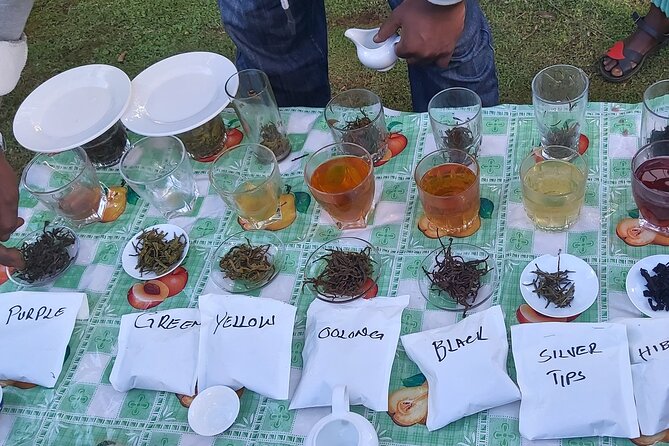
The tasting is the other major reason to book. You sample a broad range of teas:
- Purple tea
- Green tea
- Black orthodox tea
- Oolong tea
- Hibiscus
- Yellow tea
- Silver tips
- Golden tips
This is a generous range for one farm visit. You can compare lighter and darker styles, floral or herbal cups, and teas made from different parts or handling methods. Silver tips and golden tips are particularly useful additions because they introduce the delicate end of the tea spectrum.
Hibiscus is not the same type of tea as the tea plant varieties, but its inclusion broadens the tasting and gives you a different flavor profile. The point is not simply to identify a favorite. It is to notice how color, aroma, and preparation change from one cup to the next.
No separate tasting fee is required. Tea is included in the booking, and lunch is included too. That removes the common worry that the advertised price covers transport but leaves the main food or tasting costs to you.
Buying tea straight from the farm setting
Near the end of the farm visit, you can buy quality Kenyan tea as it comes from the tea factory mill. This is a practical chance to take home something connected to the day rather than a generic souvenir.
The details do not specify the brands, package sizes, or prices, so bring a payment method that suits the provider’s arrangements and ask about the available tea before choosing. Personal purchases are not included in the tour price.
You also sign the visitors book. That is a small touch, but it gives the visit a clear ending. You have picked leaves, seen processing, eaten lunch, tasted specialty teas, and left a record of your visit before heading back toward Nairobi.
Who will get the most from this tour
I would choose this outing if you enjoy food and drink experiences with a practical side. Tea fans get the clearest benefit, but you do not need specialist knowledge. Curiosity is enough, especially if you want to understand how a Kenyan product moves from farm to cup.
It also suits you if you prefer a small group. With no more than 12 people, the farm work should feel less hurried than on a large coach excursion. The family welcome and direct handling of the leaves add a human element that a factory-only visit would miss.
This is less suitable if your main goal is to see many Nairobi attractions in one day. The tour occupies about nine hours, and the trip to Gatanga takes time. It is also not the best match if you dislike outdoor walking, farm activity, or a schedule built around one subject.
The 4.6 rating and 92 percent recommendation suggest that the overall package works well for most people, while the pickup complaint is a useful warning. I would focus on confirming the transport details, since the strongest criticism concerned the arrangements before the farm rather than the farm program itself.
Is $102 a fair price?
At $102, you are paying for more than a cup of unusual tea. The fee includes return transport from Nairobi, a three-course lunch, tea and coffee, guided farm activities, the nature walk, and the full tasting session.
The value is good if you would otherwise need to arrange a private ride to Gatanga and buy food and tastings separately. It is less compelling if you only want to sample purple tea and have little interest in the farm work or waterfall walk.
The small group also matters. A maximum of 12 people gives the experience a more personal scale, though the price is higher than a basic group transfer or a short plantation stop. I see it as a full-day food and countryside outing rather than a simple tea factory visit.
Free cancellation is available up to 24 hours before the start time for a full refund. Changes or cancellations inside that window are not accepted for a refund. The activity depends on good weather and a minimum number of participants, so a cancellation by the provider can lead to another date, another experience, or a full refund.
Should you book the Gatanga tea farm day?
Book it if you want to work with the tea leaves, taste several Kenyan specialty teas, and spend a full day outside Nairobi. The purple tea picking, traditional processing, waterfall walk, and three-course lunch give the experience a strong mix of activity and relaxation.
I would be more cautious if your schedule is tight or if transportation uncertainty would cause stress. Confirm the Uniafric House pickup details before departure, then allow the whole day rather than trying to fit another major activity afterward.
For tea lovers, food-focused visitors, and anyone curious about how a specialty crop is made, this is a worthwhile use of a Nairobi day. The best part is that you do not only see purple tea in a cup. You help pick it, carry it, learn how it is processed, and then taste it alongside a wide set of Kenyan teas.
FAQ
Where does the purple tea farm tour begin?
The tour begins at Uniafric House, 25, Nairobi, Kenya.
What time does the tour start?
The scheduled start time is 8:00 a.m.
Where does the tour end?
The activity ends back at the agreed meeting point in Nairobi.
How long does the experience last?
The full outing lasts about nine hours. The farm portion is listed as approximately six hours, with the remaining time including transport.
How many people can join the tour?
The group is limited to a maximum of 12 people.
Is transport from Nairobi included?
Yes. Transport to and from Nairobi is included in the tour price.
Is lunch included?
Yes. A three-course lunch is included.
Which teas can I taste?
The tasting includes purple tea, green tea, black orthodox tea, oolong, hibiscus, yellow tea, silver tips, and golden tips.
Can I cancel for a full refund?
Yes, if you cancel at least 24 hours before the experience start time. Cancellations made less than 24 hours before the start are not refunded.
Just added around Nairobi
- Riara tea farm tour with lunch and tea tasting from Nairobi★ 5.0 · 3 reviews
- Excursion to Kiambethu Tea Farm★ 5.0 · 6 reviews
- Kiambethu Tea Farm Tour & Lunch From Nairobi★ 5.0 · 7 reviews
- Private Half-Day Tour in Fairview Coffee Farm from Nairobi★ 5.0 · 13 reviews
- Day tour to Kiambethu tea farm in Limuru from Nairobi★ 4.5 · 2 reviews
- Coffee farm tour, coffee roasting and tasting experience★ 5.0 · 20 reviews
- Tea Farm Experience at Riara Tea Farm And Factory Tour★ 5.0 · 11 reviews
- Fairview Estate Coffee Farm Tour With Pick up★ 5.0 · 2 reviews
Tea Plantation Tours, compared.
Private Day Trip to Kiambethu Tea Farm in Limuru from Nairobi
Read our review →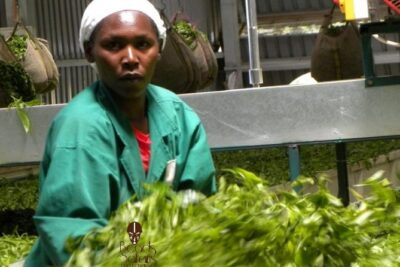

Tea Farm Experience at Riara Tea Farm And Factory Tour
Read our review →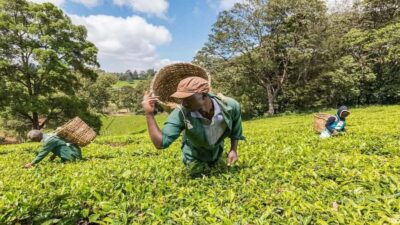
Lists this farm appears in