
Reviewed · FLORENCE FARM TOURS
Seggiano: Typical Tuscan Farm Tour with Olive Oil Tasting
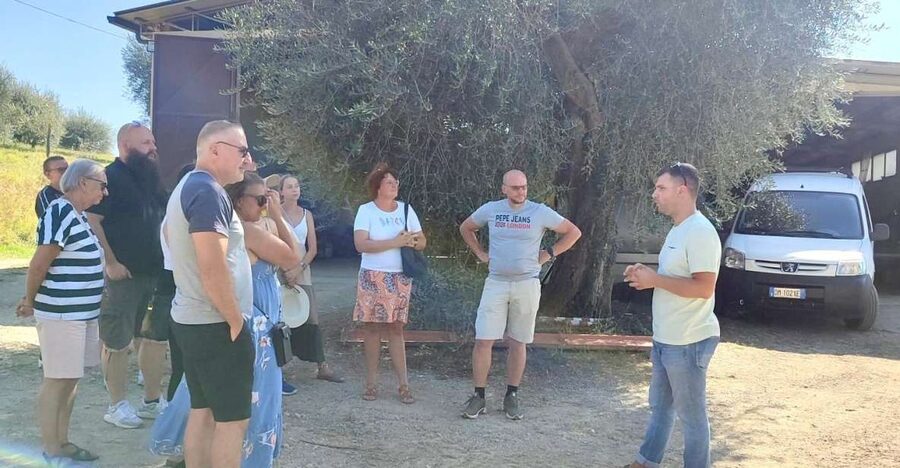
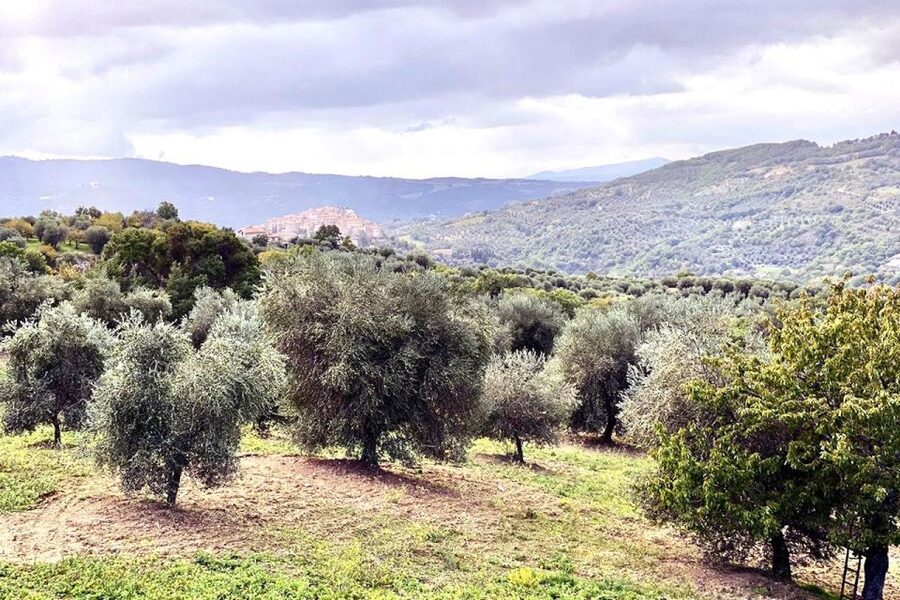
Olio Abbraccio gives you a close look at the work behind a bottle of Tuscan extra virgin olive oil. You walk through the grove, see the farm equipment and cellar, then sit down to taste the finished oils with typical foods. The view toward historic Seggiano adds a fine sense of place.
I like the family-run feel and the clear focus on sustainable farming. I also like the tasting, which goes beyond bread and oil: different meats, breads, and even ice cream help you notice how olive oil changes with the food. The main drawback is practical: you must arrange your own transport to the farm, and one visitor needed help finding the entrance.
Key points to know before booking
- A two-hour farm visit: The tour covers the olive grove, production equipment, cellar, and tasting table without taking up a full day.
- A lesson in conscious buying: You learn how farming, milling methods, and quality affect extra virgin olive oil.
- A real family operation: Olio Abbraccio gives the visit a personal touch, with guides answering questions in simple, clear terms.
- A useful tasting: Oils are paired with bread, meats, typical foods, and an unexpected serving with ice cream.
- A scenic setting near Seggiano: The farm looks toward the historic village, giving the visit a strong Tuscan sense of place.
- Bring your own way there: Transportation is not included, so driving or arranging another ride matters.
Why this small olive farm is worth your time
Many visitors to Tuscany taste olive oil as part of a larger meal and never see where it comes from. This experience reverses that order. You begin with the trees and the work, then follow the oil through the farm until it reaches the table.
That makes the visit useful even if you already enjoy olive oil. You start to connect flavor with decisions made long before tasting: how the olives are cultivated, how the harvest is handled, and what milling technology does to the finished product.
Olio Abbraccio uses a biological method and describes its agriculture as genuinely sustainable. The farm also uses advanced milling technology. You will not just hear that the oil is high quality. You will see the setting and equipment that support that claim, then taste the result for yourself.
The company has received Gambero Rosso’s prestigious three-leaf recognition. That award is a helpful signal for anyone who wants to visit a serious producer rather than stop at a shop selling generic souvenirs.
At the same time, this is not a grand estate tour with a long list of formal rooms and staged displays. The appeal is more direct. You are visiting a working family farm, learning how the product is made, and asking questions face to face.
More Farm Tours in Florence:
- Florence Pizza or Pasta Class with Gelato Making at a Tuscan Farm
★ 5.0 · 6,801 reviews - Cooking Class and Lunch at a Tuscan Farmhouse with Local Market Tour from Florence
★ 5.0 · 4,831 reviews - Florence: Pizza or Pasta Class with Gelato at a Tuscan Farm
★ 4.9 · 1,181 reviews
Starting among the olive trees near Seggiano
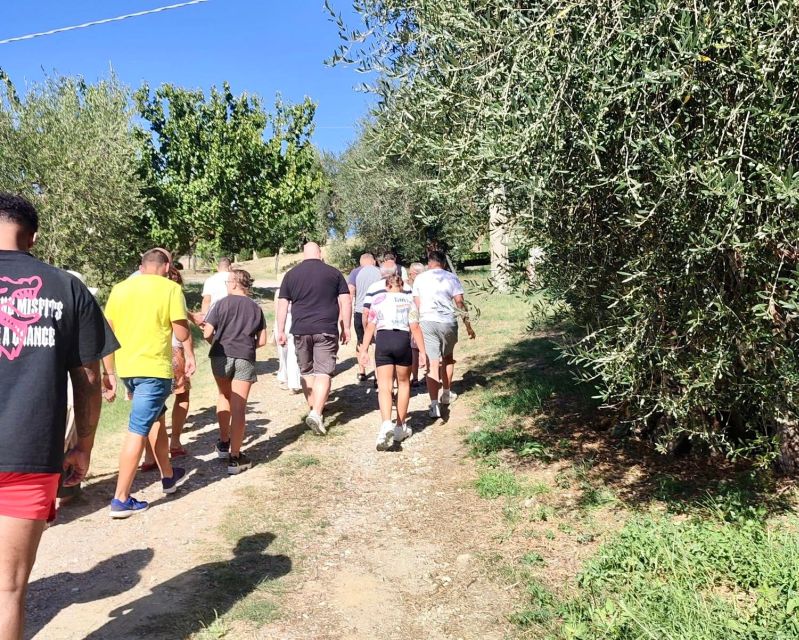
The first part of the visit takes you into the olive grove. This is where the process begins, and it helps put the rest of the tour in context.
You can expect an explanation of olive cultivation and the work required to produce high-quality oil. The exact route through the fields may vary, but the purpose is clear: to show you that extra virgin olive oil begins with careful farming, not simply with pressing fruit at the end of the season.
This is also the most scenic portion of the visit. From the farm, you can admire the historic village of Seggiano. The view gives you a reason to slow down and look beyond the oil itself. You are not in an anonymous tasting room. You are in the countryside that supplies the product.
If you are interested in sustainable food, the grove is especially important. Biological farming can sound like a label until you see it discussed in relation to daily work. The guide explains the company’s effort to create a more sustainable path for olive cultivation, then links that effort to modern milling.
The farm setting also makes this a good choice for anyone who wants a short break from churches, museums, and busy town centers. Two hours is long enough to learn something useful, but short enough to fit into a day based in the Val d’Orcia or nearby parts of Tuscany.
Following the olives from harvest to cellar
After the grove, the tour turns to the production process. You visit the equipment and cellar and learn how olives become extra virgin olive oil.
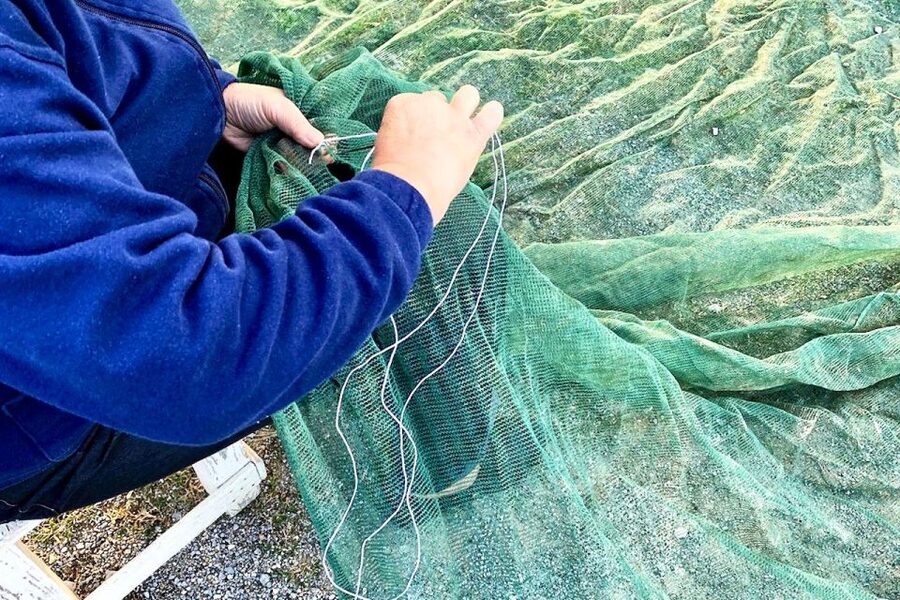
One useful point here is that quality depends on a chain of choices. The farm’s work does not stop when the olives are picked. Harvesting, handling, milling, and storage all affect the final oil. Seeing the equipment helps make those stages less abstract.
A past visitor found the explanation of olive harvesting particularly helpful. That is a good sign for beginners, since you do not need specialist knowledge before arriving. The guide explains the process in simple terms and leaves room for questions.
The family management of Olio Abbraccio is part of the experience. A small family operation can pay close attention to details, and here that care is presented as central to the company’s approach. You get a sense of a producer that treats quality as a daily responsibility rather than a marketing line.
Do not expect a technical mill tour with every mechanical detail covered. The visit lasts two hours and includes the fields, equipment, cellar, and tasting. The aim is understanding, not an engineering course. For most people, that balance works well.
The cellar portion matters because it connects production with what you eventually taste. Once you know that the farm uses advanced milling methods and takes storage seriously, the tasting becomes more than a pleasant snack. You can consider how the choices made at the farm affect aroma, bitterness, pepperiness, and balance.
Learning to taste extra virgin olive oil
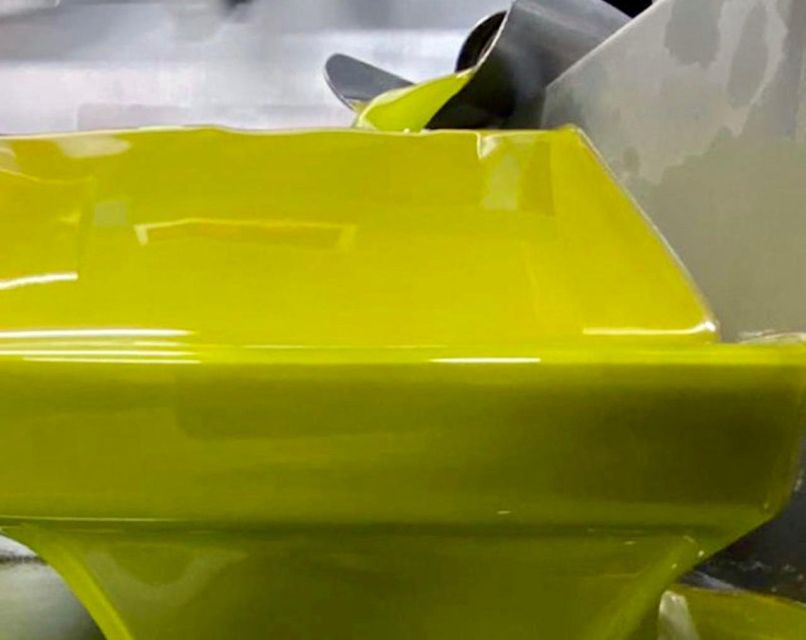
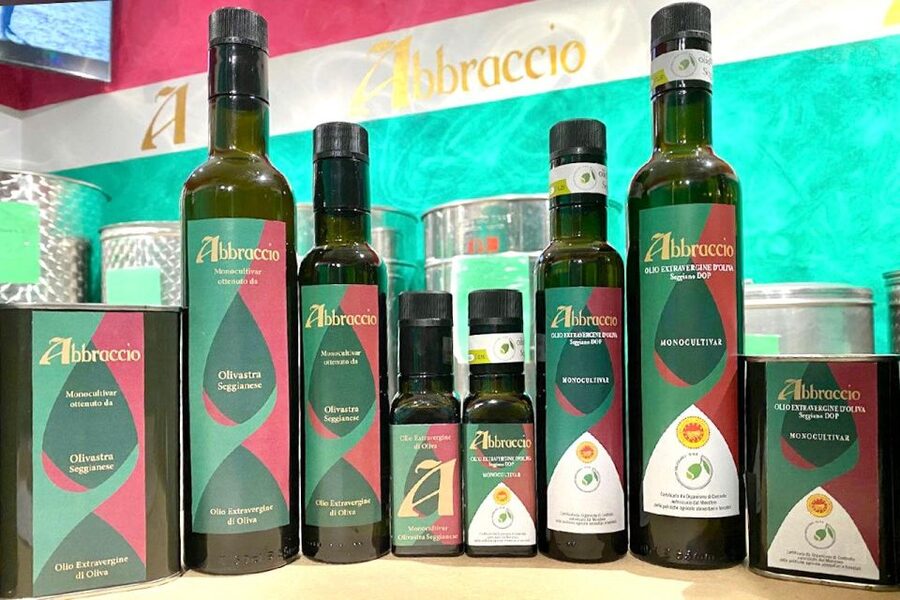
The tasting is the part many people will remember. You sample oils produced by Olio Abbraccio and learn how to approach them as a more conscious consumer.
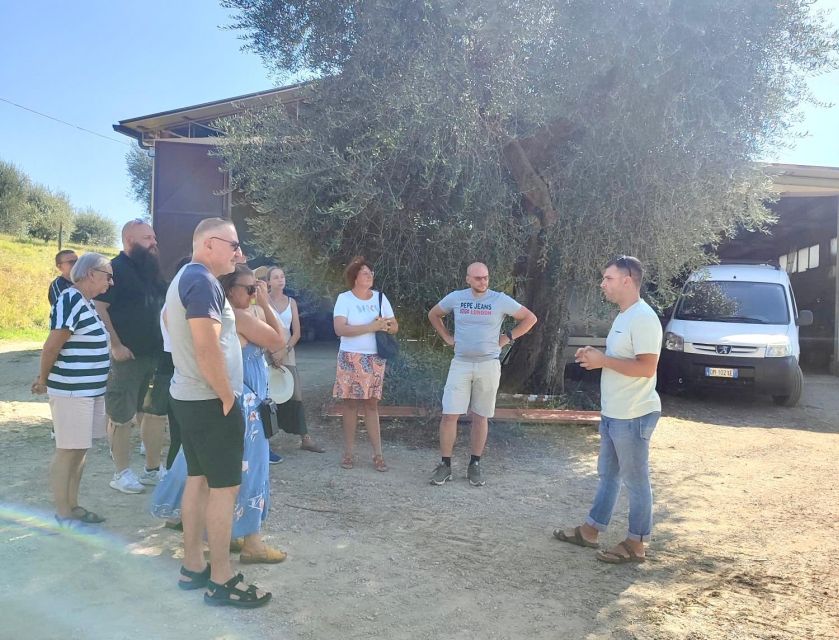
For a first-time taster, the value is not only in deciding which oil you like best. You learn to pay attention to differences between oils and to think about how they work with food. The guide can help explain what you are tasting and answer questions as you go.
The food pairings make the session more approachable. Bread and meats provide familiar reference points. You can compare how the oil behaves with simple savory foods rather than tasting it in isolation.
The most unusual pairing is ice cream. It may sound odd at first, but that is exactly why it is useful. It shows that olive oil is not limited to dipping bread or finishing a salad. A good tasting should challenge your habits a little, and this one does.
You should arrive ready to taste rather than expecting a large meal. The experience includes extra virgin olive oil and typical foods, but its purpose is education. If you want a full Tuscan lunch, plan one separately.
I also like that the tasting comes after the farm tour. Without that context, it would be easy to focus only on flavor. After seeing the grove, equipment, and cellar, you can connect the taste to the work behind it.
Same fields, a different sort of morning:
- Florence: Cooking Class at a Tuscan Farm & Local Market Tour
★ 4.9 · 354 reviews - Florence Sunset Food Tour with Wine & Dine at a Tuscan farmhouse
★ 5.0 · 194 reviews - Experience Chianti & Cheese w/ 3 wineries & dairy visit—max 8 pp
★ 5.0 · 128 reviews - Farm To table Experience on an organic hilltop estate in Tuscany
★ 5.0 · 99 reviews
What the Gambero Rosso award tells you
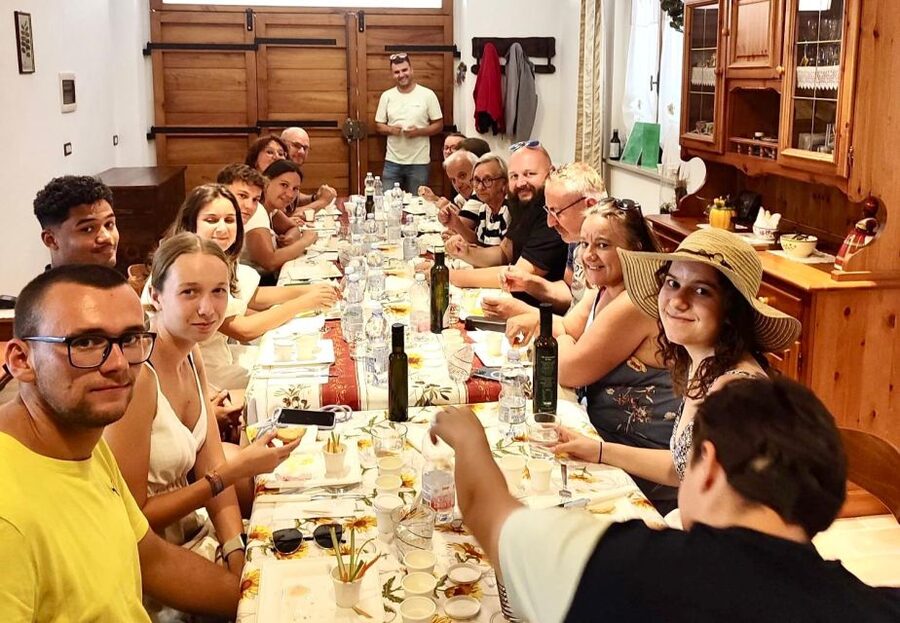
Olio Abbraccio has earned Gambero Rosso’s three-leaf recognition. In practical terms, this gives the farm credibility within Italy’s food world and suggests that its oils have passed a respected quality assessment.
Still, an award should support your decision, not make it for you. Taste is personal. Some people prefer a mild oil, while others want a stronger peppery finish. The tour is valuable because it lets you learn about the product and taste it in context.
The award also helps explain the farm’s emphasis on no compromises in quality. The company is not presenting itself only as a scenic rural stop. It is focused on producing oil that can compete at a serious level.
For a visitor, that means you get two things in one short activity: a look at sustainable agriculture and a tasting from a producer with recognized standing. That combination gives the $53 price more weight than a simple food sample would have.
The guide and the family touch
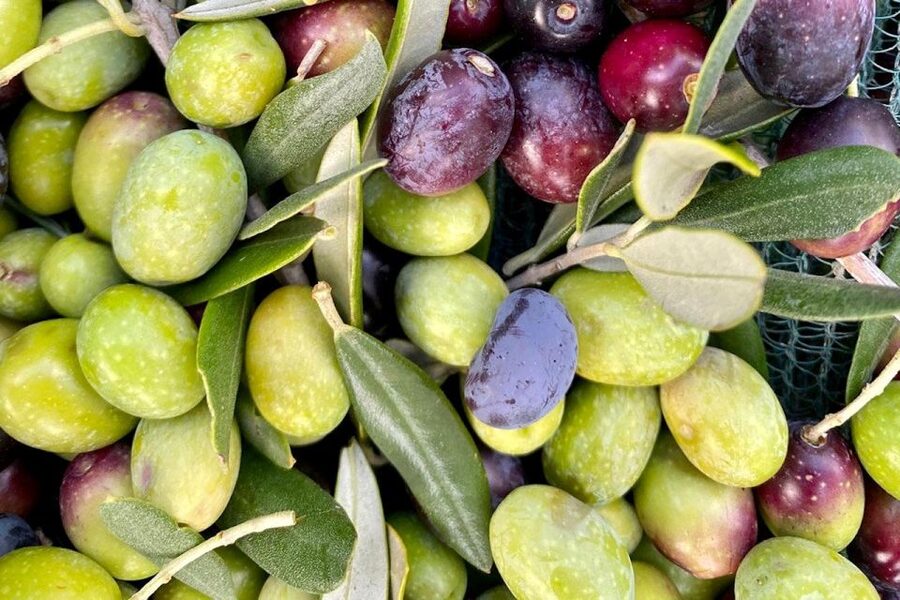
The guide is listed as Elena in one account and Helena in another, so you may see either spelling when arranging the visit. The important point is the style of the tour: personal, question-friendly, and available in English or Italian.
Clear explanations matter here. Olive oil production includes terms and stages that can seem confusing if they are delivered as a lecture. The guide has been described as explaining the process in simple terms, which suits a mixed group with different levels of food knowledge.
You should feel free to ask about harvesting, biological farming, milling, storage, and the differences between the oils. One visitor specifically appreciated having questions answered throughout the visit. That kind of conversation is one of the benefits of choosing a family farm instead of a large commercial attraction.
The family connection also shapes the mood. You are not simply being moved from one display to another. The experience presents the farm as a place where people care about the product and stay involved in its production.
Is $53 a fair price for two hours?
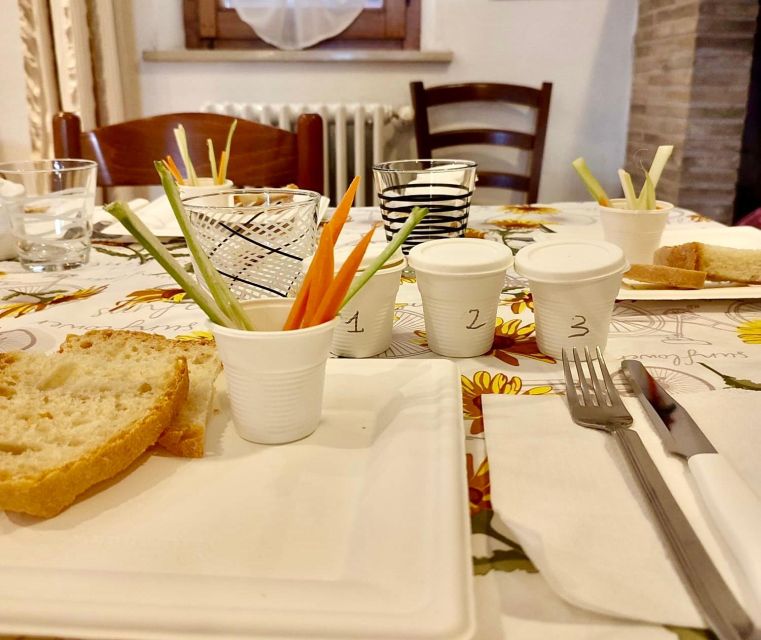
At $53 per person, this is not the cheapest way to taste olive oil in Tuscany. But price comparisons can be misleading. You are paying for a guided farm visit, access to the grove, an explanation of the production process, a look at the equipment and cellar, a tasting, and typical foods.
The experience offers better value if you want to understand Tuscan olive oil rather than only sample it. The farm setting, guide, and production story give the tasting more substance.
It is less compelling if you are looking only for a quick snack or a low-cost stop. You also need to pay for your own transportation, which adds to the total cost of the outing.
For food-focused visitors, couples, families, and curious first-time tasters, the price is reasonable. I would also consider it worthwhile for anyone planning to buy olive oil in Tuscany. After the tour, you should have a clearer idea of what questions to ask and what qualities to look for.
Getting to the farm without losing time
Transportation is not included, and this deserves attention before you book. The activity takes place at Olio Abbraccio in Seggiano, not at a central city meeting point.
One visitor had trouble finding the farm and eventually used Google for help. That does not mean the location is impossible to reach, but it does mean you should not leave navigation until the last minute.
Give yourself extra time to locate the entrance. Check the directions before setting out, keep the farm name handy, and avoid arriving at the exact start time if you are unfamiliar with the area.
The good news is that the tour lasts only two hours. If you are driving through the Seggiano area, it can fit neatly into a day of rural Tuscany. The short length also helps if you are traveling with children or combining it with another stop.
The activity is wheelchair accessible, which is useful information when planning for a mixed-mobility group. Since the visit includes fields and farm facilities, confirm any specific needs when booking if your party requires more detailed access information.
Who will enjoy this experience most?
I would choose this tour for anyone who likes food with a story attached. It suits visitors who want to understand where a product comes from, not simply purchase a bottle with a Tuscan label.
It is also a strong match for:
- First-time olive oil tasters who want a clear introduction
- Home cooks interested in choosing and using extra virgin olive oil
- Visitors seeking a short, local experience outside the major Tuscan cities
- Couples looking for a relaxed farm activity
- Families who can manage a two-hour guided visit
- People interested in biological farming and sustainable agriculture
You may want something else if you prefer a large estate, a long meal, or a broad wine-and-food program. This tour keeps its attention on olive oil. That focus is its strength, but it also means the experience will not cover every part of Tuscan cuisine.
What to know before you book
English and Italian tours are available, and the activity includes a live guide. The listed duration is two hours, with starting times depending on availability.
You can cancel up to 24 hours before the activity for a full refund. A reserve-now, pay-later option is also available, which helps if your Tuscany schedule is still shifting.
The tour is wheelchair accessible. Transportation is not included, and the visit does not promise a full meal, so plan your route and lunch separately.
I would book in advance if the timing matters to you, especially when building a driving day around Seggiano. The farm’s family scale is part of the appeal, and small operations do not offer the same flexibility as major attractions.
Should you book Olio Abbraccio?
Book this experience if you want a practical introduction to Tuscan olive oil, a look at sustainable farming, and a tasting that includes both familiar and surprising pairings. The visit is personal, focused, and short enough to fit into a busy itinerary.
I would be cautious only if you do not have reliable transportation or if you want a substantial meal rather than a tasting. For everyone else, the combination of the olive grove, production spaces, view of Seggiano, and family guidance makes $53 a fair price for two useful hours in the Tuscan countryside.
FAQ
How long does the Olio Abbraccio farm tour last?
The experience lasts two hours, including the farm visit, production explanation, and olive oil tasting.
Where does the activity take place?
It takes place at the Olio Abbraccio farm in Seggiano, Tuscany.
Is transportation included?
No. You must arrange your own transportation to the activity location.
What languages are available?
The live tour is available in Italian and English.
What does the tasting include?
The tasting includes extra virgin olive oils produced by the farm and typical foods. Pairings include bread and meats, and one tasting example includes ice cream.
Is the tour wheelchair accessible?
Yes, the activity is listed as wheelchair accessible.
Can I cancel the booking?
Yes. You can cancel up to 24 hours in advance for a full refund. A reserve-now, pay-later option is also available.
Just added around Florence
- Visit Siena and San Gimignano with lunch at a family farm★ 5.0 · 8 reviews
- PRIVATE TOUR: Chianti Afternoon tour with visit to 2 wine farms★ 5.0 · 9 reviews
- My Tuscan Farm – Three Experiences in One Day★ 5.0 · 62 reviews
- Horse ride, Olive Oil and local foods tasting in a Tuscan farm★ 5.0 · 19 reviews
- Florence: San Lorenzo Farmers Market Food Tour with Wine Tasting in 4 hours★ 5.0 · 2 reviews
- San Gimignano and Vernaccia Wine Tour with Lunch at Farm★ 5.0 · 2 reviews
- Vintage Fiat 500 Wine Tour and Tuscan Lunch at Farm in Chianti★ 5.0 · 20 reviews
- Full-Day Tuscany and Chianti Hills Bike Tour With Lunch at Farm★ 5.0 · 45 reviews
Florence Farm Tours, compared.
Florence Pizza or Pasta Class with Gelato Making at a Tuscan Farm
Read our review →
Cooking Class and Lunch at a Tuscan Farmhouse with Local Market Tour from Florence
Read our review →
Pizza or Pasta Class with Gelato at a Tuscan Farm
Read our review →
Cooking Class at a Tuscan Farm & Local Market Tour
Read our review →
Florence Sunset Food Tour with Wine & Dine at a Tuscan farmhouse
Read our review →
Experience Chianti & Cheese w/ 3 wineries & dairy visit—max 8 pp
Read our review →
Farm To table Experience on an organic hilltop estate in Tuscany
Read our review →
It’s Wine Time! 2 wineries & farm-to-table lunch—max 8 pp
Read our review →Lists this farm appears in