

Reviewed · ORGANIC FARM VISITS
WIne & Olive Oil Tasting in an Organic Farm in Laconia, Greece!
The oldest olive trees here may have been rooted in the soil for more than 500 years, but the real pleasure is tasting what the farm produces today. You’ll walk through organic vineyards and olive groves, then sit down to compare four olive oils and four to five Greek wines with help from a certified olive oil taster and wine sommelier.
I like the private format, since only your own group takes part, and I like the chance to try Greek grapes that rarely appear outside the country, including Agiorgitiko, Avgoustiatis, Athyri, Kydonitsa, and Moschofilero. The main catch is the price, $590.38 per person, especially since transportation from Kalamata costs extra and the farm is about two hours away.
- Ancient olive trees: Walk among trees that have been growing on the farm for more than five centuries.
- Four olive oil samples: Learn to compare varieties, spot quality, and store oil properly at home.
- Four to five Greek wines: Taste organic or biodynamic labels made from lesser-known Greek grapes.
- Private group setting: Once booked for the day, no other group is added to your experience.
- Local lunch: Pair the wine with olives, cheeses, grilled vegetables, Greek pita, or similar farm-style treats.
- A long outing from Kalamata: The farm is in a small Laconian village, about two hours toward Sparta, so the journey matters.
From Kalamata to a Laconian Farm
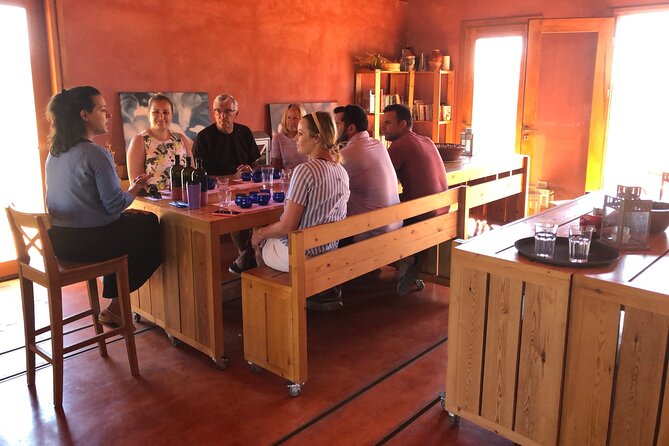
This is sold as a three-hour tasting, but you need to plan for much more time away from Kalamata. The organic farm sits in a small village in Laconia, roughly two hours from Kalamata on the route toward Sparta. That makes this a countryside excursion, not a quick port-side activity.
The meeting point is the Kalamata Port Authority on Mpoumpoulinas 4, with an 8:30 am start. If you have your own vehicle, you can drive to the farm after coordinating with the provider. If not, transportation can be arranged through partners for an additional charge.
That extra journey can be a benefit if you want to see more of the Peloponnese, but it changes the value calculation. At $590.38 per person, you are paying for a private, specialist-led experience, not simply a flight of wine samples. Add the transfer cost, and the total can become substantial.
I would confirm the exact transportation plan before paying. The farm visit depends on availability, and the experience operates from March through November, every day except Thursdays, Greek official holidays, and the period from Holy Friday through Easter Tuesday.
Walking Through the Organic Farm
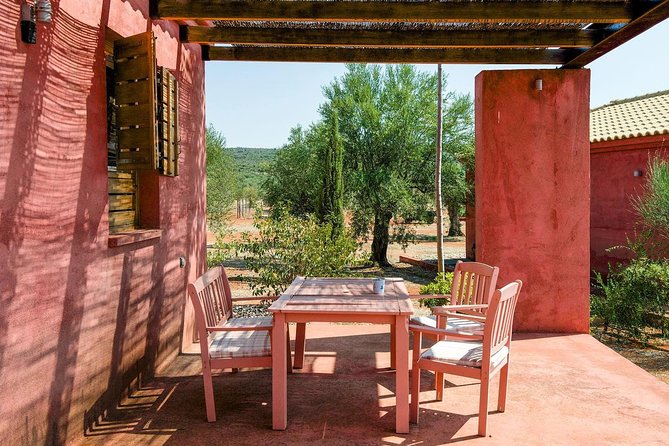
The visit begins with a guided look at the farm and its working methods. You’ll hear how the local owners use sustainable techniques to produce olive oil and wine, and you’ll learn how the property also functions as a nature-focused retreat.
The walk through the vineyards and olive groves gives the tasting a useful setting. Instead of treating wine and oil as anonymous products on a table, you can connect them to the soil, trees, vines, and people who make them. That matters in Greece, where olive cultivation and wine production are closely tied to local food and rural life.
The old olive trees are the visual highlight. Some are said to be more than 500 years old, which gives the grove a sense of time without requiring a museum display or formal lecture. Wear comfortable shoes, since the outing includes time outdoors, and bring a hat. The farm experience is not designed as a fully indoor tasting room visit.
The organic label is also worth asking about directly. Sustainable farming can mean different things from one producer to another, so I would use the walk as a chance to ask what methods are used, how the olives are handled, and how the wines are produced. The farm’s focus is on organic practices, with the wine selection described as organic or biodynamic.
More Organic Farm Visits in Greece:
- Aegina: Organic Pistachio Orchard Tour with Factory Visit
★ 4.6 · 22 reviews - Chania Area: Cooking Class at a Farm in Stylos Village (organic)
★ 5.0 · 19 reviews - Corfu: Organic Olive Oil Farm Tour with Transfer and Tasting
★ 5.0 · 8 reviews
Learning to Taste Four Olive Oils
The olive oil portion is more useful than a simple bread-and-oil snack. A certified olive oil taster leads you through four varieties and explains how to compare their aroma, texture, and flavor.
You’ll learn how Greek olive oils can differ, then get practical advice on choosing oil for cooking or for serving at the table. That distinction is helpful. A bold oil may suit a salad or grilled vegetables, while a milder one may work better in dishes where you do not want the oil to dominate. The exact pairings depend on the oils available that day.
Storage advice is another worthwhile detail. Olive oil does not improve with age, so guidance on heat, light, and keeping the bottle properly closed can save you from wasting a good purchase at home. I would pay close attention here, since this is the kind of information that remains useful after the holiday.
The tasting also gives you a better way to judge oil in a shop. You can ask about the variety, production date, origin, and storage rather than simply choosing a bottle based on its label or a picturesque olive branch.
Expect the experience to be educational, but not fussy. The supplied schedule does not promise a formal certification class or a large-scale production tour. Its appeal is the combination of a working organic farm, a small private group, and guidance from someone trained to assess olive oil.
Greek Grapes You May Not Know
The wine tasting includes four to five labels, with white, rosé, and red wines from the farm’s vineyards and other local producers. The list includes Agiorgitiko, Avgoustiatis, Athyri, Kydonitsa, and Moschofilero.
For many visitors, this is the strongest reason to book. Greek wine has plenty to offer beyond the familiar international varieties, and several of these grapes are rarely seen on restaurant lists outside Greece. A sommelier guides the tasting, explaining the character of the wines and the local growing conditions.
Moschofilero is included among the white wine varieties, while Agiorgitiko is a well-known Greek red grape. The full selection may change, so do not expect every listed grape to appear at every sitting. You are promised four to five labels, not a fixed bottle-by-bottle menu.
I like that the tasting includes different colors and styles rather than repeating one narrow category. A white, rosé, and red flight gives you a broader feel for the area’s wine production. The sommelier can also help you decide which wines would work with the food served at lunch.
The term biodynamic appears in the wine description, while the farm itself is described as fully organic. If the distinction matters to you, ask which bottles are certified organic, which are biodynamic, and which come from other local producers. The information provided does not specify the names of the labels or the exact certification status of every bottle.
A Light Lunch With Local Food
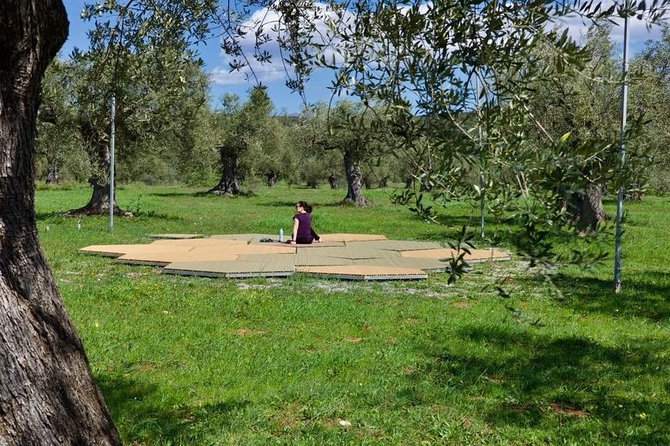
Wine tasting is easier to enjoy when you have something to eat, and the meal here is built around local delicacies rather than a formal restaurant menu. Expect treats such as olives, cheeses, grilled vegetables, Greek pita, or similar items available that day.
This is a light lunch, not a full multi-course meal. That is important when judging the price. The food supports the tasting and gives you a chance to try the oils with familiar Greek ingredients, but you should not book this expecting a long gourmet lunch.
The informal food also suits families and mixed-age groups. One party included adults with children aged five, two, and one and a half, and the setting worked for them. Still, very young children may not care about the technical tasting, so the private format becomes especially useful. Your group can set a more comfortable pace than it could in a large shared tour.
Tell the provider about vegetarian, vegan, pescatarian, flexitarian, or allergy needs before the visit. You should also mention bee allergies, since the activity takes place outdoors on a farm. The supplied information does not promise a separate menu for every diet, so advance notice is essential.
More Farm Tours in Greece:
- Mykonos: Farm, Ano Mera Village, and Beaches Guided Tour
★ 4.4 · 1,283 reviews - Crete: Road-trip to Lasithi, Zeus Cave & Olive Mill Farm
★ 4.4 · 451 reviews - Heraklion: Olive Farm Tour with Tasting of Local Delicacies
★ 4.9 · 411 reviews - Lassithi, Zeus Cave, Olive Mill Farm & Knossos Combo Tour
★ 4.6 · 404 reviews
The Personal Side of the Visit
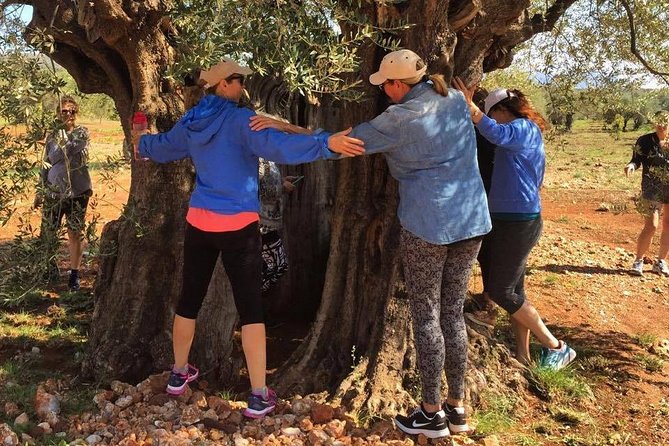
The private arrangement is one of the clearest advantages. Once your group books the date, no additional participants are added. That gives you more room to ask questions and keeps the outing personal, especially if you are traveling with family or close friends.
Maria has led this experience and is known for bringing personal stories into the tour, including stories that connect the olive to Greek life and the past. That kind of narration can make the farm feel less like a production stop and more like a meeting with people who care about their work.
Do not assume Maria will be your guide on every date. The experience includes a local host and certified tour leader, but the supplied details do not guarantee a specific guide. If having Maria lead the visit matters to you, ask when you book.
The private format also helps with the pace of alcohol tasting. You can spend more time discussing one oil or wine, or move on when a particular sample is not to your taste. Families, couples, and small groups who enjoy food conversation will get more from this than people seeking a fast list of attractions.
The Optional Olive Oil Museum Stop
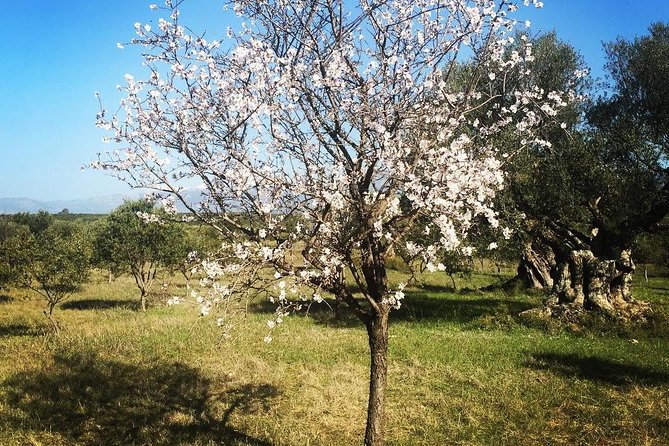
The Museum of Olive and Olive Oil in Sparta is not included in the standard price. Entrance is optional and available upon request, so you should treat it as an add-on rather than a guaranteed part of the three-hour farm experience.
A museum visit can give useful context to the tasting, especially if you want to understand how olive cultivation developed in Greece and how production methods changed over time. One reported itinerary included the museum along with the olive oil tasting, creating a fuller picture of the subject.
Because the museum entrance and transportation are extra, ask for the total cost and timing before you add it. The drive from Kalamata is already long, and an additional stop may make the day much more demanding. If your main aim is the farm, oil, wine, and lunch, the museum may be unnecessary. If olive production is a major interest, it could make the excursion more satisfying.
Is $590.38 Per Person Good Value?

The price is high. For two people, the listed rate alone comes to more than $1,180, before any paid transportation. That is a serious purchase for a three-hour activity.
The value improves if you are traveling with a private group that wants a custom day rather than a standard shared tour. You receive a private booking, a farm tour, four olive oils, four to five wines, a sommelier, a certified oil taster, lunch, bottled water, and a local host. The cost also covers fees and taxes.
The value is weaker if you only want a basic tasting or if you are already renting a car and can find a less expensive farm visit nearby. The farm’s distance from Kalamata means you are also paying for time and travel, even though transport is not included in the stated price.
I would book this for a special occasion, a food-focused holiday, or a group that places real value on privacy and expert instruction. I would compare alternatives first if you are watching your budget or mainly want to taste a few Greek wines.
Who Will Enjoy This Most?
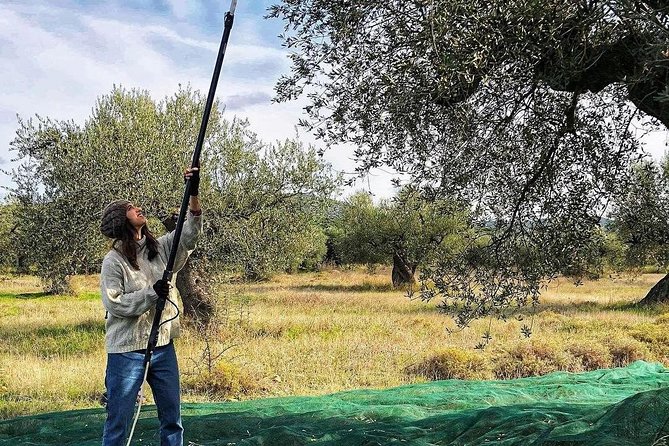
This outing suits adults who enjoy wine, olive oil, regional food, and rural settings. It also works for families because the activity is private and family-friendly, though children may find the tasting portion less engaging than the farm walk and food.
It is a good match for:
- Couples marking a special trip
- Families or friends who want a private outing
- Visitors curious about Greek grapes beyond the usual international labels
- Home cooks who want practical olive oil advice
- People with a rental car who are comfortable spending much of the day on the road
It is less suitable if you want a short activity close to Kalamata Port, dislike outdoor walking, or need a fully fixed schedule. It is also not the best choice for anyone looking for a large meal, since lunch is intentionally light.
Weather can affect the experience. If poor weather forces cancellation, you are offered another date or a full refund. Otherwise, the booking is non-refundable and cannot be changed, so check your schedule carefully before committing.
Should You Book the Laconia Farm Experience?
Book it if you want a private, food-centered day with a real sense of place. The ancient olive trees, lesser-known Greek grapes, practical oil instruction, and personal storytelling from guides such as Maria give the outing more substance than a quick tasting at a shop.
Think twice if the $590.38 rate feels high, especially after adding transport from Kalamata. Confirm the guide, transfer price, exact wine selection, dietary arrangements, and any museum visit before you pay.
For the right group, this is a memorable way to connect Greek wine and olive oil with the land that produces them. For a budget-conscious visitor, it is a luxury excursion rather than an essential Kalamata stop.
FAQ
How long does the experience last?
The guided farm, wine, olive oil, and lunch experience lasts about three hours. You also need to allow roughly two hours of travel each way between Kalamata and the farm if you are traveling from the meeting point.
Where does the tour begin?
It begins at the Kalamata Port Authority, Mpoumpoulinas 4, Kalamata 241 00, Greece, at 8:30 am. The activity ends back at the meeting point.
Is transportation included?
No. Transportation is needed because the organic farm is in a small village in Laconia, about two hours from Kalamata toward Sparta. You may use your own vehicle, or transportation can be arranged through partners for an extra charge.
How many wines and olive oils will I taste?
The experience includes four to five wine labels and four olive oil varieties. The wine selection may include Agiorgitiko, Avgoustiatis, Athyri, Kydonitsa, and Moschofilero.
Is lunch included?
Yes. A light lunch with local treats is included. Items may include olives, cheeses, grilled vegetables, Greek pita, or similar local delicacies.
Is the experience private?
Yes. Only your group participates, and no other group is added after you book the date.
Can the olive oil museum in Sparta be included?
The Museum of Olive and Olive Oil in Sparta is optional and available upon request. Its entrance fee is not included in the tour price.
What should I wear and bring?
Wear comfortable shoes and a hat because you will spend considerable time outdoors. You should also tell the provider about dietary needs and allergies, including food or bee allergies.
Just added around Greece
- Volos: Cook Like a Local at a Greek Farm★ 5.0 · 7 reviews
- Traditional Greek Cooking Class @ Lefkada Micro Farm★ 4.7 · 32 reviews
- Visit a Farm and Horseback Riding in Nature★ 5.0 · 10 reviews
- Insightful Pistachio Orchard and Factory Tour★ 4.5 · 27 reviews
- Flavors of Santorini: Farm-to-Table Meal Wine & Authentic Village★ 5.0 · 12 reviews
- Santorini 5 Hour Private Oia Tour & Lunch/Dinner at a Local Farm★ 5.0 · 40 reviews
- Cooking Class Sunset Dinner and Tour in Paros Farm★ 5.0 · 5 reviews
- Olympia Shore Ex: Olympic site, Honey Farm & Olive Oil Tasting★ 4.5 · 57 reviews
Organic Farm Visits, compared.
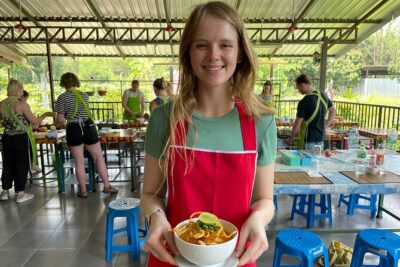
Half-Day Thai Cooking Class at Organic Farm in Chiang Mai
Read our review →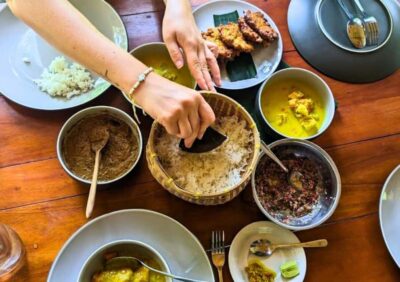
Cooking Class with Organic Farm in Chiang Mai at Mama Noi
Read our review →
Evening Cooking Class in Organic Farm with Local Market Tour
Read our review →
ATV to Macao Beach and Water Cave with Organic Farm
Read our review →
Morning Cooking Class in Organic Farm with Local Market Tour
Read our review →
Buggy Tour with Organic Farm, Macao Beach Visit from Punta Cana
Read our review →Lists this farm appears in