
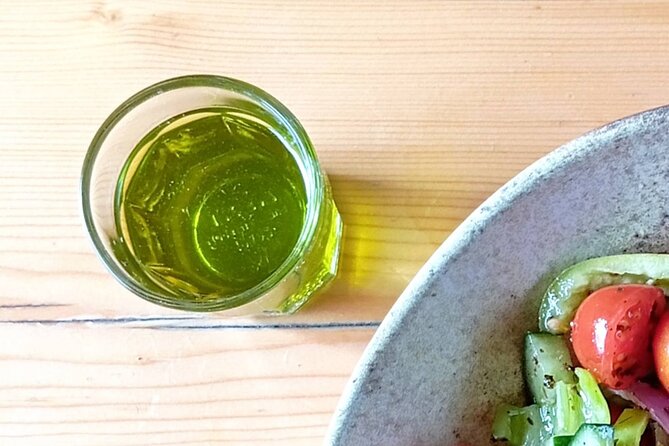
Reviewed · GREECE FARM TOURS
The Olive Oil Experience @ Lefkada Micro Farm
Lefkada Micro Farm turns olive oil into a practical lesson rather than a quick sample at a shop. You walk through an organic grove, meet the farm’s rare White Lefkadian trees, taste several extra virgin oils, and learn why a peppery finish can signal high polyphenol content.
I like the clear shopping advice and the chance to connect the oil with the soil, trees, vegetables, fruit, and flowers around you. I also like that the farm explains storage and cooking, so you leave with useful habits, not just a souvenir bottle. The main drawback is simple: this is not a full farm lunch, and the tasting portions may feel modest if you expect a broad food spread.
Key points to know before booking
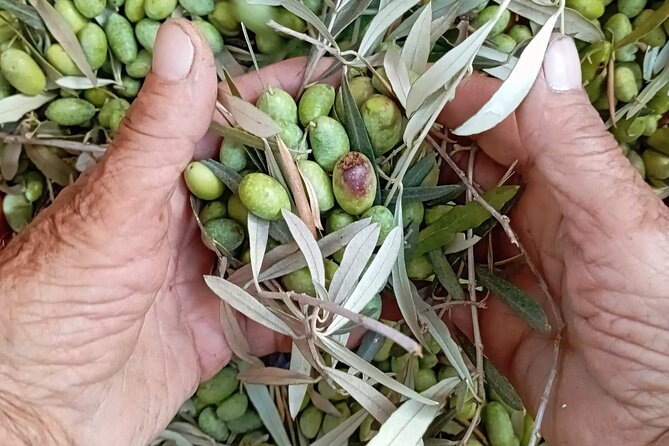
- Taste the farm’s own extra virgin olive oils: Compare different varieties and pay attention to aroma, bitterness, and the peppery finish.
- See rare White Lefkadian trees: The grove provides the setting for a lesson about local varieties and the farm’s growing methods.
- Learn the Olive Oil ABC: Get practical advice on choosing a bottle, storing it, and using heat without needlessly reducing its quality.
- Walk through an organic garden: You may smell and sample vegetables, fruit, and flowers growing at the farm.
- Plan for about two hours: The visit begins and ends at Lefkada Micro Farm near Nidri, with a maximum group size of 30.
- Book for education, not a meal: The experience is best for food lovers who want to understand olive oil, not for anyone seeking a substantial lunch.
The olive grove is the real classroom
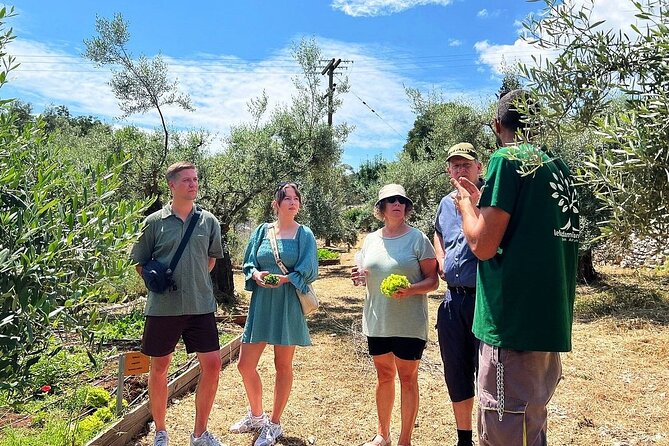
The experience begins at Lefkada Micro Farm on the road between Nidri and Vavkeri, at the listed meeting point in Nidri. From there, the focus is the farm itself, described as an open-air museum where the olive grove and garden form the backdrop for the lesson.
I like this approach. Olive oil can seem abstract when you only see a dark bottle on a supermarket shelf. Among the trees, you can connect the finished oil with the fruit, harvest, soil, and growing methods that shaped it.
The farm places special attention on its rare White Lefkadian olive trees. The trees are part of the local identity of the property, and they give the visit a distinct subject beyond a standard tasting. You are not simply sampling a generic Greek product. You are learning how a particular place and variety contribute to the oil in your glass.
The farm also explains its regenerative organic practices and the local conditions, or terroir, that affect the finished product. The information supplied for the experience says the farm earned Silver Awards in New York in both 2025 and 2026. That gives the tasting some useful context, though an award alone cannot tell you if you will prefer the flavor. Your own palate still gets the final vote.
More Farm Tours in Greece:
- Mykonos: Farm, Ano Mera Village, and Beaches Guided Tour
★ 4.4 · 1,283 reviews - Crete: Road-trip to Lasithi, Zeus Cave & Olive Mill Farm
★ 4.4 · 451 reviews - Heraklion: Olive Farm Tour with Tasting of Local Delicacies
★ 4.9 · 411 reviews
What you actually taste
The tasting is the heart of the visit. You try different varieties of extra virgin olive oil produced on the farm, rather than tasting one sample and moving on.
I would pay attention to three things as you taste: the smell, the flavor on the tongue, and the finish in your throat. Good extra virgin olive oil is not meant to taste like a bland cooking liquid. It can have grassy, fruity, bitter, or peppery notes. The peppery kick may be especially noticeable at the back of your throat.
The farm links that peppery sensation with high polyphenols, the antioxidant compounds associated with many of the health claims surrounding olive oil and the Mediterranean diet. The lesson is useful because it helps you understand why bitterness and pungency are not automatically flaws.
Still, do not assume that the strongest oil is always the best oil for every dish. A forceful oil may suit bread, beans, salad, or grilled vegetables, while a gentler oil may work better when you want other ingredients to lead. The point of comparing several oils is to learn your own preferences.
One important expectation check: the tasting should not be confused with a full meal. A critical account of the experience described a small amount of tap water, four cherry tomatoes, and one piece of pepper, along with time spent around stray cats. That account also judged the oil as ordinary. I cannot promise every session will feel identical, but it is wise to arrive expecting samples and instruction rather than a generous farm lunch.
The garden adds smell, color, and a useful comparison
The olive grove is not the only part of the property. You may also smell and try vegetables, fruit, or flowers growing in the garden.
This section sounds small, but it gives the visit a nice connection to everyday cooking. Olive oil makes the most sense when you use it with fresh ingredients, and tasting it alongside garden produce can show how its bitterness, fruitiness, or peppery character changes with food.
Do not expect a formal produce market or a long garden tour. The supplied details do not promise a large harvest display, a cooking demonstration, or a meal. Think of the garden as part of the farm setting and tasting lesson.
If you enjoy food experiences that involve your senses, this part can be especially appealing. You are asked to smell and try things, not simply listen to a talk. If you have food allergies or dietary restrictions, tell the provider in advance. That request is particularly important when the experience includes samples from the garden.
The Olive Oil ABC is the most practical takeaway
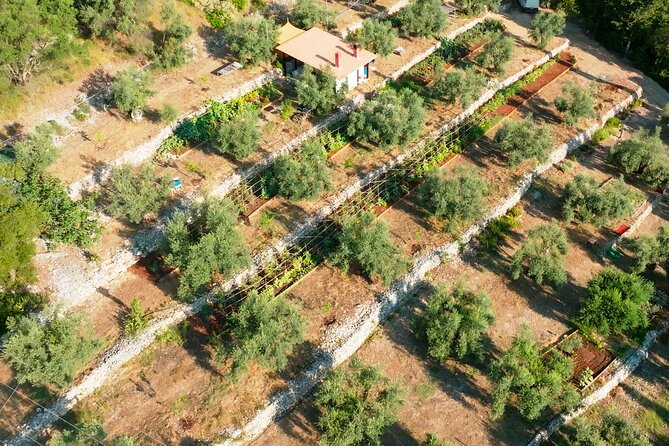
The strongest part of the class may be what you can use after leaving Lefkada. The farm teaches an Olive Oil ABC covering three everyday questions:
- How do you select the correct bottle?
- How should you store the oil?
- How can you cook with it while keeping as much of its benefit as possible?
Many people buy extra virgin olive oil by looking only at price, country, or attractive packaging. The farm’s lesson aims to give you a better way to judge what is in front of you. You learn to look beyond the label and understand what makes authentic extra virgin olive oil different from a supermarket product that may be older, more processed, or less characterful.
Storage matters just as much as buying. Olive oil needs sensible handling after you open it, and the farm explains how to keep it fresh. That advice can save you from spending money on a good bottle and then leaving it exposed to conditions that dull its flavor.
Cooking advice is also welcome. Some people treat extra virgin olive oil as something reserved for salads, while others use it for nearly everything. The lesson focuses on simple science and healthy use rather than rigid rules. You should come away with a clearer idea of how to use the oil in your own kitchen.
I particularly like that the farm frames the session as a way to identify the real thing. You do not need to become an olive oil judge. You simply need enough confidence to recognize fresh, flavorful oil and avoid buying on packaging alone.
Same fields, a different sort of morning:
- Lassithi, Zeus Cave, Olive Mill Farm & Knossos Combo Tour
★ 4.6 · 404 reviews - Naxos Perivoli Farm Experience & Wood-fire Cooking Class
★ 5.0 · 339 reviews - Melanes: Naxos Perivoli Farm & Cooking Class with Wood Fire
★ 5.0 · 177 reviews - Traditional Olive Grove and Dragon Fruit Farm Tour
★ 4.8 · 118 reviews
How the two-hour schedule feels
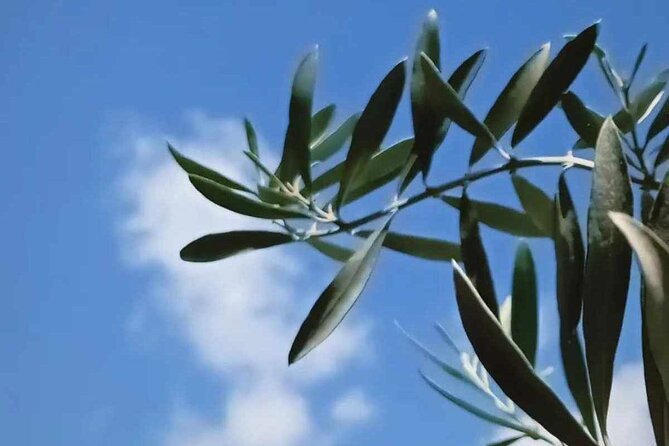
The listed duration is about two hours. That is enough time for a guided walk, an explanation of the farm’s methods, garden observations, and an oil tasting without turning the visit into an all-day commitment.
The pace will likely suit you if you prefer a focused food experience. It is long enough to ask questions and compare oils, but short enough to fit around a morning or afternoon on Lefkada.
The group can reach a maximum of 30 people. That is not a tiny private lesson, so the feel may depend on the final group size. A small group should allow more room for questions and personal tasting guidance. With a larger group, you may spend more time listening and less time in one-on-one conversation.
The activity is offered in English. The supplied details do not name individual guides, so I would not book it expecting a particular presenter. Book it for the farm setting, the olive oil subject, and the practical instruction.
Is $62.48 a fair price?
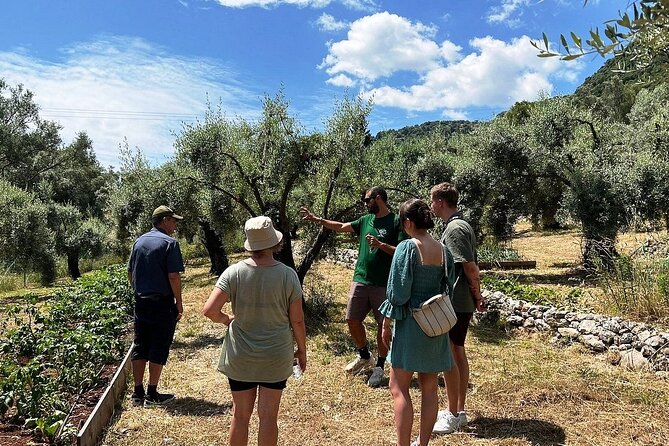
At $62.48 per person, this is not a bargain snack stop. You are paying for a guided farm visit and a structured tasting, not simply a spoonful of oil and a quick photograph.
I think the price can make sense if you are genuinely interested in olive oil, Greek food, or small-scale farming. The value comes from learning how to taste and shop, then taking those skills home. A bottle bought after the visit may be useful, but the more lasting benefit is knowing how to judge future bottles for yourself.
The value is weaker if you mainly want a substantial meal, a long list of local dishes, or a broad food market experience. One sharply negative account described very limited food samples and found the oil unremarkable. That is a useful warning, even if your session could be different.
I would compare this price with other activities you might book in Lefkada. If you already plan several food tastings, this one is most worthwhile for its specialist focus. If you have never learned how extra virgin olive oil differs from ordinary cooking oil, the class offers something more useful than a standard restaurant meal.
Who will enjoy this farm experience?
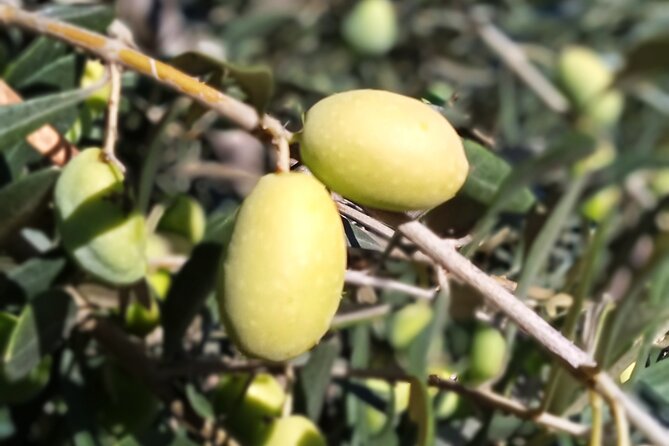
I would recommend it most strongly to:
- Curious cooks who want better oil-buying and storage habits.
- Food-focused visitors who like tasting small differences in flavor.
- Health-conscious eaters interested in the role of olive oil in the Mediterranean diet.
- Couples and small groups looking for a short activity away from the beach.
- Garden and farming enthusiasts who enjoy seeing organic growing practices firsthand.
- People visiting Nidri who want an experience tied to Lefkada rather than a generic attraction.
I would be more cautious if you need a full meal, dislike bitter or peppery flavors, or prefer a highly active excursion. The walk and tasting are the point. There is no indication of a cooking class, a large lunch, or a long countryside trek.
Most people can participate, service animals are allowed, and the meeting point is near public transportation. The activity ends where it begins, which keeps the plan simple. You should still check how you will reach the farm before booking, since no transfer service is listed.
Booking timing and cancellation
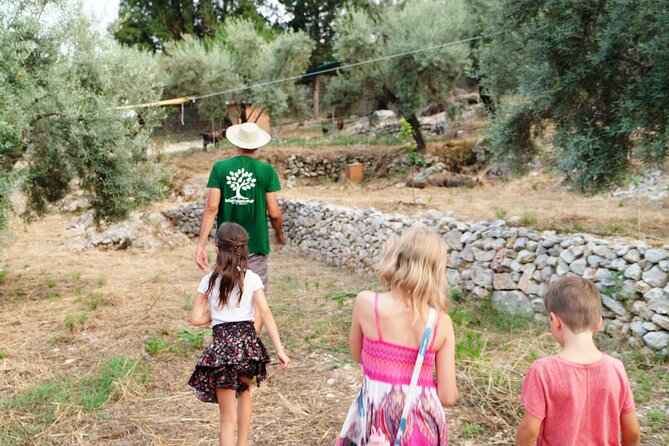
The experience is often booked about 10 days ahead, so I would reserve early if your Lefkada dates are fixed. Confirmation is normally sent at booking, except for reservations made within three hours of the start time, when confirmation depends on availability.
You can cancel for a full refund up to 24 hours before the start. Changes or cancellations inside that 24-hour window are not accepted for a refund, and the cut-off follows local time.
That policy is fair for a small farm activity, but check your plans carefully if you are arranging several island excursions. You should also report allergies or food restrictions before the visit, not when the tasting begins.
Should you book the Lefkada Micro Farm olive oil experience?
Book it if you want a focused, educational tasting and like the idea of understanding what makes extra virgin olive oil fresh, flavorful, and worth its price. The White Lefkadian trees, organic grove, garden samples, and practical Olive Oil ABC give the two-hour visit a clear purpose.
Skip it if your idea of a farm experience means a large meal, many local dishes, or a full cooking demonstration. At $62.48, modest samples will feel disappointing if you are judging the value by food quantity alone.
My advice is to book this as an olive oil class with a farm walk, not as lunch. If that matches your expectations, it offers a useful and distinctly Lefkadan way to spend two hours near Nidri.
FAQ
Where does the olive oil experience take place?
It takes place at Lefkada Micro Farm, at E.O. Nydriou Vavkeris Rachi, Nidri 311 00, Greece.
How long does the experience last?
The experience lasts approximately two hours.
What language is the tour offered in?
It is offered in English.
What is included in the activity?
You visit an organic olive grove, learn how olive oil is made, taste different farm-produced extra virgin olive oils, explore garden produce, and learn about buying, storing, and cooking with olive oil.
Does the experience include a full meal?
No full meal is specified. The activity includes oil tasting and may include samples of vegetables, fruit, or flowers from the garden.
How many people can join the activity?
The maximum group size is 30 people.
Where does the activity end?
It ends back at the Lefkada Micro Farm meeting point.
Can most people participate?
Yes. The activity information says most people can participate.
Are service animals allowed?
Yes, service animals are allowed.
Can I cancel for a full refund?
Yes. You can cancel at least 24 hours before the start time for a full refund. Cancellations made less than 24 hours before the start time are not refunded.
Should I tell the farm about allergies or food restrictions?
Yes. You should tell the provider about any allergies or food restrictions before the experience.
Just added around Greece
- Volos: Cook Like a Local at a Greek Farm★ 5.0 · 7 reviews
- Traditional Greek Cooking Class @ Lefkada Micro Farm★ 4.7 · 32 reviews
- Visit a Farm and Horseback Riding in Nature★ 5.0 · 10 reviews
- Insightful Pistachio Orchard and Factory Tour★ 4.5 · 27 reviews
- Flavors of Santorini: Farm-to-Table Meal Wine & Authentic Village★ 5.0 · 12 reviews
- Santorini 5 Hour Private Oia Tour & Lunch/Dinner at a Local Farm★ 5.0 · 40 reviews
- Cooking Class Sunset Dinner and Tour in Paros Farm★ 5.0 · 5 reviews
- Olympia Shore Ex: Olympic site, Honey Farm & Olive Oil Tasting★ 4.5 · 57 reviews
Greece Farm Tours, compared.
Farm, Ano Mera Village, and Beaches Guided Tour
Read our review →
Road-trip to Lasithi, Zeus Cave & Olive Mill Farm
Read our review →
Olive Farm Tour with Tasting of Local Delicacies
Read our review →
Lassithi, Zeus Cave, Olive Mill Farm & Knossos Combo Tour
Read our review →
Naxos Perivoli Farm Experience & Wood-fire Cooking Class
Read our review →
Melanes: Naxos Perivoli Farm & Cooking Class with Wood Fire
Read our review →
Traditional Olive Grove and Dragon Fruit Farm Tour
Read our review →
Wine Tasting Tour at a traditional farm in Mykonos
Read our review →Lists this farm appears in