
Reviewed · COOKING CLASSES
Da Nang Cooking: Market tour, farming, and cooking class
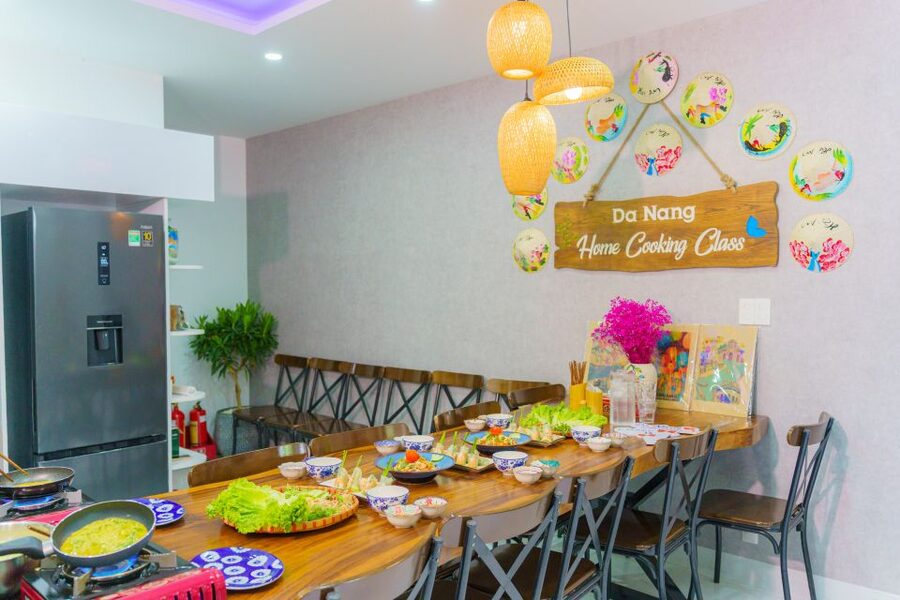
Da Nang’s best lesson here is that Vietnamese food starts long before the stove. You’ll water vegetables, visit a local market, learn what the ingredients are for, then cook four dishes in a small class. The full experience connects farm, market, and kitchen in a way that makes your lunch feel earned.
I like the hands-on format and the rotating menus. You do not just watch a teacher fold a spring roll or pour batter for banh xeo. You practice the steps, eat the results, and take English recipes home. I also like the choice between a 2.5-hour cooking class and a four-hour farm, market, and cooking session.
The main drawback is price. At $25 per person, it is reasonable for four dishes, ingredients, instruction, dessert, tea, and a market visit, but it costs more than a simple local meal. Hotel pickup and drop-off are not included, and the market experience changes with the menu day and time.
Key points to know before booking
- Four dishes, not just a demonstration: You prepare a main dish, salads, spring rolls, and other Vietnamese favorites with an instructor.
- The full option begins on an organic farm: Planting and watering give you a quick look at how local vegetables reach the table.
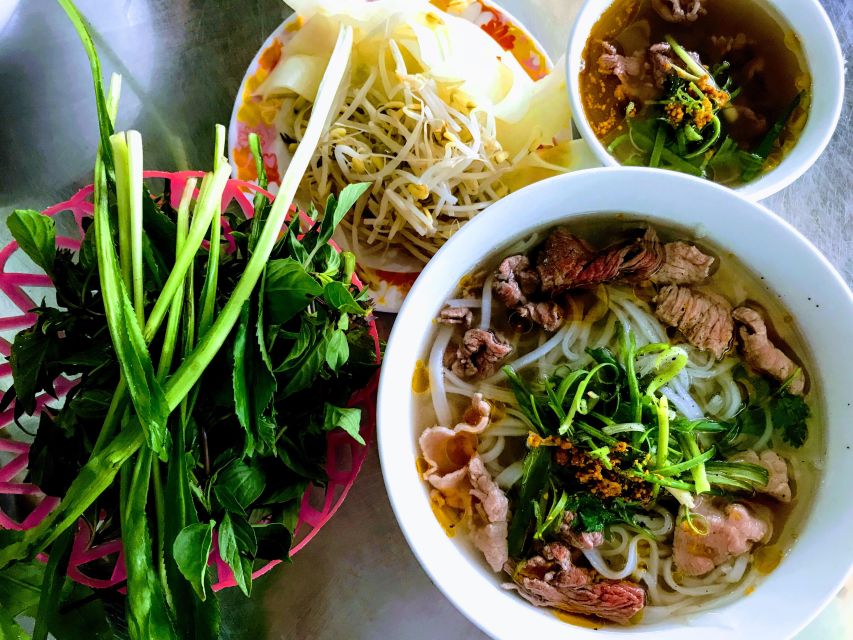
- Menus change by day: Quang noodles, chicken wings, and fried spring rolls appear on one schedule, while pho, banh xeo, mango salad, and fresh spring rolls appear on another.
- A vegetarian menu is available: It includes Quang noodles or pho, eggplant stir-fry, salad, and fried or fresh spring rolls.
- Classes are capped at 14 people: That keeps the cooking practical, though the class is not a private lesson.
- Morning suits market fans: The market is livelier at its main trading time, while a later visit may feel less crowded.
From vegetable patch to Vietnamese table
The full four-hour option starts at an organic farm rather than with a cutting board. You learn about growing vegetables, then take part in simple farm tasks such as planting and watering.
This is not a long agricultural tour, and it is not meant to be. The value is the connection. Before you cook a salad or noodle dish, you see that Vietnamese food depends on fresh herbs, greens, and vegetables handled close to the source. For families, this can be the most entertaining part because children get a task to do instead of sitting through a talk.
The farm also helps you understand why Vietnamese cooking can taste so fresh without needing a long list of heavy sauces. Herbs and vegetables do much of the work. After the farm visit, an herbal tea tasting with organic ingredients gives you a calm pause before the market and kitchen stages.
You should expect sun or rain to be part of the outing, although the class is arranged to continue in different weather. Wear practical clothes and shoes you do not mind using outdoors. The supplied information does not specify changing facilities, so it is wise to arrive ready for a little dirt or water.
More Cooking Classes in Vietnam:
- Cocolocal Farm Cooking Class with market tour and basket boat
★ 5.0 · 231 reviews - Farm-To-Table Healthy Cooking Class in Ho Chi Minh City
★ 5.0 · 79 reviews - Rural Hoi An Cycling, Cooking Class at Organic Farm
★ 5.0 · 72 reviews
Reading the market before you cook
The market visit is more useful than a quick stop for photographs. You pick up ingredients for the class and learn what common Vietnamese items look like in their fresh form.
An English-speaking guide helps explain the ingredients and the buying process. That matters because Vietnamese cooking often depends on details that are easy to miss in a recipe translated into English. A leafy herb, a type of noodle, or a sauce may look unfamiliar at first. Seeing it in the market gives you a better chance of finding it at home later.
Timing affects the feel of this part. If you want the market at its busiest and most active, choose a morning departure. If you prefer room to move and less noise, a later class may be more comfortable. One practical note from the experience is that the quieter option can be pleasant, but you give up some of the main trading-hour energy.
The market is also where the class feels most local. You are not simply handed premeasured ingredients in a kitchen. You see the shopping list take shape, then carry those ingredients into the cooking lesson. That small bit of participation makes the meal feel connected to Da Nang rather than copied from a generic cooking school.
Choosing between the 2.5-hour and four-hour formats
You have two main ways to book the experience.
The 2.5-hour cooking-only class suits you if your Da Nang schedule is tight. You skip the farm and market and go straight to the kitchen, where you prepare two or four dishes depending on the class arrangement described for your booking. The class is still hands-on, and ingredients, recipes, tea, dessert, water, and an English-speaking instructor are included.
The four-hour full experience adds the organic farm and market before cooking. I would choose this version if food is one of the reasons you came to central Vietnam. The extra time gives you context without taking the whole day. You still have room for other Da Nang plans afterward.
There is also a coffee-making workshop that can be added for 1.5 hours. It is a separate extra, so allow more time and check that it fits your day. The workshop is aimed at extending the Vietnamese food lesson into local coffee culture.
The listed duration range is 150 to 270 minutes, which covers the shorter class, the full outing, and the added workshop timing. Check the starting time and exact option when booking, since the length depends on what you select.
What you cook, and why the menu matters
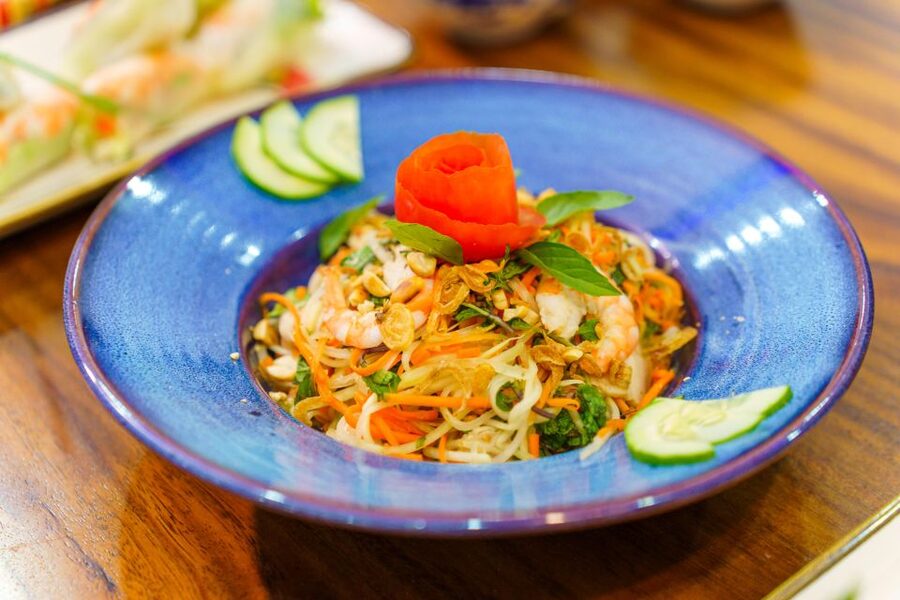
The menu rotates across the week, so the date matters more than many people expect.
Menu 1 runs on Monday, Wednesday, and Friday:
- Quang noodles
- Fish sauce chicken wings
- Green papaya salad with shrimp
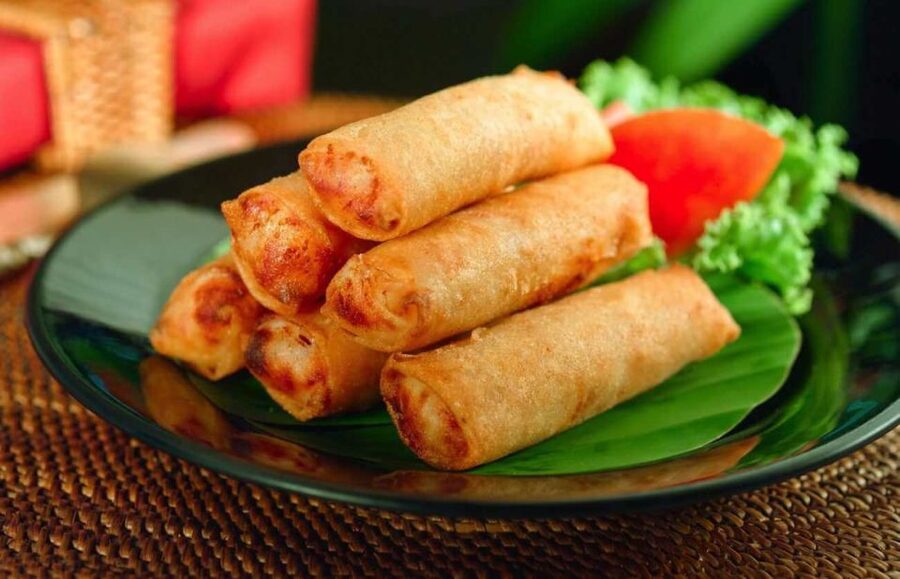
- Deep-fried spring rolls
Quang noodles are a Da Nang-area specialty and give this menu a strong local angle. They are a good choice if you want to cook something tied to central Vietnam rather than only the better-known dishes found across the country.
The chicken wings bring a salty, savory dish to the table. The green papaya salad adds crunch and freshness, while deep-fried spring rolls teach a different technique from the fresh version. This menu has a nice contrast between noodles, fried food, and raw vegetables.
Menu 2 runs on Tuesday, Thursday, Saturday, and Sunday:
- Beef pho
- Crispy Vietnamese pancakes, or banh xeo
- Green mango salad with shrimp
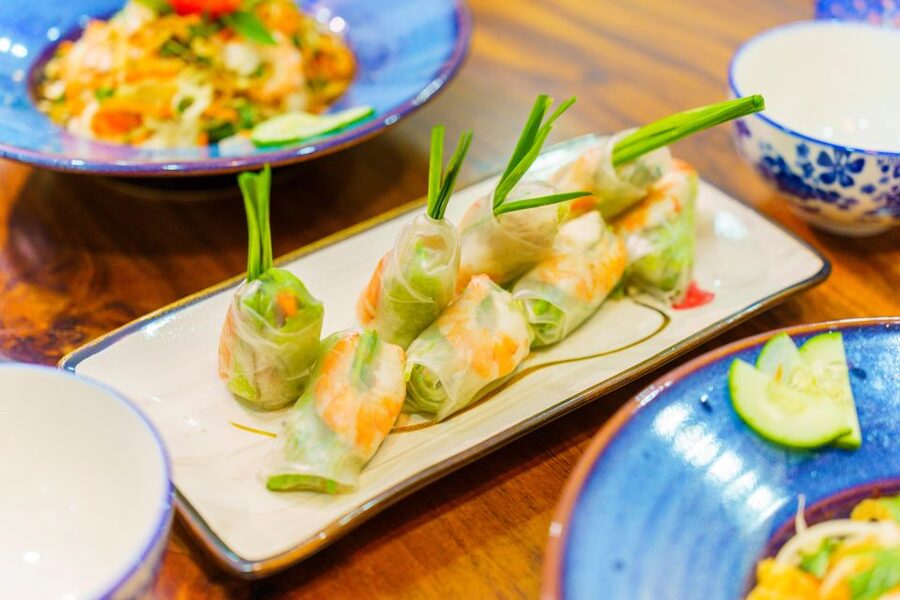
- Fresh spring rolls
This is likely the better pick if you want the classic Vietnamese dishes most people hope to make at home. Pho teaches you about noodle soup, banh xeo gives you a crisp batter and filling, and fresh spring rolls require careful wrapping rather than frying.
Banh xeo has received special praise from the class experience. If you already know you want to practice this dish at home, choose a Menu 2 day. The class shows you more than the finished pancake: you get to work through the process and then take the recipe with you.
The vegetarian menu includes Quang noodles or pho, eggplant stir-fry, mango or papaya salad, and fried or fresh spring rolls. This is a useful choice for vegetarians who want a full meal rather than a meat dish removed from the plate at the last moment.
Since the menus are fixed by day, check the schedule before paying. If you have your heart set on pho, do not book a Monday and expect to switch automatically. The same applies to Quang noodles and banh xeo.
More Market Tours in Vietnam:
- Rural Cycle, Market Tour, Basket Boat & Organic Farm Cooking
★ 5.0 · 64 reviews - Can Tho: Floating Market, Canal, Cacao Farm & Mekong’ Life
★ 5.0 · 45 reviews - Cai Rang floating market, see sunrise, CaCao orchard, small canal
★ 5.0 · 44 reviews - Can Tho: Floating Market explore local life, Mekong farm
★ 4.9 · 17 reviews
A small class with real kitchen time
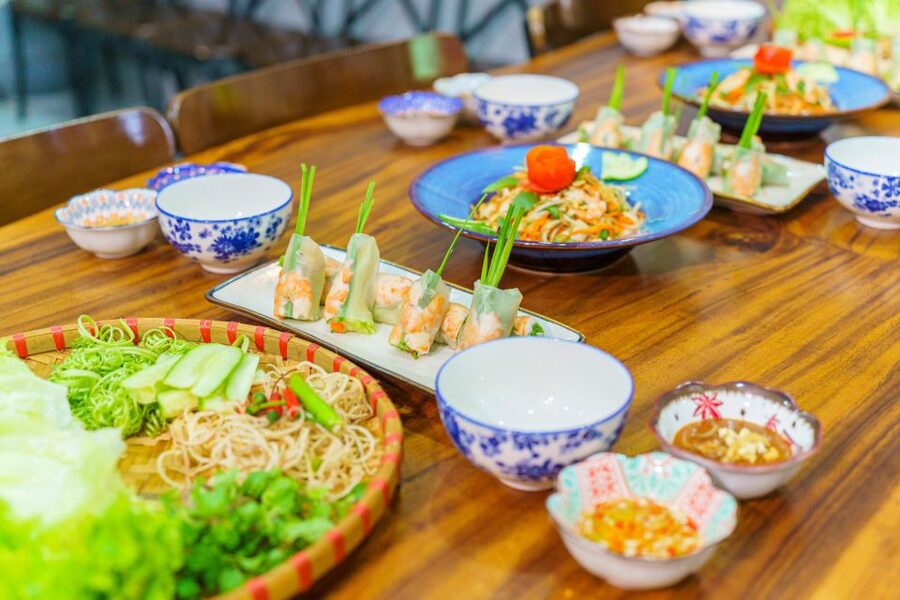
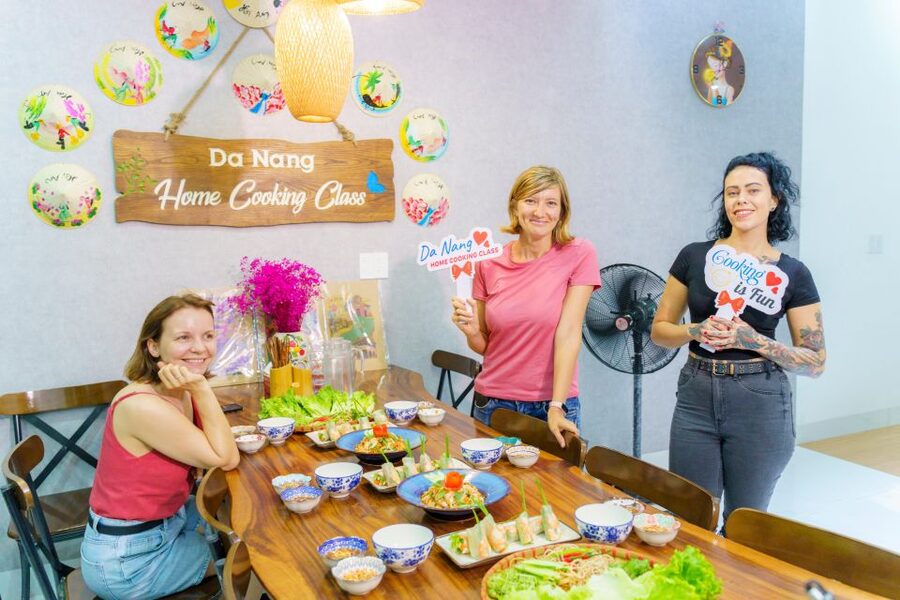
The class size is limited to 14 people. That is small enough for the instructor to keep an eye on each station, but large enough that you should not expect one-to-one teaching throughout.
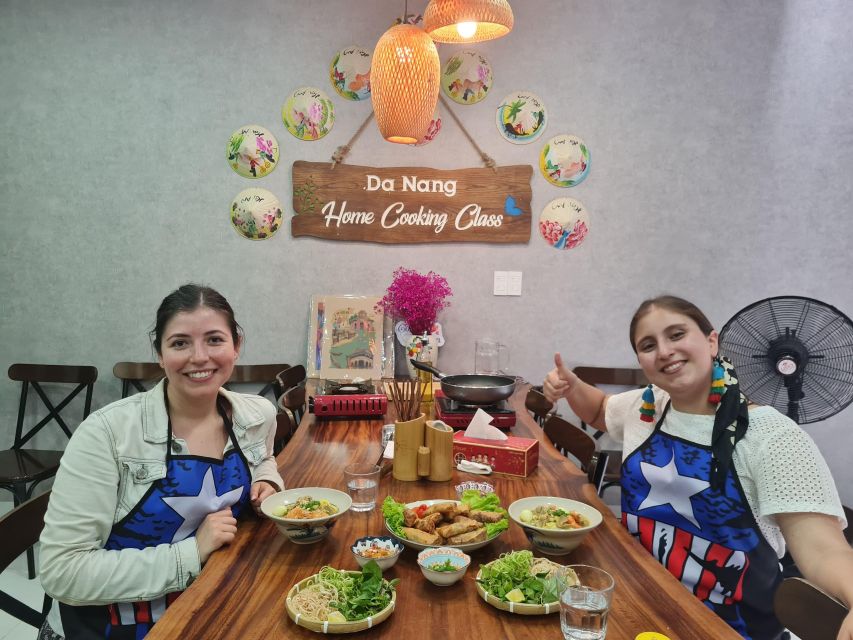
The format is designed to keep you working at each stage. You learn preparation, cooking, and assembly, then sit down to eat what you made. That structure works well for couples, friends, solo visitors, and families with children.
I would especially recommend it if you dislike cooking demonstrations where everyone watches while one person handles the food. Here, the point is to build a skill you can repeat at home. An English-speaking instructor explains the steps, and recipe copies in English are included.
The instructors mentioned in the experience include Jane and Nhi. Jane is described as funny and attentive, with a teaching style that keeps the class involved. Nhi led an afternoon session that included both field and kitchen tasks. Since staff can vary by date, do not book on the assumption that one specific teacher will always be present.
The meal, tea, dessert, and take-home value
The final meal is more than a reward. It lets you judge the balance of flavors while the instructions are still fresh. You can compare the crispness of a spring roll, the texture of noodles, or the seasoning in a salad and ask questions before leaving.
Herbal tea and dessert are included, as are water and all cooking ingredients. The tea tasting ties back to the farm and gives the meal a gentle finish. It also means you are not paying $25 only for a cooking lesson. You are paying for food, teaching, an outing, and a sit-down meal.
The recipe copies are important. A class can be fun and still fade from memory once you return home. Written instructions make it easier to repeat banh xeo, pho, Quang noodles, or the salads in your own kitchen. If you enjoy cooking, this is where the experience gains value after the trip.
At $25 per person, the price is fair for the full option if you count the four dishes, market visit, farm activity, tea, dessert, and instructor. The shorter class is harder to judge without comparing local prices, but it can make sense if your schedule is packed. One person considered the experience a little expensive but still worthwhile, which is a fair warning for budget-focused visitors.
Timing, transport, and comfort
Hotel pickup and drop-off are not included. You need to arrange your own way to the starting point, so confirm the meeting details and leave enough time to arrive. The supplied information does not provide a transfer service or a specific pickup zone.
The activity lasts from 150 to 270 minutes depending on your choice. The full option takes about four hours, while the coffee workshop adds another 1.5 hours. Do not place a tight appointment immediately afterward, especially if you want time to eat without rushing.
The experience is listed as wheelchair accessible. Still, the farm and market portions may have different surfaces and conditions than the cooking area. If you use a wheelchair, confirm the practical route and access details before booking, especially for the outdoor portions.
Da Nang can be hot, and the farm comes before the kitchen. Bring water, sun protection, and clothes that work for both outdoor tasks and cooking. Water is included, but your own sun protection is not.
Free cancellation is available up to 24 hours before the start for a full refund. You can also reserve now and pay later, which helps if you are building a changing Vietnam itinerary.
Who should book this Da Nang cooking class?
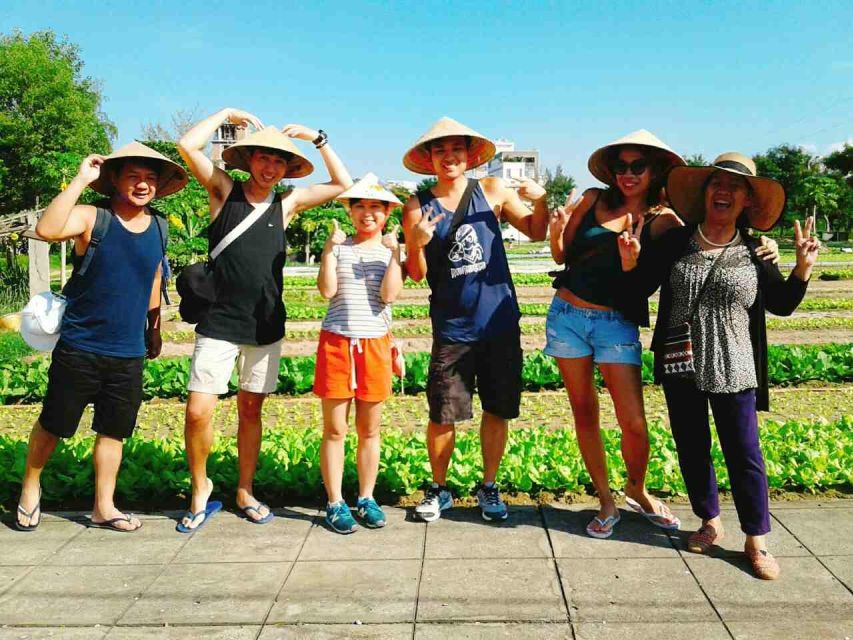
I would choose the full tour for anyone who wants food to explain the place. The farm and market make the recipes easier to understand, and the local Quang noodle menu gives the experience a Da Nang identity.
The short class is better for you if you have only a morning or afternoon free. It keeps the useful part, the cooking, without asking you to give up half a day.
Families should consider it because the work is practical and varied. Children can help with farm tasks and simple preparation, though the information does not specify a minimum age. Ask before booking if you need age guidance.
Solo visitors can also fit in well. A 14-person limit gives you a chance to meet others without being lost in a large tour group. Couples and friends will like having recipes and shared dishes to recreate later.
Vegetarians have a clear menu rather than an improvised substitute. Seafood appears in the standard salads, so confirm that you are assigned the vegetarian menu when booking if you avoid meat and seafood.
Should you book it?
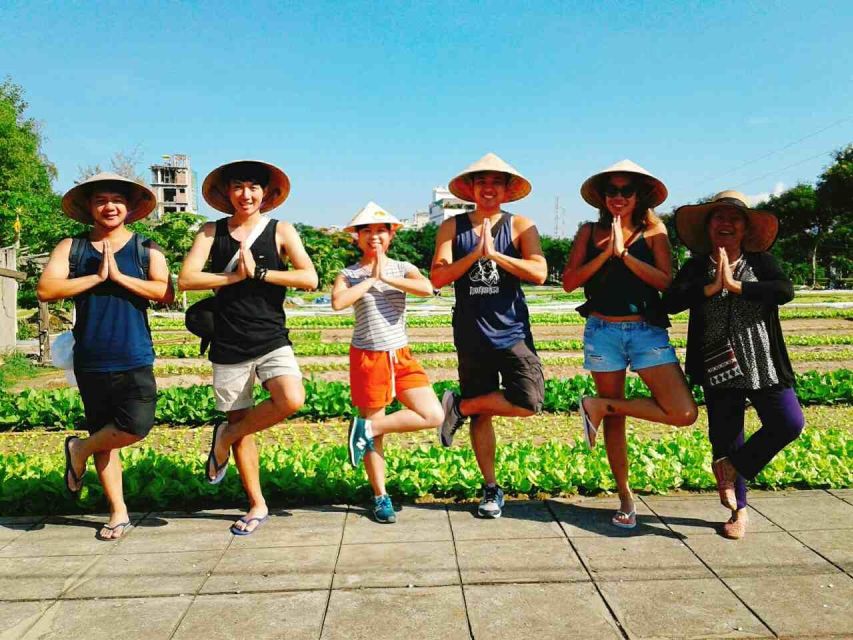
Book this experience if you want to cook, not just eat, and if you value the link between farm, market, and kitchen. The strongest reasons are the small group, four dishes, English recipes, rotating menus, and the chance to make central Vietnamese food such as Quang noodles.
Skip it if you only want a quick meal, dislike outdoor activities, or need hotel transportation included. Also check the menu day first. For pho and banh xeo, choose Tuesday, Thursday, Saturday, or Sunday. For Quang noodles, choose Monday, Wednesday, or Friday.
At $25, the full version is a solid buy for food-focused visitors. The farm, market, tea, dessert, and cooking lesson give you more than a restaurant meal, while the four-hour length leaves time for other plans in Da Nang.
FAQ
How much does the Da Nang cooking experience cost?
The listed price is $25 per person.
How long does the experience last?
Options last from 150 to 270 minutes. The short cooking class takes about 2.5 hours, while the full farm, market, and cooking experience takes about four hours.
What is included?
The experience includes an English-speaking guide, herbal tea, water, dessert, all cooking ingredients, English recipe copies, and the market tour. Farming is included with the full tour option.
Is hotel pickup included?
No. Hotel pickup and drop-off are not included.
Which dishes are available on Monday, Wednesday, and Friday?
Those days offer Quang noodles, fish sauce chicken wings, green papaya salad with shrimp, and deep-fried spring rolls.
Which dishes are available on Tuesday, Thursday, Saturday, and Sunday?
Those days offer beef pho, crispy Vietnamese pancakes, green mango salad with shrimp, and fresh spring rolls.
Is a vegetarian menu available?
Yes. The vegetarian menu includes Quang noodles or pho, eggplant stir-fry, mango or papaya salad, and fried or fresh spring rolls.
Is the coffee-making workshop included?
No. You can add a 1.5-hour coffee-making workshop to the cooking experience.
Is the activity wheelchair accessible?
Yes. The activity is listed as wheelchair accessible.
Can I cancel for a refund?
Yes. You can cancel up to 24 hours in advance for a full refund.
Can I reserve now and pay later?
Yes. The experience offers a reserve-now, pay-later option.
More Workshops in Vietnam
- Coffee Farm Tour with Roasting & Tasting Workshop – Da Lat
★ 5.0 · 126 reviews - Farming & Cooking Class in Hoi An – Small Group Tour
★ 5.0 · 71 reviews - Scented Candle Workshop in Twin Beans Farm Da Lat
★ 5.0 · 70 reviews - Unique farm to Table cooking class in Saigon
★ 5.0 · 69 reviews
Just added around Vietnam
- Cave Explore- Paradise Cave & Phong Nha Cave – Duck Farm★ 4.8 · 16 reviews
- Trekking to Hidden Waterfall & Sturgeon Farm for dog-lovers★ 4.8 · 43 reviews
- Tra Que Village Vegetable Farm Experience by Bike★ 5.0 · 2 reviews
- Full Day Experience to Farm and Chocolate★ 5.0 · 22 reviews
- Sapa Half Day Local Farming Experience★ 5.0 · 3 reviews
- Private Cycling Tour in Rural Hue with Farming Experience★ 5.0 · 18 reviews
- Experience Buffalo Ride and Farmer in Hoi An★ 5.0 · 3 reviews
- Sunset photo tour with the farmers★ 4.5 · 7 reviews
Cooking Classes, compared.
Half-Day Thai Cooking Class at Organic Farm in Chiang Mai
Read our review →
Cooking Class and Lunch at a Tuscan Farmhouse with Local Market Tour from Florence
Read our review →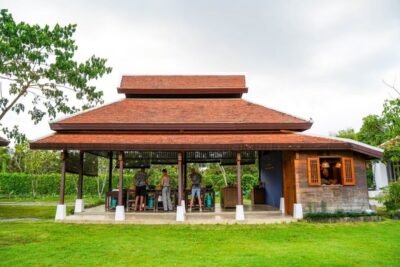
Authentic Cooking Class with Market & Farm Visit
Read our review →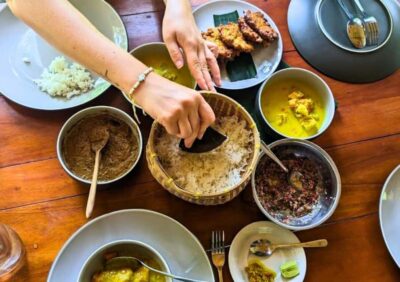
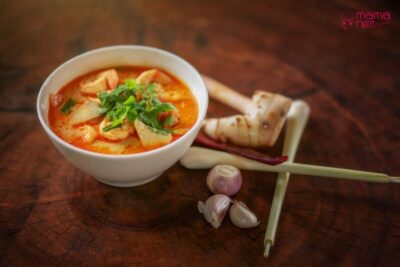
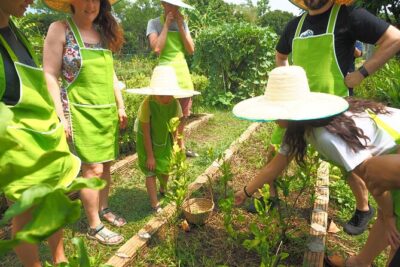
Hands-On Cooking Class & Farmhouse Tour on the Amalfi Coast
Read our review →
Lists this farm appears in