Reviewed · GUIDED
Uji and Wazuka Matcha Farm Half Day Private Guided Tour
Uji and Wazuka offer two very different views of Japanese tea. Uji gives you the famous name, riverfront shops, tea cafes, Uji Shrine, and historic Ujibashi Bridge. Wazuka takes you into the working countryside, where tea fields cover mountain slopes and families have produced Uji tea for about 800 years.
I like the combination of a well-known tea town and a rural tea valley. I also like that guide Masae brings a local family connection to tea, not just a script about matcha. The main consideration is the price: at $360 per person, this is a serious splurge for four hours, especially if you are traveling alone.
- A private visit to Uji and Wazuka gives your group a quieter, more personal outing.
- At least three local teas make the tasting more useful than a single ceremonial cup.
- Tea-farm walking takes you beyond Uji’s souvenir shops and cafes.
- Masae’s local tea background adds family knowledge and practical context.
- A Japanese bento lunch is included, with a vegetarian option available if requested in advance.
- Bumpy, muddy farm access means sensible shoes matter.
Why this tour goes beyond Uji’s matcha shops
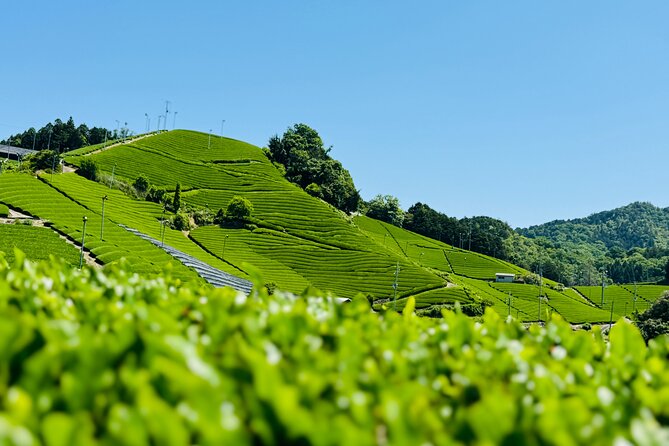
Uji is one of Japan’s best-known tea towns, but its central streets can make tea feel like a product rather than an agricultural craft. You can buy matcha sweets, drinks, powder, and tea tools within minutes of arriving. That is fun, but it tells you little about where the tea comes from.
This half-day outing adds the missing piece. After time beside the Uji River and in the old town, your private vehicle takes you toward Wazuka, a mountain valley where tea fields are part of everyday life. The contrast matters. You see the polished public face of Uji, then the farmland that supports its reputation.
I would choose this tour for someone who wants more than a cafe stop but does not want to commit a full day to a remote tea excursion. Four hours is enough to see several distinct places, enjoy a meal, and learn about production without using an entire afternoon and evening.
The tour starts at Itoh Kyuemon near JR Uji Station. That is a practical meeting point, since it puts you close to the town’s tea culture from the first minute. The activity ends somewhere different, so check the final arrangements before booking if you need to return to a particular station or hotel.
Uji River, Uji Shrine, and Ujibashi Bridge
The Uji portion begins with a walk along the Uji River. This gives you a pleasant introduction before the countryside drive. The river, small streets, tea shops, and matcha cafes make Uji easy to enjoy on foot, and the setting has a slower pace than central Kyoto.
You have about 30 minutes here, so think of this as an orientation walk rather than a full town visit. You will have time to see the riverfront and browse the tea atmosphere, but not enough for every shop or attraction. If you want souvenirs, keep your shopping focused and save room in your schedule.
Uji Shrine follows, with about 10 minutes set aside for the visit. It is described as one of Japan’s oldest shrines, and its presence adds a religious and cultural layer to a tour that could otherwise focus only on food and farming. Ten minutes is brief, but enough for a compact visit and an explanation from the guide.
The stop at Ujibashi Bridge also lasts about 10 minutes. It is presented as one of Japan’s oldest bridges and is an important Uji landmark. The bridge is not a long attraction by itself, yet it helps connect the town’s river setting with its long role in tea culture.
The short stops are a strength if you want variety. They are a weakness if you hope to study each site at length. I would not book this tour as a substitute for a full Uji sightseeing day. Book it to use Uji as the gateway to Wazuka.
More Guided Tours in the world:
- Mykonos: Farm, Ano Mera Village, and Beaches Guided Tour
★ 4.4 · 1,283 reviews - Lahaina: Maui Ku’ia Estate Guided Cacao Farm Tour and Tasting
★ 5.0 · 1,103 reviews - Kaneohe: Kualoa Ranch Guided UTV Tour
★ 4.8 · 335 reviews
Wazuka’s tea valleys and working farms
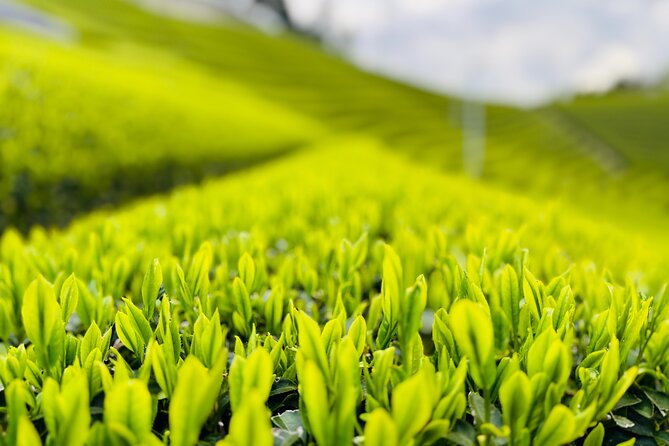
The heart of the outing is Wazuka, where you spend about three hours. This is where the tour earns its place on a Kyoto itinerary. The valley is surrounded by mountains and crossed by a river, with tea fields spread through the surrounding countryside.
Wazuka has produced Uji tea for about 800 years. The tea from this area was once reserved for the Imperial Family, a detail that helps explain why the region matters beyond its attractive scenery. You are not simply looking at green rows on a hillside. You are seeing the setting behind one of Japan’s most respected tea names.
The farm walk is likely to be the most memorable part for anyone curious about how matcha begins. You can expect to see tea fields up close and learn about farming and tea production from Masae. Her approach, as reflected in the experience, includes local and family insight into the tea industry. That personal link is valuable because tea is easy to discuss in broad, polished terms. A local guide can connect it to actual work, place, and tradition.
The farm paths can be bumpy and muddy. This is not a paved garden stroll, so wear shoes that can handle wet ground and uneven footing. The listing says most people can participate, but the farm access still deserves attention if you have mobility concerns or dislike rough paths.
The mountain views are another reason to make the trip. Wazuka is less about checking off monuments and more about seeing how tea fields fit into a rural valley. Bring a phone or camera if you enjoy scenery, but do not let photography replace the explanations. The point is to understand the relationship between the field, the finished tea, and the people who produce it.
Tasting three local teas instead of one
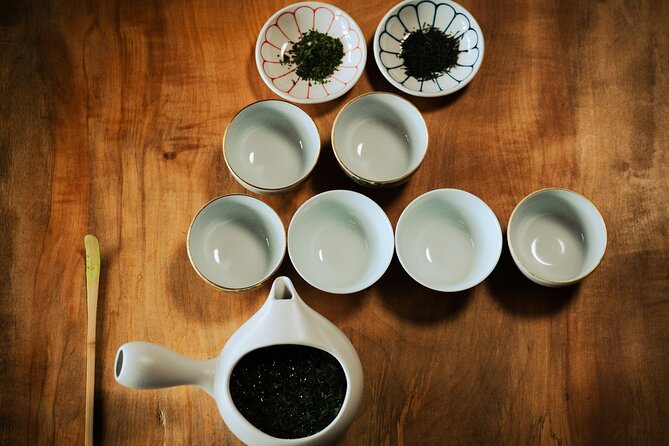
The included tasting covers at least three kinds of local tea, with tea or coffee available. This is one of the strongest parts of the value. A single matcha drink can be pleasant, but three teas let you compare flavor, preparation, and character.
The tasting also gives you a better basis for shopping later. Uji and Wazuka have plenty of tea shops, and it is easy to buy something because the package looks attractive. After a guided tasting, you can pay closer attention to what you like instead of guessing from labels.
The information provided does not specify the exact teas or tasting format, so you should not expect a fixed menu of named varieties. The important point is that you receive a minimum of three local teas, not just a quick sip of matcha.
Several parts of the tour point to matcha as a craft rather than a trend. You learn about tea farming and manufacturing, see the fields, and then taste the finished product. That sequence is useful. It gives the cup a sense of place without turning the visit into a lecture.
Masae is repeatedly described as clear, friendly, and well informed about matcha, farming, and tea production. I would expect her to be the main reason this private format works well. A private guide can adjust the pace and spend more time on the topics your group cares about, though the total four-hour schedule still limits how far the discussion can go.
Bento lunch and the rhythm of the half day
Lunch is included as a Japanese bento set. That makes the outing easier to manage, since you do not need to stop and search for a meal between Uji and Wazuka. The meal is described as generous, and the tour also includes an opportunity to enjoy tea with it.
Vegetarian food is available with an advance request. Make that request before the day of the tour. The information does not promise other dietary arrangements, so anyone with allergies or special needs should confirm directly when booking rather than assume the standard bento will suit them.
The meal helps give the tour a natural rhythm. You begin with town and cultural sights, move into the countryside, learn about tea, taste several kinds, and then sit down for food. That is more satisfying than rushing from one photo stop to another.
The tour includes air-conditioned private transportation. That matters in Japan’s warmer months, especially after walking around a farm. It also makes Wazuka practical for a short visit, since you are not left to work out rural connections during a four-hour schedule.
The tradeoff is that private transport increases the price. If you are already comfortable arranging trains, buses, and taxis, you could visit Uji independently for much less. Reaching Wazuka and finding a farm visit on your own may be less straightforward, however, and the tour bundles the transport, guide, tasting, and lunch into one plan.
More Farm Tours in the world:
- Half-Day Thai Cooking Class at Organic Farm in Chiang Mai
★ 5.0 · 19,087 reviews - Florence Pizza or Pasta Class with Gelato Making at a Tuscan Farm
★ 5.0 · 6,801 reviews - Cooking Class and Lunch at a Tuscan Farmhouse with Local Market Tour from Florence
★ 5.0 · 4,831 reviews - Chiang Mai: Authentic Cooking Class with Market & Farm Visit
★ 4.9 · 4,546 reviews
What $360 per person really buys
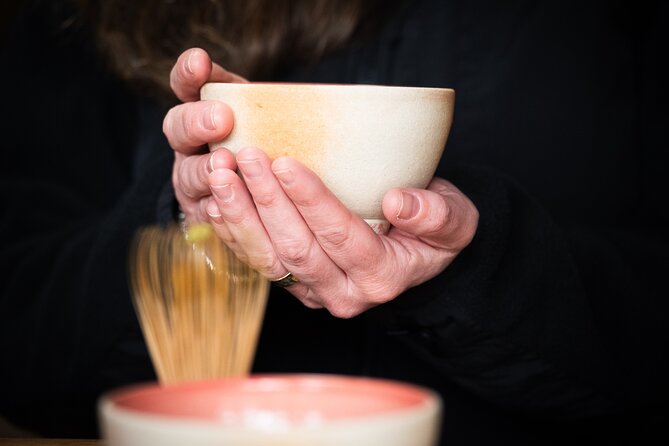
At $360 per person, this is not a budget sightseeing tour. The price makes the most sense for a private group that values ease, personal attention, and access to a rural tea area. It is harder to justify for a solo visitor unless matcha is a major reason for your Japan trip.
You are paying for more than admission. The tour includes a private vehicle, a guide, the tea-farm visit, a minimum of three tea tastings, a bento lunch, and the time needed to connect Uji with Wazuka. The included stops themselves do not charge admission, but the main value is the access and interpretation.
Group discounts are available, which can improve the per-person cost for families or friends booking together. Since only your group participates, you avoid a large coach schedule and can ask questions throughout the visit. That private setup is especially useful if some people in your party are serious about tea while others are mainly interested in scenery and culture.
I would compare this price with the cost of a private guide and transport arranged separately. If you want only a Uji walk and a matcha cafe, this tour is too much. If you want a focused tea day with a real farm setting and lunch included, the price is easier to defend.
Who will enjoy this four-hour outing

This tour fits solo visitors, families, couples, and small groups who want a close look at Japanese tea culture. It is also a good choice for anyone who has already seen Kyoto’s major temples and wants a quieter half day outside the city.
Matcha fans will get the most from it, especially if you care about production rather than only sweets and drinks. Culture enthusiasts should also enjoy the mix of shrine, bridge, river, village, farm, food, and local explanation.
Families can benefit from the private format because the group does not have to keep pace with strangers. Still, remember that the farm paths may be muddy and uneven. Very young children or anyone who needs smooth, paved access may find the field portion less comfortable.
This is not the best choice if your priority is a formal tea ceremony. The included activity centers on farm walking, tea education, tasting, local scenery, and lunch. It also is not ideal if you want a long, unhurried visit to Uji’s shops and historic sites, since the town portion is short.
Practical details before you book
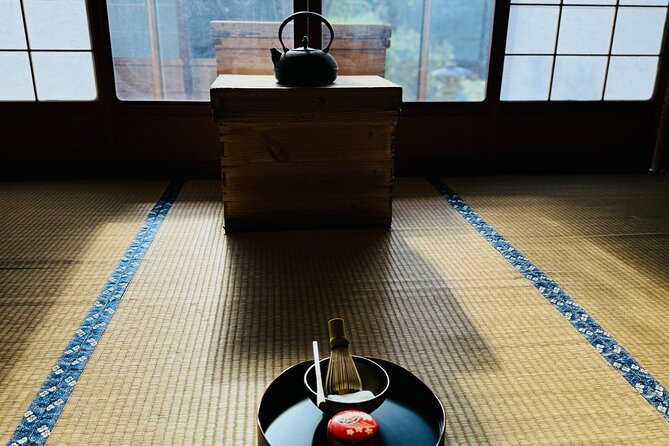
The tour lasts about four hours and starts at Itoh Kyuemon near JR Uji Station. It ends at a different location, so plan your onward route with that in mind.
A mobile ticket is available, and confirmation is received at booking. Service animals are allowed, the meeting area is near public transportation, and most people can take part. The farm access is the key physical caution, since it may be muddy and rough.
Extra snacks and drinks are not included, though you can buy them on the street. The included tea tasting and bento should cover the main food portion of the outing, but carry some flexibility if you like to browse Uji’s cafes or shops.
Free cancellation is available up to 24 hours before the start time for a full refund. Changes or cancellations made inside that 24-hour window are not accepted for a refund, and the cut-off follows local time.
Should you book the Uji and Wazuka tour?
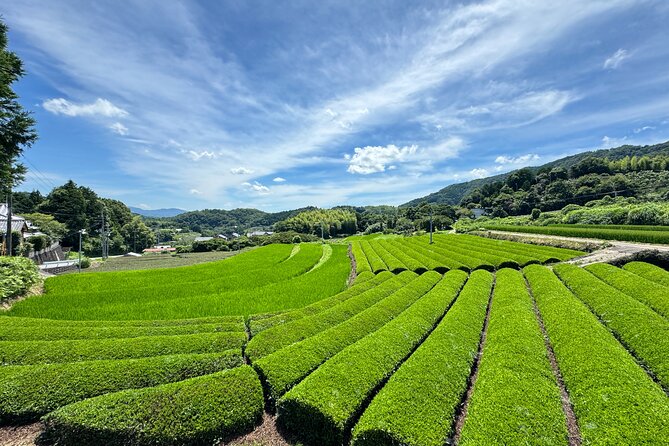
Book it if you want to connect the tea in your cup with the fields, valley, and people behind it. The strongest reasons are the private vehicle, Masae’s local tea background, the three-tea tasting, and the chance to walk through Wazuka rather than remain in Uji’s commercial center.
Think twice if $360 per person feels high or if you mainly want temples, a bridge, and a cafe. Uji can be visited more cheaply on your own, and the half-day schedule leaves little time for a slow town visit.
For a group that values comfort and a personal guide, this is a focused and useful way to see rural tea country. Wear sturdy shoes, request a vegetarian bento early if needed, and treat the farm visit as the main event. That is where this tour offers something you are unlikely to get from a standard Kyoto sightseeing stop.
FAQ
How long does the Uji and Wazuka tour last?
The tour lasts approximately four hours.
Where does the tour start?
The meeting point is Itoh Kyuemon near JR Uji Station at Sabo Umonji-16-1, Uji, Kyoto 611-0021, Japan.
Does the tour end at the same place?
No. The activity ends at a different location, so check the end details and plan your onward transportation.
Is the tour private?
Yes. Only your group participates in the activity.
What is included in the tour?
The tour includes a guide, private transportation in an air-conditioned vehicle, a tea-farm walk, a viewpoint visit, local tea or coffee tasting with at least three kinds of tea, and a Japanese bento lunch.
Is a vegetarian lunch available?
Yes. A vegetarian Japanese bento is available if requested in advance.
Are snacks and extra drinks included?
No. Extra drinks, snacks, and street purchases are not included, but they are available to buy.
Is the farm walk suitable for everyone?
Most people can participate, but farm access may be bumpy and muddy. Keep that in mind when choosing shoes and deciding if the outing suits your mobility needs.
Can I cancel for a full refund?
You can cancel up to 24 hours before the experience start time for a full refund. Cancellations and changes made less than 24 hours before the start time are not accepted for a refund.
Just added around the world
- Hoi An: Cycling – Water Buffalo Riding Farming and Fishing★ 5.0 · 2 reviews
- Belém: Marajó Island Day Trip with Buffalo Farm Visit★ 4.0 · 16 reviews
- Cycling, Water Buffalo Riding, Traditional Farming Life★ 5.0 · 10 reviews
- Side, Alanya: Green Canyon Boat, Waterfall&Orchards Mix Tour★ 4.3 · 14 reviews
- Farmers Market visit & Turkish Cooking Class★ 5.0 · 60 reviews
- 2-Hour Alpaca Farm Experience in Kenilworth★ 4.5 · 14 reviews
- Cycling Through Vineyards & Farm Lunch & Ephesus visit★ 5.0 · 52 reviews
- Liverpool Music Icons Tour led by a member of 90s band The Farm★ 5.0 · 51 reviews
Guided, compared.

Farm, Ano Mera Village, and Beaches Guided Tour
Read our review →
Maui Ku’ia Estate Guided Cacao Farm Tour and Tasting
Read our review →
Maui Ku’ia Estate Guided Cacao Farm Tour & Tasting
Read our review →
Rockhampton: Koorana Crocodile Farm Guided Tour
Read our review →
Nelson: Guided Quad Biking Tour Through Forest and Farmland
Read our review →