
Reviewed · WORKSHOPS
Discover Aloe: A Farm Walk & Workshop
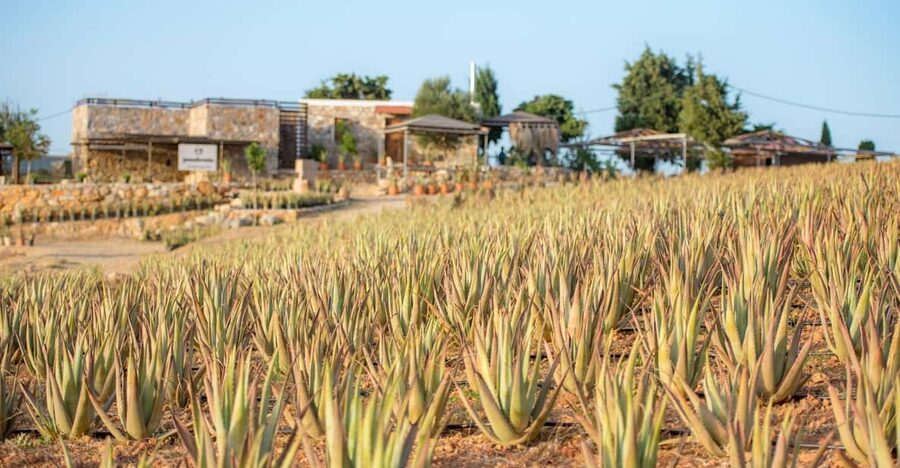
Aloe Vera is the star here, but the best part is seeing it as a working crop rather than a label on a shop bottle. You walk through a farm in Puli Village, hear how the plants are grown and harvested, then work with oils and fragrance drops to make a personal blend. I like the friendly welcome and the chance to handle the ingredients instead of simply watching a demonstration. I also like the farm-made products and the herbal water served at the start.
The main drawback is the timing. The experience is sold as 90 minutes, but one visit lasted closer to an hour, and the walk can be fairly short unless you ask questions. If you want a long farm tour, this may feel light. If you want a compact, hands-on stop with an authentic local setting, the $29 price is fair.
Key points to know before you book
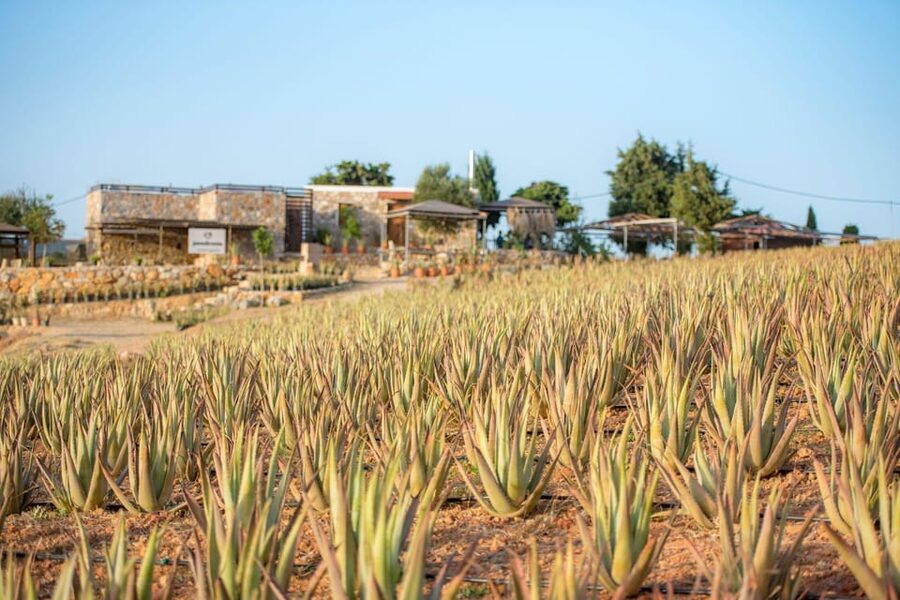
- The farm is in Puli Village: Your meeting point is at the village, and the team contacts you with help finding the farm.
- Contessa may lead your visit: She is described as a warm host, while the wider farm team explains Aloe Vera and other plants.
- The workshop is practical: You mix oils and scent drops, learn about extraction and distillation, and take home an elixir.
- The walk is modest: Plan on a gentle farm stroll, not a long countryside hike.
- The visit connects Aloe Vera with Greek herbal practice: You learn about skincare, natural remedies, and the plants growing around the farm.
- Transfers are not included: Hotel pickup can be arranged for an extra charge.
A working Aloe Vera farm in Puli Village
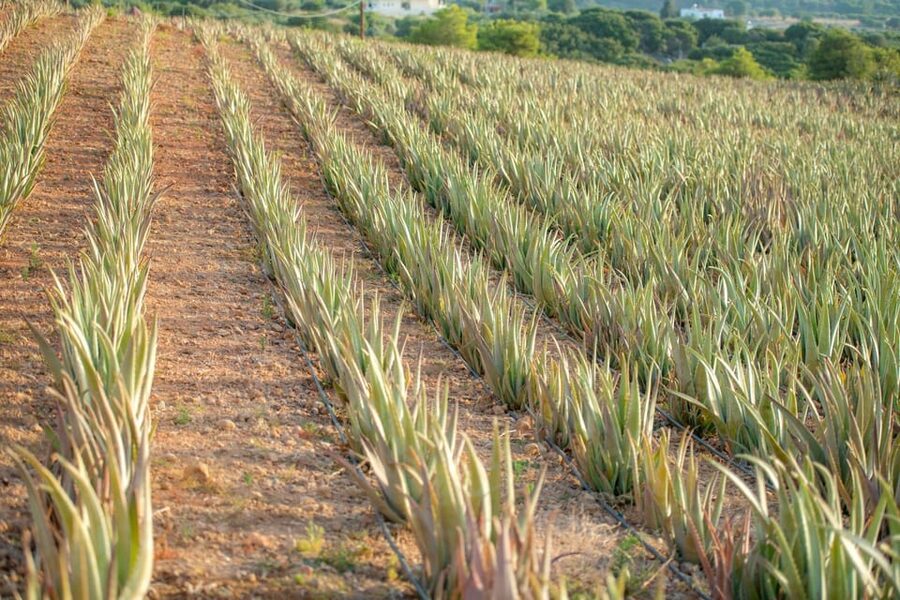
This experience begins at a local farm in Puli Village, in Greece’s South Aegean region. The setting does much of the work. Instead of learning about Aloe Vera from a packaged product or a city shop, you see the plants where they are grown and hear how the farm uses them.
The first portion is a relaxed walk through the fields. Your guide explains how Aloe Vera grows, how it is cultivated, and when the leaves are harvested. You also learn about the plant’s uses in skincare, health products, and home remedies.
The farm is not presented as a formal museum or a large agricultural attraction. That is part of its appeal. You are visiting a working place, and the pace depends partly on the questions you ask. One useful tip is to speak up if you want more detail. The walk may otherwise pass quickly, with the guide offering a basic introduction rather than a long botanical lecture.
You may also see herbs and flowers beyond Aloe Vera. The farm team can explain how these plants fit into local herbal traditions, which gives the visit a wider focus than the name suggests. Aloe Vera is the main subject, but the surrounding plants help you understand how natural ingredients are grown and used together.
More Workshops in Greece:
- Naxos Perivoli Farm Experience & Wood-fire Cooking Class
★ 5.0 · 339 reviews - Melanes: Naxos Perivoli Farm & Cooking Class with Wood Fire
★ 5.0 · 177 reviews - Santorini Family Farm Food & Wine Tour with Cooking Class
★ 5.0 · 107 reviews
What you learn from the Aloe Vera walk
Aloe Vera looks simple in the field, but its uses are varied. During the walk, you learn about the plant’s natural properties and how its leaves are handled after harvesting. The guide explains the connection between the plant and products used for skin care and natural treatments.
I find this part most useful if you are curious about what happens before an ingredient reaches a bottle or jar. You get a basic look at cultivation and harvesting, rather than a sales pitch alone. The discussion also gives context to the farm shop, where products made with plants grown on the property are available to buy.
The exact level of detail can vary. Some visitors have found they needed to ask questions to get more information, so prepare a few of your own. Ask about how often the Aloe Vera is harvested, which parts of the plant are used, and how the farm combines Aloe Vera with other herbs and oils. The activity is conducted in English, and the staff are there to guide the conversation.
Do not expect a technical course in botany or professional aromatherapy. You receive a clear introduction suitable for a first visit, with the emphasis on seeing, smelling, mixing, and making.
From fresh plant to oil workshop
After the walk, you move to the hands-on workshop. The activity description presents this as an essential oil-making session, including harvesting, extraction, and distillation. In practical terms, you can expect to work with oils and fragrance drops under instruction, creating a personal blend that may be used as massage oil or a natural product.
The staff explain the steps rather than handing you ingredients and sending you off alone. You get to see how plant material is treated and how the distillation process relates to the final product. The goal is not to produce a large bottle of commercial oil. It is to understand the basic process and leave with something personal.
One important point: the finished item is described as an elixir, and the activity also includes your own blend. The exact form of the take-home product may depend on the workshop setup that day. The experience is best viewed as a small educational preparation session, not a full-scale laboratory distillation.
The hands-on format works well for couples, friends, and families with older children who can follow instructions. You are not simply watching a guide work. You take part in mixing, choosing scents, and learning how the ingredients are combined. The result is modest, but it has more meaning than a standard souvenir because you made it during the visit.
Making a personal blend with local ingredients
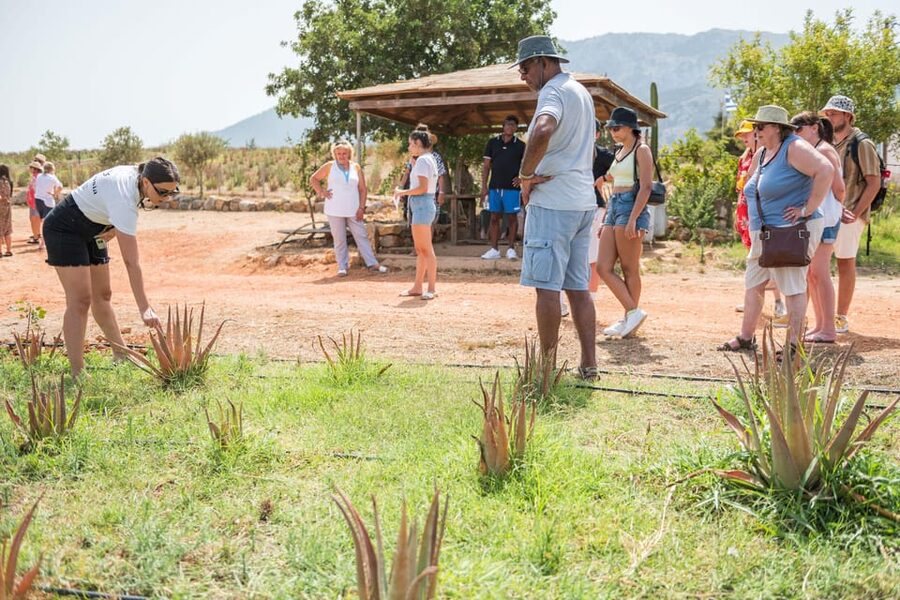
The mixing stage is the most social part of the activity. You work with different oils and scent drops, then create a blend suited to your taste. One useful detail from the experience is that the final mixture can function as massage oil, so the workshop feels practical rather than purely decorative.
You should not expect a wide choice of professional formulas or a long menu of therapeutic options. The strength is the simple process. You learn how small changes in scent affect the blend, and you leave with a better sense of how plant-based products are put together.
The guides take time to explain the steps. That matters because a short workshop can otherwise feel rushed. Here, the activity gives you a chance to ask about the oils, their uses, and the plants grown on the farm. The welcome drink, water flavored with herbs, fits the theme and gives you a gentle start while the group gathers.
At the end, you receive an elixir from the workshop. You can also browse the farm’s homemade products. Buying something is optional, and you should treat the shop as a chance to continue exploring the farm’s work, not as a required part of the visit.
More Farm Tours in Greece:
- Mykonos: Farm, Ano Mera Village, and Beaches Guided Tour
★ 4.4 · 1,283 reviews - Crete: Road-trip to Lasithi, Zeus Cave & Olive Mill Farm
★ 4.4 · 451 reviews - Heraklion: Olive Farm Tour with Tasting of Local Delicacies
★ 4.9 · 411 reviews - Lassithi, Zeus Cave, Olive Mill Farm & Knossos Combo Tour
★ 4.6 · 404 reviews
A warm welcome, with Contessa and the farm team
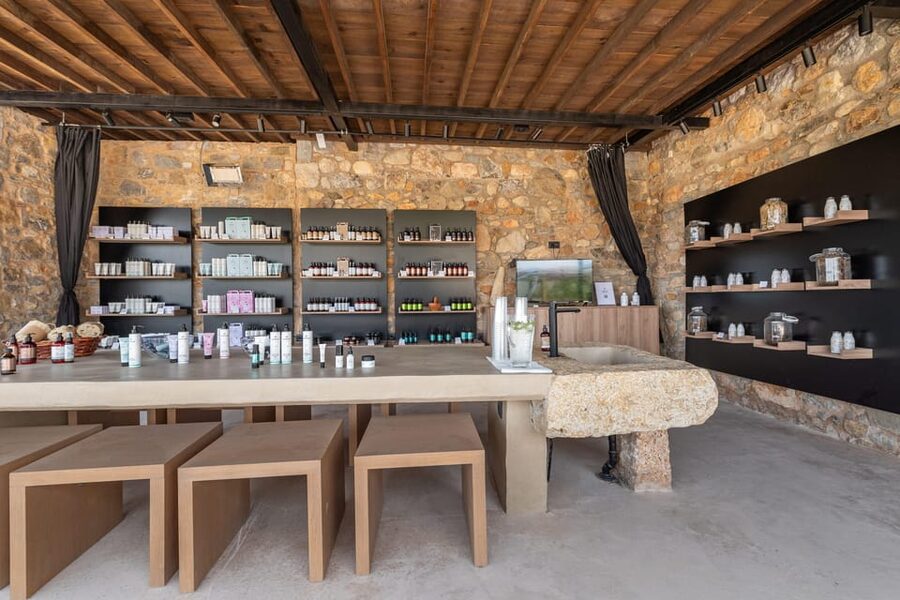
The human side of this experience is one of its strongest features. Contessa is described as a lovely host, and the farm staff make time to explain both Aloe Vera and the other herbs and flowers growing on the property.
The atmosphere is personal rather than polished. That can be a plus if you prefer meeting local producers and learning directly from the people who work with the plants. It can also mean that the visit is less scripted. A guide may spend more time on one topic if you show interest, while a quiet group may receive a shorter explanation.
I recommend arriving ready to ask questions. Ask to see the plant material used in the workshop, ask how the farm uses its herbs, and ask which products are made on site. These questions help turn a basic farm walk into a more rewarding conversation.
The English instruction is suitable for the advertised activity, though the experience is not designed as a language or science class. You receive practical explanations and a chance to follow the steps in person.
How much time you really need
The stated duration is 90 minutes. That gives you enough time for the farm walk, welcome drink, workshop, and a look at the homemade products. Still, you should allow for some flexibility. One visit lasted closer to an hour, and the walk felt shorter than expected.
That difference matters if you are building a tight day around the activity. Do not book it assuming you will need a full half-day. At the same time, do not plan a five-minute gap before your next commitment. The exact pace can depend on the guide, the group, and how many questions you ask.
The walk itself is leisurely. This is not a demanding hike, and the point is observation rather than exercise. Wear comfortable shoes suited to a farm path, though no special equipment is listed. The farm setting may be warm and sunny, so ordinary outdoor clothing and water are sensible choices.
The meeting point is in Puli Village. The team contacts you with live help to find the farm, which is useful because the activity does not include a standard hotel pickup. Transfers from your hotel are available by request for an additional fee.
Is $29 a fair price?
At $29 per person, the activity is reasonably priced for a 90-minute visit that includes a guided farm walk, instruction, a welcome drink, and a take-home elixir. The value comes from the combination of place and participation. You are paying for access to a working farm, personal guidance, and a small product you make yourself.
The value is weaker if you want a long tour or a large take-home bottle. The walk can be brief, and the workshop is introductory. You should book this for the contact with the farm and the chance to learn by doing, not because you expect a major production or a full aromatherapy qualification.
The price also compares well for travelers who are tired of standard sightseeing. A short farm activity can add variety to a Greece trip, especially if your day already includes beaches, ruins, or town visits. You get a quiet change of pace and a souvenir tied to the place.
Hotel transfer costs extra, so include that in your budget if you are not making your own way to Puli Village. If you can reach the meeting point independently, the base price is easier to judge.
Who will enjoy this farm experience?
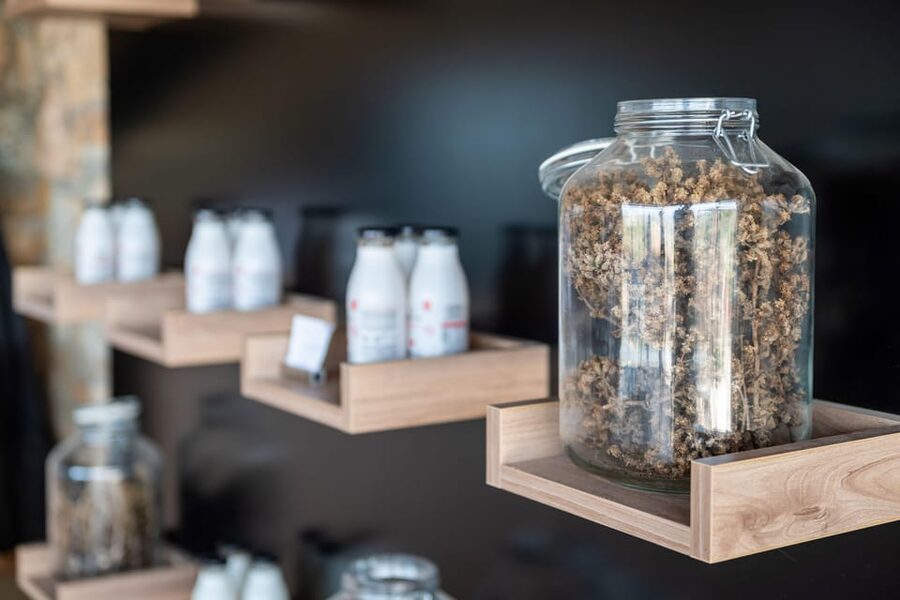
I would recommend it to you if you like plants, local food and craft traditions, natural skincare, or small-scale production. It is also a good choice if you want a calm activity that does not require a full day.
The workshop suits curious beginners. You do not need prior knowledge of Aloe Vera or essential oils. The guides provide the instructions, and the process is simple enough to follow while still giving you something new to learn.
Families should consider the ages and interests of their children. The activity is hands-on, but it is not described as a dedicated children’s program. Older children who enjoy plants, smells, and making things may like it more than younger children who need constant action.
I would be less likely to recommend it if your priority is a long countryside walk, a highly technical distillation lesson, or a large-scale farm tour. The experience is compact and personal. Its success depends on your interest in asking questions and taking part.
Practical booking advice for Puli Village
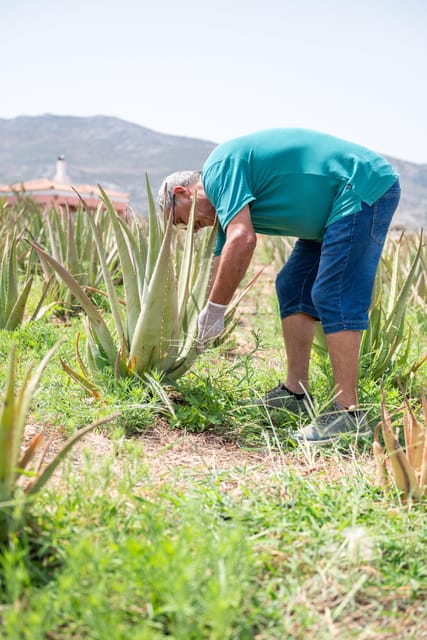
The activity is conducted in English, and the instructor is listed as English-speaking. The team provides directions to the farm through live contact, so keep an eye out for the meeting information before you set out.
You can cancel free of charge up to 24 hours in advance for a full refund. You can also reserve now and pay later, which helps if your South Aegean schedule is still changing. Starting times vary, so check availability for the day you want.
The farm sells homemade products made with plants grown on the property. If you think you may buy something, leave a little room in your luggage and ask which products contain Aloe Vera or other local herbs. The shop gives you another way to remember the visit, but you are not required to purchase anything.
A nearby restaurant farther up the mountain is also mentioned as a possible add-on, with a fine view. It is not part of the farm activity, so treat it as a separate plan rather than something included in the booking.
Should you book Discover Aloe?
Book this experience if you want a friendly, low-key look at Aloe Vera cultivation followed by a simple workshop. The farm setting, personal instruction, and take-home elixir give the $29 price solid value, especially for anyone interested in natural products.
Go in with realistic expectations. The stroll may be shorter than the advertised 90 minutes, and you may need to ask questions to get the fullest explanation. You will not receive a long hike or an advanced course in essential oil production.
My advice is to book it as a thoughtful one to two-hour addition to your South Aegean plans. Arrive curious, ask about the other herbs, and take part in the mixing rather than treating it as a quick photo stop. For plant lovers and anyone who enjoys meeting local producers, this is a useful and pleasant change from the usual sightseeing schedule.
FAQ
Where does the Aloe Vera farm experience take place?
The meeting point is in Puli Village in Greece’s South Aegean region. The team contacts you with live support to help you find the farm.
How long does the activity last?
The advertised duration is 90 minutes. The actual visit may be shorter, with one reported visit lasting about an hour.
What language is the activity conducted in?
The instructor and activity are listed as English-speaking.
What happens during the farm walk?
You walk through the Aloe Vera fields and learn about cultivation, growth, harvesting, natural properties, skincare, health uses, and natural remedies. The farm also has other herbs and flowers for discussion.
What do you make during the workshop?
You take part in an oil-making activity, mixing oils and fragrance drops to create a personal blend. The activity also explains extraction and distillation, and it includes an elixir to take home.
Is a welcome drink included?
Yes. The activity includes water with herbs as a welcome drink.
Are hotel transfers included?
No. Transfers to and from your hotel are not included, but they can be arranged for an additional charge.
Can I cancel the booking?
Yes. You can cancel up to 24 hours in advance for a full refund. You can also reserve now and pay later.
Just added around Greece
- Volos: Cook Like a Local at a Greek Farm★ 5.0 · 7 reviews
- Traditional Greek Cooking Class @ Lefkada Micro Farm★ 4.7 · 32 reviews
- Visit a Farm and Horseback Riding in Nature★ 5.0 · 10 reviews
- Insightful Pistachio Orchard and Factory Tour★ 4.5 · 27 reviews
- Flavors of Santorini: Farm-to-Table Meal Wine & Authentic Village★ 5.0 · 12 reviews
- Santorini 5 Hour Private Oia Tour & Lunch/Dinner at a Local Farm★ 5.0 · 40 reviews
- Cooking Class Sunset Dinner and Tour in Paros Farm★ 5.0 · 5 reviews
- Olympia Shore Ex: Olympic site, Honey Farm & Olive Oil Tasting★ 4.5 · 57 reviews
Workshops, compared.
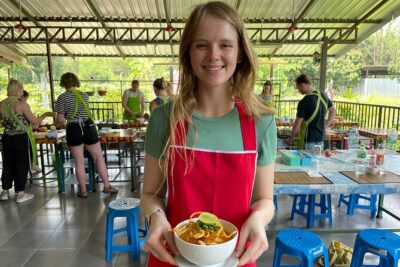
Half-Day Thai Cooking Class at Organic Farm in Chiang Mai
Read our review →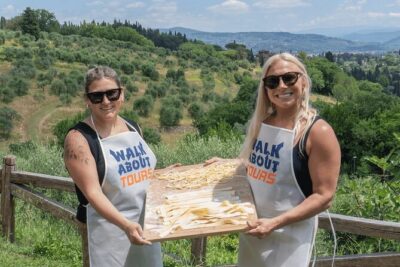
Florence Pizza or Pasta Class with Gelato Making at a Tuscan Farm
Read our review →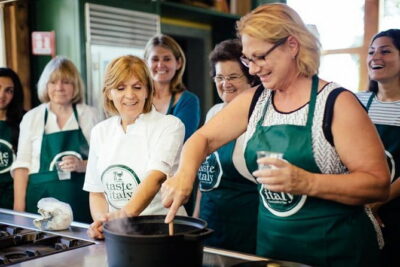
Cooking Class and Lunch at a Tuscan Farmhouse with Local Market Tour from Florence
Read our review →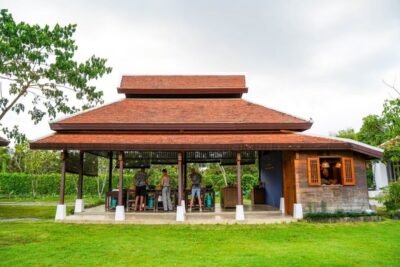
Authentic Cooking Class with Market & Farm Visit
Read our review →
Pizza Lesson, Wine, and Limoncello at a Local Farm
Read our review →
Pizza or Pasta Class with Gelato at a Tuscan Farm
Read our review →
Lists this farm appears in