
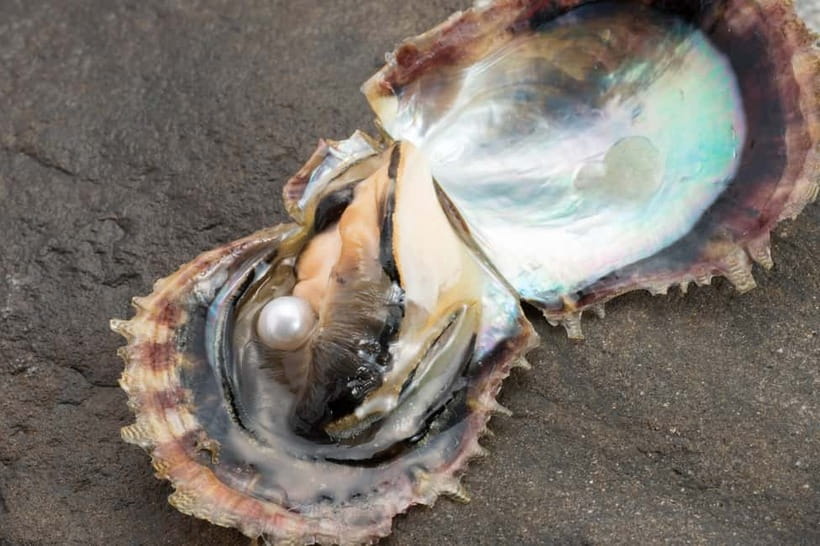
Reviewed · PEARL FARM TOURS
Hands-on Pearl Harvesting Workshop!
The pearl is hidden inside a live Akoya oyster, waiting in Kikuchi Pearl’s aquarium. You choose the shellfish yourself, open it with a special tool, wash the pearl, then have staff turn it into a small piece of jewelry.
I like the hands-on reveal and the chance to see the natural color of your own pearl. I also like the wide choice of metal fittings, from simple phone straps and pendants to earrings and other pieces. The activity suits families and older visitors, too.
The main catch is speed. The actual opening can take only a few minutes, and instruction is in Japanese. If you want a detailed lesson about pearl farming, or hope to keep the pearl loose without buying jewelry, confirm the rules before you pay.
Key points to know before booking
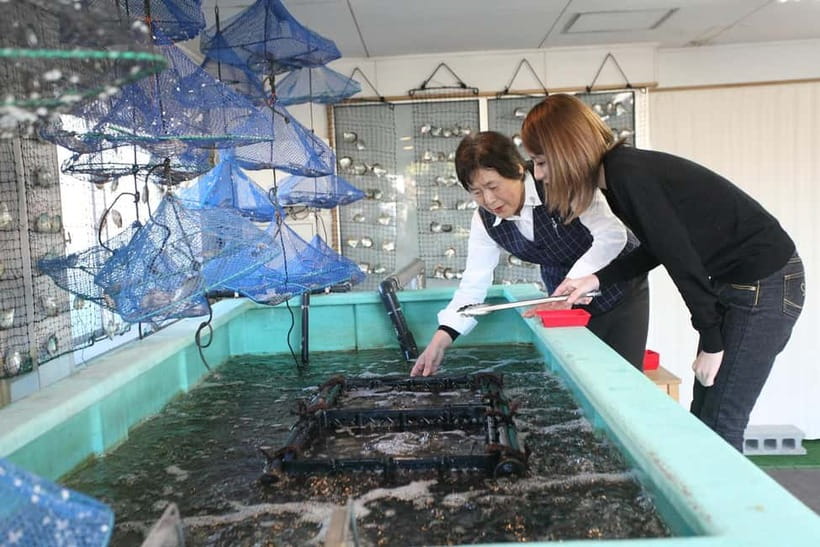
- Choose the oyster yourself: You select one live Akoya oyster from the aquarium using tongs.
- Expect a fishy smell: You wear a glove on your non-dominant hand while handling the oyster and pearl.
- The reveal is quick: The practical part may last only a few minutes within the one-hour booking.
- Staff make the finished item: You select the fitting, but Kikuchi Pearl handles the final assembly.
- Japanese instruction only: There is no listed English instructor, so translation help may be useful.
- The station is close: From Iseshi Station, take the JR Sangu Line toward Toba and walk about five minutes from Isuzugaoka Station.
Opening an Akoya oyster near Ise-Shima
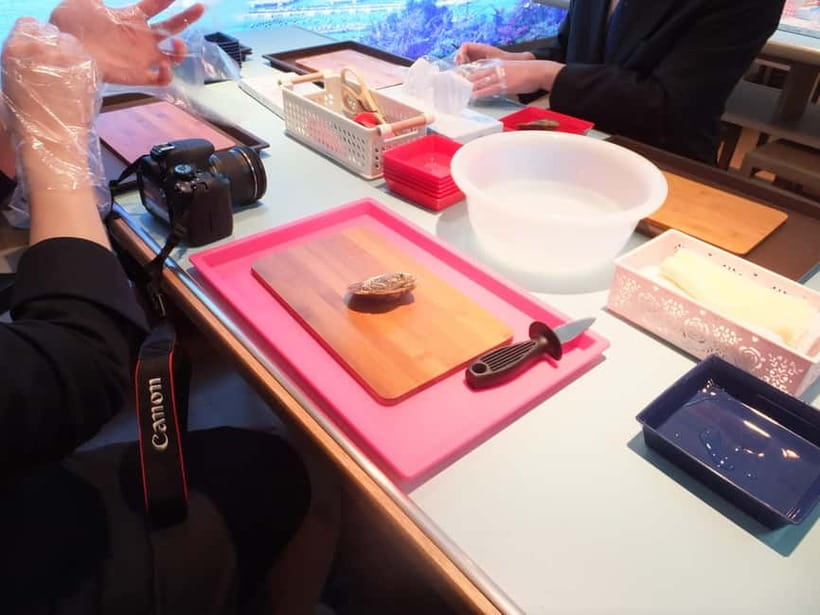
This is not a lecture followed by a display case. You handle the shellfish and find out what is inside. That simple act gives the workshop its appeal.
The oysters are Akoya pearl oysters associated with the sea around Ise-Shima. They live in Kikuchi Pearl’s aquarium until you select one. You pick up your chosen oyster with tongs, then prepare to open it yourself.
I like that the oyster is not chosen for you. The selection is part of the experience, even though the oyster’s appearance does not tell you exactly what kind of pearl it contains. You may find a white, cream, or slightly pink pearl. One participant was delighted to find a pearl with a faint pink shade.
You should keep your expectations sensible. A cultured pearl is not a treasure hunt in the sense of finding a large perfect jewel. The pearl may be small, uneven, or a color you did not expect. That uncertainty is the fun, but it also means the finished accessory may look different from the sample pieces in the shop.
More Pearl Farm Tours in Japan:
- Broken Bay Pearl & Oyster Farm Tours
★ 5.0 · 150 reviews - Incredible Islands Tour – Horizontal Falls & Cygnet Bay Pearl Farm
★ 5.0 · 96 reviews - Cygnet Bay Pearl Farm Behind-the-Scenes Tour & Live Harvest
★ 4.9 · 53 reviews
Handling the oyster, slime, and special tool
Once you have selected the oyster, you put a glove on your non-dominant hand. The oyster can smell fishy, so this is not just a formality. The glove also gives you a better barrier as you work with the shellfish.
You use a special tool to open the oyster and remove the pearl. The instructions describe extracting the pearl and removing the slime, followed by a light rinse with water. The procedure is short and direct.
This is the point where expectations matter most. The activity is called a workshop, but it is not presented as a full pearl-farming class. You are not given a long account of how oysters are raised, how pearls form, or how workers care for the oysters. If that background matters to you, ask questions before starting, or use a translation app to prepare a few simple questions in Japanese.
Language can affect the experience. The listed instructor language is Japanese, and some customers have found that the shop has very little English. You can still follow the physical steps, especially because the actions are clear, but you should not count on a detailed spoken explanation.
One practical concern deserves attention. Some participants have felt that the opening process was too quick and were uncertain about exactly how the pearl was removed. Listen carefully to the staff’s demonstration and keep your attention on your own oyster. If you want the pearl for a gift, ask clearly at the beginning how it will be identified and handled during processing.
What the one-hour visit really includes
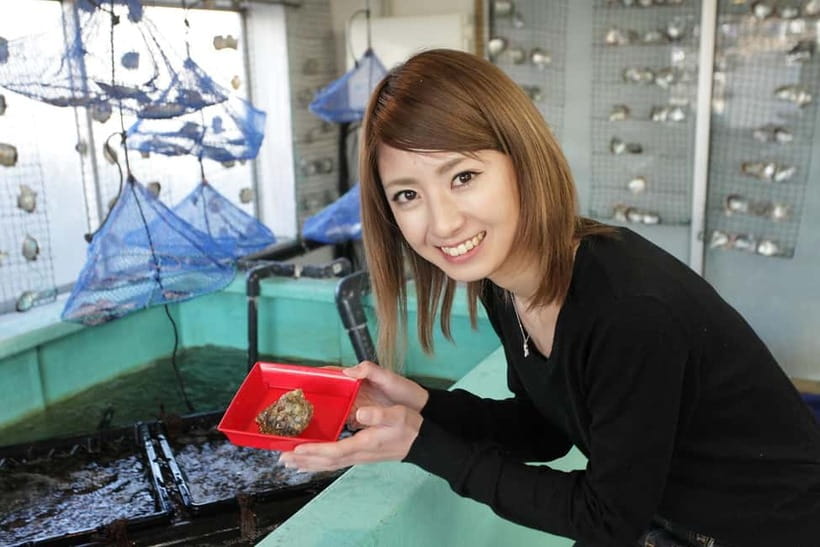
The full booking lasts one hour, but the hands-on opening itself may take only a few minutes. That is not necessarily a problem if your goal is a quick, unusual souvenir. It can feel disappointing if you expected a long class.
The hour is split between selecting the oyster, opening it, choosing hardware, and waiting for staff to finish the accessory. During the waiting period, you can look around the store at its pearl jewelry.
The shop visit therefore has two different parts. The first is the memorable action: you choose and open the oyster. The second is a retail experience, where you select the setting and consider extra charges.
I would treat this as a short craft activity rather than a complete educational tour. The value comes from the personal connection to the pearl. You can say that the pearl in your pendant or phone strap came from the oyster you selected. If you want a detailed look at the pearl industry in Ise-Shima, this workshop may leave you wanting more.
Choosing a pendant, phone strap, or earrings
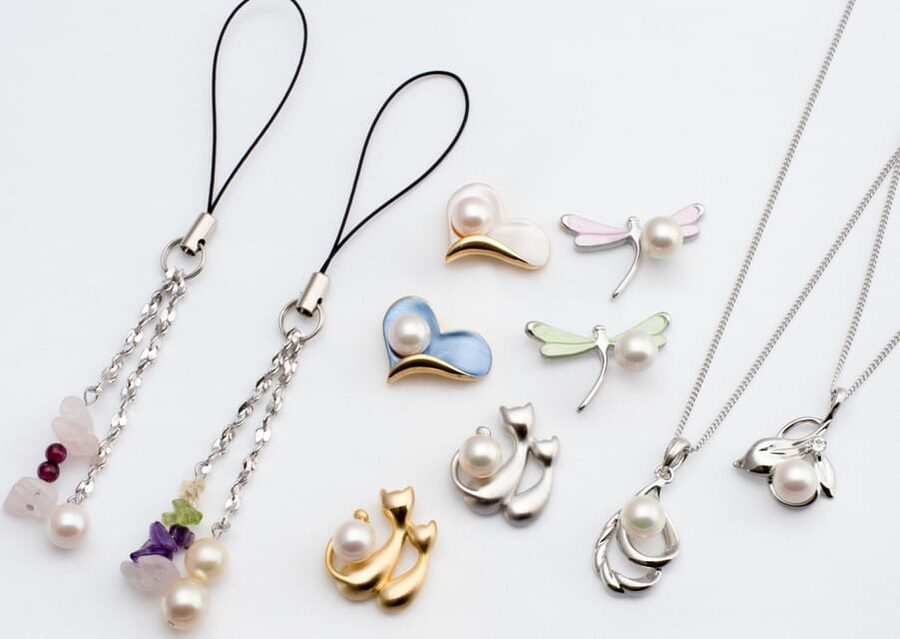
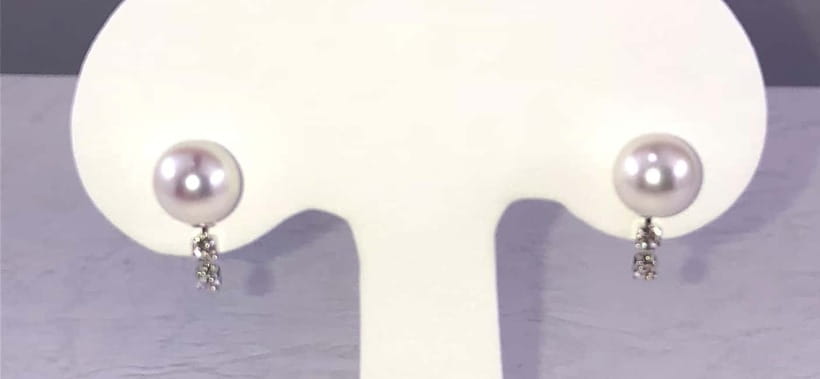
After the pearl is rinsed, you choose the metal fitting. The basic choices include a cell phone strap, a pendant, clip-on earrings, and regular earrings. Other options include pins, brooches, bracelets, tie stoppers, and tie pins.
The selection is an important part of the visit because the fitting determines how useful the souvenir will be. A phone strap is practical and easy to carry. A pendant feels more like a traditional keepsake. Earrings require you to choose between regular and clip-on hardware.
The listed processing prices give you a useful starting point:
- Cell phone strap: one Akoya oyster at JPY 1,100 plus metal fittings at JPY 1,650
- Pendant: one Akoya oyster at JPY 1,100 plus metal fittings at JPY 2,200
The prices include processing fees, but the information also says that any difference in the fitting price is paid on site. You should inspect the options and confirm the cost before making your final choice. If you choose a cheaper fitting than the set price, there is no refund for the difference.
Other items may cost extra. That includes pins, brooches, bracelets, tie stoppers, and tie pins. You can ask about the total price before handing over your pearl.
The staff does the final processing. You do not assemble the jewelry yourself. That is helpful because the fitting needs to be attached properly, but it also means you may not watch every step of the setting process.
More Workshops in Japan:
- Half-Day Thai Cooking Class at Organic Farm in Chiang Mai
★ 5.0 · 19,087 reviews - Florence Pizza or Pasta Class with Gelato Making at a Tuscan Farm
★ 5.0 · 6,801 reviews - Cooking Class and Lunch at a Tuscan Farmhouse with Local Market Tour from Florence
★ 5.0 · 4,831 reviews - Chiang Mai: Authentic Cooking Class with Market & Farm Visit
★ 4.9 · 4,546 reviews
Is the pearl really the one you opened?
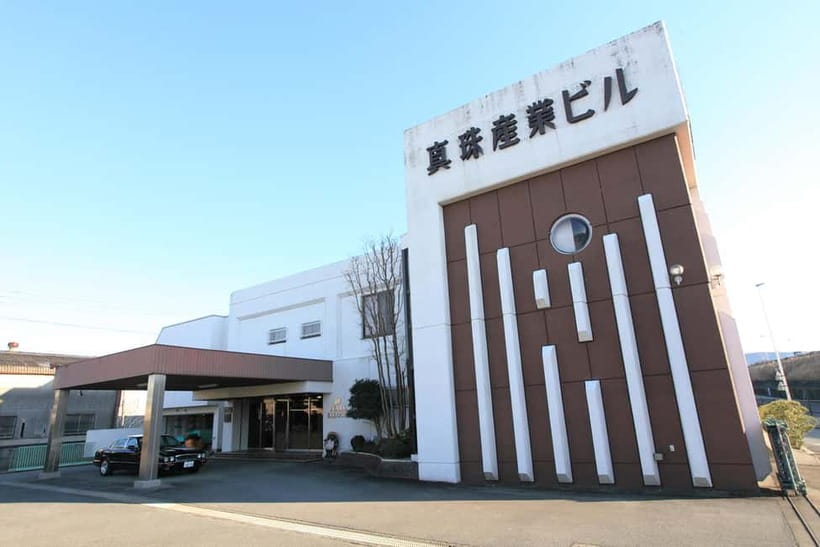
This is the most important quality-control question to ask. Your oyster is opened in front of you, but the finished accessory is assembled later by staff. A few customers have been unsure that the pearl returned in the finished piece was the same one they extracted.
I cannot tell you that this will happen, but the concern is practical. If the pearl matters to you as a personal souvenir, ask how staff mark or keep track of it while they work. Point to your pearl, confirm your chosen fitting, and make sure everyone understands which item belongs to you.
This matters most if you are purchasing more than one pearl. One participant paid to harvest two pearls, making a keychain for herself and a necklace for her mother. That is a nice way to use the activity as a shared gift, but multiple pieces also make clear identification more important.
If you want only a loose pearl, ask before opening the oyster. The standard setup is designed around turning the pearl into an accessory, and at least one customer was not permitted to open another oyster simply to obtain a pearl without jewelry. Do not assume the shop will sell or release an extra pearl outside the normal process.
How the price compares with the experience
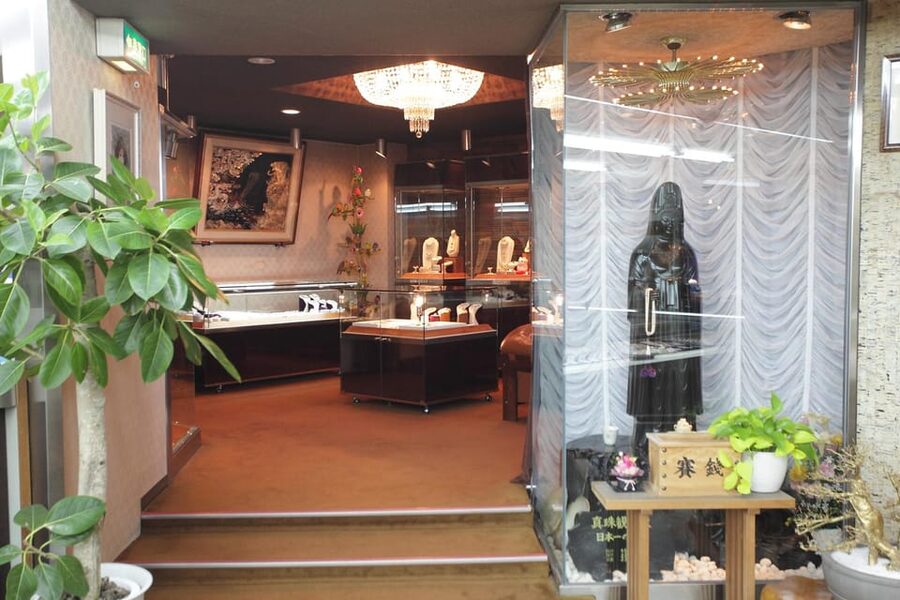
At about $17 per person, the booking price is low compared with a long guided attraction. But the listed fitting prices show that your final cost can depend on the accessory you select.
For a basic phone strap or pendant, the supplied prices list the oyster and hardware at JPY 2,750 or JPY 3,300 before any difference from a more expensive fitting. You should check how the advertised booking price and the on-site processing amounts apply to your reservation, since the pricing details are presented in separate parts of the activity information.
The value is strongest if you want a small, personal souvenir and enjoy hands-on activities. You are paying for the oyster, the chance to make the choice yourself, the staff processing, and access to the store’s fittings.
The value is weaker if you want a long class, a detailed explanation of pearl cultivation, or jewelry made from a large, high-grade pearl. The activity does not promise a particular size, shape, or color. The metal fittings may also feel expensive if you are comparing them with ordinary fashion accessories.
I would think of the price as a modest experience fee plus the cost of a keepsake. The pearl is the story. The accessory is the practical result.
Getting to Kikuchi Pearl from Iseshi Station
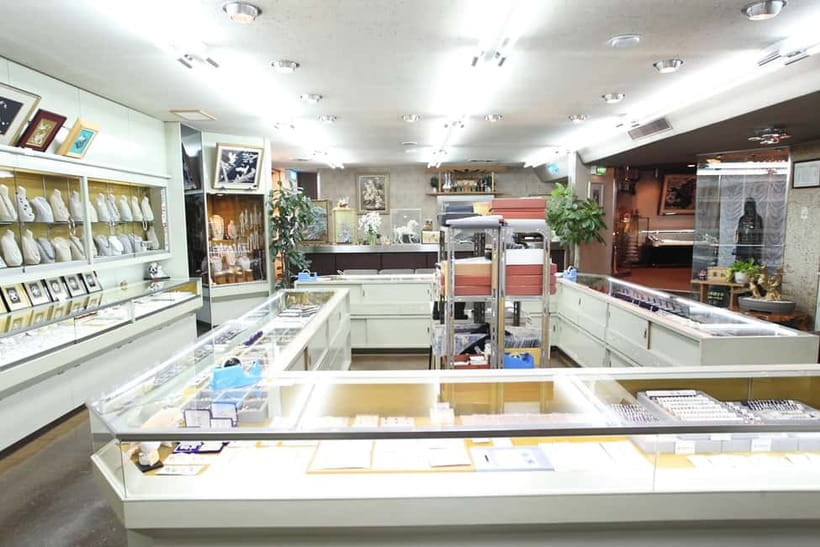
The meeting point is near Isuzugaoka Station in Honshu’s Mie Prefecture. From Iseshi Station, take the JR Sangu Line bound for Toba and get off at Isuzugaoka Station. Kikuchi Pearl is about a five-minute walk from there.
That train connection makes the workshop possible as a small stop during an Ise-Shima day. Still, plan your return before you begin. One customer had trouble finding transportation back, while another received help arranging a taxi to the station. Those different experiences suggest that you should know your train or taxi plan in advance instead of assuming staff will arrange everything.
The listed coordinates are 34.4989098, 136.7406165. If you use a map app, save the location before leaving Iseshi. The experience is wheelchair accessible, which is useful for visitors who need step-free access, though the supplied information does not describe the exact route from the platform or the layout inside the shop.
Children under five cannot take part. Older children, adults, and seniors can enjoy the activity, provided they are comfortable handling a live oyster and using the opening tool with staff guidance.
Who will enjoy this pearl workshop
I would recommend it most to you if you like small craft experiences, unusual souvenirs, and a little suspense. The best moment is not the finished pendant. It is the instant you see the pearl appear and notice its natural color.
It also works well for a parent and child, a couple, or two family members making separate gifts. One person made a phone accessory and a necklace for her mother, which shows how easily the activity can become a personal gift project.
You should be comfortable with a fishy smell and a brief hands-on task. The oyster is alive when you select it, and you will handle it with tongs and a gloved hand. Anyone uneasy around shellfish may prefer a standard jewelry-making class.
The activity is also a reasonable choice for a quick stop between trains. You do not need a full day for it, and the one-hour duration is easy to fit into a larger plan. Just remember that the main action is short.
Who should choose a different activity
Choose something else if your main goal is education. You will not get a full lesson on pearl cultivation, oyster care, or the treatment of finished pearls. The instructor language is Japanese, and there is no promise of English interpretation.
You may also want to skip it if you are very particular about jewelry quality. The shop offers many fittings, but some customers have found the jewelry expensive for its finish. Look closely at the hardware and ask about any additional cost before choosing.
Finally, do not book this expecting complete control over the final item. You select the oyster and fitting, but staff do the processing. If you want to make every part of the jewelry yourself, this is not that kind of workshop.
Booking, cancellation, and accessibility
You can cancel up to 24 hours before the activity for a full refund. A reserve-now-and-pay-later option is also listed, which helps if your route through Ise-Shima is not fixed.
Starting times depend on availability. The instructor speaks Japanese, and the activity is wheelchair accessible. Children under five are not accepted.
The experience provider is Kikuchi Pearl. Allow about one hour for the scheduled activity, plus enough time to reach Isuzugaoka Station and arrange your return.
Should you book the Akoya pearl workshop?
Book it if you want a short, unusual souvenir and like the idea of finding your own pearl inside a live Akoya oyster. The personal choice of shellfish, the surprise of the color, and the broad range of fittings are the strongest reasons to go.
Skip it if you want a detailed class, smooth English guidance, a loose pearl without jewelry, or guaranteed high-end workmanship. Before starting, confirm the fitting price, ask how your pearl will be identified, and make sure you understand what happens after the oyster is opened.
For the right person, this is a fun little Ise-Shima experience. Just treat it as a quick pearl reveal and accessory service, not a full lesson in Japanese pearl farming.
FAQ
Where is the pearl harvesting workshop held?
It is held at Kikuchi Pearl in Honshu, Japan, near Isuzugaoka Station. The listed coordinates are 34.4989098, 136.7406165.
How do I reach Kikuchi Pearl from Iseshi Station?
Take the JR Sangu Line bound for Toba from Iseshi Station. Get off at Isuzugaoka Station, then walk about five minutes.
How long does the activity take?
The scheduled duration is one hour. The oyster-opening part itself may be very short, followed by fitting selection and staff processing.
What kind of oyster will I handle?
You select a live Akoya pearl oyster from Kikuchi Pearl’s aquarium. The oysters are connected with pearl cultivation in the sea around Ise-Shima.
Do I open the oyster myself?
Yes. You select the oyster with tongs, wear a glove on your non-dominant hand, and use a special tool to extract the pearl. You then rinse it lightly with water.
What jewelry can be made from the pearl?
The pearl can be made into a cell phone strap, pendant, clip-on earrings, or regular earrings. Pins, brooches, bracelets, tie stoppers, and tie pins are also available for an additional charge.
Is jewelry processing included in the price?
The listed processing amounts include one Akoya oyster and metal fittings. A phone strap lists JPY 1,100 for the oyster and JPY 1,650 for the fittings. A pendant lists JPY 1,100 for the oyster and JPY 2,200 for the fittings. Any price difference from the fitting chosen on site is paid separately.
Is the workshop available in English?
The listed instructor language is Japanese. English instruction is not provided in the activity information, so you should prepare for limited spoken English support.
Just added around Japan
- Wasabi Farm Walking Tour with Lunch★ 4.4 · 2 reviews
- 7 Hours Private Guided Tour Uji and Wazuka Matcha Farm★ 5.0 · 2 reviews
- From Tokyo Mt.Fuji, Lake Kawaguchi, Makaino Farm day tour★ 5.0 · 8 reviews
- Hida Private E-Bike Tour with Premium Lunch and Farm Experience★ 5.0 · 7 reviews
- Guided Bike Tour to a Green Tea Farm in Shizuoka (not e-bikes)★ 5.0 · 5 reviews
- Hokkaido Farm Tomita Shikisai Hill Waterfall& Blue Pond Day Tour★ 3.5 · 6 reviews
- Wasabi Farm Walking Tour & Lunch★ 4.5 · 20 reviews
- 7hr Private Wazuka True Hidden Kyoto Matcha Farm Experience★ 5.0 · 3 reviews
Pearl Farm Tours, compared.

Incredible Islands Tour – Horizontal Falls & Cygnet Bay Pearl Farm
Read our review →
Cygnet Bay Pearl Farm Behind-the-Scenes Tour & Live Harvest
Read our review →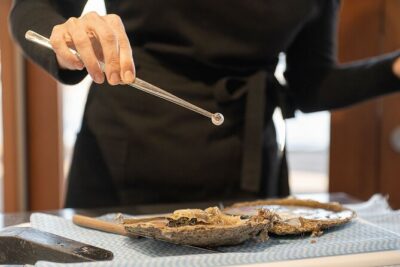
Harvest Your Own Pearl Private Experience – Perth
Read our review →
Cygnet Bay Sea Safari & Pearl Farm Tour Scenic Flight
Read our review →
Broome: Helicopter Flight and Willie Creek Pearl Farm Tour
Read our review →
Shell to Showroom – Sydney’s only Pearl Farm Experience
Read our review →Lists this farm appears in