
Reviewed · SPAIN FARM TOURS
La Rioja: Jamon Iberico Farm Tour and Tasting with Wine
The most interesting part of this experience is seeing the animals before they become food. You walk through an organic farm in the Ocón Valley, watch the piglets grow outdoors, and visit Spanish horses living in freedom before learning how ham is made and served. I like the farm-to-table setting and the chance to connect the final tasting with real animals, fields, and production rooms.
I also like the generous food tasting and the mix of stops, from olive groves and cereal fields to the feed mill. The main caution is value: at $146 per person, you should expect the full three hours and a properly explained wine tasting. One account found the visit lasted closer to two hours and felt more like a bottle of wine with the food than a guided wine tasting.
Key points to know before booking
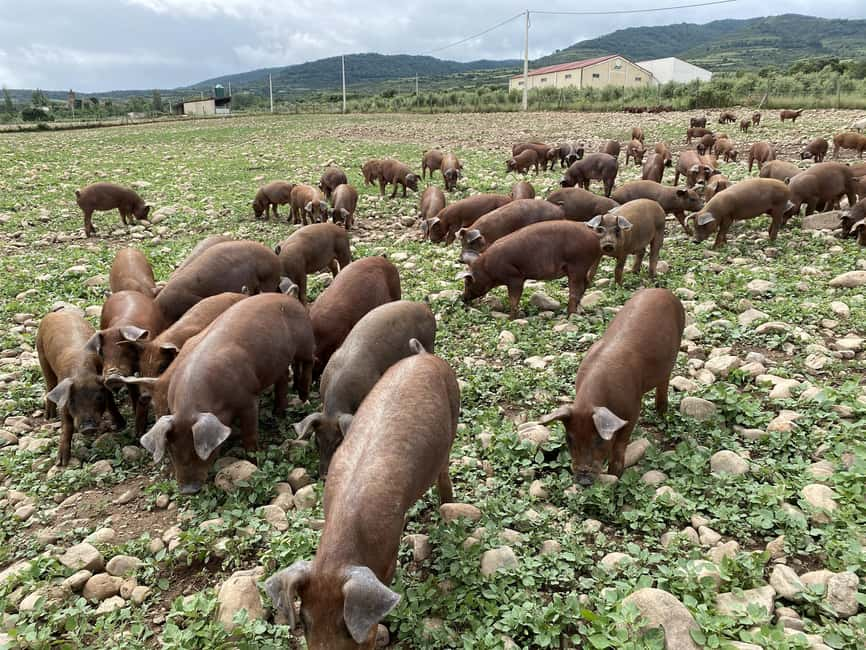
- Organic Duroc pig farm: See piglets at different stages of growth in the open air.
- Ocón Valley setting: Walk among olive groves and cereal fields in La Rioja’s Biosphere Reserve.
- Spanish horses in freedom: The farm visit includes a stop to see pure Spanish horses living outdoors.
- Ham production explained: Visit the facilities where organic meats and sausages are prepared.
- Food and wine pairing: Taste organic Jamón Ibérico, acorn-fed ham, chorizo, and one Rioja red and one white wine.
- Three-hour promise: Check the start time and allow the full period, since a shorter visit may not justify the price.
A farm visit that begins with living animals
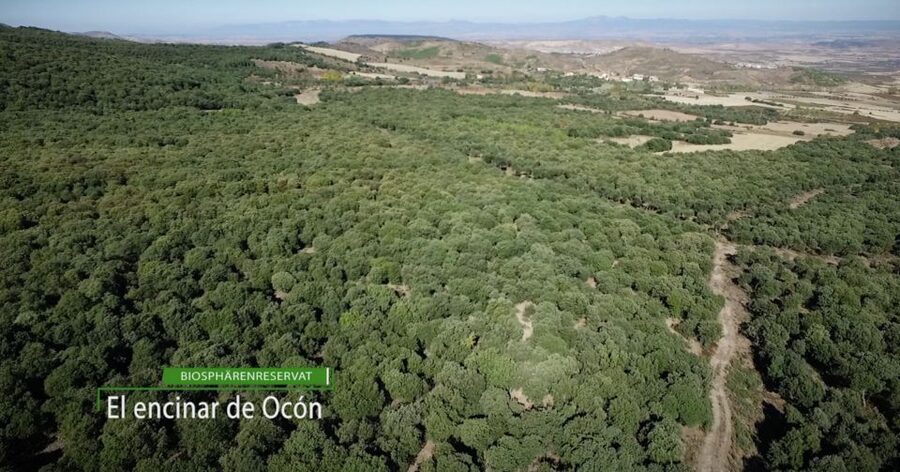
This is not a city food walk with a few slices of ham at the end. The experience begins at El Encinar, an organic farm in La Rioja’s Ocón Valley, where Duroc piglets are bred under organic farming methods.
That opening matters. You see the setting where the animals grow, rather than hearing only a polished story once the food is already on the table. The piglets live in the open air, with sun and contact with nature. The walk covers different stages of their growth, giving you a basic picture of how the farm operates.
The setting is part of the appeal. You move through olive groves and cereal fields in the heart of a Biosphere Reserve, so this is as much a rural visit as a food tasting. You will want practical shoes, since the first part takes place outdoors and involves walking around a working farm.
The information provided does not name the individual guide, but the tour is conducted in English. Expect explanations about the animals, the farming method, and the production process rather than a formal lecture on Spanish food culture.
More Farm Tours in Spain:
- Montserrat Lunch & Wine at Farmhouse Small Group from Barcelona
★ 5.0 · 2,368 reviews - Barcelona: Montserrat Visit & Lunch at Farmhouse Small Group
★ 4.7 · 1,313 reviews - Montserrat Full Day Tour with Farmhouse Lunch and Winery Visit
★ 5.0 · 1,068 reviews
Understanding Duroc pigs and Iberian ham
One useful feature of the visit is the chance to sort out the different kinds of pigs and ham. The farm’s breeding project centers on Duroc piglets, while the tasting includes Jamón Ibérico and organic acorn-fed ham.
Those terms can sound similar when they appear together on a menu. The tour is meant to explain the types and characteristics of the pigs, their life cycle, and how the finished products differ. A previous assessment of the experience particularly valued this part, noting that the visit helped explain the various pig types and stages of animal life.
You should listen closely here if you are not familiar with Spanish ham. The value of the tour is not simply eating a prestigious product. It is understanding how the animal, the farming method, the feeding process, and the curing or preparation work connect.
The phrase Jamón Ibérico de Bellota refers to the celebrated acorn-fed style. The tasting includes organic acorn-fed ham, but the supplied information does not give the exact number of slices, the curing length, or the precise varieties served. Do not book expecting a technical ham seminar with a detailed grading chart. Expect a clear, practical introduction tied to the farm you are visiting.
Walking through the feed mill and working facilities
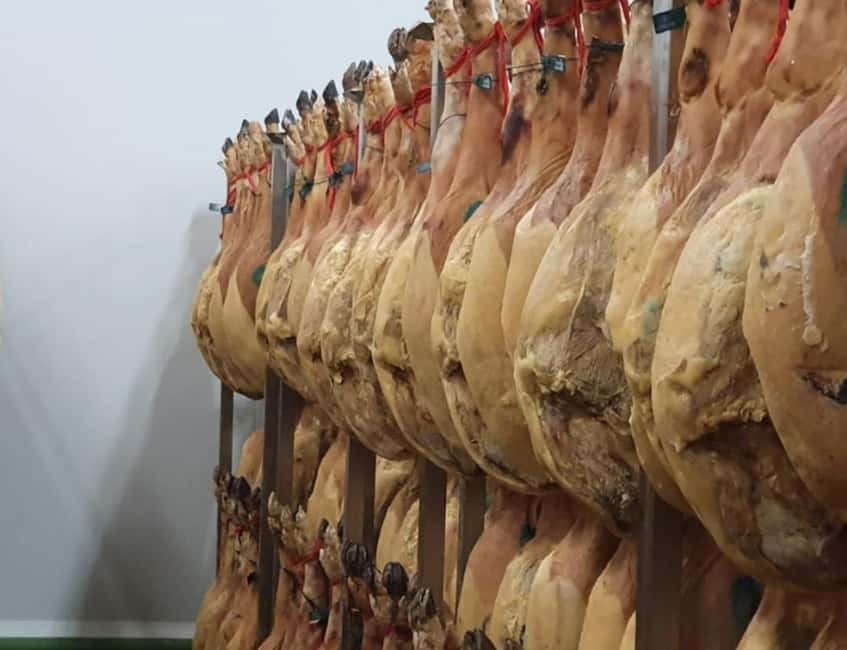
After the outdoor farm visit, the route continues to the facilities where organic artisan meats and sausages are made. This is where the experience shifts from animal care to food production.
You are also shown how the mill for animal feed operates. That stop adds useful context because feeding is a central part of the story behind pork products. Rather than treating the ham as an isolated luxury item, the visit shows one of the practical systems supporting the farm.
The tour then explains the larger production process. You will see the facilities up close and learn how the farm’s meats and sausages are prepared. The supplied information does not promise access to every room or every stage of curing, so expect an explanatory visit rather than a full industrial inspection.
This portion should appeal to you if you like seeing how food is made. It may be less satisfying if you want a long, highly technical tour of curing rooms, laboratory controls, or detailed production records. The emphasis is on the complete story, from piglet to finished ham, in a format suited to a general English-speaking audience.
Spanish horses, olive groves, and cereal fields
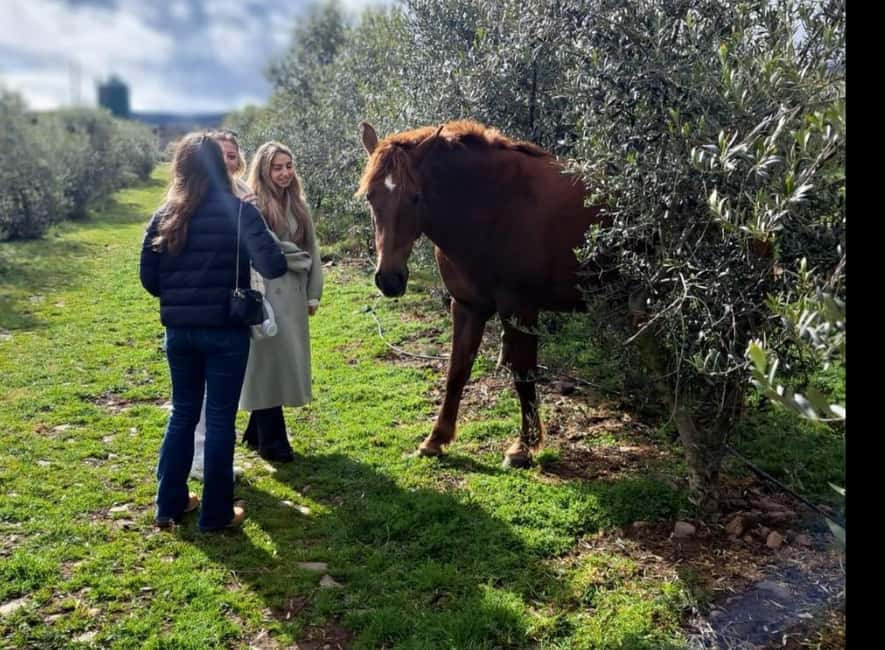
The visit to the farm’s pure Spanish horses gives the outing another point of interest. The horses live in freedom, so you see them as part of the rural property rather than as performers in a staged show.
That stop helps break up the food-production focus. You are not spending three hours inside a tasting room. The itinerary takes you through open country, past olive groves and cereal fields, and to the animals that share the farm environment.
The horse visit is also a good reason to book this instead of a simple ham tasting. You get a broader picture of rural life in the Ocón Valley. At the same time, the experience is not advertised as an equestrian tour, and the available details do not promise riding, handling, or a horse demonstration.
If horses are your main interest, keep expectations modest. They are one part of the farm visit, not the central subject. The pigs and the production of organic ham receive most of the explanation.
Same fields, a different sort of morning:
- Montserrat & Winery Visit Tour with Traditional Farmhouse Lunch
★ 4.5 · 1,035 reviews - Ría de Arousa: Boat Ride to Mussel Farm with Tasting
★ 4.7 · 845 reviews - Valencia: Orange Farm and Orchard Trip with Tastings
★ 4.9 · 702 reviews - La Herradura Coffee Farm: tour in Europe’s only plantation
★ 4.8 · 430 reviews
The tasting: ham, sausages, and Rioja wine
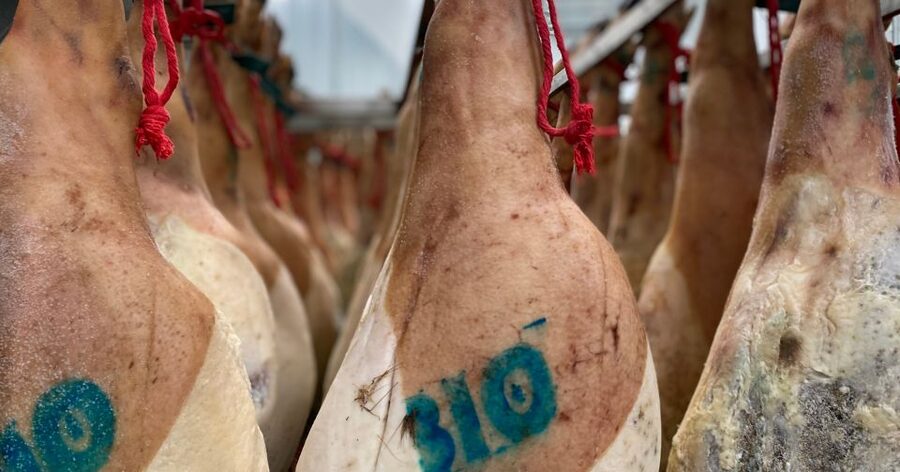
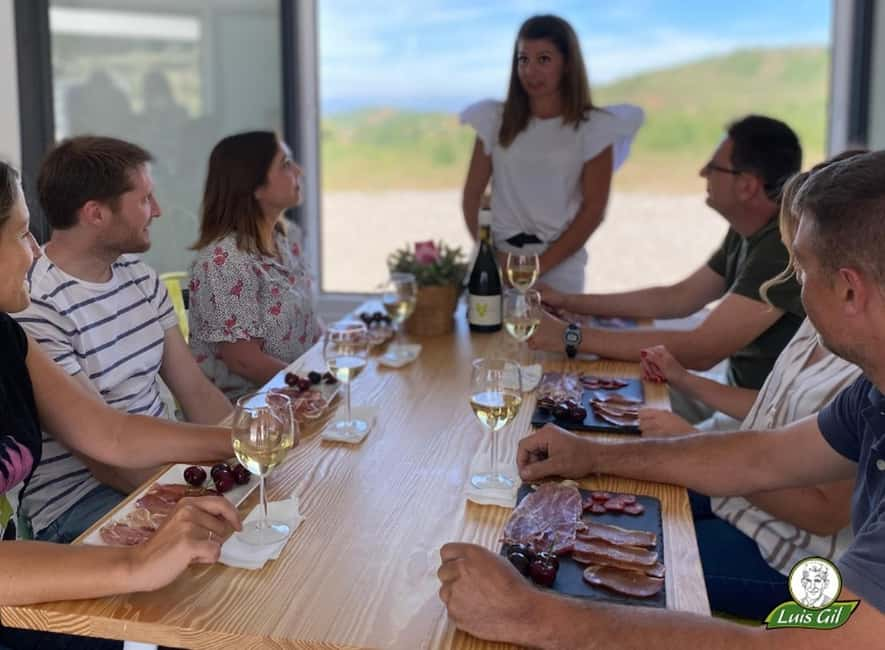
The tasting is the payoff, and it sounds generous on the food side. You sample organic Jamón Ibérico, organic acorn-fed ham, and other pork products such as chorizo. The tasting is commented, so the guide should explain what you are eating rather than simply placing a plate in front of you.
A generous serving can make the $146 price feel more reasonable, especially if you enjoy Spanish cured meats and want to compare styles. The food also gives the earlier farm walk a clear purpose. You have seen the animals and facilities, then you taste the finished products in the same setting.
The wine portion needs a little care. The experience includes one red Rioja wine and one white Rioja wine. That gives you a chance to compare two familiar local styles with the ham and sausages.
However, the wine may not be presented as a formal tasting. One account found that there was no real wine explanation, only a bottle of wine to drink with the food. That distinction matters. If you want notes on grape varieties, aging, vineyards, or tasting technique, ask at the start what the wine portion includes.
I would treat the wine as a pairing rather than the main event. The ham and farm visit are the reason to book. The red and white wine are a useful local extra, but the description does not promise a winery visit or a detailed Rioja lesson.
Is $146 a fair price?
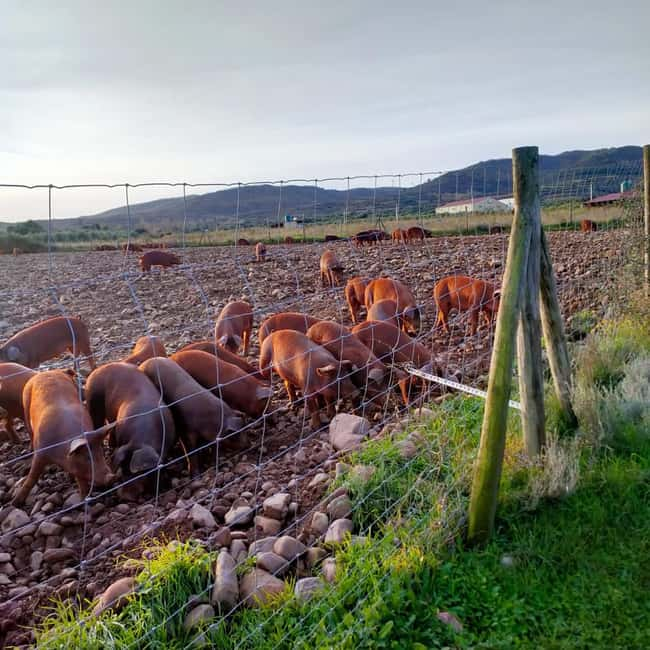
At $146 per person, this is a premium half-day activity. The price covers a farm walk, explanations of pig breeding and production, a feed mill visit, Spanish horses, organic ham and sausages, and two Rioja wines.
That can be fair if you value access to a working farm and want a food experience connected to its source. A standard restaurant tasting would not give you the outdoor visit, the piglets, the horses, or the explanation of how the operation works.
Still, the price leaves little room for a shortened schedule. The advertised duration is three hours, while one account found the actual tour lasted about two hours. If the visit is brief and the wine is simply served without explanation, the cost becomes harder to defend.
I would judge the value this way:
- If you enjoy food production, rural settings, and a substantial tasting, the price may work.
- If you mainly want to eat excellent ham, a restaurant or specialist shop could cost less.
- If you are counting on a serious Rioja tasting, confirm what will be poured and how it will be explained.
- If you are traveling far to reach the farm, make sure the start time and expected duration fit your day.
The included cancellation policy helps with planning. You can cancel up to 24 hours ahead for a full refund, and the reserve-now, pay-later option lets you hold a place without paying immediately. Those policies do not change the experience itself, but they reduce the risk when your Rioja plans are still shifting.
Who will enjoy this farm tour most?
I would recommend this outing to you if you like knowing where food comes from. It suits people who enjoy a working-farm visit, Spanish countryside, animal breeding, and a hearty tasting more than a polished urban food tour.
It also fits a day in La Rioja when you want something beyond cellar doors and wine bars. The farm connects local agriculture, pork production, horses, olive groves, grain, and regional wine in one stop.
Families may appreciate the outdoor setting and animals, although the supplied information does not give a recommended child age or specific children’s program. Anyone using a wheelchair should note that the experience is listed as wheelchair accessible, but the farm walk may still involve outdoor surfaces. Ask the provider about the exact route if you need detailed access information.
This may not be the right pick for you if you dislike pork, expect a long professional wine tasting, or want a tightly scheduled three-hour program with extensive technical detail. The tour is also a poor value if it runs well under the stated duration.
Timing, language, and what to bring
The activity lasts three hours according to the advertised schedule, with starting times that vary by availability. Check the time before booking, then leave enough space around it for the full farm visit and tasting.
An English-speaking live guide leads the experience. Since the tour covers animal care, ham production, and the meaning of different products, English explanations are important. You should be able to ask questions as you go, especially about the difference between Duroc pork, Iberian ham, and acorn-fed ham.
Wear practical walking shoes and clothing suitable for an outdoor farm. The tour includes open-air areas, olive groves, cereal fields, and animal enclosures. The provided information does not list a transport service, meeting point details, group size, or a weather policy, so check those points when you reserve.
The provider is listed as Timonfaya Travel Lanzarote, while the experience itself takes place in La Rioja in northern Spain. That unusual provider detail makes it sensible to confirm the meeting instructions carefully before you set out.
The main strengths and the main tradeoff
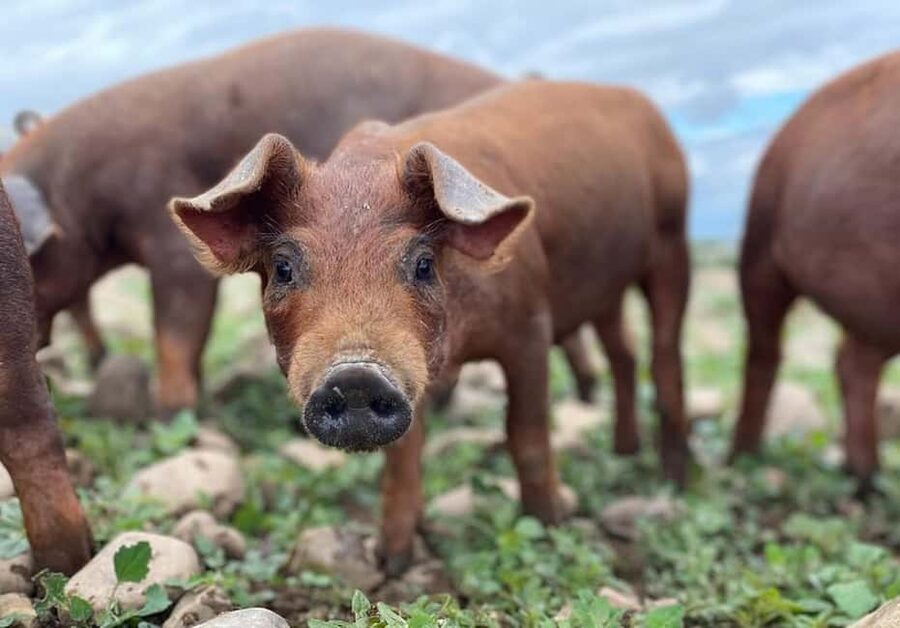
The strongest part of the experience is its connection between place and plate. You see free-range piglets, learn about organic farming, visit the production facilities, and then eat the ham. The Spanish horses and farm fields add variety, while the generous food tasting gives the visit a satisfying finish.
The weakest point is the gap between the advertised promise and the possible delivery. Three hours at $146 can be worthwhile. Two hours with a bottle of wine placed on the table is a different proposition.
I would also keep the focus in mind. This is not simply a Rioja wine tour, and it is not solely a horse visit. It is an organic pork farm experience with regional wine included. Book it for the animals, the production story, and the ham. Consider the wine a bonus.
Should you book this La Rioja ham tour?
Book this experience if you want a close look at organic pig farming and a substantial tasting in the Ocón Valley. The free-range piglets, pure Spanish horses, feed mill, olive groves, and artisan meat facilities give you much more context than a plate of ham alone.
Before paying $146, confirm that the visit will run for the full three hours and ask how the red and white Rioja wines will be presented. If the answers are clear, this is a worthwhile choice for food-minded visitors who enjoy rural Spain. If your priority is a formal wine tasting or the lowest possible price, choose another activity.
FAQ
Where does the ham farm tour take place?
The experience takes place in the Ocón Valley in La Rioja, Spain, at the organic farm El Encinar and its related facilities.
How long does the activity last?
The advertised duration is three hours. Starting times vary, so you need to check availability when booking.
Is the tour conducted in English?
Yes. A live English-speaking guide leads the experience.
What food and drinks are included?
The tasting includes organic Jamón Ibérico, organic acorn-fed ham, other organic artisan pork products and sausages, one Rioja red wine, and one Rioja white wine.
Does the visit include animals besides pigs?
Yes. The tour includes a visit to pure Spanish horses living in freedom, as well as the Duroc piglets at different stages of growth.
Can I cancel the booking?
You can cancel up to 24 hours in advance for a full refund. The reserve-now, pay-later option allows you to book without paying immediately.
Just added around Spain
- Vigo: Bay of San Simón Mussel Farming Tour★ 5.0 · 6 reviews
- Animal farm park with free hotel pickup★ 5.0 · 2 reviews
- Olive Oil Farm Tour with Tasting from Seville★ 4.5 · 61 reviews
- From Seville: Pig Farm private day tour and old villages visit★ 4.5 · 4 reviews
- Bull Breeding Farm: Guided Half-Day Tour from Seville★ 4.5 · 24 reviews
- ” Basque Farm House & Cider house” tour + meal from San Sebastian★ 5.0 · 9 reviews
- Fuerteventura Villages Caves and Farm Tour with Lunch from North★ 3.0 · 9 reviews
- Menorca: Cheesemaking and Farm-Fresh Product Tasting★ 5.0 · 29 reviews
Spain Farm Tours, compared.
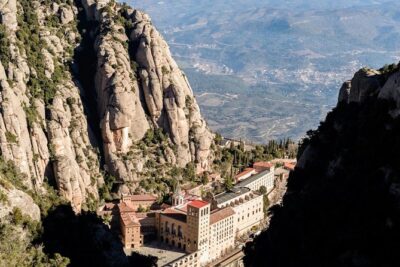
Montserrat Lunch & Wine at Farmhouse Small Group from Barcelona
Read our review →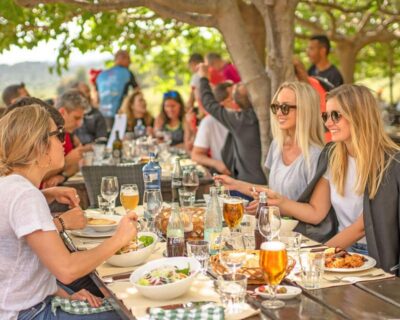
Montserrat Visit & Lunch at Farmhouse Small Group
Read our review →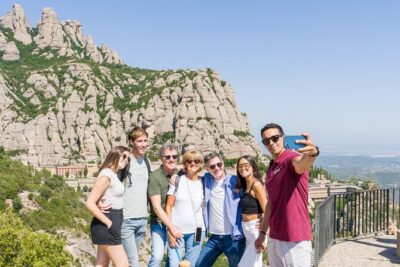
Montserrat Full Day Tour with Farmhouse Lunch and Winery Visit
Read our review →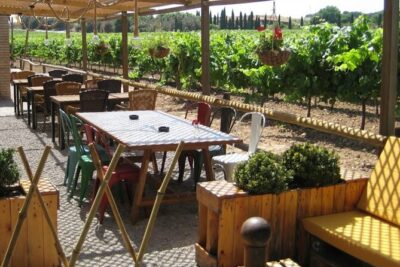
Montserrat & Winery Visit Tour with Traditional Farmhouse Lunch
Read our review →
Ría de Arousa: Boat Ride to Mussel Farm with Tasting
Read our review →
La Herradura Coffee Farm: tour in Europe’s only plantation
Read our review →
Alicante : E-Bike Coast Tour, Roman Fish Farm and Snorkeling
Read our review →Lists this farm appears in