
Reviewed · COFFEE FARM TOURS
La Herradura Coffee Farm: tour in Europe’s only plantation
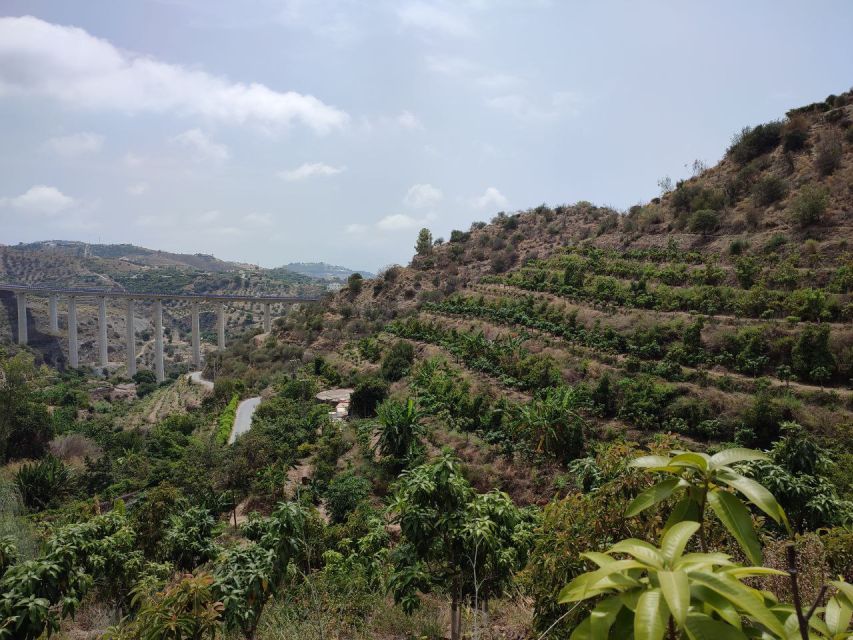
La Herradura Coffee Farm gives you something unusual on the Costa del Sol: a look at coffee plants growing in Europe, just minutes from Nerja and within walking distance of La Herradura beach. The farm also grows up to 30 kinds of tropical fruit, so the coffee is only part of the story.
I like the personal touch of having Manuel, the farm owner, lead the walk, and I like the way coffee is placed in a wider lesson about organic farming, water use, and soil care. The main caution is the terrain. Two steep sections, heat, insects, and limited accessibility make this a poor fit for anyone with low fitness or mobility concerns.
Key points at a glance
- Europe’s only coffee farm: See productive coffee plants growing in Andalusia’s warm coastal climate.
- A tropical fruit collection: Look for mangoes, avocados, bananas, lychees, dragon fruit, sugar cane, papayas, and more.
- Owner-led storytelling: Manuel explains the family farm, its crops, experiments, and future plans with plenty of humor.
- Organic farming in practice: Learn about permaculture, water optimization, soil regeneration, and the challenge of avoiding pesticides.
- A historic finish: The tour ends at a 300-year-old Andalusian cortijo, where you can buy farm fruit, local products, and roasted coffee.
- Good value at $17: The price covers a guided farm walk, local knowledge, and access to a working plantation rather than a staged attraction.
Why this coffee farm is unusual in Andalusia
Most people associate coffee with tropical countries far south of Europe. Here, the Mediterranean climate around La Herradura creates conditions warm enough for coffee plants, as well as mangoes, avocados, bananas, lychees, and dragon fruit.
The farm is promoted as Europe’s only coffee plantation. That claim is the hook, but the wider experience is more interesting than a quick look at coffee shrubs. You see how coffee shares space with many other crops, and you get a sense of the trial and error needed to grow plants that are not normally associated with southern Spain.
The sea-facing setting helps explain the farm’s appeal. Rolling hills, warm air, and Mediterranean breezes surround the plantation, while the views give the walk a scenic lift. This is not a polished botanical garden. It is a working family farm, with the practical messiness and ongoing experiments that come with real agriculture.
More Coffee Farm Tours in Spain:
- Guided Tour to the only coffee farm in Europe
★ 5.0 · 174 reviews - Award Winning Farm Tour: Coffee, Chocolate and Unique Gifts
★ 5.0 · 484 reviews - Big Island: Volcanoes, Waterfalls, & Coffee Farm Day-Trip
★ 4.9 · 414 reviews
The walk through coffee, mangoes, and rare fruit

The visit begins at the farm meeting point, which may differ from the place where the tour ends. That detail matters, so confirm both locations before setting off.
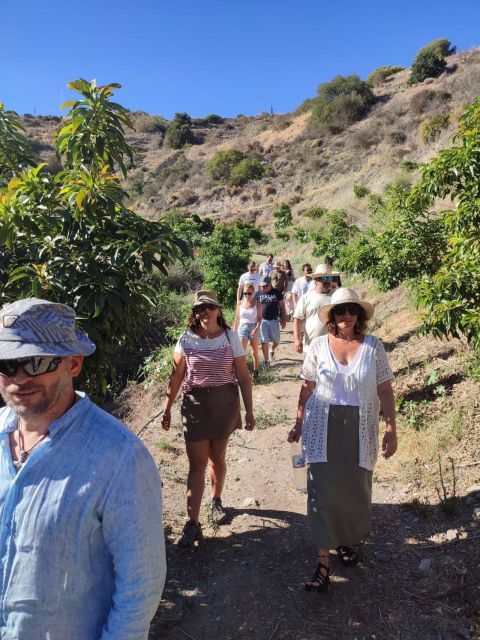
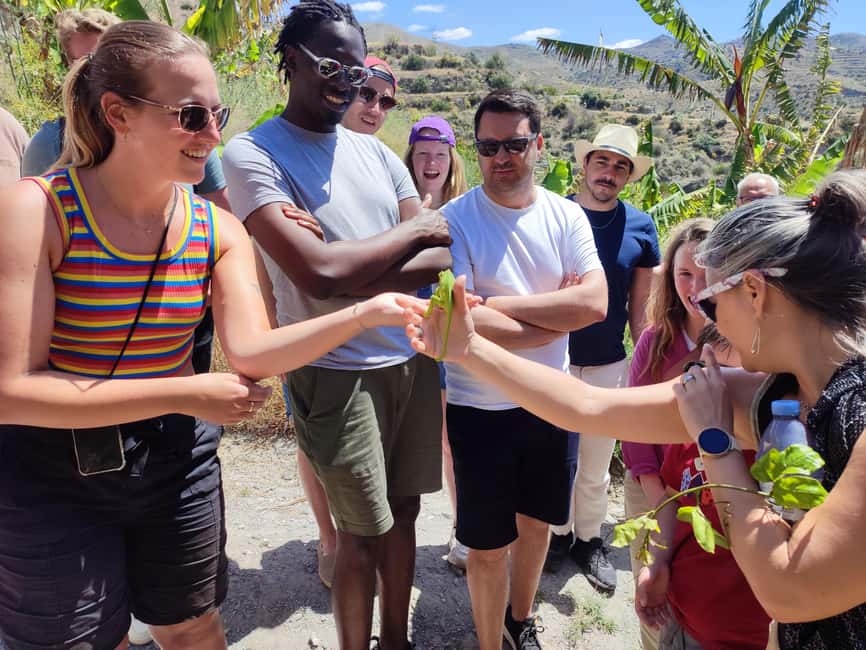
Manuel leads you through the plantation, explaining how plants are planted, tended, harvested, and adapted to the local conditions. The coffee plants are the headline crop, but the fruit collection gives the walk its variety. You may see Spain’s oldest mango tree, centennial cherimoya trees, dragon fruit, sugar cane, lychees, bananas, papayas, and a low-water avocado plantation.
The farm has as many as 30 types of exotic fruit. Some of the best moments come from looking closely at how these plants grow rather than simply hearing a list of names. Depending on the season, you may see fruit at different stages of ripeness, flowers, leaves, or developing crops.
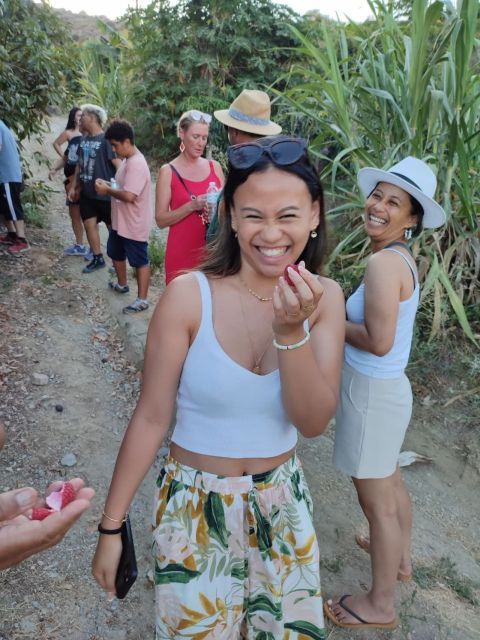
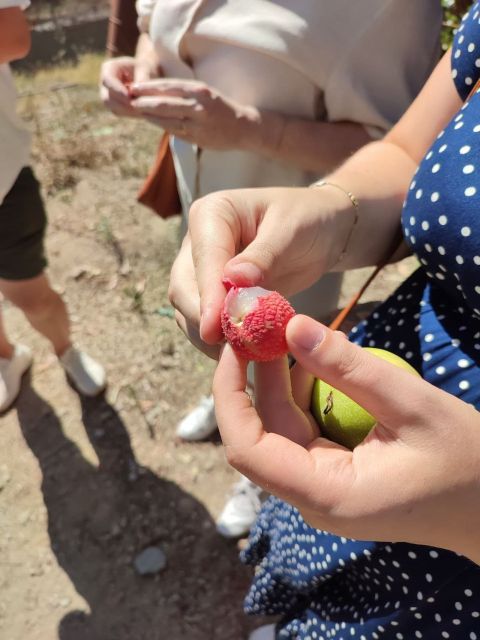
Season matters here. One family with children hoped to taste fresh mangoes but visited before the mangoes were ripe. That is not a flaw in the tour, but it is a useful reminder that a farm visit changes throughout the year. You may get to smell or taste fruit and leaves, but specific fruit samples cannot be guaranteed.
The walking route includes two steep sections. Chairs are available, and the guide pauses so you can catch your breath, but you still need comfortable shoes and a reasonable level of fitness. Bring sun protection in warm months, since parts of the route can feel exposed.
Coffee growing is the lesson, not just the tasting
The tour gives you a look at coffee plants and explains the work behind the crop. You learn about cultivation, harvesting, and roasting, along with the practical challenges of growing coffee in this part of Spain.
This is valuable because coffee usually reaches you as a finished drink. At La Herradura, you see the plant itself and hear about the care needed before beans can be processed and roasted. The farm also sells its own roasted coffee at the end, giving you a chance to take home a direct reminder of the visit.
One point to keep clear: the supplied tour details promise an opportunity to taste fresh fruit and freshly brewed coffee, but the exact tasting format may vary. One suggestion made by a previous participant was to offer more formal coffee and product tastings during the visit. I would treat any sampling as a seasonal bonus rather than the main reason to book.
The coffee crop is also part of a bigger conversation about diversity. Instead of relying on one product, the farm grows many species together. That approach can make the visit more useful for anyone interested in small-scale agriculture, not just caffeine.
Organic farming, water, and soil care
The strongest educational part of the tour is the discussion of how a farm like this works within environmental limits. Manuel explains the difficulties of developing an organic farm in the local climate, including water use and the need to protect and rebuild the soil.
You hear about permaculture, water optimization, soil regeneration, and pesticide-free cultivation. These ideas are not presented as abstract slogans. They are tied to the daily needs of the crops and the challenges of keeping a diverse plantation healthy.
The low-water avocado area is especially relevant. Avocados need careful management in a dry region, so the farm’s approach gives you a more grounded view of the crop than you get from simply seeing avocado trees in a sunny field.
I also like that the tour does not pretend farming is easy. The family is still experimenting with what can grow, how much water each plant needs, and how different species can work together. You get a clearer idea of the labor behind an attractive plate of fruit or a bag of coffee.
More Farm Tours in Spain:
- Montserrat Lunch & Wine at Farmhouse Small Group from Barcelona
★ 5.0 · 2,368 reviews - Barcelona: Montserrat Visit & Lunch at Farmhouse Small Group
★ 4.7 · 1,313 reviews - Montserrat Full Day Tour with Farmhouse Lunch and Winery Visit
★ 5.0 · 1,068 reviews - Montserrat & Winery Visit Tour with Traditional Farmhouse Lunch
★ 4.5 · 1,035 reviews
Manuel makes the family story part of the tour
The guide is usually Manuel, the owner, though past visits have also involved Manolo, Manuel’s son, and other family members. The central appeal is the owner-led format. You are not following a script delivered by a distant guide. You are walking with someone directly involved in the farm’s history and future.
Manuel explains how his family developed the property and how he has added new crops over time. His style is friendly, humorous, and energetic. The humor matters because there is a lot of information to take in, from fruit varieties to pollination and cultivation problems.
His passion is most useful when it turns technical subjects into practical stories. You learn not only what grows on the farm, but also why some plants are difficult, why diversity matters, and how much effort is needed to keep the project moving.
The tour can work well for families because children have plenty to look at and questions are welcomed. One memorable detail from the farm is the night-time pollination of dragon fruit flowers, a process that has prompted playful interest from young visitors. The walk is not a children’s theme park, though. Kids need to manage uneven and steep ground, sun, and a full guided visit.
Ending at the 300-year-old cortijo
The route finishes at a 300-year-old Andalusian cortijo, where you can buy seasonal fruit, local products, and coffee roasted by the farm. This ending gives the visit a clear connection between field, farm shop, and finished product.
You may find items such as coffee, fruit, jam, oil, smoothies, seeds, and other local goods, depending on availability. The exact selection is seasonal, so do not expect a fixed shop menu.
This is also a good time to ask final questions or look over the produce at a slower pace. Some families have received fresh fruit during the tour, and free samples or small gestures may be offered, but they are not listed as a guaranteed inclusion.
The cortijo adds character without turning the visit into a formal museum stop. It feels like the working heart of the property, and buying something here directly supports the small family business.
How much value do you get for $17?
At $17 per person, this is a strong-value outing if you want a guided experience rather than a simple farm photo stop. The price includes the plantation walk, explanations about coffee and tropical fruit, and access to a working organic project near two popular holiday bases.
You are paying for time with the owner, local agricultural insight, and a setting that would be difficult to understand from the road. The visit also offers something different from the usual beaches, viewpoints, and old-town walks around Nerja and the Costa Tropical.
The value is less clear if you expect a full coffee workshop, a long formal tasting, or a polished visitor center. The tour is listed at 70 minutes, while the itinerary also describes a 1.5-hour guided visit. Allow roughly 70 to 90 minutes and check the current timing when booking.
Food and drinks are not included, and a paella workshop is a separate activity. Hotel pickup and drop-off are also not included. You can walk from La Herradura in roughly 30 to 35 minutes according to one route account, but the meeting point and return arrangements need attention.
Getting there and planning the return
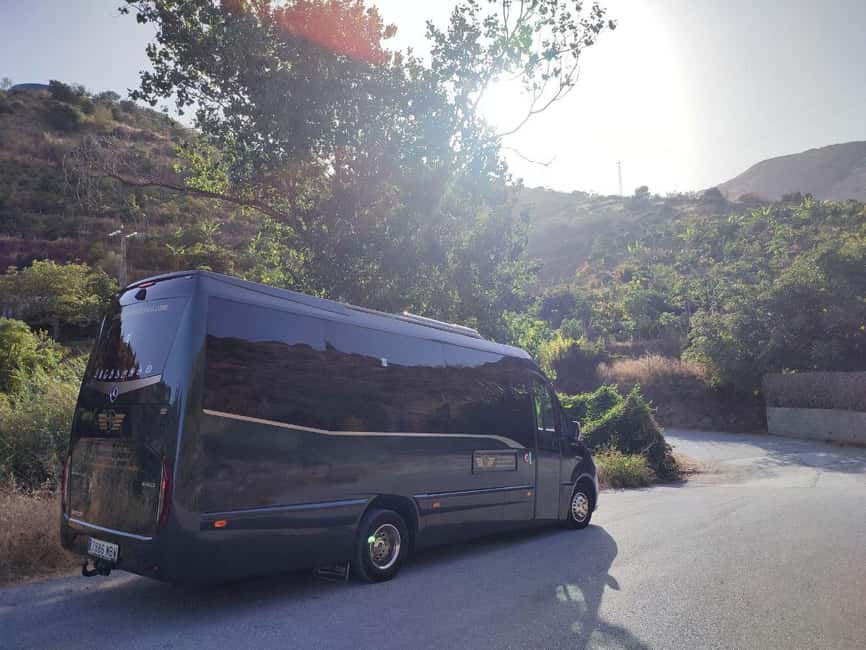
The farm is easy to reach from La Herradura and is about 10 minutes from Nerja by car, according to the tour information. It is also described as within walking distance of La Herradura beach.
The meeting point can differ depending on the option you choose, and the end point is not necessarily the same as the start. This is the most important logistical detail. Save the meeting instructions and check the return plan before you go.
A taxi or rideshare may get you to the farm but not back. One visitor found that Uber could take them out but could not provide a return ride, and the host helped arrange a local taxi. I would arrange your return in advance rather than rely on a last-minute app booking.
Comfortable walking shoes are essential. Add water, sunscreen, and protection from the sun. Smoking, fires, and littering are not allowed, and people with insect allergies should think carefully before booking.
The farm is not suitable for wheelchair users or people with mobility impairments. It is also not recommended for people with heart problems or low fitness. Chairs and pauses help on the steep sections, but they do not remove the uneven walking.
Who will enjoy this farm visit most

I would recommend La Herradura Coffee Farm to you if you like:
- Small family businesses with a personal guide
- Food and farming experiences
- Tropical plants and unusual fruit
- Organic agriculture and water conservation
- Short outdoor activities near Nerja or La Herradura
- Experiences that work for adults and older children
It is especially good for a morning or afternoon when you want something more local than a standard sightseeing stop. The combination of coffee, fruit, family history, and sea views gives the visit a useful sense of place.
I would choose another activity if you need step-free access, dislike insects, struggle with hills, or want a highly structured tasting session. The farm is also less predictable than a museum. Fruit ripeness, available samples, and the exact crops in flower will depend on the season.
Should you book La Herradura Coffee Farm?
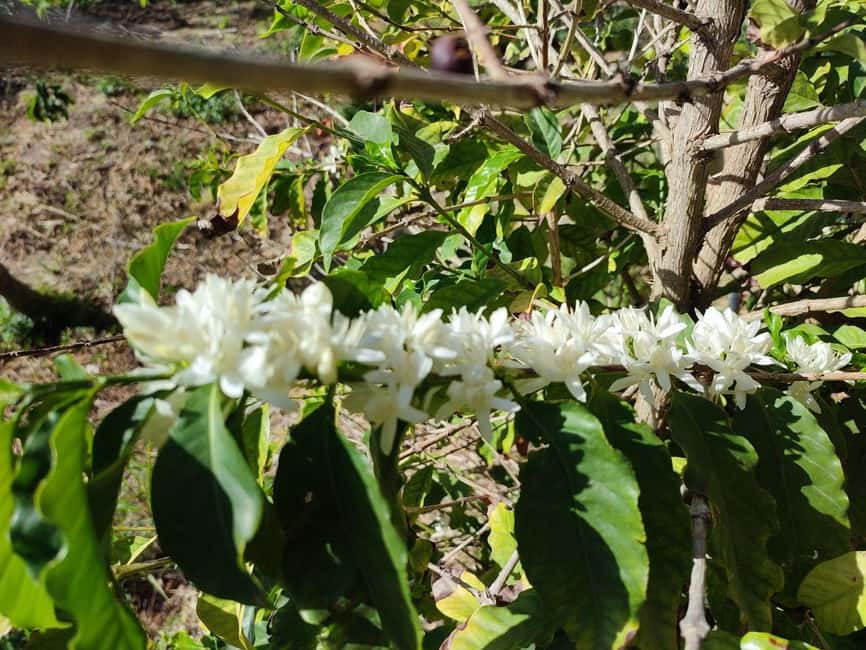
Book it if the idea of seeing coffee grown in Andalusia interests you, or if you want to understand how tropical fruit can be raised in this warm coastal corner of Spain. At $17, the tour offers solid value, especially because Manuel’s personal stories and humor turn a simple farm walk into a fuller lesson about agriculture and family work.
Go with sensible expectations. This is a working plantation with steep areas, seasonal produce, and no promise that every fruit will be ready to taste. Confirm the meeting point, plan your return, wear proper shoes, and allow more than the bare 70 minutes if you want time to browse the cortijo shop.
FAQ
Where is La Herradura Coffee Farm?
The farm is in Andalusia near La Herradura and Nerja. It is described as about 10 minutes from Nerja and within walking distance of La Herradura beach.
How long does the tour last?
The activity is listed as 70 minutes. The itinerary also describes a 1.5-hour guided tour, so allow roughly 70 to 90 minutes and check the scheduled time when booking.
How much does the tour cost?
The stated price is $17 per person.
Who usually leads the tour?
Manuel, the owner of the farm, commonly leads the tour. Other family members, including Manolo, have also helped guide visits.
What can I see on the plantation?
You can see coffee plants and up to 30 types of exotic fruit, including mangoes, avocados, bananas, lychees, dragon fruit, sugar cane, papayas, and cherimoyas.
Is the farm organic?
The farm focuses on organic cultivation and explains pesticide-free growing, permaculture, water optimization, and soil regeneration.
Can I taste fruit or coffee?
The tour description includes opportunities to sample tropical fruit and freshly brewed coffee. Specific samples may depend on seasonal availability.
Is the tour suitable for children?
Children can join, and the plants and fruit can make the visit engaging for families. The route includes two steep areas, so children need to manage hills and outdoor walking.
Is the farm wheelchair accessible?
No. The activity is not suitable for wheelchair users or people with mobility impairments.
What should I bring?
Bring comfortable shoes. Sunscreen and water are sensible additions for the outdoor walk, especially in warm weather.
Just added around Spain
- Maspalomas: Barranco de las Vacas, Caves, Farmhouse Tour★ 5.0 · 82 reviews
- Fuerteventura: Artisan Goat’s Cheese Making at Local Farm★ 4.9 · 112 reviews
- Eco banana farm Tour★ 5.0 · 140 reviews
- Barcelona: Montserrat with Winery Visit and Farmhouse Lunch★ 4.7 · 178 reviews
- Guided Tour to the only coffee farm in Europe★ 5.0 · 174 reviews
- Alicante : E-Bike Coast Tour, Roman Fish Farm and Snorkeling★ 4.8 · 250 reviews
- Ría de Arousa: Boat Ride to Mussel Farm with Tasting★ 4.7 · 845 reviews
- Valencia: Orange Farm and Orchard Trip with Tastings★ 4.9 · 702 reviews
Coffee Farm Tours, compared.
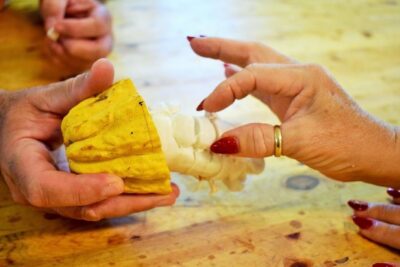
Award Winning Farm Tour: Coffee, Chocolate and Unique Gifts
Read our review →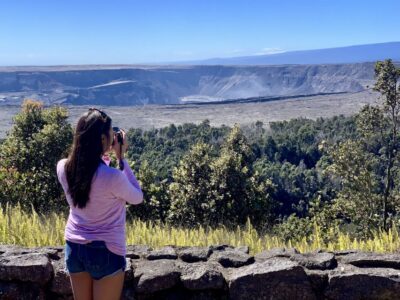

Small-Group Big Island Tour: Hawaii Volcanoes National Park and Kona Coffee Farm
Read our review →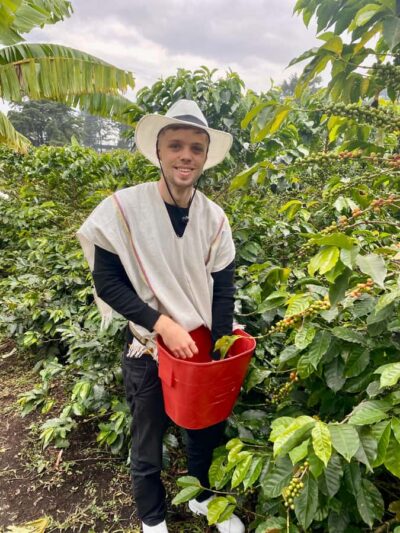
Medellín Coffee Farm Tour with Trolley and Cable Car Ride
Read our review →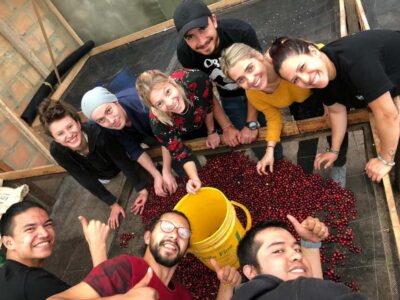
Private Cocora Valley, Salento & Coffee Farm Tour
Read our review →
Liamuiga Natural Farm Tour – St.Kitts’ Coffee Farm
Read our review →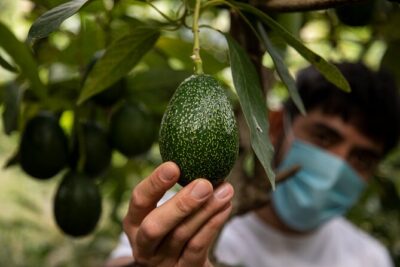
Horseback Riding Coffee Farm Tour with Coffee Spa
Read our review →Lists this farm appears in