
Reviewed · COOKING CLASSES
Farm-To-Table Healthy Cooking Class: Half-Day Tour
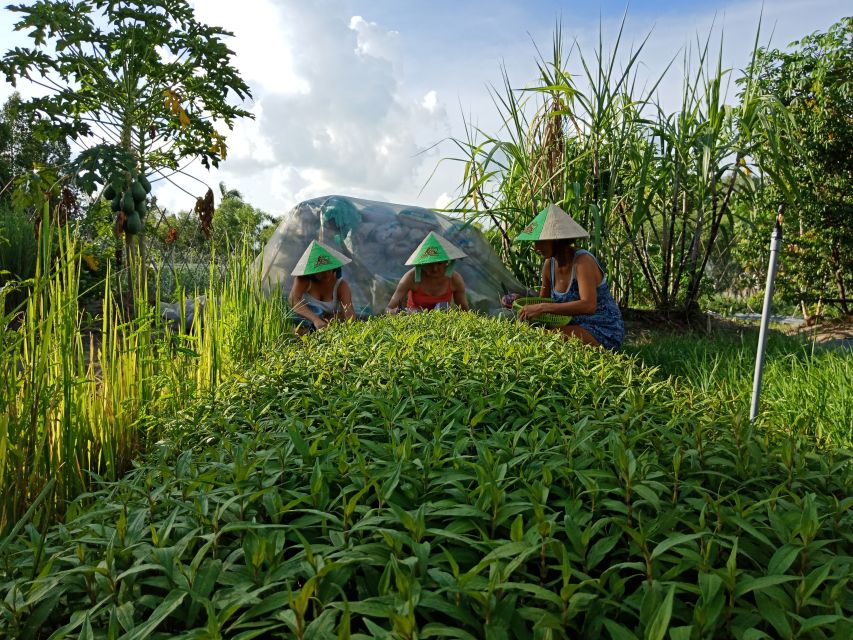
The unusual part of this cooking class happens before you reach the stove. You walk through an organic farm, identify herbs and vegetables, visit a mushroom house, and pick ingredients for the meal you will later prepare. I like that the class connects Vietnamese food with the plants’ traditional medicine uses, rather than treating recipes as isolated instructions.
I also like the practical cooking philosophy. Linh, one of the instructors mentioned for this experience, teaches more than four recipes: he shows you how to think about substitutions and work with the ingredients already in your kitchen. The meal, recipes, certificate, and souvenirs give the six-hour outing a satisfying finish. The main drawback is the drive, which can take about an hour to an hour and a half from Ho Chi Minh City, depending on traffic.
Key points to know before you book
- Pick your own cooking ingredients: You select herbs and vegetables in the medicine garden before preparing the meal.
- Learn about mushrooms and rice: The visit includes a mushroom house and an explanation of how rice is cultivated.
- Cook a healthy Vietnamese meal: The hands-on class covers traditional dishes using fresh ingredients from the farm.
- Expect a countryside outing: Transportation is included, but the ride from central Ho Chi Minh City can be lengthy.
- Ask about dietary needs early: Special diets and allergies should be reported before the class.
- A strong fit for curious food lovers: The class suits beginners and confident home cooks because it teaches cooking principles as well as recipes.
From Ho Chi Minh City to the organic farm
This is not a quick cooking demonstration tucked into a city restaurant. It is a half-day countryside outing that takes around six hours from pickup to return, with morning and afternoon start times available.
Transportation and hotel pickup in Ho Chi Minh City or from the airport are included. The exact travel time depends on traffic, but a ride of roughly one to one and a half hours has been reported. That matters when you plan your day. I would not pair this with a tightly timed evening flight, an important meeting, or another fixed tour.
The transport is described as pickup by car or bus, and one account mentions a long motorbike ride. Since the exact vehicle may vary, confirm the pickup details when you book. The operator communicates through WhatsApp for some arrangements, which can be useful for checking the meeting point and telling the team about allergies.
The longer ride is the trade-off for reaching a working farm setting. You leave behind the city streets and spend the main part of the experience among gardens, fields, farm animals, and open countryside. If you want a cooking class that takes place entirely in District 1, this is not the right choice. If you want food tied to its source, the journey makes more sense.
More Cooking Classes in Vietnam:
- Cocolocal Farm Cooking Class with market tour and basket boat
★ 5.0 · 231 reviews - Farm-To-Table Healthy Cooking Class in Ho Chi Minh City
★ 5.0 · 79 reviews - Rural Hoi An Cycling, Cooking Class at Organic Farm
★ 5.0 · 72 reviews
Meeting the plants in the medicine garden
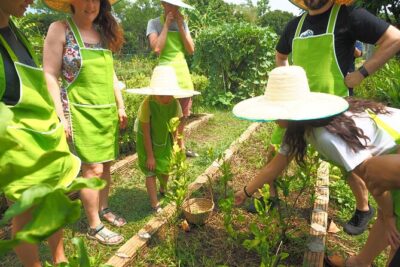
The first major part of the class is a guided walk through the medicine garden. You learn the names and uses of herbs, spices, and vegetables that appear in Vietnamese cooking and traditional health practices.
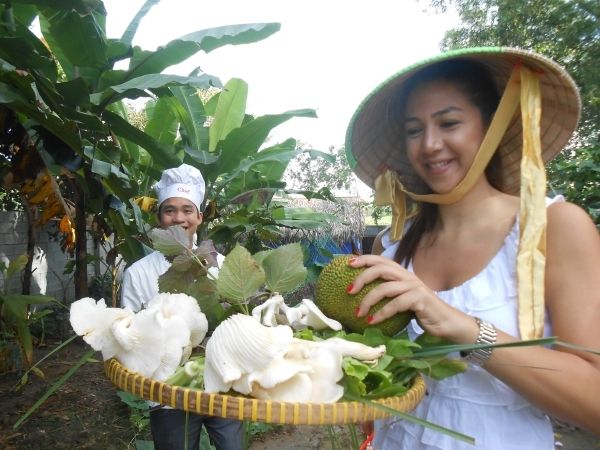
This is where the class gains its character. Morning glory, jackfruit, and banana flowers are among the less familiar ingredients you may encounter. You also get a look at plants such as okra and peanuts, along with herbs selected for the meal.
The guide explains both cooking uses and traditional medicinal associations. That does not mean every claim should be treated as modern medical advice. It is better to view this part as an introduction to Vietnamese food culture and local plant knowledge, not as a substitute for a doctor or pharmacist.
A pharmacist and chef are involved in explaining the ingredients, according to the activity details. That combination helps connect two ideas that are often separated in Western cooking classes: food as nourishment and food as part of everyday health traditions.
You then become part of the preparation. Instead of receiving a basket of preselected vegetables, you identify and pick ingredients for your own dishes. That simple task changes how you see the meal. A leaf or flower on the plate has a clear place in the garden, and you understand why it was chosen.
Wear comfortable shoes. You will spend time outdoors, and the farm visit is an active walk rather than a purely seated lesson. Sunglasses and a camera are also recommended, though you should keep your camera aside when handling food.
Inside the mushroom house
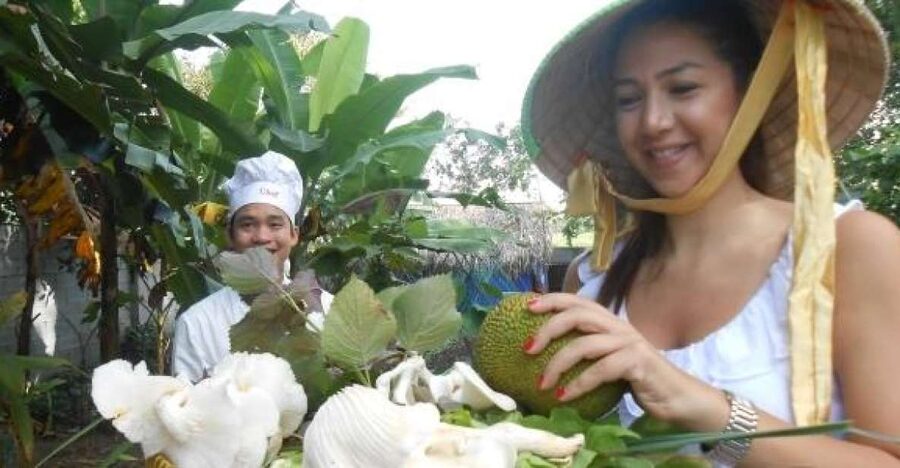
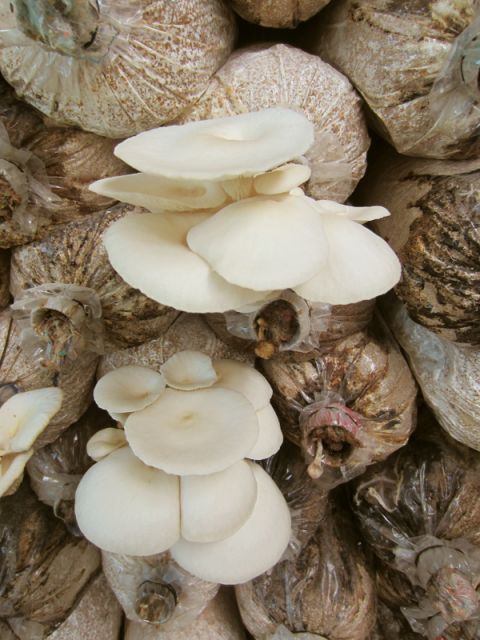
The mushroom house adds another useful stop to the farm visit. You learn how several types of mushrooms are cultivated and see a growing system that is easy to miss when mushrooms arrive neatly packed at a market.
The activity description does not specify every mushroom variety or the full cultivation method, so you should expect an introduction rather than a specialist farming course. Still, it gives you a clearer sense of the work behind an ingredient that appears in many Asian meals.
This stop is especially useful if you cook at home. Mushrooms can look interchangeable in a market, yet their texture and cooking behavior differ. Seeing them at the growing stage gives the later food lesson more context.
The farm section is not only a photo stop. It explains how ingredients are grown, selected, and used. That is the strongest reason to choose this class over a standard city cooking lesson.
Rice cultivation and the Vietnamese food system
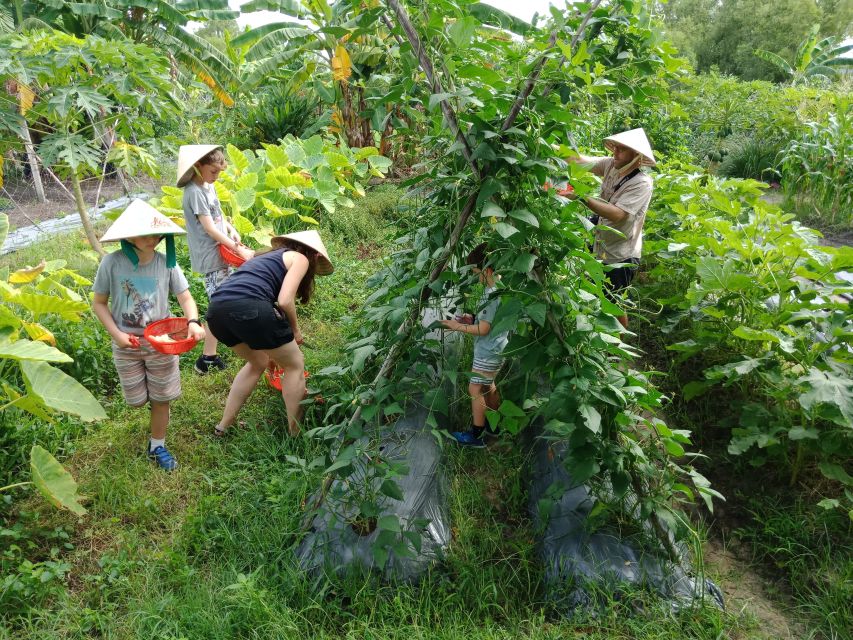
Rice is central to Vietnamese meals, and the class also explains how it is cultivated. The information provided does not promise a full rice-farming demonstration, so think of this as a guided explanation connected to the surrounding farm rather than a separate agricultural workshop.
I value this kind of context because it keeps the cooking grounded. Vietnamese food is often described through finished dishes, but the class looks at the work behind them: growing crops, choosing young plants, harvesting herbs, and bringing fresh ingredients to the cooking table.
The countryside setting helps make the point. One account describes eating while looking over fields with butterflies, birds, cows, and water buffalo nearby. Those details are not guaranteed at every moment, but they show the sort of rural setting the experience aims to provide.
More Workshops in Vietnam:
- Coffee Farm Tour with Roasting & Tasting Workshop – Da Lat
★ 5.0 · 126 reviews - Farming & Cooking Class in Hoi An – Small Group Tour
★ 5.0 · 71 reviews - Scented Candle Workshop in Twin Beans Farm Da Lat
★ 5.0 · 70 reviews - Unique farm to Table cooking class in Saigon
★ 5.0 · 69 reviews
Cooking four or five dishes with a local chef
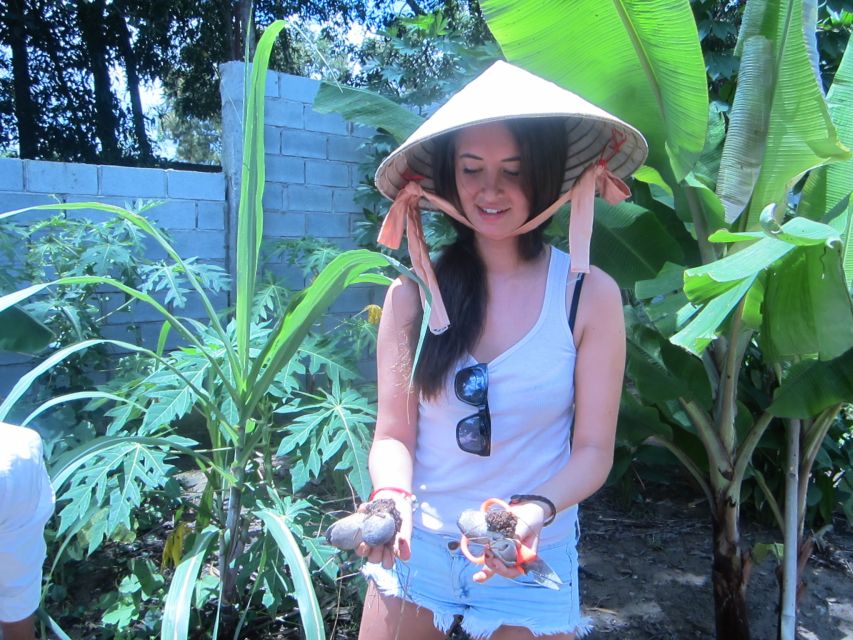
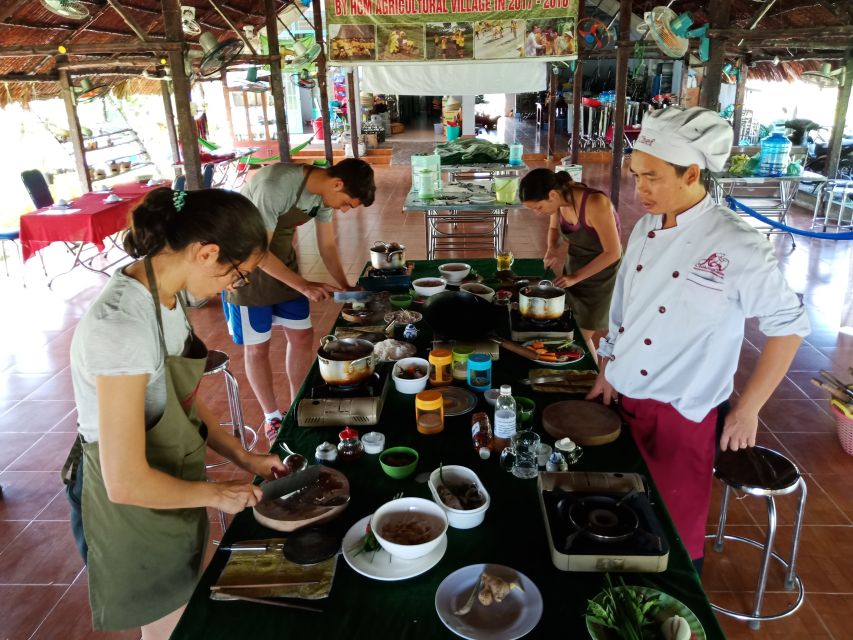
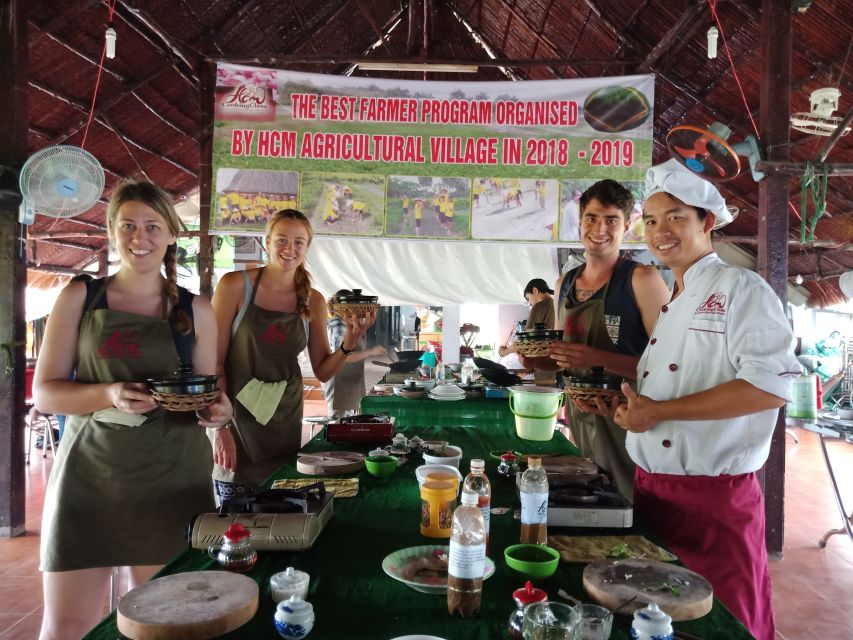
After the garden tour, you bring the selected ingredients to the cooking area. The instructor then guides you through preparing traditional Vietnamese dishes. Depending on the class arrangement, the group may prepare four dishes, while another account refers to several different but similar dishes being cooked at the same time.
The format is hands-on. You are not simply watching a chef chop vegetables from a distance. You handle the ingredients, follow the preparation, and cook with guidance from the instructor and supporting staff.
The class works for beginners because the chef gives direct instruction. It also has something for experienced home cooks. The most useful lesson may be the cooking logic behind the recipes: how to adjust what you make according to the vegetables available, rather than treating each dish as a rigid formula.
Linh has been praised for teaching this way, including how to think while cooking at home. Alice has also led the experience and is described as guiding the farm visit before changing into her chef’s uniform for the kitchen session. The assigned guide may vary, but these examples suggest a friendly, personal teaching style.
Group size can affect the feel of the class. One account describes a group of five, with extra staff nearby to help when needed. A small group gives you more chances to ask questions and makes harvesting and cooking easier. The exact maximum group size is not provided, so confirm if a private or very small class matters to you.
Eating what you picked
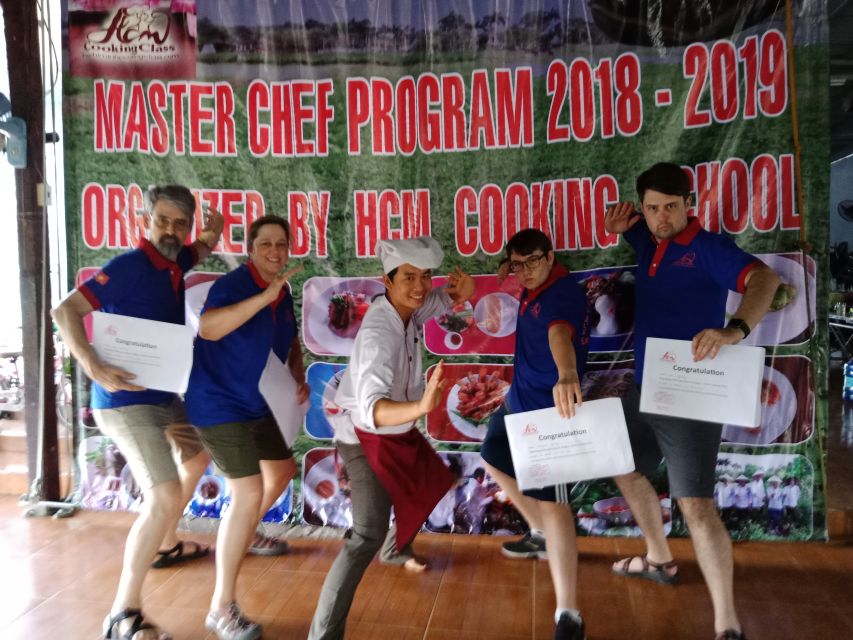
The final reward is the meal. You sit down and eat the dishes you prepared, with lunch, iced tea, and napkins included. The experience also provides recipes, a certificate, and souvenirs from the cooking school.
I like this finish because it turns the class into a complete day rather than a lesson that ends when the burner is switched off. You see the ingredient in the garden, prepare it in the kitchen, and taste the finished dish at the table.
The food is described as fresh, simple, and healthy. Keep your expectations sensible: this is an educational farm and cooking experience, not a fine-dining restaurant. The pleasure comes from making the meal yourself and understanding the ingredients.
The meal also gives you time to talk with the other people in the class. Several accounts describe the social side as part of the appeal, particularly for people who enjoy meeting others with an interest in food. If you prefer a private meal with no group interaction, ask about the booking arrangement before paying.
What the $70 price includes
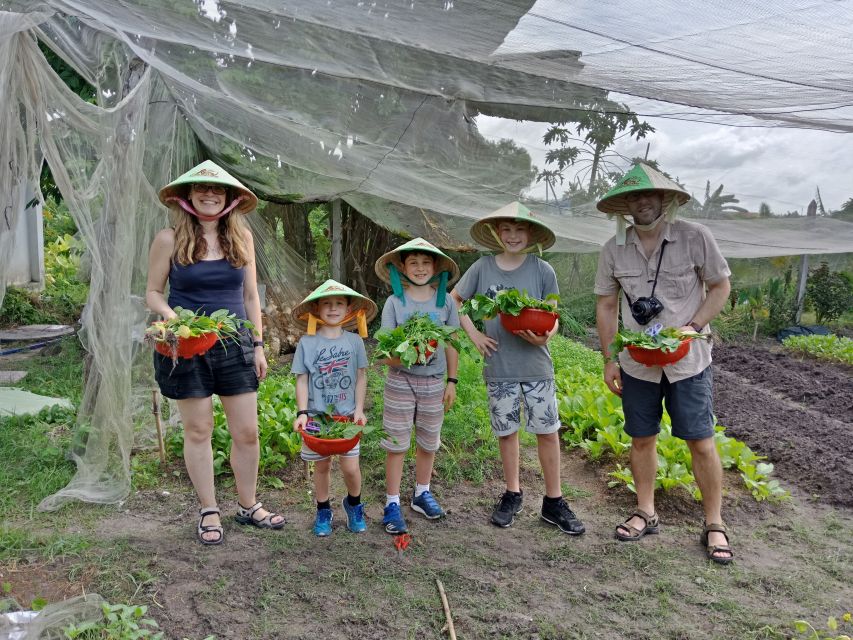
At $70 per person, the class costs more than a basic urban cooking lesson. The price includes a six-hour experience with transportation, hotel or airport pickup, a local guide, the farm visit, the cooking class, lunch, iced tea, recipes, a certificate, and souvenirs.
The value depends on how you use the day. If you only want to learn one or two recipes, a shorter city class may be cheaper and more efficient. If you want transport out of the city, a farm visit, plant education, mushroom cultivation, rice farming context, and a cooked meal, the price covers much more than time at a kitchen counter.
I would also count the practical value of the recipes and cooking guidance. A class that teaches substitution and ingredient judgment can stay useful after your trip. The certificate and souvenirs are pleasant extras, but they are not the main reason to pay the fee.
Free cancellation is available up to 24 hours before the activity, and you can reserve now and pay later. Those terms help if your Ho Chi Minh City schedule is still shifting. Still, check the final pickup time and meeting details before the day of the tour.
Who will enjoy this six-hour outing
This experience suits you best if you enjoy food, plants, and local agriculture in equal measure. It is a good match for:
- First-time cooks who want clear, guided instruction
- Home cooks who want flexible Vietnamese recipes
- People curious about herbs, mushrooms, and traditional food remedies
- Couples, friends, and small groups looking for a shared activity
- Anyone who wants a countryside break from Ho Chi Minh City
- Visitors who value a meal they helped grow, pick, and prepare
You do not need advanced cooking skills. The instructors provide help, and extra staff may assist during the kitchen session.
The class may be less suitable if you dislike long transfers, want a tightly scheduled city activity, or expect a professional chef’s tasting menu. It is also not designed for visitors bringing pets, since pets are not allowed.
Wheelchair access is listed as available, but the experience includes farm areas and outdoor movement. If you use a wheelchair or have specific mobility needs, confirm how the garden and mushroom house are arranged before booking.
Dietary needs, timing, and useful preparation
Tell the operator about allergies or special dietary requirements in advance. Vietnamese dishes often include herbs, sauces, and ingredients that may not be obvious from the finished plate, so do not wait until the cooking begins.
Choose comfortable shoes and bring sunglasses. A camera is worthwhile for the gardens and rural setting, but food safety comes first during the cooking session.
You can choose a morning or afternoon class, subject to availability. The details say lunch is included, so confirm how the meal is handled if you select an afternoon start. Pickup is available from Ho Chi Minh City hotels and the airport, but the airport option makes timing especially important.
The live instruction is available in Vietnamese and English. That makes the class accessible to English-speaking visitors, though the amount of detailed conversation may depend on the guide assigned to your date.
Is the farm-to-table cooking class worth booking?
I would book this experience if you want more than a recipe lesson. The best parts are the ingredient picking, the medicine garden, the mushroom house, and the chance to cook food connected to the place where it grows.
At $70, it is good value for a full six-hour outing with transport and a meal, provided you are comfortable giving up much of a day to reach the farm. The drive is the clear compromise, and traffic can make it longer than expected.
Choose it for the farm setting, the plant knowledge, and the hands-on cooking. Skip it if your priority is a fast, central Ho Chi Minh City class. For food lovers with time to spare, this offers a useful look at Vietnamese cooking from soil to table.
FAQ
How long does the farm-to-table cooking class last?
The activity lasts six hours. Morning and afternoon start times are available, depending on the date and availability.
Is transportation included?
Yes. Transportation and pickup are included from hotels in Ho Chi Minh City or from the airport. The trip to the farm may take about one to one and a half hours, depending on traffic.
What languages are available?
The live tour guide service is available in Vietnamese and English.
Is lunch included?
Yes. Lunch is included, along with iced tea and napkins.
Can I tell the operator about allergies or dietary requirements?
Yes. You should advise the operator of any special dietary requirements or allergies before the class.
What should I bring to the activity?
Bring comfortable shoes, sunglasses, and a camera. Pets are not allowed.
More Half-Day Trips in Vietnam
- Half-Day Thai Cooking Class at Organic Farm in Chiang Mai
★ 5.0 · 19,087 reviews - Half-Day Thoroughbred Horse Farm Tour in Kentucky
★ 5.0 · 1,924 reviews - Chiang Mai: HALF-DAY COOKING COURSE at a Thai Cooking Farm
★ 4.9 · 705 reviews - From Rome: Half-Day Frascati Wine Tour with Farmhouse Lunch
★ 4.9 · 372 reviews
Just added around Vietnam
- Cave Explore- Paradise Cave & Phong Nha Cave – Duck Farm★ 4.8 · 16 reviews
- Trekking to Hidden Waterfall & Sturgeon Farm for dog-lovers★ 4.8 · 43 reviews
- Tra Que Village Vegetable Farm Experience by Bike★ 5.0 · 2 reviews
- Full Day Experience to Farm and Chocolate★ 5.0 · 22 reviews
- Sapa Half Day Local Farming Experience★ 5.0 · 3 reviews
- Private Cycling Tour in Rural Hue with Farming Experience★ 5.0 · 18 reviews
- Sunset photo tour with the farmers★ 4.5 · 7 reviews
- Hue Organic Farm Visit and Traditional Cooking Class★ 5.0 · 4 reviews
Cooking Classes, compared.
Half-Day Thai Cooking Class at Organic Farm in Chiang Mai
Read our review →
Cooking Class and Lunch at a Tuscan Farmhouse with Local Market Tour from Florence
Read our review →
Authentic Cooking Class with Market & Farm Visit
Read our review →
Hands-On Cooking Class & Farmhouse Tour on the Amalfi Coast
Read our review →
Lists this farm appears in