
Reviewed · COOKING CLASSES
From Rome: Pasta Fresca Cooking Class in a Farmhouse with a Local
The best part of this experience is that it takes you out of Rome and into a real family kitchen in Zagarolo. Claudia leads you through a Roman Sunday lunch, while Bruno may collect you at the station, show you around, pour homemade wine, and play the keyboard as you cook.
I like the seasonal menu, which can include hand-rolled pasta, ravioli, fried zucchini blossoms, saltimbocca, sorbet, or tart. I also like the garden-to-table feel: herbs, vegetables, fruit, olive oil, and wine can all come from the property. The main consideration is that this is a countryside visit, not a slick city cooking studio, so menus and the pace can change with the season and the household.
Key points to know
- Zagarolo escape: The train from Rome takes about 30 minutes, followed by a welcome at the station and a short ride to the farmhouse.
- Claudia’s flexible cooking: You may prepare several dishes, with recipes shaped by the season and dietary needs.
- Fresh ingredients: Garden herbs, vegetables, fruit, local-mill flour, farm eggs, olives, and homemade oil may find their way into the meal.
- A full Roman lunch: Expect more than pasta, with starters, a main course, a second dish, dessert, wine, and coffee or other simple welcomes.
- Music and family hospitality: Bruno often adds songs on the keyboard, and lunch may include family members or friends.
- Small-group setting: The maximum is eight people, giving the lesson a personal feel.
Leaving Rome for Zagarolo
Rome has no shortage of pasta classes. Many take place in bright kitchens near the historic center, which is handy but not always personal. This one asks you to leave the city for Zagarolo, a town in the countryside southeast of Rome.
The train ride from Roma Termini takes about 30 minutes. That short trip matters. You trade traffic and crowded streets for open views, a smaller town, and a family home with a garden, olive trees, fruit trees, and a small vineyard.
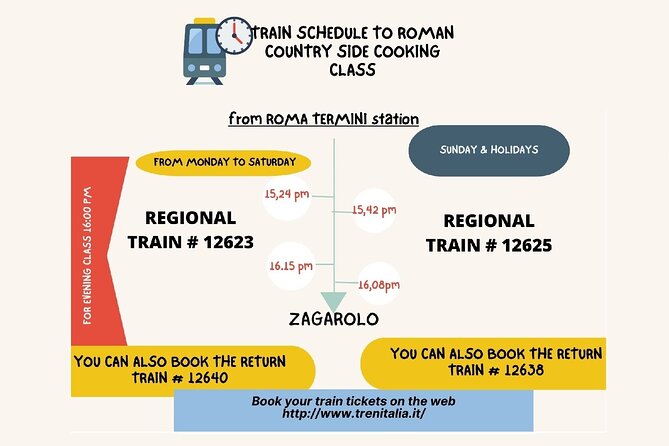
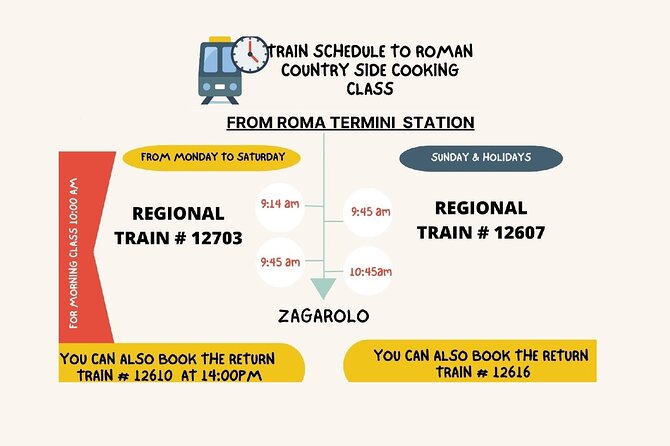
The listed meeting point is in Zagarolo. Bruno has picked up participants at the station and driven them to the house, sometimes adding a brief look at the medieval village on the way. Contact with the host before the day is important, since the meeting arrangement and train details should be clear before you leave Rome.
This is one of the easiest countryside outings you can add to a Rome stay, but it is still an excursion beyond the city. Allow enough time to reach Termini, find the correct train, and meet the host without rushing. The experience lasts about three and a half hours, not counting your travel from central Rome.
More Cooking Classes in Rome:
- Farmers’ Market Shopping with Cooking Class and Pasta Making
★ 5.0 · 91 reviews - Farmer’s Market and Pasta Making with Italian Wine
★ 5.0 · 15 reviews - Half-Day Thai Cooking Class at Organic Farm in Chiang Mai
★ 5.0 · 19,087 reviews
A farmhouse kitchen with Claudia
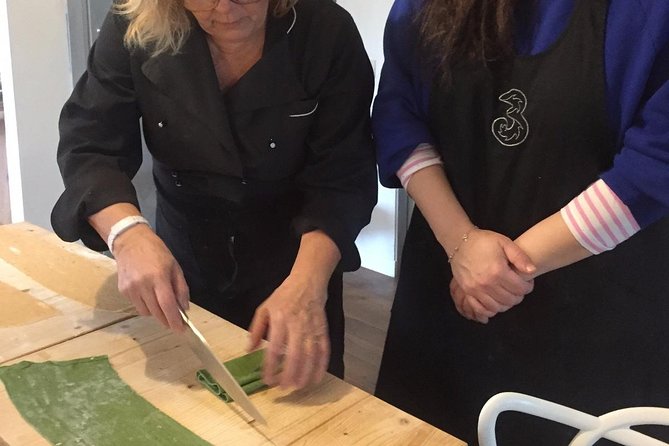
At the house, Claudia welcomes you into her kitchen and sets the tone for the day. This is a practical lesson, not a demonstration where you sit at a distance and watch someone else do the work.
You put on an apron and take part in the preparation. Claudia explains techniques, shows you how to handle the ingredients, and lets you work through the steps. The menu can include several dishes, so you may be shaping pasta one minute and preparing vegetables, meat, or dessert the next.
Claudia’s cooking changes with the calendar. In warm weather, the sweet course may be sorbet or ice cream. In colder months, the menu may turn to sfogliatelle or stuffed pasta. That flexibility is a strength if you want food that reflects the place and time of year. It also means you should not book this expecting one fixed menu.
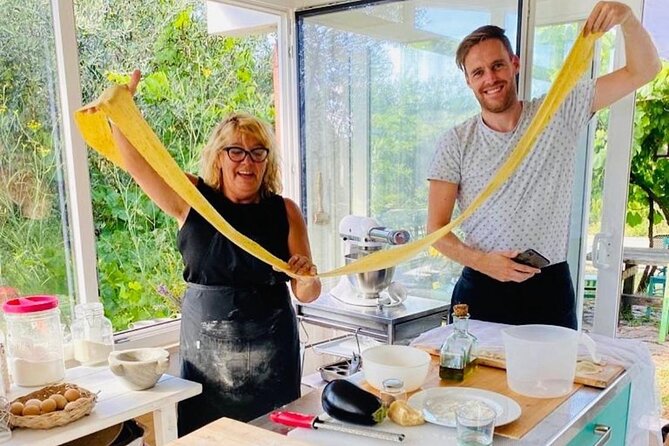
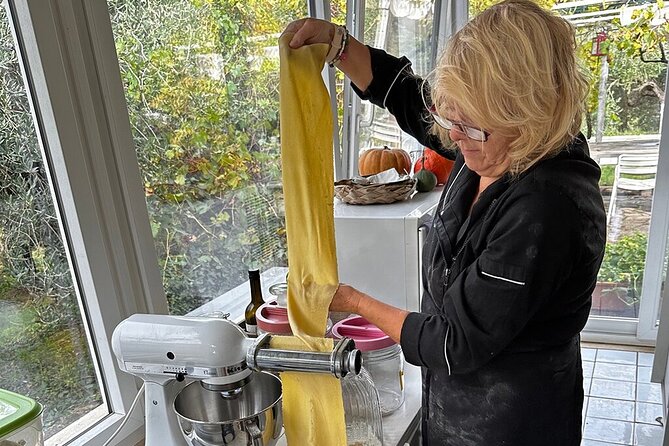
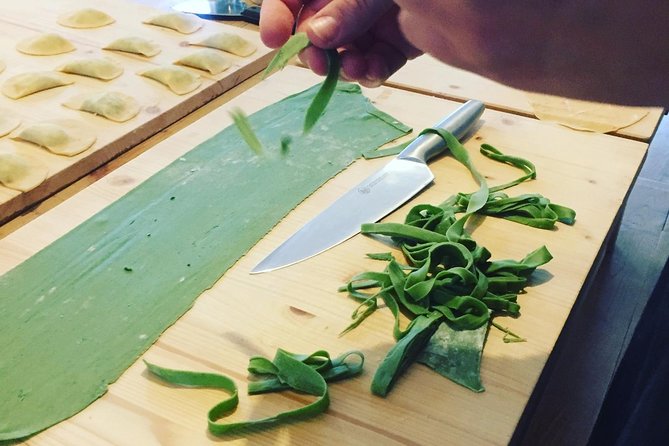
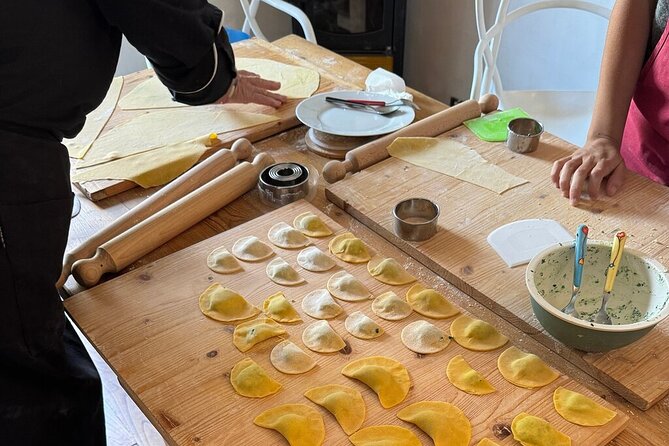
The pasta itself is made by hand with flour from a local mill and eggs supplied by a farmer. Depending on the day, you might prepare lasagne, ravioli, or fettuccine. Past dishes have included spinach and ricotta ravioli, pumpkin ravioli, cannelloni, fettuccine with Amatriciana sauce, and spinach pasta carbonara.
The teaching seems especially useful for home cooks. You learn more than a recipe card. Claudia can show you how the dough should feel, how to fill ravioli without overstuffing it, and how to adjust a dish when an ingredient or dietary preference changes.
One particularly useful feature is the ability to adapt the menu. A gluten-free preference has been accommodated by changing recipes and reorganizing the ingredients. You should still communicate dietary needs before the day, but the class has shown flexibility rather than treating the menu as fixed.
From garden ingredients to the cooking table
The garden gives the class its strongest sense of place. You may walk outside with Claudia or Bruno to gather herbs, vegetables, cherries, mulberries, or other fruit in season.
Past menus have used fresh rosemary, olives, berries, squash blossoms, sage, eggplant, artichokes, Swiss chard, and zucchini. Not every item will appear every time, but the idea is consistent: you are cooking with what is available rather than assembling a generic menu designed months in advance.
That connection changes how you taste the finished food. Fried zucchini blossoms are not just another starter when you have seen where the zucchini grew. A vegetable dish feels more personal when the herbs came from the garden and the olive oil came from the property.
The property also includes olive trees and a small vineyard. Bruno may show you the winemaking area and talk about the homemade wine. This is not a formal wine tasting, and the focus remains on lunch, but it adds a useful glimpse into how a family produces and shares food at home.
What you may cook during the three and a half hours
The meal is built like a traditional Italian Sunday lunch, with several courses rather than one pasta dish and a quick goodbye.
A typical sequence may include:
- Vegetable fritters, savory strudel, or crostini with vegetables and cheese
- Fresh pasta such as ravioli, lasagne, or fettuccine
- A sauce made for the pasta, possibly Amatriciana or another Roman preparation
- A second course such as beef rolls or saltimbocca
- A vegetarian alternative when needed
- A dessert such as parfait, tart, sorbet, ice cream, tiramisu, or another seasonal sweet
Specific cooking days have included fried artichokes and sage leaves, stuffed zucchini blossoms, grilled eggplant with garlic, vinegar, and olive oil, rolled beef with prosciutto and cheese, tiramisu, and fruit sorbet made with cherries and mulberries.
That range is worth noting. You are not paying for a narrow lesson focused only on cutting pasta. You are helping prepare a full meal, which can be a lot of food and a lot of activity in one afternoon. If you prefer a short, highly focused class, this may feel broad. If you want a complete Italian meal and plenty of hands-on work, it is a good fit.
The menu may also change around the needs of the group. Vegetarian dishes are available, and dietary preferences have been handled by reshaping recipes. Ask about restrictions in advance rather than waiting until you arrive.
More Pasta Experiences in Rome:
- Florence Pizza or Pasta Class with Gelato Making at a Tuscan Farm
★ 5.0 · 6,801 reviews - Florence: Pizza or Pasta Class with Gelato at a Tuscan Farm
★ 4.9 · 1,181 reviews - Alghero Home Cooking Pasta Class at a Farmhouse with Wine
★ 5.0 · 130 reviews - Bardolino: Garda Lake Pasta Cooking Class at Agritourism
★ 5.0 · 114 reviews
Lunch with homemade wine and music
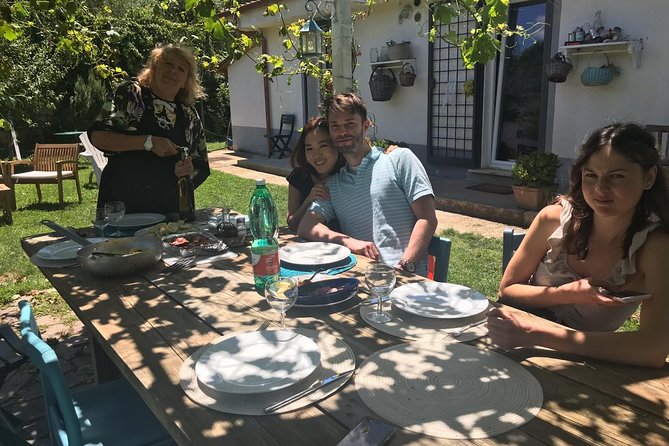
Once the cooking is done, you sit down to eat what you helped prepare. The meal may take place in the house or in the garden, with views toward the olive grove and vineyard.
This final table is a large part of the experience. You are not simply handed a plate and sent on your way. Claudia and Bruno may eat with you, along with family or friends. That makes the class feel closer to being invited into a home than attending a commercial activity.
Bruno is often part host, part entertainer. He has played keyboard and sung during the cooking and meal, including American songs. His music is not a scheduled concert, so it may vary by day, but it adds warmth and humor to the afternoon.
Homemade wine and olive oil are central to the meal. The wine is made on the property, and the oil may come from the family olives. These details offer a direct taste of local household food traditions, though anyone who does not drink can simply focus on the meal and company.
The atmosphere is informal. You may meet a dog at the house, see family members come and go, and spend more time talking than you would in a standard class. That is part of the charm, but it also means the experience is not tightly choreographed.
The value of $119.48
At $119.48 per person, the price is higher than a basic pasta lesson in Rome. The comparison is not quite fair, though, because you are paying for several parts at once.
The fee includes a cooking lesson, a full meal, homemade wine, the countryside setting, and the host’s time. You also get the train outing to Zagarolo and, based on the established meeting pattern, assistance from the station to the home. The class is capped at eight people, which limits the chance of being lost in a large group.
I see the price as reasonable for someone who wants a half-day cultural experience rather than a single cooking activity. The value is strongest if you appreciate the personal setting, the garden, the music, and the chance to eat with the family.
The value is weaker if your priority is simply learning one pasta shape at the lowest possible price. In that case, a city-center lesson may be easier and less expensive. You also need to account for your transport to and from Rome, since the train ride is part of the outing rather than an included city pickup.
The experience is popular and is booked about 45 days ahead on average. If your Rome dates are fixed, reserve early, especially if you want a private-feeling class for a couple or small group.
Who will enjoy this most
I would choose this for couples, families, honeymooners, and home cooks who want a relaxed day outside Rome. It also suits anyone who values conversation and local hospitality as much as the technical cooking lesson.
It is a good choice for a birthday surprise or a special final day in Italy. The combination of garden, food, wine, music, and family welcome gives the outing a memorable shape without requiring a full day of travel.
The class may be less suitable if you need a guaranteed menu, a polished professional studio, or a fast return to Rome. The home setting brings warmth, but it also brings flexibility. Family members may join, music may be spontaneous, and the recipes can change according to the season.
People who dislike long meals should also think carefully. The point is not to rush through the cooking and leave. The meal and conversation are part of the activity.
Practical details that make the day easier
The activity is offered in English, and you receive a mobile ticket. Confirmation is provided at booking.
Wear comfortable clothing that can handle flour, sauce, oil, and outdoor time. The supplied information does not set a formal dress code, but a cooking class followed by a garden visit calls for practical shoes and clothes rather than anything delicate.
Keep your schedule flexible after the class. The stated duration is about three hours and 30 minutes, but a family meal, music, and station transfer can make the day feel less exact than a museum entry slot.
Before departure, confirm the train information and station meeting details with the host. Bruno has been praised for clear communication and for helping people return to the train on time, but your own planning still matters.
The maximum group size is eight. A smaller booking may feel close to private, while a full group will have more people sharing the kitchen. Either way, this is designed to be personal rather than mass-market.
Free cancellation is available if you cancel at least 24 hours before the start time. Changes or cancellations inside that window are not accepted for a refund.
My call: book it for the countryside, not just the pasta
I would book this if you want to see a softer, more domestic side of Rome. Claudia’s cooking gives you real techniques, but the larger reward is the setting: a family farmhouse, food from the garden, homemade wine, music from Bruno, and a long lunch shared at the table.
The strongest reasons to go are the warm family welcome, the seasonal menu, and the rare chance to leave the city without committing to a distant day trip. The main reason to pass is simple: the experience is less predictable than a city cooking studio, and the train plus countryside transfer requires a little planning.
For a first-time visitor who has already seen the Colosseum and wants a day with more personal contact, this is a strong choice. Book it early, confirm the station details, tell Claudia about dietary needs, and arrive ready to cook, eat, and stay awhile.
FAQ
Where does the cooking class take place?
The class takes place at a farmhouse in Zagarolo, in the Metropolitan City of Rome Capital.
How far is Zagarolo from Rome?
The train ride from Roma Termini to Zagarolo takes about 30 minutes, based on the provided experience details.
Where does the activity start and end?
The meeting point is in Zagarolo, and the activity ends back at the meeting point.
How long does the experience last?
The cooking class and meal last approximately three hours and 30 minutes.
Who teaches the cooking class?
Claudia is the local chef and cooking instructor. Bruno often helps with transportation, hosting, music, and the meal.
What language is the experience offered in?
The experience is offered in English.
How many people can join?
The activity has a maximum group size of eight people.
What food might I prepare?
Possible dishes include fresh ravioli, lasagne, fettuccine, sauces, vegetable fritters, crostini, beef rolls, saltimbocca, vegetarian dishes, and seasonal desserts.
Is homemade wine included?
The experience includes the chance to enjoy homemade wine with the meal. Homemade olive oil may also be served.
Can dietary preferences be accommodated?
Dietary preferences have been accommodated, including gluten-free requests and vegetarian dishes. Contact the host before the experience so the menu can be adjusted.
What is the cancellation policy?
You can cancel at least 24 hours before the start time for a full refund. Cancellations or changes made less than 24 hours before the experience are not accepted for a refund.
More Workshops in Rome
- Farmers Market Shopping with Roman Full Course Class – (SHARED)
★ 5.0 · 23 reviews - Farmers Market Shopping and Roman Full Course Class – SHARED
★ 5.0 · 12 reviews - Harvest & Flavor: Pastamaking Class/Wine Tasting – Countryside
★ 5.0 · 2 reviews - Cooking Class and Lunch at a Tuscan Farmhouse with Local Market Tour from Florence
★ 5.0 · 4,831 reviews
Just added around Rome
- Wine Tasting and Food Tour at Vatican and Trionfale Farmers★ 5.0 · 12 reviews
- Rome: Small-Group Tasty Food Tour Around Farmers Market★ 4.5 · 6 reviews
- Private Farmouse: Rome Countryside Lunch with Chef & Villa D’Este★ 5.0 · 4 reviews
- Rome City Center Largest Farmers Market and Street Food Tour★ 5.0 · 5 reviews
- Private Farmer’s Market Tour & Tasting in Rome★ 5.0 · 2 reviews
- Farmer’s Market and Pasta Making with Italian Wine★ 5.0 · 15 reviews
- Harvest & Flavor: Pastamaking Class/Wine Tasting – Countryside★ 5.0 · 2 reviews
- Farm to table dinner in Rome: A trip through Italy★ 5.0 · 16 reviews
Cooking Classes, compared.
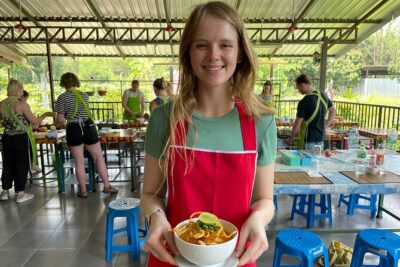
Half-Day Thai Cooking Class at Organic Farm in Chiang Mai
Read our review →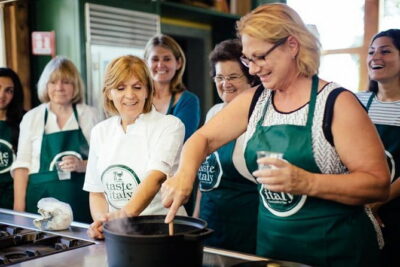
Cooking Class and Lunch at a Tuscan Farmhouse with Local Market Tour from Florence
Read our review →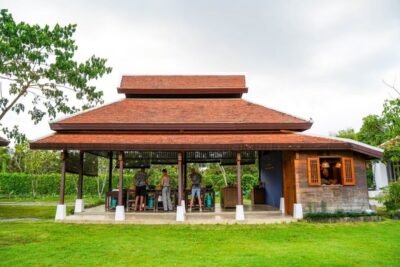
Authentic Cooking Class with Market & Farm Visit
Read our review →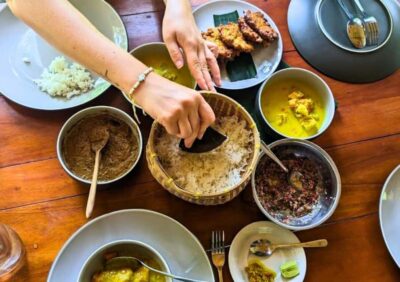
Hands-On Cooking Class & Farmhouse Tour on the Amalfi Coast
Read our review →
Lists this farm appears in