
Reviewed · AUSTRALIA FARM TOURS
Jurlique Farm Tour
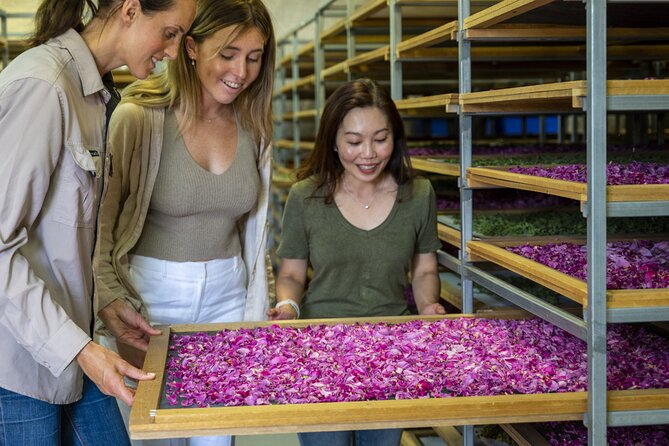
Jurlique Farm gives you a close look at the plants behind a famous skincare brand, but the best part is not a shop display. It is the biodynamic farming story, from seedlings and compost to the final harvest. In the Adelaide Hills, the farm setting adds a calm, hands-on quality that a city product presentation cannot match.
I like the 90-minute length, which gives the guide time to explain the work without turning the visit into a full-day commitment. I also like the interactive botanical element, including the chance to try some products in the garden. The main consideration is transport: you must make your own way to Biggs Flat, since transfers are not included.
Key points
- See the plants behind the products: Learn how Jurlique’s botanicals are grown, used, and harvested.
- Understand biodynamic farming: The tour explains soil fertility, compost production, and the farm’s approach to growing.
- Expect a guided, hands-on visit: A Jurlique Ambassador leads the 90-minute experience, with plant and product interaction.
- Enjoy the Adelaide Hills setting: The farm is in a scenic rural area outside Adelaide, making this a useful countryside outing.
- Plan your own transport: The meeting point is Jurlique Farm at 31 Liebelt Road, Biggs Flat.
- Book with some notice: The experience is commonly reserved about 28 days ahead, and group size can reach 50 people.
Why Jurlique Farm is more than a skincare stop
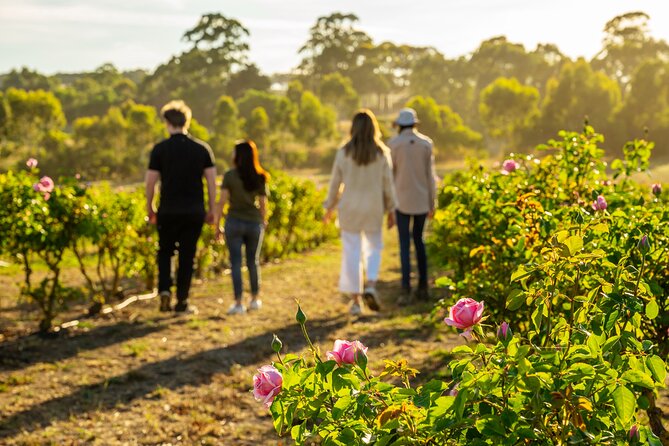
Jurlique Farm connects a finished bottle of skincare with the soil, plants, and people involved before that bottle reaches a bathroom shelf. You are not simply shown a product range. You are introduced to the growing process behind it.
That distinction matters. Many brand visits begin and end with displays and sales. Here, the focus is on how seedlings are propagated, how plant varieties are selected and used, how soil is cared for, and how the harvest becomes part of Jurlique’s skincare work.
The farm has been growing ingredients in South Australia’s Adelaide Hills for more than 35 years. That gives the tour a clear sense of place. You are learning about a company whose identity is tied to this farm, not just walking through a generic demonstration garden.
The visit lasts about 90 minutes. That is long enough for a proper explanation, yet short enough to fit into a day exploring the Adelaide Hills. If you are building a wider outing around Adelaide’s nearby wine and hill country, the timing is especially practical.
More Farm Tours in Australia:
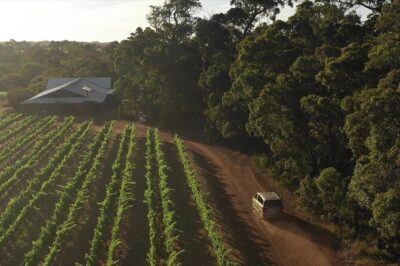
- Hidden Gems: Boutique Full-Day Wine, Farm & Lunch Tour
★ 5.0 · 881 reviews - Melbourne: Yarra Valley Wine, Choc, Farm Fresh, Gin Tour
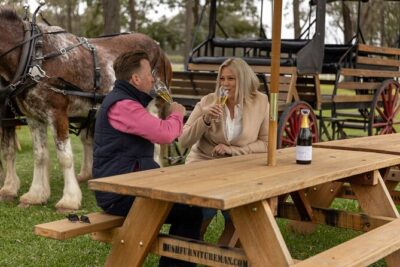
★ 4.9 · 258 reviews - 3- Hour Wine and Harvest the Hunter Horse Tour in Pokolbin
★ 5.0 · 165 reviews
Entering the farm at Biggs Flat
Your visit begins and ends at Jurlique Farm, 31 Liebelt Road, Biggs Flat, South Australia. Since transport is not provided, getting to the meeting point is part of your planning.
That is the biggest practical issue with this experience. The farm is outside central Adelaide, so you should not assume that a city hotel pickup is included. Check your route and allow enough time to reach the property before the tour begins.
The experience uses a mobile ticket, which keeps the arrival process simple. Your booking confirmation is provided at the time of booking. The group can include up to 50 people, so the feel may range from intimate to fairly social depending on the date.
A larger group is not automatically a problem, but it can affect how close you get to demonstrations or plants. The guide’s role matters here. Lexi has been noted for making a solo participant feel included and for keeping the pace suitable for the whole group. If she is leading your tour, you can expect a friendly, clear presentation rather than a rushed walk-around.
Jurlique’s story begins with propagation
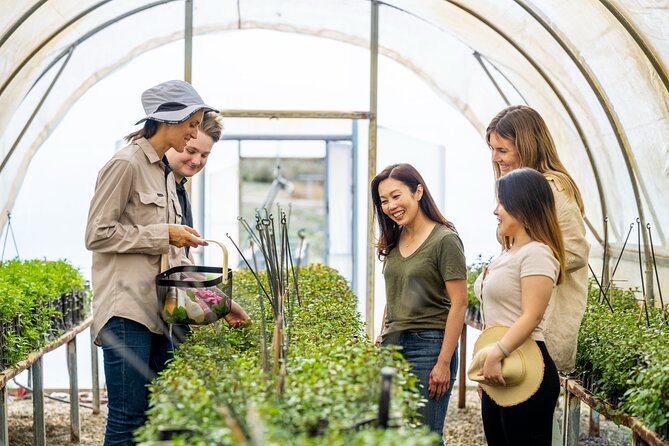
One of the most useful parts of the tour is the explanation of how seedlings and plants are propagated. This is where the farm story becomes practical.
Propagation is the bridge between a plant variety in the garden and a dependable supply of botanical ingredients. You learn that skincare production begins well before harvesting. Plants must be started, tended, and grown with care before they can contribute to a finished formula.
For you, this section provides helpful context. It explains why a farm linked to skincare needs more than attractive flower beds. The plants have a purpose, and the farm must maintain them through several stages of growth.
You also learn about different plant varieties and their uses. The tour does not treat the garden as one large mass of greenery. Instead, it helps you connect particular botanicals with the role they play in Jurlique products.
That makes the walk more engaging than simply being told that the products are natural. You can see the living source material and understand that a natural ingredient still depends on careful cultivation, timing, and processing.
Biodynamic farming in plain language
The central subject is Jurlique’s biodynamic approach. The tour explains the principles rather than leaving the phrase as a marketing label.
You are introduced to the importance of soil fertility and compost production. These subjects may sound technical, but they are also the part of the visit that gives the farm its strongest sense of purpose. Healthy plants begin with healthy soil, and compost is part of the work needed to maintain that soil.
This section is valuable if you want to understand how farming choices affect the quality and growth of botanicals. It also gives you something more substantial than a brand message. Instead of hearing only about the final skincare product, you see attention being paid to the foundation beneath it.
The biodynamic focus may appeal most to people interested in organic practices, gardening, agriculture, or natural products. You do not need a farming background to follow the tour. The guide’s job is to show how these ideas work at the farm level.
Still, you should know what this tour is not. It is not a long agricultural course, and the 90-minute visit cannot cover every detail of biodynamic farming. Think of it as a clear introduction tied directly to Jurlique’s own methods.
Same fields, a different sort of morning:
- Experience Coffin Bay Oyster Farm and Bay Tour
★ 5.0 · 161 reviews - Broken Bay Pearl & Oyster Farm Tours
★ 5.0 · 150 reviews - Coffin Bay Oyster Farm Wading Tour & Tasting Experience
★ 5.0 · 142 reviews - Rockhampton: Koorana Crocodile Farm Guided Tour
★ 4.8 · 136 reviews
From garden plants to finished skincare
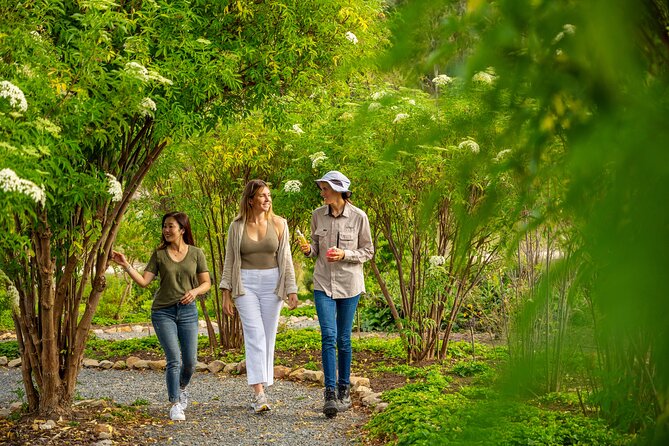
The tour’s botanical explanations become more meaningful when you see how the plants are used in products. You are given a link between the garden and the skincare counter, but the experience does not begin with shopping.
A particularly appealing feature is the chance to try some products in the garden. That setting makes the product connection feel less forced. You can encounter the plants first, then consider how their qualities are carried into Jurlique’s skincare range.
This interaction also gives the tour a sensory element. Rather than listening to a talk from start to finish, you have moments where the plants and products are part of the discussion.
If you already use Jurlique products, this can change the way you view them. You gain a better sense of the work behind the ingredients. If you are unfamiliar with the brand, you can decide for yourself if the farm story and product approach interest you.
The balanced view is that this is still a brand experience. Product information is part of the visit, so anyone hoping for a purely botanical garden tour should keep that in mind. The difference is that the sales connection is supported by a real farm and a clear growing process.
Understanding the harvest process
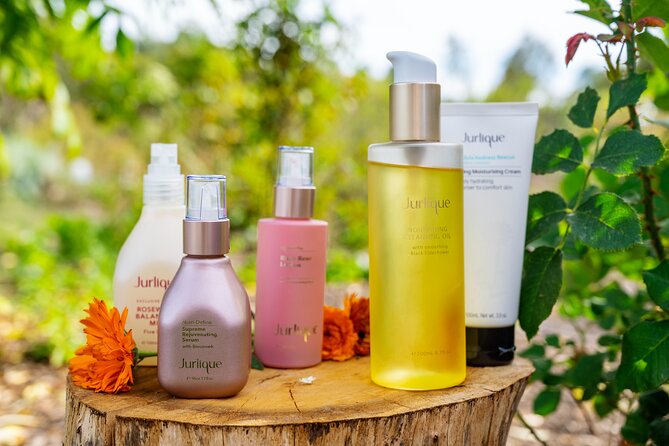
Harvesting is the point where the farm’s growing work meets Jurlique’s production needs. The tour explains how the harvest process fits into the larger cycle.
This is an important detail because the timing and handling of plants can affect their usefulness in skincare. You learn that the work does not stop once a plant has grown. The harvest itself is another stage that requires care.
The value of this section lies in the complete chain it creates. You begin with propagation, move through plant care and soil management, and arrive at harvesting. The tour shows a connected process instead of presenting each topic as a separate fact.
You may find this especially interesting if you like seeing how everyday products are made. The experience does not turn the process into factory spectacle. Its strength is the simple connection between farm work and the contents of a skincare product.
The Adelaide Hills setting
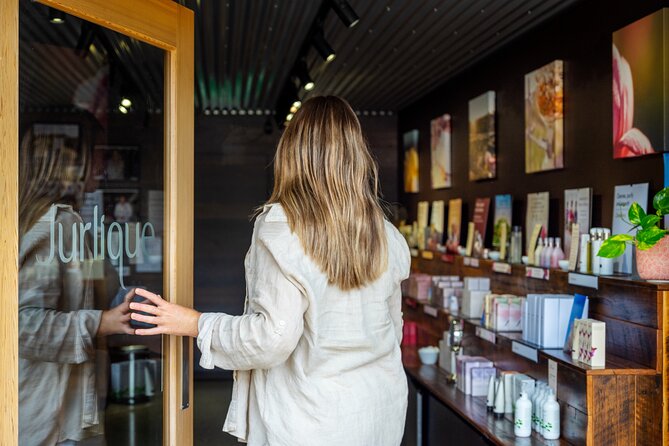
The setting adds a great deal to the experience. Jurlique Farm is in the Adelaide Hills, in the rural community of Biggs Flat. The surrounding area gives the tour a change of pace from Adelaide’s urban streets.
The beautiful surroundings are part of the appeal. You are walking through a working farm and display gardens rather than sitting inside a standard retail space. That makes the visit feel connected to the land and to the plants being discussed.
I would pair the farm with other Adelaide Hills plans if your schedule allows. The tour itself is only about an hour and a half, so it can fit neatly into a day outside the city. Just keep the separate transport requirement in mind when arranging your route.
The garden is also useful for anyone who wants a slower activity. You do not need to be an expert gardener or a dedicated skincare fan. The setting, short duration, and guided format make it approachable.
Who will get the most from the 90 minutes
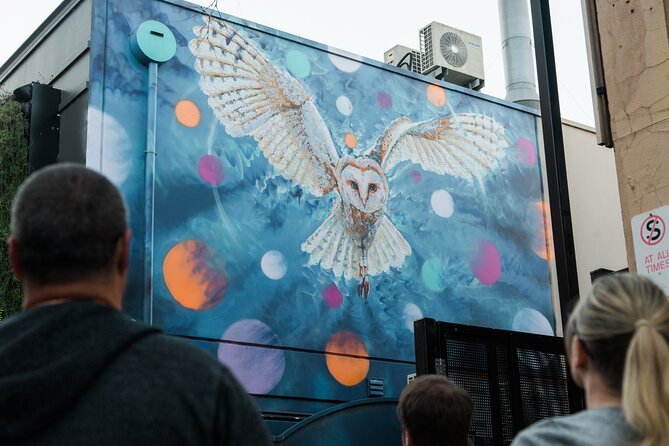
This tour suits several kinds of visitors:
- Skincare users who want to understand the plant sources behind Jurlique products.
- Garden and farming enthusiasts interested in propagation, compost, soil fertility, and biodynamic methods.
- Adelaide Hills explorers looking for a structured countryside activity.
- Solo visitors who want a guided experience with a clear pace and group setting.
- Couples and families seeking a short educational outing rather than a long attraction visit.
The tour is also suitable for most people, and service animals are allowed. That does not provide a full description of every accessibility feature, so you should contact the provider if you have specific mobility or access needs.
Children may find the plants and product elements interesting, but the information is presented as a guided farm tour. If your group needs a highly entertainment-focused activity, this may feel too calm or instructional.
The same is true for anyone expecting a large production facility or a dramatic behind-the-scenes factory tour. The focus is on the farm, its methods, and its botanical work.
Is the price fair at $28.69?
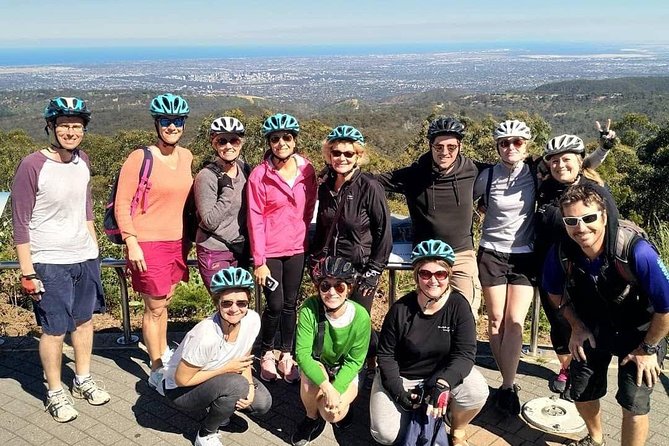
At the stated price of $28.69 per person, the value depends on what you want from the outing. You are paying for a 90-minute guided experience with a Jurlique Ambassador, not simply entry to a garden.
I consider the price reasonable if you are already interested in natural skincare, plant cultivation, or the Adelaide Hills. The guide adds value by explaining how the various stages connect. Without that interpretation, the farm would be pleasant but less meaningful.
The product interaction also helps justify the cost. You can see the plants, learn how they are used, and try some products in the garden. That gives the visit more substance than a basic walk through display beds.
On the other hand, the price does not include transfers. You must account for your own transport to Biggs Flat, which adds time and possibly cost. If you are staying in central Adelaide and only want a quick garden visit, the full outing may require more planning than the ticket price suggests.
The group limit of 50 is another value factor. A smaller group may feel more personal, while a full group could make the tour less flexible. The guide’s ability to include everyone becomes important, especially during interactive moments.
Booking ahead and cancellation details
The experience is often booked about 28 days in advance, so I would not leave it until the last minute if the farm visit is important to your Adelaide plans. That is particularly useful advice for a fixed-date itinerary.
You can cancel for a full refund if you do so at least 24 hours before the start time. Cancellations made within 24 hours are not refunded, and changes inside that window are not accepted. The cut-off follows local time.
This policy is fairly clear, but the practical lesson is simple: check your Adelaide Hills transport plan before the final day. Since you are responsible for reaching the farm, allow room for delays and avoid scheduling another fixed activity too close to the tour.
Should you book the Jurlique Farm Tour?
Book it if you want to see how a skincare brand connects its products to real plants, soil, compost, and harvest work. The 90-minute format is manageable, the Adelaide Hills setting is attractive, and the guide-led explanations make the visit more than a product display.
I would especially recommend it to anyone curious about biodynamic farming or already interested in Jurlique skincare. The chance to try products in the garden adds a pleasant hands-on touch, while the history and propagation sections give the visit a clear structure.
Skip it if you want a major attraction with extensive facilities, included transport, or a full-day activity. You will need to reach Biggs Flat yourself, and a group of up to 50 may not provide the quiet, private farm visit you imagine.
For the right audience, this is a thoughtful short stop in the Adelaide Hills. You leave with a clearer understanding of where botanical skincare begins, which is a useful thing to know before you decide what belongs on your shelf.
FAQ
Where does the Jurlique Farm Tour start and finish?
The tour starts at Jurlique Farm, 31 Liebelt Road, Biggs Flat, South Australia. It ends back at the same meeting point.
How long does the Jurlique Farm Tour last?
The guided farm tour lasts about 90 minutes.
Is transportation included?
No. Transfers to and from the meeting point are not included, so you must arrange your own transport to Jurlique Farm.
What does the tour cover?
The tour covers Jurlique’s history, seedling and plant propagation, plant varieties and their uses, biodynamic farming principles, soil fertility, compost production, and the harvest process.
Who leads the tour?
A Jurlique Ambassador leads the experience. Lexi is one guide associated with the tour.
Can I cancel for a full refund?
Yes. You can receive a full refund if you cancel at least 24 hours before the experience starts. Cancellations within 24 hours are not refunded.
Just added around Australia
- Harvest Your Own Pearl Private Experience – Perth★ 5.0 · 35 reviews
- Cygnet Bay Pearl Farm Behind-the-Scenes Tour & Live Harvest★ 4.9 · 53 reviews
- Experience Coffin Bay Short and Sweet Oyster Farm Tour★ 5.0 · 56 reviews
- Adelaide Hills: Jurlique Farm Tour★ 4.8 · 13 reviews
- Barossa & Maggie Beers Farm (4 wine Tastings & Lunch included)★ 4.5 · 45 reviews
- Maggie Beer Farm – Barossa Valley Regional Tour★ 5.0 · 16 reviews
- Incredible Islands Tour – Horizontal Falls & Cygnet Bay Pearl Farm★ 5.0 · 96 reviews
- Tropical Fruit World Farm Full Tour★ 4.5 · 104 reviews
Australia Farm Tours, compared.
Hidden Gems: Boutique Full-Day Wine, Farm & Lunch Tour
Read our review →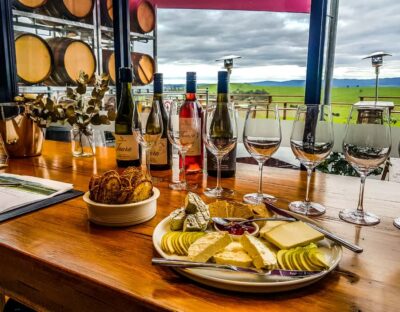
3- Hour Wine and Harvest the Hunter Horse Tour in Pokolbin
Read our review →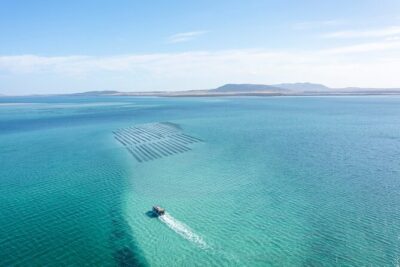
Experience Coffin Bay Oyster Farm and Bay Tour
Read our review →
Coffin Bay Oyster Farm Wading Tour & Tasting Experience
Read our review →
Rockhampton: Koorana Crocodile Farm Guided Tour
Read our review →
Lists this farm appears in