Reviewed · COFFEE FARM TOURS
Award Winning Farm Tour: Coffee, Chocolate and Unique Gifts
The most unusual thing about this Kona farm tour is that it is really three experiences in one. You walk through a working coffee and cacao farm, taste products made on site, then see how natural soap is produced. The setting helps, too: from 1,200 feet above Kona, you can look across the Pacific toward Hualālai while rainforest and tropical plants surround the road to the farm.
I like the mix of hands-on tastings and practical farming lessons. I also like the warm, personal style of Greg Colden, whose humor and stories give the tour a relaxed feel. The main consideration is that coffee is only one part of the program. If you want a highly focused lesson on coffee cultivation, this may feel broader than expected, with substantial time devoted to cacao, soap, biodiversity, and the farm’s products.
Key points to know before booking
- Three subjects in one tour: Learn about coffee, cacao, and natural soap during a roughly three-hour visit.
- Greg Colden leads with humor: Greg, along with Marty, Paul, Christina, and other staff, helps make the information lively and personal.
- Tastings are part of the value: You sample coffee, chocolate, and chocolate nibs made from the farm’s crops.
- The setting is a major part of the visit: The farm sits about 1,200 feet above Kona, with Pacific Ocean views and sights of Hualālai.
- The gift shop is a real stop, not an afterthought: Look for soap, coffee, chocolate, pottery, essential sprays, and other handmade island gifts.
- Plan for an adult-oriented visit: Children under 12 are not recommended, and the maximum group size is 30.
A working farm above Kona
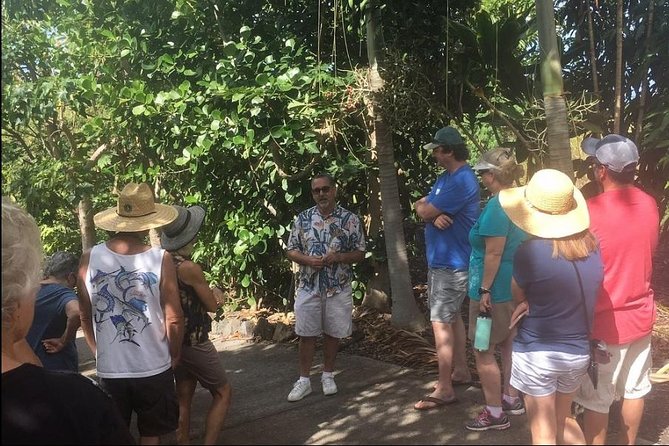
The drive to 78-6749 Mamalahoa Highway in Holualoa is part of the experience. As you climb above Kona, the Pacific opens out below you. On clear days, the view gives you a useful sense of the coast’s shape, while Hualālai rises behind the farm area as a reminder of the volcanic ground beneath the crops.
The road also passes through lush rainforest and tropical plant life. I would allow a little extra time for the approach, not because the tour requires a complicated arrival, but because the surroundings are worth noticing. Free parking is available, though you are asked to drive carefully when entering a rocky area.
At the farm, the setting makes the farming discussion easier to understand. Coffee and cacao do not appear as finished products in a shop window. You see them as crops that depend on soil, water, plant relationships, and careful work. The staff also explains biodiversity, a subject that comes up often during the tour and gives the visit more substance than a simple tasting stop.
More Cocoa Farm Tours in the USA
- Lahaina: Maui Ku’ia Estate Guided Cacao Farm Tour and Tasting
★ 5.0 · 1,103 reviews - Kauai Chocolate Farm Tasting Tour
★ 5.0 · 666 reviews - Lahaina: Maui Ku’ia Estate Guided Cacao Farm Tour & Tasting
★ 4.8 · 137 reviews
The walking tour: coffee, cacao, and biodiversity
The walk is not described as strenuous, and seating is available at the stopping points. That makes the tour workable for most people, especially those who want to learn without signing up for a demanding hike. Still, it is a walking tour on a farm, so sensible shoes are a good idea.
Greg Colden is a central part of the experience. His approach is informal and funny, but the humor supports the subject rather than replacing it. He talks about the challenges of farming on the Big Island, the development of the property, and the choices involved in maintaining a biodiverse farm.
You will learn about coffee and cacao as crops, then see how they move toward finished products. The coffee portion is useful, but it is important to set your expectations correctly. This is not only, or even mainly, a technical coffee-farming class. The tour gives equal attention to cacao and the soap business, which is why some people find it a pleasant surprise and others looking for a coffee-only lesson may want a different experience.
The farm’s story also adds a human element. Greg Colden and Marty Corrigan developed the business around several products rather than one crop. Staff members such as Paul, Christina, and Nancy take part in different portions of the visit, so the presentation feels like a small team sharing its work instead of a single scripted talk.
Coffee tasting and the Kona connection
Kona coffee carries a strong reputation, but a good farm visit should explain more than the name on the bag. Here, you get a chance to taste coffee made on site and connect the drink with the place where it grows.
That tasting matters because it gives you a direct comparison between the farm’s work and the finished cup. One especially useful detail is that a visitor who did not usually drink coffee found the farm’s Kona coffee appealing. You should not take that as a promise that every palate will react the same way, but it does suggest that the tasting is approachable for people who are not coffee specialists.
The coffee discussion is part of a bigger story about farming in Hawaiʻi. Volcanic soil, elevation, rain, sun, and forest conditions all affect what can grow. The tour does not reduce the subject to a sales pitch. It places coffee beside cacao and other plants, showing how the farm thinks about its crops as part of a wider system.
If your main goal is detailed information about coffee farming, ask questions as you walk. The format encourages questions, and the staff makes room for them. That can help you get more from the coffee section, especially if the tour group is large.
Cacao, chocolate, and the best tasting stop
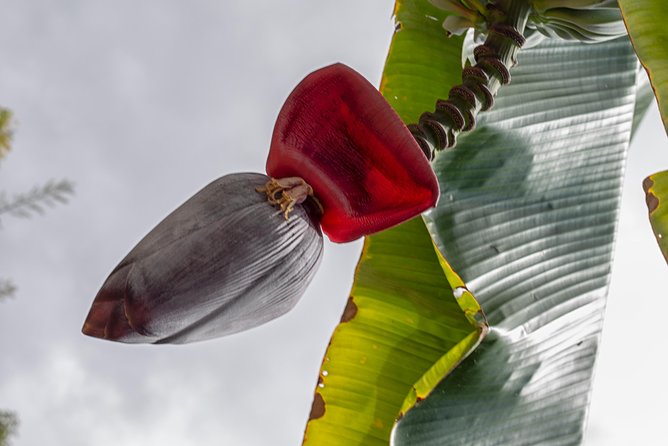
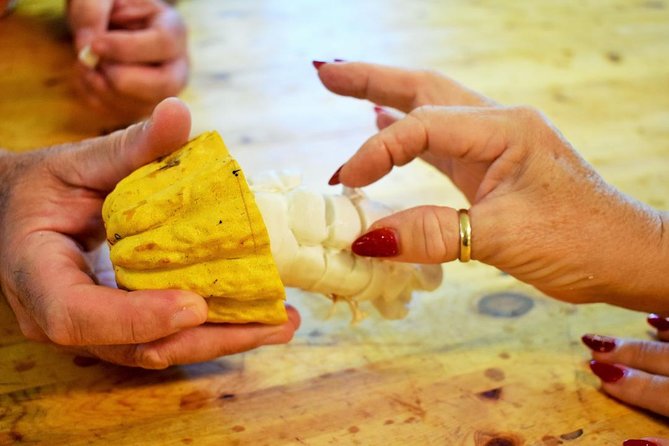
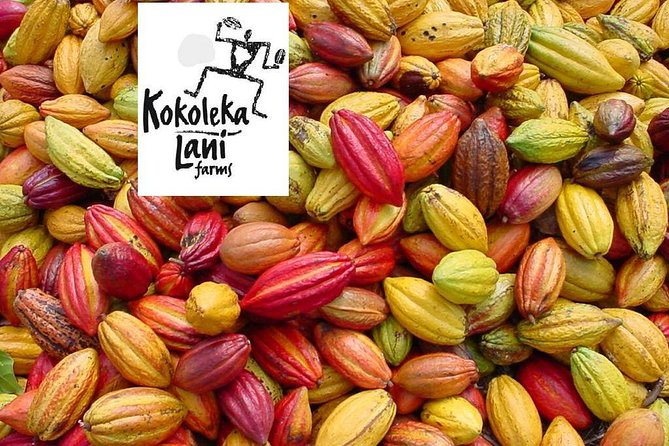
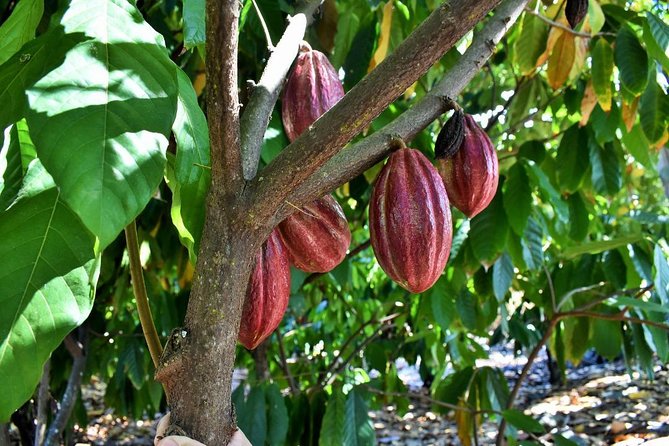
For many people, the chocolate tasting will be the highlight. You get to sample chocolate made from cacao grown and processed through the farm’s own operation, along with chocolate nibs. The tasting gives you a clear reason to pay attention during the earlier discussion of cacao plants and production.
I like this part because it connects the crop with the food in your hand. You are not only hearing how cacao is handled. You are also noticing its flavor in different forms. The experience is educational without becoming too formal.
The chocolate fits well with the coffee tasting. One shows how a local crop becomes a drink, while the other shows how cacao becomes a finished treat. You can also buy these products afterward, making the shop useful for gifts rather than simply a final sales stop.
The tour is especially well suited to adults who enjoy food, small businesses, and local production. It is less suited to anyone who wants a fast tasting with no walking or explanation. The point is to understand the work behind the products, then taste the results.
More Coffee Farm Tours in the USA
- Big Island: Volcanoes, Waterfalls, & Coffee Farm Day-Trip
★ 4.9 · 414 reviews - Small-Group Big Island Tour: Hawaii Volcanoes National Park and Kona Coffee Farm
★ 5.0 · 343 reviews - Kona Tour: Bee Farm, Kona Coffee, and National Historical Parks
★ 4.5 · 78 reviews
The soap workshop is the unexpected bonus
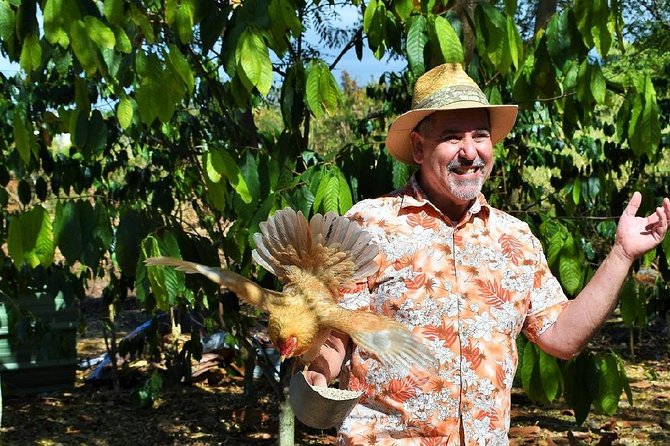
The most distinctive part of the tour may be the natural soap operation. Kona Natural Soap is the experience provider, and the visit includes a look at the soap-making process and workshop. A demonstration explains how the products are made and why the business emphasizes plant-based scents and ingredients.
This is where the tour differs from a standard coffee plantation visit. You see a small farm business using more than one crop and product line to support its work. The soap section also gives you something practical to take home. Several products are made for everyday use, including soaps and essential sprays.
The scents in the factory are plant based unless you have an allergy to a specific plant, such as lavender. If you are sensitive to fragrances, this is worth considering before you book. The information provided does not list every scent used, so ask the staff if you have a particular concern.
I also appreciate that the soap discussion is not treated as a quick advertisement. It explains a craft that many people have never seen up close. If you already use natural soap, the workshop may be especially interesting. If you came strictly for coffee, it may feel like the tour has changed direction, but that broader mix is part of the price.
The shop: handmade gifts with a local connection
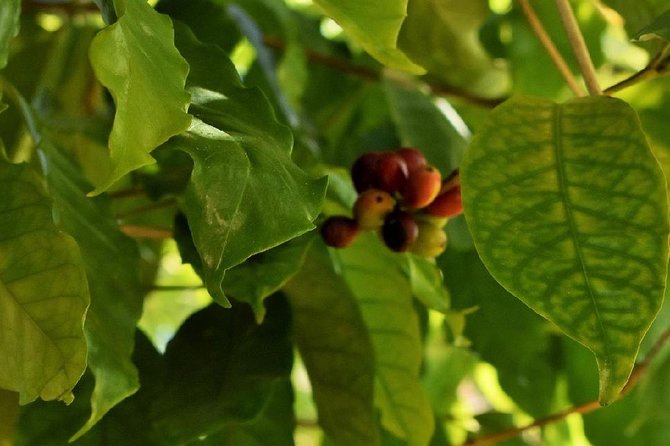
The gift shop is one of the stronger reasons to bring room in your luggage. You can look for coffee, chocolate, soaps, essential sprays, ceramics, pottery, and other farm or island souvenirs. These are more personal than generic resort merchandise because they connect directly to the work you have just seen.
The shop is also helpful if you want to send gifts home. A flat shipping charge of $15 to a United States address has been offered for orders, no matter the order size, though I would confirm the current arrangement when purchasing. That can save you from carrying fragile or bulky items through the rest of your trip.
Prices will vary by product, so I would not treat the tour as a bargain shopping trip. The better question is whether you value locally made goods and want to support a small operation. If you do, the shop adds real value. The gifts also have a story behind them, which makes them more meaningful than a last-minute airport purchase.
Is $50 a fair price?
At $50 per person, the tour is not the cheapest way to taste Kona coffee. Its value comes from the amount of material packed into about three hours: a farm walk, coffee and cacao lessons, tastings, a soap-making demonstration, scenic views, and time in the shop.
I think the price is fair for someone who will take part in the full program. You are paying for access to a working farm and for direct instruction from the people who run the operation. The tastings help, but the real value is the range of subjects and the chance to ask questions.
The price is less compelling if you only want a quick coffee sample or a short plantation walk. In that case, a more focused coffee stop may suit you better. This tour makes more sense if you like learning how small food and craft businesses operate, and if you expect to buy a few handmade products afterward.
The experience is normally booked well ahead, with an average booking time of 53 days. That suggests you should not leave it until the last morning of your Kona stay, especially since the stated operating schedule is Tuesday from 9 a.m. to noon. Confirm the date and time carefully when booking.
Group size, age limits, and timing
The maximum group size is 30. That is not a tiny private farm visit, and the size can affect how easily you hear every explanation or ask a question. The upside is that the tour still uses several staff members, and the format includes stops where the group can gather.
Children under 12 are not recommended. All children must remain supervised and guided, and families may be asked to step aside or leave if repeated disruptions affect the experience for others. I would treat that policy seriously. This is an adult-oriented educational visit, not a free-form children’s activity.
Most people can participate, and the activity is described as easily accessible. Service animals are allowed. The walking is limited, with places to sit at stops, but the rocky parking entrance and farm setting still call for care.
The tour ends back at the meeting point. That makes it easy to pair with other Kona plans, but do not schedule something that begins immediately afterward. The full experience lasts about three hours, and the questions, tastings, and shop visit can make the morning feel full.
Weather and cancellation flexibility
The experience requires good weather. If poor weather forces a cancellation, you are offered another date or a full refund. The same applies if the minimum number of participants is not met.
You can cancel for a full refund up to 24 hours before the start time. Changes or cancellations inside that window are not accepted, and the local time controls the cutoff. That policy is reasonable for a small farm operation, but I would avoid booking it on the final day of your trip if your schedule is tight.
Who should book this Kona farm tour?
I would recommend it to adults who enjoy local food, small-scale production, handmade goods, and conversational guides. It is particularly good for couples, solo visitors, and families with older children who can stay engaged during a three-hour program.
The tour also suits anyone who wants more than a coffee plantation photo. You get coffee, cacao, chocolate, biodiversity, soap, scenic views, and a shop in one visit. The range is the strength.
I would think twice if your only goal is a detailed study of coffee cultivation. The coffee section is present, but the farm’s cacao and soap work receive major attention. I would also reconsider if you dislike group activities, strong plant scents, or shopping at the end of a tour.
Should you book it?
Book this tour if you want an informative morning with a personal touch and several products to taste. Greg Colden’s humor, the team’s involvement, the farm setting above Kona, and the soap workshop give it a clear identity beyond a standard coffee stop.
Skip it if you want a short, coffee-only visit or a very small private group. For everyone else, $50 buys a solid three-hour look at how coffee, cacao, chocolate, and natural soap come together on a working Hawaiian farm. Bring questions, wear practical shoes, and leave space in your bag for the shop.
FAQ
Where does the tour begin?
The tour begins at 78-6749 Mamalahoa Hwy, Holualoa, Hawaii 96725. It ends back at the same meeting point.
How long does the experience last?
The experience lasts approximately three hours.
What day and time is the tour offered?
The stated operating schedule is Tuesday from 9 a.m. to noon.
What is included in the tour?
You take a guided walking tour of a coffee and cacao plantation, taste coffee and chocolate made on site, learn about natural soap production, and have time to shop for handmade gifts and souvenirs.
How many people can join the tour?
The maximum group size is 30 people. If you need to book more than six people, you should contact the provider.
Is the tour suitable for children?
The tour is not recommended for children under 12. Children who attend must remain supervised and guided throughout the visit.
What happens if the weather is poor?
If poor weather causes the tour to be canceled, you will be offered another date or a full refund.
Just added around the USA
- Las Vegas: Grand Canyon Ranch Tour with Horseback/Wagon Ride★ 4.7 · 38 reviews
- Combination Southfork Ranch and Dallas/JFK Highlights Tour★ 4.5 · 66 reviews
- Dallas and Southfork Ranch Small-Group Combo Tour★ 4.6 · 61 reviews
- Guided Lilymoore Alpaca Farm Tour★ 5.0 · 38 reviews
- Alpaca Ranch and Fiber Processing Mill Tour★ 5.0 · 24 reviews
- Grand Canyon West Skywalk Western Ranch Joshua Forest★ 5.0 · 67 reviews
- Lancaster: Amish Film, House, and Farmland Experience★ 4.6 · 72 reviews
- Bee Farm Ecotour and Honey Tasting in Waialua, North Shore Oahu★ 5.0 · 72 reviews
Coffee Farm Tours, compared.
La Herradura Coffee Farm: tour in Europe’s only plantation
Read our review →
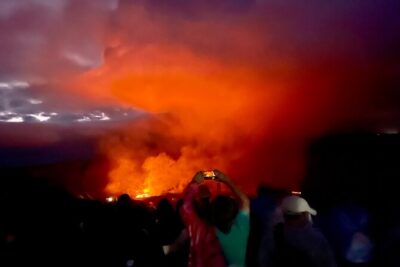
Small-Group Big Island Tour: Hawaii Volcanoes National Park and Kona Coffee Farm
Read our review →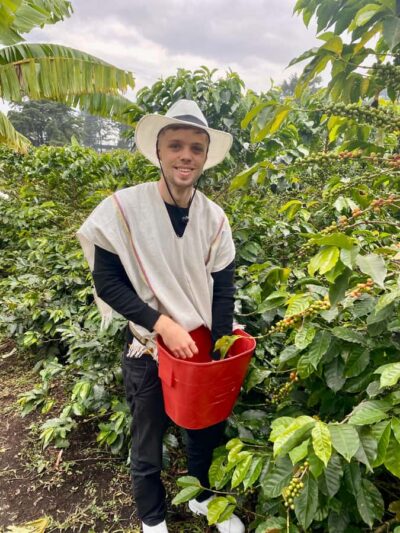
Medellín Coffee Farm Tour with Trolley and Cable Car Ride
Read our review →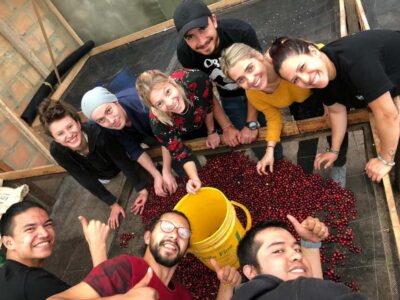
Private Cocora Valley, Salento & Coffee Farm Tour
Read our review →
Liamuiga Natural Farm Tour – St.Kitts’ Coffee Farm
Read our review →