
Reviewed · ALPACA AND LLAMA FARMS
Llama/Alpaca Hike and Farm Tour
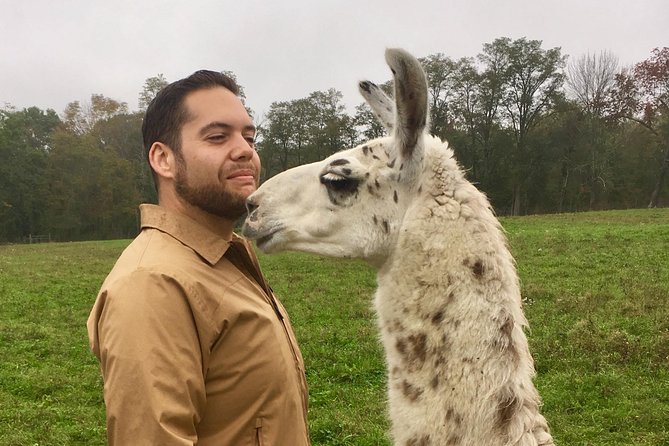
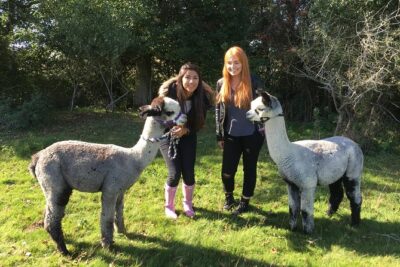
A llama or alpaca walk is the main event here, but the farm tour gives it a warmer, more personal setting. You begin among rabbits, chickens, ducks, and barn cats, then learn how to guide one of the farm’s soft, fluffy stars through pastures, paddocks, and past a stocked bass pond. Andrea, the named guide, is praised for her care and clear handling of the animals.
I like two things right away: the connection to an 1850 homestead and the small group size, capped at eight people. You get more than a quick animal encounter, yet the 90-minute visit stays manageable. The main consideration is the walking: you should be comfortable covering about a mile on uneven ground, and the farm advises against high heels and flip-flops.
Key points at a glance
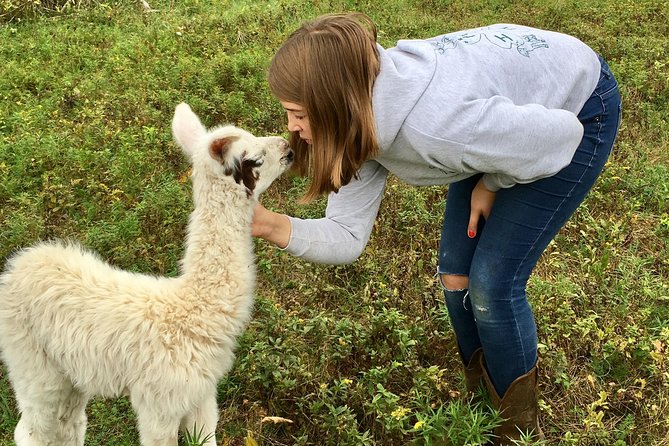
- Lead your own llama or alpaca through gentle pastures and paddocks after a basic safety lesson.
- Meet the farm’s smaller animals, including rabbits, chickens, ducks, and friendly barn cats.
- Explore a Hudson Valley homestead dating to 1850 on 25 bucolic acres.
- Enjoy a small-group visit with a maximum of eight people.
- Plan for uneven walking, about one mile, with bug spray and sensible shoes.
- Save time for llama selfies and the farm store before returning to the meeting point.
Meeting llamas and alpacas at Clover Brooke Farm
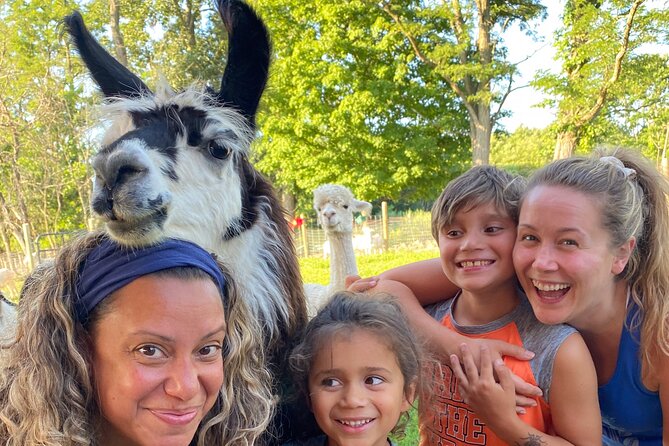
Clover Brooke Farm sits at 175 Ruskey Lane in Hyde Park, in the historic Hudson Valley portion of the Catskills region. The visit is built around contact with the animals, but it does not rush you straight into the walk. That is a good choice. A few minutes of orientation can make the difference between a calm farm visit and a nervous tug-of-war with a curious animal.
You begin with introductions to the smaller residents. Rabbits, chickens, ducks, and barn cats help set the tone before the llamas and alpacas take center stage. The overly friendly barn cats may be the first animals to greet you, especially if you are more accustomed to city attractions than working farms.
The opening farm tour also introduces the 25-acre property and its 1850 homestead. That detail gives the visit a sense of place. You are not simply walking an animal around a rented paddock for a photo. You are seeing a working farm property with a long local story, then moving through the same general setting on foot.
The tour is offered in English. Since the group limit is eight, you can expect a more personal feel than you would get at a large animal park. The small size also matters during the safety talk, when you may want to ask about the animal you will handle or how firmly to hold the lead.
More Alpaca and Llama Farms in the USA
- Alpaca and Llama Farm Tour
★ 5.0 · 446 reviews - Guided Lilymoore Alpaca Farm Tour
★ 5.0 · 38 reviews - Alpaca Ranch and Fiber Processing Mill Tour
★ 5.0 · 24 reviews
Llama and Alpaca 101 before the walk
Before setting off, the guide explains the basics of llama and alpaca behavior and handling. You learn the safety rules, hear why these animals have become such popular companions for farm activities, and have a chance to ask questions.
That preparation is especially useful if you have never led a llama or alpaca. These animals are gentle, but gentle does not mean they operate like a trained pony. A short lesson helps you understand how to move with them instead of trying to force every step.
I like that the activity places the animal’s comfort near the center of the experience. The guide’s job is not just to point out the llamas and alpacas. You are shown how to work with them in a safe, calm way, with guidance available during the trek.
The experience is for ages eight and older. That age rule makes sense because each participant needs to listen, follow directions, and manage a walk over uneven ground. Younger children cannot join this particular activity, even if they enjoy animals.
The group maximum of eight is another useful detail for families and couples. You are less likely to feel lost in a crowd, and the guide can keep an eye on how each person and animal is doing. The walk is still a shared outing, so do not expect a private session unless that is arranged separately.
A gentle trek through pastures and paddocks
Once the safety lesson is finished, you guide your llama or alpaca through the farm. The route passes through gentle pastures and paddocks and continues by a stocked bass pond. It is not described as a strenuous hike, but it does involve enough walking to require moderate physical fitness.
The setting should appeal to anyone who prefers a quiet country outing to a fast-moving attraction. You have time to notice the animals, the open farm spaces, and the old property around you. The pace is shaped by the llamas and alpacas, which is part of the charm and part of the uncertainty.
You should be ready for an animal to pause, look around, or move at its own speed. That is not a flaw in the experience. It is the point of leading a living animal rather than riding a mechanical attraction. Still, anyone hoping for a brisk, mile-long walk should adjust expectations.
The route includes uneven terrain, and the practical advice is simple: wear sturdy, comfortable shoes. High heels and flip-flops are not encouraged. Bug spray is also recommended, a sensible precaution for a farm walk with pasture time.
Water is included, which is useful on a warm day. Public restrooms are available at the farm, though the tour information does not promise a restroom stop during the walking portion. You may want to use them before the trek begins.
Why the animal mix adds to the visit
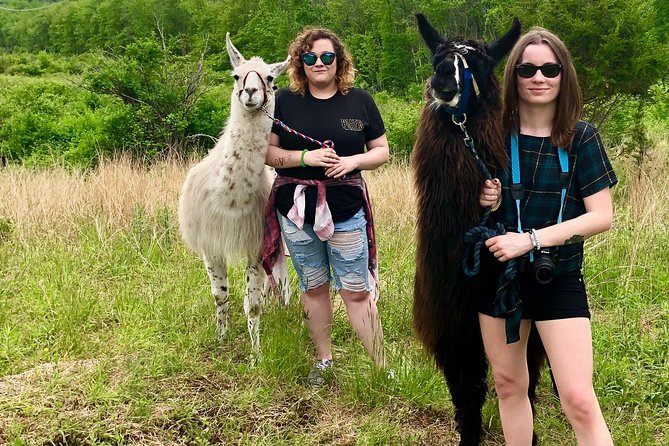
The llamas and alpacas are the stars, yet the smaller animals make the farm feel lived in. Meeting chickens, ducks, rabbits, and barn cats gives you a wider look at farm life than a single-animal encounter would provide.
For children eight and older, this variety keeps the visit interesting from the first minute. For adults, it makes the experience feel less staged. You are not simply waiting for a photo with an alpaca. You are walking through a farm where several kinds of animals share the setting.
The barn cats are described as especially friendly, so people who enjoy casual animal encounters may find the opening tour just as memorable as the llama walk. At the same time, you should not expect a full petting-zoo program. The listed focus is an introduction to the animals followed by the llama or alpaca trek.
No pets are permitted on the activity. That rule is worth noting if you are planning a day out with your own dog. Leave pets at home rather than assuming they can wait in the car or join the farm walk.
Same fields, a different sort of morning:
- Maui Pineapple Farm Tour in Haliimaile
★ 5.0 · 2,855 reviews - Premium Amish Country Tour including Amish Farm and House
★ 4.5 · 1,306 reviews - Unique Horse Farm Tours with Insider Access to Private Farms
★ 5.0 · 1,192 reviews - Lahaina: Maui Ku’ia Estate Guided Cacao Farm Tour and Tasting
★ 5.0 · 1,103 reviews
The 1850 homestead and Hudson Valley setting
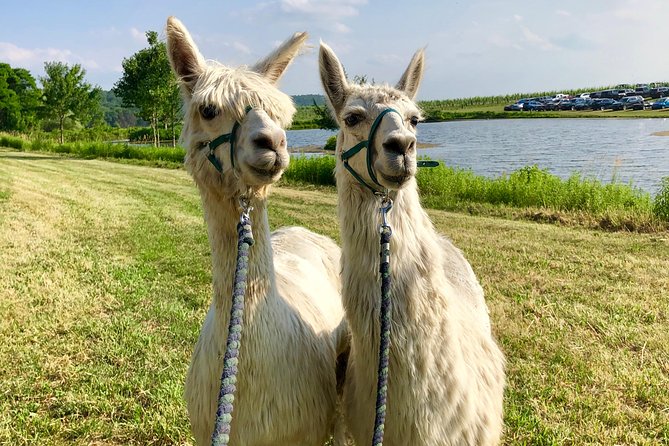
The farm’s 1850 homestead gives the activity a useful sense of history without turning it into a formal house tour. You hear a short story about the property and its place in the historic Hudson Valley, then experience the grounds at walking speed.
I like this combination because it connects the animals to the land. The farm is not just a backdrop for photographs. The old homestead, the acreage, the pastures, the paddocks, and the bass pond all help explain why the experience feels different from an indoor animal encounter.
The description calls the property 25 bucolic acres. That does not mean every foot of the farm is part of the route, but it does suggest a rural setting with room to move. The tour stays focused and lasts about 90 minutes, so you get a taste of the property rather than an all-day farm visit.
If you are already planning time in the Hudson Valley, this activity can add a quieter change of pace between larger attractions. It works best for people who enjoy being outdoors and are happy to let a farm animal set the rhythm.
Llama selfies and a stop at the farm store
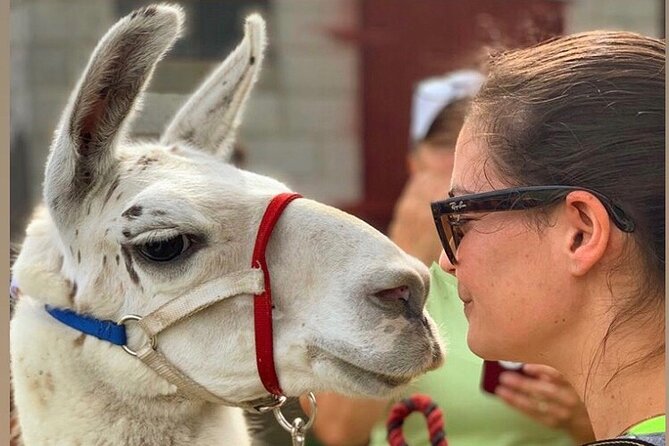
The guide encourages llama and alpaca selfies along the way. That gives you a natural reason to pause, but keep your phone secure and follow the instructions around the animals. A selfie is more fun when you are paying attention to the animal in front of you rather than trying to force a perfect pose.
The tour also hopes to leave a few minutes at the end for the farm store. You may find a farm memento there, though the specific merchandise is not listed. Treat this as a pleasant extra rather than the main reason to book.
The store stop can be useful if you want a small reminder of the visit or need a final few minutes to look around before leaving. Because the walk itself lasts about 90 minutes, do not assume you will have a long shopping period. If the group runs late or the animals need extra time, the store visit may be brief.
The activity ends back at the starting point. That keeps the logistics simple. You do not need to arrange a separate pickup or figure out how to return to your car from another part of the property.
Is $67 a fair price?
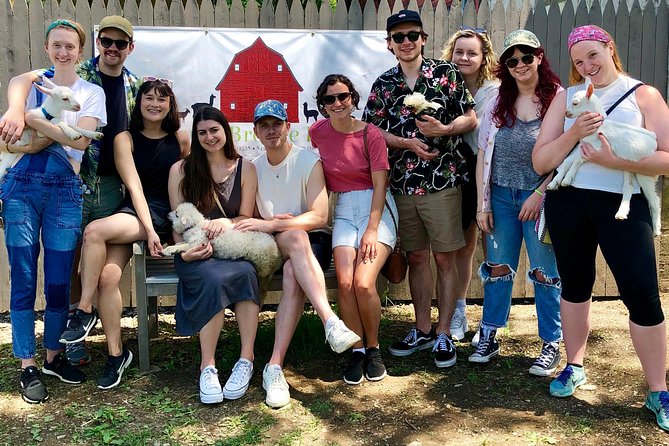
At $67 per person, this is not a bargain-priced farm admission, but it includes more than a basic entrance ticket. Your price covers entry to Clover Brooke Farm, the farm introduction, the animal safety lesson, the guided llama or alpaca walk, and bottled water.
The value comes from the structure and the small group size. You are not only looking at llamas from behind a fence. You receive guidance, lead an animal through the property, meet several other farm animals, and hear about the old homestead.
The 90-minute duration also matters. A short photo opportunity would make $67 harder to justify. Here, most of the visit is active and guided, with time built in for animal introductions and the walk.
I would consider it a good fit if you specifically want a llama or alpaca encounter and value a calm farm setting. If you are simply looking for inexpensive admission to a rural property, the price may feel high because the experience is designed around the guided animal trek.
Booking patterns suggest that people reserve this activity about 23 days ahead on average. That does not guarantee every date fills quickly, but it is a useful sign that advance planning is wise, especially since the group is limited to eight people and the listed schedule is narrow.
The posted operating information shows a Thursday morning time from 10:00 to 11:30. Check the date and time carefully before booking, since the available schedule may not suit a flexible last-minute itinerary.
Who will enjoy this farm walk most?
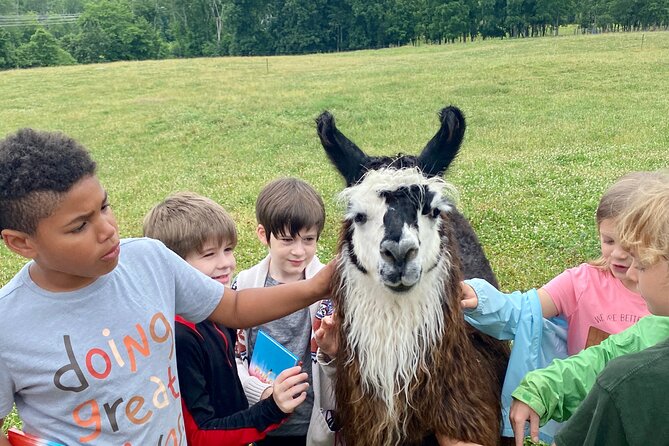
I would recommend this experience to animal lovers, families with children aged eight and older, couples looking for an unusual Hudson Valley activity, and anyone who prefers a small outdoor tour to a crowded attraction.
It also suits visitors who enjoy taking photographs but want more substance than a quick picture. The llamas and alpacas provide the obvious photo appeal, while the farm animals, homestead, pond, and pastures give you several kinds of scenery and interaction.
You should be comfortable walking about one mile over uneven ground. The activity is not recommended if you have difficulty walking that distance or handling uneven terrain. Good weather is also required, so build a little flexibility into your plans.
This is not the right pick for toddlers, anyone seeking a strenuous hike, or visitors who want a long free-form visit at the farm. It is a guided activity with a clear start and finish, not an all-day pass.
The experience also depends on the animals cooperating. That is part of its appeal, but it means the pace may be slower and less predictable than a standard sightseeing tour. Go in ready to listen, wait, and enjoy the encounter as it unfolds.
Booking, weather, and cancellation details
You receive confirmation at the time of booking, and the ticket is mobile, so you can show it from your phone. Admission is included, as is bottled water. Public restrooms are available, but pets are not allowed.
You can cancel up to 24 hours before the start time for a full refund. Changes or cancellations made less than 24 hours before the start time are not accepted for a refund. The cutoff uses local time.
Because the activity needs good weather, poor conditions may lead to a different date or a full refund. The farm also requires a minimum number of participants. If that minimum is not reached, you can be offered another date or activity, or receive a full refund.
Those rules are reasonable for an outdoor farm activity, but they make it smart to avoid placing the tour at the most fragile point in a tightly packed day. If bad weather would ruin your only chance to visit, consider scheduling it early enough in your trip to allow another date.
Should you book the Clover Brooke Farm hike?
Book it if you want a personal, animal-centered outing with a clear sense of place. The best parts are the chance to guide your own llama or alpaca, the variety of smaller farm animals, the 1850 homestead, and the small group of no more than eight people.
I especially like that the visit offers more than a staged photo. You learn basic handling, walk through pastures and paddocks, pass a bass pond, and get a glimpse of everyday farm life. Andrea’s warm care for the animals is an important part of the experience, according to the information provided.
Skip it if you dislike uneven walking, need a fully accessible route, are traveling with children under eight, or want a cheap and highly flexible attraction. At $67, the value depends on your interest in the guided animal encounter.
For the right visitor, this is a gentle, memorable Catskills activity. Wear practical shoes, bring bug spray, keep your phone ready for a selfie, and give the llamas and alpacas permission to set the pace.
FAQ
Where does the llama and alpaca hike take place?
The experience takes place at Clover Brooke Farm, 175 Ruskey Lane, Hyde Park, New York 12538, in the historic Hudson Valley area of the Catskills.
How long does the activity last?
The experience lasts approximately one hour and 30 minutes, including the farm introduction, animal orientation, and llama or alpaca walk.
What animals will I meet?
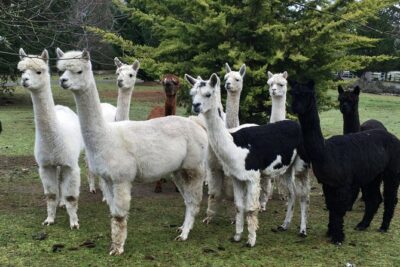
You will meet llamas and alpacas, along with rabbits, chickens, ducks, and barn cats.
Can children join the experience?
Yes, but all participants must be at least eight years old.
How much walking is involved?
You should be prepared to walk about one mile over uneven terrain. A moderate level of physical fitness is recommended.
What should I wear?
Wear comfortable, sturdy shoes. High heels and flip-flops are not encouraged. Bug spray is recommended.
Is water included?
Yes. Bottled water is included with the experience.
Are pets allowed?
No. Pets are not permitted on the activity.
What happens if the weather is poor?
The activity requires good weather. If it is canceled because of poor weather, you will be offered another date or a full refund.
More Hiking Trips in the USA
- Chiang Mai: 2-Day Jungle Trek with Elephant Farm & Raft Ride
★ 4.7 · 881 reviews - From Ho Chi Minh: Can Gio Trek – Monkey Island & Crocodile Farm
★ 5.0 · 353 reviews - Off the Map Chiang Mai Jungle Coffee Trek Roast and Brew
★ 5.0 · 107 reviews - Trekking Tour to Hidden Waterfall & Sturgeon Farm for dog-lovers
★ 5.0 · 67 reviews
Just added around the USA
- Las Vegas: Grand Canyon Ranch Tour with Horseback/Wagon Ride★ 4.7 · 38 reviews
- Combination Southfork Ranch and Dallas/JFK Highlights Tour★ 4.5 · 66 reviews
- Dallas and Southfork Ranch Small-Group Combo Tour★ 4.6 · 61 reviews
- Alpaca Ranch and Fiber Processing Mill Tour★ 5.0 · 24 reviews
- Guided Lilymoore Alpaca Farm Tour★ 5.0 · 38 reviews
- Grand Canyon West Skywalk Western Ranch Joshua Forest★ 5.0 · 67 reviews
- Lancaster: Amish Film, House, and Farmland Experience★ 4.6 · 72 reviews
- Bee Farm Ecotour and Honey Tasting in Waialua, North Shore Oahu★ 5.0 · 72 reviews
Alpaca and Llama Farms, compared.
Alpaca and Llama Farm Tour w/ Transfer & Weaving Demo
Read our review →
Lists this farm appears in