
Reviewed · ALPACA AND LLAMA FARMS
Cusco: Alpaca and Llama Farm Tour w/ Transfer & Weaving Demo
Cusco’s camelid farm tour brings you close to animals that are far more important to Andean life than their cute faces suggest. You can feed and pet alpacas and llamas, see vicuñas and huanacos, and learn how the Incas developed and used these animals. The weaving demonstration then connects the wool in front of you with Peru’s long textile tradition.
I like the easy 20-minute transfer from Cusco and the way the visit combines animals, history, and craft in one short outing. I also like that guides such as Marlith, Marileth, Olga, and Holger explain the differences between species instead of turning the visit into a simple photo stop. The main drawback is the retail area at the end, where prices can be high and you may feel watched while browsing.
Key points
- Feed and pet several Andean camelids: See two alpaca varieties, different llama types, vicuñas, and huanacos at close range.
- A useful first activity in Cusco: The relaxed pace works well while you are getting used to the city’s altitude.
- Traditional weaving is part of the visit: Watch wool being dyed and turned into textiles, and learn how to spot genuine baby alpaca fabric.
- Good city access: Pickup and return are included, with the farm about 20 minutes from Cusco’s historic center.
- Guides add real value: English and Spanish guides explain animal care, Inca connections, local culture, and textile work.
- Plan for shopping pressure: The final shop has attractive goods, but some prices are much higher than in Cusco shops.
Why this short farm visit works so well in Cusco
Cusco is packed with major sights, steep streets, museums, and day trips that demand an early start. This farm visit gives you something different: a short trip into the hills, close contact with Andean animals, and a gentle introduction to local culture without taking up an entire day.
The complete outing lasts about 150 minutes, including transfers. The guided portion at Manos de la Comunidad lasts about 80 minutes, giving you enough time to see the animals and watch the weaving without making the visit feel like a full-day excursion.
I see this as a particularly useful choice for your first or second day in Cusco. Several people used it as a calm way to get used to the altitude while still doing something worthwhile. You will still be moving around, but the program is much easier than a long hike or a high-altitude archaeological site.
The price is $34 per person. That includes hotel pickup and drop-off, a guide, the farm visit, the weaving presentation, and water. For a short guided outing with transport, that is a fair price, especially if you want a simple half-day plan and do not want to arrange a taxi yourself.
More Alpaca and Llama Farms in the world:
- Alpaca and Llama Farm Tour
★ 5.0 · 446 reviews - Shamarra Alpaca Farm Tours
★ 5.0 · 117 reviews - Llama/Alpaca Hike and Farm Tour
★ 5.0 · 111 reviews
The 20-minute ride from Cusco
Pickup begins in Cusco, followed by a drive of roughly 20 minutes from the historic center to the farm. The trip itself is brief, but the road climbs and can offer good views over the city. One account specifically praised the driver for handling the winding roads, so the transfer is part of the experience rather than a dull gap between stops.
Your guide may begin explaining the area, Cusco, or local customs during the ride. Guides such as Olga and Holger have been praised for answering broader questions about Peru and Inca culture, not just reciting facts about animals.
That flexibility matters. If you already know something about alpacas, you can ask about textiles, farming, or local traditions. If you are new to Peru, you can use the ride and the farm visit to get your bearings.
Hotel pickup and return are included, but the supplied details do not specify a fixed pickup time or a guaranteed group size. Check the available starting times when booking. The tour is offered in English and Spanish, and a separate entrance is available to help you skip the regular line.
Meeting the alpacas and llamas
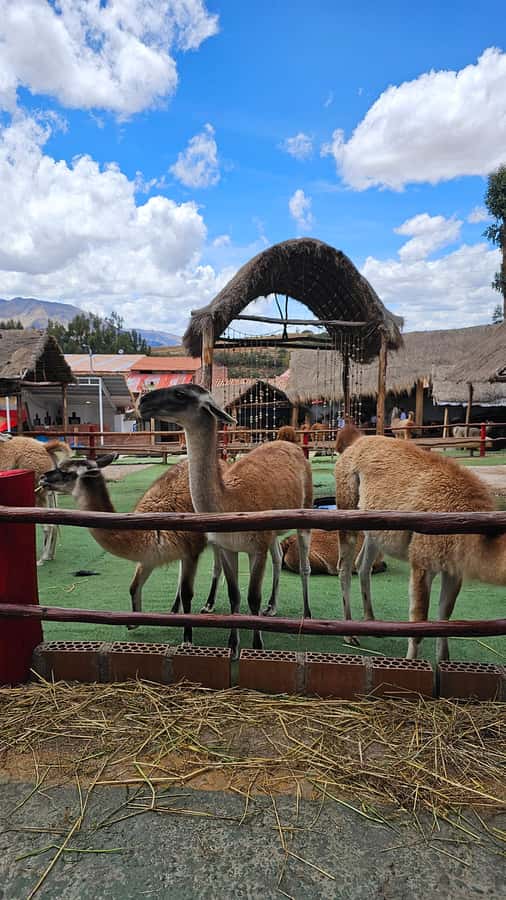
At the farm, the guide introduces the South American camelids and explains how they relate to one another. You learn about the process of domestication and the species developed or used by the Incas.
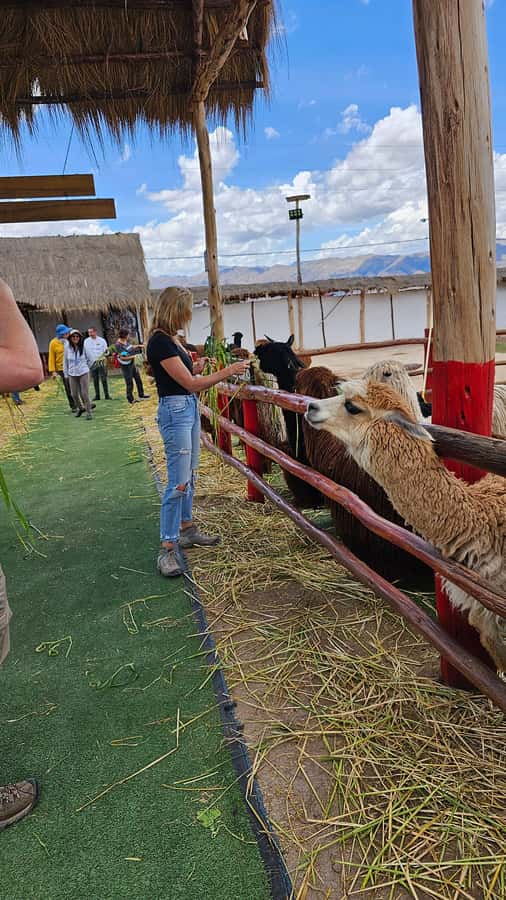
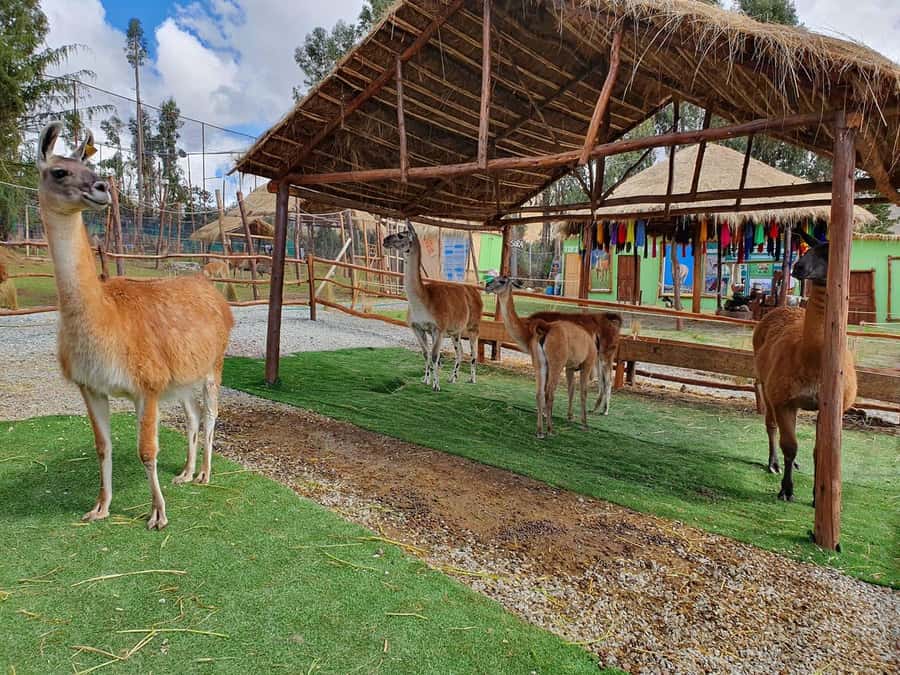
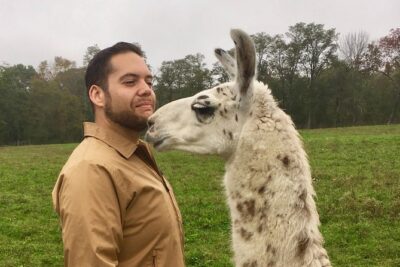
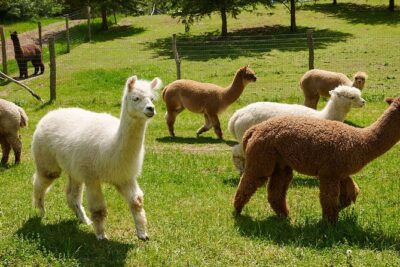
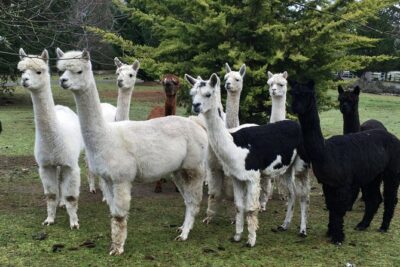
The focus is not limited to one photogenic alpaca. You see two varieties of alpaca and several types of llama, with one account describing four llama types. The guide explains physical differences and individual behavior, so you begin to notice more than just which animal has the fluffiest coat.
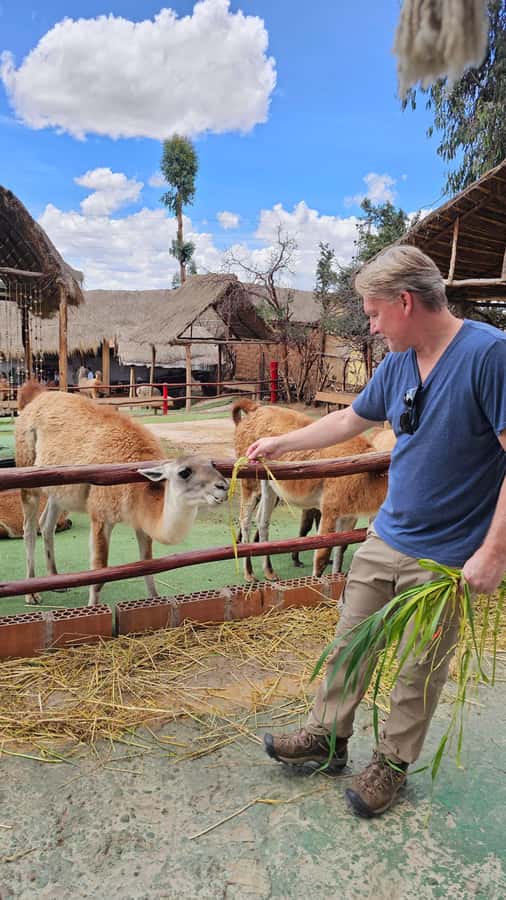
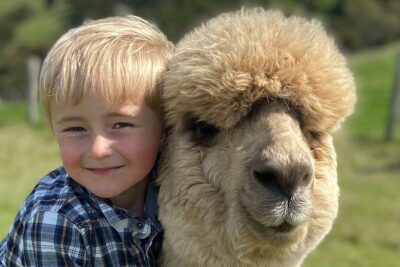
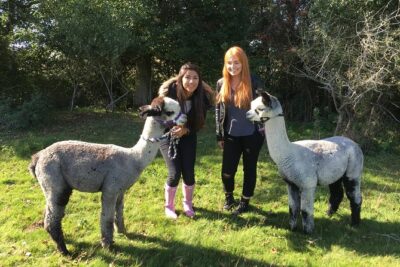
You can get close, take photos, feed some of the animals by hand, and pet them. That hands-on part is a major reason to choose this tour. It gives children and animal lovers something active to do, while the explanations keep the visit interesting for adults.
A good guide makes a clear difference here. Marlith and Marileth were singled out for their friendly, helpful approach, while Holger was praised for mixing facts with humor and answering questions about Cusco and Inca culture. You can also ask your guide to help with photos, a small but useful touch when you are traveling without a group of friends.
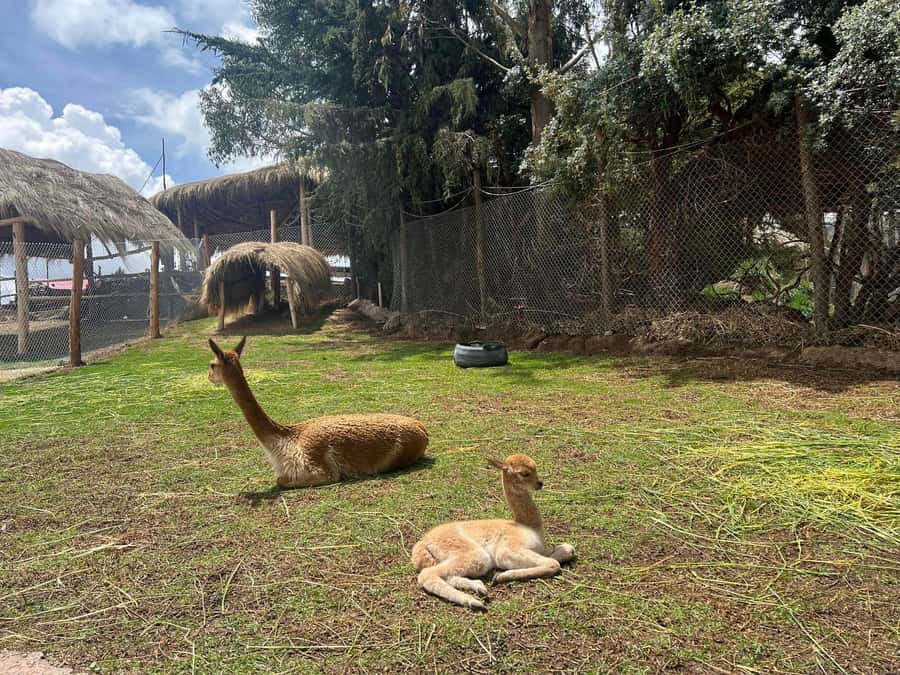
The animals are presented as rescues in some accounts, and several people noted that they appeared happy and healthy. The experience is still a managed farm visit, not a wild-animal encounter, so you should expect a set route and supervised contact rather than complete freedom to wander among the animals.
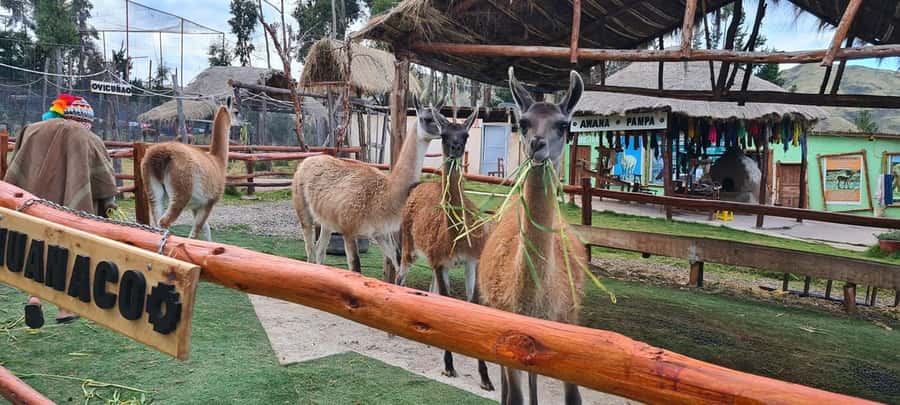
Vicuñas, huanacos, and other residents
The farm also introduces you to vicuñas and huanacos, the wild relatives of domesticated alpacas and llamas. Vicuñas are especially important in Andean culture and are often called the gold of the Andes because of the value of their fine wool.
Seeing these animals together helps make the guide’s explanation clearer. You can compare the shape, coat, and size of the different camelids instead of trying to remember a list of names from a museum display.
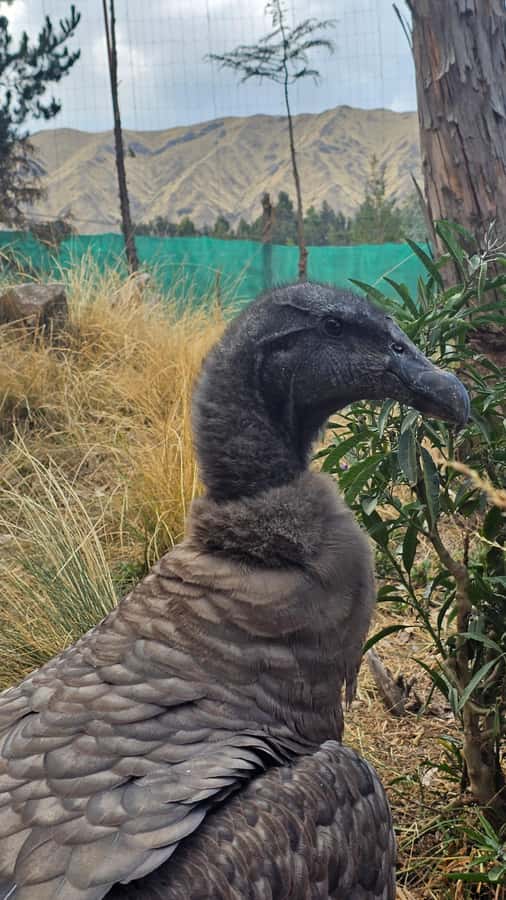
The visit may include other animals as well. Some people also saw rescued condors, deer, guinea pigs, and a museum area. These extras are not the central promise of the activity, so I would treat them as possible additions rather than guaranteed features.
The farm setting also gives you a break from Cusco’s traffic and crowds. You are not going far from the city, but the change in surroundings is noticeable. The short ride and open setting make this feel like a small rural outing without the time and effort required for a major excursion.
More Farm Tours in the world:
- Half-Day Thai Cooking Class at Organic Farm in Chiang Mai
★ 5.0 · 19,087 reviews - Florence Pizza or Pasta Class with Gelato Making at a Tuscan Farm
★ 5.0 · 6,801 reviews - Cooking Class and Lunch at a Tuscan Farmhouse with Local Market Tour from Florence
★ 5.0 · 4,831 reviews - Chiang Mai: Authentic Cooking Class with Market & Farm Visit
★ 4.9 · 4,546 reviews
The weaving demonstration and Andean textiles
After the animal portion, you watch local weaving techniques and learn how alpaca wool becomes clothing and other textiles. This is where the tour gains depth. You are not simply seeing a cute animal and taking a photograph. You are learning how animal husbandry, fiber, dyeing, and handcraft connect to daily life and the local economy.
The demonstration covers traditional methods used to produce textiles. You may see how wool is prepared, dyed, and woven by hand. The exact presentation can vary, but the point is to show the skill behind the finished scarves, sweaters, blankets, and other goods.
I find the lesson on genuine baby alpaca fabric especially useful. The guide can explain how to distinguish real baby alpaca products from imitations, a practical skill if you plan to shop in Peru. You may also see historic or ancient fabrics, which add context to the continuing textile tradition.
This is a good place to ask direct questions. Find out what the labels mean, how the fiber feels, and how the colors are produced. The guides are also able to explain why alpaca wool is prized and how the textile trade fits into the region’s economy.
The weaving section is not a long workshop where you make your own garment. It is a demonstration and explanation. If you want to spend hours learning on a loom, this is not the right activity. If you want a clear introduction before visiting markets or textile shops, it does the job well.
The shop: useful, attractive, and expensive
The visit usually ends near a large retail area. You can browse woven goods and look at the products after learning how they are made. The shop can be useful because your guide has already explained some ways to judge fiber and workmanship.
Still, you should keep your price expectations in check. One shopper compared yarn costing 15 soles in a Cusco shop with similar yarn marked at 60 soles here. That is a substantial difference, so I would not assume that every item is a bargain simply because it is sold at a farm connected with local crafts.
You may also feel that staff are following you while you browse. The pressure is not described as aggressive, and you are not required to buy anything, but the attention can make the final part less relaxed.
My advice is simple: treat the shop as an optional buying stop, not as part of the price you paid for the tour. Ask about the fiber content, compare prices later in Cusco, and buy only if you genuinely like the item and understand what you are paying for. The tour remains worthwhile even if you leave without a souvenir.
What makes the guides important
The animal information is easy to deliver poorly. A guide could simply point out the different creatures, let you take pictures, and move the group along. The strongest part of this experience is that the guides explain the reasons behind the differences.
Marlith, Marileth, Olga, and Holger are among the guides praised for friendly service, clear explanations, and patience with questions. The guide may also offer practical help, such as taking photos or suggesting a restaurant or pisco sour in Cusco.
English and Spanish tours are available. If you want to ask detailed questions about animal care, Inca culture, or weaving, make sure you select the language in which you can follow those explanations best.
The activity is wheelchair accessible, but the available details do not explain every surface, transfer step, or animal viewing area. If you use a wheelchair, confirm the precise arrangements before booking so the farm route matches your needs.
Who should book this Cusco farm tour?
I would recommend it to families, animal lovers, first-time visitors, and anyone who wants a low-pressure introduction to Andean culture. It is also a good choice if you have a spare morning or afternoon and do not want to commit to a long excursion.
It suits you especially well if you want to:
- See alpacas and llamas at close range
- Learn the basic differences between Andean camelids
- Feed and pet some of the animals
- Understand how alpaca wool becomes fabric
- Ask questions about Inca culture and local traditions
- Ease into Cusco activities while adjusting to the altitude
- Return to your hotel within a few hours
I would be less likely to choose it if your main goal is a remote, traditional farm deep in the countryside. This is a convenient attraction close to Cusco, and the retail area gives it a commercial side. The short duration also means the visit is structured and fairly compact.
One person felt the activity was shorter and more rushed than expected. That is worth keeping in mind. Most of the praise focuses on the relaxed pace, but if you want long, unhurried time with every animal, the schedule may feel tight.
Value at $34 per person
At $34, the tour offers a sensible mix of transport, interpretation, animal viewing, and textile education. A self-arranged taxi to a nearby attraction might cost less for a group, but you would then need to organize the ride, find the farm, and arrange explanations yourself.
The guide is the part that turns this from a simple animal visit into a cultural activity. You learn why the camelids matter, how the Incas used and developed them, and how wool continues to support local craft work.
The price does not include souvenirs, and I would not build a shopping budget around the final store. If you avoid impulse purchases, the cost stays clear and predictable.
The tour has a 4.9 rating from 151 bookings, with especially strong praise for the guides, the close animal contact, the weaving presentation, and the easy transportation. I would still balance that strong record against the two practical cautions: the retail prices and the possibility that the visit may feel short if you want a slower farm experience.
Booking flexibility and practical details
You can cancel up to 24 hours before the activity for a full refund. You can also reserve now and pay later, which helps if you are still arranging your Cusco schedule.
The total duration is 150 minutes, but starting times depend on availability. Pickup and drop-off at your hotel are included, as is water. The guided farm portion is listed at about 80 minutes.
Bring a phone or camera if you want animal photographs, and keep some space in your schedule after the tour in case you decide to browse the shop. You do not need to buy anything there.
Should you book it?
Book this tour if you want a convenient, friendly introduction to alpacas, llamas, vicuñas, huanacos, and Andean weaving without leaving Cusco for a full day. The guides add genuine value, and the chance to feed and pet the animals makes the visit more personal than a standard cultural presentation.
Skip it if you dislike commercial stops or want a remote rural experience with no fixed route. For most people, though, $34 is a fair price for a short outing that combines animals, craft, history, and hotel transport. I would place it early in a Cusco stay, when you want something interesting but not exhausting.
FAQ
How long does the Cusco alpaca and llama farm tour last?
The activity lasts 150 minutes, including the transfer to and from Cusco. The guided visit at Manos de la Comunidad lasts about 80 minutes.
How far is the farm from Cusco?
The farm is about 20 minutes from Cusco’s historic center by transfer.
Does the tour include hotel pickup and drop-off?
Yes. Hotel pickup and drop-off in Cusco are included.
What animals can I see?
You can see two varieties of alpaca, different types of llama, vicuñas, and huanacos. Some visits may also include condors, deer, and guinea pigs.
Can I feed or pet the animals?
Yes. The tour allows you to get close to the animals, and the experience can include feeding and petting alpacas and llamas.
Is a weaving demonstration included?
Yes. The visit includes a demonstration of traditional weaving techniques and an explanation of how wool is used to make textiles.
What languages are available?
Live guides are available in English and Spanish.
Is the activity wheelchair accessible?
Yes, the activity is listed as wheelchair accessible. You should confirm the exact route and transfer arrangements if you need specific accessibility support.
Can I cancel the booking?
Yes. You can cancel up to 24 hours in advance for a full refund. The activity also offers a reserve now and pay later option.
Just added around the world
- Hoi An: Cycling – Water Buffalo Riding Farming and Fishing★ 5.0 · 2 reviews
- Belém: Marajó Island Day Trip with Buffalo Farm Visit★ 4.0 · 16 reviews
- Cycling, Water Buffalo Riding, Traditional Farming Life★ 5.0 · 10 reviews
- Side, Alanya: Green Canyon Boat, Waterfall&Orchards Mix Tour★ 4.3 · 14 reviews
- Farmers Market visit & Turkish Cooking Class★ 5.0 · 60 reviews
- 2-Hour Alpaca Farm Experience in Kenilworth★ 4.5 · 14 reviews
- Cycling Through Vineyards & Farm Lunch & Ephesus visit★ 5.0 · 52 reviews
- Liverpool Music Icons Tour led by a member of 90s band The Farm★ 5.0 · 51 reviews
Alpaca and Llama Farms, compared.
Lists this farm appears in