
Reviewed · SPAIN FARM TOURS
Malaga: Farm-to-Table Tasting Experience with Abuela/Nonna
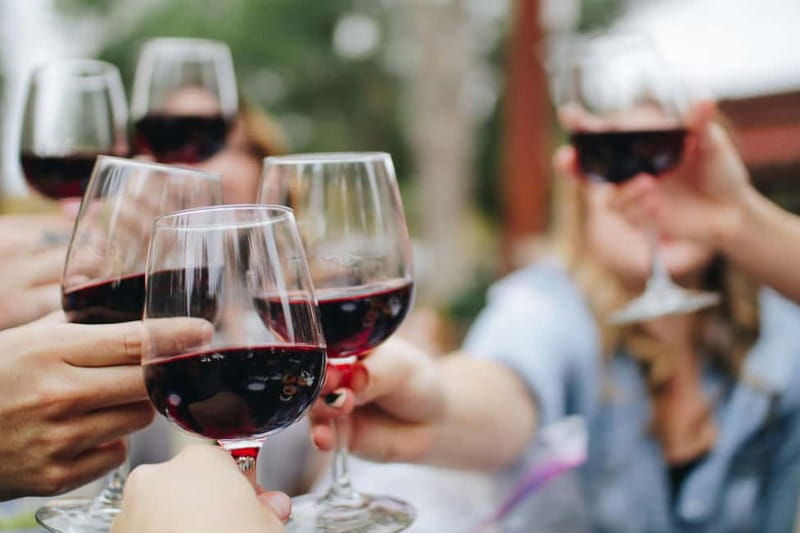
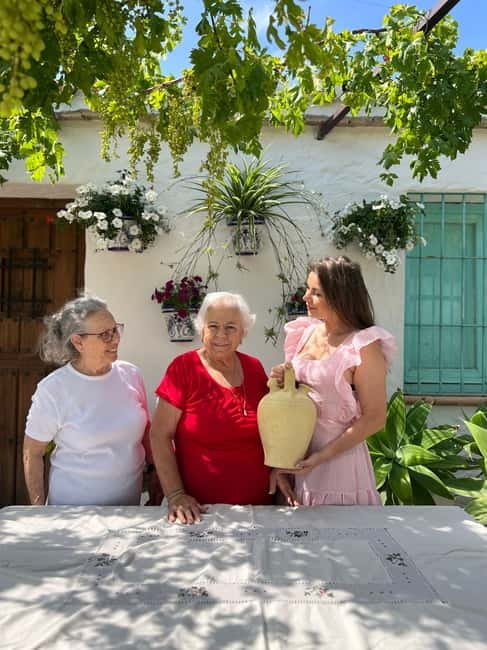
The most memorable part of this Malaga food experience is not simply the plate of jamón or the glass of local wine. It is the chance to taste Andalusia beside 82-year-old local grandmothers, who learned their cooking from their own mothers and grandmothers. Their food knowledge comes through family practice, not a classroom script.
I like the focus on olive oil tasting, where you compare at least three types and learn how quality oil should taste. I also like the setting: an outdoor table in an olive grove or another local culinary spot, rather than a standard restaurant room. The main consideration is dietary. This experience is not suitable for vegans, vegetarians, or people with food allergies.
Key Points
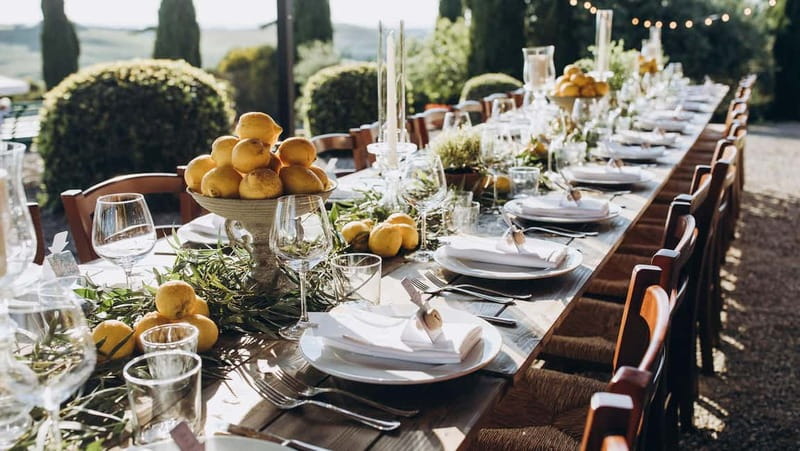
- Meet the abuelas: Two 82-year-old local grandmothers share family recipes, cooking stories, and regional food customs.
- Taste before you cook: The two-hour session includes olive oils, olives, cheeses, Iberian cold cuts, tapas, fruits, sweets, bread, and local wine.
- Learn to spot good olive oil: Compare at least three oils and hear how production affects flavor and quality.
- Eat in a countryside setting: The meeting point is an olive grove yard with an outdoor table, though pop-up locations may also be used.
- Bring home a family recipe: You receive a traditional Spanish recipe from the local grandmothers.
- Plan for transport: Travel to and from the activity is not included, and the full address is sent after booking.
A Taste of Andalusia Before the Main Meal
This is a two-hour food session in or near Malaga that treats eating as a way to understand the region. You sit down to a spread of products from Andalusia and nearby rural producers, then work through the tastes in a sensible order. Bread and picos come first, followed by olive oils, olives, nuts, fruit, cheese, meats, tapas, sweets, and wine.
That order matters. You are not simply handed a pile of snacks and told to enjoy yourself. The food is arranged to help you notice texture and flavor. Rustic bread and picos give you something plain to start with. Olive oil then becomes easier to assess. Salty olives, creamy cheese, cured meat, fresh salad, and sweet dried fruit show how Spanish meals move between sharp, rich, fresh, and sweet notes.
The session is led by the food team from Generations of Flavour. Aleksandra is identified as the enthusiastic host, and her husband also helps with the food and hospitality. The abuelas are central to the event, not just a decorative addition. You hear recipes and practical food secrets passed down through generations.
English, Polish, and Spanish are spoken. That makes the experience useful for a mixed-language group, though the amount of English instruction may vary with the group and the person leading each part.
More Farm Tours in Spain:
- Montserrat Lunch & Wine at Farmhouse Small Group from Barcelona
★ 5.0 · 2,368 reviews - Barcelona: Montserrat Visit & Lunch at Farmhouse Small Group
★ 4.7 · 1,313 reviews - Montserrat Full Day Tour with Farmhouse Lunch and Winery Visit
★ 5.0 · 1,068 reviews
Starting with Bread, Picos, and Olive Oil
The first tasting gives you rustic breads and picos, the thin, crisp breadsticks often served with Spanish food. These are simple foods, but they prepare your palate for the olive oil session.
The olive oil workshop is one of the strongest reasons to book. You taste a minimum of three extra virgin olive oils and learn how their production affects aroma and flavor. The point is not just to decide which one you prefer. You learn how to recognize good oil and avoid buying a poor product simply because the label looks Spanish or the bottle is attractively packaged.
A good olive oil tasting can change how you shop. You may notice bitterness, peppery heat, grassiness, fruitiness, or a softer finish. The experience promises practical advice on quality and tourist traps, which is especially useful if you plan to take olive oil home from Andalusia.
The outdoor setting adds meaning here. Tasting olive oil at a table in an olive grove connects the product with the trees and countryside around it. The exact setting can change, since the event also uses culinary schools, rooftop terraces, local restaurants, and other pop-up locations. In May and June, the stated locations are in central Malaga, but you should check the current address after booking.
Olives, Almonds, Figs, and Dates
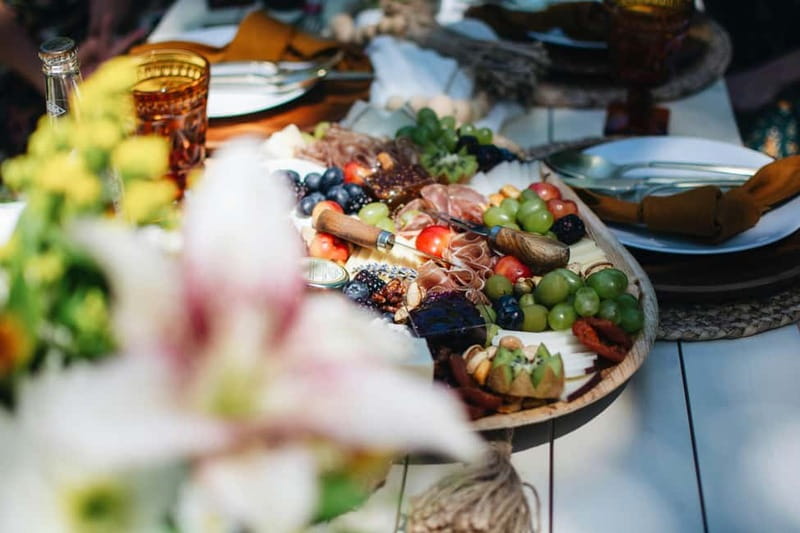
Next come artisan table olives, with an explanation of olive types, traditional curing, and harvesting. This is a good chance to understand why two olives can look similar but taste quite different. Curing brings salt, acidity, and fermentation into the picture, and the method changes the final flavor.
The tasting also includes Marcona almonds, local dried figs, and dates. Marcona almonds are rounder and softer than the common long almond variety, with a buttery texture that works well beside salty foods. Dried figs and dates add sweetness and show how fruit has long been used in daily cooking and festive meals.
I like this part because it explains how locals use these foods instead of treating them as random nibbles. You hear about their place in ordinary cooking and celebrations. It is a small detail, but food becomes more useful when you know when and why people eat it.
You will also try unusual local fruits. The precise fruits are seasonal and not listed, so you should expect some variation. That is a plus for curious eaters, but it means you should not book expecting one specific fruit.
Andalusian Cheese and Iberian Cold Cuts
The cheese portion features Andalusian cheeses from award-winning regional producers. The selection can vary, but the purpose is clear: compare regional cheeses and see how they fit with bread, olive oil, fruit, and wine.
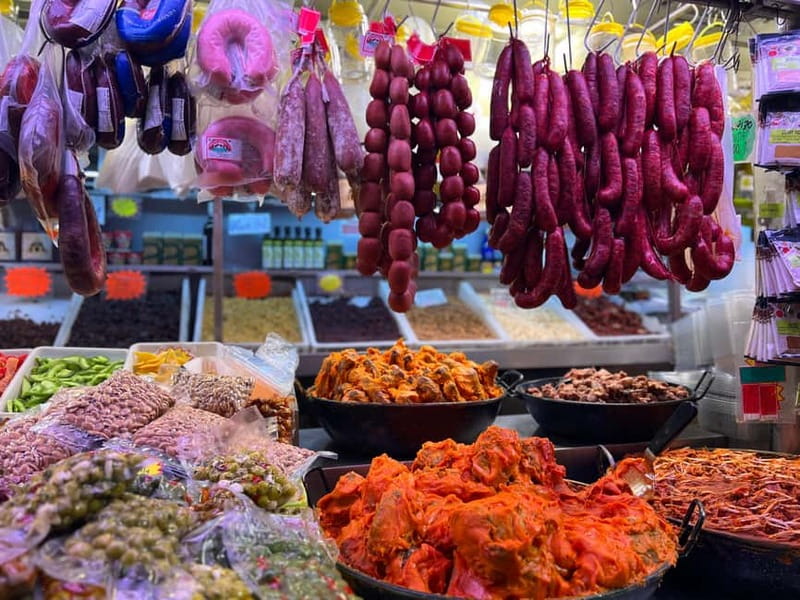
The Iberian cold cuts provide the heavier, more savory part of the tasting. Depending on the selection, you may try sliced jamón ibérico, chorizo, salchichón, or lomo. These meats are sourced from local producers in the countryside.
The wording matters here. This is not presented as a supermarket-style platter. The experience aims to show you high-quality regional products and explain where they come from. You still need to keep your expectations sensible. A two-hour tasting cannot provide a full survey of Andalusian cheese and cured meat, but it can give you a useful first guide to what to order in a tapas bar or look for in a market.
If you do not eat pork or meat, this part will limit the experience. The activity is specifically not suitable for vegetarians or vegans, and people with food allergies should not book it.
Same fields, a different sort of morning:
- Montserrat & Winery Visit Tour with Traditional Farmhouse Lunch
★ 4.5 · 1,035 reviews - Ría de Arousa: Boat Ride to Mussel Farm with Tasting
★ 4.7 · 845 reviews - Valencia: Orange Farm and Orchard Trip with Tastings
★ 4.9 · 702 reviews - La Herradura Coffee Farm: tour in Europe’s only plantation
★ 4.8 · 430 reviews
Tapas That Feel Like Home Cooking
The tapas section brings the tasting closer to a Spanish kitchen. You may try cold-sliced tortilla de patata, boquerones en vinagre, pipirana, or a seasonal salad.
Tortilla de patata is the familiar Spanish potato omelet, but its texture can vary greatly. Boquerones en vinagre are small anchovies cured in vinegar, with a bright, sharp taste. Pipirana is a fresh chopped salad, giving the table a lighter and cooler contrast to the cured meats and cheese.
The exact dishes may change with the season. That is worth keeping in mind if you have your heart set on one particular tapa. The benefit is that the food reflects what is available and what the cooks want to show you, rather than following a rigid menu all year.
The abuelas add the human side of this course. They explain how dishes are made at home and share local cooking secrets. You may also get to cook with them after the tasting, as part of the hands-on portion described for the experience. That makes this more than a food sampling session. You are given a small window into how recipes move from one generation to the next.
Stories from the Two 82-Year-Old Abuelas
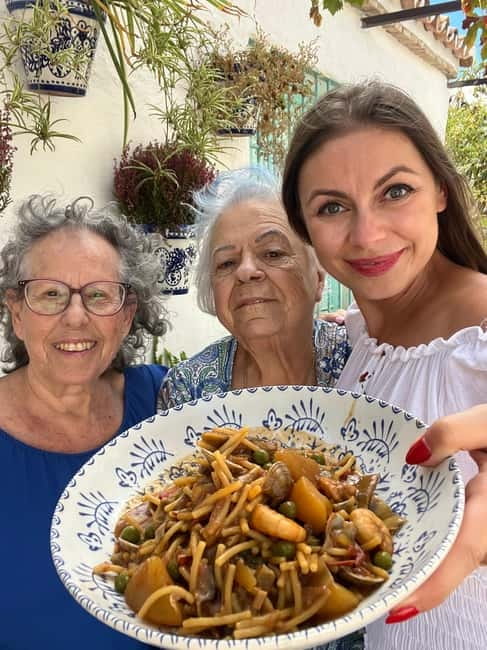
The two local grandmothers are the heart of the experience. At 82, they bring decades of cooking practice and family memory to the table. Their role is to share traditional dishes, explain regional flavors, and pass on a Spanish family recipe.
This can be especially valuable if you want more than a guide listing ingredients. A grandmother explaining how a dish is used at home gives you context that a menu cannot. You learn not only what people eat, but also how family recipes survive.
The experience is connected with cooking content shared by the abuelas on Instagram, and they teach local pueblo dishes during the sessions. That detail suggests a personal, informal style rather than a formal chef demonstration. Still, the pace is only two hours, so you should expect a focused introduction, not a full cooking course.
You take home a traditional recipe for a Spanish dish. It gives you something practical to use after your trip. I would make a note of the ingredients during the session and ask questions while the abuelas are explaining the method. The recipe is the souvenir, but the stories are what make it memorable.
Wine, Sweets, and the Final Course
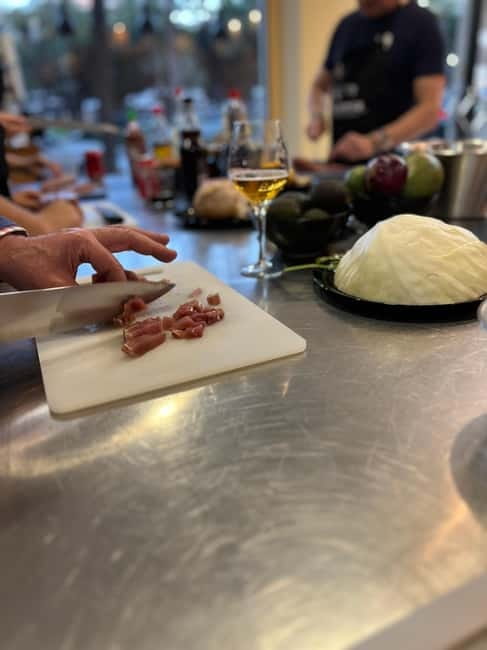
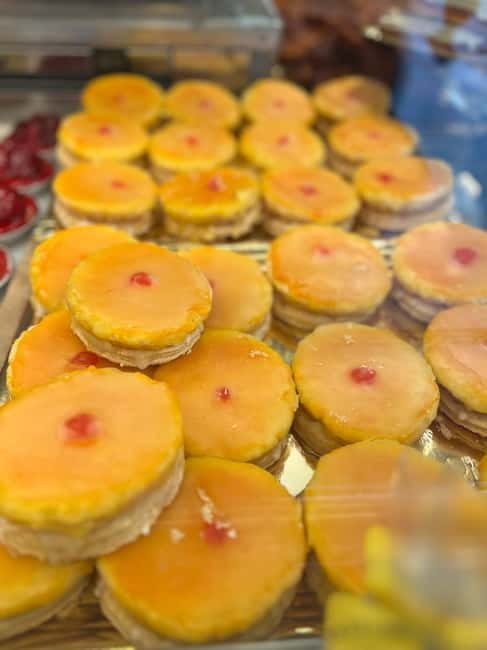
Local wine is included, along with vintage sweets sourced from older family bakeries and artisan shops. The sweets provide a final taste of Andalusia after the salty meats, olives, cheese, and tapas.
The phrase vintage sweets refers to traditional products rather than a modern dessert course. You might find familiar Spanish baking flavors, but the exact items are not specified. That uncertainty is normal for a tasting built around local sourcing.
Wine is part of the meal rather than a separate winery visit. You should not expect a full wine education or a large selection of bottles. Instead, it is there to accompany the food and help create the relaxed, social feeling of an Andalusian table.
The event is also promoted as a way to meet like-minded people. Since the format includes shared food, storytelling, and conversation, it suits couples, solo visitors, and small groups who enjoy eating with others. The available information does not state a group size, so you should not assume this is a private class.
The Olive Grove Setting and Practical Logistics
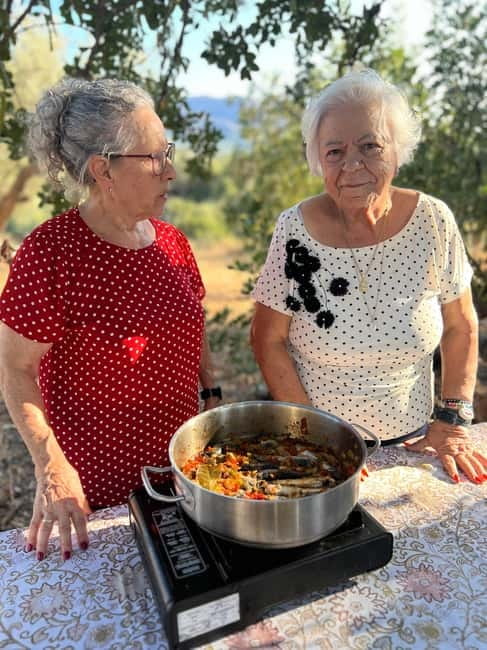
The meeting point is described as an olive grove yard with a beautiful outdoor countryside table. The full address is provided after booking. Other sessions may take place at a culinary school, rooftop terrace, local restaurant, or another food spot known locally.
This variety gives the experience character, but it also means you need to check the address carefully. Transportation to and from the activity is not included. If the location is outside central Malaga, you must arrange your own way there and back. Do not build a tight connection with another tour immediately afterward.
For an outdoor session, wear comfortable shoes and bring a sun hat, sunscreen, and water. A camera is useful, especially if you want photos of the table and the olive grove. Smoking and pets are not allowed.
The experience lasts two hours. That is long enough for a generous tasting and conversation, but short enough to fit into a Malaga sightseeing day. You might schedule it around a morning walk through the city or an early afternoon visit, depending on the starting time available.
Is $112 a Fair Price?
At $112 per person, this is not a cheap snack stop. You are paying for a guided tasting, premium regional products, local wine, an olive oil workshop, a countryside or special culinary setting, and time with the abuelas.
The value depends on what you want from a food experience. If you only want a quick plate of tapas, the price will feel high. Malaga has cheaper ways to eat jamón, cheese, olives, and tortilla. If you want personal stories, a guided comparison of olive oils, several tasting courses, a recipe to take home, and a chance to cook with local grandmothers, the price makes more sense.
The amount of food is another factor. The experience includes bread, picos, olive oils, olives, almonds, dried fruit, cheeses, Iberian meats, tapas, unusual fruit, sweets, and wine. It is designed as a substantial tasting, though it should not automatically replace a full dinner unless you are a light eater.
The two available ratings are five out of five, with praise focused on the location, the hospitality, the amount of food, Aleksandra, her husband, and the two abuelas. Those details point to the social side as a major part of the value. You are paying for an afternoon at the table, not just for individual ingredients.
Who Should Book This Malaga Food Experience?
I would recommend it to you if you enjoy regional food, want to learn how to judge olive oil, and prefer meeting people over sitting silently in a restaurant. It is particularly well suited to visitors who value family stories and traditional cooking over polished culinary theater.
It also works well for a food-focused first or second day in Malaga. You get a basic map of local flavors, then know what to look for in markets, tapas bars, and food shops later in your stay.
This is not the right choice for you if you are vegan, vegetarian, or managing food allergies. It is also a poor fit if you want a precise menu, a fully private class, or a guaranteed city-center location. The setting and some foods can change, and the address arrives after booking.
The activity offers free cancellation up to 24 hours before the start time, and you can reserve now and pay later. Those policies help if your Malaga schedule is still moving, but you should still confirm the meeting address and transport plan before the day of the event.
Should You Book It?
Book this experience if you want Andalusian food with a personal story attached. The olive oil comparison, countryside table, local wine, and generous tasting give you plenty to eat, while the two 82-year-old abuelas provide the connection that makes the session different from an ordinary tapas class.
Skip it if you need strict dietary control or want a low-cost meal. For everyone else, $112 is reasonable when you treat it as a two-hour cultural food experience with teaching, tasting, and a family recipe, rather than as lunch alone.
FAQ
How long does the Malaga farm-to-table tasting last?
The experience lasts two hours. Starting times vary, so you should check availability when booking.
What foods are included?
The tasting includes rustic breads and picos, at least three extra virgin olive oils, artisan table olives, Marcona almonds, dried figs, dates, Andalusian cheeses, Iberian cold cuts, Spanish tapas, unusual local fruits, vintage sweets, and local wine.
Will I meet local Spanish grandmothers?
Yes. Two local grandmothers who are 82 years old join the experience to share cooking stories, regional food secrets, and a traditional family recipe.
Is a recipe included?
Yes. You receive a traditional Spanish recipe from the local grandmothers to take home.
Where does the experience take place?
The meeting point is an olive grove yard with an outdoor countryside table. Sessions may also use pop-up locations such as culinary schools, rooftop terraces, local restaurants, or other local culinary spots. The full address is provided after booking.
Is transportation included?
No. Transportation to and from the activity is not included.
Which languages are spoken?
The experience is available in English, Polish, and Spanish.
Is the activity suitable for vegetarians or people with food allergies?
No. The activity is not suitable for vegans, vegetarians, or people with food allergies.
Can I cancel or pay later?
You can cancel up to 24 hours in advance for a full refund. You can also reserve now and pay later.
Just added around Spain
- Vigo: Bay of San Simón Mussel Farming Tour★ 5.0 · 6 reviews
- Animal farm park with free hotel pickup★ 5.0 · 2 reviews
- Olive Oil Farm Tour with Tasting from Seville★ 4.5 · 61 reviews
- From Seville: Pig Farm private day tour and old villages visit★ 4.5 · 4 reviews
- Bull Breeding Farm: Guided Half-Day Tour from Seville★ 4.5 · 24 reviews
- ” Basque Farm House & Cider house” tour + meal from San Sebastian★ 5.0 · 9 reviews
- Fuerteventura Villages Caves and Farm Tour with Lunch from North★ 3.0 · 9 reviews
- Menorca: Cheesemaking and Farm-Fresh Product Tasting★ 5.0 · 29 reviews
Spain Farm Tours, compared.

Montserrat Lunch & Wine at Farmhouse Small Group from Barcelona
Read our review →
Montserrat Visit & Lunch at Farmhouse Small Group
Read our review →
Montserrat Full Day Tour with Farmhouse Lunch and Winery Visit
Read our review →
Montserrat & Winery Visit Tour with Traditional Farmhouse Lunch
Read our review →
Ría de Arousa: Boat Ride to Mussel Farm with Tasting
Read our review →
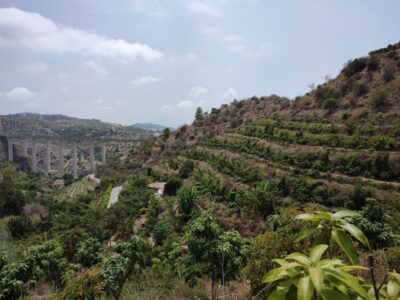
La Herradura Coffee Farm: tour in Europe’s only plantation
Read our review →
Alicante : E-Bike Coast Tour, Roman Fish Farm and Snorkeling
Read our review →Lists this farm appears in