
Reviewed · HORSE AND STUD FARMS
Ocala: Gypsy Gold Horse Farm Horses & History Tour
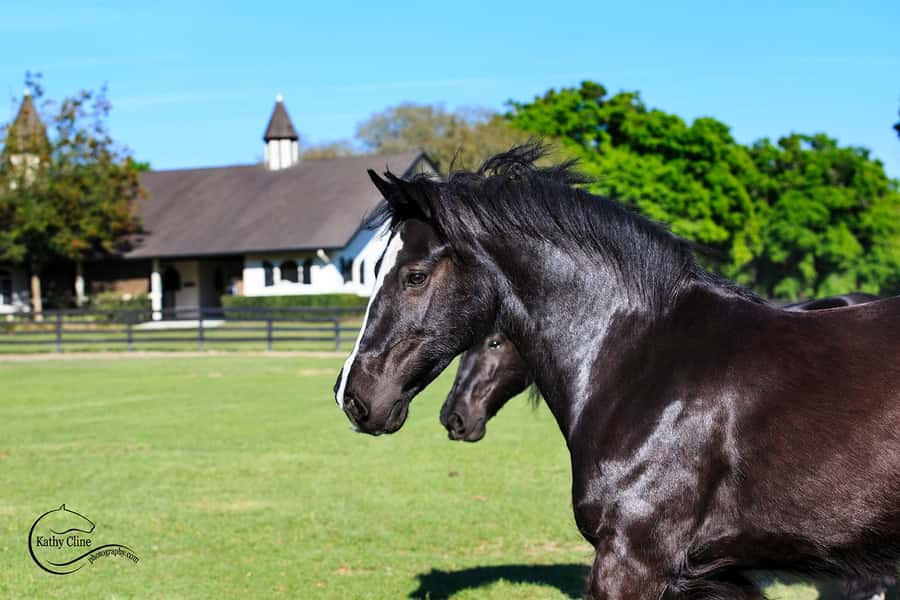
The main draw here is not simply seeing pretty horses. It is hearing how Dennis and Cindy Thompson found an unusual horse in the English countryside, learned about the British Gypsy culture behind it, and helped create a recognized breed in the United States. The farm is home to the first 16 registered Gypsy Vanner horses, which gives the visit a real sense of place and purpose.
I like the combination of horse history and living culture, rather than a quick photo stop with animals. I also like that the two-hour tour includes both Dennis Thompson’s talk and a guided walk across the 40-acre farm. The main caution is that this is an educational program, not a hands-on children’s petting-farm visit. One booking review found the experience boring for children, so think carefully about your group.
Key points to know before booking
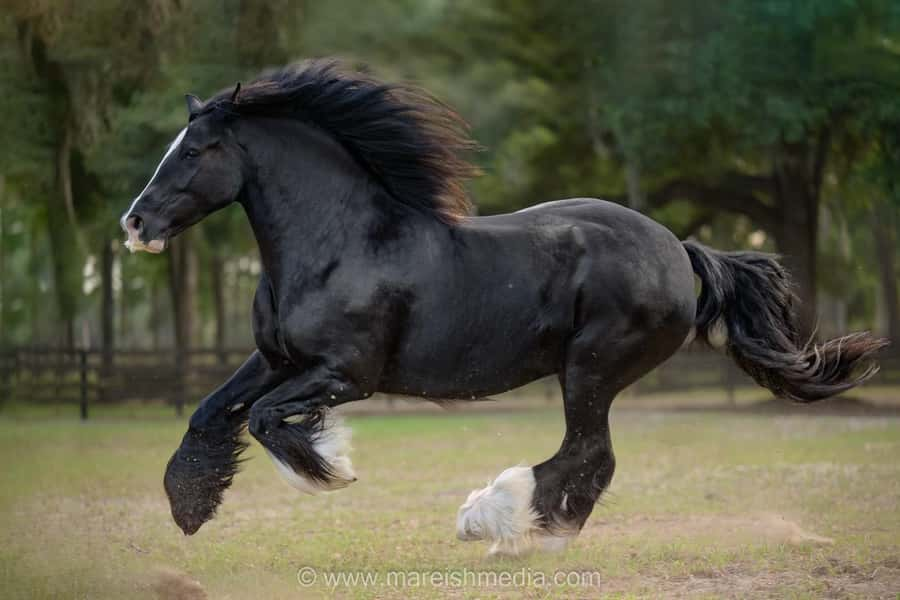
- The first Gypsy Vanner horses in America: Gypsy Gold is home to the original 16 registered horses brought to the United States.
- Dennis and Cindy Thompson lead the story: You learn how the couple discovered the breed and helped establish the Gypsy Vanner Horse Society.
- Two tour choices are available: Pick the two-hour Horses & History tour or the one-hour walking tour.
- The longer tour begins with a lecture: Dennis gives a one-hour presentation before the horse photo opportunity and farm walk.
- This is a private-group experience: The tour is offered in English and is priced at $50 per person.
- Bring carrots, water, and sun protection: Closed-toe shoes are required, and the Florida heat can make simple preparation important.
Why Gypsy Gold is more than a horse farm visit
Gypsy Gold Horse Farm sits on 40 acres in Ocala, a Florida city known as the Horse Capital of the World. The farm’s importance comes from its role in introducing the Gypsy Vanner horse to North America, not just from the number of animals on the property.
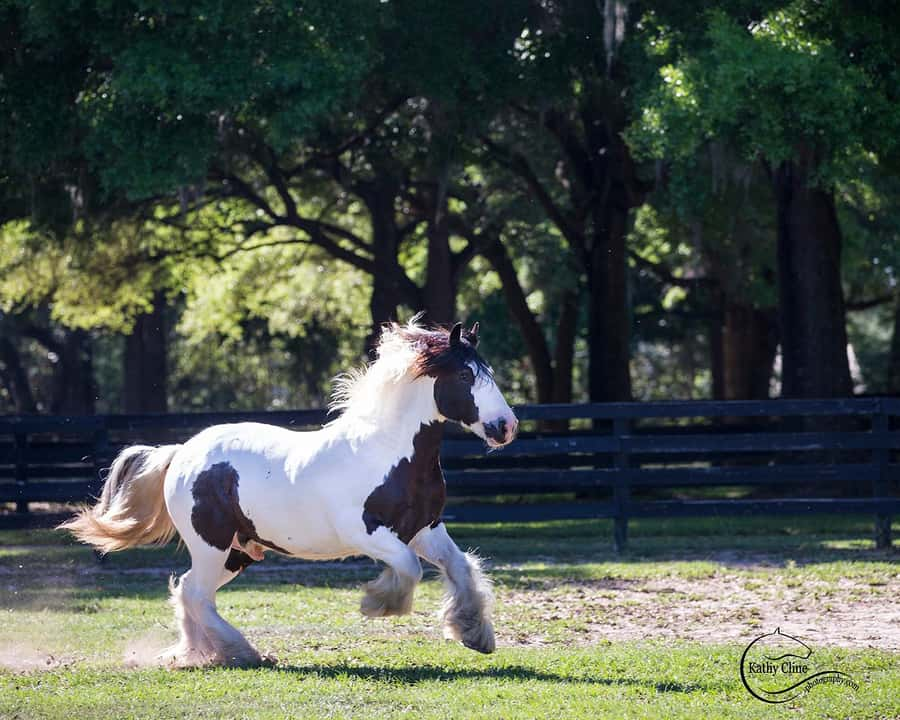
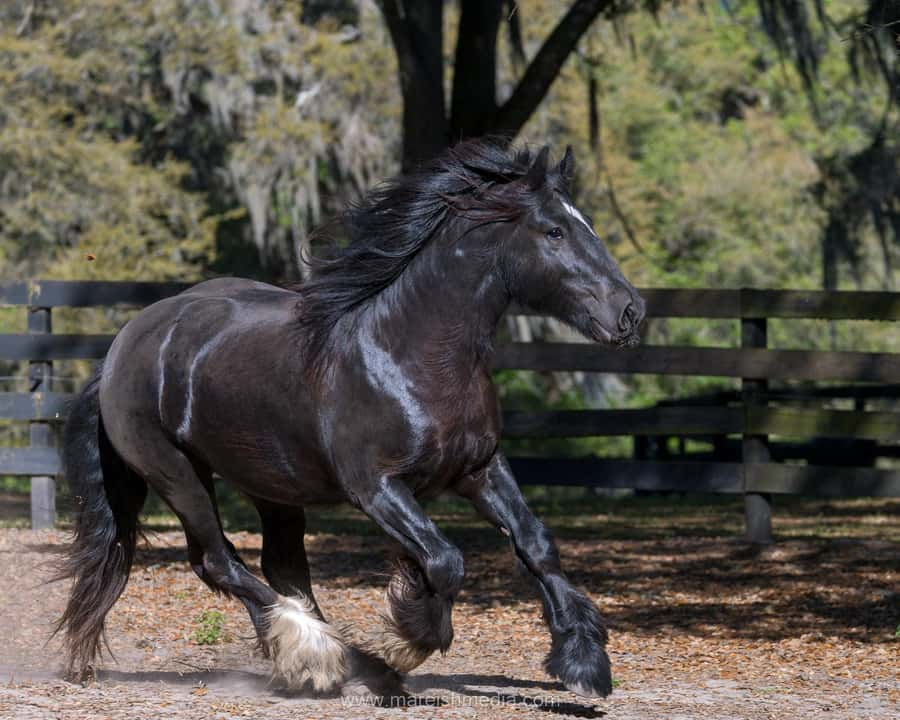
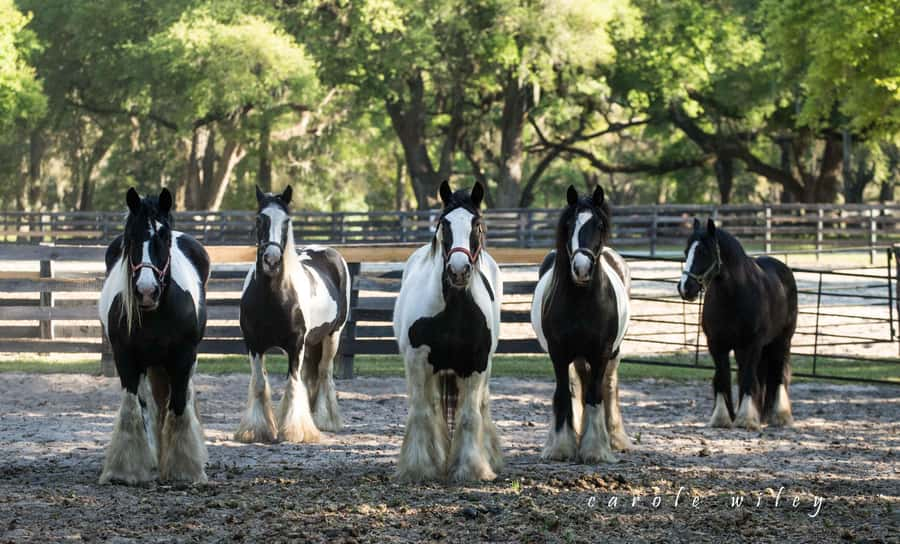
The breed was developed by British Gypsies, who bred horses for a distinctive look and practical purpose. The horses are known for their colorful coats and feathering around the lower legs, details that make them easy to recognize. At Gypsy Gold, the horses are tied to a larger story about a culture that is often misunderstood.
That cultural piece matters. You are not simply walking past stalls, paddocks, or pasture areas and taking pictures. You are learning why the horse exists, who created it, and how one couple helped organize its recognition as a breed.
I appreciate that the tour connects the farm to the people behind it. Dennis and Cindy Thompson spent four years learning about horses raised by British Gypsies and the culture that shaped them. They later helped name the breed Gypsy Vanner Horse and founded the Gypsy Vanner Horse Society, the first registry for a breed developed by British Gypsies.
That background gives the property a strong sense of identity. It also means the tour works best for people who enjoy stories, explanation, and context. If you want only a short animal encounter, the one-hour walking option may suit you better.
More Horse and Stud Farms in the USA
- Half-Day Thoroughbred Horse Farm Tour in Kentucky
★ 5.0 · 1,924 reviews - Unique Horse Farm Tours with Insider Access to Private Farms
★ 5.0 · 1,192 reviews - Gypsy Gold Horse Farm Tour
★ 5.0 · 438 reviews
The one-hour history talk with Dennis Thompson
The two-hour Horses & History tour starts with a one-hour lecture by Dennis Thompson. This is the most important part of the visit if you want to understand what makes Gypsy Gold different from a standard horse farm tour.
Dennis explains how he and Cindy first saw a distinctive horse while traveling through the English countryside. They learned that the horse belonged to a Gypsy and spent the rest of that day in a Gypsy camp, asking questions and learning about the animal.
From there, their interest grew into a four-year effort to understand the breed and its origins. The talk covers the process of bringing the first 16 horses to the United States and setting up a registry for the breed.
You should expect this hour to be structured and educational. It is not a short introduction before the real activity. The talk is the heart of the longer tour, and it sets up everything you see afterward.
I like this format because a horse’s appearance alone tells you very little. You may notice the feathered legs, striking colors, and sturdy build right away. The lecture explains why those traits matter and places the breed within British Gypsy culture.
The cultural subject also calls for attention and respect. The farm presents a society that is often poorly understood, so this part of the tour may appeal to you if you enjoy learning about communities through their traditions and work. If your children have little interest in history or animal breeding, the long lecture may test their patience.
One booking review specifically described the experience as unsuitable for children who became bored. That is useful advice, not a criticism of the horses. The program is built around listening and learning, and not every young child will enjoy that pace.
Meeting the first 16 registered horses
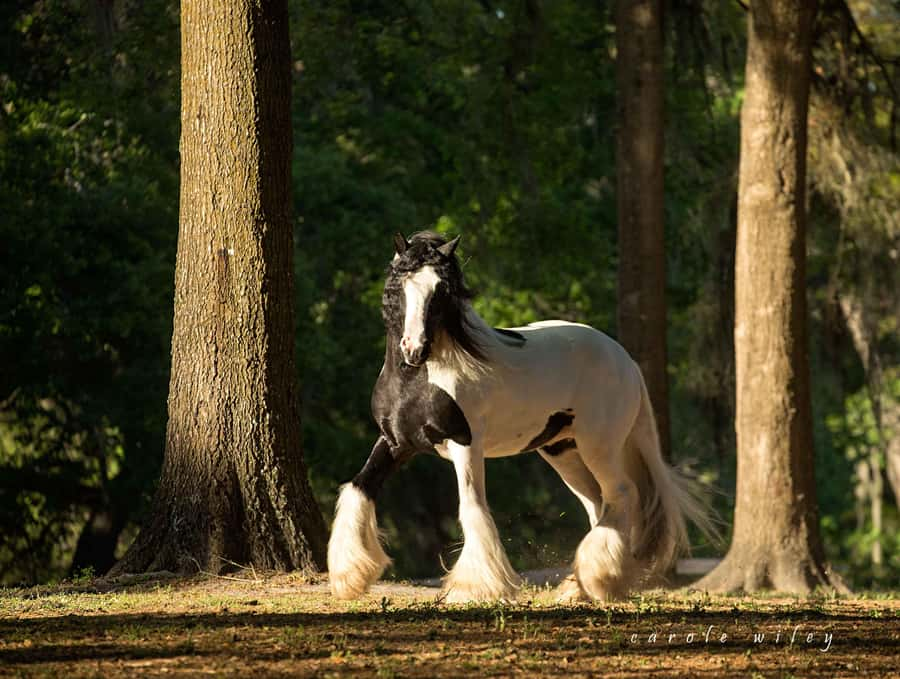
After the lecture, you get a photo opportunity with a Gypsy Vanner horse. This gives you a clear moment to appreciate the breed at close range and take pictures.
The important detail is that the horses at Gypsy Gold are not random examples of the breed. The farm is home to the first 16 registered Gypsy Vanner horses in the United States. That fact adds weight to the photo stop, since you are seeing animals connected directly to the breed’s American beginnings.
The photo opportunity also breaks up the lecture before the walking portion. Bring your camera, but keep your focus on the experience rather than treating it like a fast photo line. The supplied information does not promise riding, feeding, or extended hands-on contact, so you should not book this expecting those activities.
You are advised to bring carrots. That suggests there may be an opportunity to offer them to the animals, but the exact feeding arrangements are not specified. Follow the guide’s instructions and bring only what is requested.
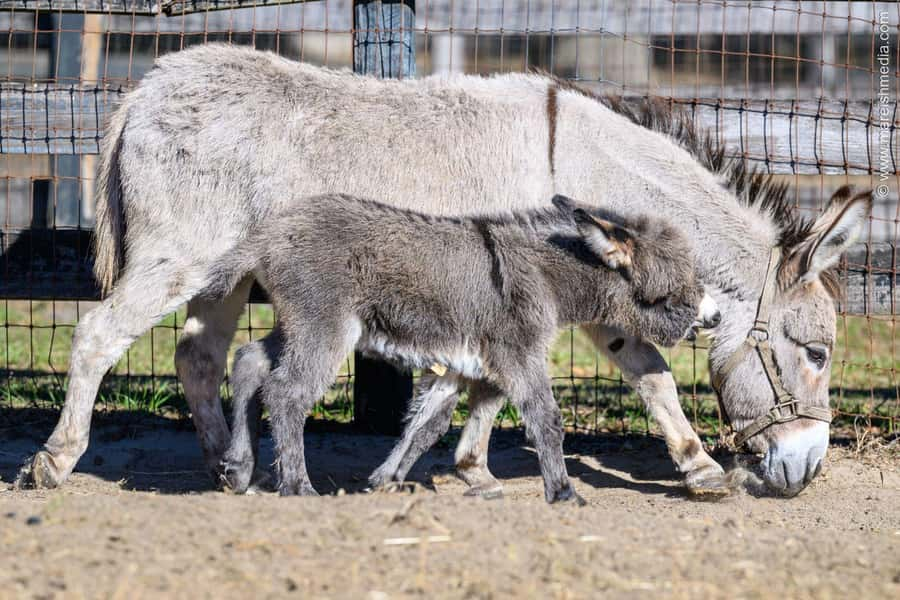
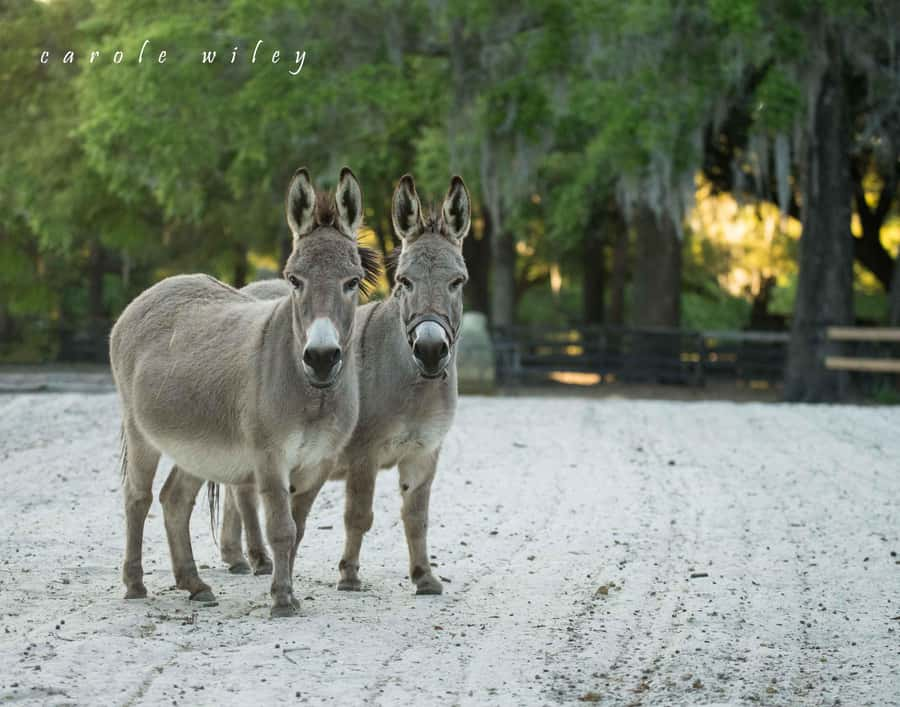
The horses are the obvious stars, but the farm is also home to mules, donkeys, and parrots. These animals give the walking tour more variety and help the property feel like a working animal farm rather than a single-breed display.
Walking the 40-acre farm
The final hour of the longer tour is a guided walk around the farm. You meet the horses and the other animals that live at Gypsy Gold while seeing more of the 40-acre property.
The walking portion is where the earlier history becomes tangible. After learning how the breed reached America, you can see the horses connected to that story. You also have time to compare different animals and notice how the farm’s residents vary in appearance and character.
Plan for outdoor conditions. Comfortable walking shoes, a hat, sunscreen, and water are specifically recommended, while closed-toe shoes are required. Florida weather can make a short walk feel much longer if you arrive without sun protection.
The farm walk may be a good fit for you if you like a relaxed pace and want time to ask questions. It may be less appealing if you have limited mobility or dislike walking on farm property. The experience is not suitable for wheelchair users, and people with animal allergies should avoid booking it.
Because the tour is listed as a private group, you have a more personal setting than you might get on a large public outing. The precise group size is not provided, so you should not assume a completely private visit for only your own family unless that is confirmed when you book.
Same fields, a different sort of morning:
- Maui Pineapple Farm Tour in Haliimaile
★ 5.0 · 2,855 reviews - Premium Amish Country Tour including Amish Farm and House
★ 4.5 · 1,306 reviews - Lahaina: Maui Ku’ia Estate Guided Cacao Farm Tour and Tasting
★ 5.0 · 1,103 reviews - Maui: Road to Hana Adventure with Farm to Table Lunch
★ 5.0 · 877 reviews
Choosing between the two tour lengths
You can choose between the two-hour Horses & History tour and a one-hour walking tour. The longer choice gives you the full story, the horse photo opportunity, and the guided farm walk.
I would choose the two-hour option if this is your first visit to Gypsy Gold or if you want to understand why the farm matters. The lecture explains the breed’s origin, the Thompson family’s role, and the link to British Gypsy culture. Without that background, the walking tour may feel like a pleasant animal visit without the same historical meaning.
The one-hour walk may suit you if you mainly want to see the farm and animals. It could also work better for families with younger children, though the available information does not describe the walking route in detail or promise a special children’s format.
The longer tour is offered at 10:00 AM and 1:30 PM on Mondays, Wednesdays, Fridays, and Saturdays. The walking tour’s exact starting times are not separately stated, so check availability before making plans.
Give yourself enough time to arrive at the farm without rushing. Transportation is not included, and the property is in Ocala. You will need to arrange your own way there.
Is $50 per person a fair price?
At $50 per person, this is more expensive than a basic farm admission, but it includes two hours with a guide, a history presentation, a horse photo opportunity, and a guided visit to a significant group of horses.
The value depends on what you want from the day. If you care about the origins of the Gypsy Vanner breed and enjoy personal stories about animal breeding and cultural traditions, the price is reasonable. You are paying for the explanation and access to the Thompson family’s story, not just for a walk around a property.
If your main goal is to entertain small children, the price may feel harder to justify. The available feedback includes one very poor experience from a family who expected something different and found the children bored. That is the clearest warning to take seriously.
The strongest praise centers on the hosts and the information. One booking described the hosts as wonderful and the tour as very informative. Another praised the story of Dennis, the horses, and the farm, along with Cindy’s warm and friendly manner. Those comments point to the personal nature of the experience, which is central to its value.
The overall rating provided is 4.5 out of 5 from 11 ratings. That is a good result, but the small number of ratings means you should pay attention to the format rather than rely on the score alone.
Who will enjoy Gypsy Gold most?
I would recommend the tour to adults, horse lovers, history fans, and anyone interested in how a new breed gains recognition. It also suits visitors already spending time in Ocala who want a focused activity with a clear local connection.
You will get the most from it if you are happy to sit through a one-hour talk and then walk outdoors. Bring questions, because the story of the breed and the Thompson family gives you plenty of subjects to ask about.
The experience may also suit older children and teenagers who like horses or unusual cultural history. Younger children may struggle with the lecture, particularly if they expect to ride, play with animals, or take part in a highly active program.
I would skip it if you have animal allergies, need wheelchair access, or want a short, highly interactive animal encounter. Smoking and pets are not allowed, so plan accordingly.
Practical preparation for your visit
Wear closed-toe walking shoes. This is the one item you should treat as essential, not optional.
A hat, sunscreen, and water are also smart choices for the outdoor portion. Weather-appropriate clothing will make the walk more comfortable, especially during warm Florida days.
Bring a camera for the horse photo opportunity. Carrots are recommended, but ask the guide how and when to use them rather than feeding animals on your own.
Book ahead, since tours run only four days a week and at two stated times. You can cancel up to 24 hours before the activity for a full refund, and the reserve-now-pay-later option lets you hold a place without paying immediately.
Should you book the Gypsy Gold Horse Farm tour?
Book this tour if you want the story behind the horses as much as the horses themselves. The first 16 registered Gypsy Vanners, the Thompson family’s role, and the connection to British Gypsy culture make this more meaningful than a routine farm visit.
Choose the two-hour tour for the full experience, especially if you are an adult or older child who enjoys history and explanation. Choose the one-hour walk if you mainly want time outdoors with the animals.
I would not book it as a surprise activity for young children without explaining the format first. The hour-long lecture is a major part of the visit, and that makes this a thoughtful educational outing rather than a fast-moving attraction.
FAQ
Where is Gypsy Gold Horse Farm located?
Gypsy Gold Horse Farm is in Ocala, Florida, United States. Transportation to the farm is not included.
How long does the Horses & History tour last?
The Horses & History tour lasts two hours. It includes a one-hour lecture, a horse photo opportunity, and a one-hour guided farm tour.
Is there a shorter tour option?
Yes. You can choose a one-hour walking tour of the farm instead of the two-hour Horses & History tour.
Who leads the history presentation?
Dennis Thompson gives the one-hour history presentation. Dennis and Cindy Thompson discovered the Gypsy Vanner horse and brought the first 16 registered horses of the breed to the United States.
What animals can I see at the farm?
The farm is home to Gypsy Vanner horses, mules, donkeys, and parrots.
How much does the experience cost?
The listed price is $50 per person.
What should I bring?
Bring comfortable closed-toe walking shoes, a hat, a camera, sunscreen, water, and carrots. Wear clothing suited to the weather.
Is the tour suitable for wheelchair users or people with animal allergies?
No. The experience is not suitable for wheelchair users or people with animal allergies. Pets and smoking are also not allowed.
More History and Heritage Tours in the USA
- Kona Tour: Bee Farm, Kona Coffee, and National Historical Parks
★ 4.5 · 78 reviews - Los Angeles: Original Farmers Market Food & History Tour
★ 5.0 · 4 reviews - Private Tour at Historic Alaska Dairy Farm
★ 5.0 · 3 reviews - Tromsø: Reindeer Camp and Sami Cultural Tour with Lunch
★ 4.7 · 3,326 reviews
More Horse Riding Trips in the USA
- Maui Horseback Adventure at Circle M Ranch With Real Cowboys
★ 5.0 · 761 reviews - Horseback Riding on Scenic Texas Ranch near Waco
★ 5.0 · 720 reviews - Lexington: Thoroughbred Horse Farm Tour and Scenic Bluegrass
★ 4.9 · 363 reviews - Waipi’o on Horseback: Mountain Ocean Views Working Cattle Ranch
★ 5.0 · 252 reviews
Just added around the USA
- Yolo: Vineyards, Farms & Cultural Gems – Audio Driving Tour★ 4.3 · 5 reviews
- Ventura: Rail Bike Guided Tour with Farm Stand Stop★ 4.1 · 18 reviews
- Small-Group Vineyard and Orchard Tour with Wine Tasting in Muscoda★ 5.0 · 2 reviews
- Connect with Rescue Animals on a Private Farm Tour in Catskills★ 5.0 · 27 reviews
- Cozy Farm Experience with Wagon Wheels and Acoustic Meal★ 5.0 · 2 reviews
- Farm Tour at Clover Brooke Llama/Alpaca/Goat Farm★ 4.5 · 6 reviews
- Gourmet Mushroom Farm Tour in Tennessee★ 5.0 · 5 reviews
- Farms, Flights: Finger Lakes Brewery Tour★ 4.5 · 25 reviews
Horse and Stud Farms, compared.
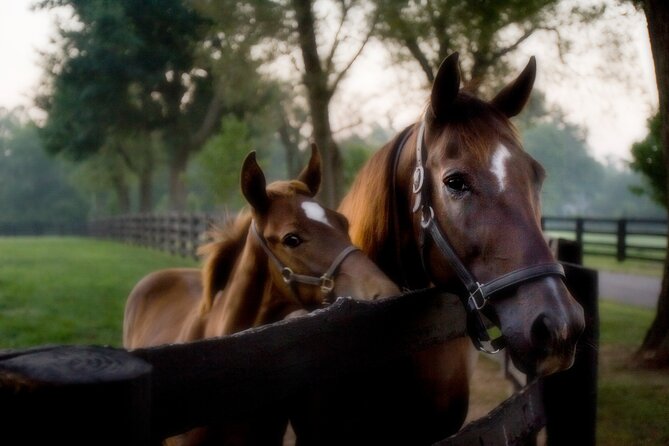
Half-Day Thoroughbred Horse Farm Tour in Kentucky
Read our review →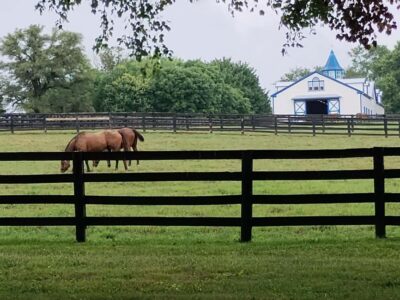
Unique Horse Farm Tours with Insider Access to Private Farms
Read our review →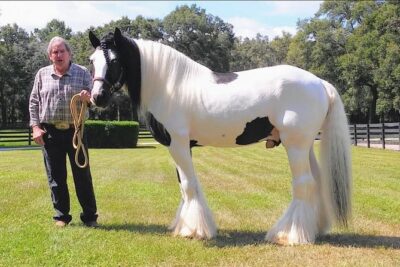
Thoroughbred Horse Farm Tour and Scenic Bluegrass
Read our review →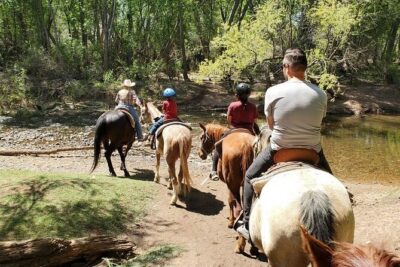
Sedona Horseback Rides At Dead Horse Ranch with River Crossing
Read our review →

From Ljubljana: Lipica Stud Farm and Piran Full-Day Tour
Read our review →
Lists this farm appears in