Reviewed · FARM TOURS
5-Day Private Farming Experience in Nayapul with Accommodation
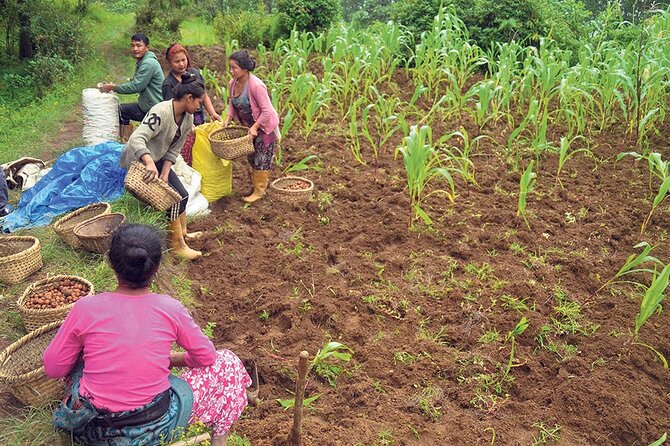
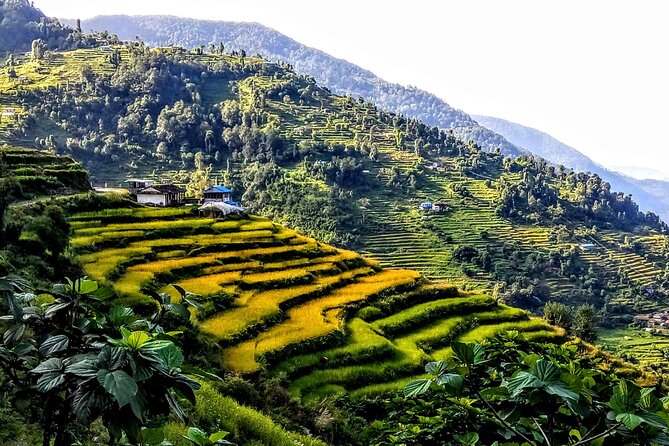
Traditional farming is the heart of this five-day private experience near Nayapul. You leave Pokhara, walk into a rural village, stay with a local family, and spend several days working in the fields with simple tools and guidance from a farmer.
I like the hands-on work, since you do more than watch a demonstration. I also like the homestay and home-cooked food, which give the experience a personal, everyday feel. The main drawback is clear: this is real field work, not a gentle sightseeing stop, and Days 3 and 4 can be tiring.
Key points at a glance
- Nayapul village setting: Travel about 1 hour and 20 minutes from Pokhara, then walk 30 minutes to the homestay.
- Traditional farming methods: Learn seasonal agriculture and use older hand tools to till, plant, and care for crops.
- Private format: Only your own group takes part, with a farmer guide monitoring your work.
- Four nights with a family: Stay in a rural homestay and share breakfast, lunch, and dinner as provided.
- A full work schedule: Expect about six to seven hours of farming on the main workdays.
- Practical value: The $250 price includes transport, lodging, meals, tools, instruction, hotel transfers, and a certificate.
Leaving Pokhara for Nayapul
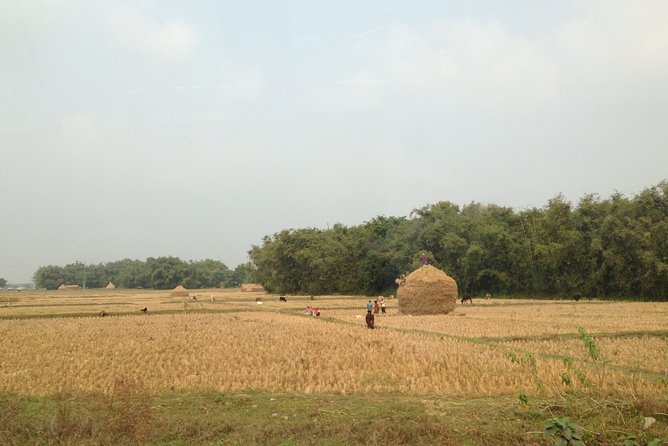
Your day begins with an 8:30 a.m. pickup from your hotel in Pokhara. The drive to Nayapul takes about 1 hour and 20 minutes, giving you time to leave the city behind before the rural part of the experience begins.
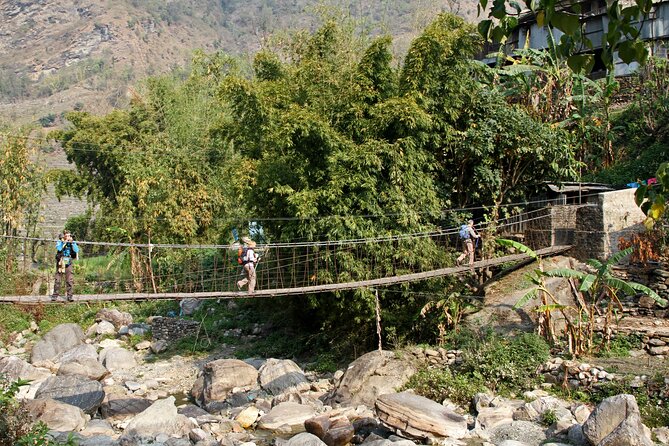
Nayapul is the starting point for the village walk. From there, you hike for about 30 minutes to reach the homestay. The walk is not presented as a major trek, but you should still be comfortable walking on rural paths with your overnight belongings.
That first walk matters. You do not simply arrive at a farm by vehicle, take a few photos, and return to Pokhara. The route helps shift the pace of the trip. Once you reach the village, the program begins with an introduction to the head of the household and the family.
I like this opening because it puts the homestay at the center of the experience. You meet the people who will host you before the farming begins, rather than treating the family home as just a place to sleep.
More Five-Day Trips in the world:
- Farm stay in Sikkim to explore monasteries and villages over 5 days
★ 5.0 · 4 reviews
Four nights in a Nepali family homestay
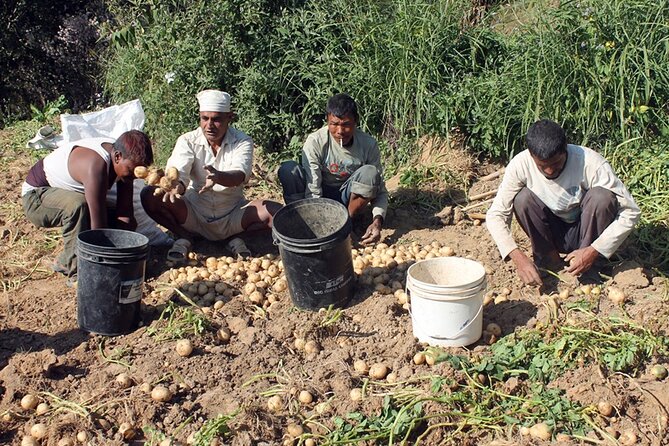
The accommodation is in a homestay with a local family. This means your stay is tied to the daily rhythm of the household and the farm, rather than separated from it in a standard hotel.
The included meals are breakfast on four mornings, lunch on all five days, and dinner on four nights. Food is described as organic in the available feedback, and that fits the purpose of the trip: you are learning about small-scale agriculture while eating meals prepared in the same rural setting.
You should keep your expectations practical. This is a family homestay, not a resort, and the information provided does not specify private bathrooms, room arrangements, internet access, or other hotel-style comforts. If those details affect your decision, ask Arpan Nepal before booking.
The homestay is best for you if you want conversation, local contact, and a direct look at rural life. It is less suitable if you need a tightly controlled hotel environment or prefer a trip with little physical effort.
Day 2: seasonal farming before field practice
After breakfast on the second day, a rural agriculture coach explains seasonal farming methods. This session gives you the basic context for the work ahead. You learn what is done during different parts of the growing cycle and how traditional methods fit into small-scale agriculture.
After lunch, the farmer takes you into the field and demonstrates what to do. The day lasts about seven hours, so it is not a quick lesson followed by free time. The demonstration leads directly into practical work.
This is one of the stronger parts of the program because the explanation and action are connected. You first hear about the methods, then see how the farmer applies them, and then begin to take part yourself.
The information does not name the agriculture coach or farmer. You should therefore book this as a family-led teaching experience rather than expecting a named academic specialist or formal agricultural course.
Days 3 and 4: the work becomes real
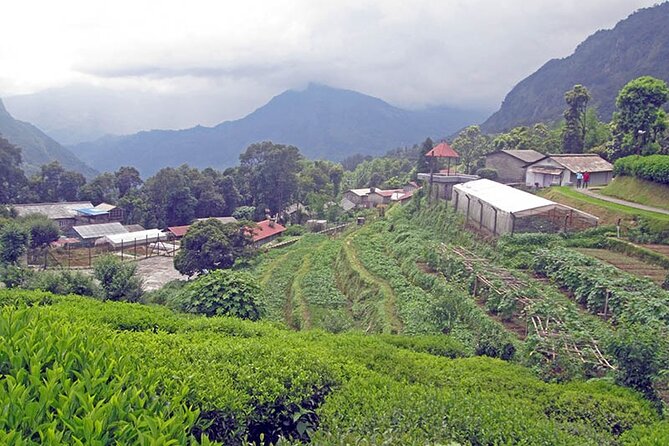
On Day 3, you use the necessary farming tools alongside the farmer. Your guide monitors your work and gives instructions when needed. The schedule is split into morning and afternoon work periods, with lunch between them.
The day lasts about six hours, and it is specifically described as tiring. That warning is useful. You may be interested in old farming tools, planting, cultivation, and rural life, but the experience asks you to use your body for much of the day.
Day 4 follows the same basic pattern, with another full day in the field. By this point, the novelty of the tools may have worn off, but the practical side of the trip becomes clearer. You are no longer just trying an unusual activity for a short time. You are taking part across several days and seeing how repeated work shapes farm life.
The exact crops and tasks depend on the season. The activities named for the experience include tilling soil, planting seeds, and cultivating crops. One past participant specifically enjoyed caring for tomato plants, so you might find that particular crops become part of your work, but the program does not promise a fixed crop list.
I would bring clothes that can get dirty, sturdy footwear, sun protection, and a willingness to work at the farmer’s pace. These are practical suggestions based on the stated field schedule, not a promise that specific equipment is supplied. The tour includes farming tools, but personal clothing and comfort items are your responsibility.
More Farm Tours in the world:
- Half-Day Thai Cooking Class at Organic Farm in Chiang Mai
★ 5.0 · 19,087 reviews - Florence Pizza or Pasta Class with Gelato Making at a Tuscan Farm
★ 5.0 · 6,801 reviews - Cooking Class and Lunch at a Tuscan Farmhouse with Local Market Tour from Florence
★ 5.0 · 4,831 reviews - Chiang Mai: Authentic Cooking Class with Market & Farm Visit
★ 4.9 · 4,546 reviews
Why the old tools matter
The appeal here is not just that farming takes place in a village. The program focuses on traditional methods and almost ancient hand tools. That gives you a direct way to compare modern convenience with slower, more physical work.
You may till soil, plant seeds, or care for crops without the machinery found on larger commercial farms. The point is not to recreate a museum display. You are using the tools as part of current rural work, under the direction of a farmer.
This also gives the experience an environmental angle. Small-scale farming with traditional tools uses a different approach from highly mechanized agriculture. The program presents these methods as sustainable and environmentally friendly, though it does not provide technical measurements or a formal lesson in environmental science.
I like this distinction. You are not simply hearing that traditional farming is important. You get a feel for the labor behind it, including the repetition and effort that can be easy to miss when food reaches a city market.
Five days of work, not five days of sightseeing
The schedule has a strong work focus. Day 1 includes the transfer, village walk, and family introduction. Day 2 combines teaching with field practice. Days 3 and 4 are the main labor days. Day 5 is shorter and focuses on farewell, transport, and the certificate.
That structure suits you if you want a slow cultural exchange and are happy to give several days to one activity. It does not suit you if you want to combine this with a long list of Pokhara attractions during the same five days.
The private format helps. Only your group takes part, so you do not have to keep pace with a large mixed party. A farmer can monitor your work and offer instructions when needed. For couples or families, that can make the experience feel more personal and less like a standard group excursion.
There are group discounts, though the available information does not give the discount amount. Ask for the current rate if you are booking for more than one person.
Day 5: farewell, bus ride, and certificate
The final day begins with an acknowledgement of your work and a farewell program led by the head of the family and the farmer. This gives the stay a clear ending and recognizes the time you spent working with the household.
After lunch, you walk for about 40 minutes before taking a bus back to Pokhara. The return is not described as a private vehicle transfer from the homestay, so expect a more local style of transport for this part of the journey.
Once you reach Pokhara, you go to the operator’s office to receive a certificate. You are then dropped back at your place. The day takes about four hours, making it much lighter than the two main field days.
The certificate is a small touch, but it gives the program a formal finish. The more important souvenir is likely to be the sense of how much work goes into ordinary farm tasks, especially after repeating them across several days.
Is $250 a fair price?
At $250 per person, the price covers much more than instruction. It includes necessary transportation, hotel pickup and drop-off, farming tools, a rural agriculture guide, homestay accommodation, four breakfasts, five lunches, and four dinners.
That makes the price easier to assess. You are paying for five days of access to a family setting, meals, lodging, local transport, teaching, and private participation. If you paid separately for four nights of accommodation, most meals, transfers, and a guided rural activity, the bundle could offer solid value.
The best value comes when you want the complete stay. If your main goal is to try farming for one afternoon, five days and $250 may feel excessive. If you want a sustained exchange with a rural household, the cost is more reasonable.
Alcohol and personal expenses are not included. Gratitude is optional, so you should not treat it as a required fee. The price also does not state whether any special personal equipment is supplied, so ask about anything you consider essential before departure.
Who will enjoy this most?
I would choose this experience if you want to get away from city routines and are willing to work rather than simply observe. It is a good match for couples, families, and solo visitors who enjoy practical learning and simple accommodation.
The private setup also makes sense for people who prefer their own group. You can receive direct instruction from the farmer and work at a pace suited to the group, within the demands of the farm.
You may not enjoy it if you dislike repetitive physical tasks, rural homestays, or uncertain daily activities. The exact field work changes with the season, and the program does not promise a particular crop or a fixed set of tasks.
Most people can participate, according to the supplied information, but the schedule still involves walking and several hours of field work. If you have concerns about physical effort, ask Arpan Nepal for current details before booking.
Planning the booking and cancellation
Confirmation is provided when you book. Pickup is offered, and the listed start time is 8:30 a.m. Mobile tickets are available.
The activity requires good weather. If poor weather forces cancellation, you are offered another date or a full refund. You can cancel for a full refund up to 24 hours before the local start time. Changes or cancellations made less than 24 hours before the start are not accepted and are not refunded.
The experience is operated by Arpan Nepal. Since the program depends on field conditions and a family homestay, it is sensible to confirm the meeting details, what to bring, and the exact accommodation arrangements before you set out.
Should you book this farming stay?
Book it if you want participation instead of sightseeing. The strongest reasons are the family homestay, the use of traditional tools, the chance to care for crops, and the steady contact with a local farmer across several days.
Think twice if you want a soft adventure or a tightly scheduled cultural tour. Days 3 and 4 involve real field work, and the homestay details are simple rather than hotel-like.
For the right person, $250 is a fair all-in price for five days of accommodation, meals, transport, instruction, tools, and private access to a rural farming household. Come ready to walk, work, get dirty, and accept that the season will shape what you do. That is the point of this experience.
FAQ
Where does the farming experience take place?
The experience begins in Pokhara and continues near Nayapul, where you walk to a rural village and stay with a local family.
What time does pickup begin?
Pickup begins at 8:30 a.m. from your hotel in Pokhara.
How long is the drive to Nayapul?
The scenic drive from Pokhara to Nayapul takes about 1 hour and 20 minutes.
How long is the walk from Nayapul to the homestay?
The walk from Nayapul to the rural village and homestay takes about 30 minutes.
Is accommodation included?
Yes. Accommodation is provided in a homestay with a local family.
Which meals are included?
The package includes four breakfasts, five lunches, and four dinners.
Is this a private activity?
Yes. Only your group takes part in the activity.
What happens if bad weather cancels the experience?
You are offered a different date or a full refund if poor weather causes the activity to be canceled.
Just added around the world
- Zanzibar: Walking Spice Farm with Local Cooking Class★ 4.4 · 9 reviews
- Zanzibar:Jozani forest, Spice farm with Swahili Cuisine clas★ 4.2 · 3 reviews
- ZANZIBAR, Stone town tour, Prison Island & Spice farm★ 5.0 · 11 reviews
- Zanzibar: Spice Farm Tour with Traditional Cooking Class★ 4.6 · 16 reviews
- Zanzibar: Stone Town City Tour and Spice Farm with Lunch★ 3.7 · 33 reviews
- Zanzibar: Spice farm tour with Zanzibar fruits tasting★ 3.8 · 7 reviews
- Zanzibar: Spice Farm Tour with Cooking lesson★ 4.5 · 4 reviews
- Zanzibar: Spice Farm Tour with Traditional Cooking Class★ 4.8 · 6 reviews
Farm Tours, compared.
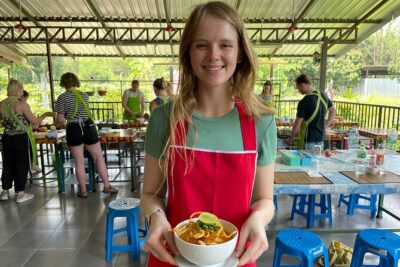
Half-Day Thai Cooking Class at Organic Farm in Chiang Mai
Read our review →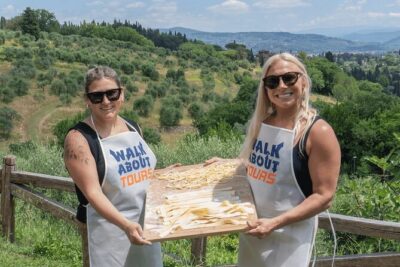
Florence Pizza or Pasta Class with Gelato Making at a Tuscan Farm
Read our review →
Cooking Class and Lunch at a Tuscan Farmhouse with Local Market Tour from Florence
Read our review →
Authentic Cooking Class with Market & Farm Visit
Read our review →
Reindeer Camp and Sami Cultural Tour with Lunch
Read our review →
Sorrento Farm and Food Experience including Olive Oil, Limoncello, Wine tasting
Read our review →