
Reviewed · SPICE FARM TOURS
Zanzibar:Jozani forest, Spice farm with Swahili Cuisine clas
Zanzibar’s red colobus monkeys are the star of this five-hour outing. At Jozani Forest, you walk through a protected woodland in search of these unusual animals, then continue to mangroves and a spice farm where cinnamon, cloves, vanilla, turmeric, and other plants become part of the day’s story.
I like the mix of nature and food. You get a guided forest walk, a look at how mangroves grow, a hands-on Swahili cooking class, and the entertaining sight of a coconut climber singing Hakuna Matata from high in a palm. The broad hotel pickup area is useful if you are staying outside Stone Town.
The main caution is the spice farm experience. Some visitors have faced strong pressure to tip several workers or buy products, and one account described the situation as threatening. Bring cash for normal purchases, but decide your spending limit before you arrive and do not feel obliged to buy from every stall.
Key points to know before booking
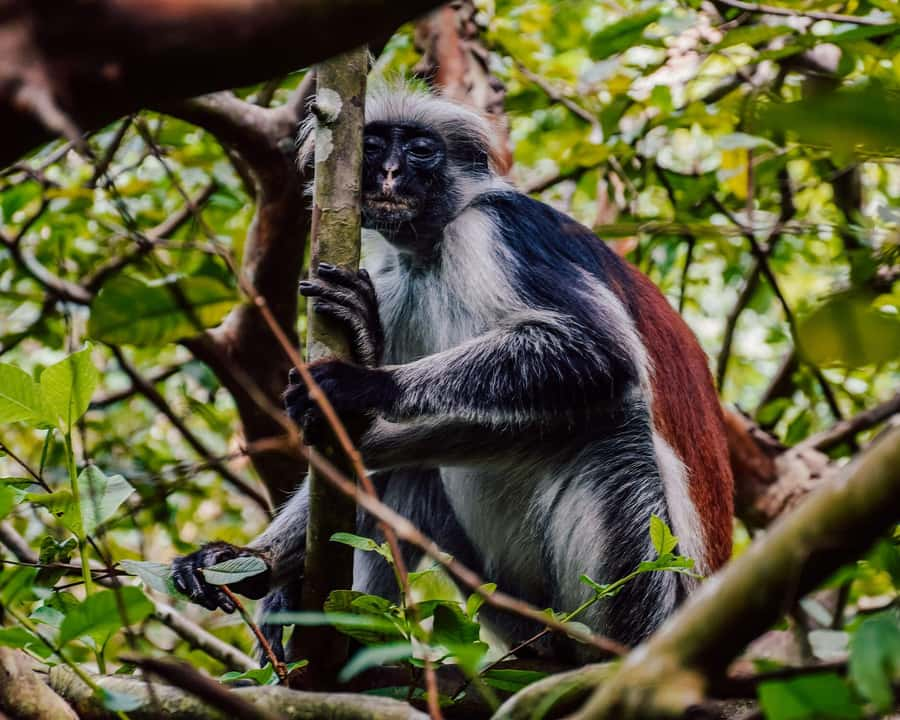
- Red colobus monkeys: See Zanzibar’s distinctive monkeys, with red backs, white chests, and four fingers instead of a thumb.
- Two contrasting stops: Jozani offers forest and wildlife, while Shabuta Spice Farm focuses on crops, smells, tasting, and local food.
- Swahili cooking included: The experience includes a chance to learn Swahili cuisine, although food and drinks are not part of the standard price.
- Coconut climber performance: A palm climber may scale a coconut tree and sing Hakuna Matata from the top.
- Hotel pickup across Zanzibar: Collection and return are offered from Stone Town, Nungwi, Kiwengwa, Paje, Jambiani, Michamvi, Uroa, and Pwani Mchangani.
- Budget for boundaries: The price is $94 per person, but you should be ready for possible tips and sales pitches at the farm.
Jozani Forest and the monkeys that make it special
The tour normally begins with a pickup from your hotel, though you can choose to start at the spice farm instead. That small bit of flexibility matters if your schedule, weather, or energy level makes one order more appealing than the other.
At Jozani Chwaka Bay National Park, you spend about 1.5 hours walking with a guide. This is not a drive-through wildlife stop. You get out and explore on foot, so comfortable shoes are important. The route lets you see the forest at a human pace, with time for photographs and explanations.
The main animal to look for is the Zanzibar red colobus monkey. It has a reddish back and a white chest, making it easy to identify when it appears among the trees. The description of four fingers and no thumb gives you a useful detail to watch for, though you may need a clear view to notice it.
These monkeys are described as friendly, but you should still treat them as wild animals. Do not feed them, chase them, or reach toward them. The tour information says they eat green and young fruits and vegetables, which is an interesting reminder that their diet is quite different from the snacks many visitors carry.
Jozani also offers the possibility of seeing other forest species, including the dik-dik, elephant shrew, and chameleons. Wildlife sightings are never guaranteed, so I would book this for the forest walk and the chance to see the red colobus, not as a promise of a long animal list.
The weather is described as pleasant for walking, but Zanzibar is warm. Carry water, use sun protection, and wear shoes with a decent grip. Bottled water is included, which is helpful, but you should still arrive prepared for a tropical outdoor activity.
More Spice Farm Tours in Tanzania:
- Zanzibar: Prison Island, Stone Town, & Spice Farm Tour
★ 4.5 · 579 reviews - Full-Day Private Stone Town +Spice Farm and Prison Island Tour
★ 4.5 · 216 reviews - Zanzibar: Stone Town & Spice Farm Tour with Lunch
★ 4.5 · 97 reviews
Mangroves offer a quieter second chapter
After the forest walk, the tour visits a mangrove area. This part is less about spotting a famous animal and more about understanding a plant system that lives where land and water meet.
You learn how mangroves grow and why their unusual roots allow them to live in wet coastal conditions. The visit adds useful variety to the day. Instead of spending the entire morning among trees on dry ground, you get a look at a coastal habitat with a very different character.
The mangrove stop is also a good place to slow down after the forest walk. The supplied schedule gives the forest and spice farm about 1.5 hours each, so the mangrove visit appears to be part of the Jozani section rather than a separate long excursion. Keep that in mind if you are expecting a detailed mangrove boat trip. This tour is a land-based visit as described.
Shabuta Spice Farm turns plants into a lesson
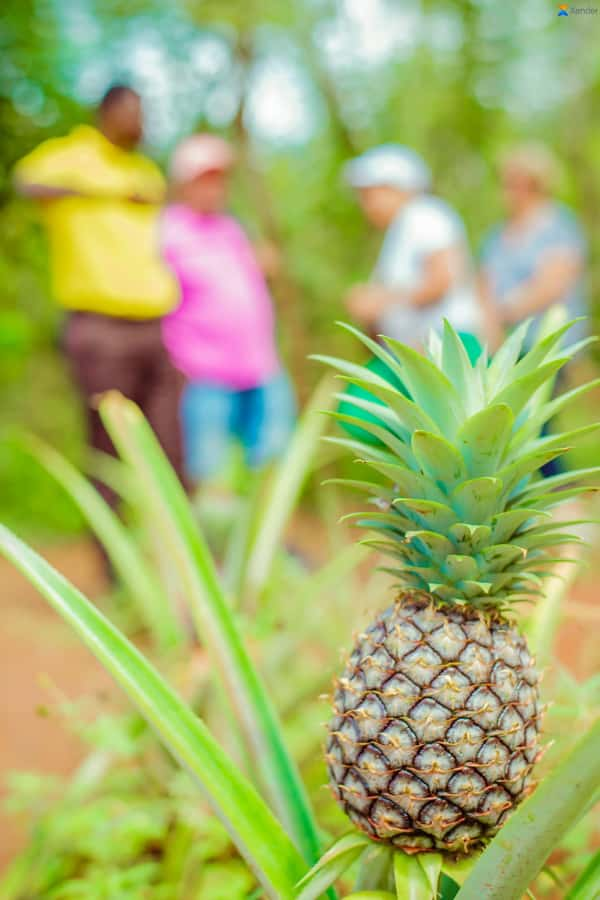
The spice farm is the second main stop, with about 1.5 hours for a guided visit, photographs, walking, and free time. You get to smell and taste a range of tropical spices and fruits, including:
- Cinnamon
- Cardamom
- Black pepper
- Chili
- Ginger
- Vanilla
- Lemongrass
- Lemon mint
- Turmeric
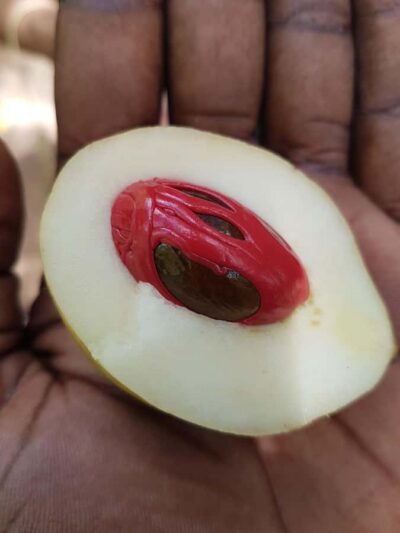
- Nutmeg
- Cloves
The value here is the chance to see these products as growing plants rather than anonymous jars in a shop. Your guide can explain how spices are grown in Zanzibar, and the sensory part of the stop makes the lesson easier to remember. Smelling fresh cinnamon or seeing vanilla on a plant gives more meaning to ingredients you may use at home without thinking about their origin.
The farm also gives you time for pictures and browsing. That can be enjoyable if you like local products, but it is also where the day needs a little caution.
One account described a farm visit with around ten different people asking for tips and urging purchases at multiple shops. Another concern was that access to the coconut climber was linked to payment. This is a serious issue, and you should not ignore it when judging the $94 price.
The best approach is simple. Carry some cash, but set a firm budget. Ask your guide what is included before the farm activities begin. If you want to buy spices, compare prices and choose only what you actually want. You should never feel forced to purchase an item or pay an unexpected fee.
This warning does not cancel out the educational value of the farm. It tells you to approach the commercial side with clear expectations. The tour includes the guide, entrance fees, transport, government tax, and bottled water. It does not promise that every extra tip, product, or optional payment at the farm is covered.
A Swahili cooking class adds more than a tasting
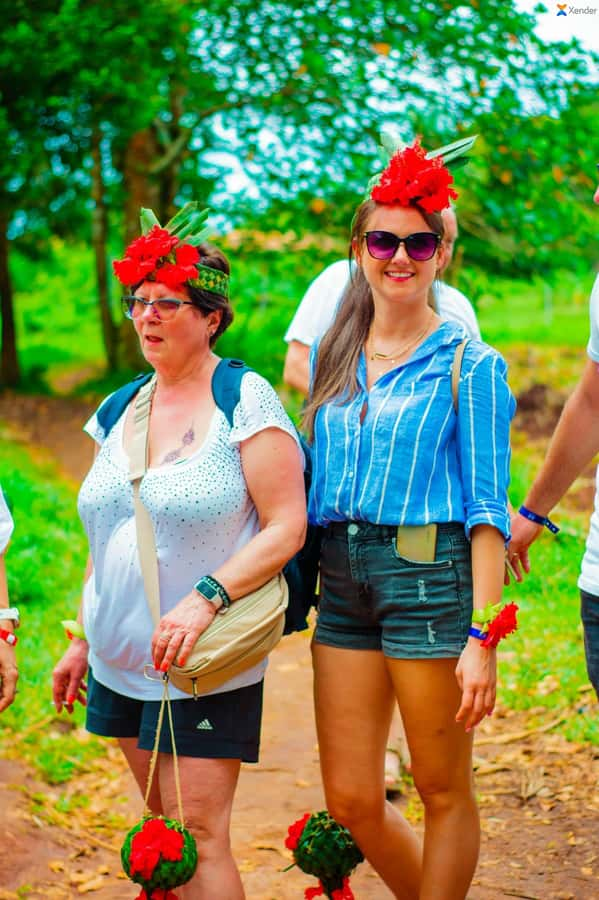
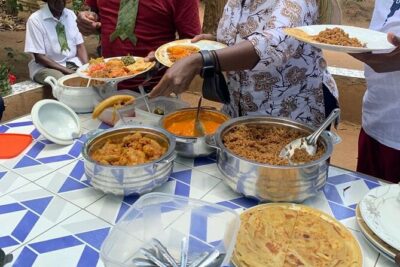
The cooking class is one of the most appealing parts of the experience because it moves beyond looking at ingredients. You have an opportunity to learn about Swahili cuisine and take part in food preparation.
The supplied details do not specify the exact dish, menu, or length of the class, so you should not book expecting a named recipe or a full restaurant meal. Food and drinks are not included in the standard price, although you can request lunch. Confirm the cost and menu if the cooking element is a major reason you are booking.
Still, the cooking class gives the spices a practical purpose. After seeing ginger, turmeric, cloves, cardamom, or chili in the field, you can connect them with the flavors used in local food. I like that progression: forest, farm, then kitchen.
If you want lunch, make the request in advance rather than assuming it comes with the tour. The standard package includes bottled water, not a meal. Cash is sensible for any food, drinks, tips, or purchases not covered by the booking.
More Farm Tours in Tanzania:
- Zanzibar:Stone Town & Spice Farm Private Tour Lunch Included
★ 4.2 · 94 reviews - Zanzibar full day Jozani forest + Spice farm and stone town
★ 4.7 · 90 reviews - Arusha or Moshi : Hot Spring, Waterfall & Coffee Farm Tour
★ 4.8 · 80 reviews - Zanzibar: Spice Farm & Stone Town Tour with Lunch
★ 4.5 · 80 reviews
The coconut climber is fun, but clarify the payment
The coconut climber, sometimes called the human butterfly, is the most theatrical moment of the farm visit. He climbs a coconut palm to the top and sings Hakuna Matata along the way.
It is a memorable photo opportunity and gives the spice farm a lively performance element. At the same time, the payment issue deserves repeating. One detailed complaint said the climber could not be watched without paying. Since this may vary by the people working at the farm and the arrangements on the day, ask your guide before the performance starts if a tip or fee is expected.
That conversation can prevent an awkward surprise. You can enjoy the show while keeping control of your budget.
Guides can shape the quality of the morning
The experience includes a live guide in English, German, or French. The guide accompanies the forest and farm visits, explains the species and crops, and handles the practical flow of the day.
The strongest personal feedback names Hassan and Othman. Hassan was praised for explaining Zanzibar, Tanzania, the rainforest, and spices, while Othman and his team received a strong recommendation. Those comments suggest that the quality of the guide can make a real difference, especially at Jozani, where careful explanation helps you notice details you might otherwise walk past.
When you meet your guide, ask which stop will come first and what the farm visit includes. You can choose between Jozani Forest and the spice farm as your starting point, so your guide should be able to help you make that choice based on your pickup time and plans.
What $94 per person really covers
At $94 per person, this is not a bare entrance-ticket outing. The price includes hotel pickup and return, entrance fees, a guide, government tax, and bottled water. For someone staying in Nungwi, Paje, Jambiani, or another resort area, included transport can add meaningful value because the sites are not directly beside every hotel.
You are also getting two different attractions and a cooking experience in about five hours. That makes the tour efficient for a short Zanzibar stay. You can see a major forest, learn about spices, and connect the ingredients with Swahili food without arranging separate transport.
The value is weaker if you are traveling on a very tight budget or already have transport. In that case, the additional farm sales pressure may also make the total cost feel less predictable. The advertised price does not include food, drinks, or any optional tips and purchases.
I would judge the price as reasonable for a visitor who wants convenience and a guided introduction to several parts of Zanzibar in one morning. I would be less enthusiastic if you want a quiet, independent visit or dislike commercial farm stops.
Pickup coverage makes the tour practical
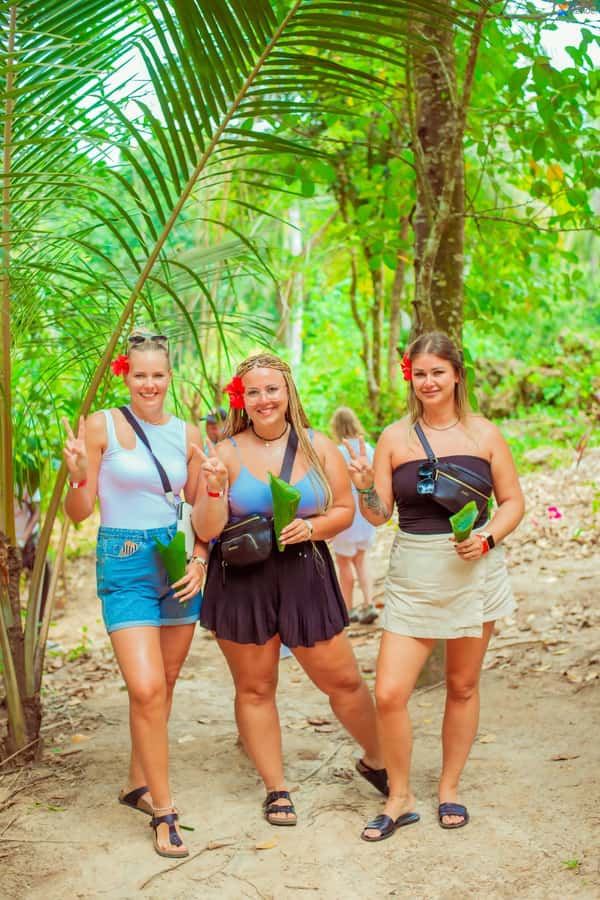
Pickup is available from Stone Town, Zanzibar Island, Uroa, Pwani Mchangani, Nungwi, Kiwengwa, Paje, Michamvi, and Jambiani. You wait at your hotel reception or lobby at the selected time, and the driver and guide take you to the forest and spice farm before returning you to your accommodation.
This broad pickup network is one of the tour’s practical strengths. You do not have to find your own way to Jozani or negotiate separate transfers from a beach resort. Because the total duration is listed as five hours, the actual time at each place is limited, so do not expect a full-day forest expedition or a long cooking course.
The exact start time depends on availability. If you have a flight, boat, or another activity later that day, leave plenty of room for delays and the return drive. The schedule includes two major stops, and road time will vary depending on where you are staying.
Who should book this Zanzibar combination?
I would recommend this tour to you if you want a compact introduction to Zanzibar’s nature, agriculture, and food. It suits first-time visitors, people with only a few days on the island, and anyone who values hotel pickup over organizing separate transport.
It is also a good choice if you like guided walks, short cultural lessons, photographs, and hands-on food activities. The English, German, and French guide options make it easier to follow the explanations.
I would think twice if you want a completely relaxed day with no shopping element. The spice farm may include sales pitches, and the possible tipping pressure is the clearest weakness in the experience. You should also consider the suitability restrictions: it is not recommended for people with diabetes, babies under one year, or people over 70.
Wear comfortable shoes and bring a camera. Cash is useful, but use it carefully. Alcohol and drugs are not allowed, and littering is prohibited, sensible rules in a protected forest and farm setting.
Should you book it?
Book this tour if you want to combine Jozani’s red colobus monkeys with Zanzibar spices and a Swahili cooking experience in one organized morning. The forest, mangroves, spice plants, and coconut climber create a varied half-day, and the included transport makes the $94 price easier to justify.
Skip it if you strongly dislike commercial stops or want complete control over every expense. If you do book, ask at the start what is included at Shabuta Spice Farm, keep your optional spending limited, and request lunch in advance if you want food. With those expectations set, this can be a useful and entertaining introduction to Zanzibar beyond the beach.
FAQ
How long does the Jozani and spice farm tour last?
The experience lasts five hours. The planned visit to Jozani Chwaka Bay National Park takes about 1.5 hours, and the Shabuta Spice Farm visit also takes about 1.5 hours, with the remaining time used for transport and other parts of the program.
What is included in the $94 price?
The price includes hotel pickup and return transport, entrance fees, a guide, government tax, and bottled water. Food, drinks, tips, and purchases at the spice farm are not included.
Can I choose which stop comes first?
Yes. You have the opportunity to choose whether to begin at Jozani Forest or the spice farm.
Which languages are available for the guide?
Live guides are available in English, German, and French.
Where is hotel pickup available?
Pickup is available from Stone Town, Zanzibar Island, Uroa, Pwani Mchangani, Nungwi, Kiwengwa, Paje, Michamvi, and Jambiani. You wait at your hotel reception or lobby at the selected pickup time.
What should I bring, and who should avoid this tour?
Bring comfortable shoes, a camera, and cash. The activity is not suitable for people with diabetes, babies under one year, or people over 70. Alcohol, drugs, and littering are not allowed.
Just added around Tanzania
- ZANZIBAR, Stone town tour, Prison Island & Spice farm★ 5.0 · 11 reviews
- Zanzibar: Walking Spice Farm with Local Cooking Class★ 4.4 · 9 reviews
- Zanzibar: Spice Farm Tour with Traditional Cooking Class★ 4.6 · 16 reviews
- Zanzibar: Stone Town City Tour and Spice Farm with Lunch★ 3.7 · 33 reviews
- Zanzibar: Spice farm tour with Zanzibar fruits tasting★ 3.8 · 7 reviews
- Zanzibar: Spice Farm Tour with Cooking lesson★ 4.5 · 4 reviews
- Zanzibar: Spice Farm Tour with Traditional Cooking Class★ 4.8 · 6 reviews
- Zanzibar: Spice Farm Tour & Stone Town Adventure★ 4.6 · 48 reviews
Spice Farm Tours, compared.
Full-Day Private Stone Town +Spice Farm and Prison Island Tour
Read our review →
Stone Town & Spice Farm Private Tour Lunch Included
Read our review →Zanzibar full day Jozani forest + Spice farm and stone town
Read our review →
STONE TOWN, PRISON ISLAND AND SPICE FARM ( Lunch included )
Read our review →Lists this farm appears in