
Reviewed · SPICE FARM TOURS
Zanzibar: Spice Farm Tour with Traditional Cooking Class
The best part of this Zanzibar outing is the switch from farm to kitchen. You smell ginger, cardamom, vanilla, and lemongrass where they grow, then use local ingredients to prepare a Swahili meal with a local woman chef. It gives you more than a spice tasting. You see how the ingredients fit into daily cooking.
I like the small, family-run feel and the chance to make coconut milk yourself. I also like the flexible pace: one recent outing involved only two people, and the start time was adjusted to suit them. The main thing to watch is the timing. Although the tour is sold as six hours, one visit lasted about three and a half hours, which suited that couple but may feel short if you expect a full half-day.
Key points to know
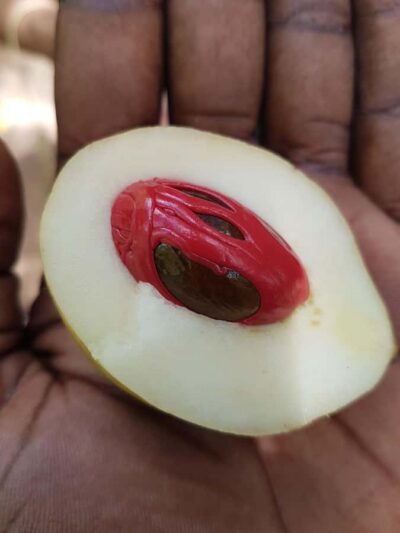
- Three farm areas: See cardamom, ginger, vanilla, coffee, nutmeg, cinnamon, lemongrass, and other tropical spices with explanations about planting and harvest time.
- Cooking with a local chef: Prepare original Zanzibar-style food with ingredients bought from local women.
- Coconut skills: Watch a coconut climber, sometimes called a butterfly, and learn how fresh coconut becomes milk.
- Stone Town transport: Pickup and return are provided at Stone Town hotels.
- Small-group possibility: The experience can be very personal, with some outings serving only two participants.
- Good value at $47: Transport, entry, guiding, water, and the cooking activity are included, while personal purchases and other needs cost extra.
Why the farm and kitchen belong in the same tour
Zanzibar is often called Spice Island, but a market stall only tells you part of the story. At this farm, you can see spices as plants rather than as tidy jars. The guide explains how they are planted, how they grow, and how long they take before they are ready for use.
That context matters. Vanilla, ginger, coffee, nutmeg, cinnamon, cardamom, and lemongrass do not all grow or get harvested in the same way. Seeing several crops together gives you a clearer idea of the work behind familiar flavors.
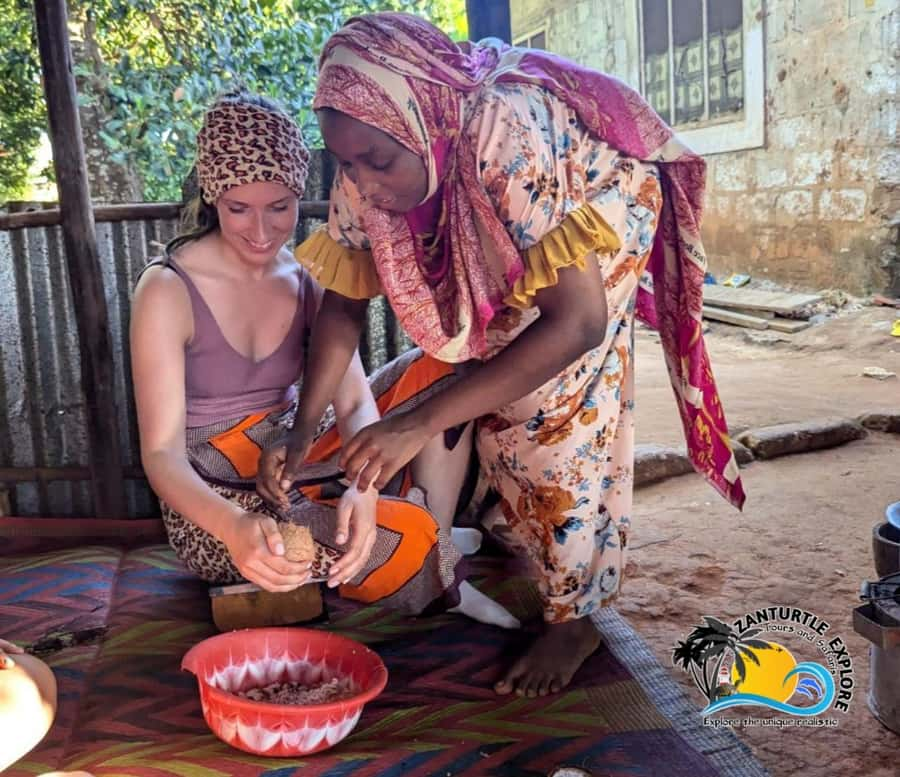
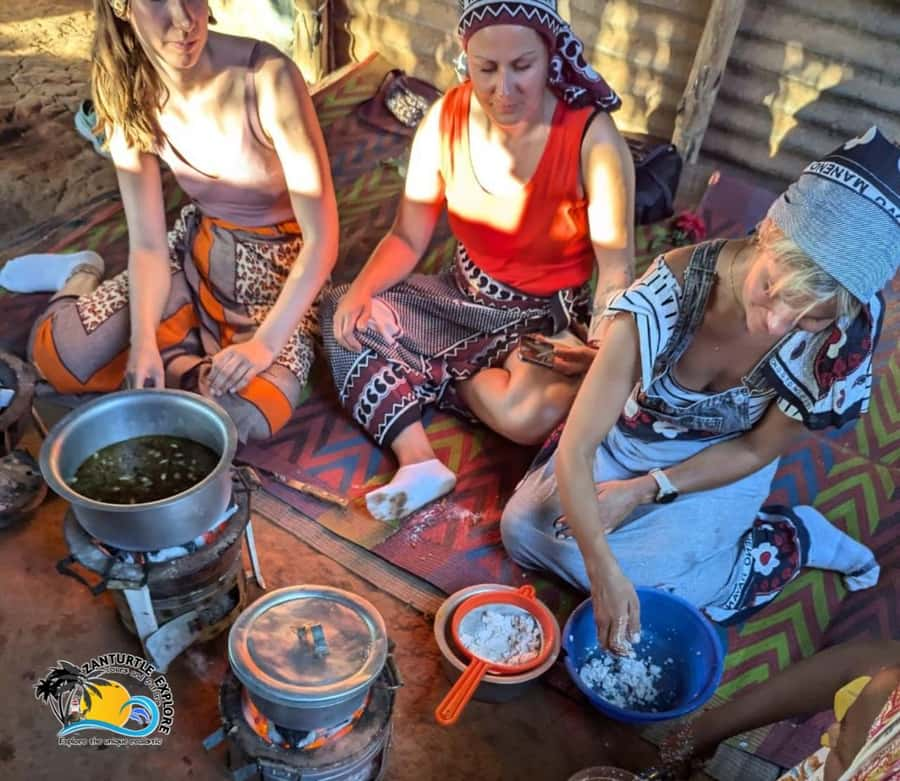
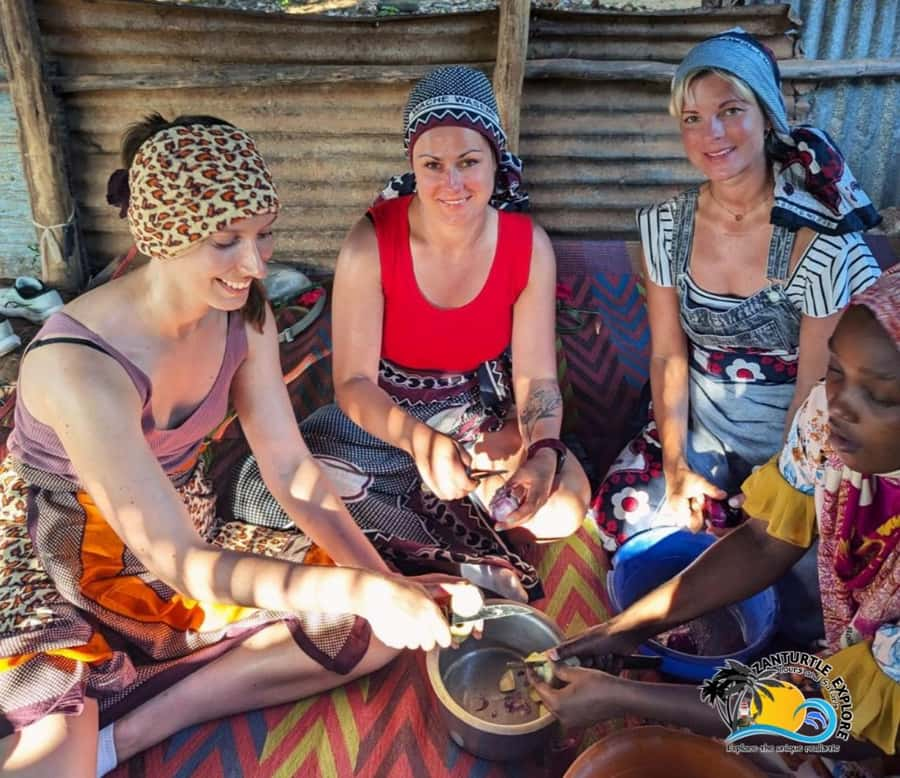
The cooking class then turns that lesson into lunch or dinner. You do not simply watch a chef prepare food from a distance. The local cook gives you ingredients to cut and instructions for preparing a Zanzibar-style meal. The cooking becomes a practical way to understand how spices are used in Swahili food.
I especially like this farm-to-table connection because it keeps the day from becoming a simple sightseeing stop. You first meet the ingredients, then taste them in a finished dish.
More Spice Farm Tours in Zanzibar:
- Zanzibar: Prison Island, Stone Town, & Spice Farm Tour
★ 4.5 · 579 reviews - Full-Day Private Stone Town +Spice Farm and Prison Island Tour
★ 4.5 · 216 reviews - Zanzibar: Stone Town & Spice Farm Tour with Lunch
★ 4.5 · 97 reviews
Leaving Stone Town for the rural spice farm
The tour starts and ends in Stone Town, with pickup and drop-off available at Stone Town hotels. That makes it easy to fit into a stay in the historic center without arranging a separate taxi or figuring out rural roads yourself.
The drive is part of the transition. Stone Town has busy streets and dense historic buildings. The farm visit takes you into a more rural setting, where the focus shifts to plants, food, and local work.
The supplied details do not give a precise driving time, so do not plan another tightly timed activity immediately afterward. The advertised duration is six hours, but the actual length can vary. One couple finished in around three and a half hours, while another account describes a fuller cooking and farm visit. If you need the day to run to a strict schedule, confirm the expected start and finish before setting off.
Transport is included around Stone Town hotels. Bottled water and entry fees are also covered, which keeps the basic cost clear.
Three parts of the farm visit
The farm portion includes three areas that are described as especially interesting. You can expect the guide to move through different crops and explain how each is planted, grown, and prepared for use.
Ginger, cardamom, and lemongrass
These plants show the everyday side of Zanzibar’s spice trade. Ginger and lemongrass are familiar to many cooks, but seeing them growing gives you a better sense of their form before they reach a kitchen.
Cardamom is another important ingredient in the tour. Its scent is easy to recognize, but the guide’s explanation about growing and readiness helps connect the plant to the spice used in food and drinks.
More Cooking Classes in Zanzibar:
- Zanzibar: Spice Farm Tour with Traditional Cooking Lesson
★ 4.8 · 77 reviews - Zanzibar: Spice Farm Tour with Traditional Cooking Class
★ 4.6 · 16 reviews - A private half day spice farm with a cooking lesson
★ 5.0 · 13 reviews - Zanzibar: Spice Farm Tour and Cooking Class with Lunch
★ 4.2 · 11 reviews
Vanilla, coffee, and nutmeg
Vanilla and coffee make this more than a quick walk past common garden plants. The guide explains how long different spices take to become ready, which helps you understand why some products are more costly than others.
Nutmeg and cinnamon add another layer to the visit. The point is not simply to collect a list of spices. It is to see different plants and hear how they become ingredients in Zanzibar cooking and trade.
The exact crops available can vary by season, and the information does not promise that every plant will be at the same stage during every visit. Still, the tour includes a broad selection of tropical spices and time with a local guide.
The coconut climber and the work behind the meal
One of the more memorable sights is the coconut climber, known locally in the description as a butterfly. You may see this person climb a coconut tree and also see young coconuts.
This is a small part of the day, but it gives the farm visit a human element. Coconuts are not just decorative palms on a tropical island. They are useful ingredients and part of the work that supports local food.
The cooking class takes that idea further. You may make coconut milk yourself, using the coconut as a fresh ingredient rather than relying on a packaged product. That hands-on step is one of the strongest reasons to choose this tour over a standard farm walk.
The information does not promise that every group will perform every preparation in exactly the same way. The cooking activities can depend on the chef, available ingredients, and the pace of the group. Still, coconut preparation is specifically part of the experience described by a participant.
Cooking Swahili food with a local woman chef
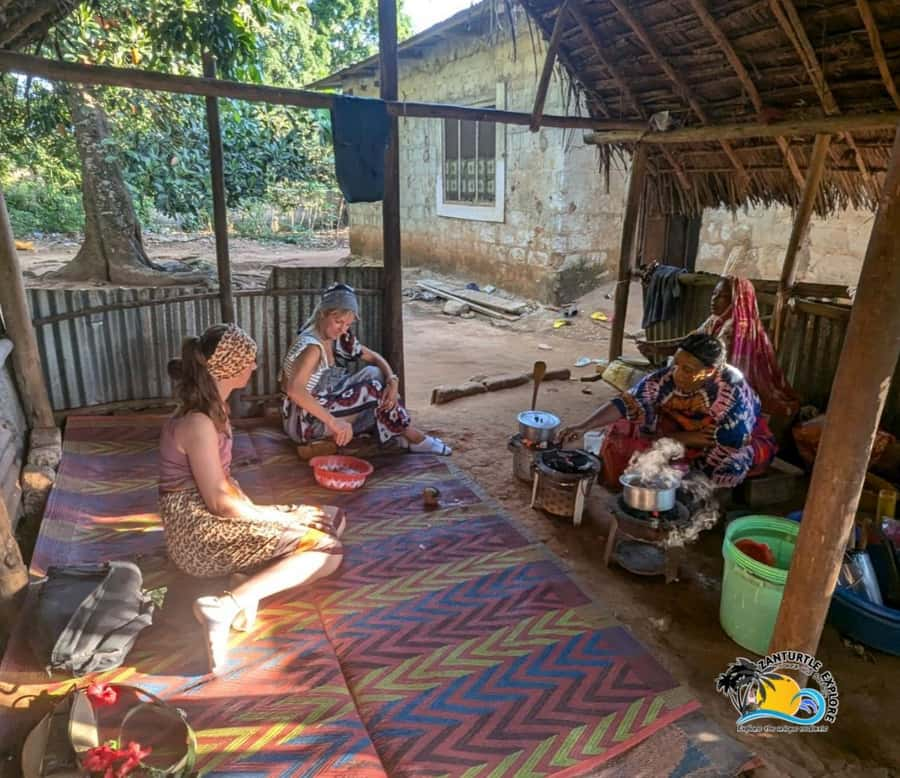
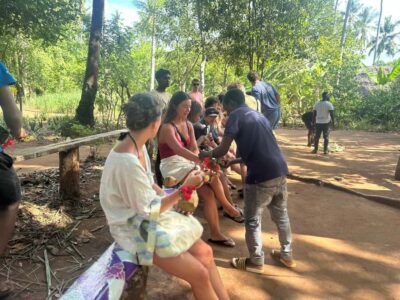
After the farm visit, local ingredients and cooking materials are ready for the class. A local woman acts as chef and gives instructions on how to use the ingredients properly.
Expect to take part in simple preparation tasks such as cutting. You are not left to watch from a chair while someone else does all the work. The chef guides the process, and the meal is prepared as a shared activity.
The style is informal. In one small-group outing, the driver also helped with the cooking, along with his sister. Another sister led the farm visit. No individual names are provided, but the setup suggests a family operation rather than a large cooking school with a fixed staff.
That family feel may appeal to you if you want conversation and a personal welcome. It also means the exact rhythm may be relaxed and flexible rather than highly polished. One useful improvement would be a written recipe. If you want to recreate the dish at home, bring a notebook or ask if the ingredients and steps can be written down.
Eating the finished meal
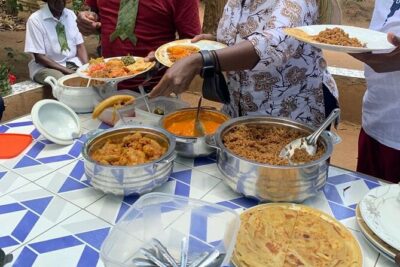
When the food is ready, you sit down and eat with the chef. This is where the tour’s two halves come together. The spices are no longer abstract farm products. You can taste them in the food and ask questions while you eat.
The meal is described as original Zanzibar-style cuisine with Swahili flavors. The exact menu is not provided, so you should not book this expecting a named set of dishes or a guaranteed recipe. The class is about learning the method and tasting the result, not choosing from a restaurant menu.
I like the shared meal because it leaves room for conversation. You can ask about the spices, cooking methods, and ingredients while they are still fresh in your mind. It is also a more meaningful ending than simply buying a packet of spices and heading back to town.
If you have dietary needs, the supplied information does not explain how they are handled. Contact the provider before booking if you need changes to the meal.
What $47 includes, and what it does not
At $47 per person, this is a fair price if you value a complete half-day outing rather than a short farm entrance. The fee covers pickup and drop-off around Stone Town hotels, entrance fees, a tour guide, and bottled water.
The cooking class is the real value point. A basic spice farm visit may show you the plants, but this outing adds instruction, preparation, and a shared meal. Transport also saves you the trouble of arranging a separate car.
The price does not cover personal needs. That broad wording means you should bring cash for anything you want to buy or pay for separately. Spices are available for purchase at the farm, but you should be prepared to negotiate. Set a spending limit before you start shopping, since a friendly sales pitch can turn a small purchase into a larger bag of souvenirs.
Bring comfortable shoes. You may be walking through a farm rather than along a paved path, and practical footwear will make the plant visit easier. Cash is also listed as something to bring.
Alcohol and drugs are not allowed. The tour is built around farming, cooking, and shared food, so plan for a sober activity.
Timing, language, and group size
The advertised duration is six hours, with starting times based on availability. In practice, the length may vary. One small group completed its outing in about three and a half hours, while the overall program is presented as a six-hour experience.
That variation can be useful if you have limited time, but it can also create uncertainty. Ask about the planned duration when you book, especially if you want a substantial cooking session or need to reach another appointment.
The tour offers live guiding in English, French, Italian, and German. That is helpful for a multilingual group, although the specific guide assigned to you is not named in the available information.
Group size can be small. Two separate accounts describe outings with only two participants, which allowed for a more personal cooking session and some flexibility with the departure time. A small group is not guaranteed, but it is a reasonable possibility.
Who will enjoy this Zanzibar outing
I would choose this experience if you want to connect Zanzibar’s spices with actual food. It suits people who prefer doing something practical instead of only taking photos and listening to a short explanation.
It is also a good choice for:
- Couples wanting a private-feeling activity without booking a fully private tour
- Food lovers interested in Swahili cooking
- Visitors staying in Stone Town who want included transport
- Families with older children who can manage farm walking and cooking tasks
- People who enjoy meeting local hosts in a relaxed setting
- Anyone curious about how coconut, spices, and local ingredients are used
It may be less suitable if you want a polished culinary school, a guaranteed six-hour schedule, or a detailed printed recipe. The activity is informal and family-run. That is part of its appeal, but it also means the structure may be looser than a formal class.
Practical booking advice before you go
You can cancel up to 24 hours in advance for a full refund, and the reserve-now, pay-later option keeps payment flexible. Starting times depend on availability, so check the current schedule rather than assuming the tour begins at a fixed hour.
Wear comfortable shoes and carry cash. You may want to buy spices, and bargaining is expected at the farm shop.
Tell the provider ahead of time if food restrictions matter to you. The supplied details do not promise vegetarian, vegan, allergy-free, or religiously specific menus.
If you want to repeat the meal at home, ask for measurements and write them down during the class. A recipe is not included, and one would make the cooking lesson more useful after you return home.
Should you book the Spice Farm Tour?
Book it if you want a relaxed, hands-on introduction to Zanzibar’s food culture. The strongest features are the combination of farm visit and cooking class, the chance to make coconut milk, the possibility of a very small group, and the warm family setting.
At $47, the package offers good value because transport, admission, guiding, water, cooking, and the shared meal are built into the day. Just keep your schedule open, confirm how long your session is likely to last, and do not expect a formal culinary course with a printed recipe.
For a first visit to Zanzibar, this is a useful way to understand why the island is called Spice Island. You see the crops, meet the people preparing the food, and taste the result before returning to Stone Town.
FAQ
Where does the Zanzibar spice farm tour start and finish?
Pickup is available from Stone Town hotels, and the tour returns to Stone Town.
How long does the tour last?
The advertised duration is six hours. The actual timing can vary, with one outing lasting about three and a half hours.
What spices can I see?
The tour includes ginger, vanilla, coffee, cardamom, nutmeg, cinnamon, and lemongrass, along with other tropical spices.
Is cooking included?
Yes. A local woman chef leads a traditional cooking class using authentic ingredients and materials. You can help prepare a Zanzibar-style meal and eat it afterward.
Can I see a coconut climber?
The experience includes the chance to see a coconut climber, described as a butterfly, as well as young coconuts.
What languages are available?
Live guiding is available in English, French, Italian, and German.
What is included in the $47 price?
The price includes pickup and drop-off around Stone Town hotels, entrance fees, a tour guide, and bottled water.
What should I bring?
Bring comfortable shoes and cash. Personal needs and purchases are not included, and spices may be available to buy at the farm.
More Workshops in Zanzibar
- Zanzibar: Walking Spice Farm with Local Cooking Class
★ 4.4 · 9 reviews - Zanzibar Cooking Class [Swahili food test ] and Spice farm Private tour
★ 4.5 · 6 reviews - Zanzibar: Spice Farm Tour with Cooking lesson
★ 4.5 · 4 reviews - Spice Farm Tour with Traditional Cooking Lesson
★ 5.0 · 3 reviews
Just added around Zanzibar
- Zanzibar: Walking Spice Farm with Local Cooking Class★ 4.4 · 9 reviews
- ZANZIBAR, Stone town tour, Prison Island & Spice farm★ 5.0 · 11 reviews
- Zanzibar: Spice Farm Tour with Traditional Cooking Class★ 4.6 · 16 reviews
- Zanzibar: Stone Town City Tour and Spice Farm with Lunch★ 3.7 · 33 reviews
- Zanzibar: Spice farm tour with Zanzibar fruits tasting★ 3.8 · 7 reviews
- Zanzibar: Spice Farm Tour with Cooking lesson★ 4.5 · 4 reviews
- Zanzibar: Spice Farm Tour & Stone Town Adventure★ 4.6 · 48 reviews
- Zanzibar: Spice Farm Tour with Traditional Cooking Class★ 5.0 · 2 reviews
Spice Farm Tours, compared.

Full-Day Private Stone Town +Spice Farm and Prison Island Tour
Read our review →
Stone Town & Spice Farm Private Tour Lunch Included
Read our review →Zanzibar full day Jozani forest + Spice farm and stone town
Read our review →
STONE TOWN, PRISON ISLAND AND SPICE FARM ( Lunch included )
Read our review →Lists this farm appears in