
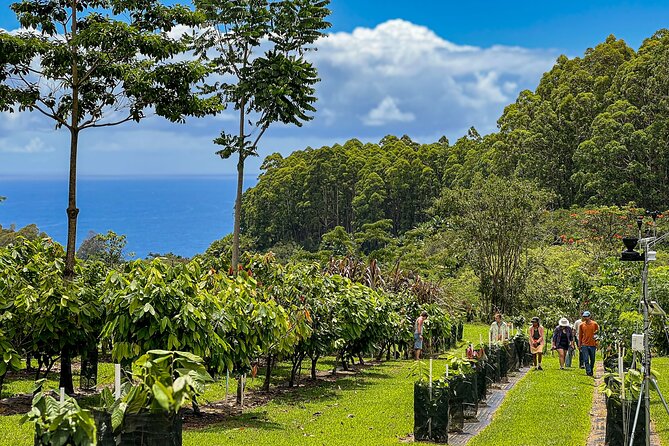
Reviewed · COCOA AND CHOCOLATE FARM TOURS
Craft Chocolate Tasting and Farm Experience on the Big Island
The most surprising part of this Big Island outing is how much flavor can come from one cacao fruit. At Honolii Orchards, you see the crop in the field, taste fresh cacao pulp, learn about fermentation, then compare finished bars from around Hawaii. It is a farm visit and a serious tasting lesson in one.
I like the small group of no more than 15, which keeps the orchard walk relaxed and leaves room for questions. I also like the setting: a tasting room above the canopy with ocean and valley views, just a few minutes from Hilo. The main drawback is location if you are staying near Kona. The drive can take about two hours each way, so this works best as a planned Hilo-side day rather than a quick stop.
Key points at a glance
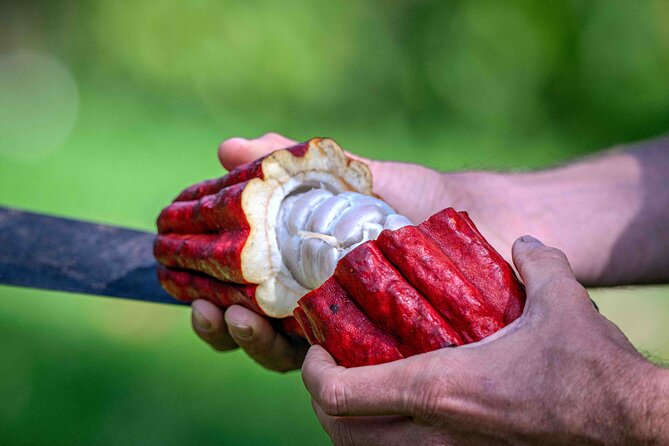
- Taste cacao at several stages: Try fresh pulp from the pod, cacao juice, roasted beans, cacao tea, drinking chocolate, and roughly 10 to 12 finished chocolates.
- Meet the crop where it grows: The orchard walk covers planting, grafting, pod development, disease, harvest, fermentation, and drying.
- Learn Hawaii’s chocolate story: Wrenn brings the history of cacao from ancient Mesoamerica to Hawaii’s growing craft chocolate movement.
- Enjoy a real farm setting: The tasting room looks over the canopy toward the ocean and valley, with sugarcane, macadamia, cattle, and ulu country nearby.
- Plan for a half-day: The experience begins at 10:00 am, lasts about three and a half hours, and returns to the same farm.
- Book ahead: The activity often fills about 31 days before the date, and the small group size limits last-minute availability.
Why this Hilo cacao farm visit is different
Many food tours stop at the finished product. This one starts with the tree. You follow cacao from flower and pod to bean, then learn what happens before a maker turns it into a bar.
That matters because chocolate can seem like a single food with a single taste. Here, you learn why beans from different varieties and growing places can show different notes. Fermentation, roasting, genetics, soil, weather, and the skill of the maker all affect the final result.
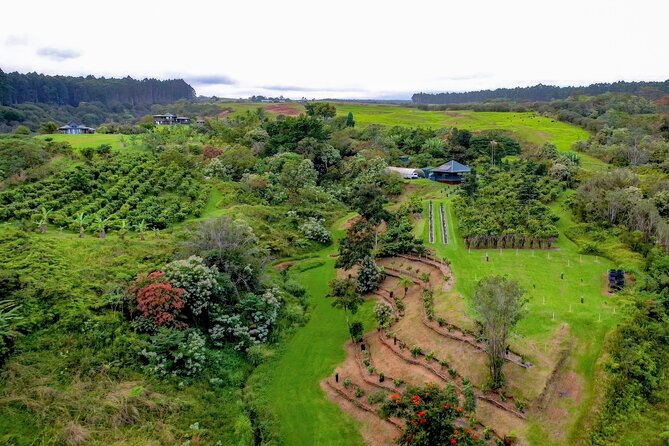
The farm is on Puia Road, about 1.7 miles up from the main road and roughly five minutes from Hilo. The drive takes you along quieter back roads through old agricultural country. This is not a polished visitor center in a resort district. It is a working farm area with a strong connection to the Hamakua Coast’s farming past.
You should allow the full three and a half hours. The schedule has a calm pace, and the tasting is not a quick sample at the end. The education and conversation are part of the experience.
More Cocoa Farm Tours in the USA
- Lahaina: Maui Ku’ia Estate Guided Cacao Farm Tour and Tasting
★ 5.0 · 1,103 reviews - Kauai Chocolate Farm Tasting Tour
★ 5.0 · 666 reviews - Award Winning Farm Tour: Coffee, Chocolate and Unique Gifts
★ 5.0 · 484 reviews
Arriving above the canopy at Honolii Orchards
The visit begins at 10:00 am at 1533 Puia Road. Once you arrive, you settle into the Honolii Orchards Tasting Room, where the view does some of the work. The room sits above the canopy, looking toward the ocean and valley.
I like this opening because it gives you time to get oriented before the farm walk. You can talk with the hosts, take in the agricultural setting, and see why Hilo is such a fitting place for this kind of tour.
The surrounding area has a long connection to ulu, sugarcane, macadamia, and cattle. That context helps place cacao within Hawaii’s changing farm economy. Chocolate is not presented as an isolated novelty. You see it as one crop in a larger story about what can grow here and how farmers are trying new approaches.
The setting is also a practical reason to bring sun protection and comfortable shoes. The activity includes time outside in the orchard, and the experience requires decent weather. The exact conditions will affect how comfortable the farm walk feels.
Walking through the cacao orchard with Wrenn and the farm team
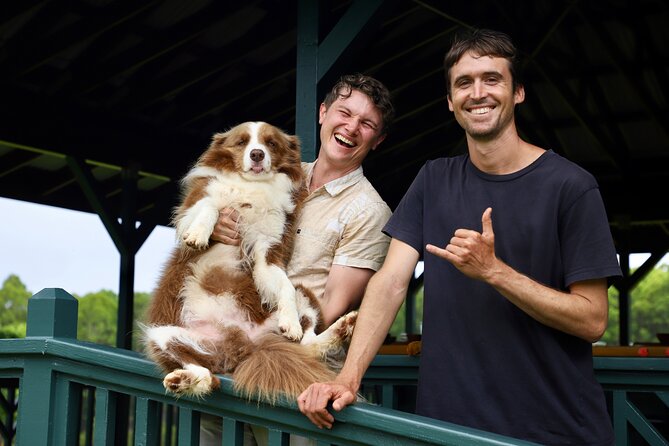
The orchard portion is the heart of the visit. Wrenn Bunker leads the farm discussion, with Colin and other hosts contributing to the explanations and demonstrations. The tone is informal, but the subject matter gets detailed.
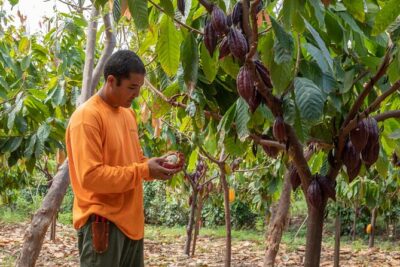
You learn about the cacao plant’s life cycle, from seedlings and grafting to flowering and pod production. You may see pods at different stages and learn why a farm cannot simply plant trees and wait for chocolate. Disease, low production, variety selection, and weather all affect the crop.
The farm walk also explains the work after harvesting. Cacao beans must be removed from the pods, fermented, and dried before they can be roasted and made into chocolate. Fermentation is especially important because it helps develop the flavor that you later notice in the bar.
That connection between farm work and tasting is one of the strongest parts of the experience. When you taste a finished chocolate later, you have a better idea what went into it. You are not just comparing percentages on a label. You are thinking about the bean’s variety, handling, and origin.
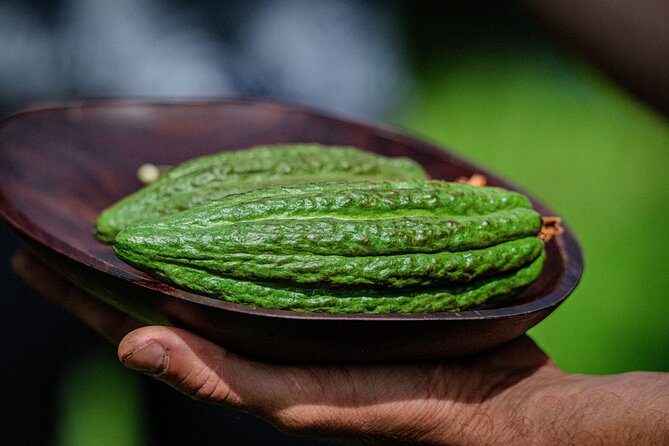
The orchard can also offer small food surprises along the way. Past tastings have included fresh cacao pulp, apple bananas, lychee, and raw sugarcane when available. Seasonal items change, so you should not treat every fruit as guaranteed. Still, the chance to taste cacao straight from the pod is a rare feature and helps you understand that the sweet pulp and the bitter beans are very different parts of the same fruit.
If you are not used to walking on farm ground, keep your expectations sensible. This is an agricultural visit, not a paved garden path. The guides have paid attention to weather and mobility needs, but you should still wear practical footwear and be ready for outdoor conditions.
From ancient cacao to Hawaii’s craft chocolate movement
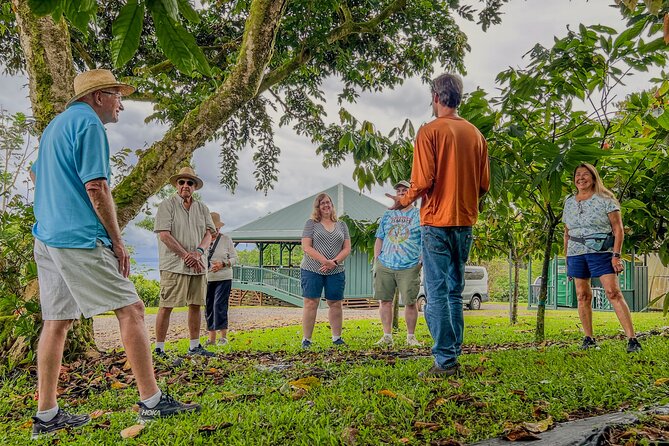
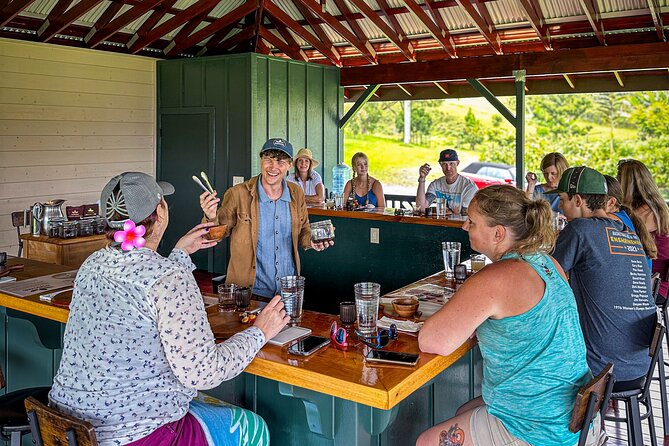
Back in the tasting room, the conversation shifts from farming to chocolate’s long story. Wrenn covers cacao’s origins in ancient Mesoamerica and traces its movement into the modern craft market.
This section gives the tasting useful context. Chocolate has not always been the sweet candy most people know today. Its history includes traditional drinks, changing production methods, colonial trade, industrial manufacturing, and the recent interest in small-batch chocolate with clearer attention to origin.
Hawaii’s craft chocolate industry is still developing, which makes the discussion especially relevant on the Big Island. The focus is not only on producing cacao locally, but also on learning how the crop performs in Hawaii and how farmers and makers can build a strong regional product.
The hosts also discuss relationships among Hawaii cacao growers and the research taking place at the farm. That is a good reminder that craft chocolate is not just a tasting trend. It depends on patient agricultural work, testing, and cooperation between growers and makers.
I appreciate that the talk does not reduce chocolate to a list of health claims or luxury packaging. Instead, it explains why small-scale production costs more and why the differences in flavor can be worth noticing.
Same fields, a different sort of morning:
- Maui Pineapple Farm Tour in Haliimaile
★ 5.0 · 2,855 reviews - Premium Amish Country Tour including Amish Farm and House
★ 4.5 · 1,306 reviews - Unique Horse Farm Tours with Insider Access to Private Farms
★ 5.0 · 1,192 reviews - Maui: Road to Hana Adventure with Farm to Table Lunch
★ 5.0 · 877 reviews
The tasting: fresh pulp, roasted beans, tea, and finished bars
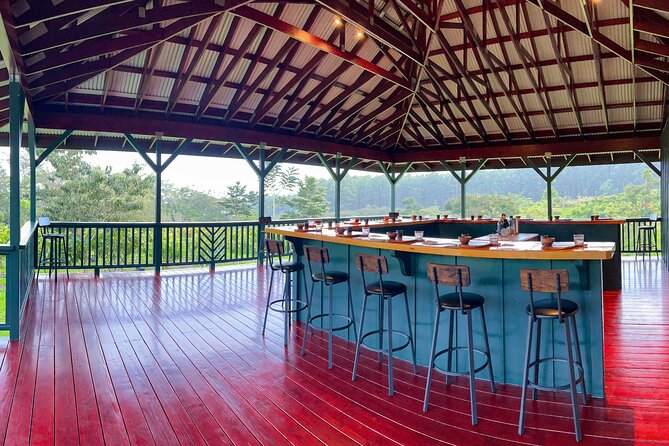
The tasting is generous and lasts long enough for you to slow down. You may sample fresh cacao juice, roasted cacao beans, cacao tea, drinking chocolate, seasonal fruit, and a broad selection of craft chocolate from Hawaii.
The finished tasting has included about 10 to 12 samples, though the exact selection can vary. Some are award-winning chocolates, and the point is comparison rather than simply eating as much as possible.
You are shown how to taste chocolate more carefully. Let it melt instead of chewing it at once. Notice aroma, texture, acidity, bitterness, sweetness, and the flavors that remain after the chocolate is gone. The process is similar to a wine tasting, but you do not need an expert palate to participate.
The biggest surprise for many first-time tasters is how different the samples can be. A chocolate made from one cacao origin may taste fruity or floral, while another can seem earthy, nutty, bright, or more bitter. Genetics and growing conditions influence the bean, while fermentation and roasting shape its final character.
The raw cacao bean is another useful comparison. Straight from the pod, the pulp is sweet and juicy, while the bean itself is not yet a chocolate bar. The roasted bean gives you a clearer link to the final product, but it still has a different texture and flavor from finished chocolate.
The cacao tea offers another angle. It is lighter than hot chocolate and shows how many parts of the cacao process can be used. Drinking chocolate then brings the tasting back to a familiar comfort, but with the farm-to-bar story still fresh in your mind.
The hosts, including Wrenn, Colin, Ren, and Jude at different parts of the experience, keep the session conversational. You can ask about farming, flavor, processing, and the local industry rather than simply moving from sample to sample.
How the $135 price measures up
At $135 per person, this is not an inexpensive snack stop. You are paying for about three and a half hours, a small group, a farm visit, several forms of cacao, a guided history lesson, and a substantial chocolate tasting.
The value depends on what you want from a Big Island activity. If you only want to buy a bar or taste one or two samples, the price will feel high. If you enjoy food education and want access to the production side, the cost makes more sense.
I see this as a specialty tour rather than a standard sightseeing outing. You are paying for time with people who work closely with the crop, not for transportation around the island or a long list of attractions. The group limit of 15 helps preserve the personal feel, and the relaxed pace means you are not rushed through the orchard or tasting room.
The price also includes coffee or tea, bottled water, and chocolate. It does not include transportation to the farm, so you need to arrange your own way to Puia Road.
For chocolate fans, food-focused visitors, and people interested in Hawaiian agriculture, $135 can be fair value. For a family that is only mildly interested in chocolate, the decision is less certain, though older children and teenagers may enjoy the hands-on crop-to-bar story.
Getting there from Hilo or Kona
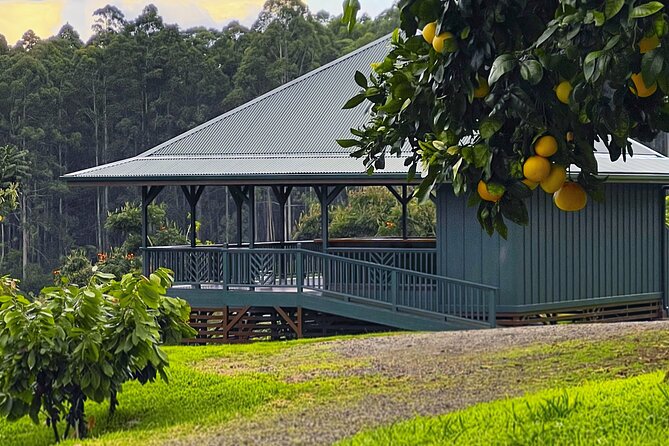
The farm is close to Hilo, but it is not necessarily convenient from every part of the island. From Hilo, the location is about five minutes away, with the final approach traveling 1.7 miles up Puia Road.
From Kona, the drive can take about two hours. That makes this a poor choice if you are trying to fit it between several west-side activities. It makes more sense if you are staying in or near Hilo, planning a Hilo day, or willing to make the crossing for a special food experience.
Because the tour begins at 10:00 am and ends back at the farm, you can build the rest of your day around Hilo. Just leave enough time for the return drive if you are staying on the Kona side.
The activity is offered in English and uses a mobile ticket. Confirmation is provided when you book. Service animals are allowed.
Who will enjoy this experience most
I would choose this tour for anyone who likes knowing how food is made. You do not need to be a serious chocolate expert. The guides explain the basics clearly, then add enough detail for people who want to ask more technical questions.
It is a good fit for:
- Couples looking for a calm, local food experience
- Families with older children or teenagers
- Solo visitors who enjoy conversation and guided tastings
- People interested in agriculture, sustainability, and small-scale production
- Chocolate fans who want to compare origin and flavor
- Visitors staying near Hilo who want an activity beyond the usual sightseeing stops
The experience may be less suitable if you dislike sweet foods, have little interest in farming, or want a fast activity. The tasting is extensive, and the farm walk takes time. You should also think carefully about the distance from Kona.
The group size helps solo visitors feel included, while couples and families still get room to talk with the hosts. The pace is social without requiring you to perform or know anything about chocolate in advance.
Booking, weather, and cancellation details
The tour is often booked about 31 days ahead, so I would reserve early if your dates are fixed. The maximum group size is 15, which limits the number of available places.
Free cancellation is available up to 24 hours before the 10:00 am start time for a full refund. Changes or cancellations within 24 hours are not accepted for a refund.
The farm visit requires good weather. If poor conditions cancel the activity, you are offered another date or a full refund. The experience also requires a minimum number of participants. If that minimum is not met, you are offered another date or experience, or a full refund.
Should you book this Big Island chocolate tour?
Book it if you want more than a tasting counter. The best reason to go is the complete chain: orchard, pod, pulp, bean, fermentation, roasting, and finished chocolate. The ocean view and quiet farm setting make the three-plus hours feel unhurried, while the tasting gives you plenty to compare.
I would hesitate only if you are based near Kona and do not want a long drive, or if $135 feels too high for a food activity. For most chocolate lovers and curious food-minded visitors staying near Hilo, this is a strong choice. It offers a side of the Big Island that many sightseeing plans miss: working agriculture, local research, and a product you can taste from its first fresh stage to its final bar.
FAQ
How much does the cacao farm and chocolate tasting cost?
The listed price is $135 per person.
How long does the experience last?
The experience lasts approximately three hours and 30 minutes.
What time does the tour begin?
The tour starts at 10:00 am.
Where does the tour meet?
It meets at 1533 Puia Road, Hilo, Hawaii 96720, USA.
Where does the activity end?
The activity ends back at the same meeting point.
How many people can join the tour?
The maximum group size is 15 participants.
What is included?
Coffee or tea, bottled water, and chocolate are included. The experience also includes the farm visit and tastings described during the tour.
Is the tour offered in English?
Yes. The activity is offered in English and uses a mobile ticket.
What happens if I need to cancel or the weather is poor?
You can cancel at least 24 hours before the start time for a full refund. Cancellations within 24 hours are not refunded. If poor weather cancels the activity, you are offered another date or a full refund. If the minimum number of participants is not reached, you are offered another date or experience, or a full refund.
Just added around the USA
- Las Vegas: Grand Canyon Ranch Tour with Horseback/Wagon Ride★ 4.7 · 38 reviews
- Dallas and Southfork Ranch Small-Group Combo Tour★ 4.6 · 61 reviews
- Combination Southfork Ranch and Dallas/JFK Highlights Tour★ 4.5 · 66 reviews
- Guided Lilymoore Alpaca Farm Tour★ 5.0 · 38 reviews
- Alpaca Ranch and Fiber Processing Mill Tour★ 5.0 · 24 reviews
- Grand Canyon West Skywalk Western Ranch Joshua Forest★ 5.0 · 67 reviews
- Lancaster: Amish Film, House, and Farmland Experience★ 4.6 · 72 reviews
- Bee Farm Ecotour and Honey Tasting in Waialua, North Shore Oahu★ 5.0 · 72 reviews
Cocoa and Chocolate Farm Tours, compared.
Maui Ku’ia Estate Guided Cacao Farm Tour and Tasting
Read our review →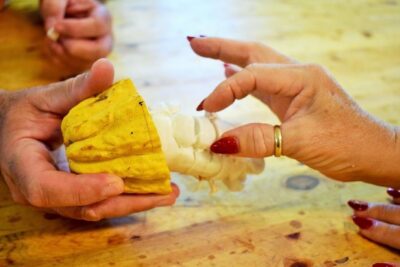
Award Winning Farm Tour: Coffee, Chocolate and Unique Gifts
Read our review →
Basel Farmer’s Market, Cheese, Chocolate & Pastry Tour
Read our review →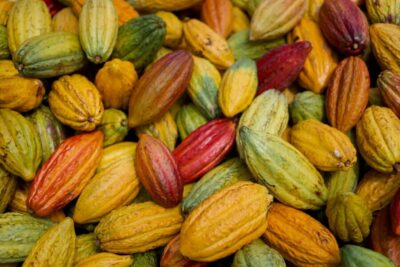
Maui Ku’ia Estate Guided Cacao Farm Tour & Tasting
Read our review →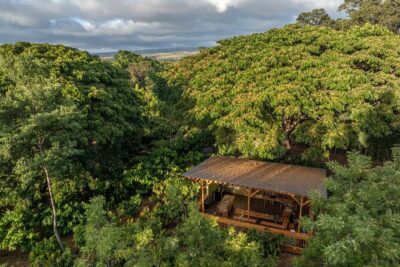
Boti Falls, Umbrella Rock, Aburi Gardens & Cocoa Farm Tour
Read our review →Lists this farm appears in