
Reviewed · BIG ISLAND FARM TOURS
Abalone Farm Tour
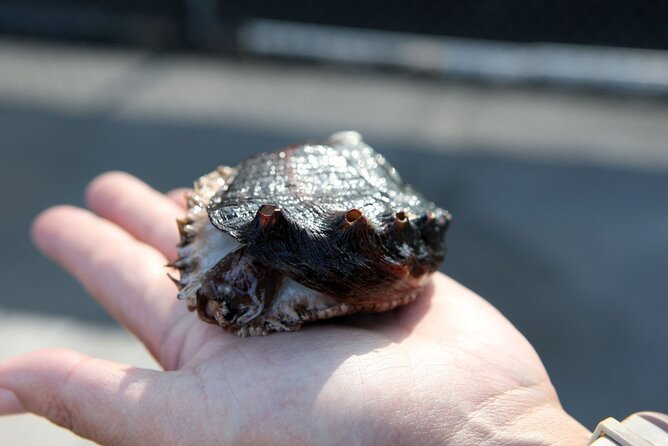
Abalone are not just shellfish on a plate here. You see the animals at different stages, learn how their breeding and growth work, and may hold one in your hand while examining its shell, foot, eyes, and feeding structure. The final tasting makes the lesson very real: this is a working farm, not a museum display.
I like the hands-on format and the way guides such as Carlos, Kai, and Diana turn marine biology into a friendly conversation. I also like the strong value at $35, since you get a one-hour farm tour, live-animal contact, seaweed samples, and abalone to taste. The main drawback is that it is an outdoor activity, and the farm requires suitable weather for operation.
Key points
- Handle live abalone: You may touch abalone in different sizes and stages of growth, along with other sea creatures.
- Taste the subject of the tour: Abalone and seaweed samples are included, with the tasting usually saved for the end.
- Learn about sustainable farming: The guide explains why farm-raising abalone matters and how the animals are produced in a tropical setting.
- Easy one-hour outing: The walking is gentle, and the tour works well for children, older adults, and people using a cane.
- Close to Kona airport: The farm at 73-357 Makako Bay Drive can fit neatly into a Kona day, especially before a flight.
- Small groups help: The maximum group size is 20, though groups of about a dozen can feel especially comfortable.
Meeting Abalone Near Kona Airport
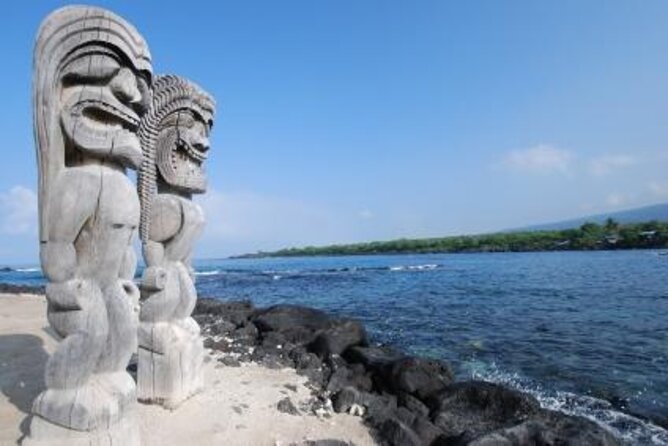
Big Island Abalone sits at 73-357 Makako Bay Drive in Kailua-Kona. The activity starts and ends at the farm, so you do not have to coordinate a separate drop-off point or shuttle.
The location is especially handy if you are staying around Kona or have spare time near the airport. One visitor described the trip as roughly a half-hour Uber ride from Kailua Pier. That makes this less convenient as a quick walk from the cruise port, but quite practical by car or rideshare.
I would allow extra time to find the farm and get settled, since the tour itself lasts about an hour. It is an easy add-on to a morning or afternoon, not an all-day commitment.
The setting is a working farm, so do not expect a polished aquarium or a large visitor center. That is part of the appeal. You are seeing food production in place, with the guide explaining what happens rather than simply pointing at display signs.
More Farm Tours in the USA:
- Maui Pineapple Farm Tour in Haliimaile
★ 5.0 · 2,855 reviews - Premium Amish Country Tour including Amish Farm and House
★ 4.5 · 1,306 reviews - Unique Horse Farm Tours with Insider Access to Private Farms
★ 5.0 · 1,192 reviews
How the One-Hour Tour Unfolds
The farm visit is built around one main stop, but the hour has several distinct parts. You begin with an explanation of abalone and the farm’s purpose, then move through the animals and growing process before reaching the tasting.
Your guide explains why abalone need to be raised responsibly and how the farm can produce them in Hawaii’s tropical climate. You also learn about the animal’s life cycle, including how abalone mate, grow, and reach harvest size.
This is where the guide makes a real difference. Carlos is known for a clear, funny presentation. Kai is especially good at explaining the science in detail, while Diana brings an energetic and friendly style. The exact guide depends on the day, but the format is conversational rather than formal.
You should expect questions and discussion. A ten-year-old can follow the basic ideas, while adults can ask about ecology, farming methods, and the seafood industry. The best part is that the talk does not treat children as an afterthought.
Seeing and Holding Live Abalone
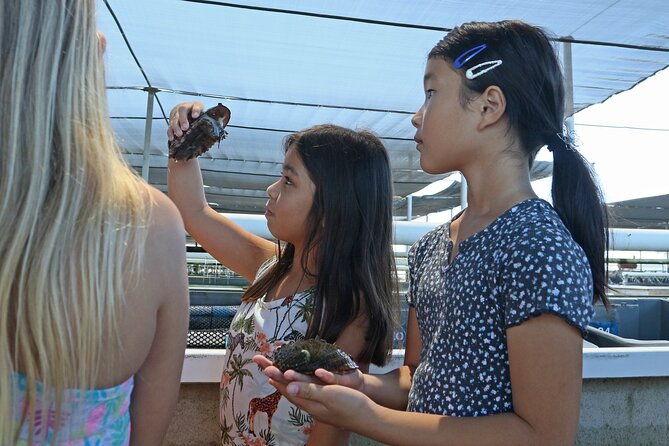
The hands-on portion gives the tour its edge. You can touch live abalone and, depending on what is being shown that day, other sea creatures from Hawaii.
A guide may point out the shell, foot, eyes, and radula, the rough feeding structure used by the animal. Seeing an abalone move and react makes it far more memorable than simply eating one at a restaurant.
You may also see abalone at different ages and sizes. That helps you understand that the smooth shellfish on your plate began as a small living animal and passed through several stages before harvest.
This is a gentle activity, not a demanding one. A toddler can take part with adult help, and older adults can follow the walk with a cane. The farm tour has been a comfortable fit for families with young children and retired parents alike.
The touch tanks and live-animal contact also give the visit a slightly unpredictable feel. You are not only listening to facts. You are looking closely, feeling the shell, and connecting the animal to the food being produced.
Why Sustainable Abalone Farming Matters
The farm places a clear focus on sustainability. Your guide explains why responsible production matters for abalone and how farming can support the animals’ future while also producing food.
You will hear about the animal’s life cycle and the work needed to raise it to maturity. This gives useful context to the price of abalone in restaurants, where it is often treated as a luxury item without much explanation of how it reached the plate.
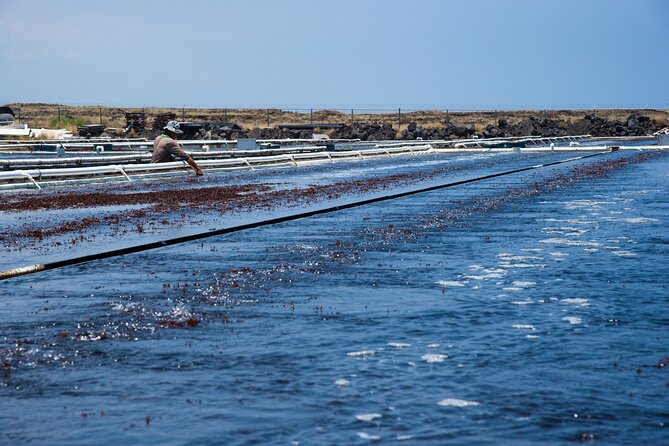
The farm also grows seaweed and related marine foods. That broadens the lesson beyond one shellfish. You get a look at a small food system rather than a single species in isolation.
The ecological side is one of the best reasons to book the tour. If you already know abalone as a delicacy, the visit adds biology and farming knowledge. If you know nothing about it, the hour gives you a clear starting point without burying you in technical language.
I would not mistake this for a full marine science course. The tour is short, and the information is designed for a general audience. That is a strength for families and casual visitors, though serious aquaculture students may want more time and detail.
Same fields, a different sort of morning:
- Lahaina: Maui Ku’ia Estate Guided Cacao Farm Tour and Tasting
★ 5.0 · 1,103 reviews - Maui: Road to Hana Adventure with Farm to Table Lunch
★ 5.0 · 877 reviews - Hawaiian Salt Farm Tour in Kona
★ 5.0 · 767 reviews - Maui Horseback Adventure at Circle M Ranch With Real Cowboys
★ 5.0 · 761 reviews
Seaweed and Abalone at the Tasting
The tasting usually comes at the end, which is a smart choice. You first learn what the animals are and how they are raised, then try the finished food.
The abalone sample may be served steamed, and the tour has included both fresh and canned examples. You also get to sample seaweed and related foods such as sea grapes, sea peas, or dulse, depending on what is available.
The tasting is not meant to replace a full meal. It is a sample, and one person specifically wished for larger portions. Keep that in mind if you are booking mainly for food. The tour’s value comes from the mix of education, handling live animals, and tasting, not from the quantity on the plate.
For many people, this is enough to decide if abalone is worth ordering later. The texture and flavor can be unfamiliar, so the sample gives you a low-risk introduction.
You may also be able to keep the beautiful shell from the tasting. That small detail adds a nice physical reminder of the visit, especially for children.
The Food Truck Adds a Second Reason to Stop
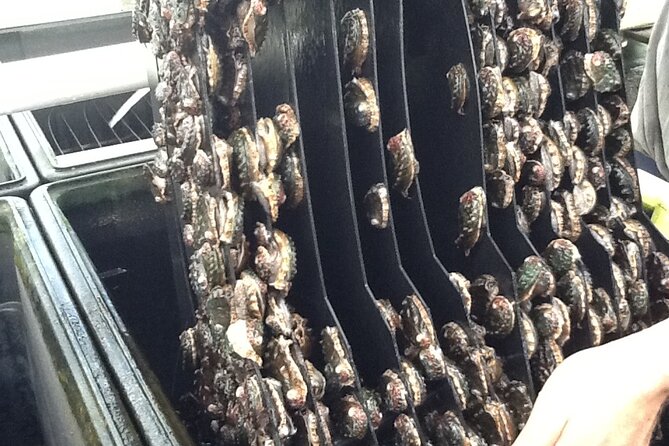
A food truck on the property serves abalone dishes after the tour. Options mentioned include abalone poke and sushi, along with other cooked foods.
This is useful because the tour sample is small. If you enjoy the tasting, you can turn the visit into lunch and try abalone in a more substantial form. Kona BBQ is next door, too, so you have another nearby food option.
I would plan this part around your appetite and schedule. The tour itself takes about an hour, but lunch can extend the stop. If you are squeezing the farm between other Kona plans, check your time before ordering a full meal.
The food truck also gives the experience a local, working-farm feel. You are not only watching a production process from behind a barrier. You can learn about the product, taste it, and then buy prepared food on site.
Comfort, Weather, and Physical Effort
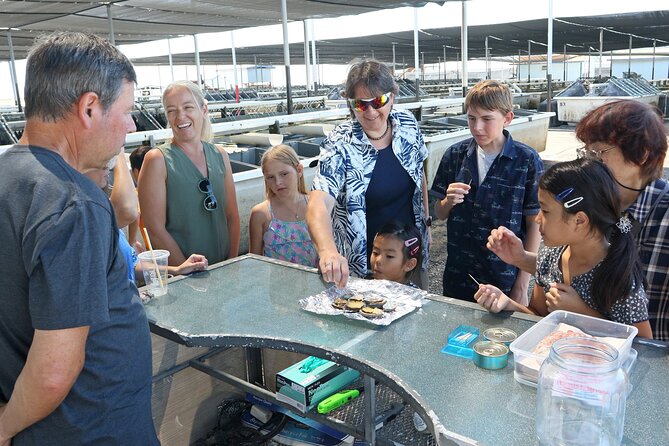
Most of the activity takes place outdoors, with much of the tour in shade. Bring water and a hat. Kona sun can be strong, even during a short walk.
The walk is gentle and has been manageable for people using a cane. The tour is described as suitable for most abilities, and service animals are allowed. Still, you should mention any mobility concern when booking if you need a specific accommodation, since the exact route and conditions can vary at a working farm.
The farm requires good weather for the activity. Much of the tour may be under shade, and it can still be an interesting stop during light rain, but official cancellation terms allow the operator to cancel for poor weather. If that happens, you can receive a full refund or move to another date.
Wear practical clothing and shoes you do not mind using around an agricultural site. This is not a dress-up outing. You will get more from it if you are ready to look closely, touch the animals, and move around outside.
Who Will Get the Most from the $35 Price
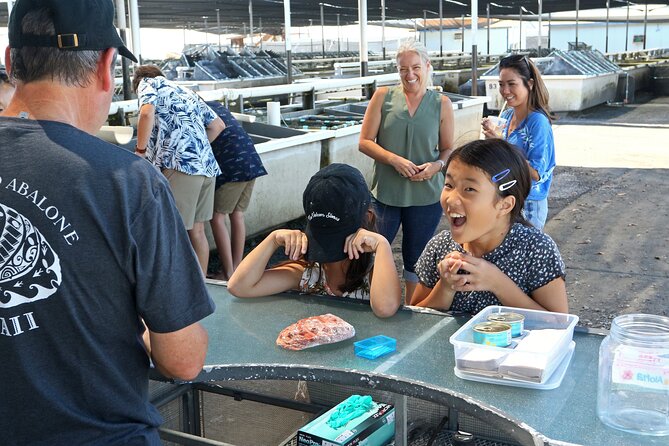
At $35 per person, the tour is fairly priced for a one-hour guided activity with tastings. You are paying for access to a working farm, instruction from a guide, hands-on contact, and food samples. That is stronger value than a short talk with no interaction.
Families get a lot here. A two-and-a-half-year-old can enjoy the touch-and-see parts, while older children can follow the life-cycle lesson. The tasting gives the hour a clear finish, and the subject is unusual enough to hold attention better than a standard farm walk.
Food lovers also have a good reason to go. You can learn how abalone is produced before ordering more at the food truck. If you are already planning to eat abalone in Kona, the tour gives your meal a useful backstory.
This is also a good choice for repeat visitors to the Big Island. If you have already done the major beaches, lookouts, and volcano activities, the farm offers a different side of Hawaii. It connects local food, marine life, and small-scale production in one short stop.
I would be more cautious if your only goal is a large seafood meal. The included sample is limited, and the tour is not primarily a restaurant visit. In that case, you may prefer to spend your money on a meal after seeing the farm, or do both if your budget allows.
Group Size and Guide Style
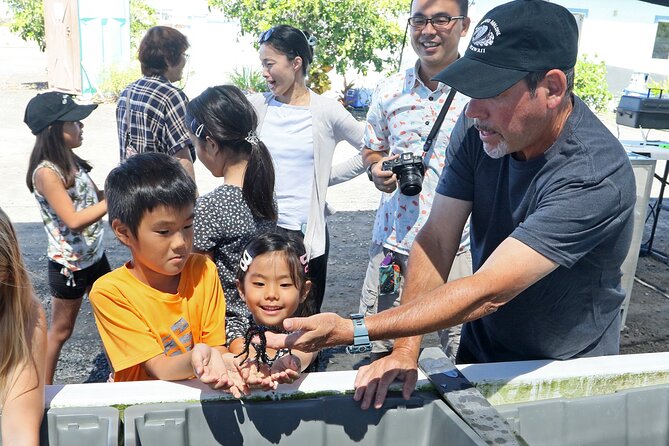
The maximum group size is 20. That is still small enough for a personal presentation, especially when the guide is encouraging questions.
Groups of around a dozen can feel particularly comfortable because everyone can see the animals and take part without too much waiting. A larger group may make the handling portion feel less immediate, but the farm’s one-hour format keeps the pace moving.
The guides are the heart of the visit. Carlos has a talent for combining facts with humor. Kai explains the breeding and growth process in a patient, detailed way. Diana brings warmth and energy, which can help a mixed-age family stay involved.
The tone is informal. You do not need a background in marine biology. Ask questions if you are curious about what you are touching, how the animals are raised, or why seaweed is part of the operation.
Booking and Cancellation Details
Confirmation is provided at booking, and the activity is offered in English. It is commonly booked about 12 days ahead, so I would reserve early if you have a fixed Kona schedule or need a particular date.
You can cancel for a full refund up to 24 hours before the start time. Changes or cancellations made less than 24 hours ahead are not accepted for a refund. The cut-off follows local Hawaii time.
The mobile ticket is convenient for a stop planned around airport time, but keep your schedule realistic. A one-hour tour can become a longer visit if you stay for food, shop for souvenirs, or spend time asking questions.
Should You Book the Big Island Abalone Farm Tour?
I would book this if you want an unusual, low-effort Kona activity that combines food and marine biology. The strongest reasons are the live abalone, the chance to handle sea creatures, the clear explanation of sustainable farming, and the tasting at the end.
It is especially well suited to families, older adults, curious eaters, and anyone with spare time near the airport. The tour is short enough to fit into a busy day, but it offers more substance than a quick photo stop.
I would skip it only if you want a full meal rather than a guided activity, or if outdoor weather is likely to disrupt your plans. For most people, $35 buys a memorable hour and a better understanding of what is behind one of Hawaii’s most unusual seafoods.
FAQ
Where does the abalone farm tour begin?
The tour begins at Big Island Abalone, located at 73-357 Makako Bay Drive, Kailua-Kona, Hawaii 96740. It ends back at the same meeting point.
How long does the tour last?
The activity lasts approximately one hour.
What is included in the tour?
The tour includes a guided visit to the working abalone farm, opportunities to touch live abalone and other sea creatures, and tastings of abalone and seaweed.
How much does the tour cost?
The listed price is $35 per person.
Is the tour suitable for children and older adults?
Yes. Most people can participate, and the tour is designed for all ages and abilities. It has also been manageable for older adults using a cane.
What happens if bad weather cancels the tour?
If the operator cancels because of poor weather, you can choose another date or receive a full refund. You can also cancel for a full refund if you do so at least 24 hours before the start time.
Just added around the USA
- Las Vegas: Grand Canyon Ranch Tour with Horseback/Wagon Ride★ 4.7 · 38 reviews
- Combination Southfork Ranch and Dallas/JFK Highlights Tour★ 4.5 · 66 reviews
- Dallas and Southfork Ranch Small-Group Combo Tour★ 4.6 · 61 reviews
- Guided Lilymoore Alpaca Farm Tour★ 5.0 · 38 reviews
- Alpaca Ranch and Fiber Processing Mill Tour★ 5.0 · 24 reviews
- Grand Canyon West Skywalk Western Ranch Joshua Forest★ 5.0 · 67 reviews
- Lancaster: Amish Film, House, and Farmland Experience★ 4.6 · 72 reviews
- Bee Farm Ecotour and Honey Tasting in Waialua, North Shore Oahu★ 5.0 · 72 reviews
Big Island Farm Tours, compared.
Award Winning Farm Tour: Coffee, Chocolate and Unique Gifts
Read our review →
Small-Group Big Island Tour: Hawaii Volcanoes National Park and Kona Coffee Farm
Read our review →
Waipi’o on Horseback: Mountain Ocean Views Working Cattle Ranch
Read our review →
Lists this farm appears in