
Reviewed · BIG ISLAND FARM TOURS
Experience Our Honey Farm And Beekeeping Tour
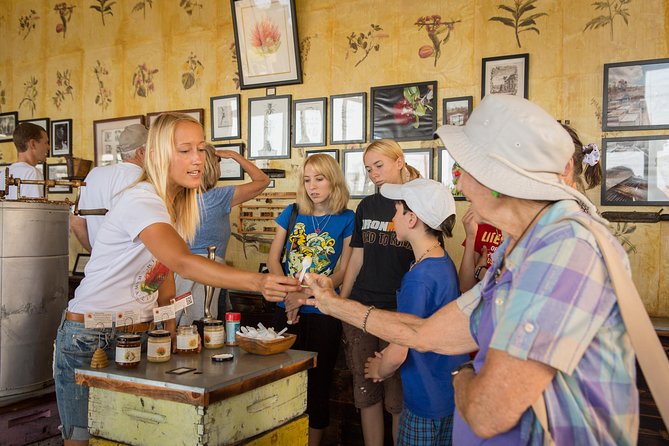
The most interesting part of this Big Island outing is the close look at working hives without putting you into a bee suit. From a screened viewing area, you can watch the beekeeper handle the colony, explain pollination and honey production, and sometimes point out the queen or a newly emerging bee. Joe and Joel are known for turning a small farm visit into a lively lesson, with plenty of humor along the way.
I like the raw Hawaiian honey tasting, because it gives the visit a flavorful finish and lets you compare what the bees produce. I also like the small scale of the farm, where you can ask real questions instead of simply walking past displays. The main caution is simple: anyone allergic to bee stings should skip the beekeeping tour, though the museum remains open to them.
Key things to know before you go

- Watch the hives from a screened area: You get a close view of beekeeping while remaining behind a safety barrier.
- Expect a strong guide-led lesson: Joe or Joel may cover bee life cycles, pollination, queens, honey, and the wider role of bees in the ecosystem.
- Save room for the tasting: Raw organic Hawaiian honeys are sampled after the educational portion.
- Allow about an hour: The advertised visit runs from 45 minutes to one hour, though some visitors found the full learning experience closer to 90 minutes.
- Plan for a remote farm setting: The site is at 82-1140 Meli Road in Captain Cook, near Kealakekua Bay, and restroom facilities are limited.
- Book ahead: The $30 tour is often reserved well in advance, with an average booking lead time of about 43 days.
A close look at Big Island Bees near Captain Cook
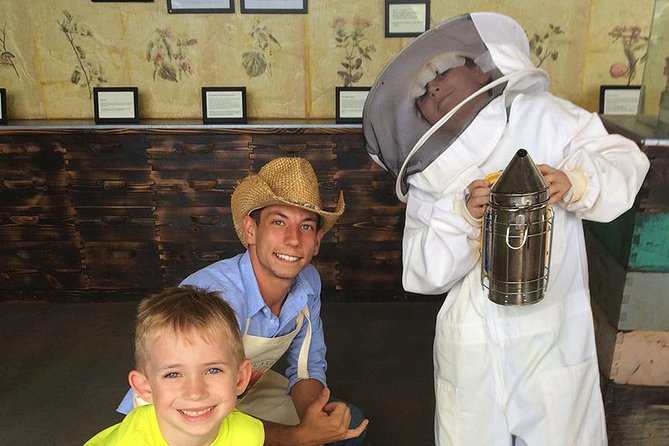
Big Island Bees offers a useful change of pace from the Big Island’s beaches, volcanoes, and scenic drives. This is not a polished attraction built around spectacle. It is a working honey farm, museum, tasting room, and shop where the central subject is the bee itself.
You begin at 82-1140 Meli Road in Captain Cook. The activity starts at 10:00 am and returns to the same point. The farm’s location near Kealakekua Bay makes it a practical add-on to a day in the Captain Cook area, but you should not treat it as a quick roadside stop. The setting is somewhat remote, and the short tour can stretch if the guide has a lot to explain or the group has questions.
At $30 per person, the price is fair if you enjoy guided learning and food tasting. You are paying for access to an active beekeeping operation, a personal explanation from the beekeeper, honey samples, and the chance to see equipment and hives at close range. If you only want to buy honey, you can visit the store without taking the tour, but the tour gives the products a reason and a story.
More Farm Tours in the USA:
- Maui Pineapple Farm Tour in Haliimaile
★ 5.0 · 2,855 reviews - Premium Amish Country Tour including Amish Farm and House
★ 4.5 · 1,306 reviews - Unique Horse Farm Tours with Insider Access to Private Farms
★ 5.0 · 1,192 reviews
Behind the screen with the working hives
The beekeeping portion takes place from a screened area that gives you a box-seat view of the operation. That setup matters. You are close enough to see bees moving across the hive and to follow the beekeeper’s demonstration, but you are not asked to handle the insects yourself.
The guide may open up a discussion about the bee colony, the queen, pollination, and how honey is made. Several children have been able to follow the lesson and ask questions, including a six-year-old who wanted to know about the queen. The guides adjust well to that kind of curiosity, so families with children can expect more than a grown-up lecture.
The most memorable moments can be small. You might see the queen among the workers, watch bees being brushed or shaken from a screen, or notice a bee emerging from its cell. Those details help turn general facts into something you can see with your own eyes.
A few accounts describe the beekeeper working in long pants and a short-sleeved shirt without a face net. That may look daring, but you remain separated from the hives by the screened setup. You should still respect the safety warning. If you have an allergy to bee stings, do not take the beekeeping portion. You can visit the museum instead.
Meet the beekeeper, not just the bees
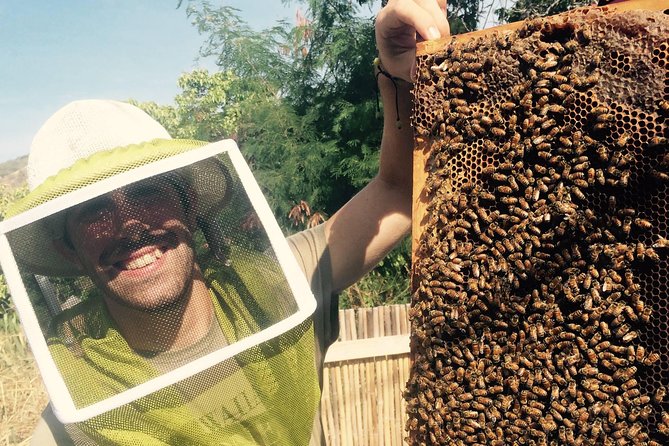
The guide makes or breaks a short farm tour, and this is where Big Island Bees earns much of its appeal. Joe is frequently described as a funny, energetic teacher who can move from bee biology to beekeeping practice without losing the group. Joel also receives praise for explaining the bee life cycle and the importance of bees in a clear, lively way.
Expect a talk with plenty of questions and jokes. The humor can occasionally be a bit much for some people, but it keeps the lesson from feeling dry. If you already know about beekeeping, you can use the question period to ask about hive management, queens, honey varieties, or pollination. If you know little about bees, the guide gives you the basic framework first.
I especially like this format for families. Children can see a real queen bee rather than only a picture in a book. Adults get enough practical information to understand how the farm works. A child who arrives nervous about bees may leave with a better sense of how important and carefully managed they are.
The tour also has value for anyone who already keeps bees. A visitor from Utah, the Beehive State, found the visit relevant to home beekeeping. You do not need that background, though. The explanation is designed for the general public.
The museum and tasting room
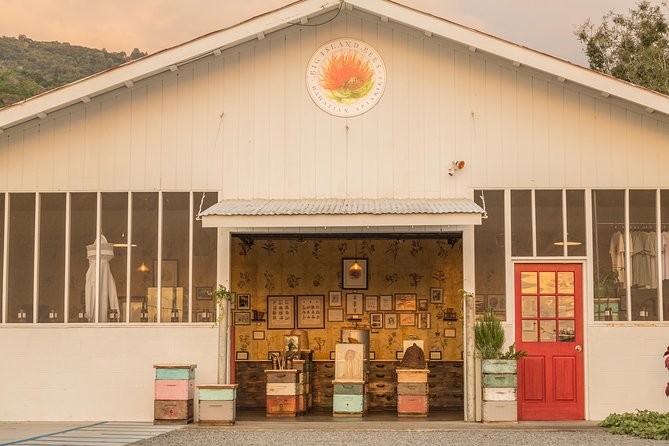
The museum gives you more context before or after the hive demonstration. It explores the world of bees and can include a video about bees around the globe, their life cycle, and their role in the ecosystem. The museum is also the best option for anyone who cannot safely join the hive viewing.
The tasting room is one of the strongest parts of the visit. You sample raw organic Hawaiian honeys, and the range of flavors makes it clear that honey is not one single product. The tasting is free as part of the farm visit, with tea and snacks available as well.
Take your time here. A tasting is more useful when you notice differences rather than simply choosing the sweetest sample. The farm’s products also make the shop more interesting, since you have already seen the hives and heard how the honey is produced.
Lunch is not included. Tea and snacks are available, but you should plan a separate meal if you expect to be hungry after the tour. The visit is short enough to pair with another Captain Cook activity, but do not count on it as a lunch stop.
Same fields, a different sort of morning:
- Lahaina: Maui Ku’ia Estate Guided Cacao Farm Tour and Tasting
★ 5.0 · 1,103 reviews - Maui: Road to Hana Adventure with Farm to Table Lunch
★ 5.0 · 877 reviews - Hawaiian Salt Farm Tour in Kona
★ 5.0 · 767 reviews - Maui Horseback Adventure at Circle M Ranch With Real Cowboys
★ 5.0 · 761 reviews
Browse the honey, beeswax, and farm shop
The store sells jars of honey, beeswax products, and beekeeping memorabilia. There is also ice cream, which has been a favorite treat for some families. The shop is not just a place to fill time while waiting for the tour. It gives you a chance to take home flavors you may not find elsewhere.
Honey makes a good souvenir because it is practical, easy to understand, and tied directly to the place you visited. Beeswax items offer another option if you do not want to buy food. You can also browse the shop without reserving the beekeeping tour.
I would set aside a little time for this part, especially if you enjoy food souvenirs. The tour itself is over quickly, and the store lets you compare products after learning about the work behind them.
Timing, group size, and the practical details
The advertised duration is about 45 minutes to one hour. One account describes the learning experience as closer to 90 minutes, so I would leave extra time in your day rather than scheduling another activity immediately afterward.
The published details describe the activity as limited to eight travelers, while another description refers to groups of up to 18. The smaller figure is the more useful one for planning: expect a personal visit, but confirm the current group limit when booking if the number matters to you.
You receive confirmation when you book, and the ticket is mobile. The tour is offered in English. Service animals are allowed, and most people can participate, but the bee sting warning is important enough to repeat.
The farm’s facilities are basic. Limited restroom access was a concern for one person, so use a restroom before arriving if possible. This is a working agricultural site, not a large visitor center with extensive amenities.
The tour requires good weather. If poor weather forces cancellation, you can select another date or receive a full refund. Otherwise, cancellation is free up to 24 hours before the start time. Changes or cancellations inside that 24-hour window are not refunded.
Who will enjoy this farm visit most?
Families with curious children are an excellent match. The queen bee, the active hives, the tasting, and the friendly teaching style give younger visitors several ways to stay interested. It also suits adults who want an educational stop that does not require a full day.
Food-minded visitors will appreciate the raw honey tasting and shop. So will anyone looking for a locally connected souvenir rather than a generic gift-store item. Beekeepers and gardeners may find the questions and explanations especially useful.
This is less suitable if you dislike insects, have a bee sting allergy, or want a completely hands-on activity. You do not handle bees, and the visit depends on listening, watching, and asking questions. The farm is also not the right choice if you need a full meal, extensive facilities, or a large attraction with many separate activities.
Is the $30 price worth it?
For a one-hour visit, $30 is not bargain-basement pricing. The value comes from the combination of a working farm, a guide-led lesson, hive viewing, museum access, honey tasting, and the chance to ask questions directly.
I think the price works best when you treat this as an educational food experience, not simply a tasting. You learn why the honey differs, how bees support crops, and what happens inside a colony. The shop then gives you a chance to buy something tied to that lesson.
Kamaaina pricing improves the value for Hawaii residents: adults age 19 and older pay $20 with a valid Hawaii State ID, while residents ages 13 to 18 pay $10. Those rates make the visit particularly appealing for local families.
Should you book Big Island Bees?
Book this tour if you want a friendly, focused look at beekeeping and enjoy learning from a guide who can make science entertaining. It is a particularly good pick for families, honey fans, gardeners, and anyone planning time near Captain Cook or Kealakekua Bay.
Skip the hive tour if you have a serious bee sting allergy, though you can still visit the museum. Also allow extra time for the farm’s remote setting, limited restroom facilities, tasting, and shop.
For the best chance at the 10:00 am visit, reserve well ahead. With strong guide-led teaching, close but screened hive viewing, and a worthwhile honey tasting, Big Island Bees offers one of the Big Island’s more personal small-farm stops.
FAQ
Where does the honey farm tour begin?
The tour begins at 82-1140 Meli Road, Captain Cook, Hawaii 96704. It ends back at the same meeting point.
What time does the tour start?
The scheduled start time is 10:00 am.
How long does the tour last?
The stated duration is about 45 minutes to one hour. You may want to allow extra time, since the educational portion can run longer when the guide answers questions.
How much does the tour cost?
The standard price is $30 per person. Kamaaina adults age 19 and older pay $20 with a valid Hawaii State ID, and resident youth ages 13 to 18 pay $10.
What will I see during the beekeeping tour?
You will watch beekeeping from a screened area, learn about bees and pollination, and may see the queen bee or a bee emerging from the hive.
Are honey samples included?
Yes. The visit includes samples of raw organic Hawaiian honeys. Tea and snacks are also available, but lunch is not included.
Can someone with a bee sting allergy take the tour?
No. People allergic to bee stings should not take the beekeeping tour. They can visit the museum instead.
Can I cancel for a refund?
You can cancel up to 24 hours before the start time for a full refund. Cancellations or changes made less than 24 hours before the tour are not refunded, unless the farm cancels because of poor weather.
Just added around the USA
- Las Vegas: Grand Canyon Ranch Tour with Horseback/Wagon Ride★ 4.7 · 38 reviews
- Dallas and Southfork Ranch Small-Group Combo Tour★ 4.6 · 61 reviews
- Combination Southfork Ranch and Dallas/JFK Highlights Tour★ 4.5 · 66 reviews
- Guided Lilymoore Alpaca Farm Tour★ 5.0 · 38 reviews
- Alpaca Ranch and Fiber Processing Mill Tour★ 5.0 · 24 reviews
- Grand Canyon West Skywalk Western Ranch Joshua Forest★ 5.0 · 67 reviews
- Lancaster: Amish Film, House, and Farmland Experience★ 4.6 · 72 reviews
- Bee Farm Ecotour and Honey Tasting in Waialua, North Shore Oahu★ 5.0 · 72 reviews
Big Island Farm Tours, compared.

Award Winning Farm Tour: Coffee, Chocolate and Unique Gifts
Read our review →
Small-Group Big Island Tour: Hawaii Volcanoes National Park and Kona Coffee Farm
Read our review →
Waipi’o on Horseback: Mountain Ocean Views Working Cattle Ranch
Read our review →
Lists this farm appears in