
Reviewed · SALT FARM TOURS
Sunset Kona Salt Farm Tour
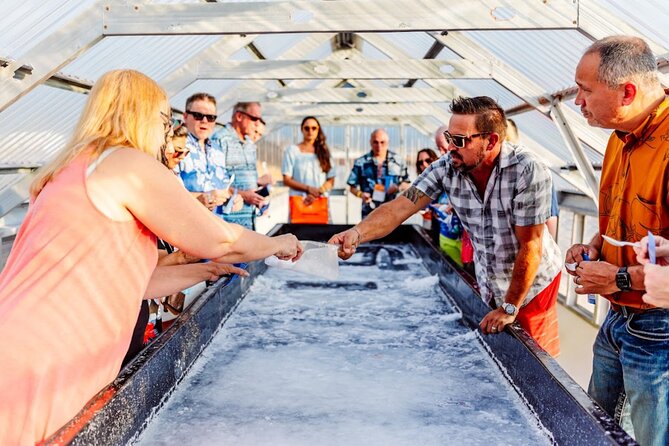
Kona’s salt farm tour turns a familiar sunset stop into a lesson in food, water, and Hawaiian tradition. You’ll see how seawater drawn from 2,200 feet below the ocean becomes salt, then taste the finished product as the sun drops over the coast. The salt tasting and oceanfront setting are the two reasons I’d put this on a Big Island shortlist.
I especially like the mix of local culture and practical food knowledge. You learn why this water source is prized, how evaporation does the hard work, and how smoked or flavored salts change a simple vegetable. The main drawback is that the tour is short, and you won’t see every stage of production in dramatic action. Salt-making includes plenty of waiting for water to evaporate, so the experience is more explanation and tasting than hands-on farm work.
Key points to know before booking
- Salt comes from 2,200 feet below the sea: The farm uses deep ocean water, giving the tour an unusual focus beyond ordinary sea-salt production.
- The tasting includes 13 varieties: You’ll sample pure, flavored, and smoked salts made on-site.
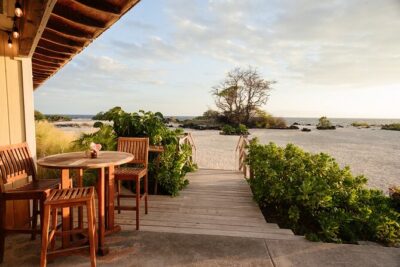
- Sunset is part of the experience: The tour ends on oceanfront grounds or a covered deck, with time to watch the evening sky.
- The tour lasts about one hour: It fits neatly into a Kona evening, but feels brief if you want a full working-farm visit.
- Small groups keep it personal: The maximum group size is 20 people.
- The price is $27 per person: That is fair for a guided local visit and tasting, though a small take-home salt packet is not included.
Why a Kona salt farm makes a good evening stop
Most food tours in Hawaii focus on coffee, fruit, or rum. This one asks you to pay attention to an ingredient you probably use every day without thinking much about it. Salt becomes the subject, and the setting gives the lesson a strong sense of place.
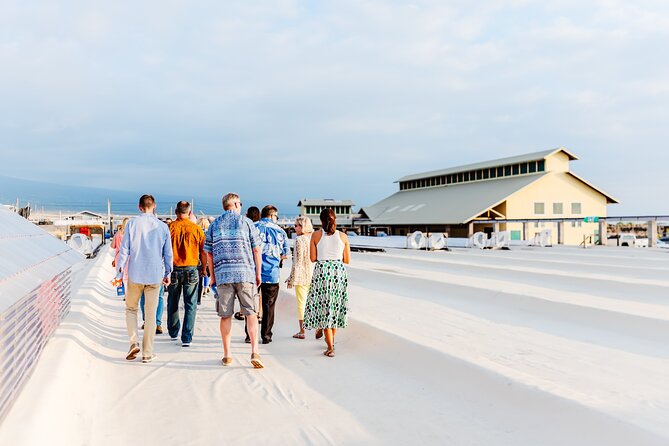
The farm sits at the Hawaii Ocean Science & Technology Park, at 73-907 Makako Bay Drive in Kailua-Kona. The ocean is not just scenery here. It is the source of the water that starts the process, and the farm’s location helps connect the finished product to the coast around you.
I like that the tour gives you a new way to read the shoreline. Instead of simply watching waves and waiting for sunset, you learn how ocean water can be gathered, dried, harvested, flavored, and packaged. That makes the scenery more meaningful without turning the visit into a lecture hall.
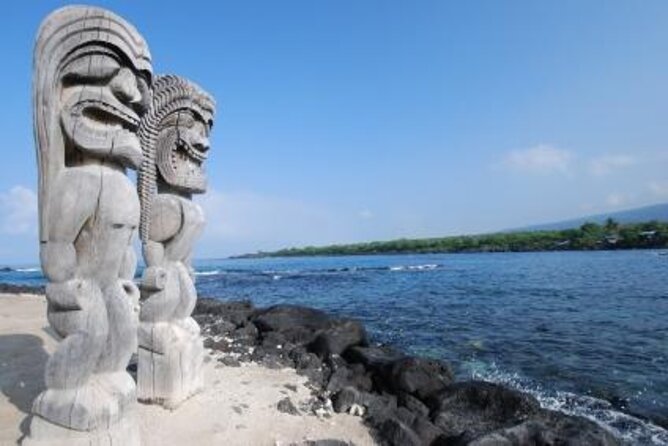
The Hawaiian connection also matters. The tour covers salt-making traditions in Hawaii, along with island history and the values behind a local producing business. You get more than a food sample, but less than a long cultural museum program. That balance works well for a short evening activity.
More Salt Farm Tours in Big Island:
- Hawaiian Salt Farm Tour in Kona
★ 5.0 · 767 reviews - Kampot: Pepper Farm Tour, Salt Field, Cave & Secret Lake
★ 4.9 · 283 reviews - Kampot Countryside include Pepper farm, Salt field & Lake
★ 4.9 · 100 reviews
What happens at 73-907 Makako Bay Drive
The experience begins and ends at the farm. Admission is included, and the group can include up to 20 people. That is small enough for a guide to answer questions, though the open coastal setting can affect how easily you hear every word.
You’ll tour the oceanfront grounds and learn about the farm’s operation. The central subject is the water itself: deep ocean water brought up from about 2,200 feet. You’ll hear why the source is considered pristine and unique, and how it supports the farm’s salt-making method.
The process is less about machinery in constant motion and more about patience. Water has to dry and leave salt behind. If you expect a busy factory tour with workers harvesting at every turn, adjust your expectations. The most useful part is understanding the stages and seeing where the work takes place.
One practical note is worth keeping in mind: coastal sound can make the guide difficult to hear. At least one guide has been described as soft-spoken, and surf, wind, and the distance between the group and the production areas can compete with the explanation. Stay close to the guide and ask for a repeat if needed. This is especially important during the most technical parts.
The deep-ocean water story
The most distinctive fact here is the water source. The farm draws water from 2,200 feet below the surface rather than relying only on ordinary surface seawater. That detail gives the tour its scientific angle and helps explain why the salt farm belongs in an ocean science park.
You’ll learn what makes that water appealing for salt production and how it is handled before drying. The process may sound simple, but the tour fills in the parts you would otherwise miss: how water is collected, how evaporation concentrates the salt, and how the final crystals are prepared.
I found this aspect especially useful for anyone who likes to know how local food is made. The explanation connects the ocean, the farm, and the packet of salt you may later buy. It also gives children a clear process to follow. Children as young as seven have enjoyed the tour, and the subject works because it is both visual and easy to understand.
The limits are clear, too. You may not see a dramatic harvest taking place. Evaporation is slow by nature, and the production method does not lend itself to nonstop action. The farm could show more of the process in motion, but the quiet pace is part of the reality of making salt this way.
Hawaiian salt traditions and local business
The farm’s story is not only about chemistry. It also includes Hawaiian salt traditions and the place of salt in island culture. You’ll hear how salt has been crafted in Hawaii over many generations, then see a modern local business applying that tradition to a food product.
That combination gives the tour more depth than a simple tasting counter. You learn about a small producer’s work, values, and commitments while standing close to the ocean that supplies the raw material. The result feels connected to Kona rather than imported into it.
I also like the chance to support a local producer directly. The tasting gives you a reason to understand the product before buying it, and the shop offers a practical souvenir that is easier to pack than many island gifts. A small bag of salt is not included in the $27 ticket, so plan on paying extra if you want to take some home.
More Evening Experiences in Big Island:
- Evening Cooking Class in Organic Farm with Local Market Tour
★ 5.0 · 394 reviews - Florence Sunset Food Tour with Wine & Dine at a Tuscan farmhouse
★ 5.0 · 194 reviews - Sunset Thai Cooking with Grandma – Farm & Evening Feast
★ 5.0 · 127 reviews - Jeddah Desert Safari: Quad Biking, Camel Farm & Sunset Views
★ 4.9 · 37 reviews
The 13-salt tasting
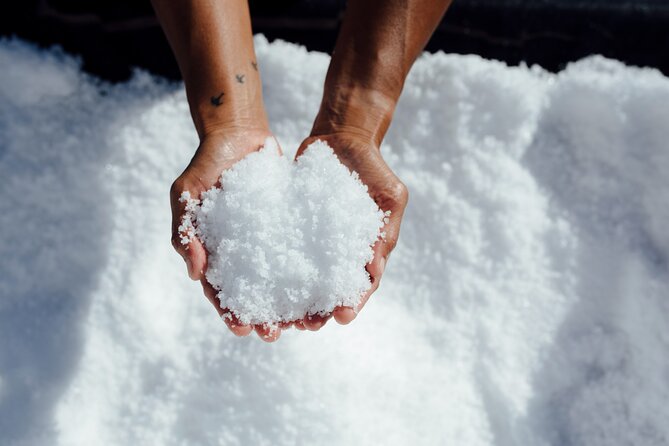
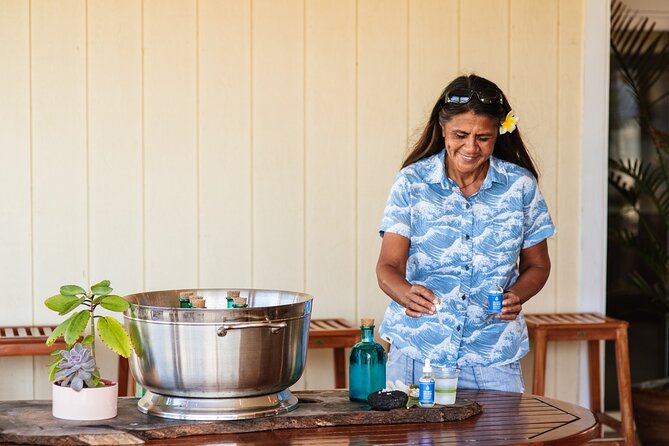
The tasting is the payoff. You’ll sample 13 salts, including pure, flavored, and smoked varieties harvested or prepared on-site. The point is not simply to confirm that salt tastes salty. You can compare how different treatments change the flavor and how each one works with food.
The samples are served with vegetables, which is a smart choice. A plain vegetable lets you notice the salt instead of burying it under a heavy dish. This is where the tour becomes useful in your own kitchen. You can start thinking about which salt belongs on a simple salad, grilled food, or another dish.
The range may surprise you. Salt can carry smoke, herbs, or other flavors, and the tasting makes those differences easy to notice. It is also an approachable activity for children. They can sample several kinds without needing a long explanation about farming or science first.
I would have liked a small take-home packet included in the admission price. At $27, the tasting and guided tour still offer fair value, but a modest sample bag would have made the experience feel more complete. If you are interested in specialty food, budget for a purchase after the tasting rather than treating the ticket as a full souvenir package.
Sunset on the oceanfront grounds
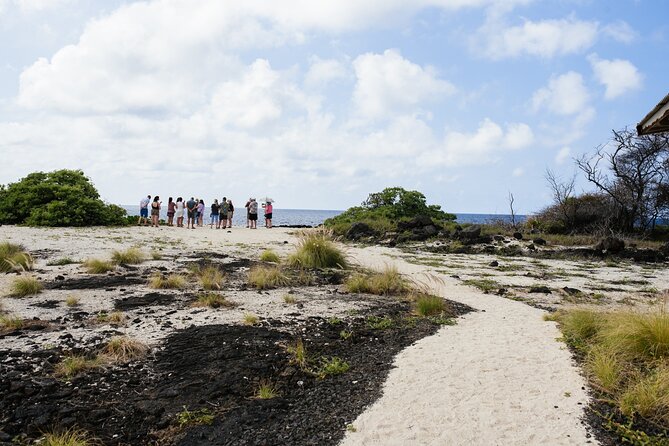
After the tour and tasting, you’ll have time to settle in on the oceanfront grounds or under a covered deck. This is not a rushed walk to the parking area. The sunset is part of the design, and it gives the experience a relaxed finish.
The setting is one of the strongest parts of the visit. The coast provides open views, and on a clear evening you might spot whales offshore during the appropriate season. You cannot book the tour for guaranteed wildlife sightings or a perfect sunset, but the location gives you a good chance to enjoy a scenic end to the hour.
The covered deck is useful if the weather turns uncertain. The activity requires good weather, and poor conditions can lead to a different date or a full refund. Even with the deck, this is still an outdoor coastal visit, so bring a light layer and be ready for wind or surf noise.
The sunset timing also affects how much of the farm you see. The light is beautiful, but visibility and color change quickly. If you want photographs, have your phone or camera ready before the final portion. The tour is mobile-ticketed, which makes arrival simple, but the experience itself is best treated as an outdoor event rather than a formal indoor presentation.
Is one hour enough?
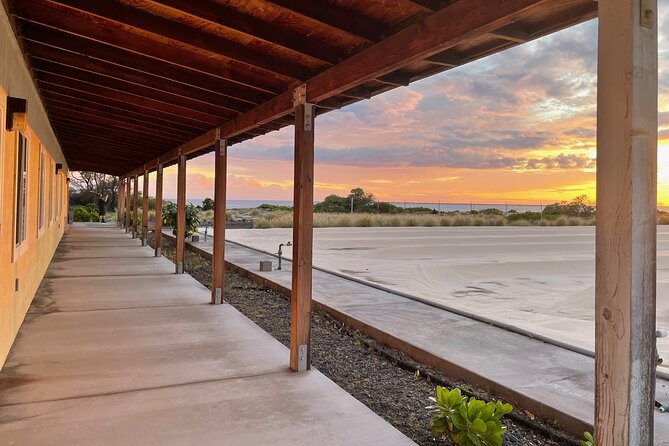
For most people, one hour is a useful length. You can fit the tour into a busy Kona schedule, pair it with dinner, or use it as a calm alternative to another organized activity. The short format also works for families whose attention spans may not survive a longer agricultural tour.
Still, one hour means the visit stays focused. You’ll learn the salt-making process, hear about Hawaiian traditions, tour the farm, taste the salts, and watch the sunset. You won’t get an extensive production demonstration or a long workshop where you make salt yourself.
That difference matters when you compare this with larger farm tours. If you want an active, behind-the-scenes operation with many buildings and several stages of production, this may feel too brief. If you want a distinctive local stop that adds a little education to a beautiful evening, the length is just right.
Who will enjoy this tour most
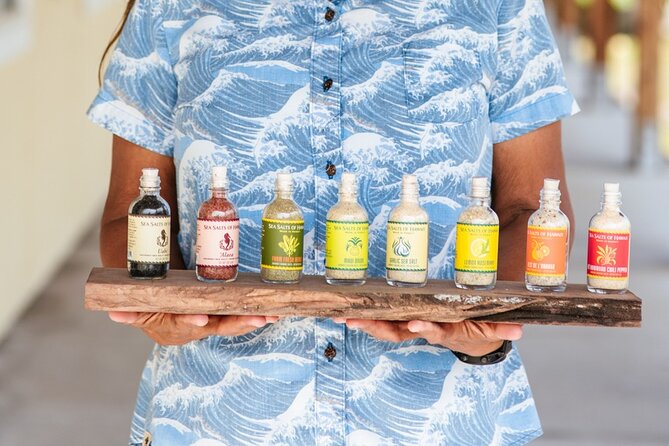
I’d recommend it to food-minded visitors, couples looking for a quiet sunset activity, and families who want something educational without committing to several hours. The tasting gives the tour an immediate reward, and the salt-making story is unusual enough to hold the interest of adults and children.
It also suits repeat visitors who have already done a coffee farm tour and want something different. The comparison is useful: coffee tours usually center on plants, roasting, and brewing, while this visit centers on ocean water, evaporation, and seasoning.
People with hearing concerns should take the open-air setting seriously. The guide may be soft-spoken, and surf can make the talk hard to follow. Stay near the guide, and do not hesitate to ask questions. Most travelers can participate, and service animals are allowed, but the provided information does not give specific details about wheelchair surfaces or other mobility needs.
Price, timing, and cancellation details
At $27 per person, the tour is reasonably priced for a guided farm visit, a 13-salt tasting, and a sunset setting. I consider it good value if you care about local food and enjoy short cultural stops. The value is weaker if you judge an attraction by the amount of machinery or production you can watch in real time.
The experience is often booked about eight days ahead, so reserve early if you want a particular sunset date. Your mobile ticket and confirmation arrive at booking, and the activity returns to the same meeting point where it starts.
You can cancel for a full refund up to 24 hours before the start time. Changes or cancellations inside that 24-hour window are not accepted for a refund. Since the experience depends on good weather, the operator offers another date or a full refund if conditions force a cancellation.
Should you book the Kona Salt Farm Tour?
Book it if you want a short, unusual Kona activity with a clear local connection. The deep-ocean water story, Hawaiian salt traditions, 13-salt tasting, and sunset setting make this more memorable than a quick stop at a shop.
Skip it if you need a busy working-farm demonstration or dislike outdoor talks where surf can compete with the guide. For most visitors, though, $27 buys a pleasant hour, a new understanding of an everyday ingredient, and a chance to watch the coast change color while tasting something made right there.
FAQ
Where does the Kona Salt Farm Tour begin?
It begins at Kona Sea Salt, 73-907 Makako Bay Drive, Kailua-Kona, Hawaii 96740. The tour also ends back at this meeting point.
How long does the tour last?
The experience lasts approximately one hour.
How much does the tour cost?
The price is $27 per person.
What is included in the tour?
Admission to the guided farm visit and the salt tasting is included.
How many salts will I taste?
The tasting includes 13 pure, flavored, and smoked salts.
Where does the farm’s water come from?
The farm uses deep ocean water drawn from about 2,200 feet below the surface.
Is the tour suitable for children?
Most people can participate, and children aged seven and nine have enjoyed the educational content.
How large is the tour group?
The activity allows a maximum of 20 people.
Are service animals allowed?
Yes, service animals are allowed.
What happens if bad weather cancels the tour?
You’ll be offered a different date or a full refund if poor weather causes the activity to be canceled.
Can I cancel for a full refund?
Yes. You must cancel at least 24 hours before the experience start time to receive a full refund.
Just added around Big Island
- Hala Tree Coffee Farm Tour★ 5.0 · 44 reviews
- Hamakua Coast Farm Small-Group Walking and Tasting Tour★ 5.0 · 4 reviews
- Edible Hibiscus Guided Farm Tour (Big Island)★ 5.0 · 31 reviews
- Bottle Feed & Cuddle Baby Goats at Ohana Ranch (Big Island)★ 5.0 · 29 reviews
- Farm to Table Cooking Class at Kulaniapia Falls★ 4.5 · 36 reviews
- Farm-to-Table Chef’s Dinner at Kulaniapia Falls★ 4.5 · 42 reviews
- Baumkuchen Farm Tour★ 4.5 · 10 reviews
- Big Island Family Off Road Farm Adventure at Ohana Ranch★ 5.0 · 43 reviews
Salt Farm Tours, compared.
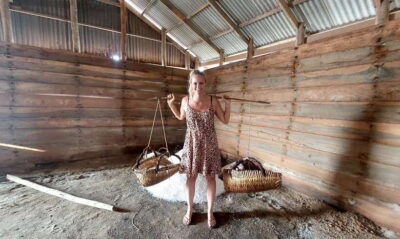
Pepper Farm Tour, Salt Field, Cave & Secret Lake
Read our review →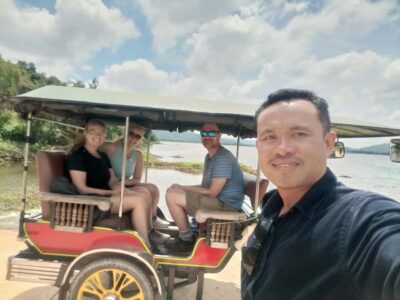
Kampot Countryside include Pepper farm, Salt field & Lake
Read our review →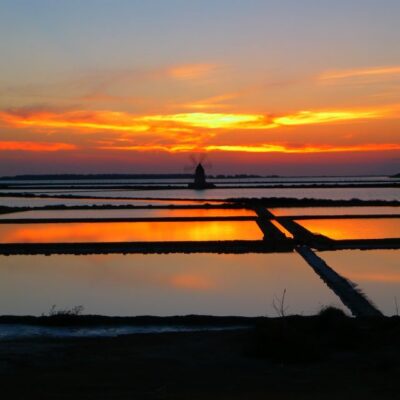
Guided tour of the Marsala Salt Pans and salt harvesting
Read our review →
Kampot Countryside include Pepper farm,Salt field and Secret lake
Read our review →
Traditional Villages, Salt Farm & Tirta Gangga Tour
Read our review →
Kampot Private Tour: Pepper Farm, Salt Field & Secret Lake
Read our review →Lists this farm appears in