
Reviewed · HISTORICAL TOURS
Full-Day Tour Exploring History, Nature and Aloe Vera Farm
Gran Canaria reveals its quieter side on this long, busy circuit through old villages, mountain roads, cave dwellings, and volcanic peaks. I like the mix of historic towns and wild scenery, plus the chance to see places such as Roque Nublo without driving narrow mountain roads yourself.
I also like the guided context, especially when guides such as Tom, Miguel, Simone, or Maribel are leading the group. The main drawback is time: much of the day is spent on the coach, and the aloe farm can feel more like a sales stop than a lesson about farming.
Key points to know before booking
- Seven hours on the road: Pickup begins around 9:00 a.m., with southern hotel returns often around 6:30 p.m.
- A broad island sampler: You visit Agüimes, Arucas, Teror, Valleseco, Roque Nublo, Guayadeque, and an aloe vera farm.
- Lunch costs extra: The usual three-course menu is around €12, though you may bring your own food.
- Mountain scenery comes with winding roads: A skilled driver matters, especially near Roque Nublo and the interior villages.
- Stops are short: The schedule gives you a taste of many places rather than time for long walks or deep sightseeing.
- The group may be sizeable: The stated maximum is 40 people, though some departures have been described as closer to 50.
A fast way to understand Gran Canaria
This excursion is designed for orientation, not for lingering. In one day, you move from the old streets of Agüimes to the mountain villages of the north, then across high interior roads toward Roque Nublo and the aloe farm.
That range is the tour’s chief value. Gran Canaria is more than beaches and resort promenades, but reaching its inland villages by rental car takes confidence on steep, twisting roads. A good driver lets you watch the scenery instead of watching every bend.
The tradeoff is clear. You may spend roughly 70 percent of the day on the coach, according to the timing described by past participants. Stops often last about an hour, with some shorter in practice, so you should expect photos, a short walk, and an introduction rather than a full visit.
This suits you if you are staying in the south and want a first look at the island. It is less suitable if you prefer a slow village day, a serious hiking outing, or detailed time at one archaeological site.
More History and Heritage Tours in Spain:
- Tromsø: Reindeer Camp and Sami Cultural Tour with Lunch
★ 4.7 · 3,326 reviews - Kona Tour: Bee Farm, Kona Coffee, and National Historical Parks
★ 4.5 · 78 reviews - Zanzibar Stone Town Historical Tour and Spice Farm Tour
★ 5.0 · 30 reviews
Agüimes and the island’s pre-Hispanic past
The tour begins with Agüimes, an old settlement with roots reaching back to Gran Canaria’s first inhabitants. Its historic quarter has traditional Canarian buildings and quiet lanes, giving you an early change of pace from the resort towns.
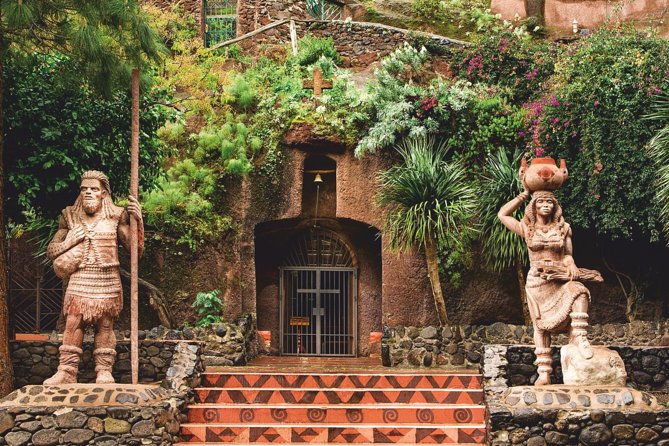
The connection with Guayadeque adds depth to this part of the day. The valley is a protected natural monument, known for cave dwellings used by the island’s pre-Hispanic population. Some cave homes remain in use, which makes the site more interesting than a simple scenic stop.
You should expect a short introduction rather than a long archaeological visit. The schedule allows about an hour at Agüimes, and the complete route has several more stops to fit in. Use your time for the old streets, the building details, and the guide’s explanation of how people lived in the island’s dry interior.
Guayadeque is especially appealing if you want a sense of Gran Canaria before modern tourism. Its steep valley, vegetation, and cave homes show how people adapted to difficult terrain. If this is the part of the island you most want to study, a separate visit would give you more freedom than this packed circuit.
Arucas: rum, bananas, and a northern town
Arucas is linked with two products that help explain Gran Canaria’s rural economy: local rum and bananas. The stop lasts about an hour and gives you another contrast with the bare volcanic heights seen later in the day.
The town visit is useful as a quick introduction to northern Gran Canaria. You can walk a little, take photographs, and hear about cultivation and local production. The experience is not built around a long factory tour, and the schedule does not promise an in-depth tasting session.
This is one place where the route can feel commercial. Several stops are connected with shops or opportunities to buy local goods. That does not make them useless, but you should know the day sometimes shifts between sightseeing and retail.
If you are careful with your holiday budget, treat shopping as optional. The cost of the tour should not be judged on how many products you bring home. Its stronger value is the transportation and the broad introduction to inland Gran Canaria.
Teror and Canarian village style
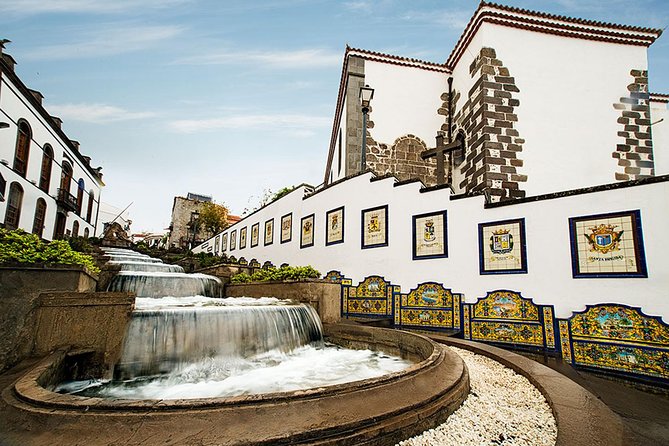
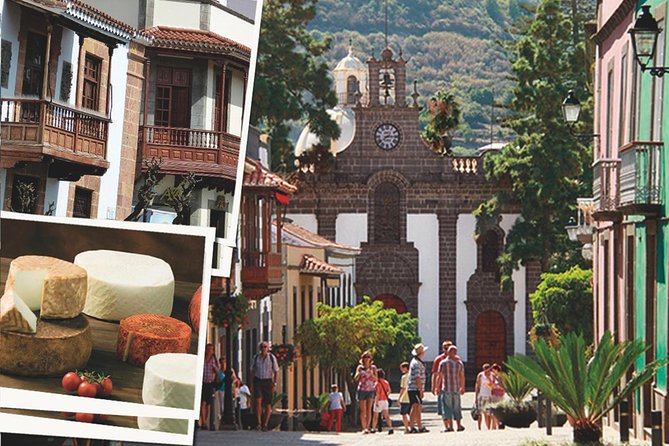
Teror brings a more traditional village setting. The Basilica of Nuestra Señora del Pino is tied to the patron saint of the Canary Islands, and the town is known for stately homes and Canarian architectural details.
Look up as you walk. Wooden balconies, old façades, and the basilica provide the visual interest here. You will get a taste of the town’s religious and civic importance, though the available schedule suggests a fairly short stop.
One practical warning: the stated plan allows about an hour, but one account describes only around 30 minutes in Teror. That kind of variation matters on a coach tour. Traffic, pickup delays, and the pace of a multilingual group can reduce time on foot.
I would not book this day solely for Teror. Instead, see it as one piece of a larger route. You get enough time to understand why the village matters, but probably not enough to wander every side street or settle into a long café stop.
More Full-Day Trips in Spain:
- Montserrat Full Day Tour with Farmhouse Lunch and Winery Visit
★ 5.0 · 1,068 reviews - Full Day Thai Cooking at Farm (Chiang Mai)
★ 5.0 · 1,127 reviews - Hidden Gems: Boutique Full-Day Wine, Farm & Lunch Tour
★ 5.0 · 881 reviews - Kampot: Full-day Countryside Tour with Pepper Farm and Kep
★ 4.9 · 245 reviews
Valleseco and the extra-cost lunch
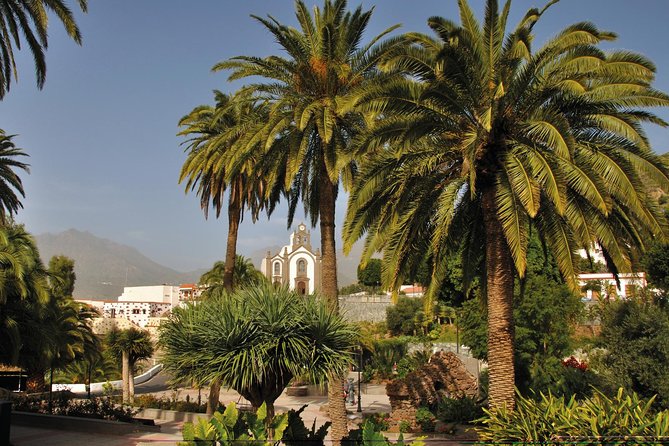
Valleseco provides a greener pause in the mountains. About 80 percent of its territory is considered protected natural area, and the village is known for thick vegetation compared with the drier southern resorts.
This is scheduled as the longest stop, at about two hours. In practice, that time includes lunch, walking, and the group’s movement through the restaurant. The meal is not included in the $59.61 tour price.
The usual lunch arrangement is a set menu costing about €12, often described as a three-course meal with a drink. That can be good value if you want a simple meal without searching for a restaurant. The catch is choice: you are generally taken to one venue, and the schedule leaves little room to find another.
You can bring a sandwich. Some people do, and it may be the better option if you have dietary needs, dislike set menus, or want to use the entire break for walking. If you buy lunch, keep the extra cash ready and expect the venue to be busy when a full coach arrives.
Valleseco is also a useful point to judge the pace of the whole day. You have more breathing room here than at most stops, but even two hours passes quickly once lunch is included.
Roque Nublo and the high interior
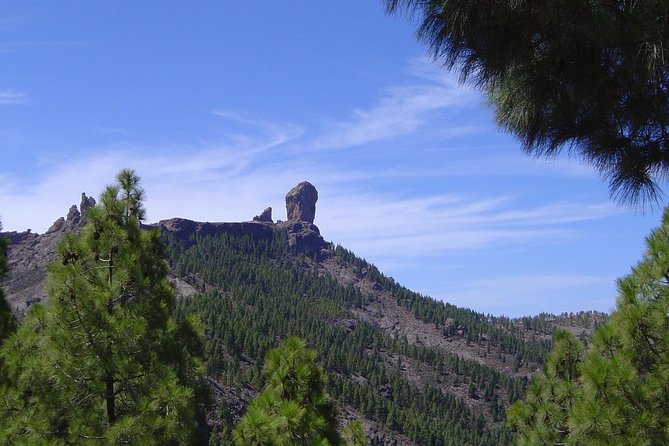
Roque Nublo is the scenic centerpiece for many people. This volcanic crag rises about 80 meters above its base and has long held spiritual importance for islanders, including the original inhabitants of Gran Canaria.
The surrounding area has protected status, first as a natural area and later as a rural park. That protection helps preserve the open mountain setting around the rock. You will have a chance to see the formation and take in the high-country views, but this is not advertised as a full hike to the summit.
The road journey is part of the attraction. It is winding, narrow in places, and demanding for a large vehicle. Past departures have praised drivers such as Manolo and Lessandro for handling the mountain roads steadily. That matters more than it may sound. A confident driver lets you enjoy the views and arrive at each stop without unnecessary stress.
Bring sensible shoes, even though the tour does not promise a long walk. You may find uneven ground around viewpoints, and you will want footwear that works for a short stroll away from the coach.
Cloud, wind, and changing mountain weather can also affect the experience. The activity requires good weather, so a poor forecast may lead to another date or a refund.
The aloe vera farm: useful visit or sales pitch?
The final stop introduces aloe vera, a crop increasingly grown and sold in the Canary Islands. You are shown the plant and told about its uses and properties.
This sounds like a farming visit, but you should set your expectations carefully. The stop can include a substantial retail element, and some departures have found the presentation too much like an infomercial. Claims about aloe should be treated with common sense. The tour is not a medical seminar, and the sales pitch may be more prominent than the cultivation details.
I would enjoy this stop most if I viewed it as a short look at a local agricultural business, not as the main reason to book the tour. You do not have to buy anything. Keep your focus on how the plant is grown and processed, and feel free to pass on products that do not interest you.
Fataga is mentioned as the Valley of the Thousand Palm Trees, but the route does not include a stop there. You may see the area from the coach, yet you should not expect time to explore the village.
What the guide and coach add to the day
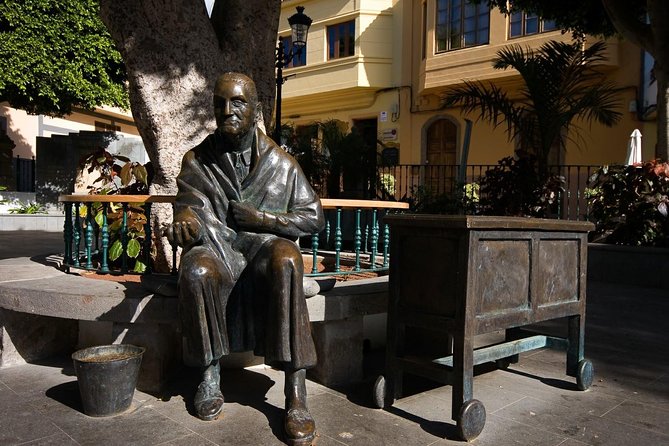
A guide stays with you throughout the trip, and the strongest departures benefit from clear commentary on the island’s past, villages, agriculture, and geology. Tom, Miguel, Simone, and Maribel are among the guides named in accounts of this experience, but your guide will vary.
Language is an important practical detail. The guide may speak in English, German, Spanish, or other languages for a mixed group. That is helpful for access, but the explanations can become shorter when the guide has to repeat everything several times. If you want lengthy historical storytelling in one language, a private tour would likely suit you better.
Transport can also differ from what you picture. The tour is sometimes described as using a minibus, yet some departures use a full-size coach, with a smaller vehicle handling the first hotel transfer. A coach carries more people but can limit views and make short stops feel more crowded.
The stated maximum is 40 participants. Some departures have been described as roughly 50 people, so I would confirm the expected vehicle and group size if those details matter to you.
Is $59.61 good value?
At $59.61 per person, the price is reasonable for a full day of transport, a guide, insurance, hotel pickup in southern Gran Canaria, and a route through several parts of the island. Renting a car may cost more once you add fuel, parking, and the stress of mountain driving.
The price is less attractive if you want long visits at each place. You are paying for coverage, not depth. Lunch is extra at about €12, and you may be offered products at the aloe farm or other commercial stops, so budget with those additions in mind.
I see the best value for a first visit. You can learn how the north, center, and interior relate to the resort areas, then decide where to return independently. If you already know Gran Canaria well, the repeated coach rides and quick stops may feel less worthwhile.
Pickup is offered only from hotels in southern Gran Canaria, or from the nearest designated pickup point. Transfers take place roughly between 9:00 and 10:30 a.m., despite the listed 9:00 start, so leave room in your morning. The full day may run from about 9:30 a.m. until 6:30 or 6:40 p.m.
Who should book this Gran Canaria circuit?
I would choose this tour if you:
- Are visiting Gran Canaria for the first time
- Stay in the south and do not want to drive
- Want villages, mountains, local agriculture, and history in one day
- Enjoy seeing many places even when each stop is brief
- Are comfortable with a multilingual group and coach travel
- Want a low-cost overview before planning separate outings
I would look elsewhere if you:
- Want a focused hike at Roque Nublo
- Need a slow pace and plenty of free time
- Dislike set-menu lunches
- Avoid commercial stops
- Want a private guide with extended historical explanations
- Have limited tolerance for winding mountain roads
Free cancellation is available until 24 hours before the start time. Changes or cancellations made later are not refunded, and the tour may be rescheduled or refunded if bad weather or low numbers prevent it from running.
Should you book it?
Book this tour if your goal is to get your bearings across Gran Canaria in one day. The old villages, Guayadeque’s cave dwellings, Roque Nublo, and the mountain roads give you a far broader view of the island than a resort stay alone.
Go in with honest expectations. You will spend much of the day on a coach, lunch is extra, the guide may have to work across several languages, and the aloe farm is not purely a sightseeing stop. For many first-time visitors, that is a fair trade for $59.61 and a skilled driver on roads you may not want to tackle yourself. For a slower, more authentic day, choose one village and one mountain area instead.
FAQ
How long does the tour last?
The tour lasts about seven hours. Pickup may begin around 9:00 a.m., and southern hotel returns can be around 6:30 p.m. or later depending on the route.
Where does pickup take place?
Pickup is offered from hotels in the south of Gran Canaria. If direct hotel pickup is not available, you may be directed to the nearest pickup point.
Is lunch included?
No. Lunch is not included in the tour price. The usual set menu costs about €12, and you may bring your own food.
Which places does the tour visit?
The route includes Agüimes, Guayadeque, Arucas, Teror, Valleseco, Roque Nublo, and an aloe vera farm. Fataga is mentioned as part of the area, but the tour does not stop there.
Is the aloe vera farm visit included?
Yes. The aloe vera farm visit is included, along with the guide, transfers, and insurance.
How large is the group?
The stated maximum is 40 participants. Some departures have been described as closer to 50, so confirm the expected group size if that is important to you.
What happens if the tour is canceled because of weather?
You will be offered a different date or a full refund if poor weather causes the activity to be canceled. The tour also requires a minimum number of participants, and a cancellation for that reason offers the same choices.
Just added around Spain
- Vigo: Bay of San Simón Mussel Farming Tour★ 5.0 · 6 reviews
- Animal farm park with free hotel pickup★ 5.0 · 2 reviews
- Olive Oil Farm Tour with Tasting from Seville★ 4.5 · 61 reviews
- From Seville: Pig Farm private day tour and old villages visit★ 4.5 · 4 reviews
- Bull Breeding Farm: Guided Half-Day Tour from Seville★ 4.5 · 24 reviews
- ” Basque Farm House & Cider house” tour + meal from San Sebastian★ 5.0 · 9 reviews
- Fuerteventura Villages Caves and Farm Tour with Lunch from North★ 3.0 · 9 reviews
- Menorca: Cheesemaking and Farm-Fresh Product Tasting★ 5.0 · 29 reviews
Historical Tours, compared.

Reindeer Camp and Sami Cultural Tour with Lunch
Read our review →
Kona Tour: Bee Farm, Kona Coffee, and National Historical Parks
Read our review →
Zanzibar Stone Town Historical Tour and Spice Farm Tour
Read our review →
Private Traditional Cooking Class on a Historic Farm near Porto
Read our review →
Ocala: Gypsy Gold Horse Farm Horses & History Tour
Read our review →
Lists this farm appears in