
Reviewed · COFFEE FARM TOURS
Guided Tour to the only coffee farm in Europe
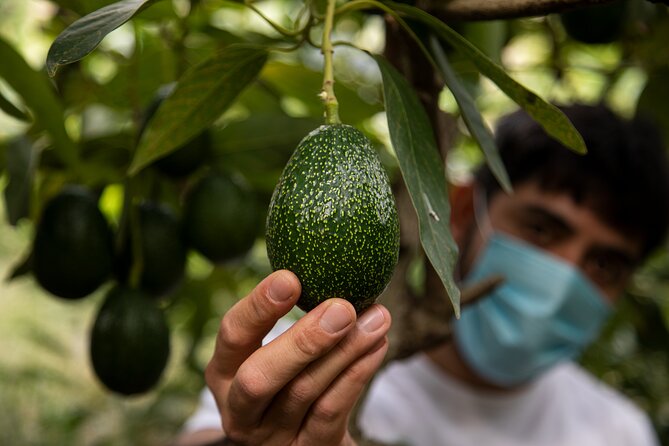
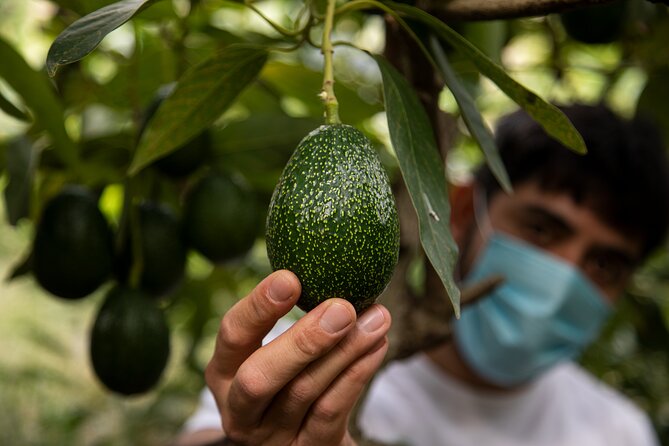
The unusual hook here is simple: near La Herradura, on Spain’s Costa Tropical, you can walk through what is billed as Europe’s only coffee plantation. The farm also grows up to 30 tropical fruits, so this is as much a fruit-farm visit as a coffee tour.
I like two things right away. Manolo Mateos, the owner and guide, speaks several languages and brings humor to the walk. I also like the small scale: groups are limited to 15 people, making it easier to ask about coffee, fruit, water use, and the family land. The main drawback is the steep slope, and coffee itself may be only one part of the visit rather than the whole show.
Key points to know before booking
- Europe’s northernmost coffee farm: See coffee plants growing in an unusual Mediterranean setting near La Herradura.
- Up to 30 tropical fruits: Look for mangoes, avocados, custard apples, lychees, red bananas, macadamias, and pitayas.
- A multilingual personal guide: Manolo Mateos is known for offering tours in several languages, including English, French, German, and Spanish.
- A short but active walk: The visit lasts about 1 hour 10 minutes to 1 hour 30 minutes and includes a steep section.
- Sustainability is central: Learn how the farm works with water recycling, biological balance, and reduced waste.
- Good value at $18.15: The price includes the guided visit and a 15 percent discount on fruit purchases, but wine, tapas, and any extra tasting are not included.
Why a coffee farm grows tropical fruit near Malaga
This farm sits near La Herradura, in the Costa Tropical area of Granada province. That name is not just a tourism slogan. The coast has a mild climate that allows unusual crops to grow, including coffee and fruit more often associated with warmer regions.
The tour makes good use of that setting. You do not simply walk past rows of coffee plants, hear a few facts, and leave. You see how coffee fits into a larger farm system filled with fruit trees and other crops. That gives the visit a wider purpose, especially if you are curious about how farming works in a place where water, heat, and soil conditions all matter.
The farm is described as a family property with roots going back about 300 years. Manolo’s story is part of the appeal. He presents the land not as a polished theme park, but as an ongoing agricultural project with real challenges.
I like that angle. You get a look at farming as work, not just scenery. The coffee is the headline, but the fruit trees help explain how the farm earns its place in the local climate.
More Coffee Farm Tours in Spain:
- La Herradura Coffee Farm: tour in Europe’s only plantation
★ 4.8 · 430 reviews - Award Winning Farm Tour: Coffee, Chocolate and Unique Gifts
★ 5.0 · 484 reviews - Big Island: Volcanoes, Waterfalls, & Coffee Farm Day-Trip
★ 4.9 · 414 reviews
Walking among mangoes, avocados, and coffee plants
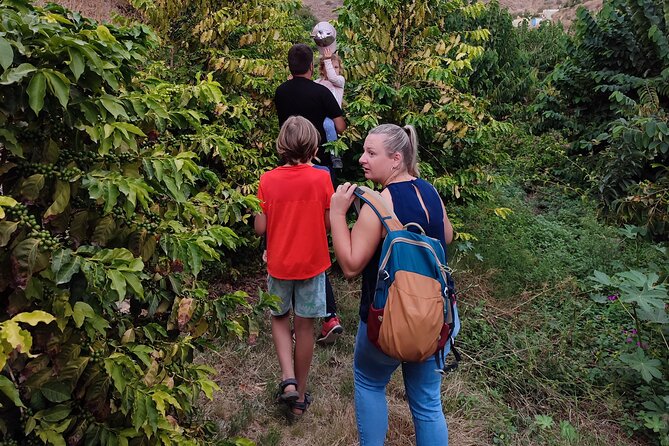
The main stop is a private open-air walk through the plantation. The route brings you past coffee plants and a broad mix of tropical trees. Depending on the season, you may see or taste fruit such as mangoes, avocados, custard apples, lychees, red bananas, macadamias, and pitayas.
That seasonal point matters. A farm is not a supermarket, so every fruit will not be ripe at the same time. The appeal is seeing crops in their growing environment and learning how each one is handled. Children in particular may get more from eating fruit directly from a plant than from hearing a long talk about farming.
The variety also keeps the walk from feeling repetitive. Coffee plants alone might make for a narrow visit, especially for people who are not serious coffee fans. Here, the route has more to look at, and Manolo explains the differences between the trees and their growing needs.
You should expect a working farm rather than a paved botanical garden. The ground rises sharply in places, so closed shoes are advised. This is not the right outing for anyone seeking a flat, effortless stroll. Bring water, and avoid the hottest part of the day if you can.
The coffee plants are the unusual centerpiece
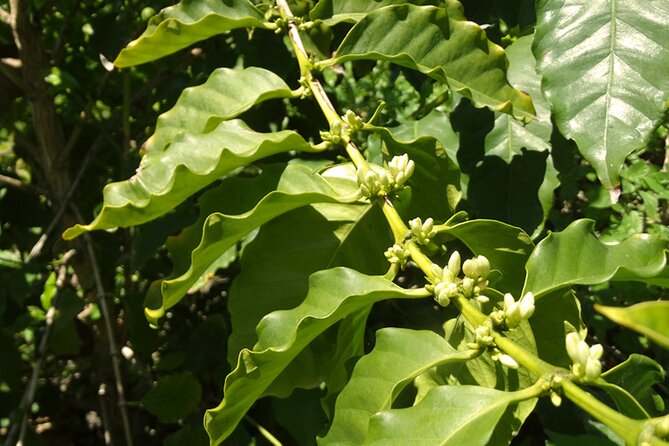
Coffee is still the special reason to come. The plantation is promoted as the only coffee farm in Europe and the most northern coffee plantation in the world. Those claims are a major part of the tour’s identity, but you should set your expectations carefully.
This is not presented as a huge industrial coffee estate. The farm’s coffee production is small, and the walk includes many other crops. One critical review felt the visit focused too much on fruit trees and not enough on coffee. That is a fair warning if you are booking specifically for a long technical lesson about roasting, processing, or coffee tasting.
If you see the coffee farm as one part of a broader agricultural visit, the program makes more sense. You learn why coffee can grow here, how it fits the local climate, and how the owner is trying to make the farm work in a responsible way. You also have the chance to buy coffee at the end, subject to availability.
I would book this for the oddity and the setting, not as a substitute for a full coffee education. The chance to see coffee plants growing in Europe is the memorable part. The surrounding fruit farm gives the visit its texture.
Manolo Mateos makes the walk personal
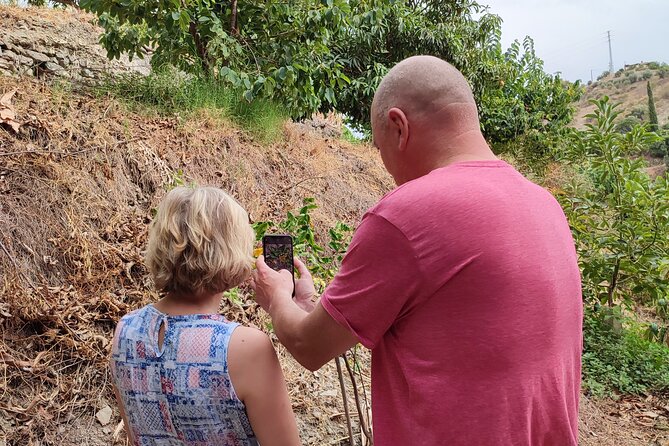
The guide can make or break a small farm visit. Here, the named guide is Manolo Mateos, also referred to as Manuel in some materials. He is the owner and presents the farm with a mix of information, jokes, and personal stories.
His language skills are a practical advantage. The tour is offered in English, and comments also describe him speaking French, German, and Spanish. That does not mean every scheduled tour will operate in every language, so confirm your language when booking if it matters to you. Still, the range of languages is useful for mixed-language families and groups.
The guiding style appears especially suited to children. The walk includes questions about fruit and farming rather than a formal lecture alone. Families with young children, including toddlers, have taken part, and children have been included in the explanations.
I also like that the farm story includes the people behind it. Manolo’s father has been involved, and the land’s long family connection gives the visit a sense of continuity. You are not just looking at exotic trees. You are hearing how one family is trying to adapt inherited land to new crops and modern ecological concerns.
More Guided Tours in Spain:
- Mykonos: Farm, Ano Mera Village, and Beaches Guided Tour
★ 4.4 · 1,283 reviews - Lahaina: Maui Ku’ia Estate Guided Cacao Farm Tour and Tasting
★ 5.0 · 1,103 reviews - Kaneohe: Kualoa Ranch Guided UTV Tour
★ 4.8 · 335 reviews - Lahaina: Maui Ku’ia Estate Guided Cacao Farm Tour & Tasting
★ 4.8 · 137 reviews
Sustainable farming is more than a talking point
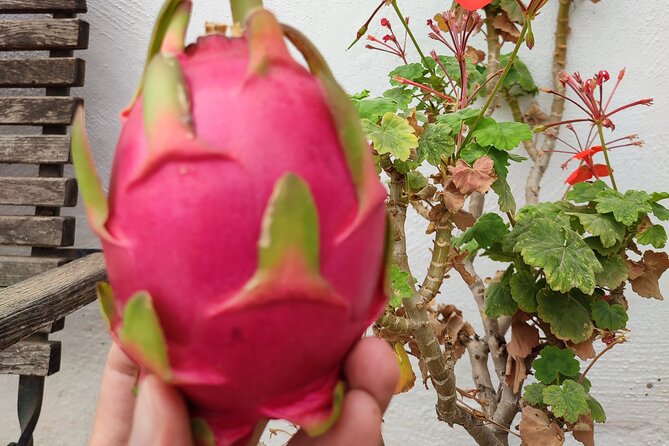
A central theme is the farm’s effort to close the circle of water and matter. The guide explains sustainable agricultural practices, biological balance, and the ways the farm manages its resources.
The details provided do not promise a technical workshop, so you should not expect a classroom presentation with charts or measurements. Instead, the ideas are worked into the walk as you see the plants and hear how they are cared for.
That is valuable because tropical crops can demand careful water management, especially in southern Spain. The tour gives you a chance to ask how a farm handles that challenge and how different plants can work together.
This part will appeal to you if you are interested in local food, ecological farming, or small business projects. It also adds weight to the fruit stops. You are not simply being shown rare produce for its novelty. You are learning about the work required to grow it responsibly.
Wildlife adds a little luck to the walk
The farm’s setting can also bring sightings of wild animals. Possible sightings include chameleons, eagles, partridges, owls, wild goats, and wild boars.
Treat this as a bonus, not a promise. The tour is focused on the plantation, and wildlife sightings depend on timing and chance. Still, the possibility makes the walk more engaging, particularly for children. Keep your eyes open rather than expecting a structured wildlife tour.
The chameleon mention is especially fitting for the area, but no animal sighting is guaranteed. You might see nothing beyond the crops, and the visit should still make sense without wildlife.
What the 70 to 90 minutes feels like
The advertised duration is roughly 1 hour 10 minutes to 1 hour 30 minutes. That is long enough for a proper introduction to the farm without taking up an entire day.
You begin at the meeting point in La Herradura and finish at the farm address on Diseminado Rio Jate. The location details deserve attention because the meeting point and end point are written as separate places. Read the directions closely before setting out, and contact the operator if you are unsure where to meet.
A taxi is the safest transport plan if you do not have a car. One useful practical note is that a taxi can meet you near the access road if you arrange it in advance. There is no Uber service for the return journey, so organize a lift back to La Herradura or book a local taxi before you start.
This is also easy to pair with La Herradura or Almuñécar. You could visit the farm in the morning, then spend the rest of the day in one of the nearby coastal towns. That makes the outing more worthwhile if you are already traveling between Granada and Malaga.
Fruit, coffee, and local products after the walk
The tour includes a 15 percent discount on fruit purchases. That is a useful benefit if the farm has ripe produce available and you have room in your luggage for something perishable.
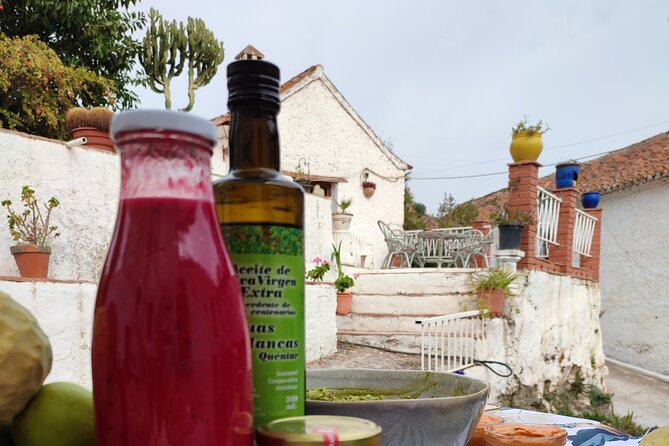
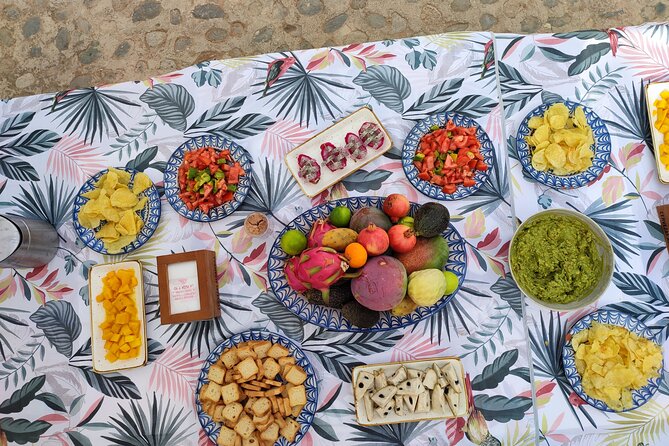
The farm also sells coffee and other products from the farm and region. Comments describe purchases such as preserves, olive oil, and flavored rum, though the exact selection can change. Some visits have included a fruit tasting or fresh juice, but those extras are not part of the basic inclusions listed for this booking.
Wine and tapas are specifically not included. Do not assume that a tasting or meal comes with the $18.15 ticket. Ask about add-ons before booking if food is an important part of your plan.
At this price, I see the tour as strong value. A guided agricultural walk with a multilingual owner, a rare coffee crop, and a broad range of fruit is inexpensive compared with many organized activities around Malaga. The value is best if you enjoy learning about how food is grown and are happy to treat shopping or tasting as optional extras.
Who should book this farm visit
This is a good choice for families, curious food lovers, and anyone who wants a break from the usual beach and monument circuit. Children have plenty to see, and tasting fruit from the farm can make the visit feel hands-on without turning it into a staged attraction.
It also suits people interested in small-scale farming and regional food. You will get more from the tour if you ask questions about coffee, water, fruit seasons, and the family’s approach to the land.
I would be more cautious if you have seasonal pollen allergies. The farm contains many plants, and the operator does not recommend the tour for people with seasonal pollen problems. Contact the farm first if you have plant allergies.
You should also have moderate physical fitness. The slope is steep, and comfortable closed shoes are recommended. Service animals are allowed, but the terrain may still be a concern for anyone with limited mobility.
Booking, timing, and cancellation details
The tour is offered in English and uses a mobile ticket. It is commonly booked about 12 days ahead, so reserve early if your schedule around Malaga is tight.
Free cancellation is available up to 24 hours before the start time. Cancellations made less than 24 hours ahead are not refunded, and late changes are not accepted. The activity depends on good weather and a minimum number of participants. If the operator cancels for either reason, you are offered another date or a full refund.
The group size is capped at 15 people. That is small enough for a personal feel while still allowing the tour to run as a shared activity.
Should you book the only coffee farm in Europe?
Book it if you want something unusual, affordable, and connected to the local land. The mix of coffee, tropical fruit, ecological farming, and Manolo’s multilingual guiding gives you a very different hour and a half from the usual Costa del Sol sightseeing.
Do not book it expecting a large coffee estate or a detailed coffee-tasting course. The fruit trees are a major part of the visit, and the walk includes a steep slope. For me, that balance is the point: this is a small working farm with coffee at its center, not a coffee museum.
If you can handle the hill, avoid peak heat, and arrange your return transport, this is a worthwhile add-on to a day in La Herradura or Almuñécar.
FAQ
Where is the coffee farm tour located?
The experience is in the La Herradura area of southern Spain. The listed start point is Q723+V5 La Herradura, and the end point is Diseminado Rio Jate Pol 21, 162, 18690, Granada, Spain.
How long does the tour last?
The tour lasts approximately 1 hour 10 minutes to 1 hour 30 minutes.
Is the tour offered in English?
Yes. English is one of the offered languages. The guide, Manolo Mateos, is also described as speaking French, German, and Spanish.
What will I see on the farm?
You can see coffee plants and up to 30 types of tropical fruit, including avocados, mangoes, custard apples, lychees, red bananas, macadamias, and pitayas.
Is the walk physically demanding?
The farm has a steep slope, and participants should have a moderate level of physical fitness. Comfortable closed shoes and proper hydration are recommended.
Are children allowed on the tour?
Yes. Families with children have taken part, including families with very young children. The activity can be suitable for children, but the steep terrain should be considered.
What is included in the price?
The guided farm visit and a 15 percent discount on fruit purchases are included. Local wine and tapas are not included.
Can I cancel for a refund?
Yes, if you cancel at least 24 hours before the experience start time. Cancellations made less than 24 hours ahead are not refunded. Weather or minimum-participant cancellations may result in another date or a full refund.
Just added around Spain
- Maspalomas: Barranco de las Vacas, Caves, Farmhouse Tour★ 5.0 · 82 reviews
- Fuerteventura: Artisan Goat’s Cheese Making at Local Farm★ 4.9 · 112 reviews
- Eco banana farm Tour★ 5.0 · 140 reviews
- Barcelona: Montserrat with Winery Visit and Farmhouse Lunch★ 4.7 · 178 reviews
- Alicante : E-Bike Coast Tour, Roman Fish Farm and Snorkeling★ 4.8 · 250 reviews
- La Herradura Coffee Farm: tour in Europe’s only plantation★ 4.8 · 430 reviews
- Ría de Arousa: Boat Ride to Mussel Farm with Tasting★ 4.7 · 845 reviews
- Valencia: Orange Farm and Orchard Trip with Tastings★ 4.9 · 702 reviews
Coffee Farm Tours, compared.
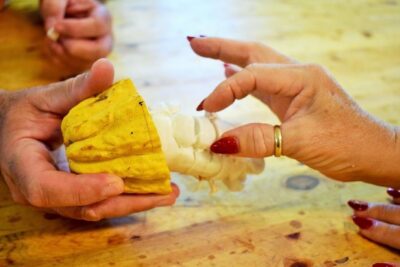
Award Winning Farm Tour: Coffee, Chocolate and Unique Gifts
Read our review →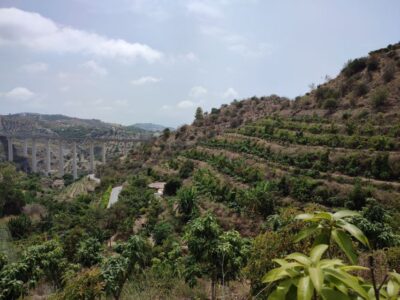
La Herradura Coffee Farm: tour in Europe’s only plantation
Read our review →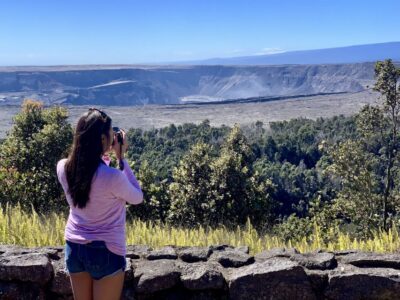

Small-Group Big Island Tour: Hawaii Volcanoes National Park and Kona Coffee Farm
Read our review →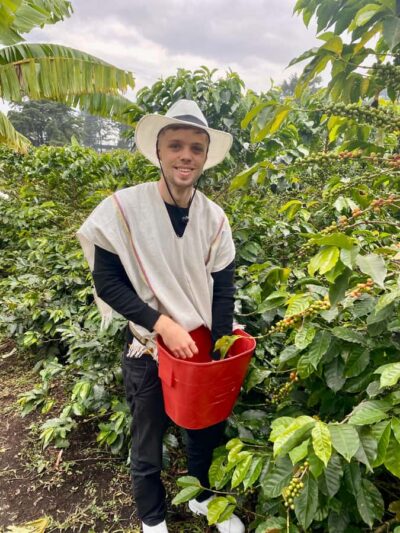
Medellín Coffee Farm Tour with Trolley and Cable Car Ride
Read our review →
Private Cocora Valley, Salento & Coffee Farm Tour
Read our review →
Liamuiga Natural Farm Tour – St.Kitts’ Coffee Farm
Read our review →
Horseback Riding Coffee Farm Tour with Coffee Spa
Read our review →Lists this farm appears in