
Reviewed · AUSTRALIA FARM TOURS
Adelaide Hills: Jurlique Farm Tour
Jurlique’s farm tour takes you behind the skincare label and into the soil that supplies its products. In 90 minutes, you’ll see how seedlings are propagated, how biodynamic farming supports soil fertility, and how plants move from the farm toward harvest. The hands-on farm setting gives the brand a more tangible story than a shop visit alone.
I like the chance to connect skincare with its source, and I like the clear focus on practical farm work rather than a simple product presentation. A guide such as Kelly can make the visit lively and interactive, but you should know that the tour may leave you wanting more detail about the finished skincare products.
Key points to know before you go
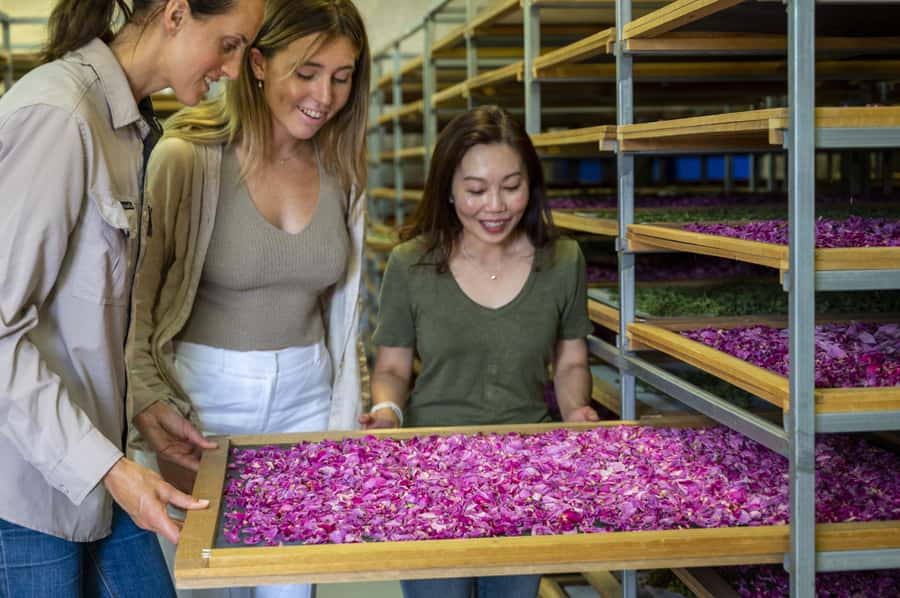
- Follow the full growing process: The tour covers seedlings, plant varieties, soil fertility, compost, and harvesting.
- See Jurlique’s biodynamic approach: You’ll learn how the farm works with natural growing principles rather than hearing only about the finished products.
- Expect a 90-minute guided visit: An English-speaking Jurlique Ambassador leads the experience.
- Allow time for the Farm Shop: The shop carries Jurlique products and items available only at the farm.
- Dress for changing conditions: The tour runs in all weather, with uneven surfaces in places.
- Consider the product focus: The tour is strongest for visitors curious about plants and farming, while finished-product information may be limited.
From Adelaide Hills soil to Jurlique skincare
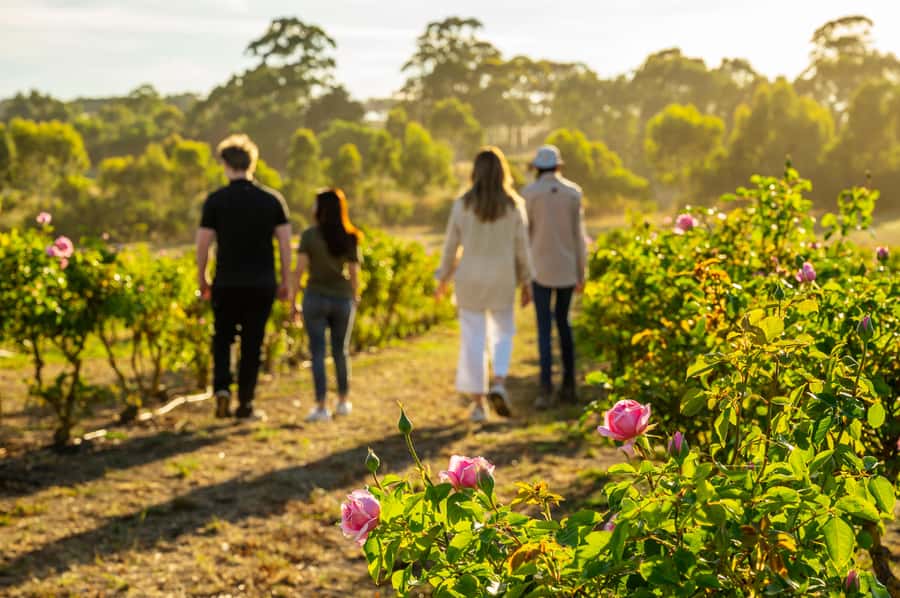
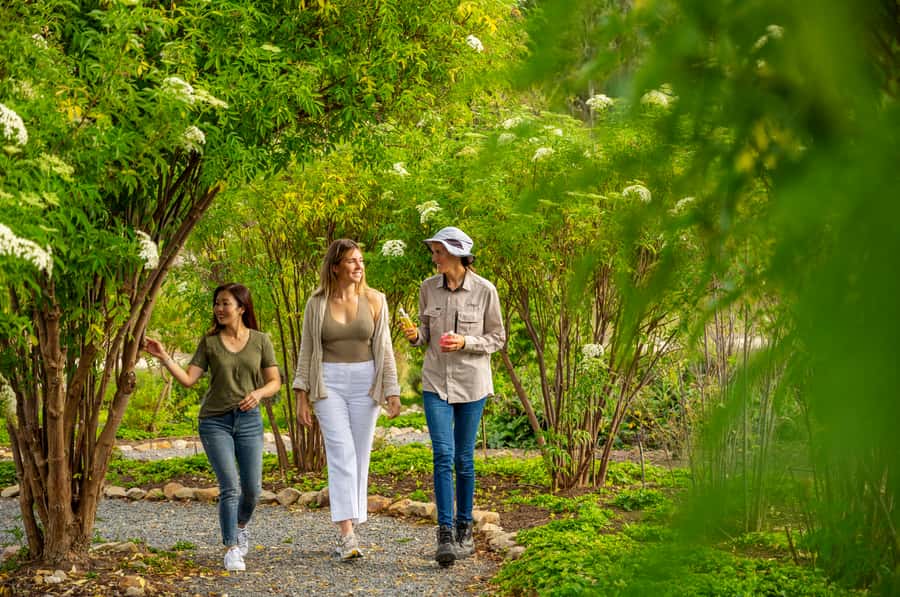
Jurlique has grown ingredients on its South Australian farm for more than 35 years. That long connection between the farm and the skincare line is the central reason to visit.
Rather than treating the farm as a pretty backdrop, the tour explains how the growing work supports the products sold around the world. You’ll hear about the company’s history, then move into the practical steps that make the farm function: propagation, plant care, compost production, soil fertility, and harvesting.
I find that approach useful because it gives you a better way to judge natural skincare claims. Words such as pure, natural, and botanical can sound vague on a shop shelf. Here, you can learn how Jurlique grows the ingredients and what happens before they reach a bottle or cream jar.
The tour takes place in the Adelaide Hills, an attractive setting for a farm-based visit. The supplied details do not promise a particular viewpoint or scenic stop, so I would treat the setting as part of the atmosphere rather than book the tour as a sightseeing excursion.
More Farm Tours in Australia:
- Hidden Gems: Boutique Full-Day Wine, Farm & Lunch Tour
★ 5.0 · 881 reviews - Melbourne: Yarra Valley Wine, Choc, Farm Fresh, Gin Tour
★ 4.9 · 258 reviews - 3- Hour Wine and Harvest the Hunter Horse Tour in Pokolbin
★ 5.0 · 165 reviews
Starting with Jurlique’s history and farming philosophy
Your visit begins with an introduction to Jurlique and its connection to the farm. This opening matters because it places the rest of the tour in context. You are not simply looking at rows of plants. You are learning why the company grows its own ingredients and how that practice has continued for over three decades.
The guide also introduces biodynamic farming principles, one of the tour’s main subjects. The experience is designed to explain how the farm approaches growing, rather than asking you to accept a marketing label without explanation.
You should expect the guide to talk about the relationship between plants, soil, and compost. The available information does not give a detailed list of the farm’s specific biodynamic preparations or techniques, so the precise depth may depend on the guide and the questions asked on the day.
That is a useful point to keep in mind. This is a short public tour, not a farming course. You’ll gain an accessible introduction to Jurlique’s methods, but you should not expect technical instruction at agricultural-college level.
Seeing how seedlings become useful plants
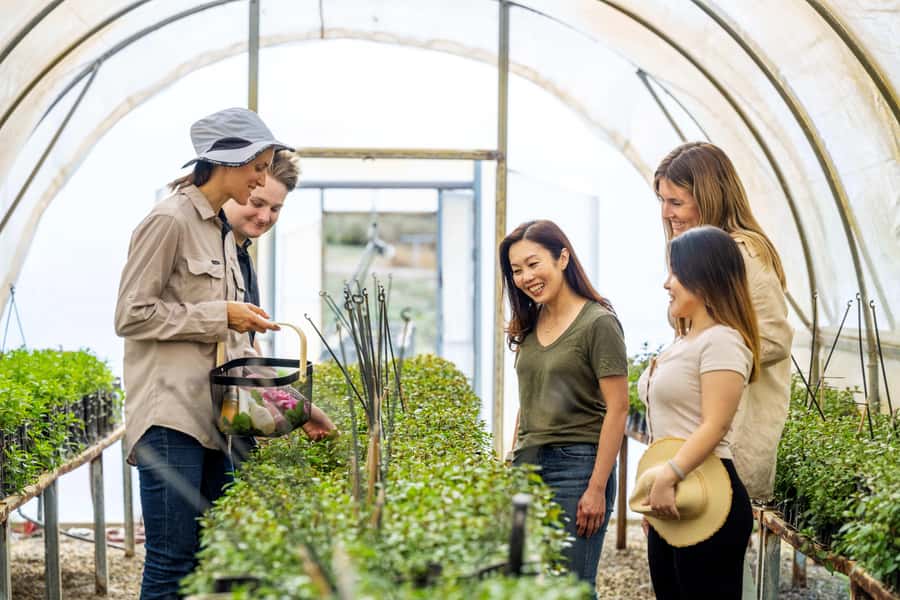
The propagation section shows how seedlings and plants are started and cared for before harvest. This is one of the most worthwhile parts for anyone who likes seeing the less glamorous work behind a finished product.
Propagation can easily be skipped in a brand-focused visit, yet it is where the farm’s process begins. You’ll learn how plants are multiplied and prepared for continued growth, along with information about the different varieties grown at the farm.
The tour also covers plant varieties and their uses. That connection between a particular plant and its role in skincare helps make the experience more specific. Instead of hearing only that the products contain natural ingredients, you can consider which plants are grown and why they matter to Jurlique.
The supplied information does not name each plant variety, so you should not arrive expecting a fixed botanical checklist. If a certain ingredient interests you, ask the Ambassador about it during the tour. The experience is described as interactive, and questions should help you get more from the plant section.
Soil fertility and compost at the center
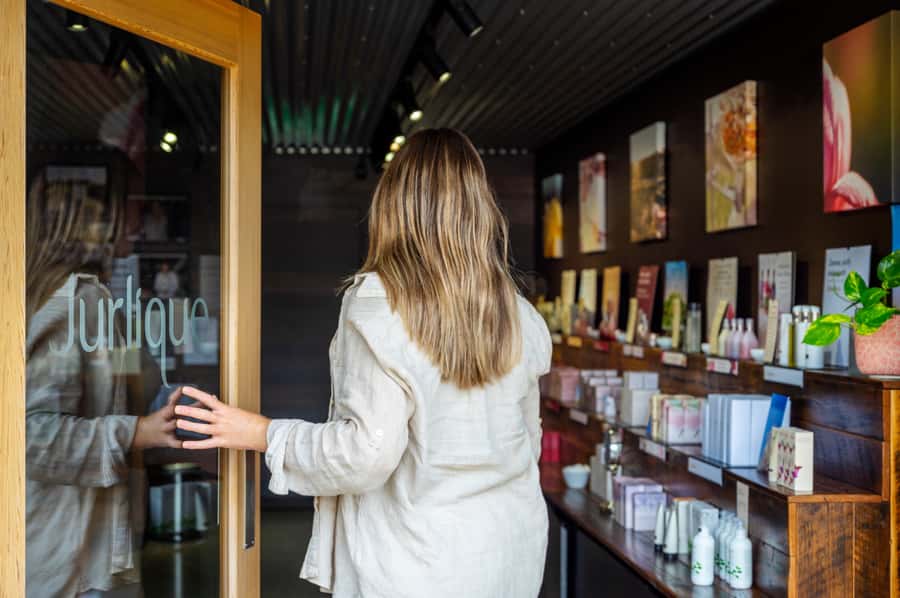
The tour gives unusual attention to soil fertility and compost production. I like this focus because it shifts the conversation away from glossy bottles and toward the basic health of the farm.
Healthy soil affects how plants grow, how often a farm can continue producing, and how much care the land needs over time. By explaining compost and soil fertility, the tour shows that natural farming is not simply a matter of planting flowers and waiting for ingredients to appear.
You’ll hear how these practices fit within Jurlique’s biodynamic approach. The details provided do not say how the compost is made or what materials are used, so the guide’s explanation will be important here. Still, the subject gives the visit a practical backbone.
This section may be especially appealing if you garden at home or care about sustainable growing. It may be less compelling if you want a quick product demonstration. The farm’s strength is that it explains the source of the ingredients, not just the appeal of the end product.
Same fields, a different sort of morning:
- Experience Coffin Bay Oyster Farm and Bay Tour
★ 5.0 · 161 reviews - Broken Bay Pearl & Oyster Farm Tours
★ 5.0 · 150 reviews - Coffin Bay Oyster Farm Wading Tour & Tasting Experience
★ 5.0 · 142 reviews - Rockhampton: Koorana Crocodile Farm Guided Tour
★ 4.8 · 136 reviews
Understanding the harvest process
The harvest section connects farm work to Jurlique’s skincare line. After learning about propagation, plant varieties, and soil care, you’ll see how the farm’s plants are gathered for use.
The information does not specify whether you will see active harvesting on the day, handle plants, or visit particular harvest areas. Plan on learning about the harvest process rather than taking part in a guaranteed seasonal activity.
Timing and weather may affect what you see. The tour runs in all weather, and farm conditions change with the seasons. That can be a benefit, since different times of year may show different stages of growth, but it also means the visit will not look identical every time.
This is why practical clothing matters. Wear comfortable footwear, season-appropriate clothes, a hat, and sunscreen. Some surfaces are uneven, though the tour is considered suitable for low fitness levels.
What a 90-minute visit feels like
Ninety minutes is a sensible length for this experience. It gives the guide enough time to cover the farm’s story and growing methods without turning the visit into a full-day agricultural program.
The route moves through several related subjects: Jurlique’s history, propagation, plants and their uses, biodynamic farming, soil fertility, compost, and harvesting. Because the topics build on one another, you get a clear start-to-finish picture of how an ingredient is grown.
You should expect a guided visit rather than time to wander independently. The included experience is a 90-minute tour with a Jurlique Ambassador, conducted in English.
A recent booking specifically praised Kelly for making the tour enthusiastic, fun, and interactive. That is a useful clue about the best version of this experience: ask questions, take part when invited, and do not treat the walk as a passive talk. Guide assignments can change, so Kelly may not be leading every departure.
The tour is suitable for low fitness levels, but it is still a farm walk. Uneven surfaces can make comfortable shoes more important than fashionable ones. Weather is part of the deal, so a light jacket, sun protection, and clothing suited to the season are sensible choices.
The Farm Shop and the product question
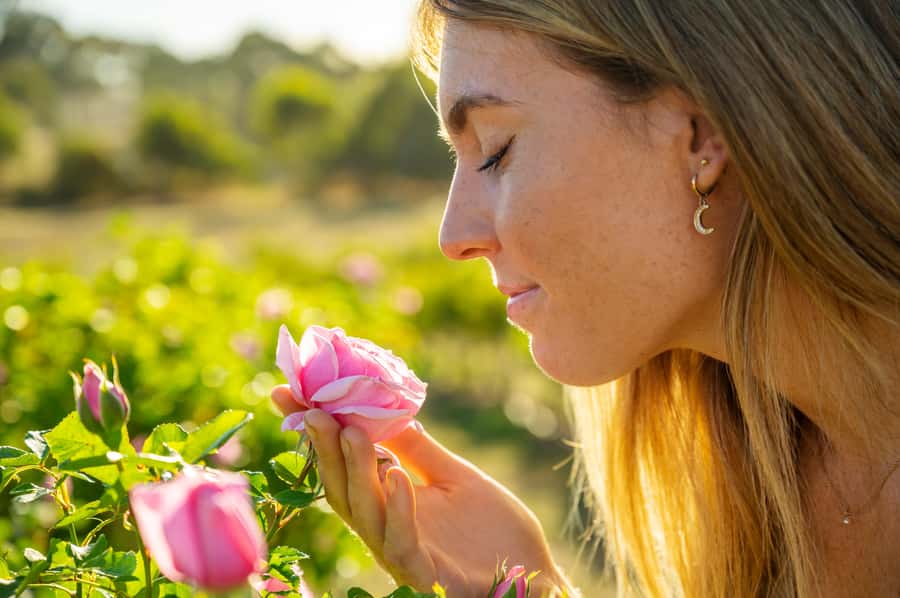
The Farm Shop is the natural final stop. After seeing where Jurlique’s botanicals are grown, you can browse the company’s skincare products and farm-only items.
This shopping opportunity adds value if you already use Jurlique or want a product associated directly with the farm. It also gives you a chance to connect the growing process with the finished range while the information is still fresh.
The important limitation is that the tour may not provide as much end-product information as some shoppers want. One recent visitor enjoyed the interactive presentation but felt that paying a little more for additional product knowledge would have improved the experience.
That is fair criticism. The tour’s stated subjects concentrate on the farm, so you should book it for the growing story first. If your main goal is to compare creams, serums, or ingredients in detail, the Farm Shop may be useful, but the 90-minute visit is not presented as a full skincare consultation.
The shop’s exclusive products are a strong reason to leave a little unhurried time around the tour. The exact range is not specified, and availability can change, but the chance to browse items sold only at the farm gives the stop a purpose beyond ordinary souvenir shopping.
Is $28 a fair price?
At $28 per person, the tour offers reasonable value if you care about the relationship between farming and skincare. You receive 90 minutes with a live English-speaking guide, access to the farm setting, an explanation of Jurlique’s growing methods, and the chance to visit the Farm Shop afterward.
The price makes less sense if you only want to buy Jurlique products. You can shop after the tour, but the paid experience is built around the farm story. You are paying for the explanation of propagation, plant uses, biodynamic principles, compost, soil fertility, and harvesting.
I would compare it with the cost of a standard brand presentation. This visit gives you a physical sense of place and a look at the production source, which makes it more useful for curious shoppers, gardeners, and visitors already interested in natural skincare.
It is also a manageable add-on to an Adelaide Hills day. The supplied details do not provide transport arrangements, a meeting time, group size, or the farm’s distance from Adelaide, so you’ll need to check the available departure before making your wider plans.
Free cancellation up to 24 hours before the visit and a reserve-now, pay-later option reduce the risk of booking around uncertain plans. Those policies are useful, but they do not change the central value question: book for the farm education, not simply for retail access.
Who will enjoy this farm tour most?
I would recommend the experience to several types of visitors:
- Skincare shoppers who want to know more about the source of botanical ingredients.
- Gardeners and plant lovers who will appreciate propagation, plant varieties, soil fertility, and compost.
- Sustainability-minded visitors interested in biodynamic farming principles.
- Adelaide Hills sightseers looking for a focused, low-fitness activity with a local connection.
- Jurlique fans who want to browse products and farm-only items after the tour.
Families may also find the interactive format approachable, though the supplied details do not set a minimum age or describe special activities for children. If you are bringing young children, check the conditions when booking.
I would be less likely to choose this tour if I wanted a long farm walk, a detailed agricultural lesson, or a dedicated skincare consultation. The experience is compact and brand-connected. Its value comes from joining those two sides without promising every possible detail.
Practical advice for making the most of it
Tell the Farm Shop team you have arrived. That is the stated meeting-point instruction, so do not simply assume you should wait somewhere else on the property.
Wear shoes that can handle uneven surfaces. Even with low fitness requirements, a farm is not the same as a smooth indoor shop.
Dress for the season and the forecast. The tour operates in all weather, and a hat and sunscreen are specifically advised. If rain is possible, add suitable weather protection rather than hoping the conditions change.
Use the guided time to ask about the plants that interest you. The tour includes plant varieties and their uses, but no complete list is provided in advance. Questions are the best way to make the content more relevant to your own skincare or gardening interests.
Keep a little attention for the Farm Shop. The visit ends with a chance to purchase Jurlique products and farm-exclusive items, so you may want to avoid rushing away the moment the walking portion ends.
Should you book the Jurlique Farm Tour?
Book it if you want to see how a skincare company connects its products to a working biodynamic farm. The 90-minute format is easy to fit into an Adelaide Hills outing, and the mix of propagation, plant uses, compost, soil care, and harvesting gives you more substance than a simple retail stop.
The strongest reasons to go are the farm setting, the practical growing story, and the chance to ask questions of a live Ambassador. A guide such as Kelly can add warmth and interaction to what could otherwise be a fairly technical subject.
Skip it if your main goal is a detailed explanation of finished skincare products. The Farm Shop offers products and exclusives, but the tour’s focus is clearly the source of the ingredients. At $28, that is a fair trade if you are curious about plants and farming, but not the best match for a shopper seeking a full product consultation.
FAQ
Where does the Jurlique Farm Tour take place?
The tour takes place at Jurlique’s biodynamic farm in South Australia’s Adelaide Hills.
How long does the tour last?
The guided tour lasts 90 minutes.
What language is the tour conducted in?
The live tour guide speaks English.
Who leads the tour?
A Jurlique Ambassador leads the guided farm tour.
What subjects does the tour cover?
It covers Jurlique’s history, seedling and plant propagation, plant varieties and their uses, biodynamic farming principles, soil fertility, compost production, and the harvest process.
Is the Farm Shop included?
The guided farm tour is included, and you can visit the Farm Shop afterward to purchase Jurlique products and items exclusive to the farm.
What should I wear?
Wear comfortable footwear, clothing suited to the season, a hat, and sunscreen. The tour takes place in all weather and may include uneven surfaces.
Is the tour suitable for people with low fitness levels?
Yes. The experience is described as suitable for low fitness levels, though some surfaces during the farm tour may be uneven.
Just added around Australia
- Harvest Your Own Pearl Private Experience – Perth★ 5.0 · 35 reviews
- Experience Coffin Bay Short and Sweet Oyster Farm Tour★ 5.0 · 56 reviews
- Cygnet Bay Pearl Farm Behind-the-Scenes Tour & Live Harvest★ 4.9 · 53 reviews
- Barossa & Maggie Beers Farm (4 wine Tastings & Lunch included)★ 4.5 · 45 reviews
- Jurlique Farm Tour★ 5.0 · 37 reviews
- Maggie Beer Farm – Barossa Valley Regional Tour★ 5.0 · 16 reviews
- Incredible Islands Tour – Horizontal Falls & Cygnet Bay Pearl Farm★ 5.0 · 96 reviews
- Hidden Gems Margaret River: Authentic Wine & Farm Experience★ 4.9 · 101 reviews
Australia Farm Tours, compared.
Hidden Gems: Boutique Full-Day Wine, Farm & Lunch Tour
Read our review →
3- Hour Wine and Harvest the Hunter Horse Tour in Pokolbin
Read our review →
Experience Coffin Bay Oyster Farm and Bay Tour
Read our review →
Coffin Bay Oyster Farm Wading Tour & Tasting Experience
Read our review →
Rockhampton: Koorana Crocodile Farm Guided Tour
Read our review →
Lists this farm appears in