
Reviewed · COFFEE FARM TOURS
Coffee Tour Salento-Ocaso Farm- English Tour
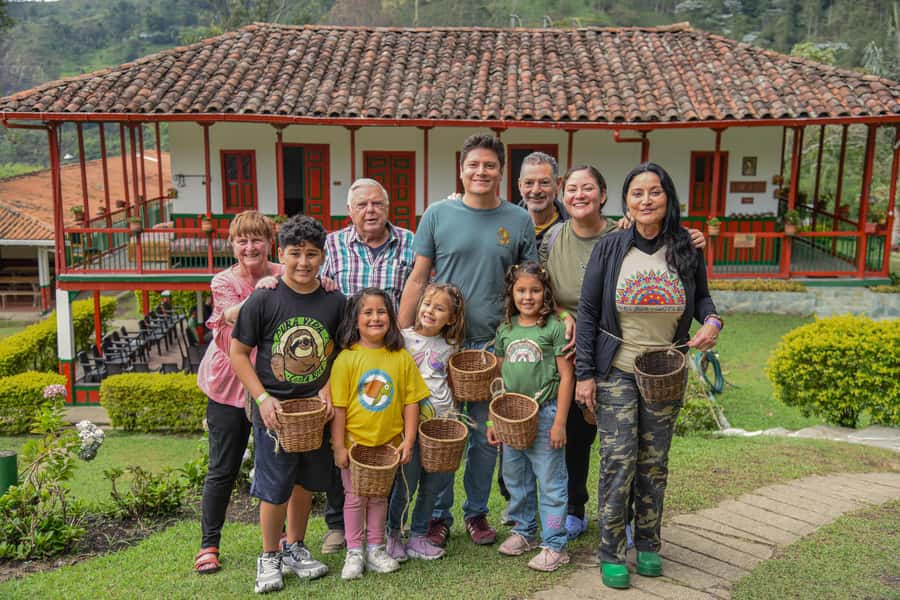
The most interesting part of this coffee tour near Salento is that you follow the bean from coffee tree to cup. You walk through the gardens and plantations, try harvesting and sowing, see the machinery used after picking, then finish with coffee prepared in a cloth strainer and pot.
I like the hands-on harvest and the clear look at what happens after the cherries leave the tree. I also like that the farm covers sustainable production, including composting, crop fertilization, and the relationship between coffee farming, local plants, and animals.
The main drawback is the rough access road. Finca El Ocaso is about 4 km from Salento, but the road is partly unpaved, and transportation costs extra. At $14, the tour is good value, but you need to arrange your own ride.
Key points at a glance
- Coffee from tree to cup: Follow planting, harvesting, processing, drying, storage, roasting, and brewing in one short visit.
- Hands-on farm work: Try harvesting and sowing coffee rather than only looking at displays.
- English-speaking guides: Nicolas and Johnathan are praised for clear English, humor, and helpful answers.
- Sustainability in practical terms: See composting, crop fertilization, and the farm’s approach to protecting local plants and animals.
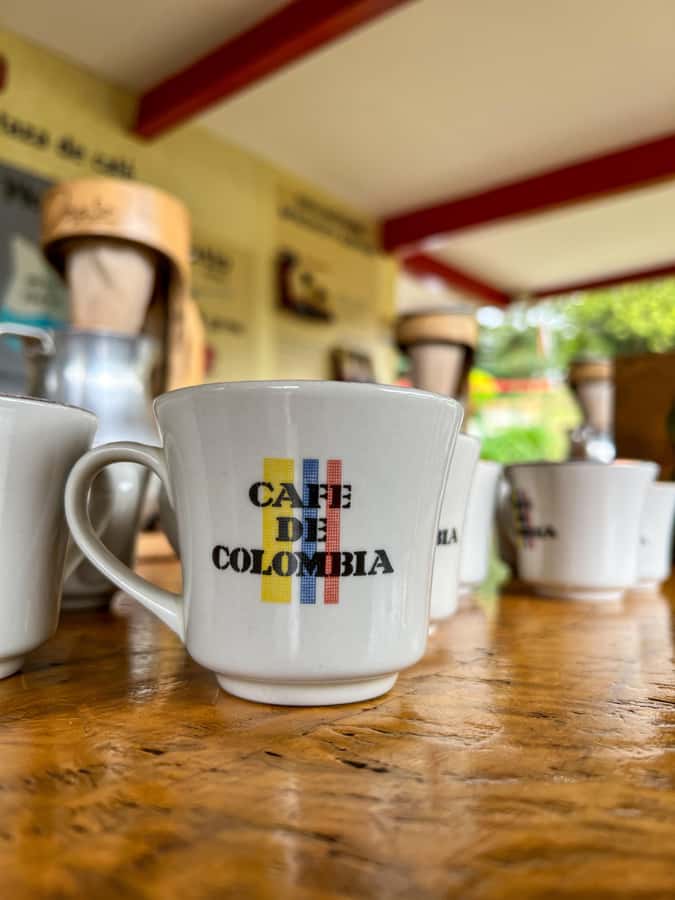
- Traditional coffee tasting: Learn basic extraction and taste coffee made with a cloth strainer and pot.
- Easy to pair with Salento: The farm is only about 4 km away, though the rough road makes transport planning important.
A working coffee farm, not just a tasting room
Finca El Ocaso gives you a working view of Colombian coffee production. This matters because many coffee visits stop at the final cup. Here, the cup is the last step in a long chain that begins with planting and careful growth.
The farm is in Tolima, close to Salento, and its setting gives you a chance to see coffee plants in their growing environment. The visit includes gardens and coffee plantations, so you are not confined to a café or processing building.
The farm also operates as a traditional farm and holds certifications connected with sustainable production. The tour explains what that means through actual farm stations, rather than leaving sustainability as a vague slogan.
You will hear about the main coffee species, how coffee trees are planted, and how they develop. That basic background helps you understand why a coffee plant needs time, attention, and the right growing conditions before it produces a useful harvest.
More Coffee Farm Tours in Colombia
- Medellín Coffee Farm Tour with Trolley and Cable Car Ride
★ 4.9 · 277 reviews - Salento: Private Cocora Valley, Salento & Coffee Farm Tour
★ 4.9 · 202 reviews - Medellin: Horseback Riding Coffee Farm Tour with Coffee Spa
★ 4.8 · 151 reviews
Starting among the coffee trees
The tour begins with the coffee plant itself. You learn about planting and growth before moving into the gardens and plantation areas. This order makes sense: it gives you the foundation before showing you the later stages of production.
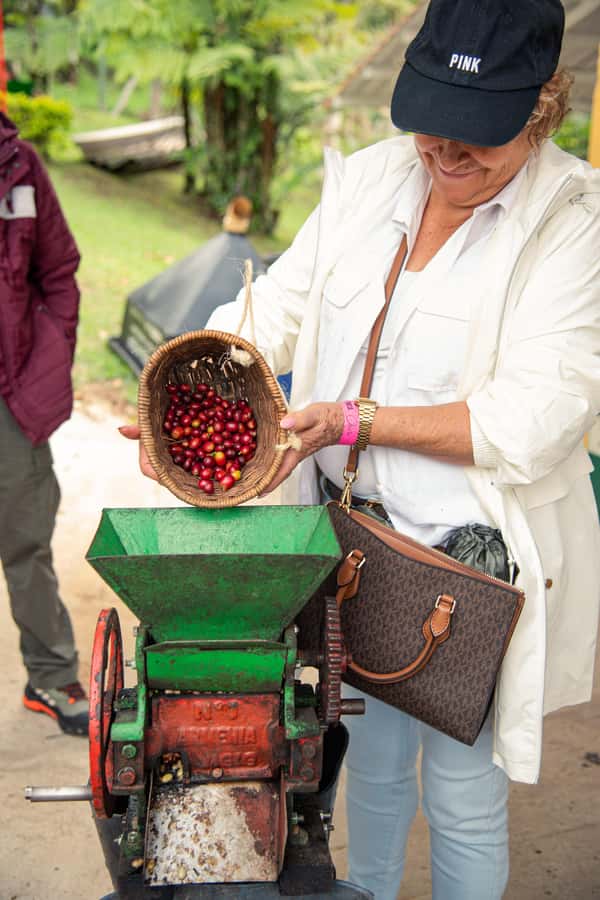
The farm visit includes harvesting and sowing. You can take part in some of the work, which gives the experience a practical edge. Picking coffee is easy to describe but more useful to understand when you have handled the fruit yourself.
Do not expect a long agricultural workday. The full activity lasts about 1.5 hours, so the farm tasks are part of a compact guided visit. That short format works well if you are building a day around Salento, but it also means the guide has to keep the pace moving.
English is offered throughout the tour. Nicolas is praised for being funny and clear, though he can sometimes speak quickly. Johnathan is also noted for strong English and for answering questions well. If you want to ask about a technical point, speak up rather than waiting for the next stop.
Composting, crops, and the farm’s greener side
The composting and crop fertilization station is one of the more useful parts of the visit. You get to see how organic material and farm inputs fit into coffee production, rather than hearing only about roasting and flavor.
The sustainability section also covers fauna and flora. In plain terms, the farm connects coffee growing with the surrounding living environment. That broadens the visit beyond a simple production line and helps you see that a cup of coffee begins with land management.
The farm’s sustainability certifications add some outside structure to its claims, but the value for you comes from seeing the process on site. The guide can connect the ideas to what is in front of you: coffee plants, composting, fertilization, gardens, and the farm’s wider setting.
This section may appeal most to you if you care about how food is grown. If you are interested only in tasting different coffees, it may feel like background information. The tour is designed to explain the whole process, not just to serve a drink.
Inside the processing plant
After the plantation, the tour moves to the processing plant. Here you learn what happens after coffee cherries are collected.
The first stages include the hopper and pulper. The hopper receives the harvested coffee, while the pulper removes the outer fruit from the beans. Seeing this equipment helps you understand why coffee production involves far more than picking ripe cherries.
You will also learn about mechanical drying and traditional drying. The contrast is useful because drying affects the condition of the beans before storage and later preparation. The tour does not present coffee as a single fixed method. It shows that farms can use different tools and approaches.
The processing visit is a strong part of the tour for anyone who wants to understand coffee beyond the label on a bag. You see the point where farm labor, machinery, timing, and care all meet.
The plant may not be polished like a museum exhibit, and that is part of its appeal. This is a traditional farm setting. You are seeing working equipment and production areas, not a staged theme park version of coffee.
More Coffee Farm Tours in the world:
- Award Winning Farm Tour: Coffee, Chocolate and Unique Gifts
★ 5.0 · 484 reviews - La Herradura Coffee Farm: tour in Europe’s only plantation
★ 4.8 · 430 reviews - Big Island: Volcanoes, Waterfalls, & Coffee Farm Day-Trip
★ 4.9 · 414 reviews - Small-Group Big Island Tour: Hawaii Volcanoes National Park and Kona Coffee Farm
★ 5.0 · 343 reviews
From storage warehouse to coffee market
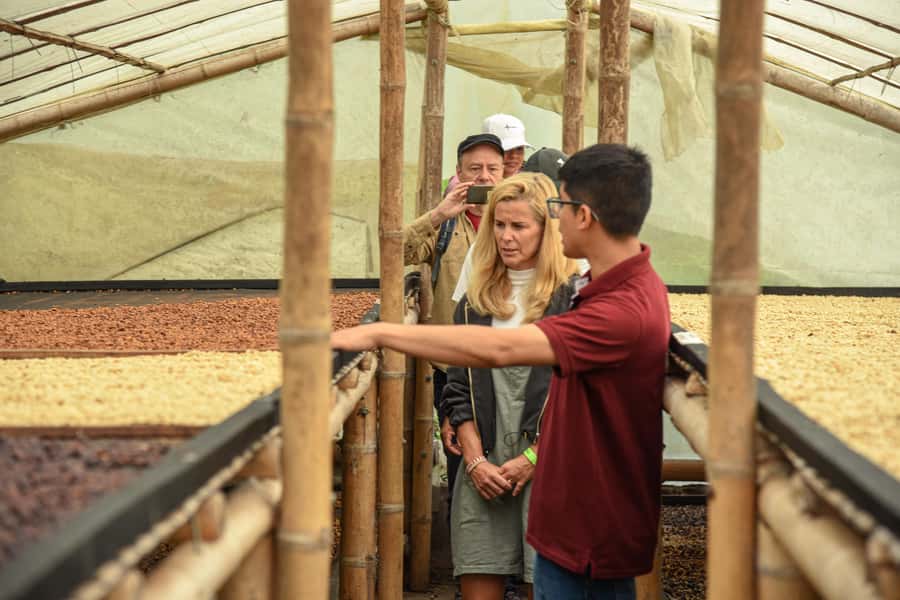
The route continues to the storage warehouse, threshing, and marketing. These steps are easy to overlook when you buy coffee, but they help explain how the product moves from farm production toward sale.
Threshing removes the remaining outer layers around the coffee bean. Storage then becomes important because the beans must be kept before they are roasted or marketed. The guide explains these stages as part of the larger chain.
Marketing is included in the discussion, giving you a little context about what happens after production. The tour does not promise a business lecture, but it does show that coffee quality and value are shaped by more than the roast.
This part also helps make the $14 price easier to judge. You are not paying only for a tasting. You are paying for access to a functioning coffee farm, a guide in English, the plantations, the processing areas, and an explanation of how the product moves through the system.
Roasting changes the cup
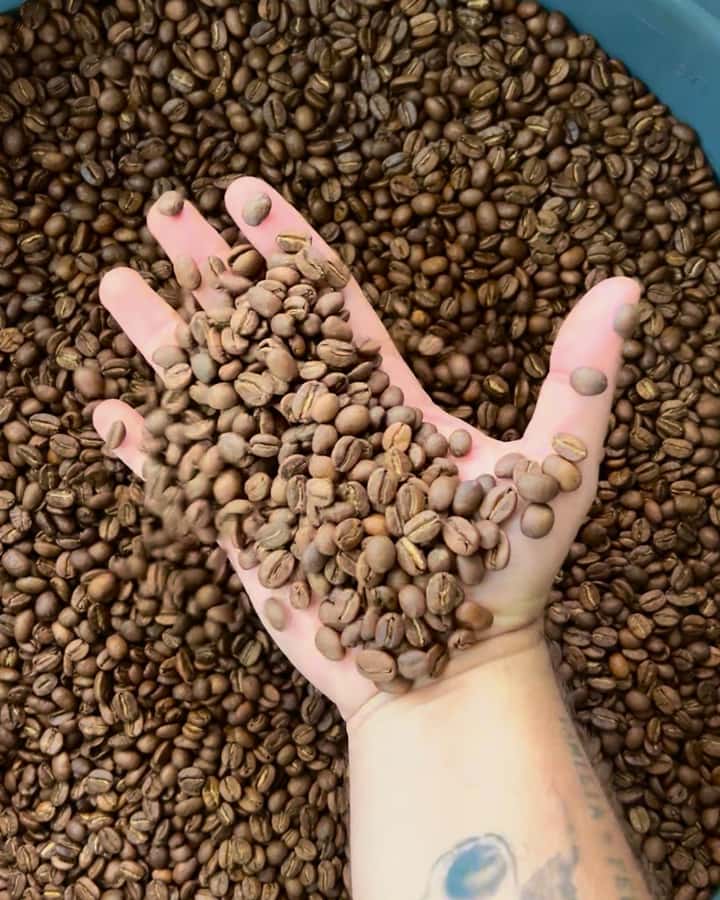
The tour then turns to roasting. You learn about different roast types and why the roast matters to coffee quality.
That topic is useful because roast level can change how coffee tastes, even when the beans come from the same source. The visit gives you a basic framework for understanding why one coffee may taste lighter, stronger, or different from another.
You also receive an introduction to correct coffee extraction. This is not presented as a specialist barista class, but it gives you a practical starting point for thinking about how coffee is prepared.
The final preparation uses a traditional cloth strainer and pot. This is a simple method, but it gives the tour a fitting finish. After seeing the trees, machinery, drying areas, and storage, you drink the result in a traditional style connected to the farm’s setting.
The tasting is not described as a large sampling session with many varieties. You should book this experience for the farm-to-cup explanation, with the final coffee serving as the conclusion rather than the entire purpose.
What the $14 price really buys
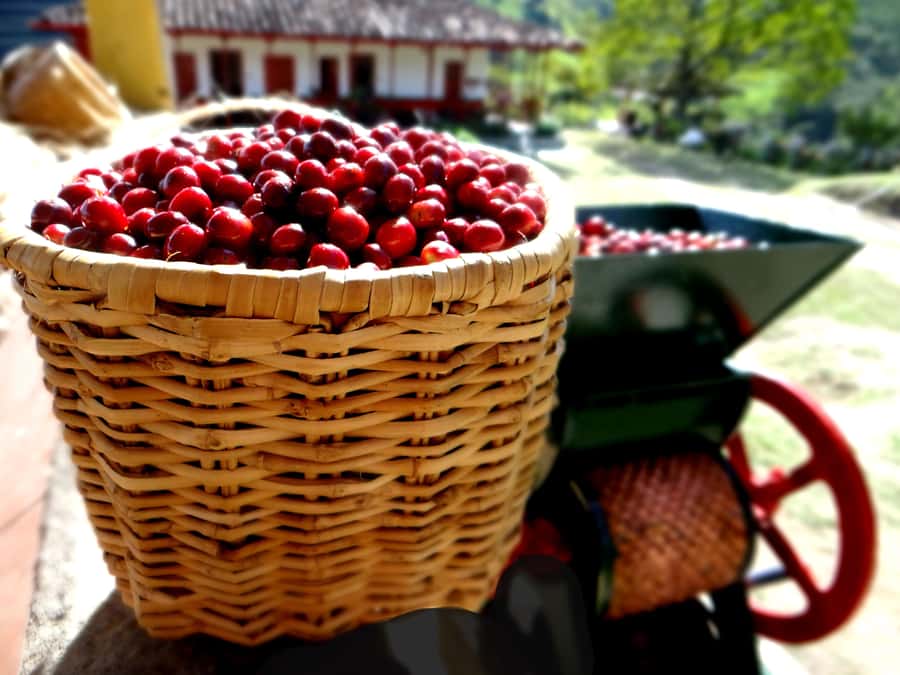
At $14 per person, this is an inexpensive way to spend 1.5 hours near Salento. The strongest value comes from the amount of ground covered in a short time: planting, growth, harvesting, composting, processing, drying, storage, threshing, marketing, roasting, extraction, and preparation.
The price includes the guided tour in English. It does not include transportation, food, or extra drinks. The coffee preparation at the end is part of the tour experience, but you should not treat the ticket as a meal or café credit.
The English guide is a real part of the value. Nicolas and Johnathan are praised for humor, clear explanations, and willingness to answer questions. A good guide makes technical steps easier to follow, especially when the visit moves quickly between farm work and machinery.
You may find cheaper ways to visit a coffee farm, but the low ticket price makes this a sensible choice if you want a structured introduction. It is also useful for couples, families, and first-time coffee visitors who want a broad picture without committing to a half-day activity.
Getting there from Salento
The farm is about 4 km from Salento. You can take a Willys Jeep from the square in Salento, but the ride is not included in the ticket.
The access road is tertiary and not completely paved. Plan for a rougher ride than you might expect from the short distance. That road condition is the most important practical consideration when you decide when to go and how much time to allow.
A normal taxi can also reach the farm, but a Willys Jeep may be cheaper for the return trip. One reported fare for the Jeep was 4,000 Colombian pesos per person on the way back, though transport prices can change, so confirm the current cost before setting out.
Because the activity ends back at the farm meeting point, think about your return ride before the tour begins. You do not want to finish the coffee tasting and then discover that you have not arranged a way back to Salento.
Wear practical shoes and bring insect repellent. The farm includes plantations and gardens, so this is not a city-center walking tour. Alcohol and drugs are not allowed.
Who will enjoy this coffee tour most
I would choose this tour if you want to understand how Colombian coffee is produced, not simply taste a fashionable drink. It suits you especially well if you enjoy seeing working farms, asking questions, and taking part in small practical tasks.
It is also a good pick for anyone who wants an English-language activity near Salento at a modest price. The guides bring humor to the explanations, which helps keep the technical sections from becoming dry.
Families may appreciate the short duration and the chance to see harvesting and processing. Coffee fans will get the most from the sections on species, roasting, extraction, and drying.
You may want something else if you expect a long tasting, advanced brewing instruction, or a fully paved route. The tour is broad rather than highly specialized. It gives you a solid introduction to the entire process, but it does not appear designed for professional coffee training.
Should you book Finca El Ocaso?
Book it if you want a well-priced farm visit with real production steps, an English-speaking guide, and a traditional coffee preparation at the end. The combination of harvesting, composting, processing, roasting, and tasting gives you far more context than a quick café stop.
Keep your expectations practical. You will need to pay for transport separately, travel along a partly unpaved road, and fit a compact 1.5-hour program into your day. If those details are fine with you, Finca El Ocaso is an easy recommendation for a first coffee experience near Salento.
FAQ
How long does the coffee tour last?
The tour lasts 1.5 hours. Starting times vary, so check availability when booking.
Where does the tour begin and end?
The activity begins at the farm and ends back at the same meeting point.
Is transportation from Salento included?
No. Transportation is not included. You can take a Willys Jeep from Salento’s main square, and a normal taxi can also reach the farm.
Is the tour conducted in English?
Yes. The tour includes a live English-speaking guide. Nicolas and Johnathan are among the guides associated with the experience.
What does the tour cover?
You learn about coffee history, species, planting, growth, harvesting, sowing, composting, fertilization, sustainability, flora, fauna, processing, drying, storage, threshing, marketing, roasting, extraction, and traditional preparation.
What should you bring?
Bring insect repellent. Food and drinks are not included, and alcohol and drugs are not allowed.
Just added around the world
- Hoi An: Cycling – Water Buffalo Riding Farming and Fishing★ 5.0 · 2 reviews
- Paestum and Buffalo Farm Day Tour from Sorrento★ 5.0 · 3 reviews
- Balinese Cooking Class at Organic Farm★ 5.0 · 51 reviews
- Belém: Marajó Island Day Trip with Buffalo Farm Visit★ 4.0 · 16 reviews
- Cycling, Water Buffalo Riding, Traditional Farming Life★ 5.0 · 10 reviews
- Side, Alanya: Green Canyon Boat, Waterfall&Orchards Mix Tour★ 4.3 · 14 reviews
- Farmers Market visit & Turkish Cooking Class★ 5.0 · 60 reviews
- 2-Hour Alpaca Farm Experience in Kenilworth★ 4.5 · 14 reviews
Coffee Farm Tours, compared.
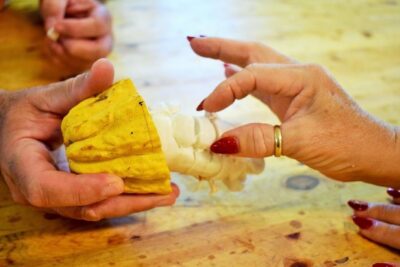
Award Winning Farm Tour: Coffee, Chocolate and Unique Gifts
Read our review →
La Herradura Coffee Farm: tour in Europe’s only plantation
Read our review →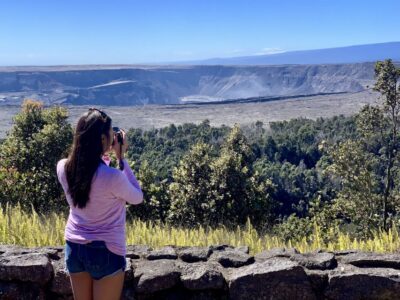

Small-Group Big Island Tour: Hawaii Volcanoes National Park and Kona Coffee Farm
Read our review →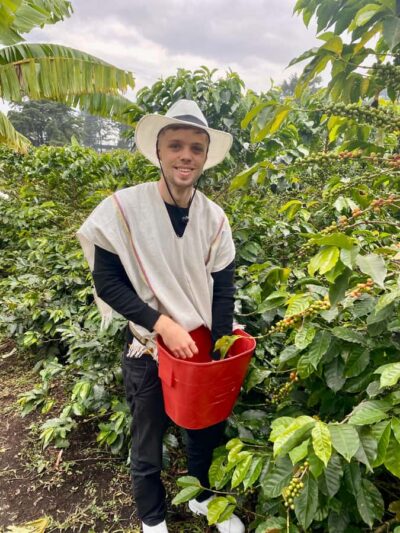
Medellín Coffee Farm Tour with Trolley and Cable Car Ride
Read our review →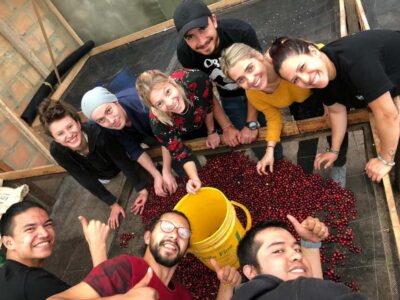
Private Cocora Valley, Salento & Coffee Farm Tour
Read our review →
Liamuiga Natural Farm Tour – St.Kitts’ Coffee Farm
Read our review →
Lists this farm appears in